Related News
- 00
0000-00
Selecting Smart Terminal Software for Multi-Site Field Service Operations - 00
0000-00
How to Specify Heavy-Duty Marine Engineering Equipment for Offshore Projects - 00
0000-00
How to Select Automated Terminal Systems for High-Throughput Cargo Terminals - 00
0000-00
How Automated Bulk Cargo Handling Reduces Dust, Spillage, and Port Downtime - 00
0000-00
Technical Evaluation of Port Assets: Assessing Reliability, Condition, and Residual Life
Selecting Smart Terminal Software for Multi-Site Field Service Operations
Selecting smart terminal solutions software for multi-site field service operations starts with a practical question: can the system preserve a reliable operational record while equipment, people, connectivity, and priorities differ from one terminal to another? A feature list is not enough. A platform may offer work orders, dashboards, and mobile forms, yet still fail when a crane alarm must be traced across control systems, a technician needs the correct maintenance history offshore, or a regional maintenance lead must compare recurring faults without mixing unlike assets.
The strongest choice creates a usable connection between asset condition, field activity, service decisions, and site-level operating context. It should show not only that a work order was closed, but also which machine configuration was involved, what evidence supported the diagnosis, which parts were fitted, whether the repair changed the fault pattern, and whether another site is seeing the same precursor.
Begin with the operating model, not the interface
Multi-site operations rarely have a single uniform service model. A container terminal with automated stacking cranes may use condition-triggered maintenance, remote support, and tightly controlled access windows. A bulk handling site may center its workflow on conveyors, ship loaders, reclaimers, and dust-exposed mechanical assemblies. Dredging equipment introduces mobile assets, changing work locations, hydraulic systems, pumps, and periods where communications are intermittent. Software selection changes materially when these conditions are treated as operational requirements rather than exceptions.
Map the service flow that actually occurs when an issue moves from detection to closure. Include the source of the signal, triage responsibility, dispatch decision, site access restrictions, isolation requirements, diagnostic evidence, parts consumption, approval points, return-to-service confirmation, and later review. This exercise exposes where a generic field service process becomes too shallow.
For example, an alert from a programmable controller, variable-frequency drive, vibration sensor, or hydraulic pressure transmitter is not automatically a maintenance event. The alert may reflect a sensor fault, a transient load condition, a communications dropout, an altered operating mode, or a developing mechanical defect. The software needs a controlled path from signal to investigation. Automatically generating every work order from every event creates noise, inflates backlog, and teaches teams to ignore alerts. Conversely, forcing all alarm context into free-text notes removes the information needed to identify repeat conditions.
Asset structure determines whether records remain comparable
A common selection mistake is evaluating asset management using a simple hierarchy demonstration: site, area, asset, component. The critical issue is whether the hierarchy can represent the maintainable structure of the equipment without becoming impossible to administer.
A quay crane may require relationships between the crane, trolley, hoist, spreader, power supply, anti-sway system, drive cabinets, wire ropes, brakes, and safety devices. An automated guided vehicle needs its vehicle identity linked to battery system, steering, drive motors, navigation hardware, onboard control software, and charging interactions. For dredging machinery, the structure may need to distinguish the vessel or platform, dredge pump, cutter head or draghead arrangement, suction line, discharge line, wear components, and instrumentation.
The selected system should support assets that are relocated, rebuilt, exchanged, or temporarily installed without breaking historic records. Serial-controlled components deserve particular attention. If a gearbox, drive module, pump cartridge, or spreader is moved between units, the prior maintenance history must remain with that serialized item while the parent asset reflects the installation period. A system that records only the current parent-child relationship can make failure analysis misleading after component swaps.
Configuration matters alongside physical structure. A terminal may operate nominally identical machines with different firmware versions, sensor packages, motor ratings, wheel assemblies, control logic, or retrofit kits. Comparing mean repair time or repeat faults across those units without recording configuration differences produces false conclusions. Smart terminal solutions software should allow equipment classes to share standard task templates while retaining machine-specific attributes and revision history.
Use failure codes carefully
Failure coding is useful only when the code set supports the level of diagnosis available at closure. Requiring a technician to select an exact root cause for every callout often produces inaccurate classifications chosen merely to complete the form. A better design separates the initial symptom, confirmed failed item, causal finding, corrective action, and confidence level. A low-confidence diagnosis can later be reviewed without contaminating failure trend reports.
Codes should also distinguish failure from intervention. Replacing a worn cable under a planned inspection is different from responding to a snapped cable that stopped equipment. Both activities consume labor and material, but they should not be counted as the same reliability event.
Evaluate integration by decision path
Integration claims are easy to overvalue when they are described only as available connectors or application programming interfaces. The relevant test is whether information reaches the person and process that need it with enough context, appropriate timing, and an auditable source.
Terminal service software commonly needs to exchange data with operational technology systems, terminal operating systems, enterprise resource planning tools, warehouse or parts systems, identity services, document repositories, and remote support tools. These links have different consequences. A delayed purchase-order update is inconvenient; a stale equipment state presented during dispatch can lead to an unnecessary callout or an unsafe assumption about machine availability.
Request a demonstration using a realistic exception, not a clean scripted sequence. Ask for an alarm that arrives while communications are disrupted, an asset whose identifier changes after a retrofit, a work order requiring an unavailable part, and a completed job later reopened after quality review. These cases reveal whether integrations retain state and ownership or merely pass messages between screens.
Mobile work must function at the point of maintenance
Field execution is where data quality is either established or lost. A mobile interface should support the physical conditions around cranes, conveyors, yard equipment, substations, and marine machinery. Technicians may need to view drawings, lockout records, inspection routes, prior fault notes, photos, meter readings, and parts information while wearing protective equipment or working in low-connectivity areas.
Offline behavior needs explicit testing. It is insufficient for an application to open a cached work order. Verify whether users can create records, attach evidence, capture readings, update labor, consume parts, and obtain conflict feedback after synchronization. The system should clearly show which data are local, pending upload, rejected, or superseded. Silent synchronization failures are especially damaging because they leave one site believing a repair is documented while the central record remains incomplete.
Attachment handling also deserves scrutiny. A photo of a cracked coupling, damaged cable insulation, or leaking hydraulic fitting has operational value only when linked to the correct asset, task, time, and observation. Images stored as generic job attachments become difficult to retrieve during repeat-failure investigations. The same applies to annotated electrical drawings, commissioning records, and vendor manuals. Search should use asset and component context, not depend solely on file names.
Dispatch logic must recognize terminal constraints
Scheduling engines are often assessed through travel time, skills, labor availability, and response targets. Those variables matter, but field service in terminal environments also involves access permits, tide or weather constraints for marine work, vessel schedules, isolation windows, elevated-work access, restricted zones, specialist tooling, and dependencies between mechanical and controls tasks.
A schedule that appears efficient on a map may be unusable if it assumes immediate access to a quay crane during loading, ignores the time needed to secure a work area, or assigns a controls task before the mechanical inspection that determines whether the fault is electrical. The system should represent prerequisites and hold points rather than treating every work order as an independent visit.
- A dispatch board should distinguish an asset that is unavailable for service from one that is operationally critical but accessible during a defined window.
- Skill matching should cover proven authorization or qualification status where required, not merely broad trade categories such as electrical or mechanical.
- Travel optimization needs to account for site entry, escort arrangements, internal transport, and shift handover, especially when terminals are geographically separated.
- Emergency work should not erase planned maintenance history. The backlog needs to show what was deferred, why it was deferred, and whether the delay affects subsequent tasks.
Do not assume that automation is always the preferred dispatch outcome. For low-volume specialist work, transparent manual allocation with strong status visibility may be safer than an optimization model built on incomplete data. Automation becomes credible after work duration, access time, skills, and task dependencies have been captured consistently enough to support it.
Remote diagnostics need controlled evidence and escalation
Remote support reduces unnecessary attendance only when diagnostic access is governed and its findings are recorded. The software should connect remote observations to the same service record used for onsite work. A control engineer reviewing a drive fault, a vibration analyst reviewing a bearing trend, and a technician inspecting the machine should not create three disconnected narratives.
Assess whether remote sessions record the system accessed, time period reviewed, relevant parameters, conclusion, and recommended next action. The platform does not need to store every raw telemetry stream inside the work order, but it should retain durable links to the source evidence and preserve enough context for later review. A simple note stating that a fault was “reset remotely” is weak evidence when the condition returns during the next shift.
Escalation rules should reflect consequence and uncertainty. A repeated nuisance alarm can be assigned for planned investigation, while loss of a safety interlock, abnormal brake response, uncontrolled motion indication, or critical hydraulic pressure loss requires a different path. Software must support this distinction without encouraging unqualified personnel to make safety judgments through a generic priority dropdown.
Compare reporting definitions before comparing dashboards
Multi-site performance reporting fails when terminals use the same labels for different events. “Downtime” may mean equipment unavailable to operations at one site, elapsed repair time at another, or any open corrective work order elsewhere. “Response time” may run from alarm receipt, dispatch assignment, site arrival, or first diagnostic action. A polished dashboard cannot correct incompatible definitions.
Require each proposed system to show how it handles local and shared metric definitions. Shared reporting should retain a common baseline for asset availability, repeat defects, preventive maintenance completion, overdue safety-related actions, spare-part delay, and work-order aging. Local sites may add operational measures, but those extensions should not silently redefine enterprise measures.
Drill-down capability is more valuable than a large number of indicators. When one terminal appears to have higher repeat faults, the system should allow the reviewer to inspect asset class, configuration, fault code confidence, work type, operating hours, prior corrective action, and data completeness. A high repeat rate could signal a real design issue, inconsistent coding, deferred parts replacement, or a change in how faults are logged. Without that context, cross-site ranking can punish better reporting rather than worse performance.
Security and governance are functional requirements
Smart terminal software often bridges information technology and operational technology environments. Security assessment should therefore cover the operational consequences of access design, not only generic policy statements. Separate read-only diagnostic access from the ability to alter settings, acknowledge alarms, approve work completion, release equipment, or change master data. These permissions should be traceable to named accounts and constrained by role, site, and time where appropriate.
Examine how the product handles vendors and temporary support staff. External access should not require a permanent account with broad visibility across terminals. Audit records should show not only that a record changed, but the prior value, new value, actor, time, and associated approval when the change affects asset configuration, maintenance intervals, or safety-critical instructions.
Data ownership and retention also require direct answers. Establish where service records, machine histories, attachments, and integration logs reside; how data can be exported in usable formats; and how access is preserved during a transition. Multi-site programs accumulate value through history. A system that makes historical evidence difficult to extract creates a dependency that may only become visible after several years of operation.
Use a scenario-based selection exercise
Scorecards are useful after a realistic evaluation scenario has been defined. Build the scenario around a representative asset family and include a planned task, a condition alert, an urgent breakdown, a component replacement, a remote review, a part shortage, and a cross-site trend query. Use actual asset naming conventions, sample drawings, maintenance instructions, and operational restrictions where possible.
Ask each supplier to configure or demonstrate the scenario without hiding manual work behind administrative assumptions. Record where configuration is needed, where custom development is proposed, what master data must be cleaned, and which steps depend on external systems. A capability that works only after extensive customization should be treated differently from one supported through maintained configuration.
The final selection should favor traceability over visual novelty. Reliable asset context, controlled workflows, resilient mobile execution, credible integrations, and comparable reporting create a foundation for coordinated service across terminals. Once those elements are stable, optimization and advanced analytics have evidence they can trust.
Related News
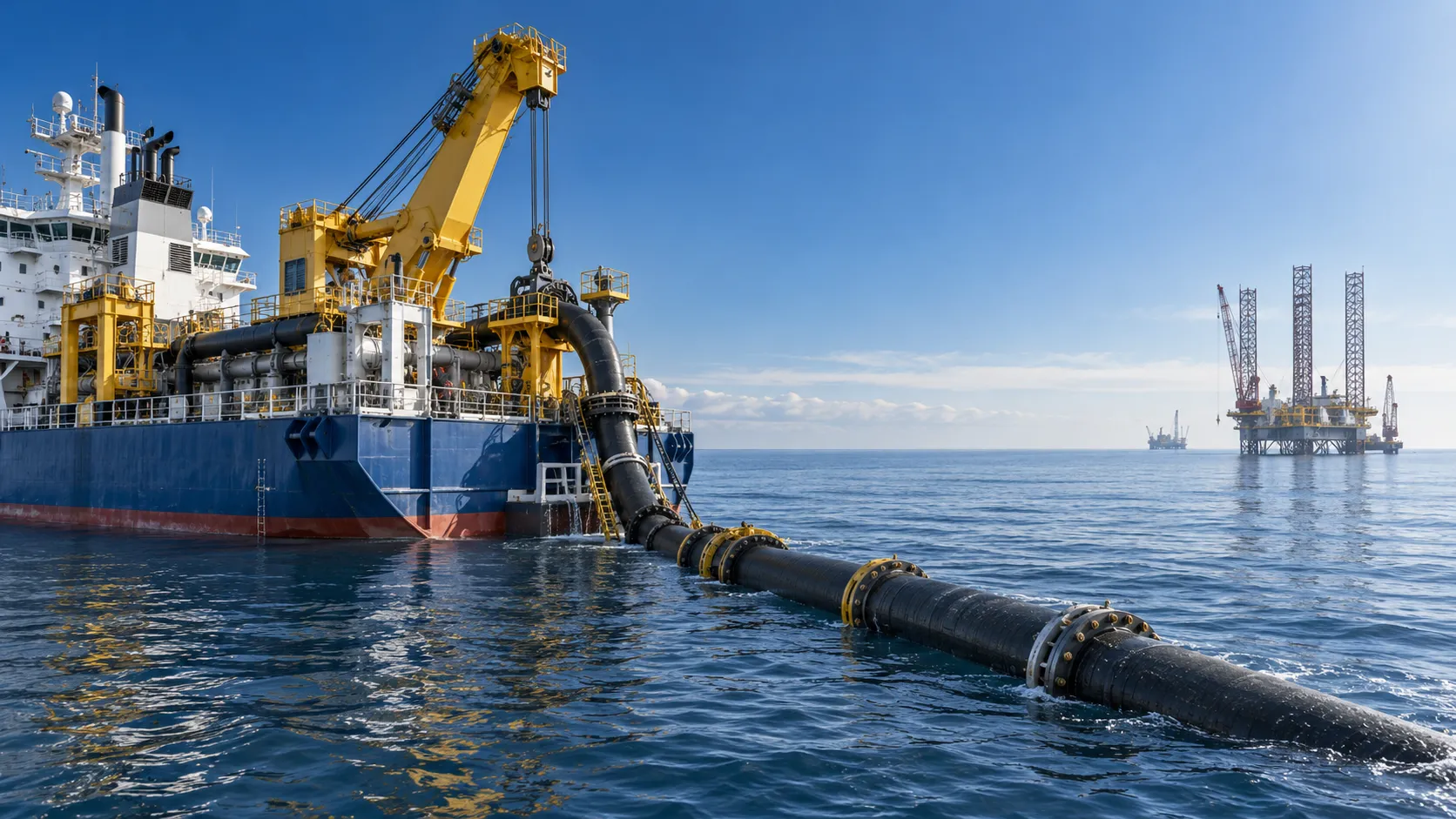
How to Specify Heavy-Duty Marine Engineering Equipment for Offshore Projects
Heavy duty marine engineering equipment: learn how to specify reliable offshore assets for safety, uptime, integration, lifecycle cost, and project success.

How to Evaluate a Container Handling Equipment Exporter for Port and Yard Projects
Choose the right container handling equipment exporter with a practical guide to compliance, automation, service support, delivery reliability, and lifecycle value.

How to Select Automated Terminal Systems for High-Throughput Cargo Terminals
Automated terminal systems for cargo terminals: learn how to select scalable, resilient solutions that boost throughput, streamline integration, and control lifecycle risk.
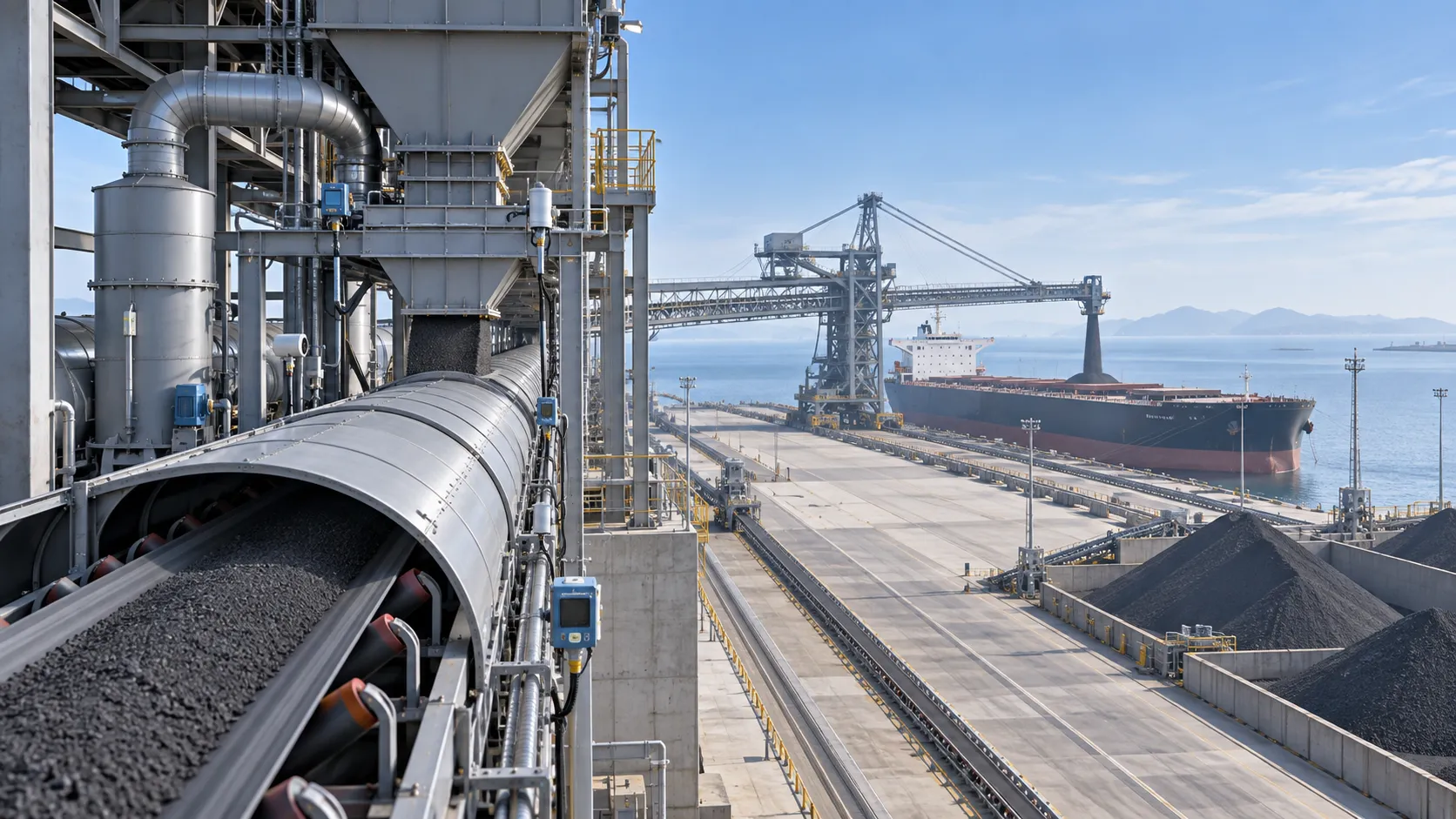
How Automated Bulk Cargo Handling Reduces Dust, Spillage, and Port Downtime
Automated cargo handling for bulk cargo cuts dust, spillage, and port downtime through stable flow control, smart sensing, and coordinated recovery.
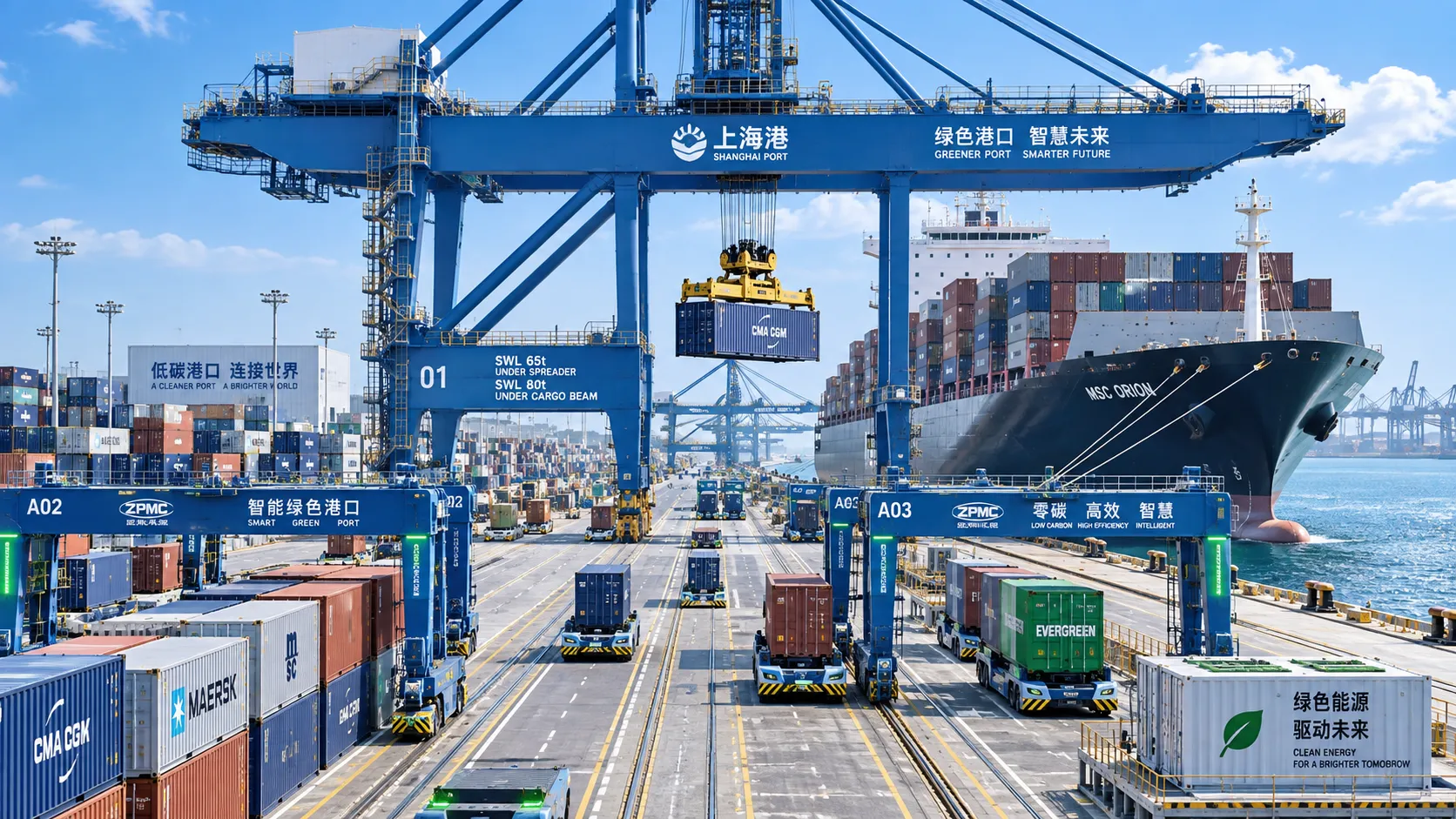
Port Equipment Market Outlook: Demand Drivers Shaping Crane and Handling Equipment Sales
Port equipment market outlook: Explore demand drivers for cranes, automation, electrification, bulk handling, and aftermarket services that create profitable sales opportunities.
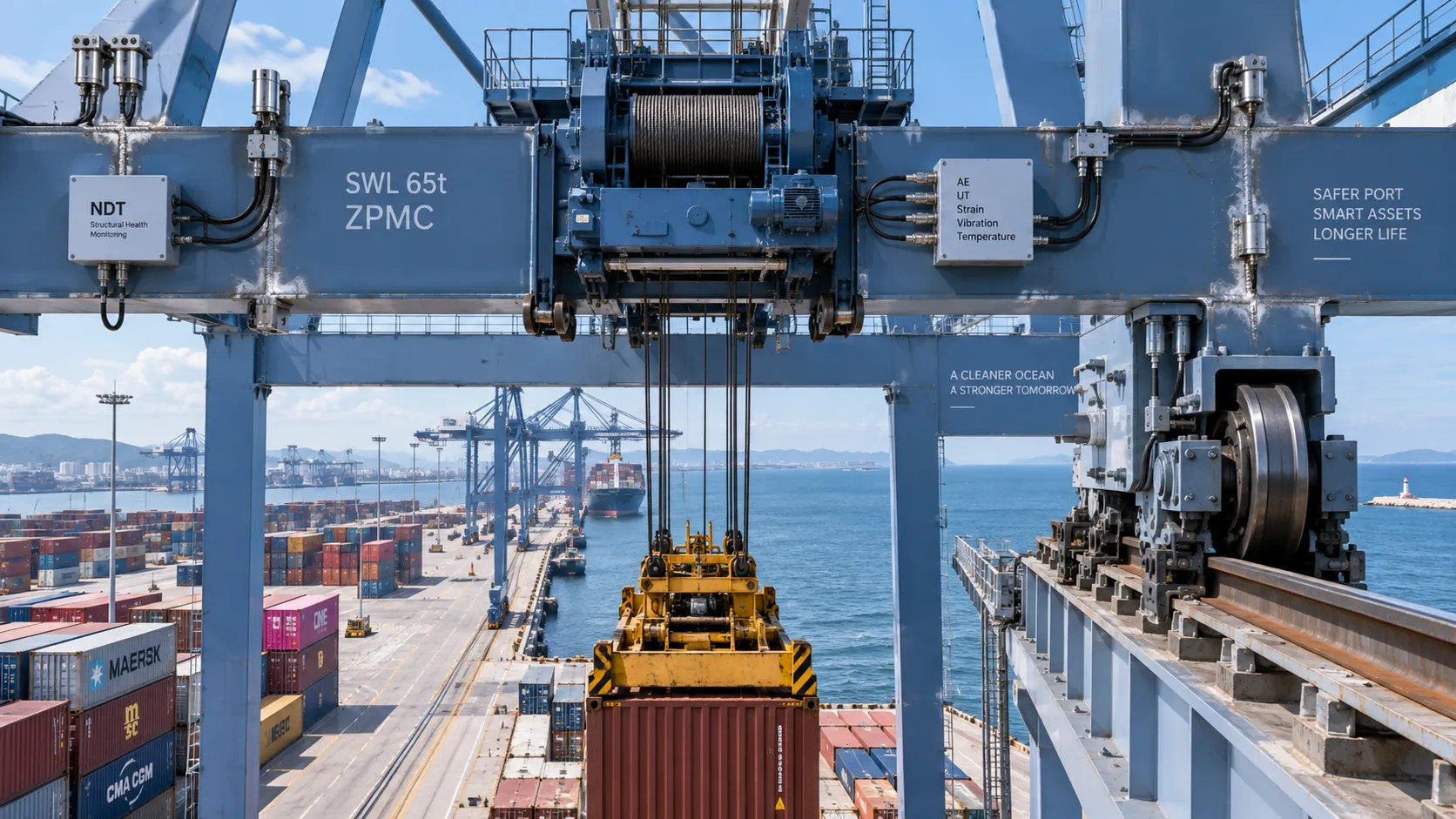
Technical Evaluation of Port Assets: Assessing Reliability, Condition, and Residual Life
Technical evaluation of port assets: assess reliability, condition, and residual life with actionable insights for safer operations and smarter investment decisions.
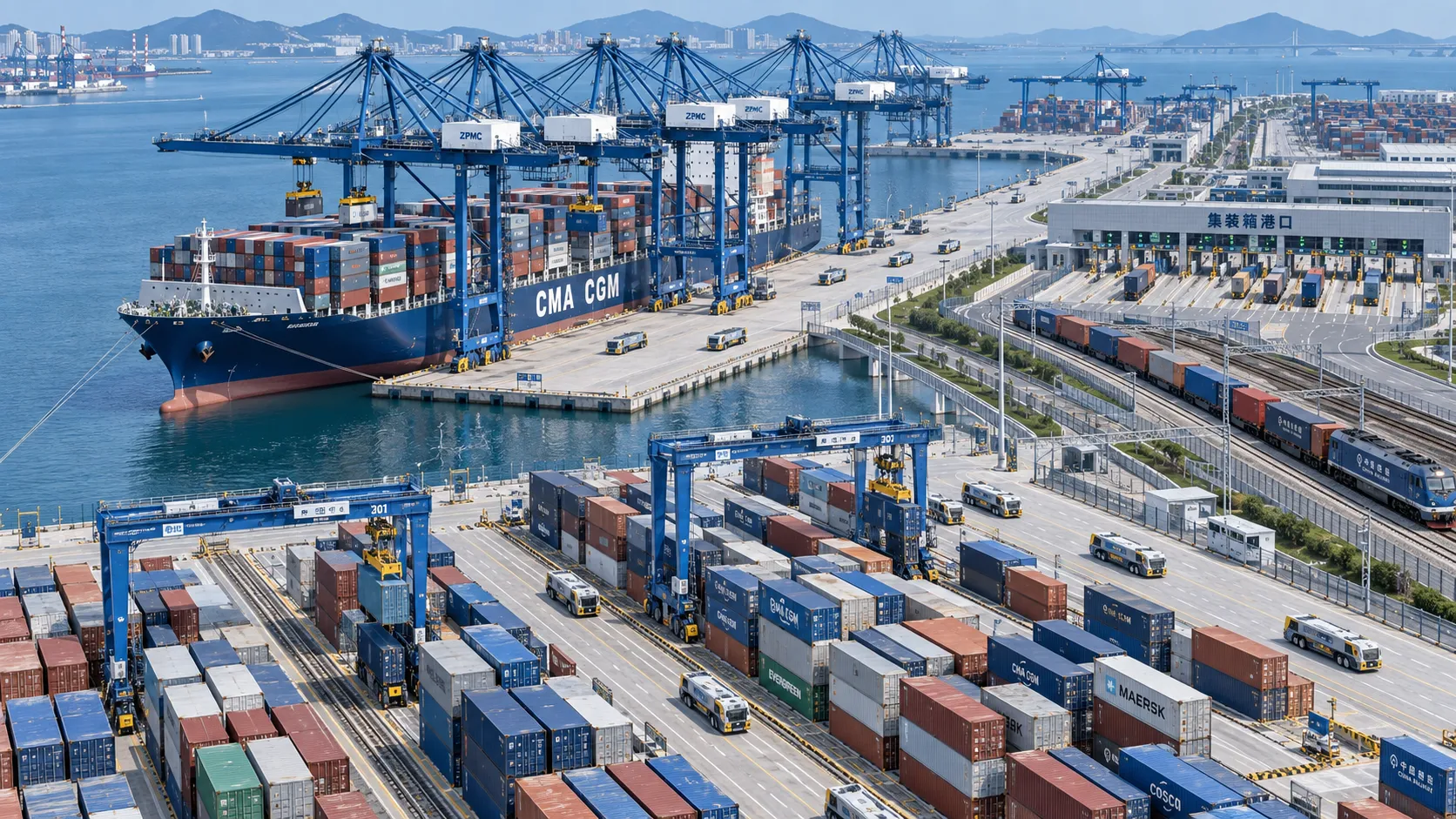
What Should a Port Capacity Plan Measure Before a New Berth or Crane Investment?
Port capacity planning: discover the metrics that reveal whether a new berth or quay crane will improve throughput, service reliability, and investment returns.
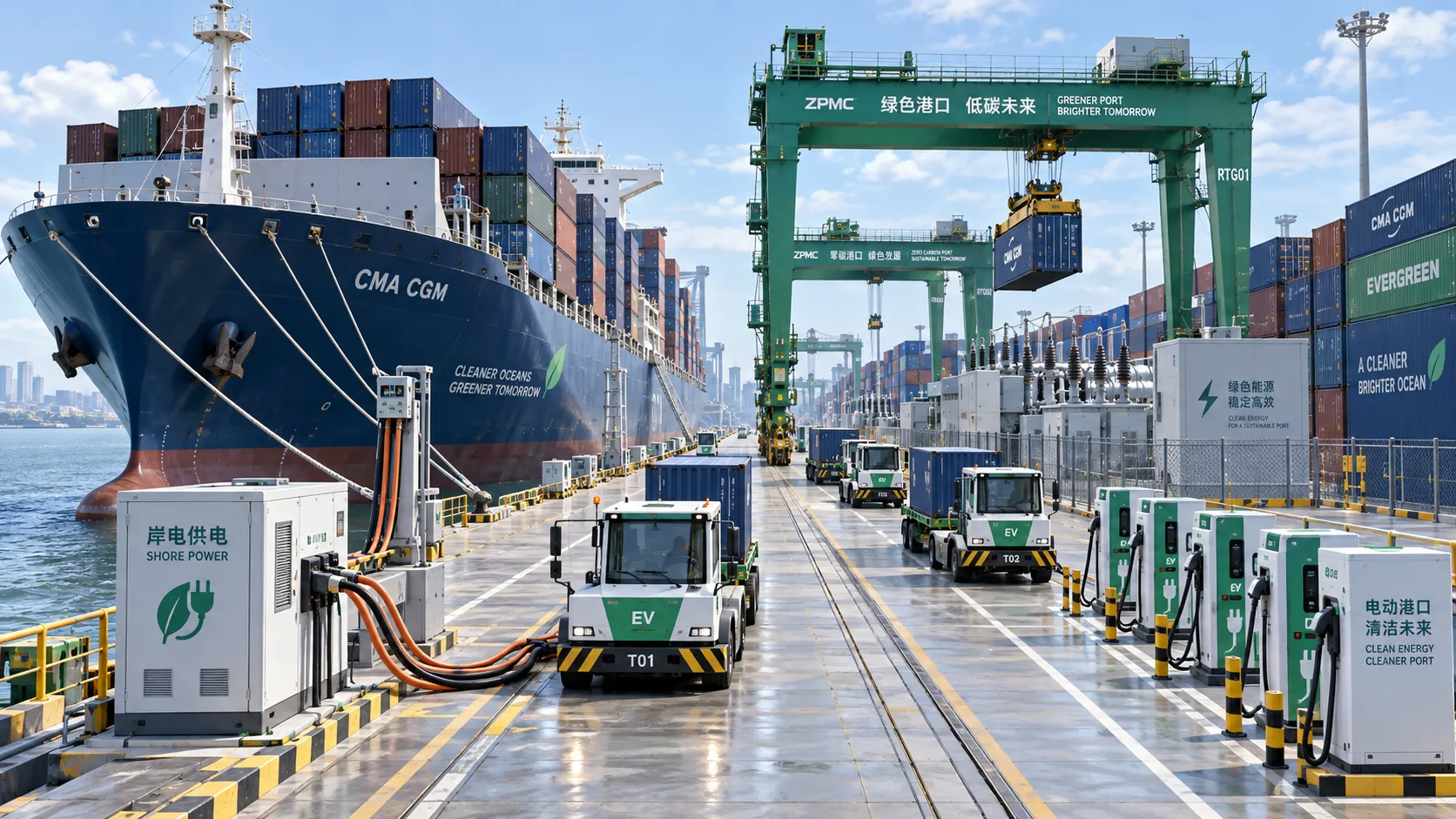
Port Emissions Reduction Services: Building a Shore Power and Equipment Retrofit Plan
Port emissions reduction services help terminals build practical shore power and equipment retrofit plans that cut emissions, protect throughput, and scale with confidence.

Selecting Port Control Systems for Vessel Traffic: Coverage and Fail-Safe Design
Port control systems for vessel traffic: learn how to assess coverage, redundancy, fail-safe recovery, cybersecurity, and operator workflows for safer port operations.