Related News
- 00
0000-00
Port Equipment Market Outlook: Demand Drivers Shaping Crane and Handling Equipment Sales - 00
0000-00
Smart Port Systems in Southeast Asia: Investment Priorities and Adoption Barriers - 00
0000-00
Resilient Port Infrastructure Planning: Which Upgrades Deliver Long-Term Value? - 00
0000-00
Can Electric Port Machines Help Meet Net-Zero Targets? - 00
0000-00
Middle East Port Automation: Key Market Drivers, Projects, and Investment Risks
Port Equipment Market Outlook: Demand Drivers Shaping Crane and Handling Equipment Sales
Port Equipment Market Outlook: Demand Drivers Shaping Crane and Handling Equipment Sales
The port equipment market is entering a decisive growth phase as terminal expansion, automation upgrades, and supply-chain resilience reshape purchasing priorities worldwide.
For distributors, agents, and equipment partners, the opportunity is no longer limited to supplying individual machines through transactional sales channels.
Buyers increasingly seek reliable equipment ecosystems combining cranes, yard vehicles, controls, maintenance services, spare parts, training, and lifecycle performance assurance.
This creates stronger commercial potential for channel partners that can translate infrastructure investment plans into practical equipment packages and long-term operating value.
The central question is not simply where port equipment demand will rise, but which product categories, customer segments, and service capabilities will convert demand into profitable sales.
What the Port Equipment Market Signals for Channel Partners
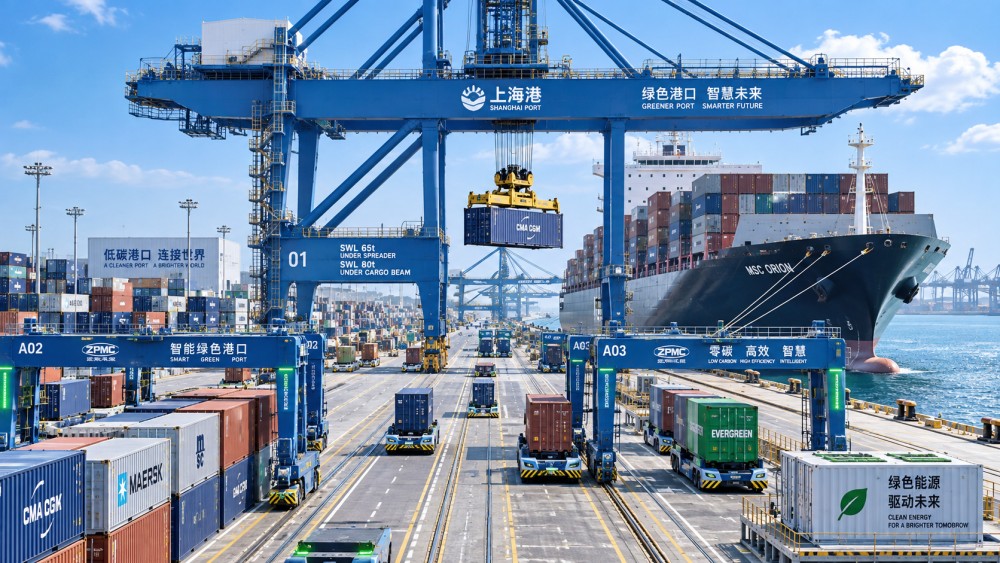
The port equipment market is being shaped by a clear shift from capacity-focused procurement toward productivity, resilience, energy efficiency, and digital control.
Terminal operators still need larger cranes and faster handling systems, yet they increasingly evaluate suppliers through uptime, integration capability, operating cost, and support responsiveness.
For distributors, this changes the commercial model from product representation toward solution development, technical advisory work, and recurring aftermarket support.
The strongest opportunities often emerge where operators are upgrading existing terminals instead of building entirely new greenfield facilities from the ground up.
Brownfield modernization projects commonly require phased investment, compatible equipment interfaces, retrofit engineering, and localized service support throughout implementation.
These conditions favor channel partners that understand site constraints, regional regulations, cargo flows, labor conditions, and customer maintenance maturity.
Demand is also becoming more segmented. Container terminals, dry bulk ports, multipurpose berths, inland depots, and dredging contractors purchase equipment for different operational bottlenecks.
A distributor should therefore avoid treating the port equipment market as one uniform demand pool with identical sales triggers and purchasing criteria.
Container terminals may prioritize crane automation and yard density, while bulk operators may focus on conveyor reliability, dust control, unloading rates, and wear resistance.
Smaller regional ports can value versatile mobile equipment, financing access, and fast maintenance response more than fully automated terminal architectures.
Commercial success depends on matching equipment capability with the customer’s throughput profile, capital budget, operating model, and infrastructure readiness.
Terminal Expansion Remains a Core Driver of Crane Demand
Global trade volatility has not eliminated port expansion demand. Instead, it has made targeted capacity investment more important for ports handling strategic cargo flows.
Many terminals are expanding berth capacity, yard space, rail connections, and gate systems to reduce congestion and protect service reliability during demand surges.
Quay cranes remain central to these projects because vessel sizes, port-call productivity expectations, and shipping-line schedules continue to pressure berth operations.
Ship-to-shore cranes with greater outreach, higher lifting capacity, and improved cycle times are especially relevant at terminals serving larger container vessels.
However, crane sales rarely depend on lifting specifications alone. Customers assess rail gauge, power availability, berth geometry, wind conditions, civil works, and maintenance access.
Distributors can add value by identifying these constraints before equipment selection reaches the final tender stage.
Early technical engagement helps prevent a common commercial problem: proposing a technically impressive crane that creates costly civil, electrical, or operational modifications.
Rubber-tired gantry cranes, rail-mounted gantry cranes, reach stackers, empty container handlers, and terminal tractors remain important across different yard configurations.
The right equipment mix depends on container volumes, stacking patterns, land availability, labor costs, and the expected degree of automation.
For example, an operator with limited land may prioritize higher-density stacking systems, while a flexible regional terminal may favor mobile handling equipment.
Channel partners should position crane sales around measurable operational outcomes, including moves per hour, reduced dwell time, improved asset availability, and lower fuel consumption.
Automation Is Expanding the Addressable Equipment Opportunity
Port automation is broadening the definition of equipment procurement. Mechanical assets now increasingly require software, sensors, connectivity, remote control, and fleet coordination capabilities.
This transition creates sales opportunities beyond conventional crane supply, particularly for partners able to combine industrial equipment with automation integration services.
Automated stacking cranes, remotely operated quay cranes, automated guided vehicles, and intelligent gate systems are becoming more visible in major terminal investment programs.
Yet full automation is not the only viable path. Many operators begin with partial automation that addresses a specific bottleneck or safety concern.
Examples include anti-sway systems, automated positioning, optical character recognition, remote crane operation, predictive maintenance platforms, and yard optimization software.
For distributors, phased automation is commercially significant because it allows customers to invest progressively while testing operational benefits before larger commitments.
The sales conversation should focus on process redesign rather than technology labels. Automation succeeds when workflows, labor practices, safety systems, and maintenance responsibilities are aligned.
Customers may hesitate because they fear integration complexity, cybersecurity risks, operator resistance, or unclear return on investment.
Effective channel partners address these concerns with site assessments, implementation roadmaps, interoperability reviews, and realistic performance assumptions.
They should also clarify which party owns software support, data access, control-system updates, and fault resolution after commissioning.
Automation projects become more credible when commercial proposals include training, acceptance testing, remote diagnostics, spare sensor availability, and escalation procedures.
Electrification and Emissions Rules Are Redirecting Purchase Decisions
Decarbonization is becoming a material demand driver in the port equipment market, especially where regulators, investors, cargo owners, and port authorities impose emissions targets.
Diesel-powered handling fleets remain common, but operators are increasingly comparing them with electric, hybrid, battery-powered, and alternative-fuel equipment options.
Terminal electrification can reduce local emissions and operating noise, while also improving compliance with increasingly strict environmental requirements near urban port areas.
However, buyers need more than sustainability claims. They need a clear evaluation of energy availability, charging infrastructure, duty cycles, battery life, and maintenance implications.
Equipment distributors can differentiate themselves by helping customers calculate total cost of ownership rather than relying on purchase-price comparisons alone.
A lower-emission machine may involve greater initial capital expenditure, yet produce better economics through energy savings, lower maintenance needs, incentives, or avoided compliance costs.
That case varies significantly by country, power pricing, utilization level, and the local availability of charging or grid infrastructure.
For cranes, electrification often connects to shore power, cable reel systems, energy recovery, smart power management, and terminal-wide electrical planning.
For mobile equipment, the relevant questions include charging windows, battery swapping options, route lengths, payload requirements, and peak operational demand.
Channel partners should present electrification as an operational transition plan, including infrastructure dependencies and contingency procedures for uninterrupted terminal service.
Customers are more likely to adopt cleaner equipment when suppliers demonstrate how productivity can be maintained during the transition from legacy fleets.
Bulk Handling and Dredging Equipment Create Distinct Sales Paths
Container handling attracts much industry attention, but bulk cargo machinery continues to generate substantial demand across energy, mining, agriculture, steel, and construction supply chains.
Bulk terminals require reliable ship unloaders, loaders, conveyor systems, stacker reclaimers, hoppers, feeders, crushers, and dust suppression solutions.
Purchasing decisions in this segment are strongly influenced by material characteristics, including abrasiveness, moisture content, particle size, flow behavior, and contamination requirements.
Distributors need technical credibility because improper equipment selection can lead to blockages, excessive wear, dust exposure, safety incidents, and expensive downtime.
Wear parts, belts, rollers, liners, pumps, motors, gearboxes, and condition-monitoring devices also create attractive aftermarket opportunities throughout equipment lifecycles.
Dredging equipment represents another specialized market where port deepening, channel maintenance, coastal protection, and land reclamation drive investment.
Demand may be project-based and cyclical, but it can involve high-value machinery, specialized components, engineering support, and long replacement cycles.
Agents serving dredging contractors should understand pump performance, cutterhead wear, soil conditions, discharge distance, vessel availability, and environmental permitting requirements.
Rather than marketing dredging machinery as a generic marine product, distributors should connect equipment capability to specific hydraulic and geotechnical project conditions.
In both bulk handling and dredging, technical service capacity is often more important than broad catalog coverage.
Aftermarket Capability Determines Long-Term Channel Value
New equipment sales create visibility, but aftermarket performance often determines whether distributors build durable profitability within the port equipment market.
Ports operate continuously under demanding conditions, making downtime costly for terminal operators, shipping lines, cargo owners, and transport networks.
Customers therefore value suppliers that can provide critical spares, field technicians, inspection programs, repair coordination, and responsive warranty support.
A strong aftermarket model begins with identifying high-failure and high-wear components for each installed equipment category.
For cranes, this may include spreader parts, wire ropes, brakes, drives, sensors, cables, wheels, hydraulic components, and electrical control modules.
For bulk systems, common priorities include conveyor belts, idlers, rollers, liners, bearings, pumps, seals, and dust-control equipment.
Distributors should map installed equipment populations, operating ages, maintenance intervals, service records, and likely replacement cycles within their territories.
This information allows channel partners to stock strategically, forecast demand, and approach customers before urgent failures disrupt operations.
Service contracts can further strengthen customer relationships by bundling inspections, preventive maintenance, remote monitoring, spare parts planning, and emergency response commitments.
These agreements require discipline. Promising fast response without qualified technicians, inventory systems, and supplier backing can damage credibility quickly.
For agents representing overseas manufacturers, transparent responsibilities for warranties, technical documentation, training, and parts lead times are essential before market entry.
How Distributors Should Evaluate Commercial Opportunities
Not every terminal project offers the same channel potential. Distributors should assess opportunity quality before committing engineering resources, inventory capital, or sales attention.
The first question is whether the project has a confirmed operational need, approved budget, defined timeline, and credible decision-making structure.
Publicly announced port expansion plans can generate leads, but many remain delayed by financing, permitting, political changes, or infrastructure dependencies.
Second, assess whether the equipment supplier has a differentiated advantage in the project’s required product category and performance range.
A broad product portfolio is useful, but customers generally select partners with proven references in comparable terminals and operating conditions.
Third, examine the serviceability of the installed base. Large equipment orders may appear attractive while carrying unacceptable technical support obligations afterward.
Fourth, consider local competition. Established service companies, original equipment manufacturers, and low-cost suppliers can reshape margin expectations and customer loyalty.
Fifth, confirm commercial protections, including territory rights, tender registration, pricing discipline, commission terms, payment security, and spare-parts access.
Agents should also investigate who influences the purchase: terminal operators, port authorities, engineering consultants, construction contractors, lenders, and shipping-line customers.
A sales strategy that engages only procurement teams often arrives too late to influence equipment specifications or automation architecture.
The most effective distributors participate earlier by providing market intelligence, operational comparisons, technical workshops, and project-specific equipment recommendations.
Sales Messages That Address Buyer Risk Directly
Port equipment buyers are managing operational risk, not simply comparing brochures. Their decisions affect throughput, safety, labor productivity, vessel turnaround, and customer commitments.
Commercial presentations should therefore address the risks buyers need to control, beginning with availability, maintainability, energy use, and integration compatibility.
Instead of claiming superior quality broadly, quantify relevant outcomes using reference data, maintenance assumptions, warranty scope, and expected lifecycle costs.
Where reliable benchmark data is unavailable, distributors should state assumptions clearly and avoid presenting speculative savings as guaranteed results.
Buyers also need confidence that equipment will perform under local weather, cargo conditions, labor practices, and infrastructure limitations.
Site visits, reference terminal tours, demonstration programs, and engineering consultations can reduce uncertainty more effectively than generic promotional materials.
For automation equipment, explain the operational boundary between manual, assisted, remote, and autonomous functions in practical language.
This helps customers understand what changes will be required in staffing, training, maintenance, cybersecurity, and daily operating procedures.
For electrified equipment, show the connection between machine selection and power infrastructure, including charging capacity, backup arrangements, and peak-load management.
When distributors become trusted interpreters of these decisions, they are less vulnerable to price-only competition.
Outlook: Building a Defensible Position in the Port Equipment Market
The port equipment market will continue to reward suppliers and channel partners that connect mechanical performance with terminal productivity, automation readiness, and lifecycle support.
Crane demand will remain important, but future sales growth will increasingly depend on surrounding systems, including controls, electrification, maintenance, data, and operational integration.
For distributors and agents, the best opportunities are likely to emerge where customer investment needs are complex enough to require local technical guidance.
Brownfield upgrades, phased automation projects, fleet electrification programs, bulk-handling reliability improvements, and dredging support can all create differentiated channel positions.
The practical priority is to build expertise around selected equipment categories and customer operating problems, rather than attempting to represent every available product.
Strong market intelligence, qualified service teams, disciplined supplier relationships, and early project engagement will matter more than catalog size alone.
Ultimately, the most valuable partners in port equipment sales will help customers make infrastructure investments that improve resilience, throughput, safety, and long-term operating economics.
Related News
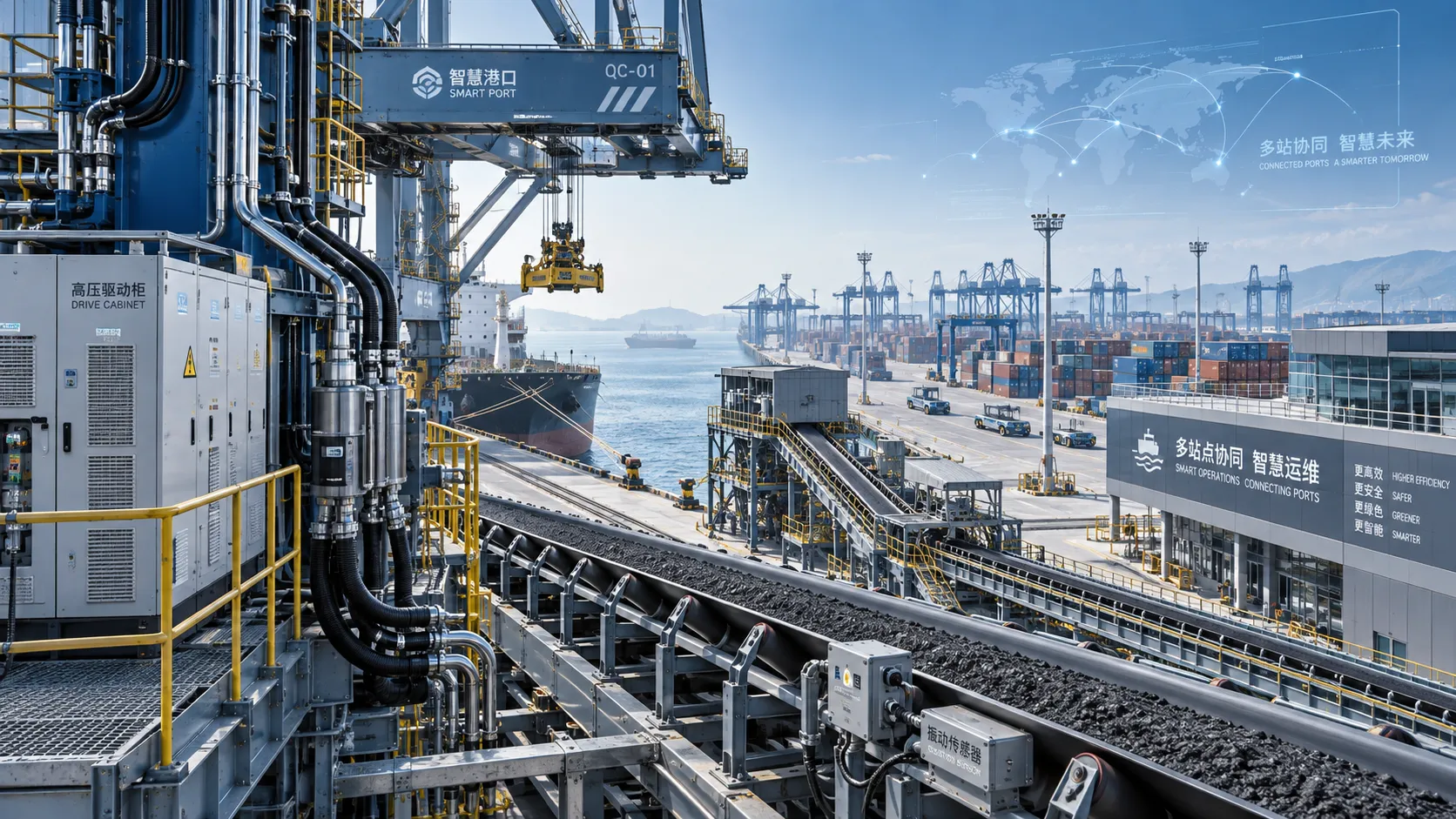
Selecting Smart Terminal Software for Multi-Site Field Service Operations
Smart terminal solutions software helps multi-site field service teams unify asset history, mobile maintenance, integrations, and reporting for safer, faster terminal operations.
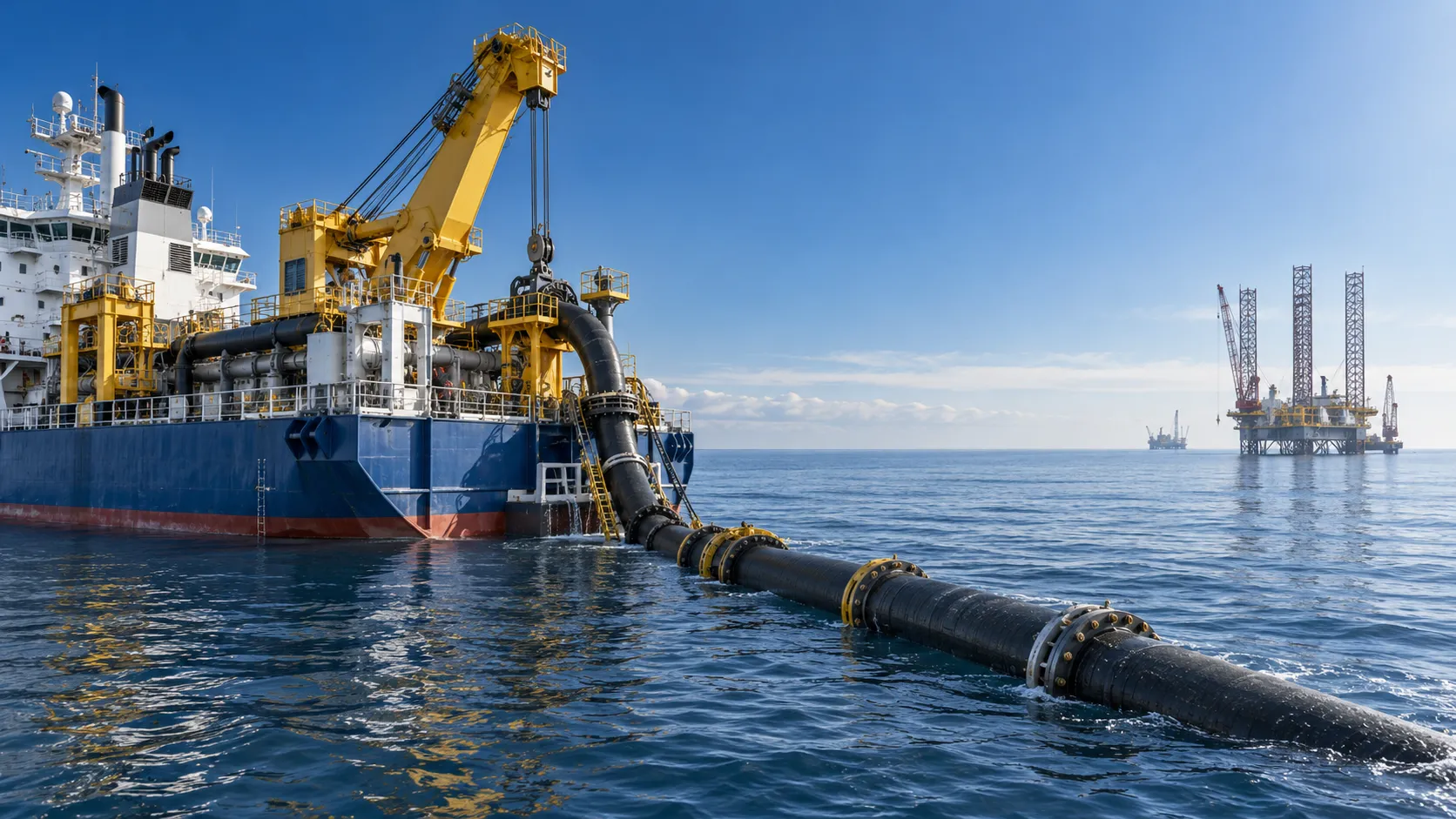
How to Specify Heavy-Duty Marine Engineering Equipment for Offshore Projects
Heavy duty marine engineering equipment: learn how to specify reliable offshore assets for safety, uptime, integration, lifecycle cost, and project success.
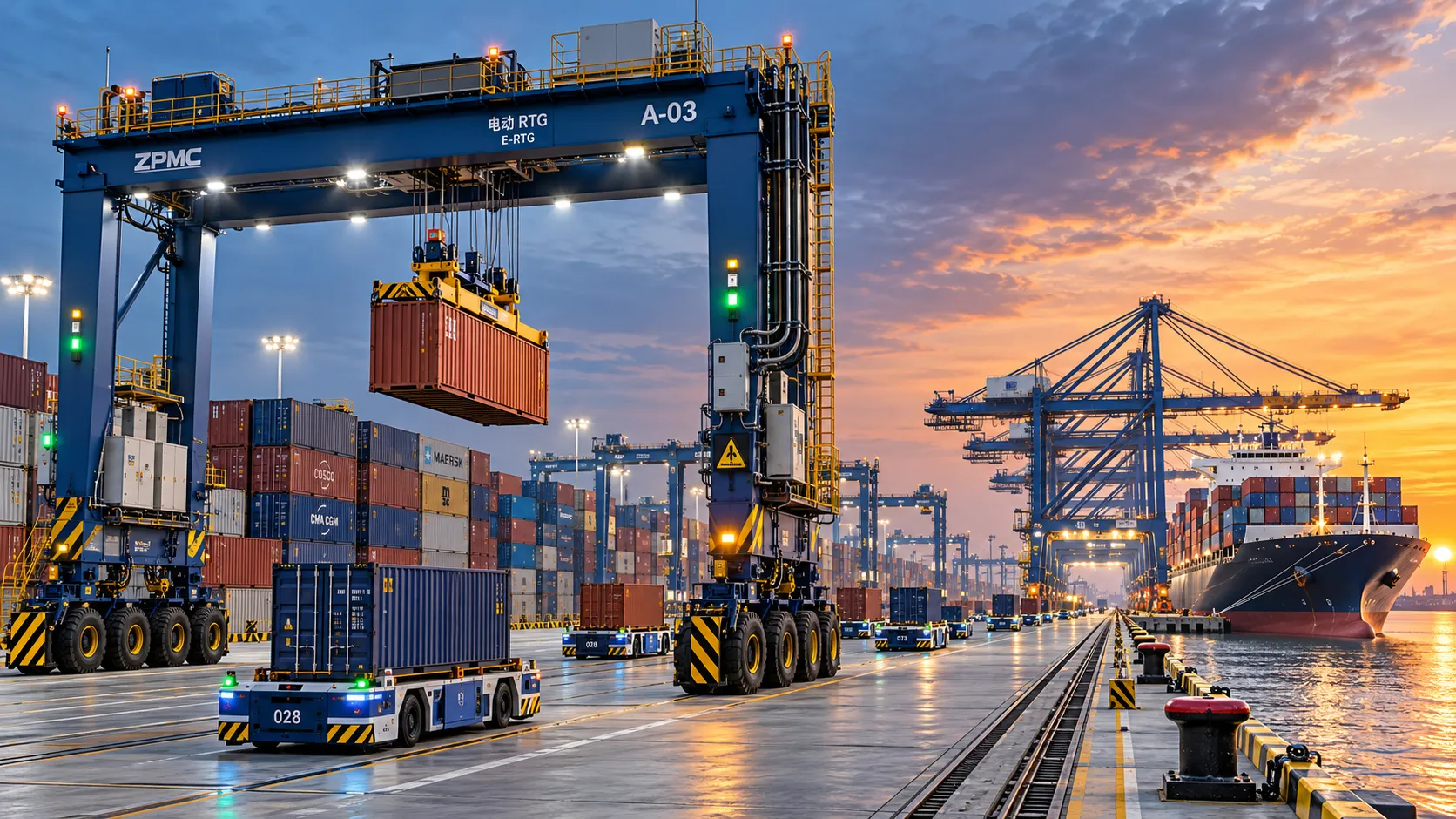
How to Evaluate a Container Handling Equipment Exporter for Port and Yard Projects
Choose the right container handling equipment exporter with a practical guide to compliance, automation, service support, delivery reliability, and lifecycle value.
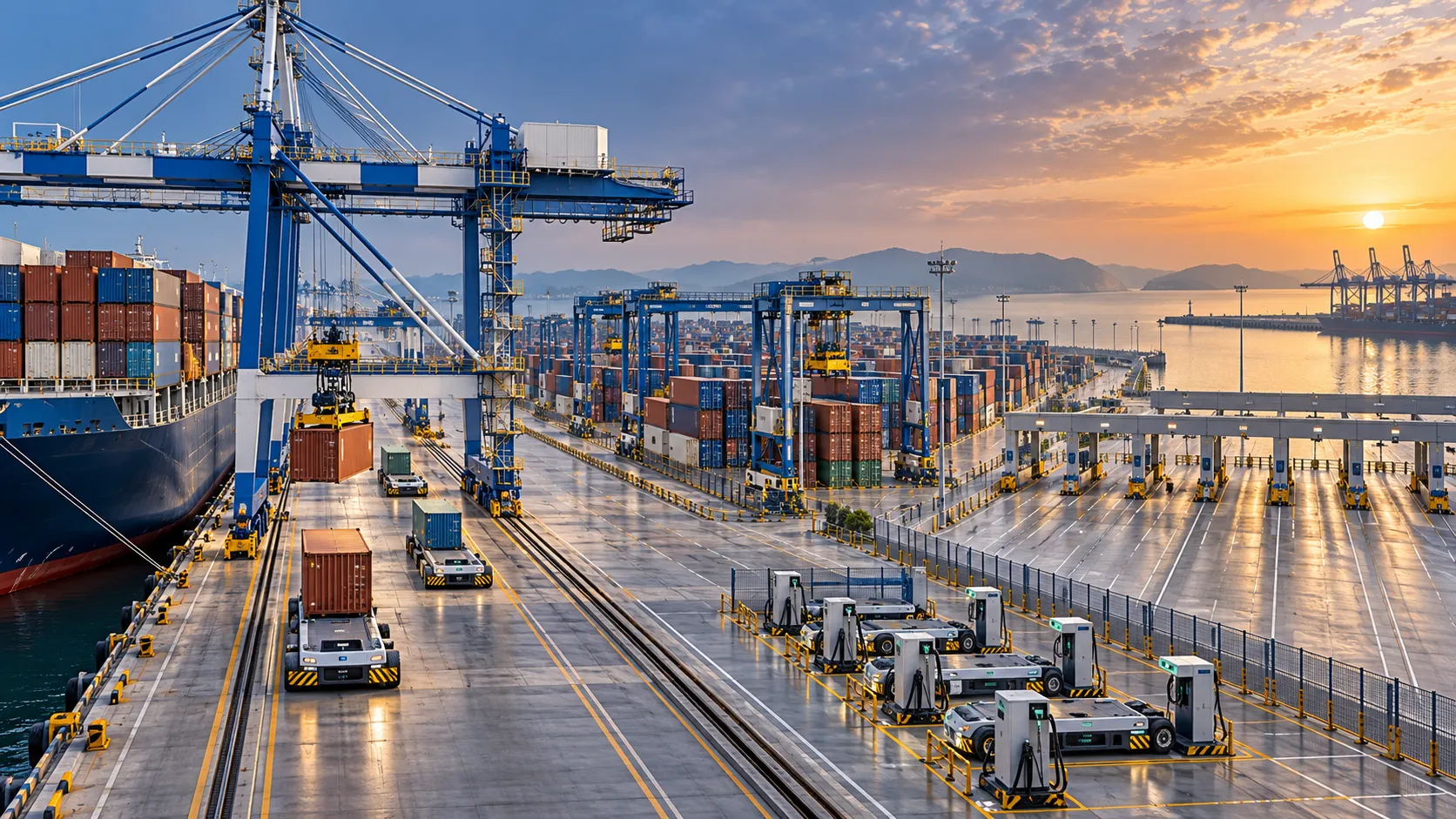
How to Select Automated Terminal Systems for High-Throughput Cargo Terminals
Automated terminal systems for cargo terminals: learn how to select scalable, resilient solutions that boost throughput, streamline integration, and control lifecycle risk.
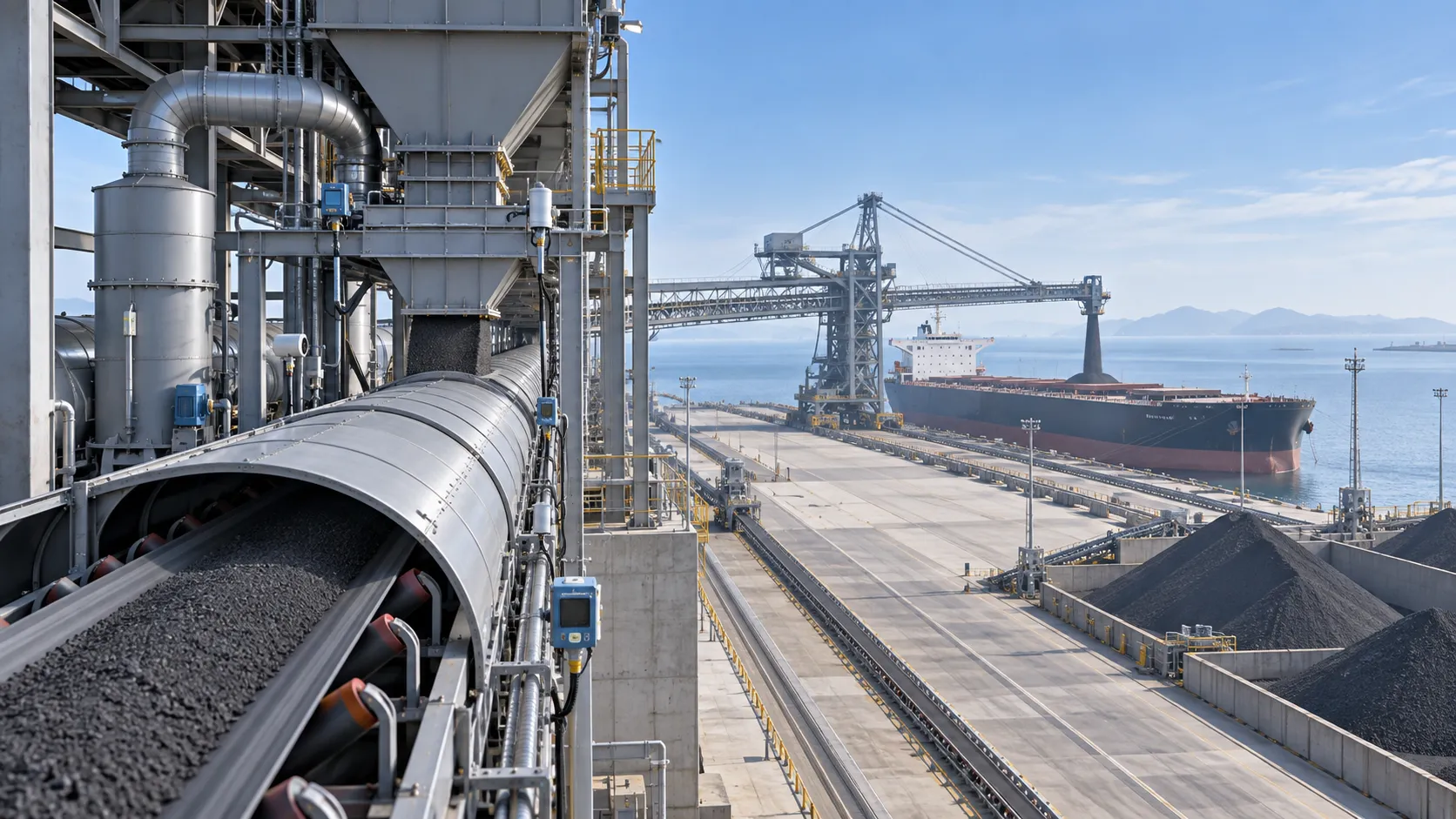
How Automated Bulk Cargo Handling Reduces Dust, Spillage, and Port Downtime
Automated cargo handling for bulk cargo cuts dust, spillage, and port downtime through stable flow control, smart sensing, and coordinated recovery.
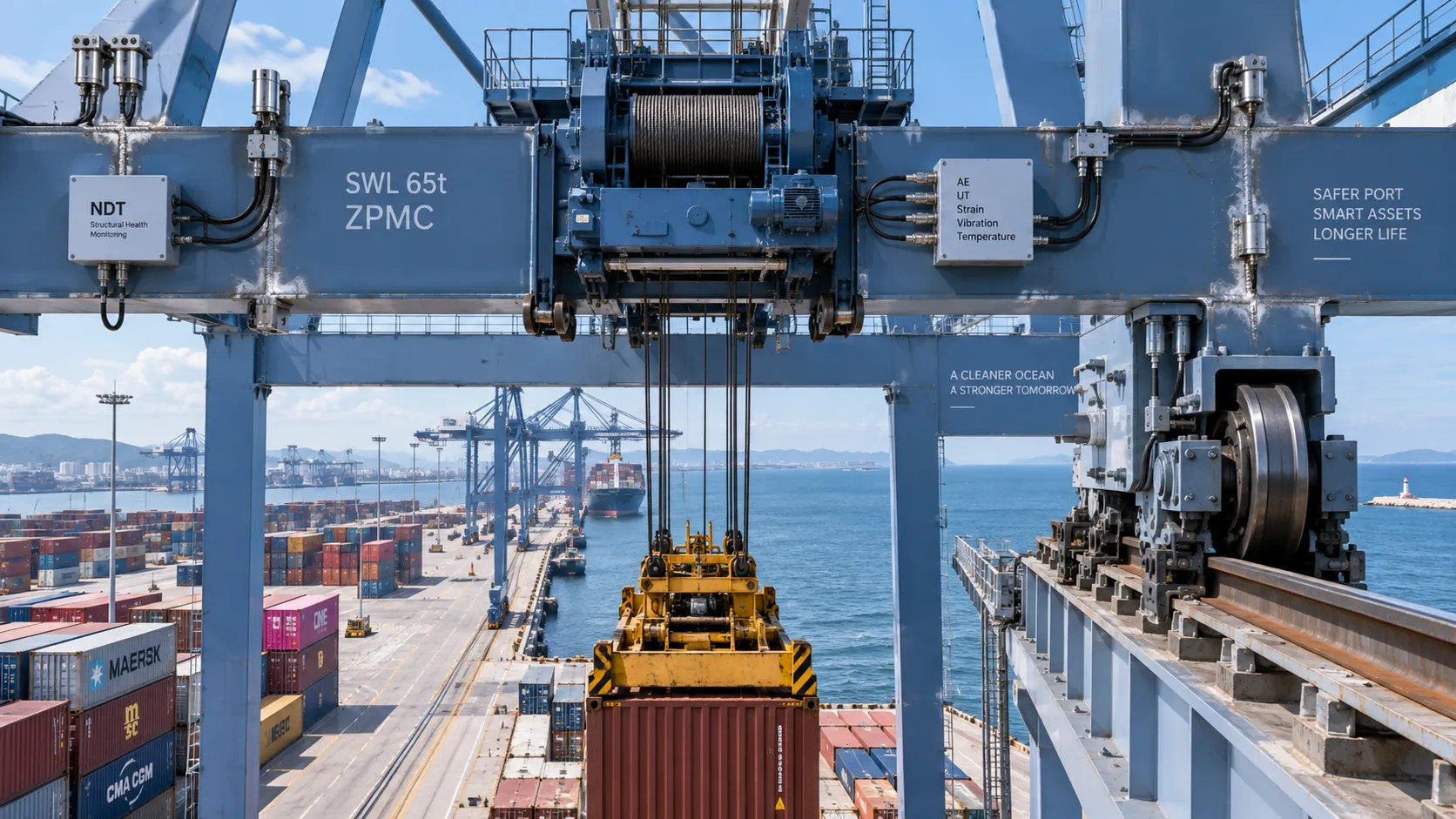
Technical Evaluation of Port Assets: Assessing Reliability, Condition, and Residual Life
Technical evaluation of port assets: assess reliability, condition, and residual life with actionable insights for safer operations and smarter investment decisions.
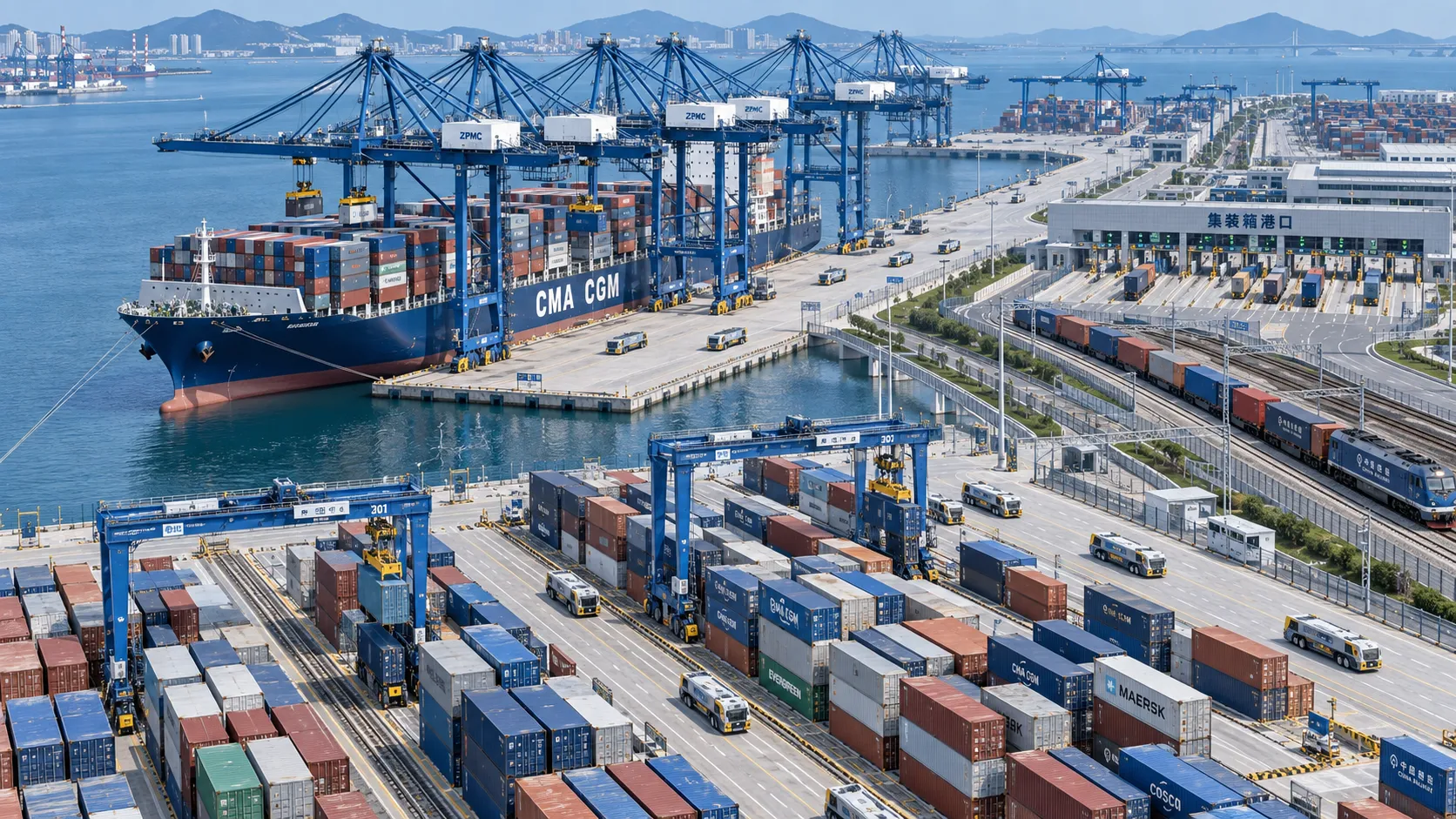
What Should a Port Capacity Plan Measure Before a New Berth or Crane Investment?
Port capacity planning: discover the metrics that reveal whether a new berth or quay crane will improve throughput, service reliability, and investment returns.
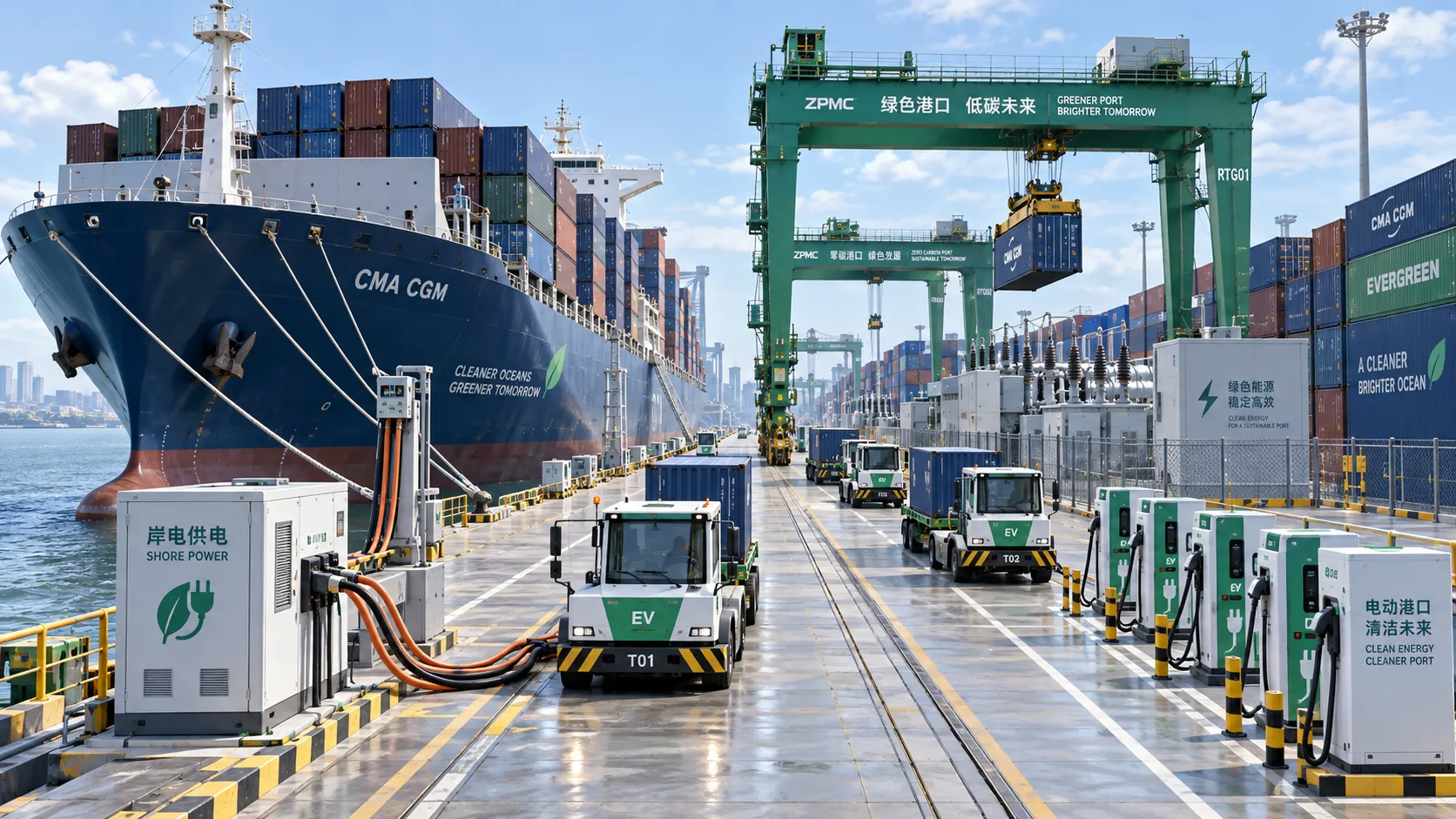
Port Emissions Reduction Services: Building a Shore Power and Equipment Retrofit Plan
Port emissions reduction services help terminals build practical shore power and equipment retrofit plans that cut emissions, protect throughput, and scale with confidence.
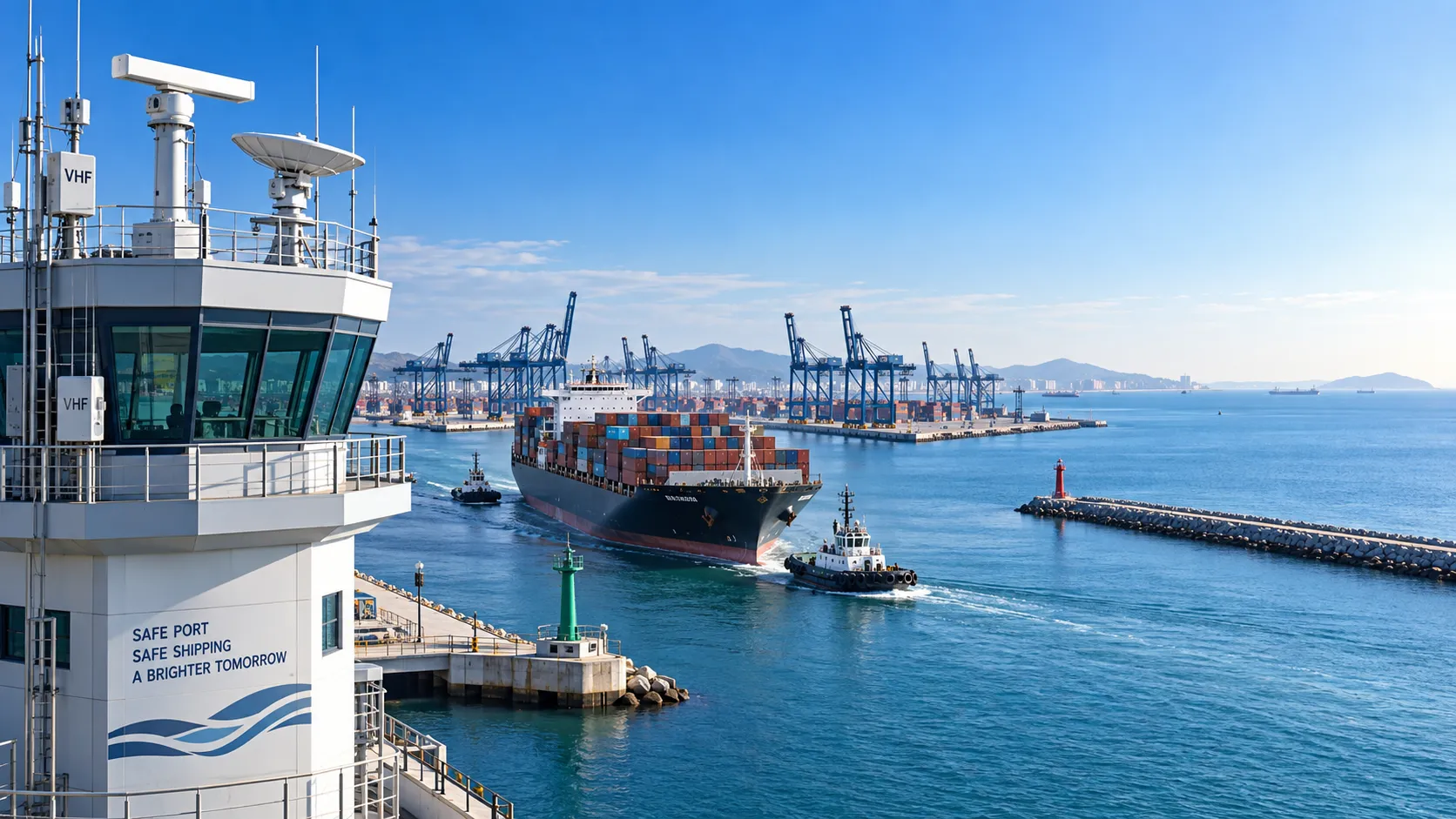
Selecting Port Control Systems for Vessel Traffic: Coverage and Fail-Safe Design
Port control systems for vessel traffic: learn how to assess coverage, redundancy, fail-safe recovery, cybersecurity, and operator workflows for safer port operations.