Related News
- 00
0000-00
Smart Operations in the Middle East: Where Industrial Investment Is Growing - 00
0000-00
Port Equipment Market Outlook: Demand Drivers Shaping Crane and Handling Equipment Sales - 00
0000-00
Smart Port Systems in Southeast Asia: Investment Priorities and Adoption Barriers - 00
0000-00
Resilient Port Infrastructure Planning: Which Upgrades Deliver Long-Term Value? - 00
0000-00
Can Electric Port Machines Help Meet Net-Zero Targets?
Smart Operations in the Middle East: Where Industrial Investment Is Growing
Industrial investment in the Middle East is moving beyond the construction of standalone ports, industrial zones, and transport links. The more important shift is toward operating these assets as connected systems: vessels, yards, gates, warehouses, rail interfaces, energy facilities, and inland logistics nodes are increasingly expected to exchange usable operational data.
That changes the investment question. A new quay, logistics park, or industrial corridor does not become “smart” because it includes automated equipment or a control-room dashboard. Its value depends on whether the operating model can reduce handover delays, improve asset availability, manage constrained capacity, and maintain service continuity when vessel schedules, weather, labor availability, or supply-chain flows change. In the Middle East, where large-scale infrastructure programs often sit alongside trade-diversification and industrial-development agendas, this distinction is becoming commercially significant.
Investment is concentrating around trade corridors, not isolated facilities
The strongest rationale for smart operations appears where multiple infrastructure layers must work together. Deep-water ports, free zones, manufacturing clusters, airports, rail terminals, energy export facilities, and new urban developments are being planned or expanded as parts of broader economic corridors. The operating challenge is no longer limited to loading a vessel quickly at berth. It is coordinating cargo movement before arrival, during terminal handling, at customs interfaces, through storage areas, and onward to industrial customers or regional distribution points.
Saudi Arabia’s port and logistics ambitions are closely tied to industrial diversification, Red Sea and Gulf connectivity, and the development of manufacturing and distribution capacity. The United Arab Emirates continues to benefit from established multimodal trade infrastructure, where port, airport, free-zone, and re-export activities create a strong commercial case for better data exchange. Oman’s ports and industrial areas occupy strategic positions on Indian Ocean and Gulf shipping routes, while Qatar and Bahrain retain roles linked to regional logistics, energy-related supply chains, and industrial services. Egypt, although often considered within the wider Middle East and North Africa market rather than the Gulf, remains material to this picture because the Suez corridor connects maritime traffic, industrial development, and inland logistics at exceptional scale.
These locations should not be treated as one uniform market. Their cargo mixes, regulatory environments, labor models, land availability, hinterland links, and commercial priorities differ substantially. Yet they share a common operational issue: capital expenditure on physical capacity produces weaker returns when cargo visibility, equipment dispatching, maintenance planning, and gate processes remain fragmented.
For this reason, smart operations in the Middle East are most relevant in places where infrastructure investment is intended to create a durable logistics platform rather than a single transport asset. The commercial objective is usually not technology deployment by itself. It is the ability to convert geographic location, port capacity, and industrial land into dependable cargo throughput and predictable service performance.
Ports are becoming coordination points for industrial ecosystems
Container terminals remain a visible part of the smart-operations agenda, particularly where operators are assessing remote crane operation, automated stacking systems, terminal operating system upgrades, yard optimization tools, and equipment telemetry. But the larger change is that port intelligence is increasingly connected to decisions outside the terminal fence.
A terminal may have efficient quay cranes while still losing time through poor truck appointment discipline, incomplete cargo documentation, unreliable container release information, or congestion at inspection and gate areas. Similarly, a logistics park can have modern warehousing but struggle if inbound vessel data, customs status, and delivery scheduling are not connected. Smart investment therefore needs to address the sequence of operational decisions rather than isolate one asset class.
In practice, this means creating reliable interfaces between systems that were often introduced at different stages of development. A terminal operating system may need to exchange status information with gate platforms, warehouse management systems, customs platforms, fleet-management tools, and enterprise resource planning systems. The technical difficulty is not merely connecting software through an interface. It is agreeing which system is authoritative for each event, how exceptions are handled, how timestamps are standardized, and who owns the quality of shared data.
This is especially important for industrial cargo. Bulk commodities, project cargo, steel products, machinery, energy equipment, and construction materials have handling requirements that do not mirror container operations. Their scheduling depends on vessel windows, stockpile conditions, conveyor or hopper availability, weighbridge integration, environmental controls, storage constraints, and downstream production demand. A generic “digital platform” may add little value if it cannot reflect those operating realities.
Automation is being evaluated as an operating model, not just an equipment choice
Automation in Middle Eastern terminals is often discussed through visible machinery: automated guided vehicles, electric rubber-tyred gantry cranes, remote-controlled ship-to-shore cranes, automated gates, and autonomous inspection systems. These technologies can matter, but equipment automation alone does not resolve the main sources of operational variability.
For example, remote crane operation requires more than a remote-control station. It depends on resilient low-latency communications, camera coverage, control-system integration, clear operating procedures, cybersecurity controls, and a maintenance model that can restore availability quickly. Automated yard vehicles require dependable positioning, geofencing, traffic-management logic, charging or energy planning, safe interaction rules for mixed traffic, and accurate work instructions from the terminal operating system. If any of these layers is weak, the automated fleet can become an expensive source of operational exceptions.
Decision-makers should therefore separate three investment categories that are frequently combined under the label of automation:
- Equipment automation: reducing manual intervention in repetitive physical tasks, such as gate processing, crane control, or vehicle movement.
- Operational intelligence: using data to improve dispatching, berth planning, maintenance decisions, cargo sequencing, and resource allocation.
- Workflow redesign: changing who makes decisions, how exceptions are escalated, and how different organizations coordinate in real time.
The third category is often the most difficult. It can alter responsibilities across terminal operations, maintenance, security, customs, shipping lines, trucking companies, and industrial customers. A project that purchases equipment without redesigning workflows may digitize existing bottlenecks rather than remove them.
The more realistic path is usually modular. Gate automation, equipment condition monitoring, appointment systems, remote operations for selected crane functions, and planning tools can be introduced where the operational problem is clear and measurable. Full automation may be appropriate in a purpose-built terminal with stable volumes, standardized processes, sufficient land, and strong systems integration. It is less straightforward in brownfield sites with mixed cargo, constrained layouts, legacy equipment, and highly variable operating patterns.
Energy, water, and coastal development widen the definition of smart industrial operations
The regional investment story is not limited to containerized trade. Energy infrastructure, offshore support, marine construction, desalination, industrial utilities, mining logistics, and coastal development all create demand for more coordinated asset management. In these environments, operational intelligence often begins with reliability rather than speed.
For dredging and marine engineering equipment, digital pump monitoring, engine performance data, dredge position tracking, sediment-management records, and maintenance analytics can support better control of fuel use, wear, and project progress. The commercial value depends on whether the data can inform actual deployment decisions: when to schedule maintenance, how to manage spare parts, whether pumping performance is declining, and whether site conditions require a change in operating parameters.
In bulk handling systems, smart operations may focus on conveyor availability, stockpile visibility, shiploader scheduling, dust-control equipment, weighbridge data, and the relationship between terminal inventory and downstream industrial consumption. A disruption at one transfer point can affect a much larger system, particularly where materials support continuous production processes. Condition monitoring has limited value if the maintenance organization lacks spare-part planning, fault classification, and authority to act on the warning.
Coastal development adds another layer. New ports, reclamation works, breakwaters, marinas, and industrial waterfronts depend on marine access, sediment conditions, navigation safety, and long-term maintenance of channels and basins. Digital twins and hydrographic data platforms can improve planning, but they do not eliminate the need for sound engineering assumptions or frequent verification of changing seabed conditions. Technology can make these decisions more visible; it cannot make uncertain marine conditions disappear.
Data governance is becoming a harder investment issue than sensor deployment
Industrial operators can install sensors, cameras, GPS devices, and equipment controllers relatively quickly compared with building new port capacity. Turning their output into decision-grade information is more demanding. Data may sit in vendor-specific systems, use inconsistent naming conventions, lack contextual information, or be inaccessible to the teams that need it.
A useful smart-operations architecture does not require every data stream to be centralized immediately. It requires a deliberate model for priority use cases. For a container terminal, that may mean reconciling equipment status, job queues, yard inventory, and truck arrival data. For a bulk terminal, it may mean linking conveyor alarms, stockpile records, vessel loading plans, and maintenance work orders. For a marine contractor, it may mean connecting production data, fuel consumption, component condition, survey information, and project reporting.
The essential question is whether data changes a decision at the required speed. If an equipment alert arrives after an operational disruption has occurred, it is a reporting tool rather than an operational-control tool. If a berth-planning system receives unreliable arrival information, the sophistication of its optimization logic is of limited relevance. If cargo status cannot be shared across organizational boundaries, visibility ends where the commercial handover begins.
Cybersecurity must be assessed in the same operational context. Port cranes, automated vehicles, industrial control systems, remote operating stations, and fleet-management platforms can create new exposure if connectivity is added without network segmentation, access control, patching discipline, incident response procedures, and vendor accountability. The issue is not simply preventing data theft. A disruption to operational technology can affect safety, equipment availability, cargo flow, and contractual service performance.
Resilience is becoming a central measure of operational quality
Ports and industrial logistics facilities are designed around throughput, but the underlying business value increasingly depends on recovery capability. Shipping schedules change, vessels arrive outside planned windows, cargo dwell times fluctuate, equipment fails, weather affects marine operations, and border processes introduce delays. Intelligent systems should help operators absorb disruption rather than only optimize under ideal conditions.
This has consequences for technology selection. A scheduling engine should be evaluated not only on the quality of its nominal plan, but also on how it manages late arrivals, unavailable cranes, yard blocks taken out of service, or unexpected cargo holds. Equipment telemetry should be judged by whether it improves maintenance prioritization under real workload conditions. A digital twin should be useful for testing operational alternatives, not merely for displaying a 3D representation of assets.
Resilience also affects procurement strategy. Dependence on a single proprietary platform, limited access to operational data, or a vendor support model that cannot respond locally may create long-term exposure. Open integration standards are not a guarantee of interoperability, but contractual clarity around data ownership, application interfaces, system documentation, and lifecycle support can reduce the risk of being locked into an unsuitable architecture.
Where investment discipline matters most
The most common strategic error is to treat smart operations as a technology category with a standard business case. In reality, the investment logic differs sharply between a greenfield automated terminal, an existing bulk port, a free-zone logistics park, a dredging fleet, and a coastal industrial development.
A credible investment decision starts with a defined operational constraint. Is berth productivity limited by crane availability, yard rehandles, truck congestion, documentation delays, cargo sequencing, maintenance outages, or inconsistent handovers between organizations? The answer determines whether the priority should be automation, planning software, sensing infrastructure, systems integration, workforce redesign, or physical process improvement.
It is also important to distinguish capacity creation from capacity release. Building additional yard space creates physical capacity. Reducing dwell time, improving gate flow, lowering unplanned equipment downtime, and improving stack planning can release capacity from an existing footprint. In land-constrained or high-throughput locations, the second route may have strategic value, but only when baseline operational data is sufficiently reliable to identify the real constraint.
The Middle East’s industrial investment pipeline creates substantial room for advanced operating models, particularly where ports, industrial zones, energy facilities, and transport corridors are planned as integrated systems. The durable advantage will not come from having the most visible automation. It will come from linking physical assets, operating decisions, and commercial handovers in a way that remains reliable under disruption. Smart operations are therefore best understood as an infrastructure discipline: one that combines equipment, software, governance, maintenance, and operational accountability into a system capable of supporting long-cycle industrial growth.
Related News
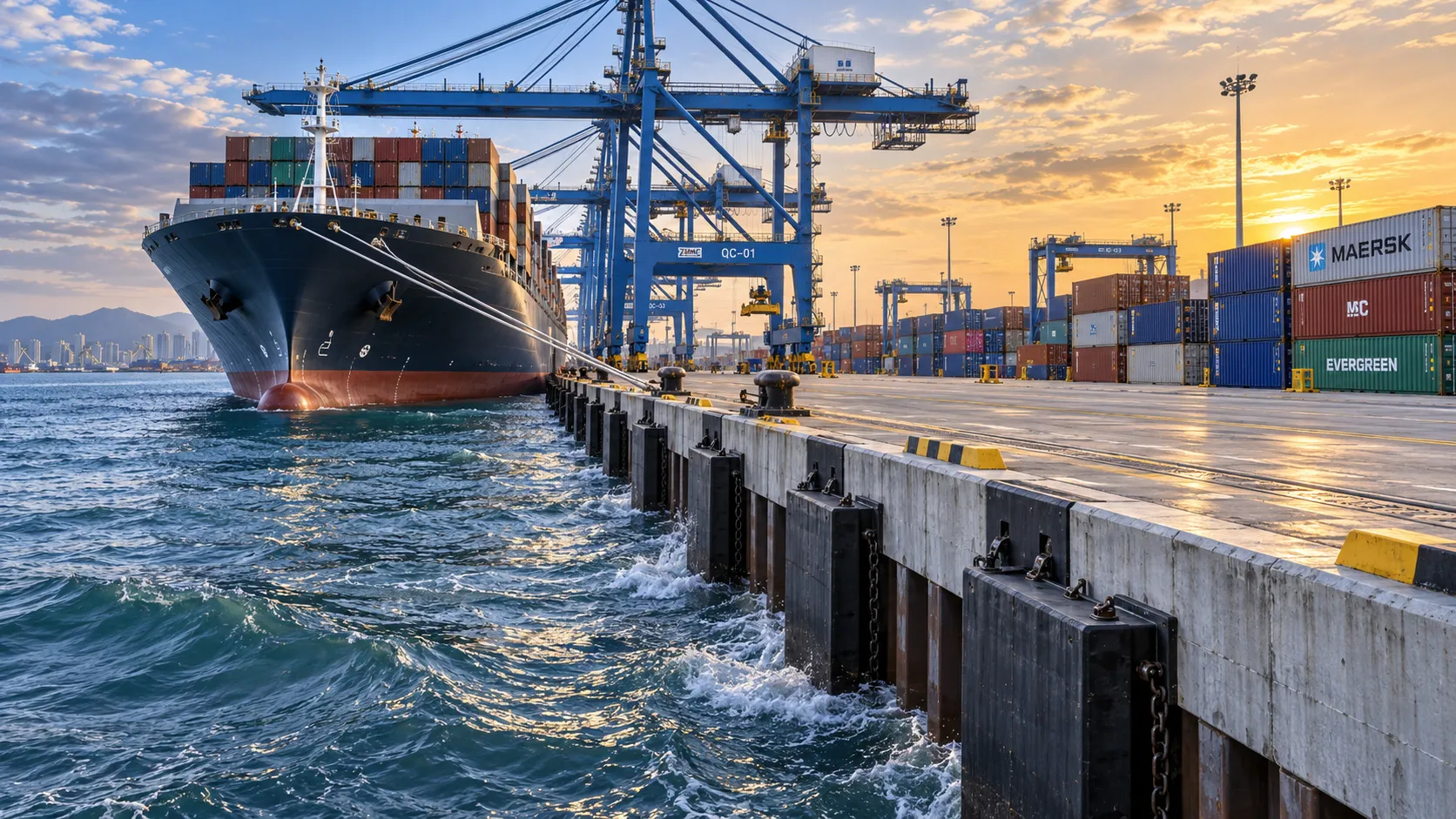
How to Select Harbor Structures for Quay Walls Under Berthing and Wave Loads
Harbor structure for quay wall selection: evaluate berthing energy, wave loads, soil conditions, durability, and lifecycle risk to build safer, adaptable terminals.
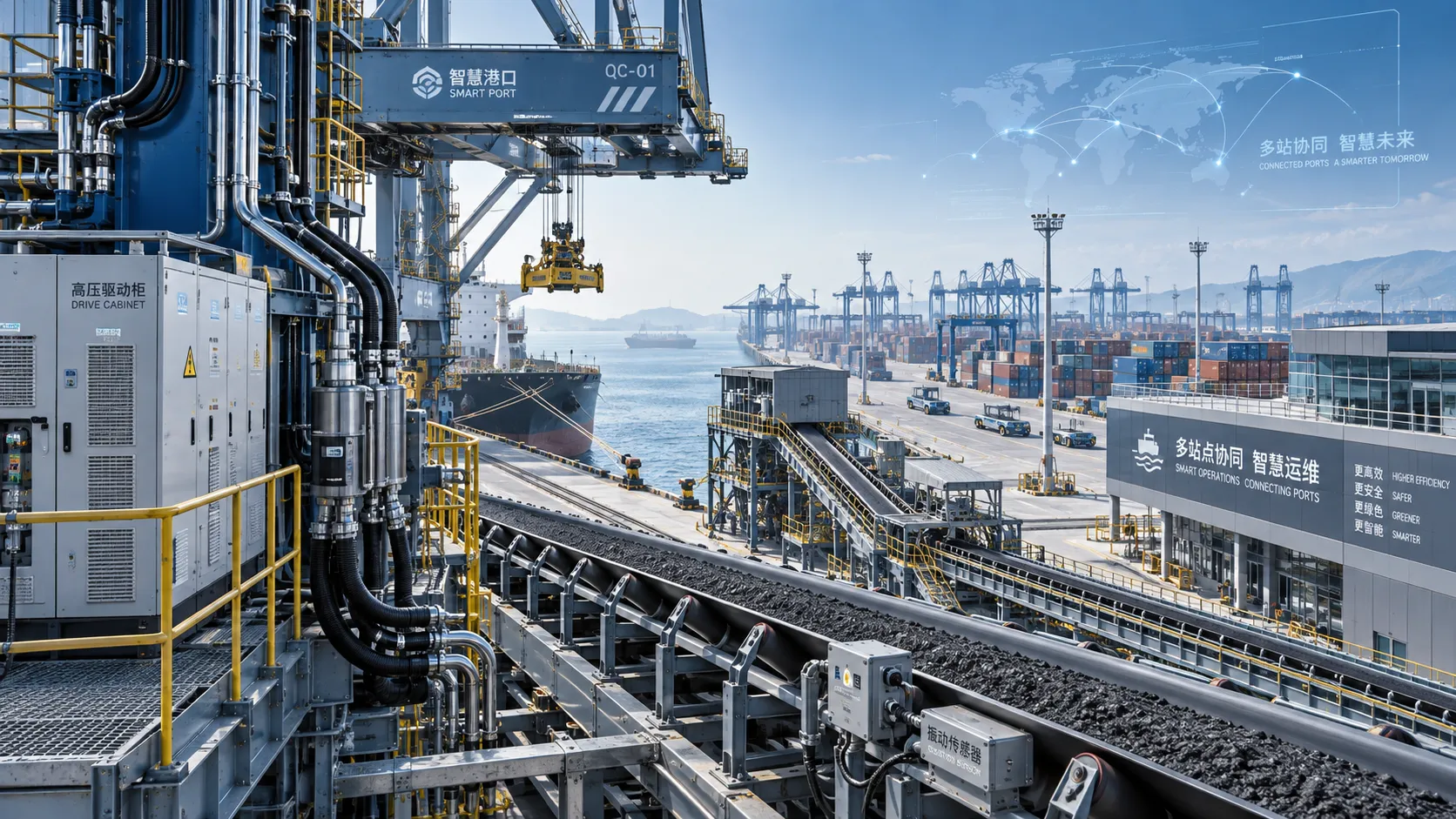
Selecting Smart Terminal Software for Multi-Site Field Service Operations
Smart terminal solutions software helps multi-site field service teams unify asset history, mobile maintenance, integrations, and reporting for safer, faster terminal operations.
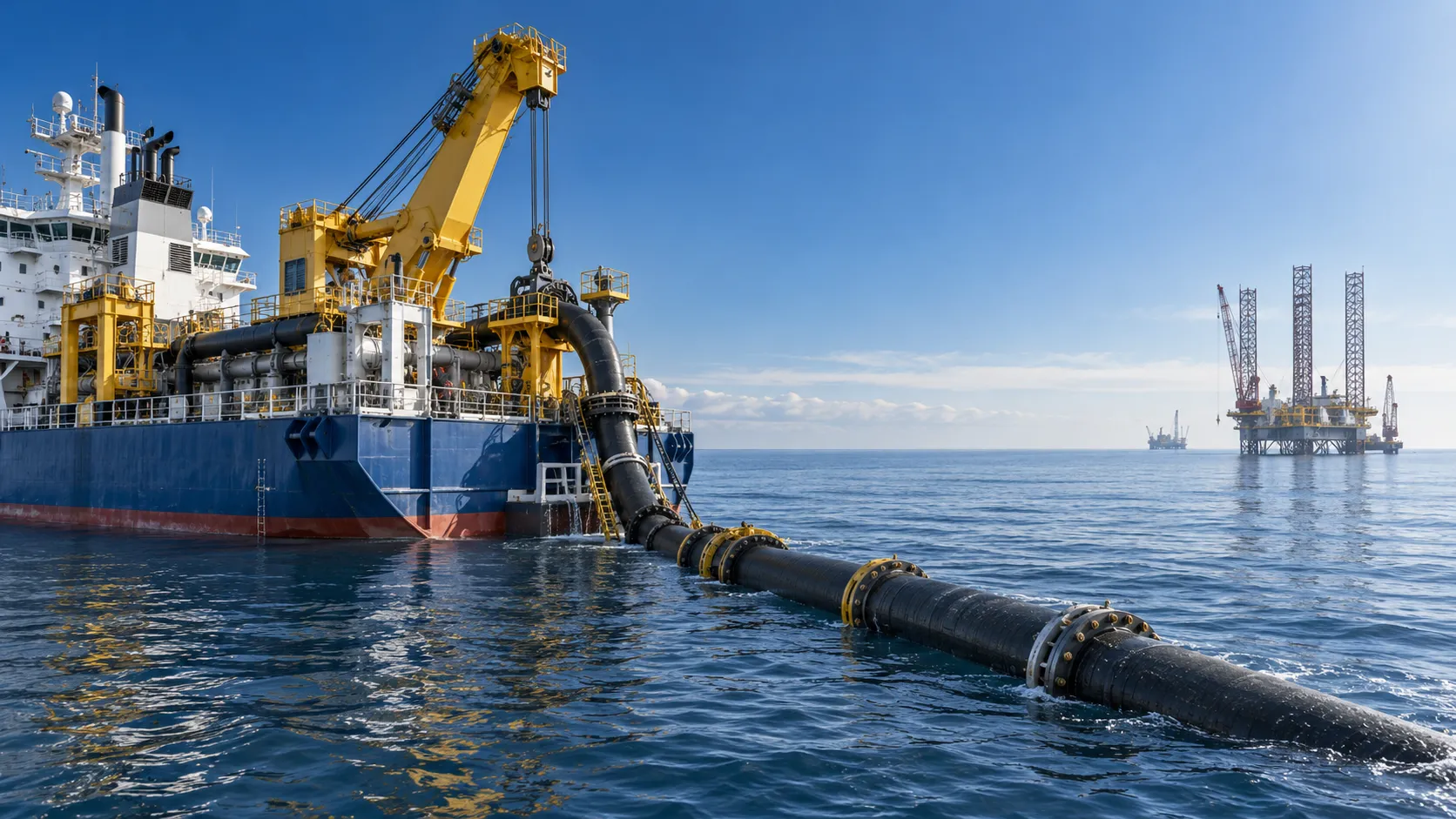
How to Specify Heavy-Duty Marine Engineering Equipment for Offshore Projects
Heavy duty marine engineering equipment: learn how to specify reliable offshore assets for safety, uptime, integration, lifecycle cost, and project success.
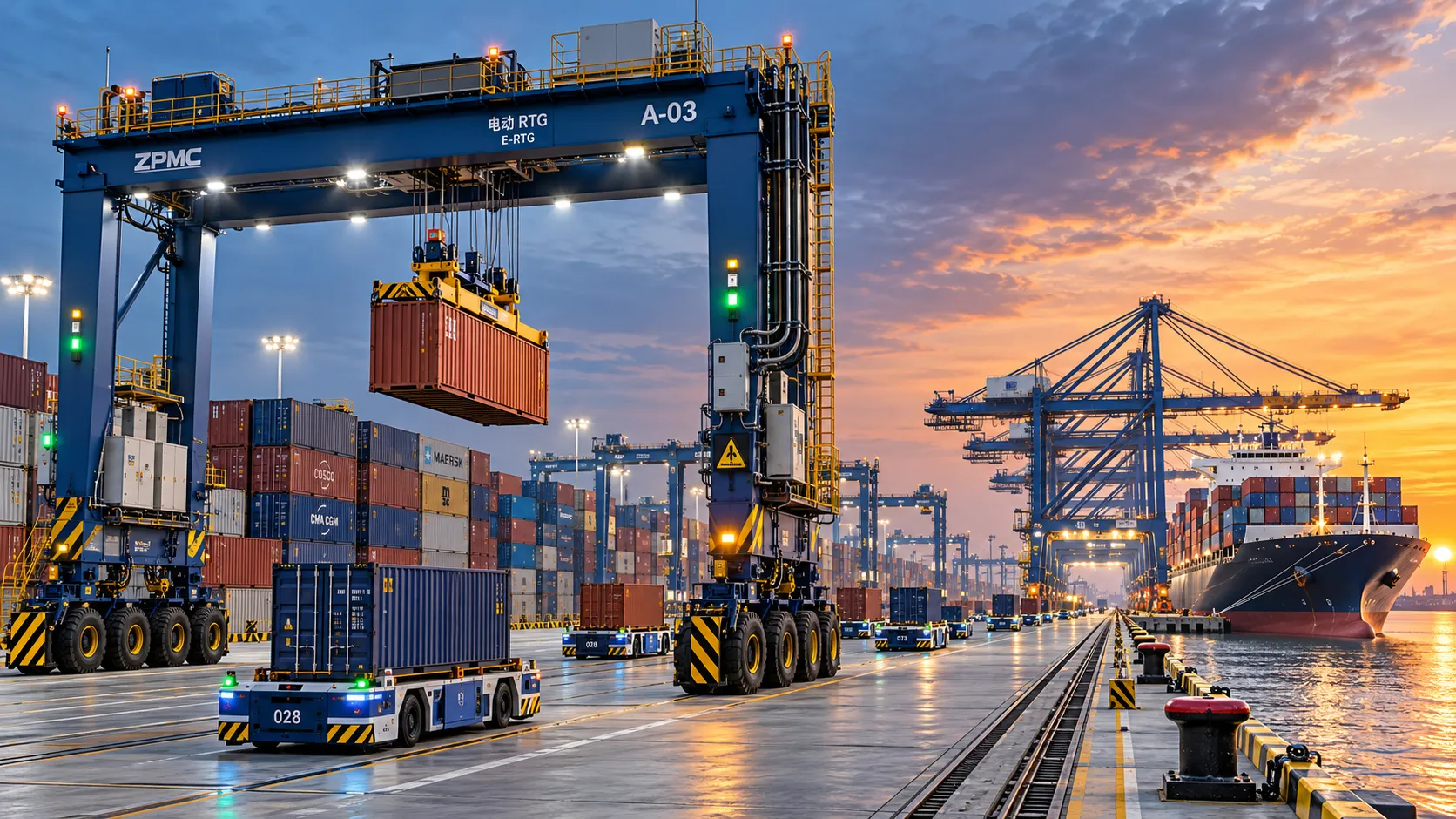
How to Evaluate a Container Handling Equipment Exporter for Port and Yard Projects
Choose the right container handling equipment exporter with a practical guide to compliance, automation, service support, delivery reliability, and lifecycle value.
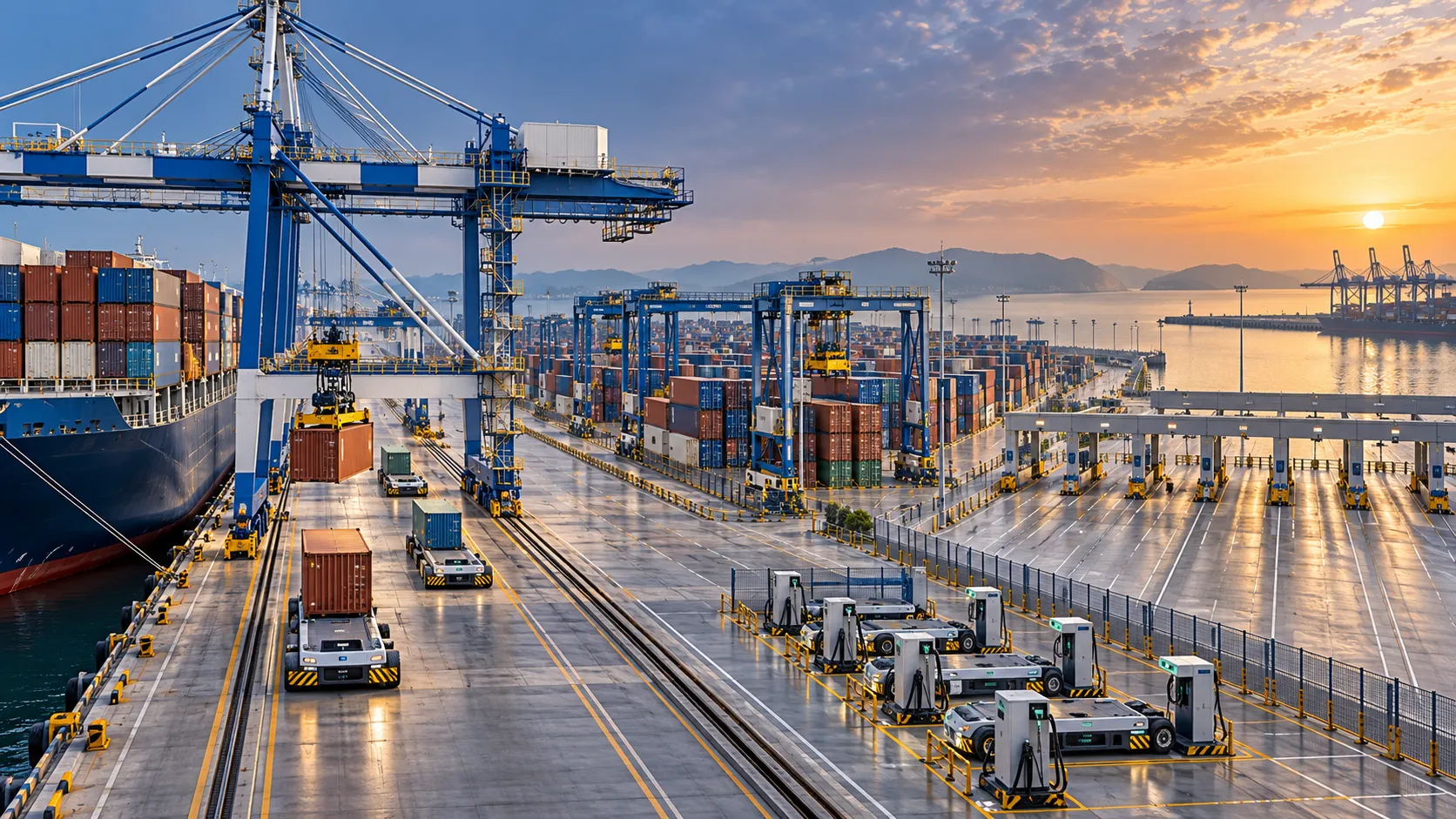
How to Select Automated Terminal Systems for High-Throughput Cargo Terminals
Automated terminal systems for cargo terminals: learn how to select scalable, resilient solutions that boost throughput, streamline integration, and control lifecycle risk.
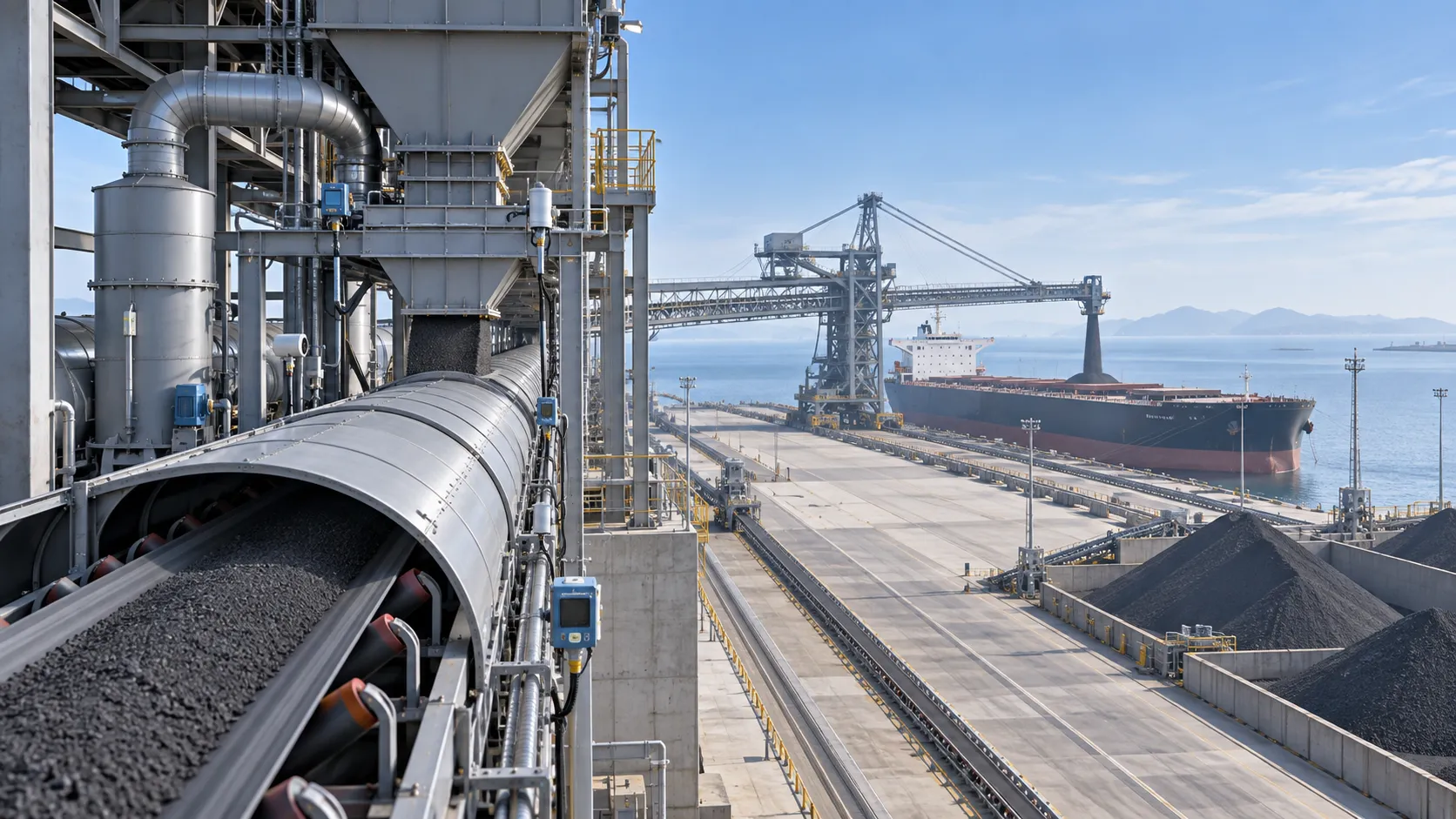
How Automated Bulk Cargo Handling Reduces Dust, Spillage, and Port Downtime
Automated cargo handling for bulk cargo cuts dust, spillage, and port downtime through stable flow control, smart sensing, and coordinated recovery.
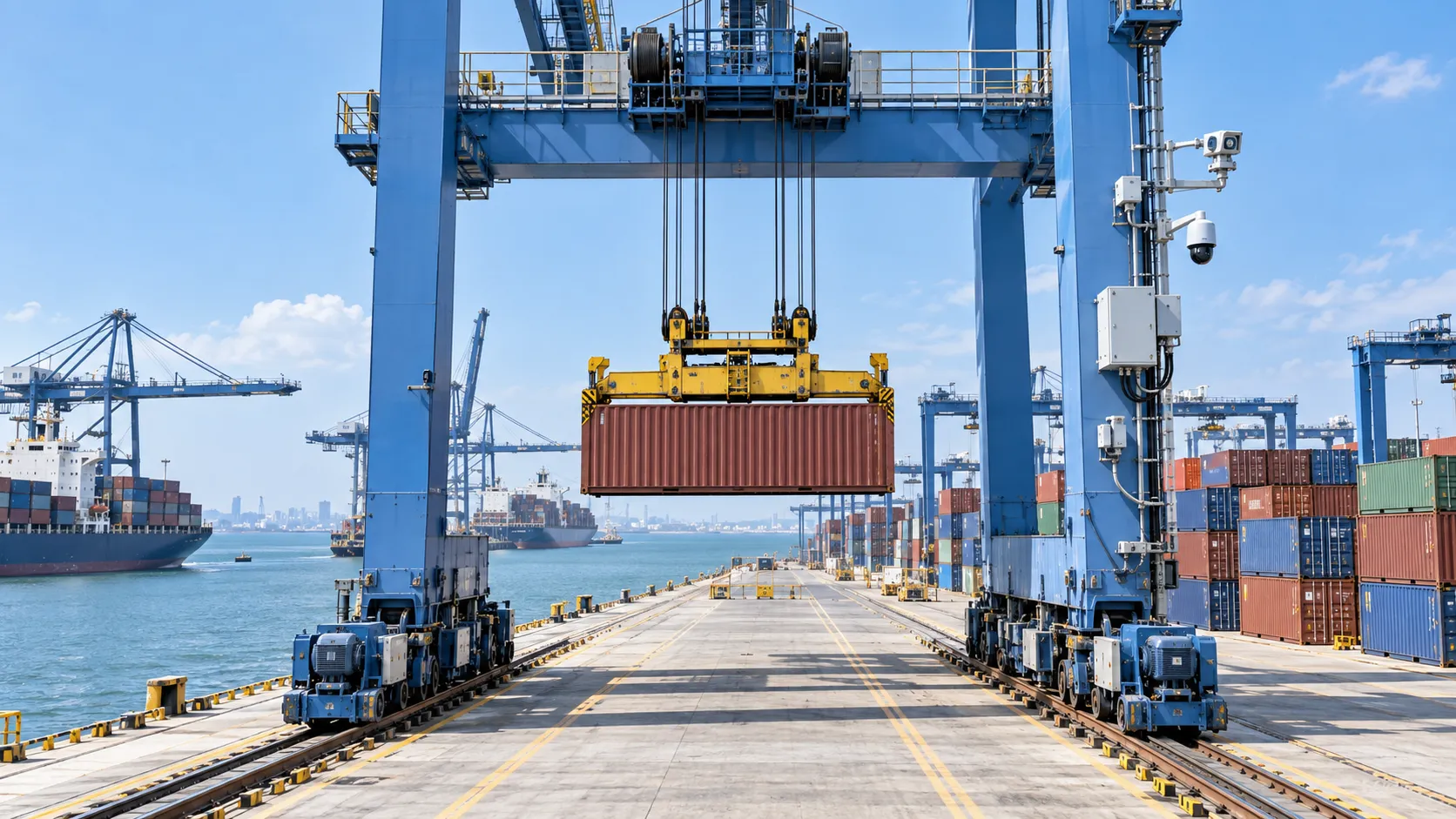
From Legacy Controls to AI: Planning a Port Equipment Intelligence Upgrade
Port equipment intelligence upgrade: turn legacy controls into reliable AI insights with safer data, smarter maintenance, and scalable port operations.
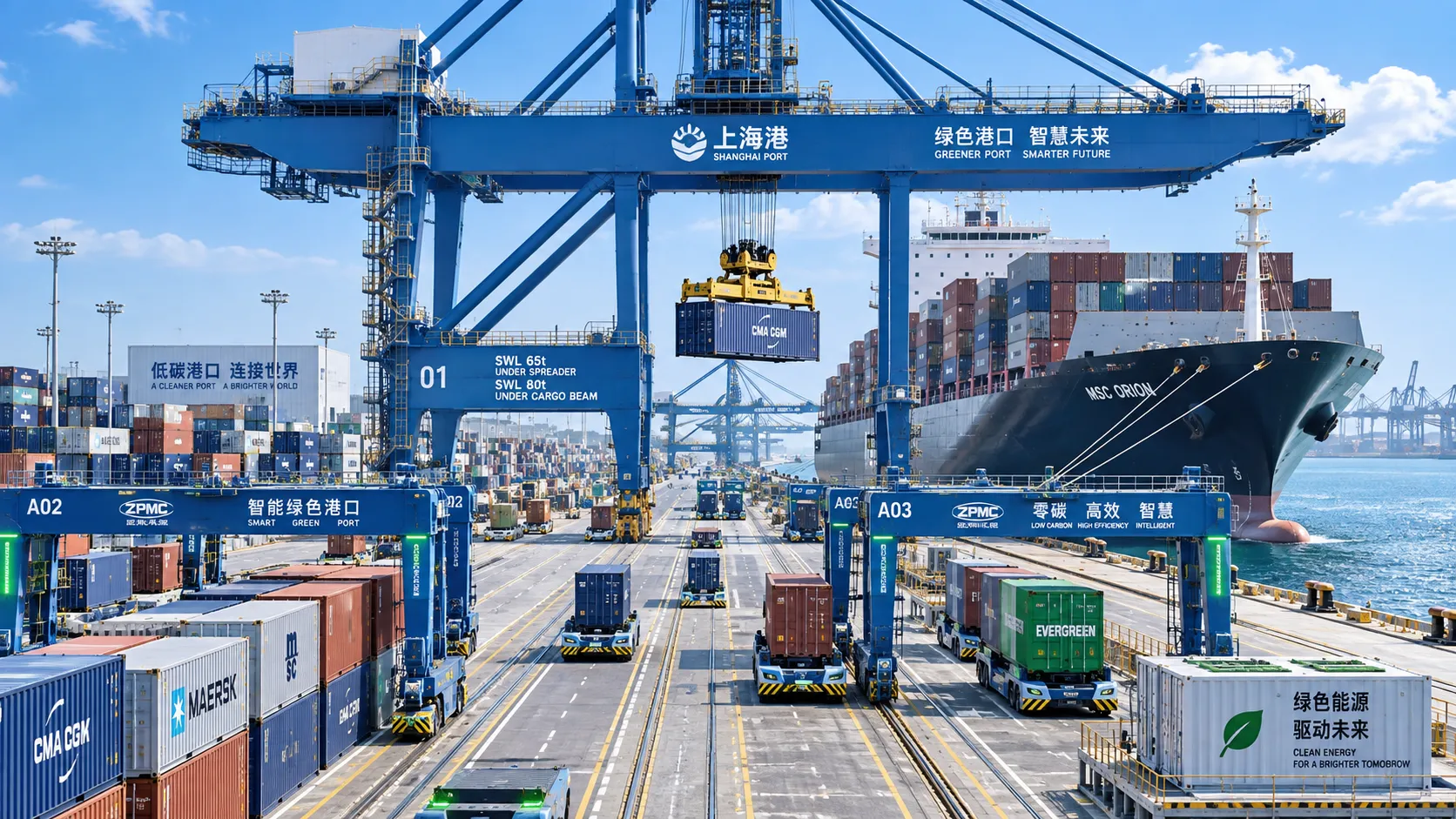
Port Equipment Market Outlook: Demand Drivers Shaping Crane and Handling Equipment Sales
Port equipment market outlook: Explore demand drivers for cranes, automation, electrification, bulk handling, and aftermarket services that create profitable sales opportunities.
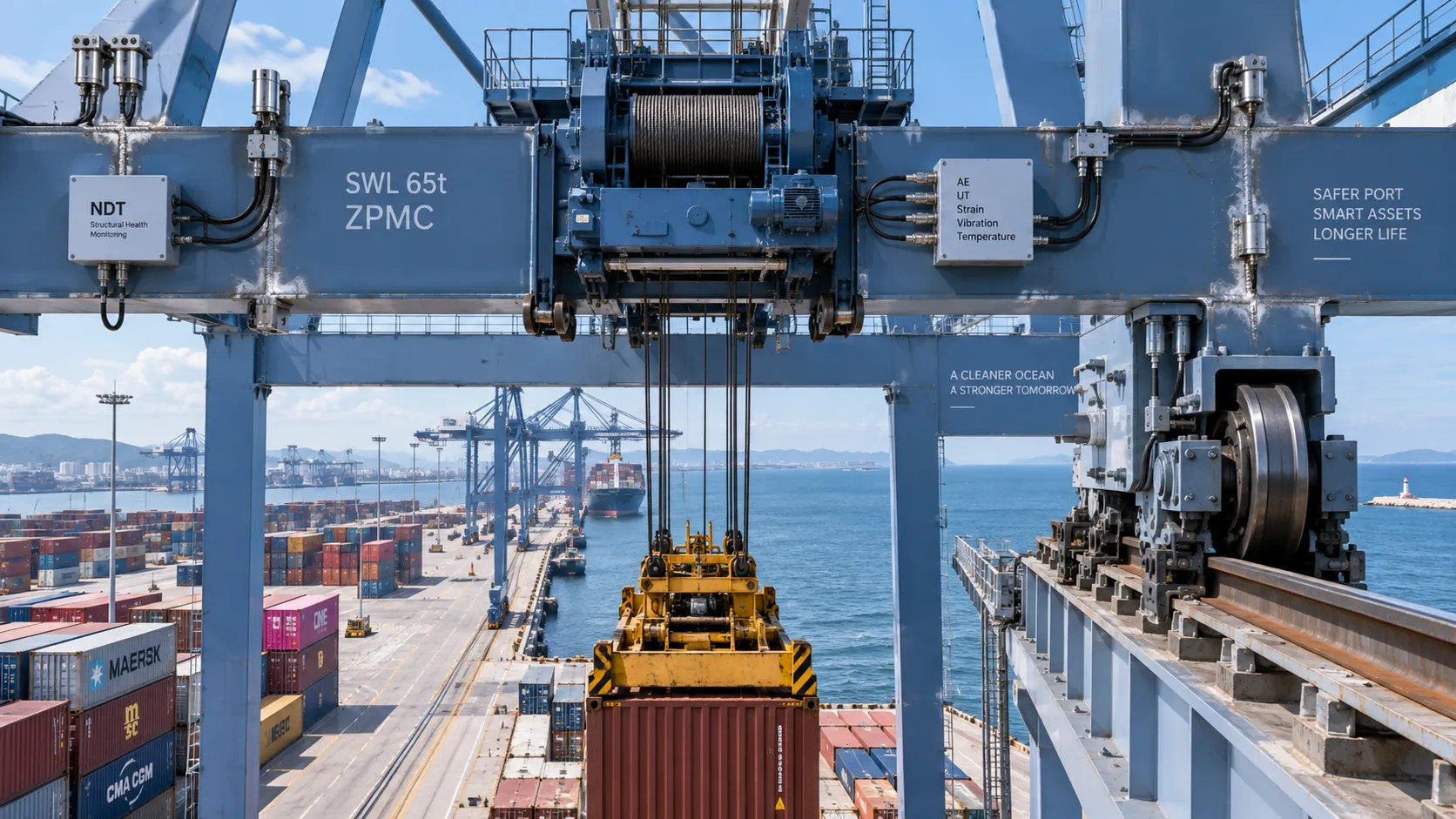
Technical Evaluation of Port Assets: Assessing Reliability, Condition, and Residual Life
Technical evaluation of port assets: assess reliability, condition, and residual life with actionable insights for safer operations and smarter investment decisions.