Related News
- 00
0000-00
How to Select Harbor Structures for Quay Walls Under Berthing and Wave Loads - 00
0000-00
Selecting Smart Terminal Software for Multi-Site Field Service Operations - 00
0000-00
How to Specify Heavy-Duty Marine Engineering Equipment for Offshore Projects - 00
0000-00
How to Select Automated Terminal Systems for High-Throughput Cargo Terminals - 00
0000-00
How Automated Bulk Cargo Handling Reduces Dust, Spillage, and Port Downtime
From Legacy Controls to AI: Planning a Port Equipment Intelligence Upgrade
A port equipment intelligence upgrade should begin with the equipment that already moves cargo, not with an AI software selection. A quay crane with a dependable hoist but limited signal visibility, a rubber-tired gantry crane with uneven positioning feedback, or a dredge pump with only local gauges each presents a different upgrade path. The useful question is: which operating decision is currently being made late, with incomplete information, or from an unreliable signal?
That question keeps the project grounded. Connected controls and AI are valuable when they improve a real action: confirming a safe lifting envelope, detecting abnormal motor loading before a stoppage, assigning a yard move with fewer conflicts, or identifying pump performance drift before a dredging cycle loses efficiency. Installing sensors without defining the decision they support often produces a dashboard that looks complete while leaving the original blind spot unchanged.
Start with the control boundary already in place
Legacy equipment is rarely a blank slate. Many machines have relay logic, programmable controllers, variable-frequency drives, local human-machine interfaces, radio links, condition-monitoring modules, and independent safety circuits added at different times. The visible age of a crane or conveyor is therefore a poor guide to intelligence-readiness. A machine built decades ago may expose clean controller data, while a newer unit may hold critical information inside a vendor-specific interface.
Before choosing gateways, cameras, wireless infrastructure, or analytics, map the control boundary for each asset class. Separate what the machine measures, what it commands, what it records, and what remains dependent on observation or manual entry. Include the source, update rate, unit, signal quality, ownership, and failure behavior for every signal that will affect a decision.
For a ship-to-shore crane, the relevant signals may include hoist position, trolley position, load indication, wind condition, drive current, brake state, spreader status, anti-sway status, and fault codes. A bulk loader may require belt speed, chute position, bearing temperature, vibration, material flow indication, motor current, and dust-collection status. On a cutter suction dredger, suction and discharge pressure, pump speed, density, vacuum, cutter torque, pipeline position, and draught must be interpreted as a connected process rather than isolated readings.
A useful distinction is between monitoring data and control-grade data. Monitoring data can reveal a trend after the event. Control-grade data is stable enough, timely enough, and traceable enough to influence a live operating action. Confusing the two creates unsafe expectations. A delayed position feed may be adequate for post-shift analysis but unsuitable for collision avoidance or automated routing.
Do not bypass the safety architecture
Intelligence functions should observe and advise before they are permitted to influence motion. Existing emergency stops, limit switches, overspeed protection, overload protection, interlocks, and independent safety relays must retain their intended authority. A new edge device or optimization service should not become a hidden single point of failure between a safety device and the controlled motion.
Where an AI-generated recommendation affects travel, hoisting, steering, digging depth, or pump loading, define the authority level explicitly. It may be informational, advisory, supervisory with confirmation, or directly executable within a constrained envelope. These are materially different designs. A recommendation to inspect a recurring drive-current spike does not require the same validation as a command that reduces hoist speed or reroutes an automated guided vehicle.
Build an asset baseline before connecting everything
The first site survey should identify physical and electrical constraints alongside data availability. Salt spray, vibration, heat, cable flexing, electromagnetic noise, deck washdown, and intermittent power all influence whether a sensor installation remains trustworthy. A vibration sensor mounted on a thin guard panel will report the panel response, not necessarily the bearing condition. A camera mounted where lens contamination is frequent can make visual detection appear unreliable when cleaning access was the actual design problem.
For each asset, document the following in a form that maintenance, controls, and operations personnel can use together:
- Motion and process criticality: identify functions that stop cargo flow, create a safety exposure, or cause expensive recovery work when they fail.
- Existing instrumentation: record whether a value comes from a calibrated sensor, a derived controller value, a mechanical switch, a local gauge, or a manually entered field.
- Signal path: trace the value from field device to PLC, drive, local screen, historian, and any external system. A tag visible on a screen is not proof that it is available for integration.
- Physical installation conditions: note enclosure space, cable routes, grounding points, radio coverage, service access, and the feasibility of replacing a failed sensor without taking the machine out of service.
- Known abnormal patterns: capture recurring alarms, nuisance trips, heat-related behavior, load-sensitive vibration, communication dropouts, and fault resets that currently depend on individual experience.
The baseline should also include time synchronization. A crane event, a terminal operating system instruction, a drive alarm, and a video frame are difficult to correlate when their clocks differ. Without a common time reference, an analytics system can falsely associate a motor-current rise with the wrong lift, truck handoff, or weather event.
Choose data by decision, not by sensor catalog
More tags do not automatically produce better intelligence. A narrow data set with clear meaning is often more valuable than thousands of unverified points. Start by writing a decision statement: “Detect an abnormal hoist brake release sequence before the next loaded lift,” or “Identify when slurry transport is moving outside the expected density-pressure relationship.” Then work backwards to the measurements, event labels, and operating context required to support that statement.
Context is frequently the missing piece. Motor current alone does not diagnose a conveyor problem because current rises with material load, belt tension, ambient temperature, and acceleration. Pump pressure alone does not identify a blockage because it changes with pipeline length, material density, pump speed, valve position, and elevation. AI models trained without these conditions can mistake normal working variation for a developing fault.
Data quality should be tested under the actual work cycle. A position sensor that appears stable while parked may lose accuracy during trolley travel. A wireless link that performs well from the quay office may drop packets behind container stacks or near large steel structures. Test values during acceleration, braking, loaded lifts, rain, radio handovers, generator switching, and maintenance isolation states. These are the conditions that expose whether the data stream is fit for live use.
Use architecture that can grow without replacing the machine twice
A practical upgrade usually has layers. Field devices and existing controllers remain close to the machine. A local gateway collects approved signals, buffers data during communication loss, and applies limited edge logic where response time or connectivity requires it. Site systems coordinate equipment state, work orders, maintenance records, and operational instructions. Higher-level analytics compare patterns across shifts, assets, or terminals.
Keep the machine-control network separated from business and analytics traffic. The separation does not prevent data exchange; it controls how that exchange occurs and limits the effect of a fault or cyber incident. Gateways should use allowlisted communications, authenticated access, managed configuration changes, and retained logs. Remote access needs the same discipline as an electrical cabinet key: identify who connected, what changed, when it changed, and how the prior configuration can be restored.
Legacy protocols deserve careful treatment. A gateway can translate an older serial or industrial protocol into a modern data interface, but translation does not repair ambiguous tags, uncalibrated instruments, or undocumented logic. Retain the original tag description, engineering unit, scaling rule, and source address. When a legacy value is copied into several systems under different names, discrepancies become difficult to resolve during a fault investigation.
For equipment that must continue operating during network interruptions, define degraded behavior in advance. Local protection and necessary machine functions should continue according to the approved control design. The intelligent layer should indicate degraded data quality rather than presenting stale values as live. A route optimizer with uncertain vehicle location should reduce its authority; it should not continue issuing confident instructions from outdated positions.
Introduce AI where the failure mode is understood
AI performs best when paired with a bounded operational question. Condition monitoring, anomaly detection, vision-assisted verification, energy profiling, and dispatch support are often suitable early applications because their output can be compared with known equipment behavior. Fully autonomous motion is a later step because it depends on much stronger assumptions about sensing, communications, machine state, obstacles, and recovery procedures.
An anomaly model should not simply flag every deviation from an average value. Port equipment works in distinct modes: idle, travel, loaded lift, empty lift, acceleration, deceleration, storm preparation, maintenance, startup, and recovery after a trip. Combining those modes in one baseline produces false alarms. Model inputs should be segmented by operating state, and the resulting alerts should identify the evidence: which signals changed, over what period, and against which comparable condition.
For vision systems, the design question is not merely camera resolution. Lighting direction, glare from water or wet surfaces, shadow under a boom, lens contamination, container markings, reflective clothing, and camera vibration all affect detection. The workflow must define what happens when confidence is low. A low-confidence image should trigger a clear verification path, not a silent fallback that appears identical to a confirmed detection.
Make alerts usable during the work cycle
Alarm overload is one of the fastest ways to discredit an intelligence upgrade. A useful alert has an asset identifier, time, operating mode, severity rationale, supporting signals, and an action that fits the available response window. “Abnormal vibration” is weak. “Travel gearbox vibration remains elevated after speed and load normalization; inspect coupling condition at the next planned access window” gives a maintenance team something that can be checked and recorded.
Alert thresholds should not be frozen at commissioning. Once sufficient confirmed observations exist, review false positives, missed conditions, sensor failures, and changes in equipment duty. A threshold that worked during light cargo handling may become unsuitable during sustained heavy cycles. The review should distinguish a process change from an equipment change; otherwise the system may be tuned to hide a real deterioration.
Sequence the rollout around recoverable learning
Begin with a limited asset group that has recurring events, accessible data, and a clear maintenance or dispatch response. The purpose is to validate tag meanings, communications, alert workflow, and ownership before expanding across dissimilar machinery. A pilot that only proves data collection has not yet proved operational value. It should show that a defined condition was detected, assessed, acted upon, and closed with a traceable outcome.
Commissioning needs more than an installation sign-off. Test loss of a sensor, loss of a gateway, malformed values, network interruption, clock drift, restart behavior, and restoration after power isolation. Verify that safety functions retain priority, that displayed engineering units match field reality, and that historical records identify periods of bad data. A clean dashboard after a failed sensor is worse than a visible fault state because it invites decisions based on fiction.
Training should be tied to specific interfaces and exceptions. A trend display, a recommended maintenance action, a route conflict alert, and a camera verification screen each require a defined interpretation. Record feedback from shift handovers and maintenance closeouts. That feedback becomes the label set that improves diagnostic logic over time, especially where original fault histories are incomplete.
A durable intelligence upgrade preserves the strengths of established equipment while making machine state, operating context, and abnormal behavior easier to see. The transition earns trust when every new signal has a known purpose, every recommendation has a controlled response path, and every automated action remains bounded by the physical realities of the port.
Related News
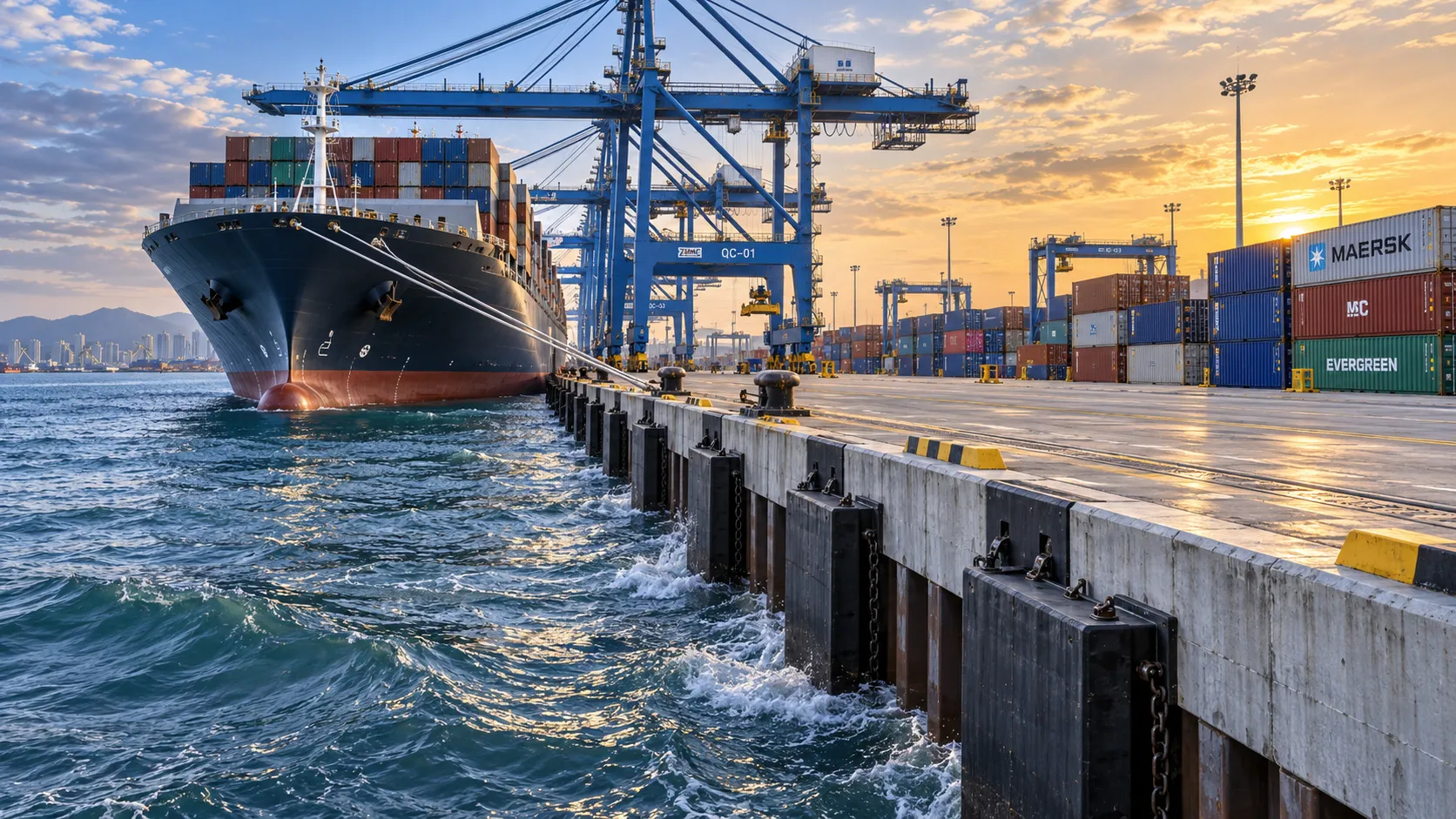
How to Select Harbor Structures for Quay Walls Under Berthing and Wave Loads
Harbor structure for quay wall selection: evaluate berthing energy, wave loads, soil conditions, durability, and lifecycle risk to build safer, adaptable terminals.
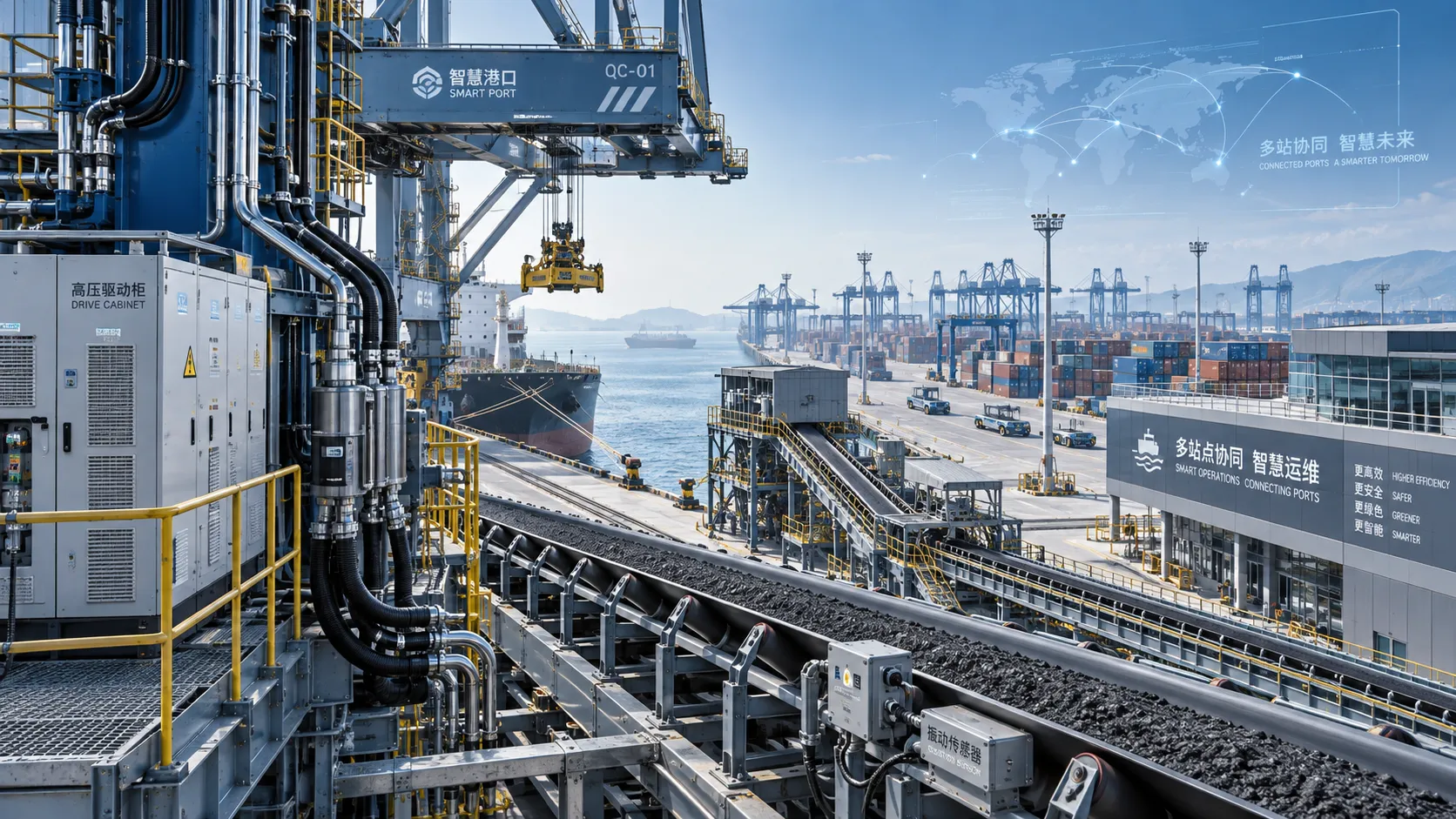
Selecting Smart Terminal Software for Multi-Site Field Service Operations
Smart terminal solutions software helps multi-site field service teams unify asset history, mobile maintenance, integrations, and reporting for safer, faster terminal operations.
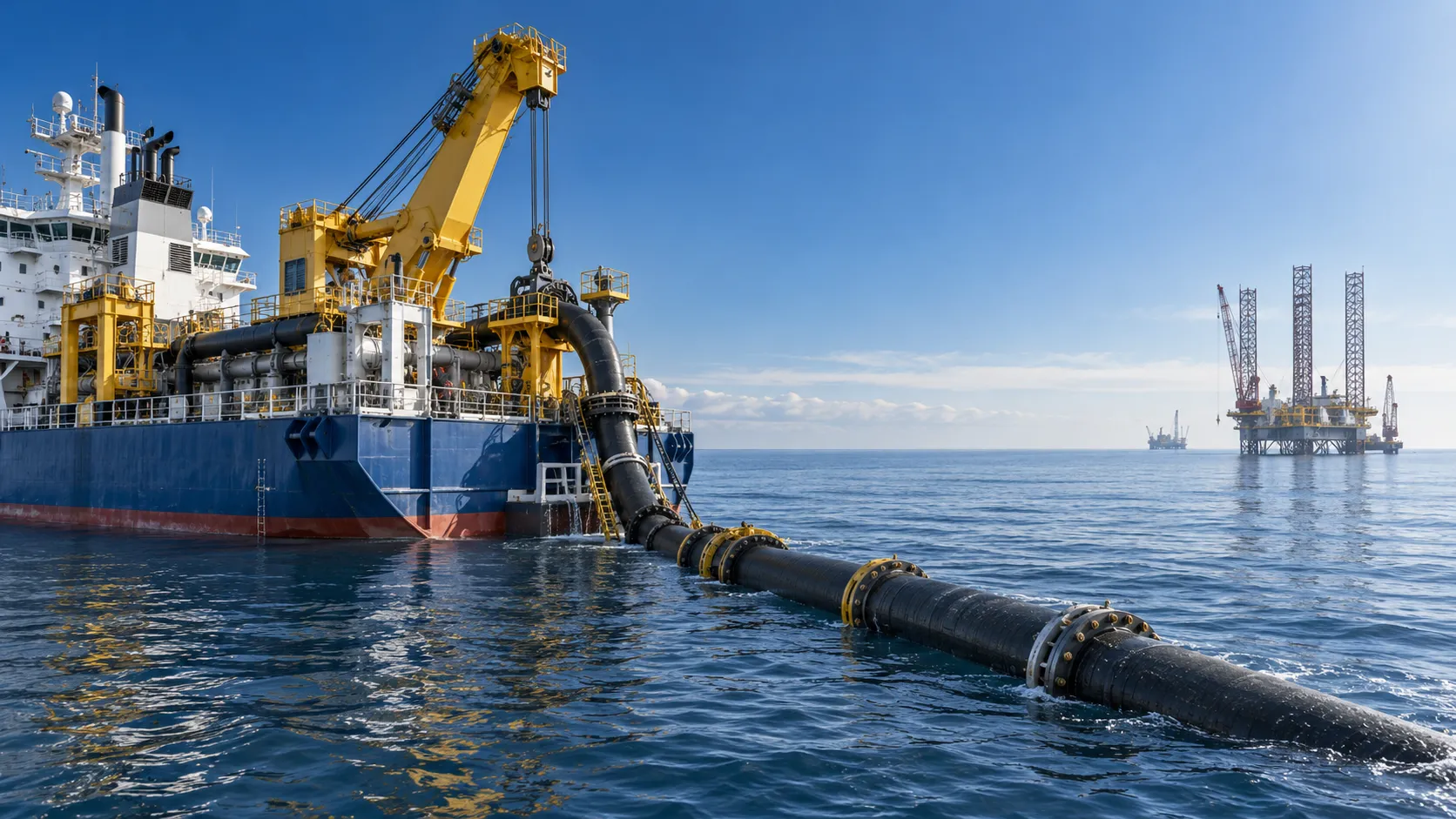
How to Specify Heavy-Duty Marine Engineering Equipment for Offshore Projects
Heavy duty marine engineering equipment: learn how to specify reliable offshore assets for safety, uptime, integration, lifecycle cost, and project success.
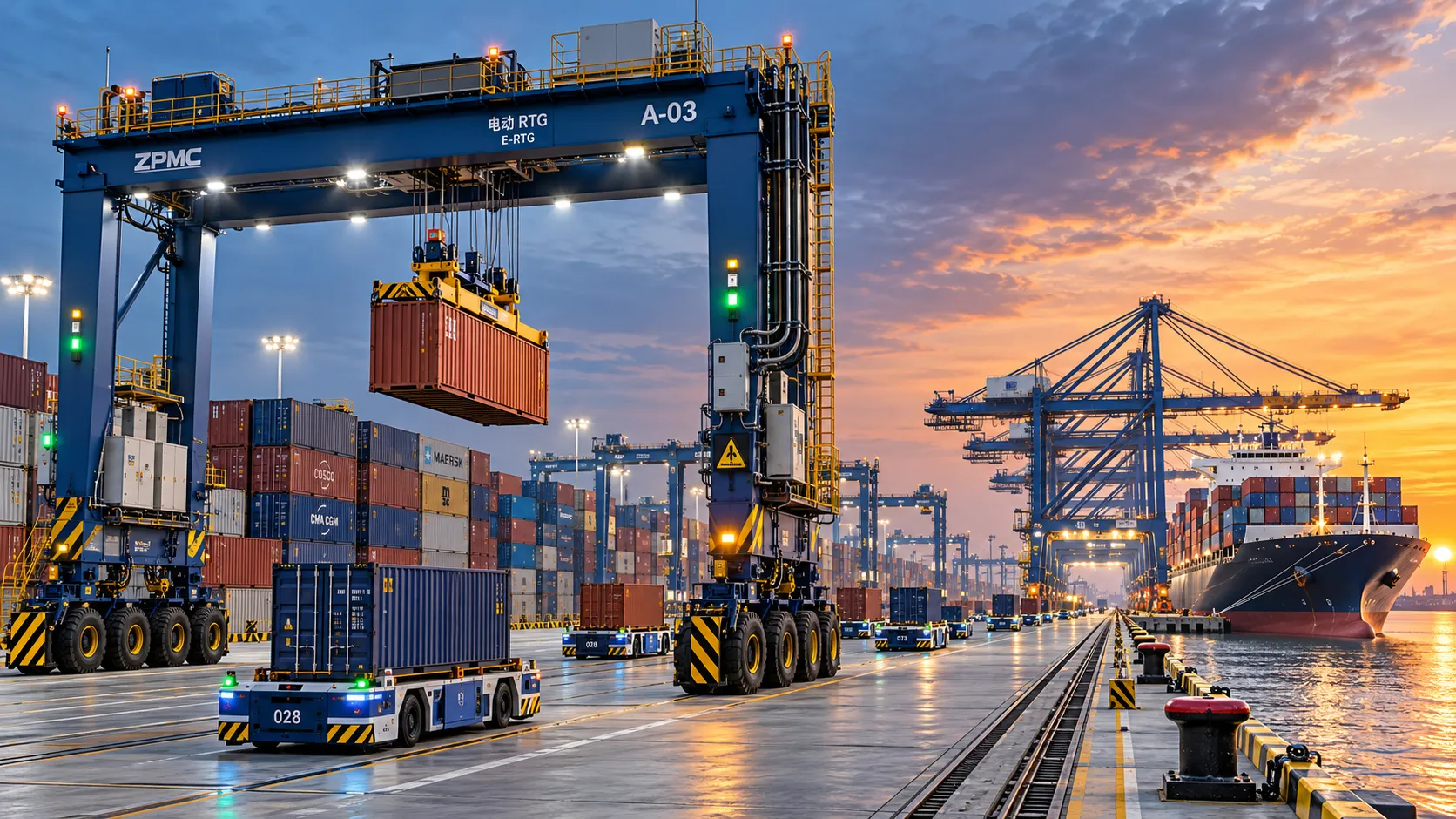
How to Evaluate a Container Handling Equipment Exporter for Port and Yard Projects
Choose the right container handling equipment exporter with a practical guide to compliance, automation, service support, delivery reliability, and lifecycle value.
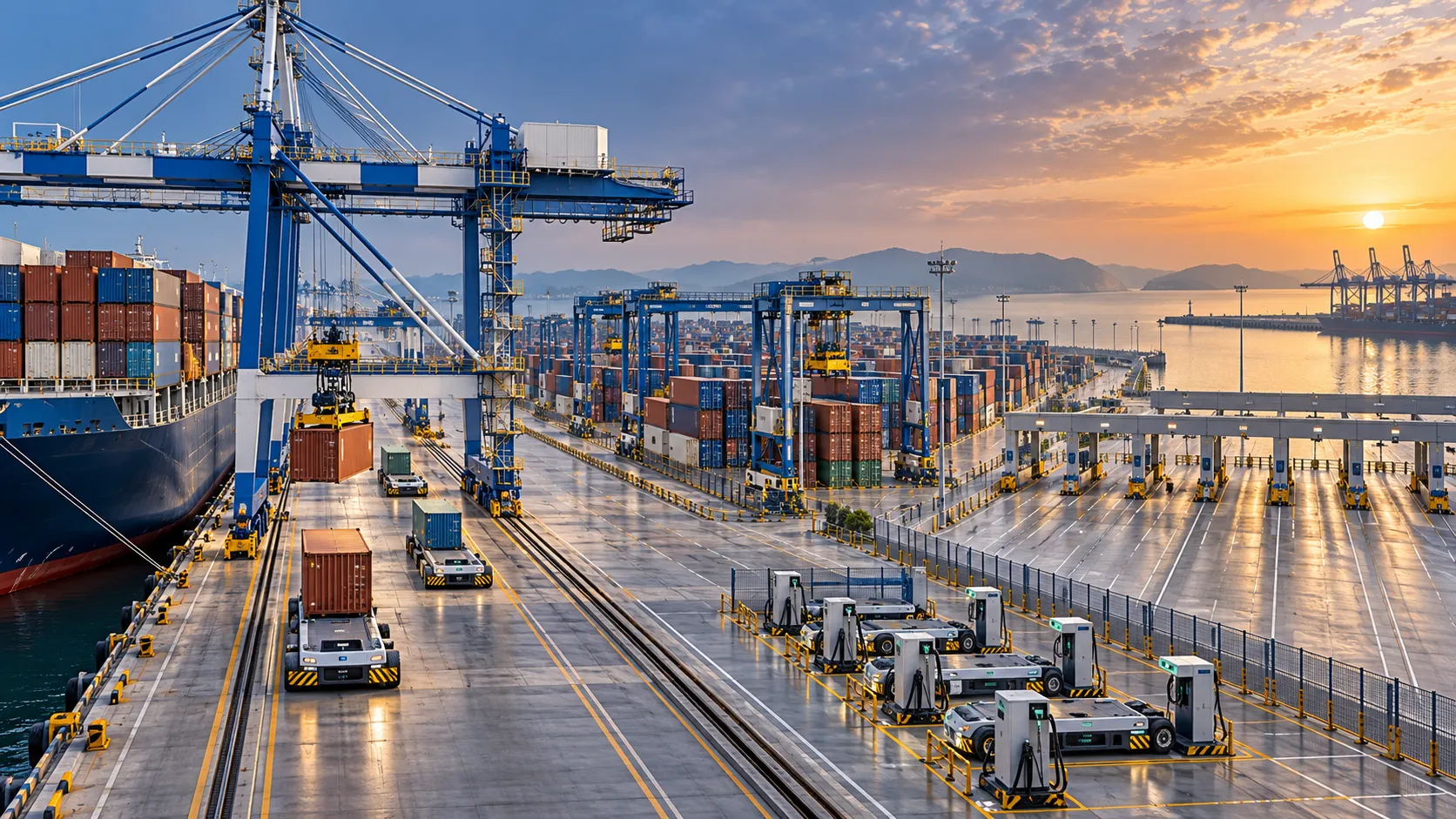
How to Select Automated Terminal Systems for High-Throughput Cargo Terminals
Automated terminal systems for cargo terminals: learn how to select scalable, resilient solutions that boost throughput, streamline integration, and control lifecycle risk.
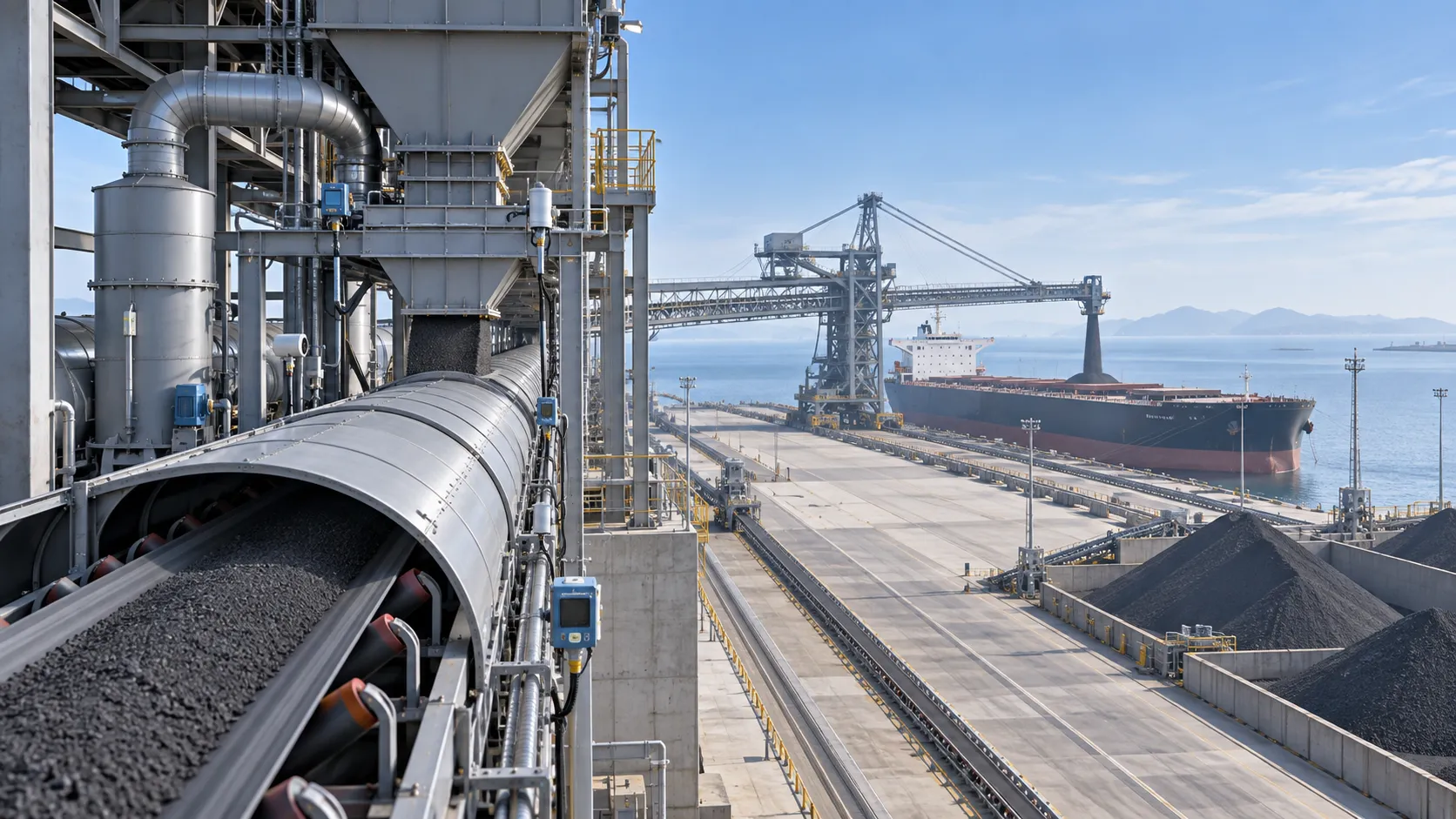
How Automated Bulk Cargo Handling Reduces Dust, Spillage, and Port Downtime
Automated cargo handling for bulk cargo cuts dust, spillage, and port downtime through stable flow control, smart sensing, and coordinated recovery.
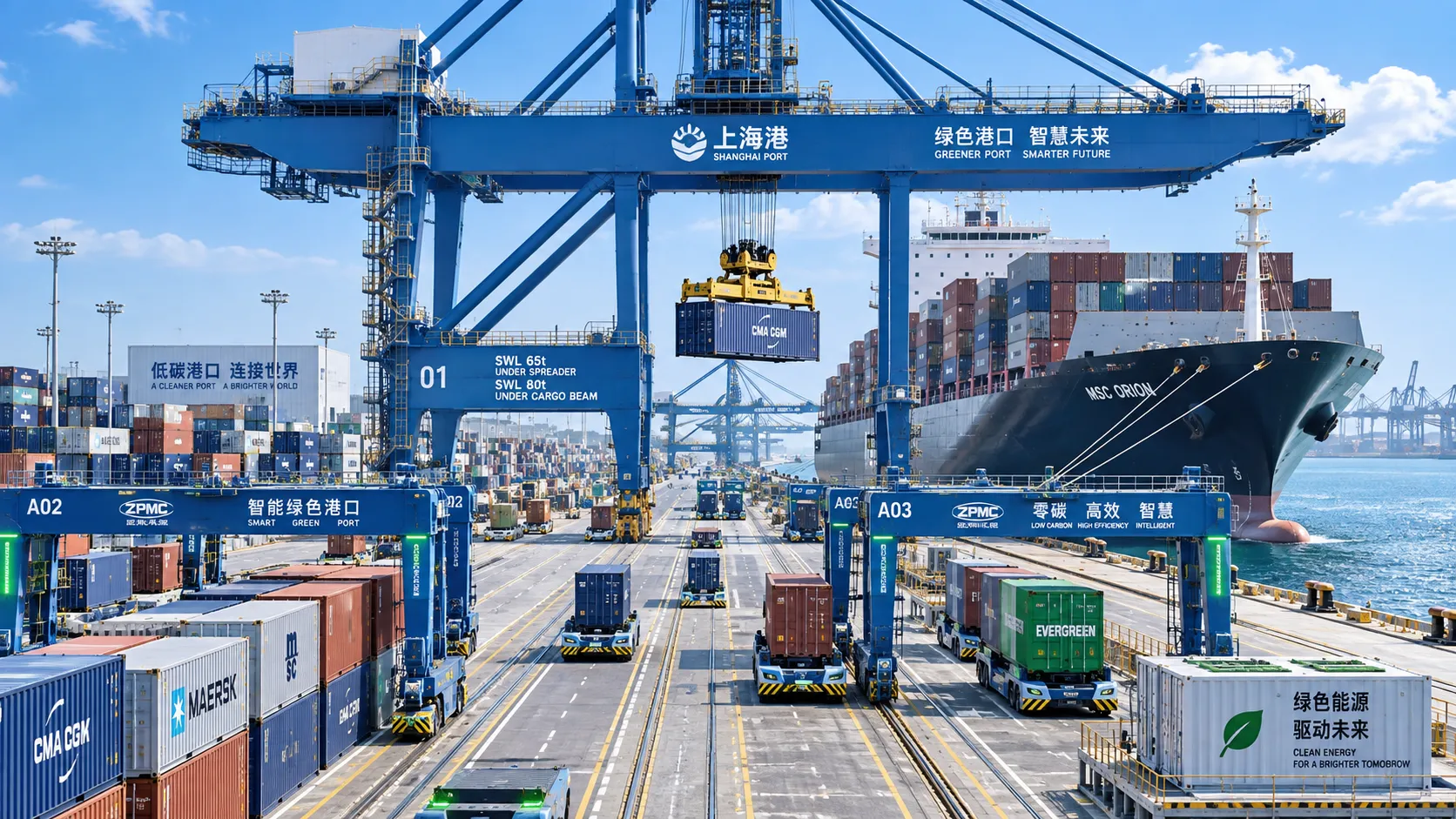
Port Equipment Market Outlook: Demand Drivers Shaping Crane and Handling Equipment Sales
Port equipment market outlook: Explore demand drivers for cranes, automation, electrification, bulk handling, and aftermarket services that create profitable sales opportunities.
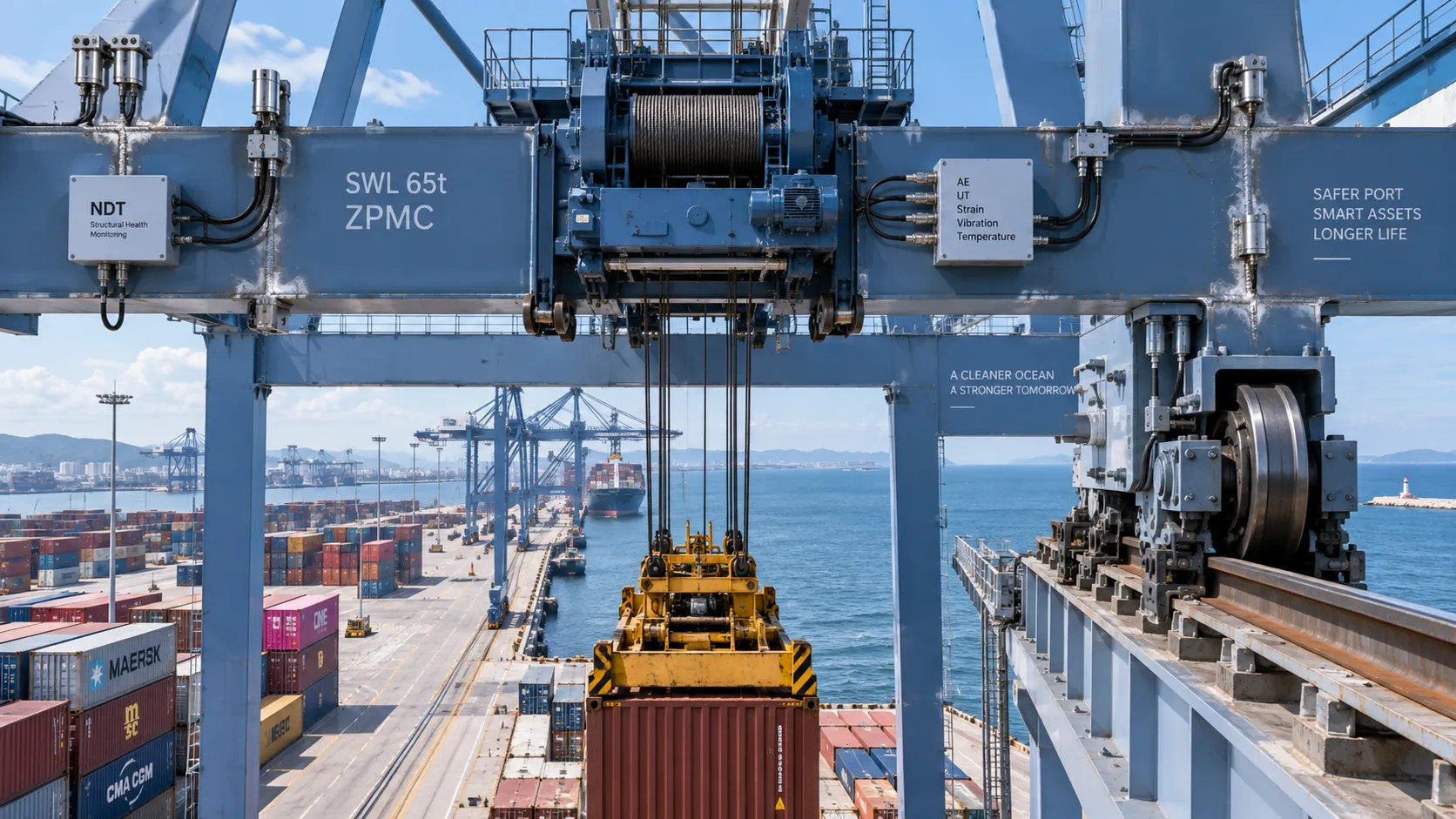
Technical Evaluation of Port Assets: Assessing Reliability, Condition, and Residual Life
Technical evaluation of port assets: assess reliability, condition, and residual life with actionable insights for safer operations and smarter investment decisions.
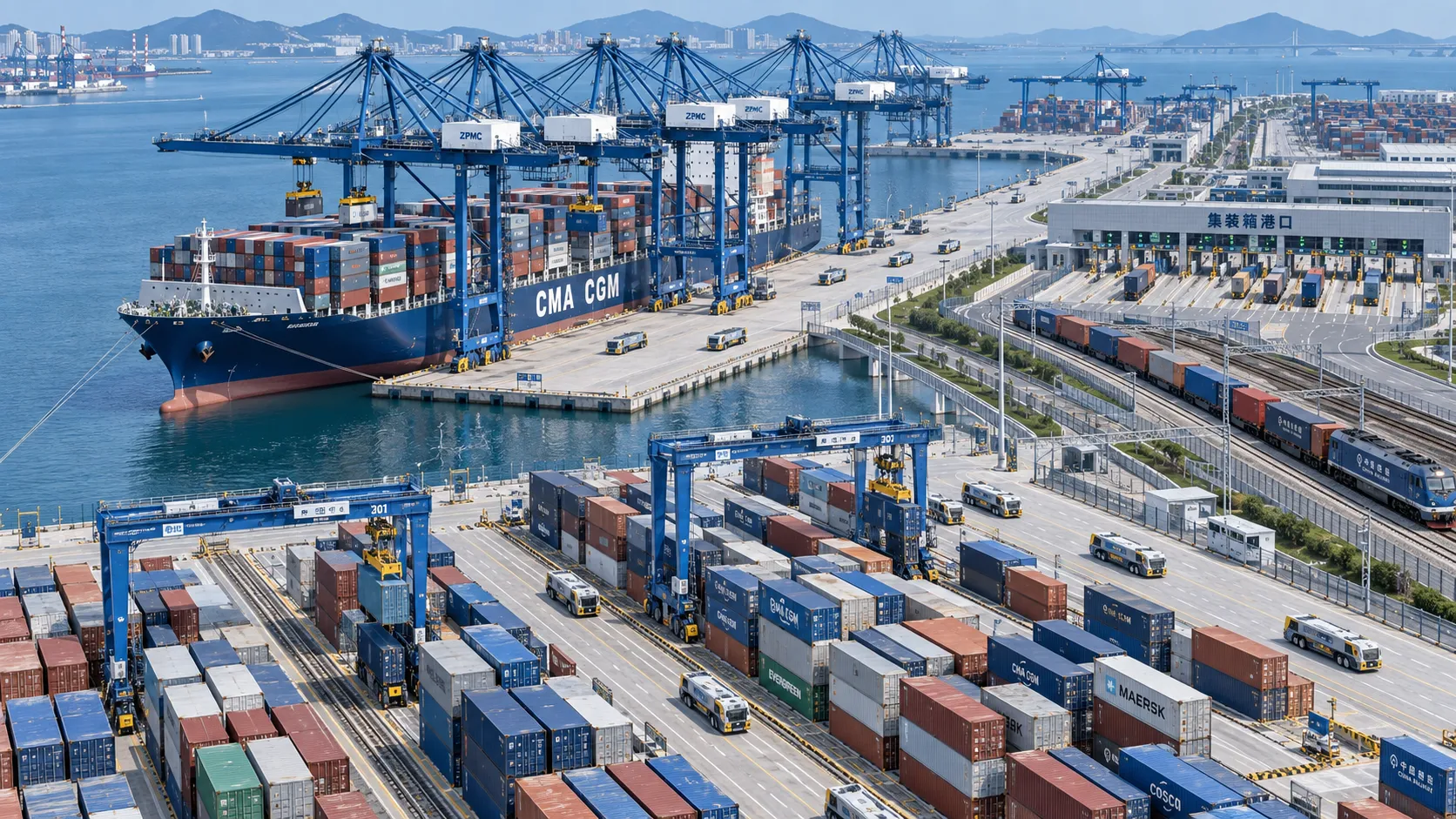
What Should a Port Capacity Plan Measure Before a New Berth or Crane Investment?
Port capacity planning: discover the metrics that reveal whether a new berth or quay crane will improve throughput, service reliability, and investment returns.