Related News
- 00
0000-00
Europe's Coastal Economies: Key Industries, Jobs and Climate Risks - 00
0000-00
Coastal Infrastructure Costs: What to Include in a Lifecycle Budget - 00
0000-00
What Does Net-Zero Emissions Mean, and How Does It Differ from Carbon Neutrality? - 00
0000-00
Automated Port Systems in Latin America: Investment Priorities for Container Terminals - 00
0000-00
Smart Operations in the Middle East: Where Industrial Investment Is Growing
0000-00
Europe's Coastal Economies: Key Industries, Jobs and Climate Risks
Europe’s coastal economies bring together activities that depend on access to the sea, from cargo handling and fishing to tourism and offshore energy. Their economic value extends inland through transport, manufacturing, food processing and services. The same concentration of people and infrastructure at the water’s edge also creates exposure to flooding, erosion and changing marine conditions.
A coastal economy is not defined by a single industry or a uniform set of jobs. A large container port, an island dependent on seasonal visitors and a fishing town with a small harbor all have different sources of income and different vulnerabilities. Understanding those differences is essential to assessing both employment prospects and climate risk.
What Makes a Coastal Economy Distinct?
Coastal economic activity is shaped by the relationship between land and sea. Ports require navigable approaches, quays and connections to roads or railways. Tourism relies on accessible beaches, attractive waterfronts and accommodation. Fisheries depend on healthy stocks and places to land, store and process catches. Offshore energy needs suitable marine sites as well as ports capable of supporting construction and maintenance.
Geography changes the balance between these activities. A sheltered estuary with good inland transport links can support extensive cargo operations, while an exposed island may rely more heavily on ferries, visitor spending and marine services. Several industries often share the same stretch of coast, creating opportunities for employment but also competition for land, water space and infrastructure.
Economic boundaries are wider than the shoreline. A port’s direct workforce is located at terminals and nearby facilities, but its activity also supports truck drivers, warehouse staff, equipment suppliers and manufacturers farther inland. Conversely, counting every job in a coastal region as a maritime job would overstate the role of the sea: many residents work in schools, healthcare, retail or other activities that are not inherently coastal.
Ports, Shipping and Cargo Handling
Commercial ports connect European production and consumption with maritime routes. Their activities differ according to the cargo handled. Container terminals transfer manufactured goods in standardized boxes; bulk terminals handle materials such as grain, aggregates or energy commodities; ferry and passenger terminals move people and vehicles. A port can combine several of these functions, but each requires different equipment, storage and skills.
Quay cranes lift containers between ships and shore, while yard equipment moves and stacks them until onward transport is ready. Bulk operations use conveyors, grabs, hoppers and enclosed storage suited to the material being handled. Maintenance technicians, equipment operators, marine pilots, tug crews, dispatchers and customs specialists all contribute to the movement of cargo.
Port activity does not translate directly into a fixed number of local jobs. Employment varies with cargo type, terminal layout and the division of work between the port and inland logistics centers. A rise in cargo volume can increase demand for transport and maintenance even when automation limits growth in some repetitive handling roles. Automated equipment also creates work in control systems, software, electrical maintenance and troubleshooting, although those roles require different training.
Water depth is another practical constraint. A terminal’s capacity is not determined by crane size alone: ships must be able to reach the berth safely, and cargo must leave the terminal without excessive delays. Sediment accumulation in an access channel can restrict vessel movements where depths are insufficient. Dredging restores or maintains navigable depths, but the work must also account for sediment characteristics, disposal arrangements and effects on marine habitats.
Tourism and Waterfront Services
Tourism supports hotels, restaurants, ferries, recreation businesses and cultural attractions along much of Europe’s coast. Spending spreads beyond the waterfront through food supply, cleaning, construction and transport. Visitor economies also provide entry-level and part-time work, though demand can be highly seasonal.
Seasonality matters when comparing employment figures. A destination that appears to have abundant summer work may offer fewer year-round positions, making income and housing affordability difficult for permanent residents. The mix of visitors matters too: overnight stays generally create different patterns of local spending from short visits by day-trippers or cruise passengers.
Coastal tourism depends on environmental conditions as well as infrastructure. Beach erosion can reduce usable space, while poor water quality can affect swimming and recreation. Hotter conditions may lengthen the visitor season in some places but make peak-season travel less comfortable elsewhere. These effects are uneven, and a longer season does not automatically offset damage to beaches, water supplies or transport access.
Fishing, Aquaculture and Food Processing
Fishing supports vessel crews, harbor services, auctions, cold storage and seafood processing. Aquaculture adds employment through the cultivation of species such as fish and shellfish, with related work in hatcheries, feed supply, equipment maintenance and water-quality monitoring. In smaller communities, the activity of a landing harbor can support businesses that serve the wider local population.
The number of vessels alone is a poor measure of a fishing economy. Vessel size, fishing method, time at sea and the location of processing all affect local employment. A harbor may land substantial volumes while much of the processing takes place elsewhere; another may handle less catch but retain more processing and distribution work locally.
Climate pressures also vary by species and location. Changes in water temperature, oxygen levels and marine ecosystems can alter where fish are found and when they are available. Shellfish farms face additional sensitivity to water quality and marine conditions. These changes interact with existing pressures on stocks and habitats, so a change in landings cannot automatically be attributed to climate alone.
Offshore Energy and Marine Engineering
Offshore wind and other marine energy activities connect coastal employment to construction, engineering and long-term maintenance. Ports serve as bases for assembling components, loading vessels and transferring crews. The suitability of a port depends on factors such as available land, quay strength, water depth and access to the offshore site.
Construction and operation create different patterns of work. Installation can bring a concentrated period of vessel activity, heavy lifting and fabrication, while ongoing operation requires inspection, marine transport, electrical work and repairs. A port that handles installation does not necessarily become the base for subsequent maintenance; distance, facilities and project arrangements influence where those jobs are located.
Other coastal industrial activities, including ship repair, marine construction and energy handling, draw on related engineering skills. Competition for waterfront space can become significant when established fishing, cargo or recreation activities share access with new energy projects. The economic effect therefore includes both new work and changes to how existing facilities are used.
Climate Risks to Coastal Jobs and Infrastructure
Sea-level rise raises the baseline from which coastal flooding occurs. Storm surge, waves, high tides and heavy rainfall can then combine to overwhelm drainage systems or flood low-lying land. A damaging event does not require every factor to reach an extreme at once: high water at the coast can prevent rainwater from draining inland, prolonging disruption after rainfall has stopped.
For ports, the immediate consequences can include flooded electrical equipment, inaccessible gates, damaged cargo and suspended vessel operations. The effects extend beyond the quay when road or rail connections are impassable. A terminal that remains physically intact may still be unable to move freight if the route to an inland warehouse is flooded.
Erosion presents a different problem. Instead of a short interruption followed by cleanup, the shoreline itself retreats or protective landforms weaken over time. Roads, promenades, utilities and buildings close to the edge can become harder to maintain. Replacing sand on a beach can support recreation and provide a buffer in suitable locations, but sand can be lost again where waves and currents continue to move it away.
Saltwater intrusion is less visible but also affects coastal economies. Saline water entering freshwater aquifers, soils or drainage networks can disrupt agriculture, drinking-water supplies and industrial processes. Its effects depend on local geology, water extraction and the movement of fresh and salt water; distance from the beach alone does not reveal the full exposure.
Heat and changing marine conditions add further pressures. Workers in exposed outdoor settings face heat stress, while cooling needs can rise in refrigerated storage and buildings. Marine heat and ecosystem changes affect tourism, fishing and aquaculture differently, making a single regional climate label a poor substitute for examining the assets and livelihoods involved.
Why Similar Coastal Places Face Different Outcomes
Exposure to a hazard is only part of the economic picture. A low-lying industrial area with robust electrical protection, alternative transport routes and practiced recovery arrangements can experience a different disruption from a similarly exposed area with one access road and critical equipment at ground level. The duration of closure matters as much as the visible physical damage, particularly for perishable seafood, scheduled ferry services and time-sensitive freight.
Local dependence also shapes the consequences. A temporary port closure has wider employment effects where a large share of the community relies on cargo activity. In a more diversified area, other sources of income may cushion the shock, although individual workers and businesses can still face severe losses. Seasonal timing matters: a flooded resort at the start of its main visitor period faces a different revenue problem from the same disruption during a quiet month.
Protective works have trade-offs. A seawall can reduce exposure at a particular location when designed for local conditions, but it does not eliminate flood risk and can affect beaches or neighboring shorelines. Restored dunes, wetlands and other natural features can absorb wave energy and store water, yet they need space and suitable sediment and ecological conditions. No single measure protects every asset against every hazard.
Adaptation therefore includes choices about where activity remains viable. Raising electrical systems, improving drainage, protecting access routes and allowing room for coastal habitats can reduce disruption. In places facing persistent erosion or repeated flooding, relocating a facility or changing how land is used may become part of the discussion. The practical question is how the chosen response affects employment, neighboring communities and the coast over the life of the infrastructure.
Related News
Real-Time Container Yard Systems: How to Evaluate Tracking and TOS Integration
Evaluate real time container yard systems with confidence. Discover how to assess tracking accuracy, TOS integration, latency, and operational resilience.
Marine Engineering Solutions for Dredging in Ports: Key Design Factors
Explore marine engineering solutions for dredging ports, from equipment selection and sediment management to safe navigation and survey verification.
How to Evaluate a Quay Crane Factory: Capacity, Quality and Delivery
Evaluate a quay crane factory with confidence. Learn how to verify production capacity, quality controls, delivery plans, and lifecycle costs before you commit.
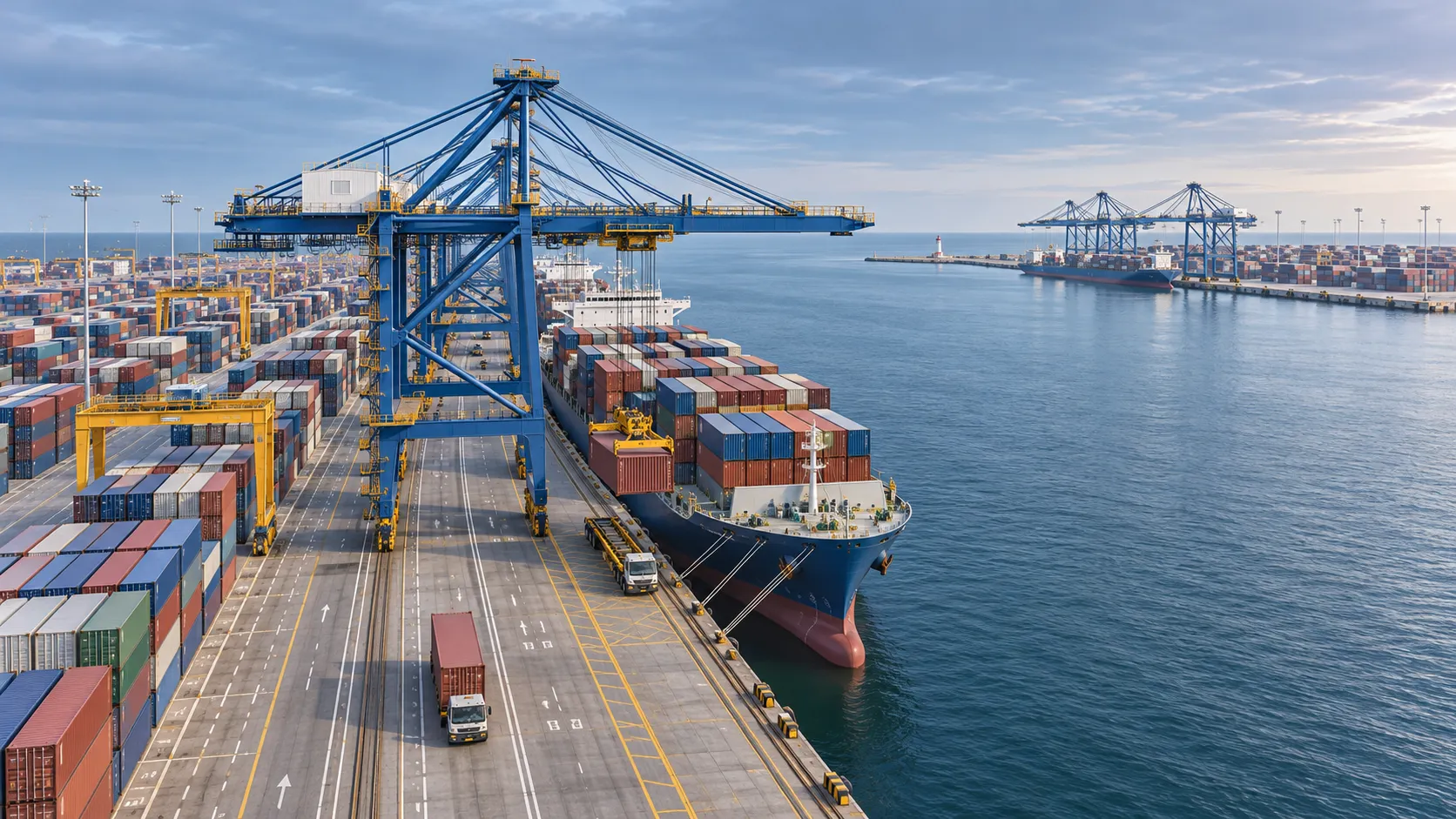
What Data Does a Smart Port Control Architecture Need to Operate?
What data is needed for a smart port control architecture? Discover the essential operational feeds, integration requirements and safety checks.
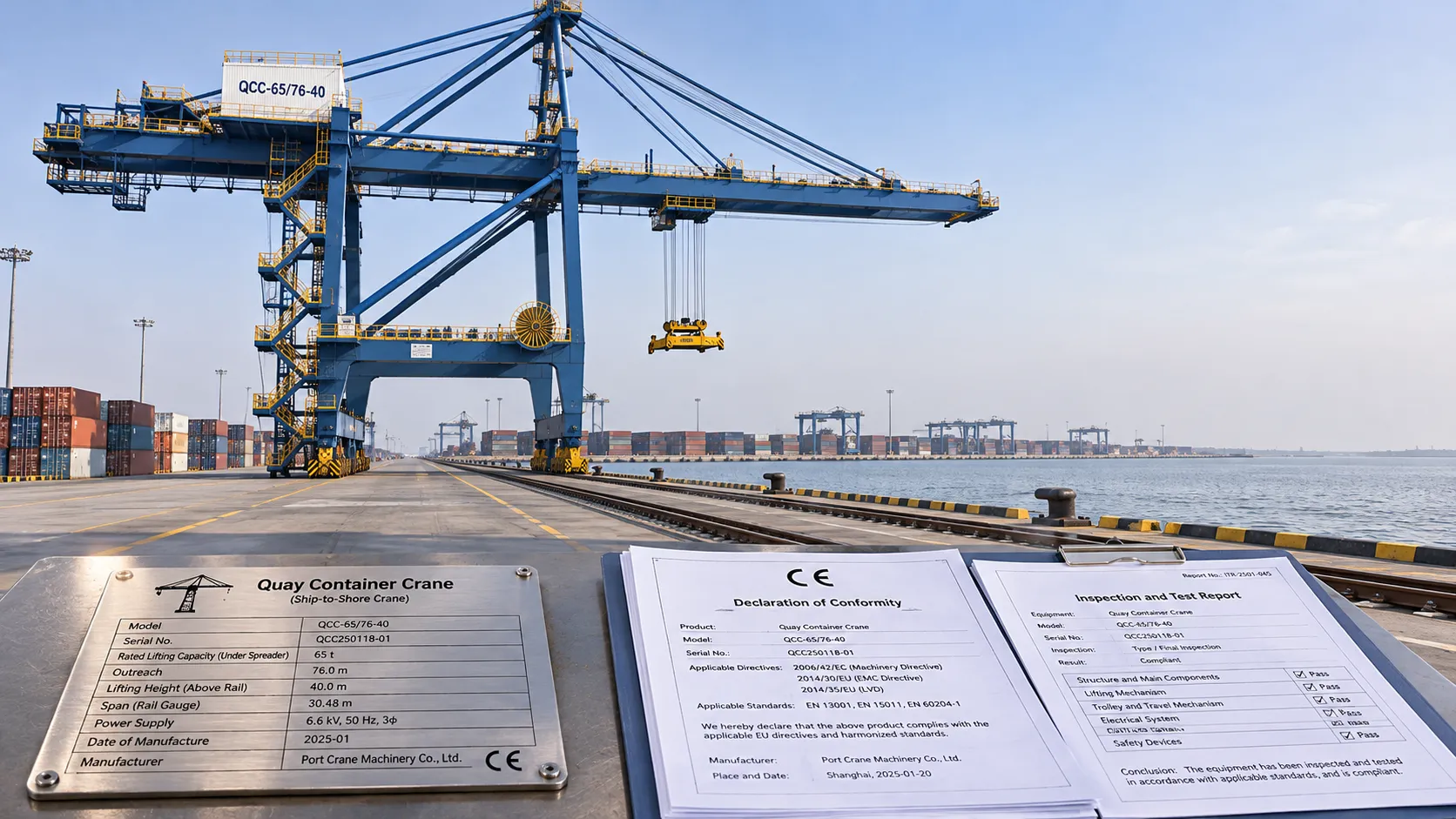
CE-Marked Quay Cranes: How to Verify Compliance Documents
Quay crane CE certified? Learn how to verify declarations, risk assessments and test records for the complete machine before acceptance.
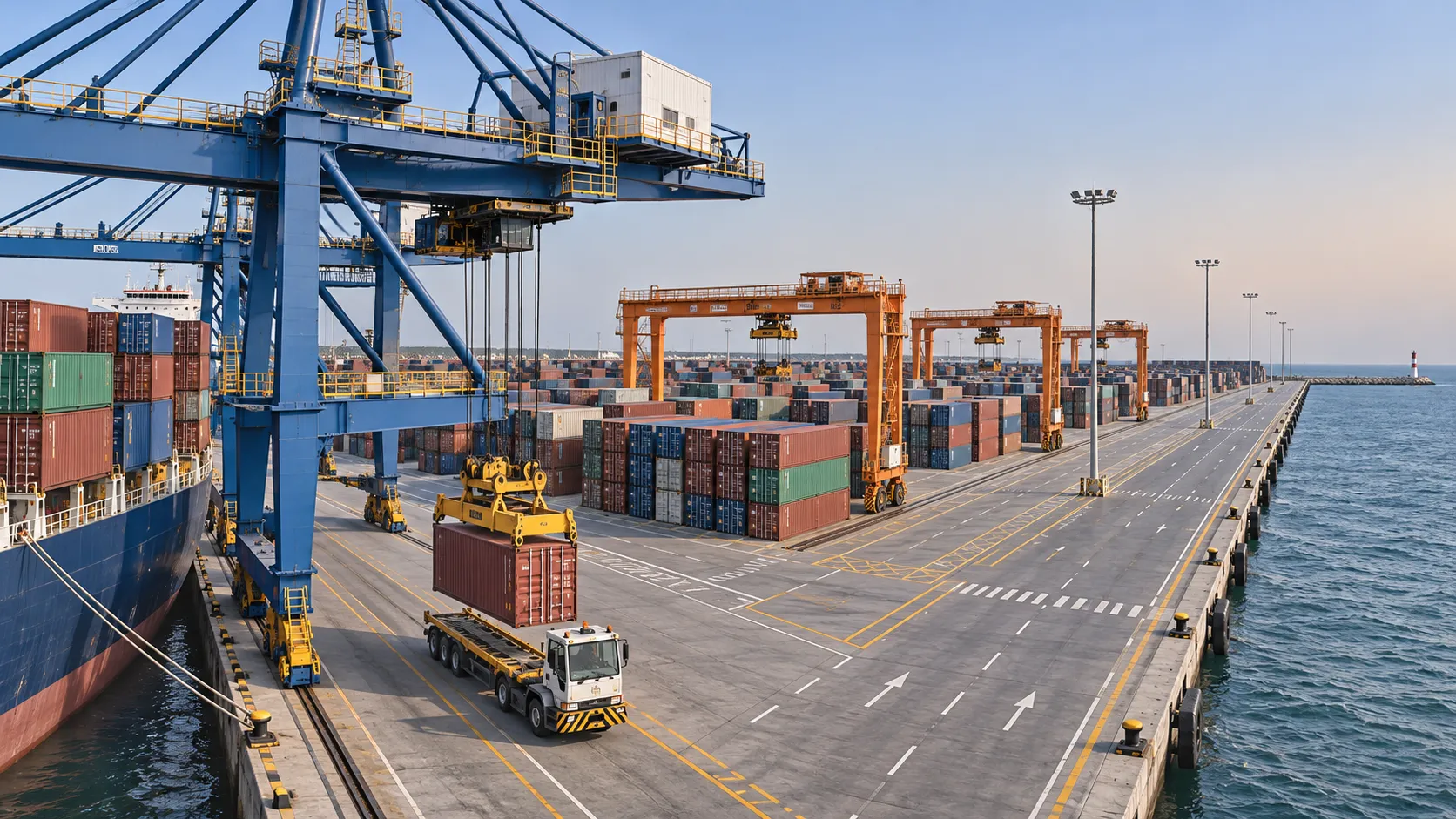
Port Automation Systems in Latin America: Choosing the Right Solution
Explore port automation systems Latin America terminals can use to reduce congestion, assess integration risks, and choose the right solution with confidence.
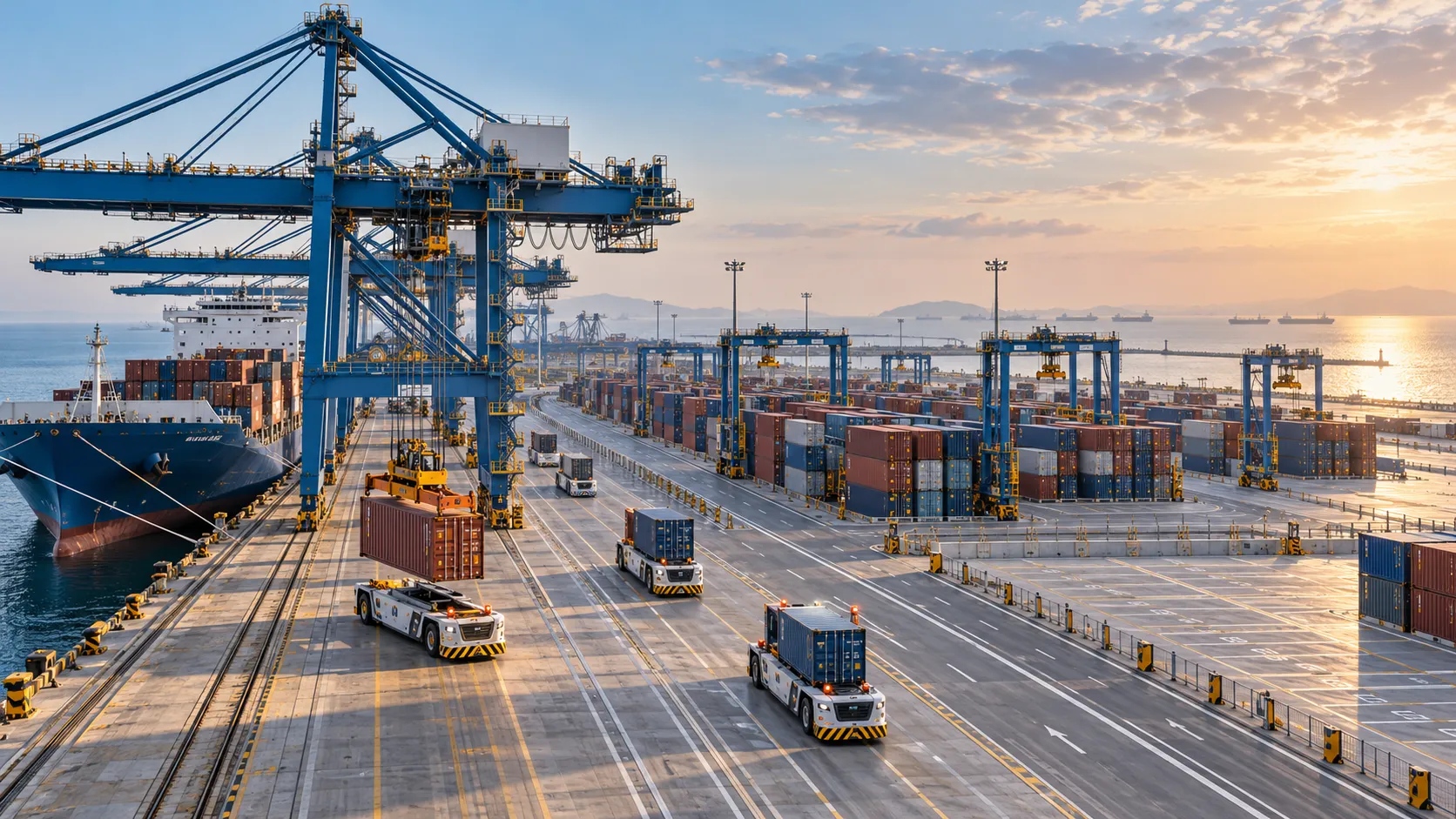
Scalable Automated Port Systems: Planning for Terminal Capacity Growth
Discover how scalable automated port systems support phased terminal growth, reduce bottlenecks and guide smarter capacity investments.
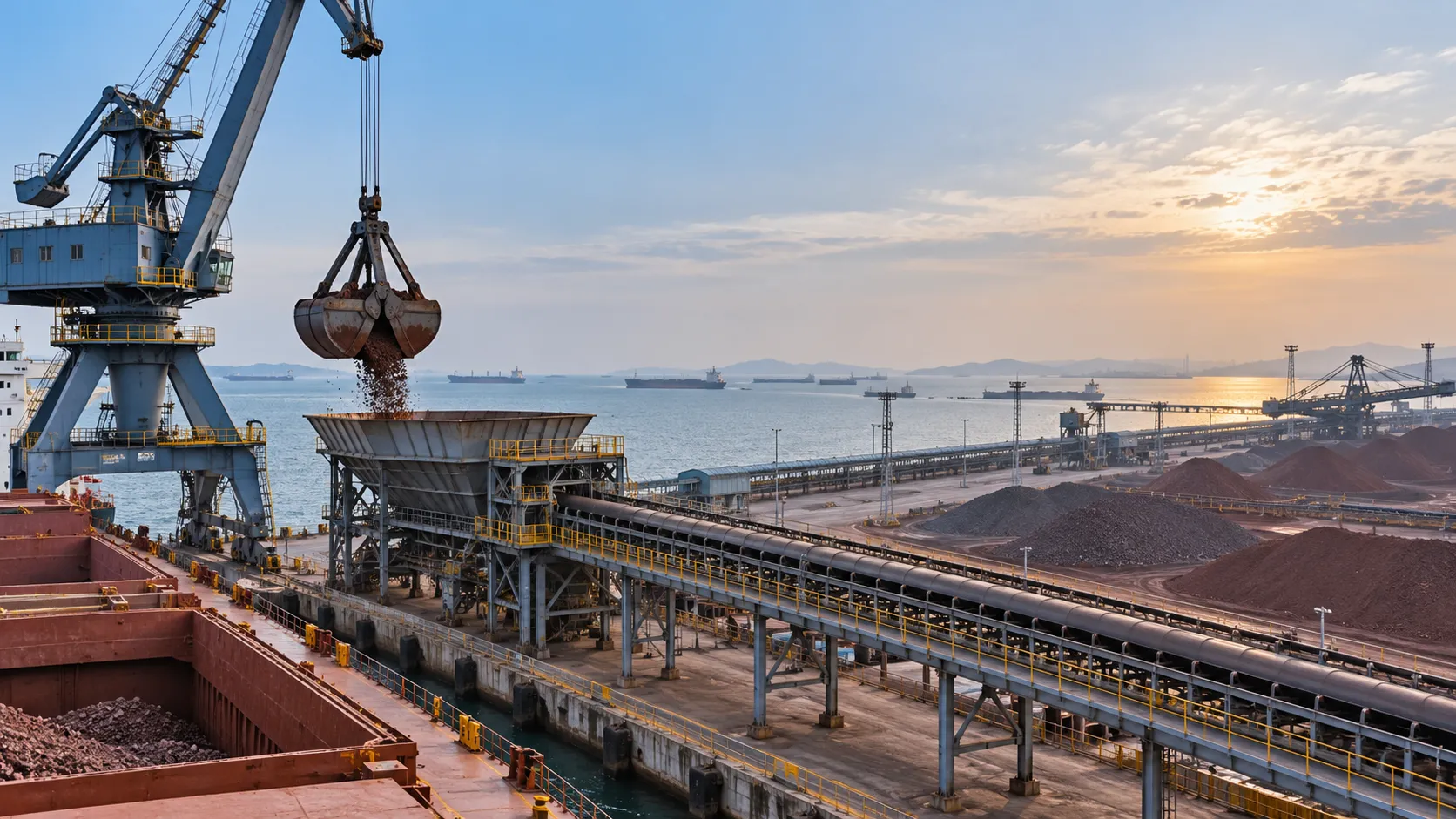
Bulk Cargo Handling Equipment for Ports: Choosing by Cargo and Capacity
Choose bulk cargo handling equipment for ports with confidence. Compare cargo types, realistic throughput, equipment options, and lifecycle costs.
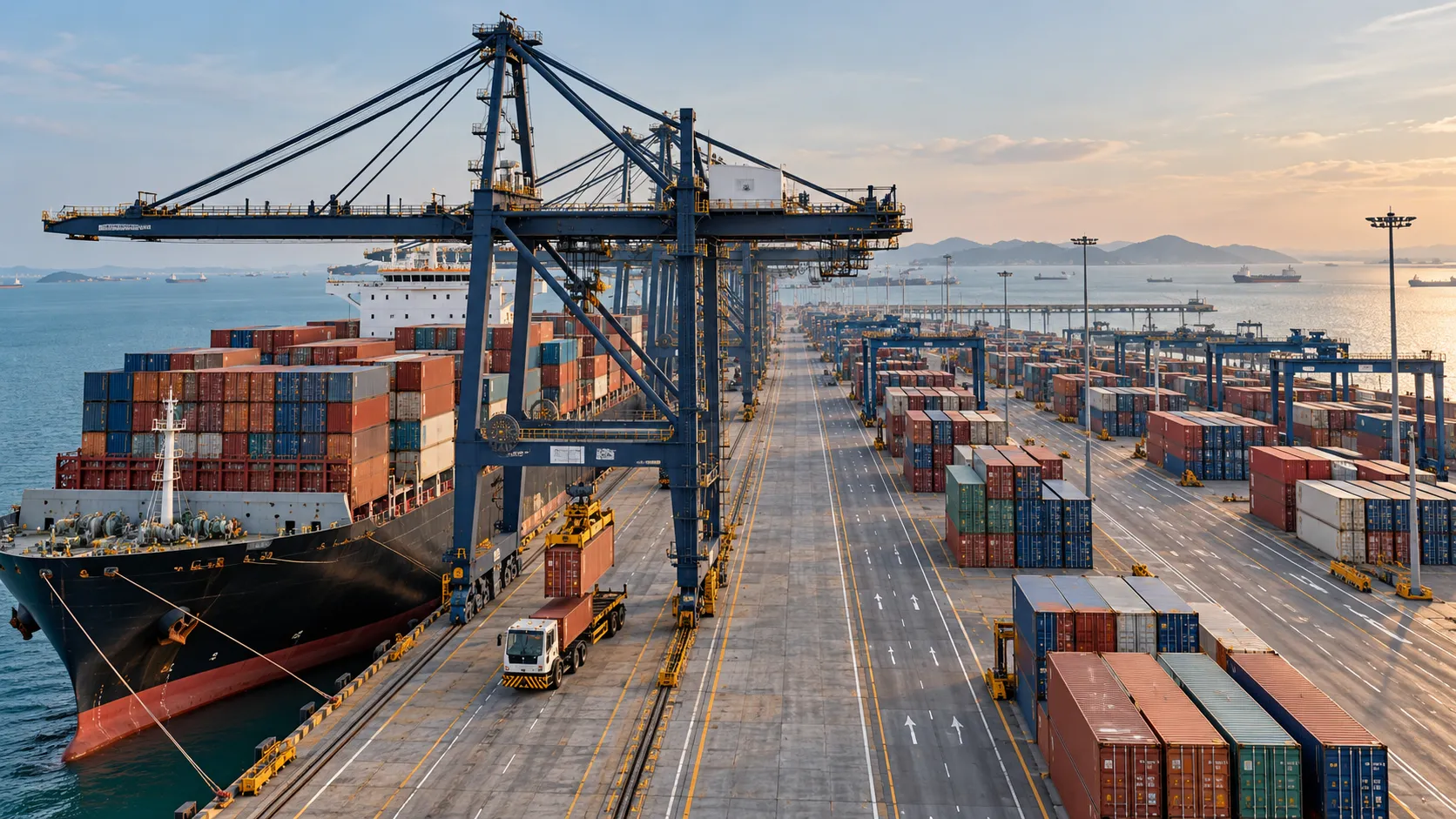
What Affects Container Terminal Efficiency in Southeast Asia?
Discover what affects terminal efficiency in Southeast Asia, from berth planning and yard congestion to inland access, and learn how to assess performance.