Related News
- 00
0000-00
Europe's Coastal Economies: Key Industries, Jobs and Climate Risks - 00
0000-00
Coastal Infrastructure Costs: What to Include in a Lifecycle Budget - 00
0000-00
What Does Net-Zero Emissions Mean, and How Does It Differ from Carbon Neutrality? - 00
0000-00
Automated Port Systems in Latin America: Investment Priorities for Container Terminals - 00
0000-00
Smart Operations in the Middle East: Where Industrial Investment Is Growing
0000-00
Coastal Infrastructure Costs: What to Include in a Lifecycle Budget
A coastal infrastructure cost estimate that stops at construction can leave project managers exposed to decades of unplanned spending. A quay wall may be structurally sound while its fenders need replacement, its berth pocket requires dredging, and its electrical systems struggle with new terminal equipment. None of these obligations disappears because the original construction contract is closed.
For procurement teams, the challenge is not simply estimating more items. It is deciding which alternative delivers the required service over time, who carries each cost, and when funding must be available. A credible lifecycle budget connects initial investment with inspection, operation, maintenance, renewal, climate adaptation, and eventual retirement—without hiding uncertainty inside a single contingency percentage.
Define the service before pricing the assets
Two proposals cannot be compared meaningfully unless they deliver the same service. A lower-cost berth designed for a lighter crane loading, shallower operating depth, or shorter service life is not necessarily a saving. It may be a different project.
Before requesting lifecycle prices, establish a common basis covering:
- Operating requirements: vessel dimensions, cargo mix, annual throughput, berth availability, and operating hours.
- Physical boundaries: quay structures, reclamation, utilities, access channels, turning basins, protection works, and terminal equipment.
- Performance limits: allowable settlement, pavement loading, navigation depth, equipment availability, and environmental constraints.
- Planning assumptions: appraisal period, commissioning sequence, demand scenarios, and asset replacement strategy.
- Cost ownership: obligations assigned to the authority, terminal operator, concessionaire, utility provider, or other parties.
That final point matters particularly at ports. Channel dredging may sit outside a terminal contract but remain essential to its commercial performance. Keep an owner-funded budget and a wider project-cost view where necessary, with transfers and shared obligations clearly identified.
Build the coastal infrastructure cost budget around interventions
A useful budget follows what must happen to each asset, rather than relying entirely on accounting categories. The following structure captures both predictable expenditure and the less frequent interventions that can strain funding.
Initial expenditure extends beyond the works contract
Include bathymetric and topographic surveys, metocean studies, marine geotechnical investigations, sediment characterization, and assessments of existing structures. Insufficient investigation can leave bidders pricing different assumptions about piling conditions, ground improvement, or dredged-material handling.
Development costs also include design reviews, permits, stakeholder engagement, navigation studies, construction supervision, and commissioning. Depending on the site, temporary navigation arrangements, utility diversions, unexploded-ordnance investigation, or access improvements may be material.
For an operating terminal, construction phasing deserves its own budget line. Temporary berths, relocated services, restricted crane movements, and off-peak working can make a technically straightforward upgrade expensive to deliver. Record taxes, duties, escalation, and financing consistently with the chosen appraisal framework rather than burying them in contractor rates.
Routine maintenance is not the same as capital renewal
Keep recurring work separate from major interventions. Fender inspections, drainage cleaning, lubrication, and minor concrete repairs belong in annual operating plans. Replacing a fender system, strengthening a quay, or reconstructing a heavily loaded yard requires a different approval and funding process.
Maintenance assumptions should reflect salt exposure, tidal wetting, wave action, abrasion, and access difficulty. A repair rate borrowed from an inland facility may miss much of the actual marine cost. Mobilizing a workboat, installing access platforms, arranging divers, and maintaining navigation safety can cost more than the repair materials themselves.
Budget explicitly for coating renewal, cathodic-protection monitoring and component replacement, underwater inspections, scour surveys, and structural condition assessments. Inspection findings should feed back into intervention timing; a calendar alone is not a maintenance strategy.
Dredging needs its own lifecycle model
Capital dredging establishes the required geometry. Maintenance dredging preserves it. Treating the latter as an incidental allowance is a common weakness in coastal budgets, especially where sedimentation varies with storms, river discharge, or neighboring development.
A defensible estimate connects expected sediment volumes with survey frequency, dredging tolerances, mobilization, plant suitability, environmental restrictions, and the destination of dredged material. Distinguish in-situ quantities from the measurement basis used for transport and disposal pricing.
Do not assume every dredged cubic metre has the same cost. Clean sediment suitable for an approved placement route has a different cost profile from material requiring additional testing, treatment, confined disposal, or longer transport. Disposal-site availability and permit conditions can change during the asset’s life.
Ask bidders to separate mobilization from production rates and explain minimum campaign sizes. Bundling dredging campaigns may reduce repeated mobilization, but waiting longer can increase draft restrictions or disrupt berth access. The budget should reveal that trade-off rather than automatically favoring the lowest unit rate.
Price the terminal as a connected operating system
Heavy equipment, civil structures, and automation systems impose costs on one another. A larger quay crane may require stronger rails, foundations, power supply, and pavement. Automated vehicles may reduce some staffing requirements while increasing demands for charging infrastructure, communications, positioning systems, and specialist maintenance.
For cranes, bulk handling machinery, and specialized container equipment, request energy consumption under a defined operating profile—not merely rated power. Include standby use, peak demand charges where applicable, battery replacement, wear components, specialist inspections, and major overhauls.
Automation introduces further lifecycle obligations: software licensing, cybersecurity maintenance, network renewal, integration testing, backups, and control-system obsolescence. Ask whether the owner can access diagnostic data, obtain third-party support, and replace components without redesigning the entire system.
This equipment-to-infrastructure interface is central to PS-Nexus’s coverage of port machinery, automation, and dredging engineering. For project teams, the practical lesson is straightforward: purchasing each package at its lowest standalone price does not necessarily produce the lowest terminal lifecycle cost.
Make downtime visible without counting it twice
A repair budget can look modest until the berth closes. Planned maintenance may require crane isolation, vessel relocation, temporary cargo handling, or restricted working areas. Unplanned failures can create vessel delays and congestion beyond the failed asset.
Estimate the consequences using the project’s commercial structure. Relevant effects may include lost contribution margin, contractual penalties, additional labor, equipment rental, diversion costs, and recovery operations. Lost revenue is not automatically equivalent to economic loss: some cargo may move later, and some variable costs may be avoided.
Keep direct repair spending separate from service-interruption consequences. Also check whether contractor rates already include temporary equipment or whether an availability guarantee compensates for part of a loss. This prevents double counting while making resilience investments easier to evaluate.
Separate predictable expenditure from uncertainty
A lifecycle estimate needs allowances, but not every uncertain item belongs in the same contingency. Use a risk register to connect each material uncertainty to a cause, consequence, owner, and treatment.
- Estimate uncertainty: incomplete quantities, immature design, or limited supplier pricing.
- Event risk: storm damage, unexpected ground conditions, equipment failure, or disposal-route interruption.
- Market exposure: fuel prices, labor rates, exchange rates, and specialist marine-plant availability.
- Long-term change: sea-level rise, changing wave conditions, revised vessel requirements, or new environmental obligations.
Keep ordinary maintenance outside contingency. Likewise, do not add a broad risk percentage on top of fully risk-adjusted line items without checking for overlap. At greater design maturity, quantify important risks through ranges or scenario analysis rather than retaining an unexplained allowance.
Insurance may transfer part of the financial exposure, but deductibles, exclusions, premium changes, and uninsured downtime still matter. A budget should not treat an insured asset as a cost-free recovery.
Climate adaptation should have triggers, not just a reserve
Some resilience measures are sensible during initial construction; others can be deferred if the design preserves an upgrade path. Raising sensitive electrical equipment now may avoid disruptive relocation later. Providing structural capacity or space for future protection works can also be worth evaluating.
Compare immediate protection with staged adaptation using locally appropriate hazard scenarios. Define decision triggers—such as observed water levels, overtopping frequency, or revised design guidance—and include monitoring, design, permitting, and construction costs for future stages. Do not assume deferred work will remain practical without checking access and operational constraints.
Compare bids using present value—and check the cash calendar
Lifecycle comparison converts expenditure occurring at different times to a common basis. A simplified expression is:
Lifecycle present cost = initial investment + discounted operating, maintenance, renewal, risk, and retirement costs − discounted residual value.
Use the same appraisal period, price basis, discount rate, and service requirements for every option. Constant-price cash flows require a compatible real discount rate; nominal cash flows require a compatible nominal rate. Handle financing costs according to the appraisal method so that the cost of capital is not counted twice.
Where alternatives have different asset lives, include replacements or defensible residual values. Test the result against assumptions that could reverse the ranking: dredging frequency, electricity prices, corrosion-related repair timing, equipment availability, and discount rate.
Present value supports selection, but it does not show whether the owner can fund a major intervention when it arrives. Maintain an annual cash-flow schedule alongside the appraisal, showing renewal peaks and the required reserve contributions.
What the procurement package should require
Before selecting a preferred supplier or delivery model, request a lifecycle submission that can be audited and updated. It should contain:
- An asset-level cost breakdown with inclusions, exclusions, and interfaces.
- Operating assumptions, maintenance intervals, and supporting evidence.
- Replacement schedules covering mechanical, electrical, and digital assets.
- Spare-parts pricing, support arrangements, warranty boundaries, and obsolescence provisions.
- Expected intervention durations and required operational restrictions.
- A risk register, sensitivity results, and end-of-life obligations.
Retirement costs may include demolition, pile removal where required, waste handling, sediment management, and restoration. Any salvage credit should be conservative and net of recovery costs.
The strongest coastal infrastructure cost budget is not the one with the most precise-looking total. It is the one that explains what keeps the asset serviceable, when spending will occur, and which assumptions could change the decision. That gives project managers a sounder basis for procurement—and a budget they can still defend long after construction ends.
Related News
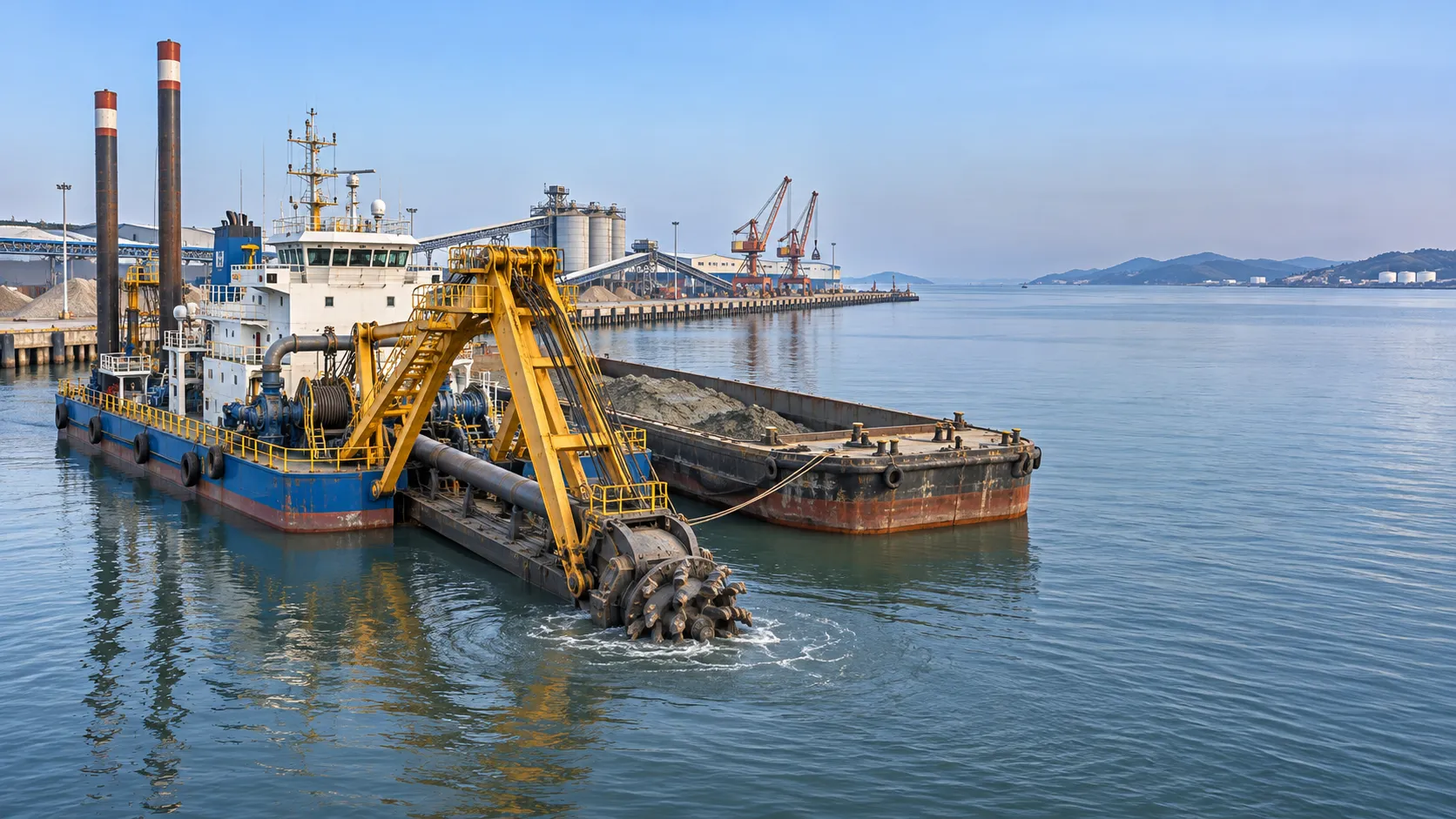
Marine Engineering Solutions for Dredging in Ports: Key Design Factors
Explore marine engineering solutions for dredging ports, from equipment selection and sediment management to safe navigation and survey verification.
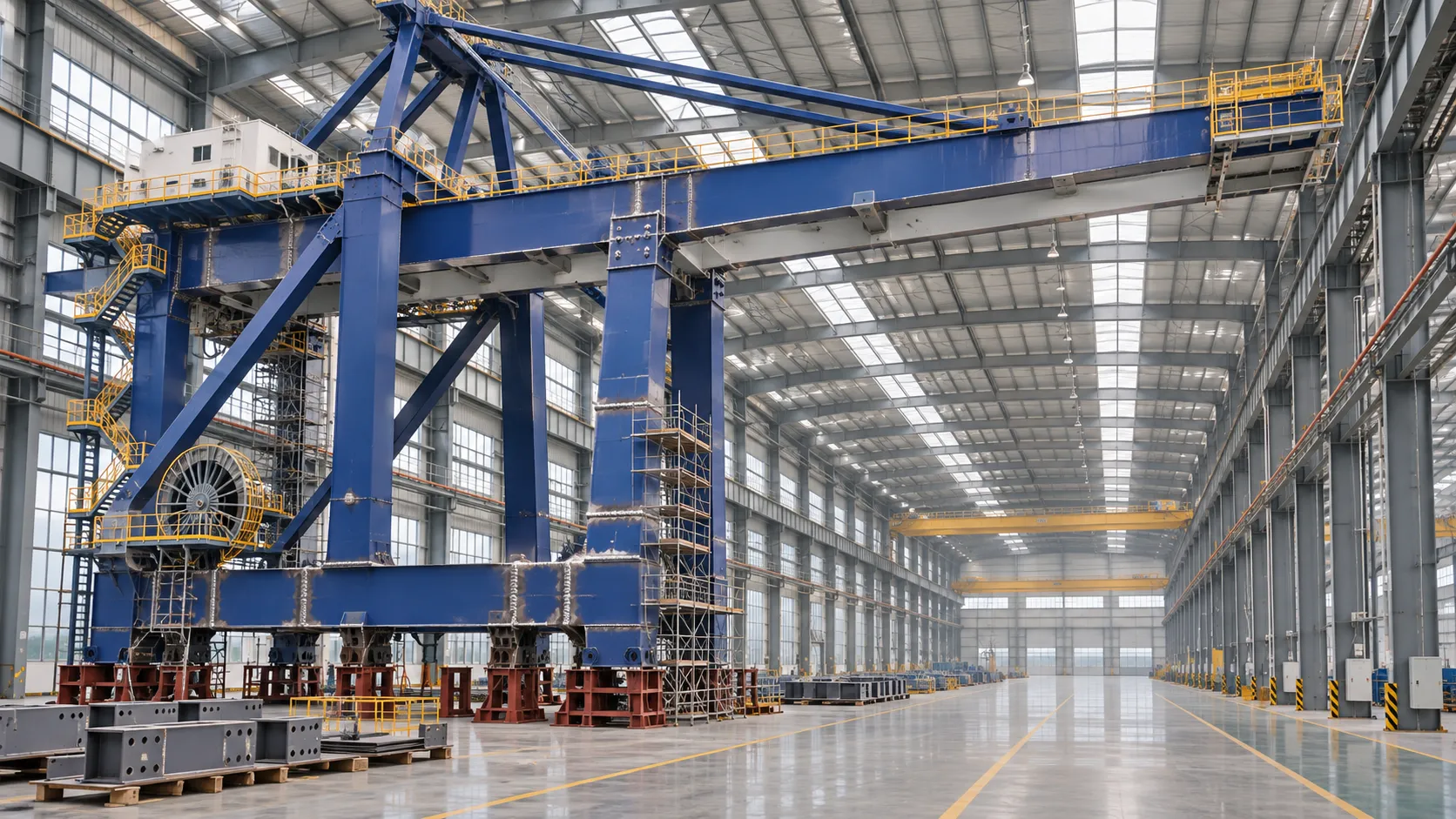
How to Evaluate a Quay Crane Factory: Capacity, Quality and Delivery
Evaluate a quay crane factory with confidence. Learn how to verify production capacity, quality controls, delivery plans, and lifecycle costs before you commit.
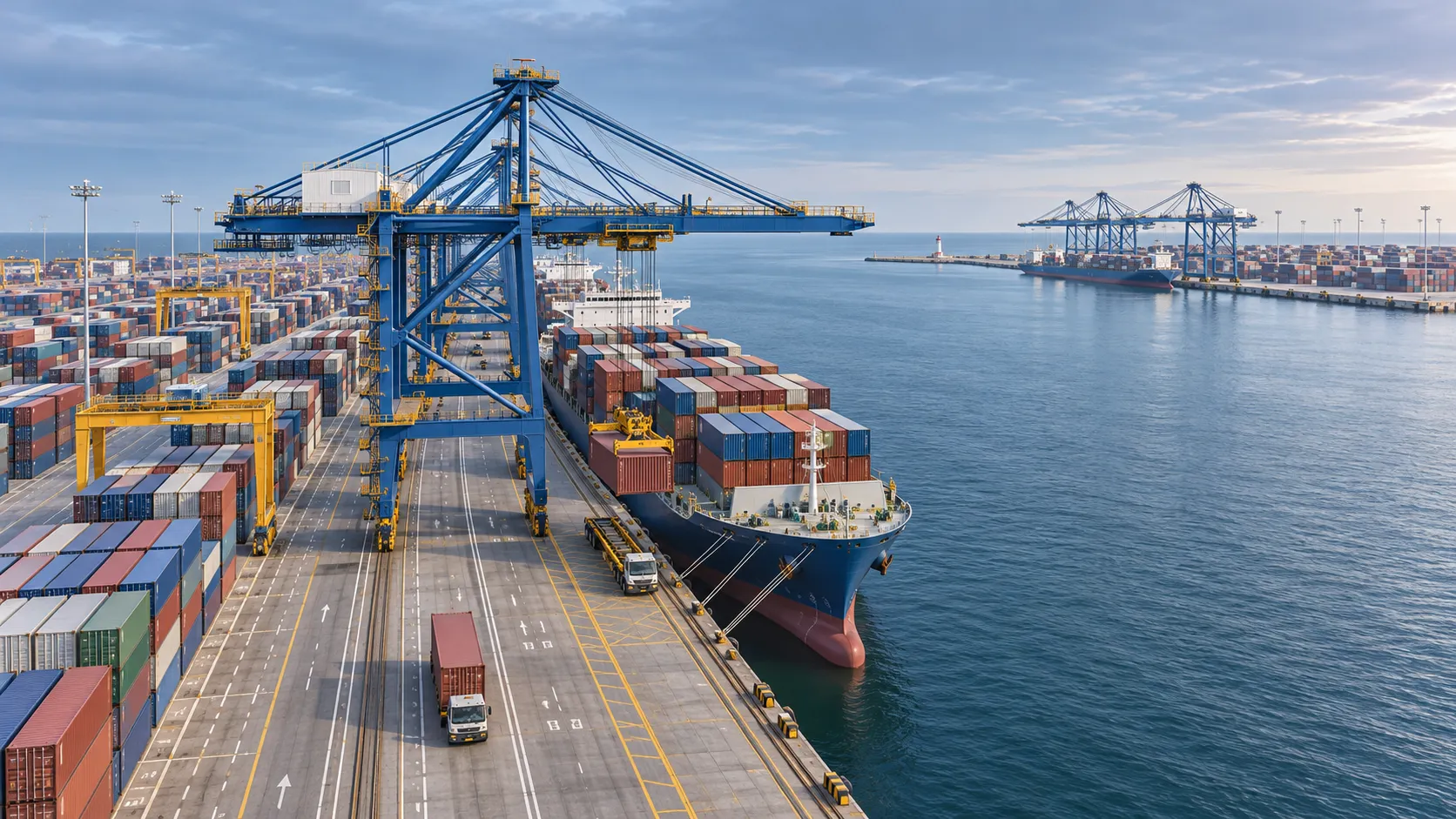
What Data Does a Smart Port Control Architecture Need to Operate?
What data is needed for a smart port control architecture? Discover the essential operational feeds, integration requirements and safety checks.
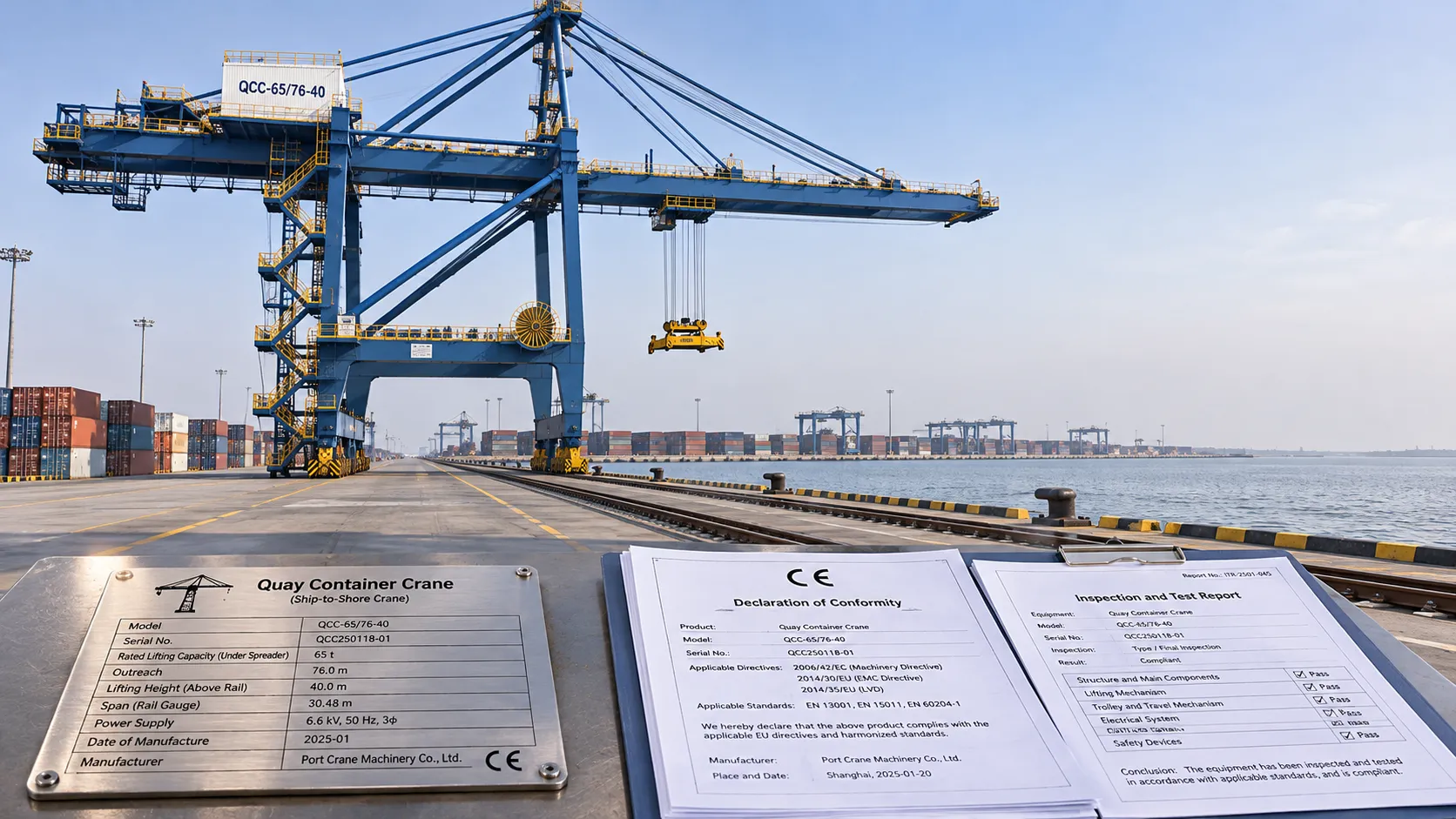
CE-Marked Quay Cranes: How to Verify Compliance Documents
Quay crane CE certified? Learn how to verify declarations, risk assessments and test records for the complete machine before acceptance.
Port Automation Systems in Latin America: Choosing the Right Solution
Explore port automation systems Latin America terminals can use to reduce congestion, assess integration risks, and choose the right solution with confidence.
Scalable Automated Port Systems: Planning for Terminal Capacity Growth
Discover how scalable automated port systems support phased terminal growth, reduce bottlenecks and guide smarter capacity investments.
Europe's Coastal Economies: Key Industries, Jobs and Climate Risks
Explore coastal economics in Europe: discover key industries and jobs, the climate risks they face, and how coastal communities can adapt.
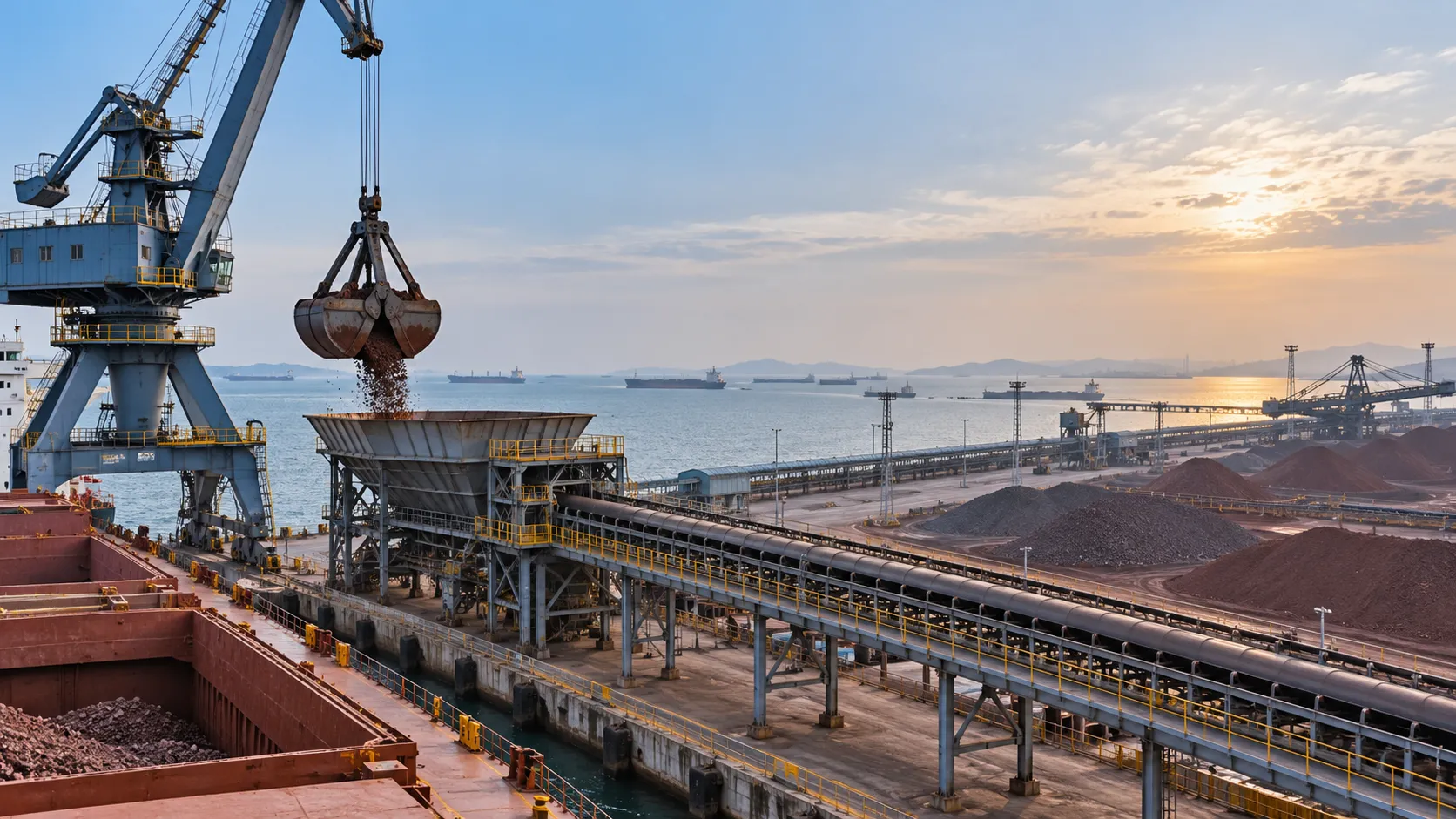
Bulk Cargo Handling Equipment for Ports: Choosing by Cargo and Capacity
Choose bulk cargo handling equipment for ports with confidence. Compare cargo types, realistic throughput, equipment options, and lifecycle costs.
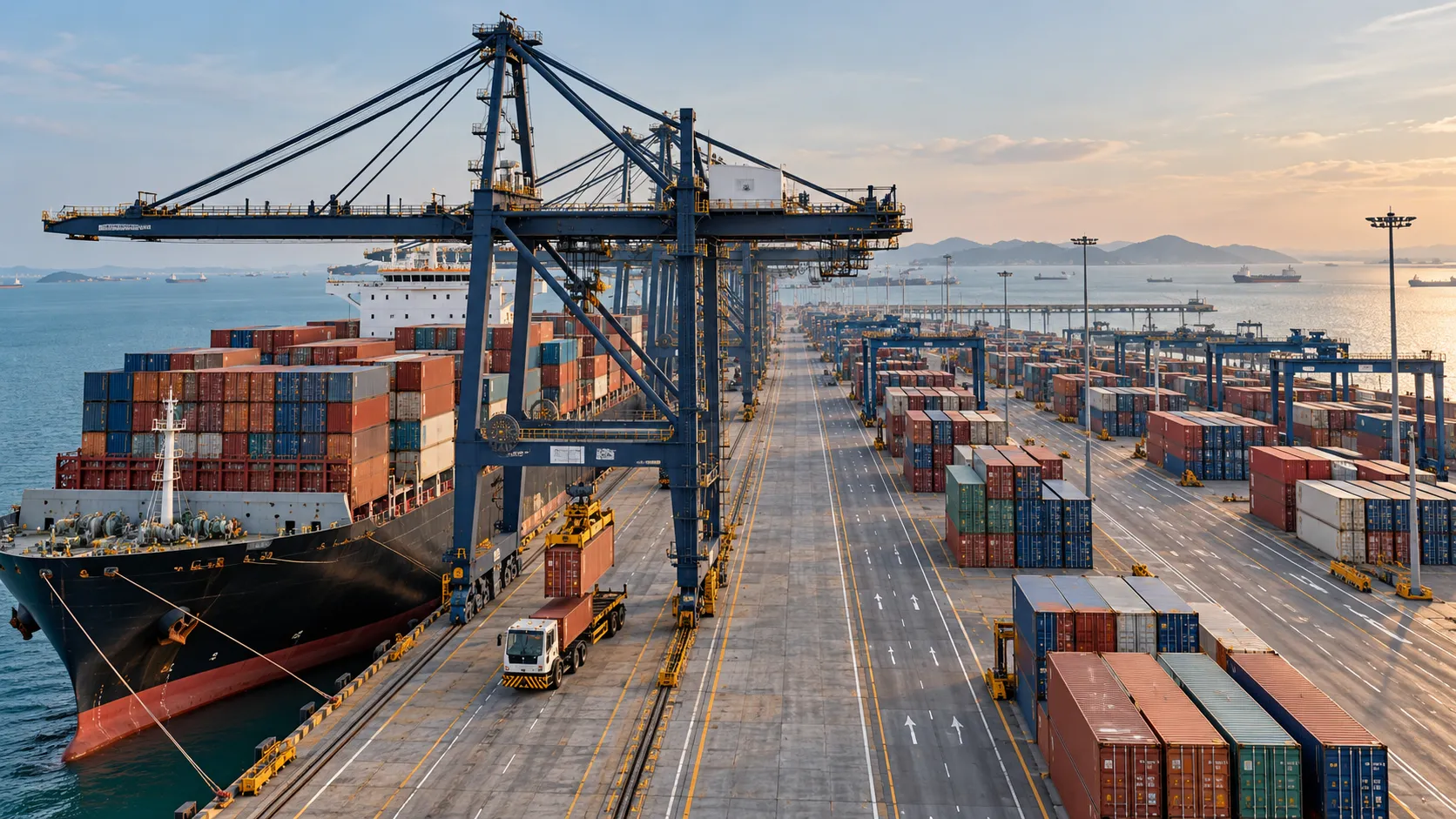
What Affects Container Terminal Efficiency in Southeast Asia?
Discover what affects terminal efficiency in Southeast Asia, from berth planning and yard congestion to inland access, and learn how to assess performance.