Related News
- 00
0000-00
What Does Net-Zero Emissions Mean, and How Does It Differ from Carbon Neutrality? - 00
0000-00
Automated Port Systems in Latin America: Investment Priorities for Container Terminals - 00
0000-00
Smart Operations in the Middle East: Where Industrial Investment Is Growing - 00
0000-00
Port Equipment Market Outlook: Demand Drivers Shaping Crane and Handling Equipment Sales - 00
0000-00
Smart Port Systems in Southeast Asia: Investment Priorities and Adoption Barriers
What Does Net-Zero Emissions Mean, and How Does It Differ from Carbon Neutrality?
A port terminal may describe its operations as “carbon neutral” after purchasing carbon credits, while an equipment supplier promises “net-zero emissions” across its business. These statements do not necessarily describe the same achievement. Net-zero emissions means reducing emissions deeply and balancing the remaining human-caused emissions with human-caused removals over a specified period and boundary. Carbon neutrality generally describes a balance between a defined emissions footprint and an equivalent amount of compensation, which may include credits from projects outside that boundary.
The practical difference lies in what is counted, how much is actually reduced, and what balances the remainder. A carbon-neutral claim alone does not establish a deep decarbonization pathway; a credible net-zero commitment should. When comparing sustainability claims for terminal equipment, dredging operations, or wider supply chains, treating the labels as interchangeable can hide substantial differences in climate performance.
Net zero is a balance, not the absence of emissions
At the global level, net-zero carbon dioxide means that human-caused CO2 emissions are balanced by human-caused CO2 removals. Net-zero greenhouse gas emissions extends the accounting to other gases, such as methane and nitrous oxide, using a specified metric to express them in carbon dioxide equivalents, or CO2e. Because these gases affect the climate differently, net-zero CO2 and net-zero greenhouse gases are not identical milestones.
At the organizational level, a credible net-zero pathway translates this balance into a reduction-first approach. Businesses cut emissions throughout the activities covered by their target, then neutralize the residual emissions with removals. Residual emissions are those remaining after deep reductions consistent with the applicable pathway—not simply emissions that are inconvenient or expensive to address today.
Zero emissions and net zero are therefore different claims. An electric container handler may produce no exhaust emissions while operating, yet emissions can still arise from electricity generation, battery manufacturing, maintenance, and disposal. Calling the machine “zero tailpipe emissions” is more precise than implying that its entire life cycle has no climate impact.
Carbon neutrality: examine the boundary before the label
Carbon neutrality often applies to a defined organization, product, service, event, or reporting period. The claimant calculates the relevant footprint and balances it through eligible compensation mechanisms. Depending on the framework, these may include credits associated with avoided emissions, emissions reductions elsewhere, or carbon removals.
Some carbon-neutrality frameworks also require emissions reductions and a management plan. It would therefore be misleading to say carbon neutrality always means “buying offsets without changing anything.” The narrower point is that the label does not, by itself, demonstrate the depth of reductions generally expected for a credible net-zero end state.
Nor is the distinction simply “carbon neutrality covers CO2, while net zero covers every greenhouse gas.” Some carbon-neutral claims include multiple greenhouse gases expressed as CO2e, while some net-zero targets explicitly concern CO2 only. The underlying documentation determines the coverage.
Which emissions are actually included?
A well-defined target identifies its organizational and operational boundaries. For companies, emissions are commonly grouped into three scopes. These categories help reveal whether a claim covers only direct operations or also significant emissions elsewhere in the value chain.
- Scope 1: Direct emissions from sources the organization owns or controls, such as diesel burned in terminal tractors, dredgers, or backup generators.
- Scope 2: Indirect emissions associated with purchased electricity, steam, heat, or cooling. Electricity used by quay cranes and charging systems belongs here when purchased by the reporting organization.
- Scope 3: Other value-chain emissions, potentially including purchased machinery, fuel production, outsourced transport, business travel, and the use of sold products.
Classification depends on the reporting entity and its accounting approach. Fuel burned by an owned dredger might be Scope 1 for its operator, while emissions from contracted dredging may fall within the purchaser’s Scope 3 boundary. The physical emissions do not disappear because their accounting category changes.
This matters when a port authority announces carbon-neutral offices while vessel movements, tenant operations, and contracted equipment remain outside the claim. The office claim may be accurately bounded, but it is not evidence that the entire port ecosystem is neutral.
For research purposes, look for the inventory boundary, covered gases, reporting period, base year, and material exclusions. A percentage reduction without these details is difficult to interpret or compare.
Offsets and removals are not interchangeable
A carbon credit generally represents a quantified tonne of CO2e reduced, avoided, or removed under a crediting methodology. These outcomes differ physically. A project that prevents an emission can improve the climate outcome relative to a baseline, but it does not necessarily withdraw an existing tonne of CO2 from the atmosphere.
Carbon removal specifically takes CO2 out of the atmosphere and stores it. Examples include increasing biological carbon stocks and capturing atmospheric CO2 for geological storage. Storage duration, monitoring requirements, reversal risks, and life-cycle emissions vary substantially among methods.
This distinction is critical at net zero. Avoiding an emission elsewhere does not neutralize a residual emission in the same physical sense as removing and durably storing carbon. Credible net-zero approaches therefore distinguish neutralization of residual emissions from broader contributions to climate mitigation.
Credit quality also depends on whether the activity goes beyond what would otherwise happen, whether its baseline is credible, whether emissions shift elsewhere, and whether the same outcome is claimed more than once. For stored carbon, the risk of later release must also be addressed. Issuance or purchase of a credit alone does not resolve these questions.
Businesses can support mitigation outside their value chains while reducing their own emissions. The important accounting boundary is that such support should not be presented as a substitute for required operational or value-chain reductions.
What the distinction looks like in maritime operations
Electrifying terminal equipment
Replacing diesel yard tractors or rubber-tired gantry cranes with electric alternatives can reduce direct fuel combustion. The climate result then depends partly on electricity supply, equipment utilization, and the emissions associated with manufacturing and maintaining the replacement assets.
Electrification can move emissions from Scope 1 to Scope 2 rather than eliminate them immediately. A credible assessment records both changes. Where contractual electricity instruments are used, their eligibility and accounting treatment should be disclosed; a contractual claim does not necessarily describe the physical generation serving the terminal at every hour.
Automation may also reduce unproductive travel, idling, and repeated container moves. However, “automated” is not an emissions result. The relevant evidence is measured energy use and emissions under comparable operating conditions.
Assessing dredging work
For a dredging operation, relevant factors include fuel consumption, vessel positioning, pumping demand, transport distance, and the characteristics of the material being handled. Comparing emissions per cubic metre without considering excavation difficulty or disposal distance can produce misleading conclusions.
Alternative fuels require life-cycle assessment rather than an exhaust-only comparison. Upstream production and transport can materially affect their climate performance. Depending on the fuel and engine, non-CO2 emissions may also matter.
Buying credits for the calculated emissions of a dredging contract may support a bounded carbon-neutrality claim under an applicable framework. It does not establish that the vessel, contractor, or customer has reached net zero across its operations and value chain.
Separate a future promise from a demonstrated result
A target date describes an intention, not a current emissions balance. A useful net-zero plan connects its destination to near-term decisions: equipment replacement schedules, electricity procurement, fuel choices, infrastructure requirements, and supplier engagement. Without intermediate milestones, progress can remain impossible to assess until the target date approaches.
Absolute emissions and emissions intensity should also be distinguished. A terminal can reduce emissions per container while handling enough additional cargo for total emissions to rise. Intensity metrics help explain efficiency, but they do not alone demonstrate that absolute emissions are falling along the required pathway.
Changes to the business boundary need similar care. Selling a diesel-intensive operation may lower a company’s reported inventory without reducing those emissions globally. Acquisitions, outsourcing, and revised calculation methods can also disrupt comparisons. Transparent reporting explains significant changes and, where appropriate, recalculates the baseline.
Reading a claim without taking the label on trust
When reviewing a sustainability statement, follow the evidence from the footprint to the claimed balance:
- Identify the exact subject. Determine whether the statement concerns a company, facility, product, shipment, or contract. Check the reporting period and whether it describes a target or an achieved result.
- Find the gross emissions inventory. Look for emissions before compensation, the scopes included, the gases covered, and any significant exclusions.
- Separate reductions from compensation. Establish how much the underlying footprint changed and how much of the claimed balance depends on external credits.
- Examine the remaining emissions. For a net-zero claim, ask why these emissions remain after deep reductions and what removals neutralize them.
- Check the evidence behind the balance. Review methodology, independent assurance where available, credit retirement records, storage durability, and safeguards against double counting.
Missing information does not automatically prove that a claim is false, but it limits what can reasonably be concluded. “Carbon-neutral terminal operations” cannot be expanded into “net-zero logistics” without evidence covering the broader boundary.
The most informative statement is not necessarily the one with the strongest label. A disclosure showing gross emissions, measured reductions, clearly defined exclusions, and separately reported compensation provides a firmer basis for comparison than an unexplained neutrality badge or a distant net-zero pledge.
Related News
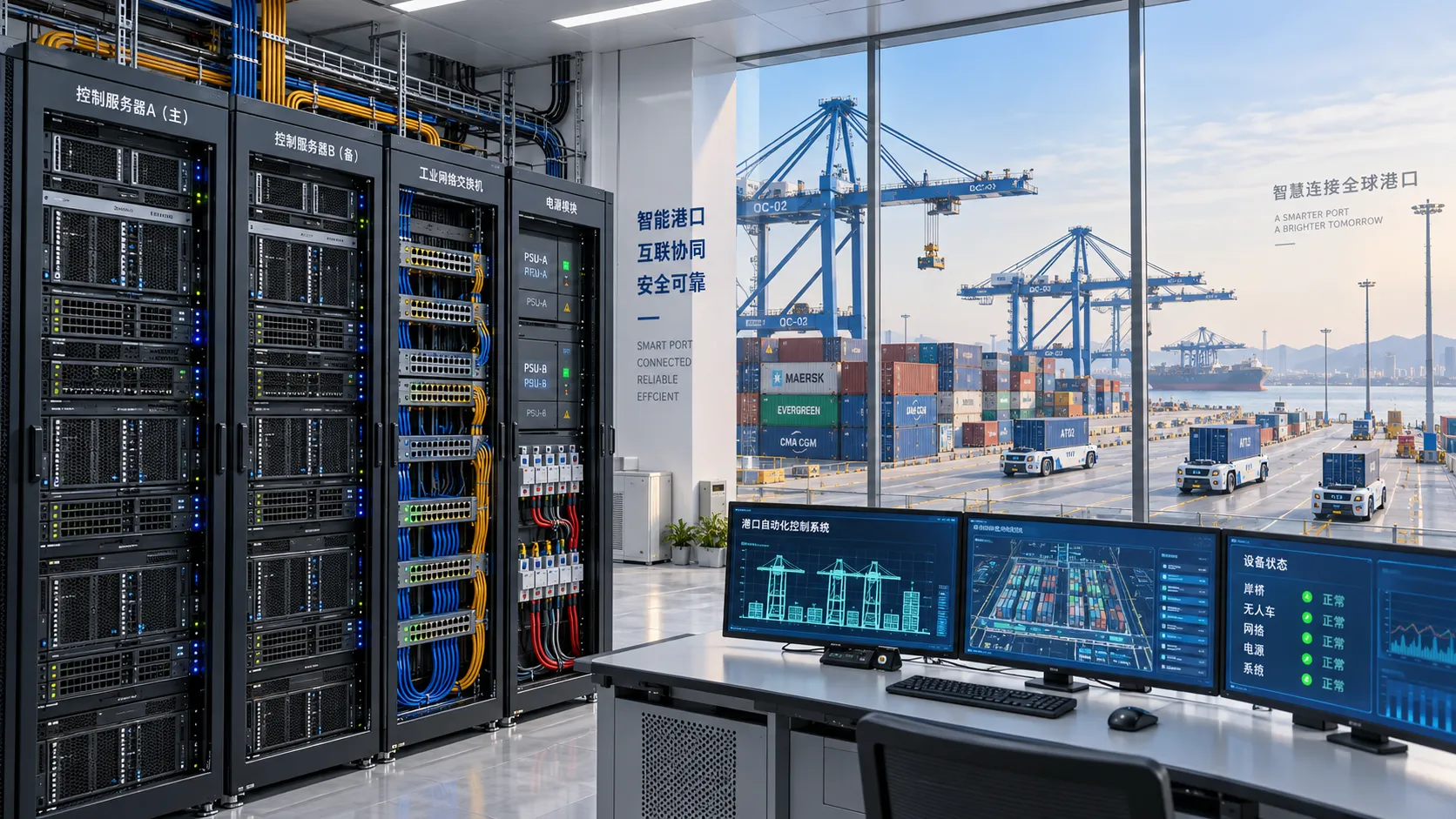
Port Control System Integration Checklist: Compatibility, Security, and Failover
What should be checked before integrating port control systems? Explore a practical checklist for compatibility, security, and failover to reduce risk and commission with confidence.
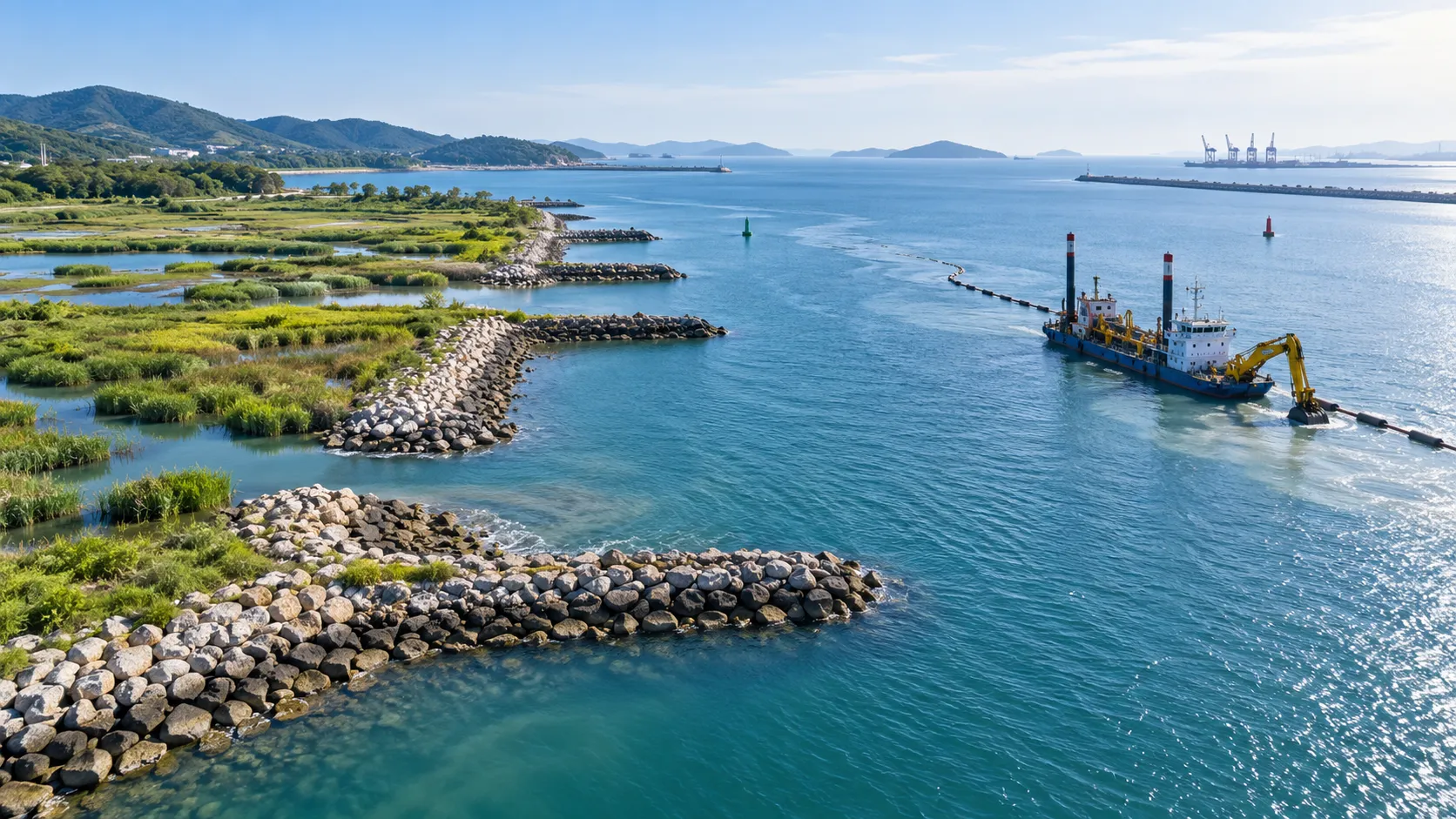
Sustainable Harbor Engineering: Balancing Erosion Control and Habitat Protection
Explore sustainable harbor engineering solutions that balance erosion control, habitat protection, and smarter dredging. Discover practical strategies for resilient harbors.
Which ISO Certifications Matter When Specifying Maritime Infrastructure?
Maritime infrastructure ISO certified suppliers: discover which certifications matter, how to assess scope, and what project evidence protects port performance.
How to Evaluate a Bulk Handling Equipment Exporter for Port and Plant Projects
Bulk handling equipment exporter evaluation guide for port and plant projects—compare engineering, references, delivery reliability, and lifecycle support.
How to Evaluate a Yard Mobility Solutions Manufacturer for High-Throughput Sites
Yard mobility solutions manufacturer evaluation guide for high-throughput terminals: assess performance, integration, service, lifecycle costs, and delivery risk.
Automated Port Systems in Latin America: Investment Priorities for Container Terminals
Automated port systems Latin America: discover investment priorities for container terminals, from smart gates and remote cranes to resilient digital control layers.
Selecting Intermodal Yard Equipment for Fast, Safe Container Transfers
Container handling equipment for intermodal yards: compare reach stackers, RTGs, automation, safety planning, and lifecycle costs to build faster, safer container flow.
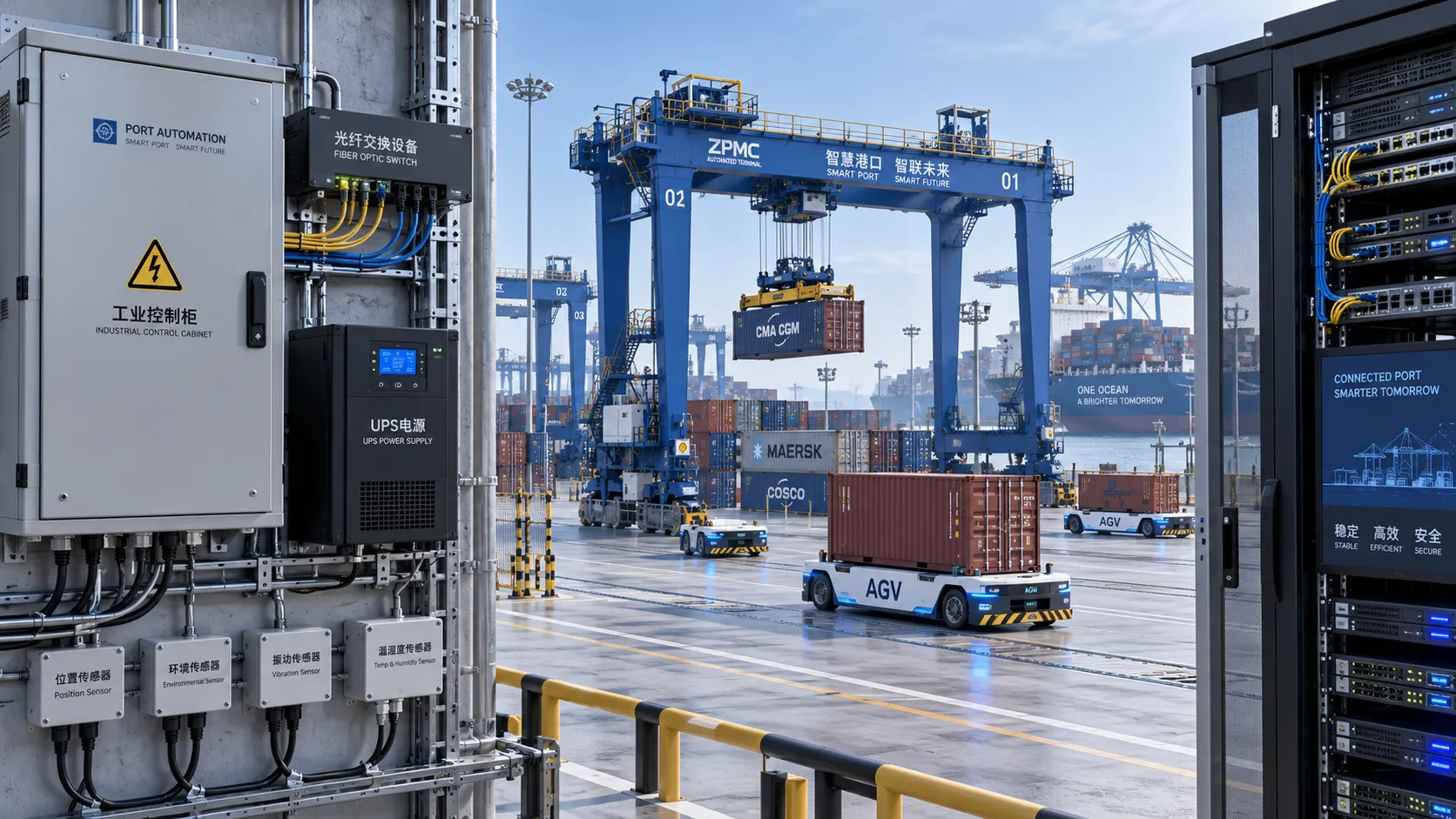
Terminal Control System Costs: Budgeting Hardware, Integration, and Lifecycle Support
Terminal control systems cost explained: budget hardware, integration, safety, cybersecurity, commissioning, and lifecycle support for resilient terminal operations.
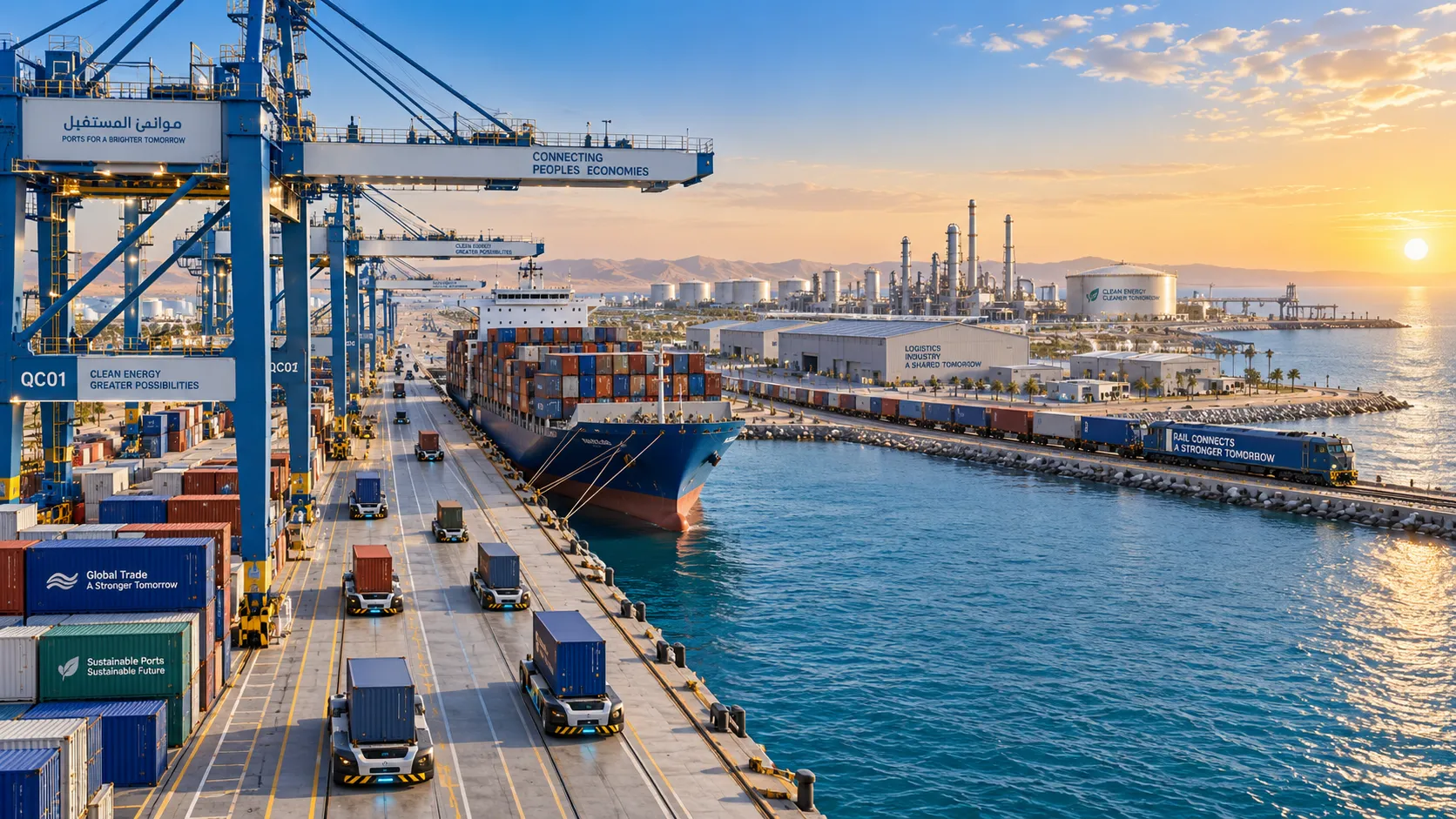
Smart Operations in the Middle East: Where Industrial Investment Is Growing
Smart operations Middle East investment is reshaping ports, industrial corridors, and logistics networks through connected data, automation, resilience, and smarter asset performance.