Related News
- 00
0000-00
Real-Time Container Yard Systems: How to Evaluate Tracking and TOS Integration - 00
0000-00
Marine Engineering Solutions for Dredging in Ports: Key Design Factors - 00
0000-00
What Data Does a Smart Port Control Architecture Need to Operate? - 00
0000-00
CE-Marked Quay Cranes: How to Verify Compliance Documents - 00
0000-00
Port Automation Systems in Latin America: Choosing the Right Solution
0000-00
Port Automation Systems in Latin America: Choosing the Right Solution
Select port automation systems for Latin American terminals by starting with the operating constraint the investment must remove: quay delays, yard congestion, inconsistent equipment availability, gate queues, or exposure to hazardous work. A system that improves one area can shift congestion elsewhere, so compare proposals against complete container moves and the terminal’s existing infrastructure, not equipment speed alone.
The choice often comes down to the level of change the site can absorb. A terminal operating at high utilization may gain more from integrating crane telemetry and yard planning with its existing terminal operating system (TOS) than from introducing a fully automated yard. A new or substantially rebuilt terminal has more freedom to redesign traffic lanes, transfer points, and power and communications infrastructure around automated equipment.
Match the automation architecture to the terminal
Automation is a collection of functions rather than a single operating model. Remote-controlled ship-to-shore cranes, automated stacking cranes, vehicle dispatch, gate recognition, and decision-support software can be introduced separately, provided their interfaces and operating responsibilities are defined. The right combination depends on the layout, cargo mix, equipment condition, and tolerance for disruption during deployment.
Equipment automation does not automatically improve quay productivity. For example, an automated stacking crane can move efficiently within a block while trucks wait at its exchange points. Evaluate the sequence from vessel discharge to yard placement and onward delivery, including the time spent waiting for handovers. A proposal that reports only crane cycle time leaves the capacity of the whole chain unresolved.
Define the boundary between the TOS and equipment controls
The TOS typically manages container inventory, work instructions, and broader operational planning. Equipment control systems translate authorized work into machine-level actions, while dispatch functions assign and sequence jobs. These boundaries vary by architecture. Before comparing vendors, map which system owns each decision: container location, job priority, vehicle assignment, equipment status, and confirmation that a move has completed.
Interface documents should describe more than message formats. They should define event timing, acknowledgments, error codes, retries, duplicate-message handling, and what happens when one system has a different view of container location from another. A valid message is not proof that a physical move occurred. The design needs a controlled reconciliation process for interrupted or disputed moves.
Ask to see representative workflows, including a normal transfer, a canceled job after dispatch, an equipment fault while carrying a container, and a recovery after a communications interruption. For each workflow, identify the authoritative record and the person or system permitted to change it. This exposes integration gaps earlier than a demonstration limited to ideal traffic conditions.
Existing interfaces also deserve inspection. A TOS connection described as available may require a particular software version, additional licenses, custom mapping, or a separate integration project. Record those dependencies in the commercial scope, together with responsibility for testing changes when either system is upgraded.
Compare capacity under realistic operating conditions
Request throughput estimates using a shared set of assumptions: vessel exchange size and arrival pattern, crane deployment, container dwell time, yard occupancy, truck arrival profile, equipment availability, and the proportion of exceptional moves. Use the terminal’s own data where it is sufficiently complete. Where it is not, agree on a range of scenarios and identify which assumptions change the result most.
Peak rated movements per hour can be misleading when presented without the operating window. A crane’s mechanical cycle rate excludes some combination of repositioning, waiting for transport, safety interruptions, and exception handling. Likewise, average daily throughput can conceal short periods when simultaneous vessel, rail, or truck demand overwhelms a transfer area.
Test the yard under uneven conditions, not just a balanced flow. High occupancy can reduce flexibility for reshuffles; an unexpected vessel sequence can concentrate work in a small number of blocks. Compare how each proposed scheduler handles those conditions and whether performance depends on advance information that is not consistently available.
Simulation is useful when its limits are visible. Require the model to represent the proposed layout, equipment rules, charging or maintenance windows, and realistic interaction between automated and manual operations. Validate baseline behavior against observed queues and move times before relying on projections. A visually convincing animation is not evidence that the underlying assumptions are sound.
Network and control performance at the point of operation
Remote crane control and automated vehicle movement place different demands on communications. Crane control requires predictable responsiveness and usable video at the control station. Vehicle systems need reliable position and status exchange across routes and transfer zones. In both cases, average network latency alone hides delays caused by jitter, packet loss, roaming, or momentary coverage gaps.
Measure coverage in the intended operating environment, including between container stacks, beneath steel structures, and along crane travel paths. A survey conducted in an empty yard may not represent a densely occupied one. Evaluate interference, handover behavior, power resilience, and the effect of equipment movement; then repeat relevant tests as the layout changes.
Specify the machine response to degraded communications before choosing a network design. A vehicle or crane must enter its defined safe state when required control or safety functions are unavailable. Recovery needs equal attention: determine whether work resumes automatically, requires local confirmation, or must be reassigned. Network redundancy is useful only when the failover process and the affected equipment behavior are tested together.
Retrofit feasibility and physical interfaces
A retrofit assessment begins with the condition and documentation of the existing machine. Inspect control systems, drives, brakes, sensors, wiring, structural limitations, and available power. An automation package that assumes consistent encoder feedback or an accessible control interface may require substantial additional work on older equipment. Establish which modifications are included and which remain provisional until inspection.
Container handling creates physical uncertainty that software alone cannot remove. Twistlocks, misaligned trucks, damaged containers, unusual loads, and changing stack geometry all affect handovers. Define where automated movement ends, how an exception is detected, and what access controls apply when intervention is necessary. The time and staffing needed to clear exceptions belong in the capacity assessment.
Environmental exposure matters in Latin American ports, but conditions vary considerably by site. Salt spray, heavy rain, heat, dust, wind, or unstable ground conditions should be addressed through the equipment’s protection, cooling, sensor placement, maintenance access, and civil design where relevant. Validate sensors under the actual visibility and surface conditions expected at the terminal; a device that performs well in a dry factory test may behave differently in rain or glare.
For automated yard equipment, civil tolerances and container exchange geometry deserve early attention. Changes to pavement, rails, drainage, fencing, and access routes can disrupt live operations and affect installation sequencing. A software-led proposal that leaves these interfaces undefined is incomplete.
Cybersecurity and recovery belong in the specification
Port automation connects operational technology, enterprise systems, remote support, and sometimes equipment from several suppliers. Map those connections, including temporary maintenance access. Network segmentation, controlled accounts, logging, and managed remote access should be designed around the actual data flows rather than added after commissioning.
Request an inventory of hardware, software, and third-party components, together with the support and patching process. Clarify who evaluates vulnerabilities, who authorizes updates, and how patches are tested against safety and availability requirements. An unsupported control component can constrain upgrades across the wider system even when the surrounding software remains current.
Recovery evidence is as important as prevention. Establish backup scope, restoration procedures, access to configuration files, and the sequence for bringing the TOS, equipment controls, and field devices back into agreement. Test restoration in an agreed environment and include the possibility that remote supplier access is unavailable. Manual operation, where supported, needs defined limits and a method for recording moves so that inventory can be reconciled afterward.
Build acceptance around operational evidence
Separate factory testing, site integration testing, and live operational acceptance. Factory tests can verify interfaces and control logic against simulated inputs; they cannot establish that radio coverage, local traffic patterns, or physical transfer points work as intended. Site tests should exercise complete moves across the installed systems, including faults and recovery.
Acceptance criteria need a baseline, measurement method, observation period, and agreed operating conditions. For throughput, specify which moves count and how delays outside the system boundary are recorded. For availability, define start and end points for a failure, scheduled exclusions, and whether supporting network or infrastructure failures are included. Without common definitions, two proposals can report the same metric while measuring different things.
Include tests for degraded operation: loss of a network segment, a failed sensor, an interrupted handover, a canceled job, and restoration after a controlled shutdown. Record the resulting equipment state, time to restore service, and any manual reconciliation required. Safety functions must be verified through the project’s formal safety process; a throughput demonstration is not a substitute.
Commercial terms that affect technical choice
Compare proposals over a common scope that includes integration, civil works, connectivity, licenses, training, spares, support, and upgrades. A lower initial equipment price can omit interface development or recurring software charges. Conversely, a larger initial scope may include infrastructure that can serve later automation phases. Make exclusions visible before comparing totals.
For installations across Latin America, establish the practical support arrangement for the specific port: service coverage, language of operating documentation, spare-parts location, remote access conditions, and escalation when local and overseas teams must cooperate. Import lead times and site-access arrangements should be reflected in maintenance planning rather than assumed away.
Finally, address long-term control of operational data and configuration. The contract should identify export formats, access to event logs, rights to use interface documentation, and the work required to connect future equipment. A phased installation remains flexible only when its technical interfaces and commercial permissions allow later components to be evaluated independently.
Related News
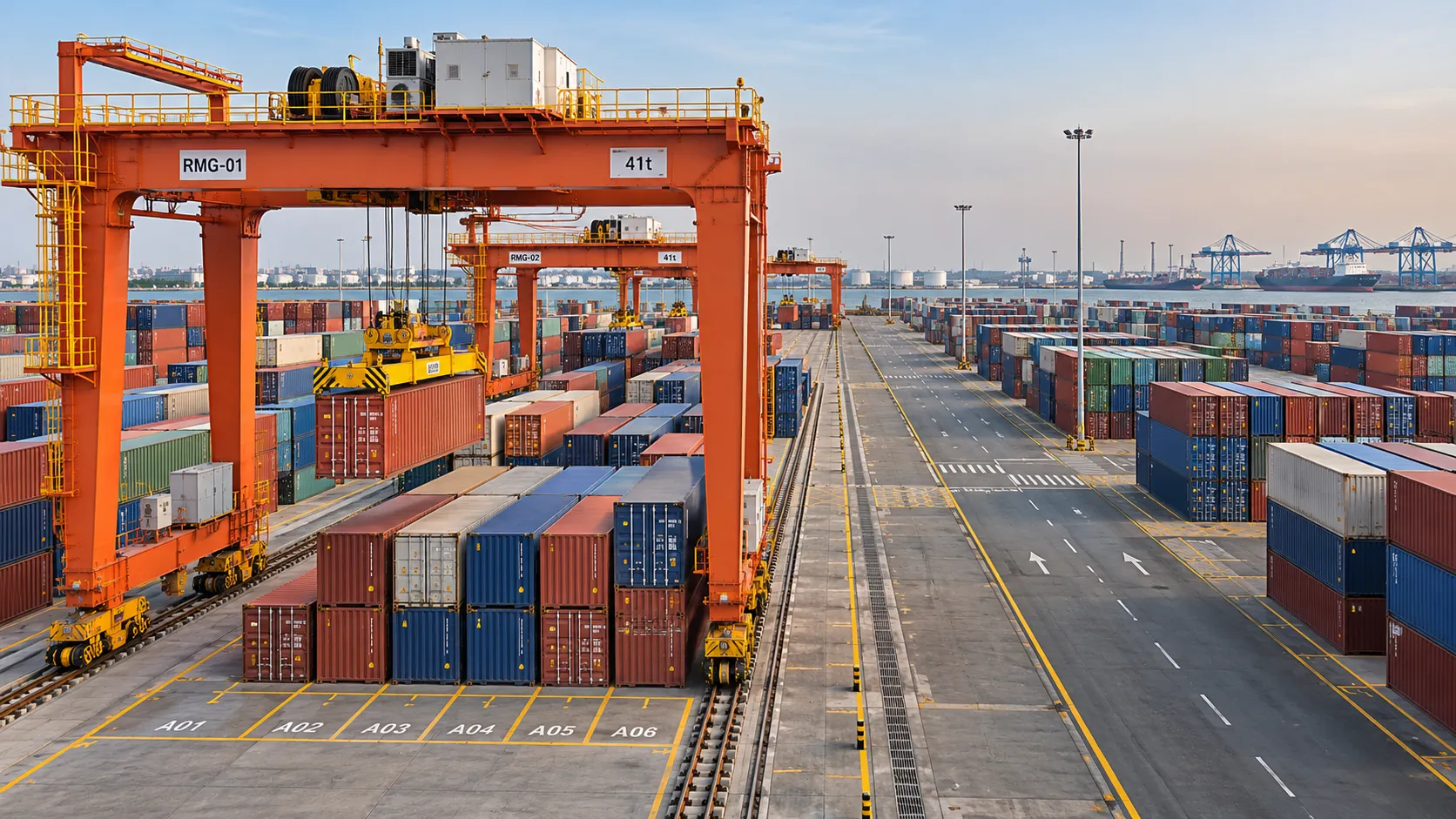
Real-Time Container Yard Systems: How to Evaluate Tracking and TOS Integration
Evaluate real time container yard systems with confidence. Discover how to assess tracking accuracy, TOS integration, latency, and operational resilience.
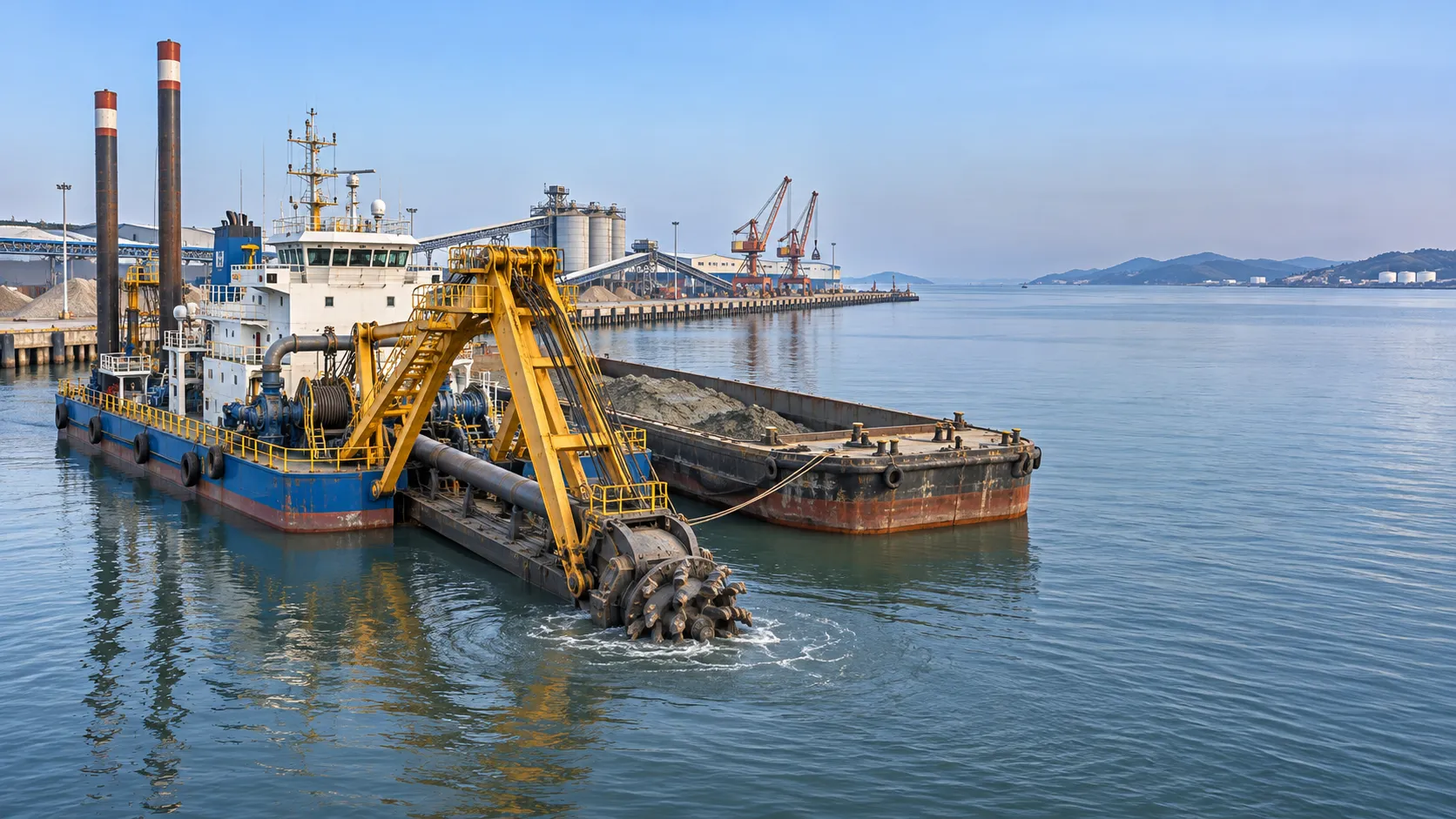
Marine Engineering Solutions for Dredging in Ports: Key Design Factors
Explore marine engineering solutions for dredging ports, from equipment selection and sediment management to safe navigation and survey verification.
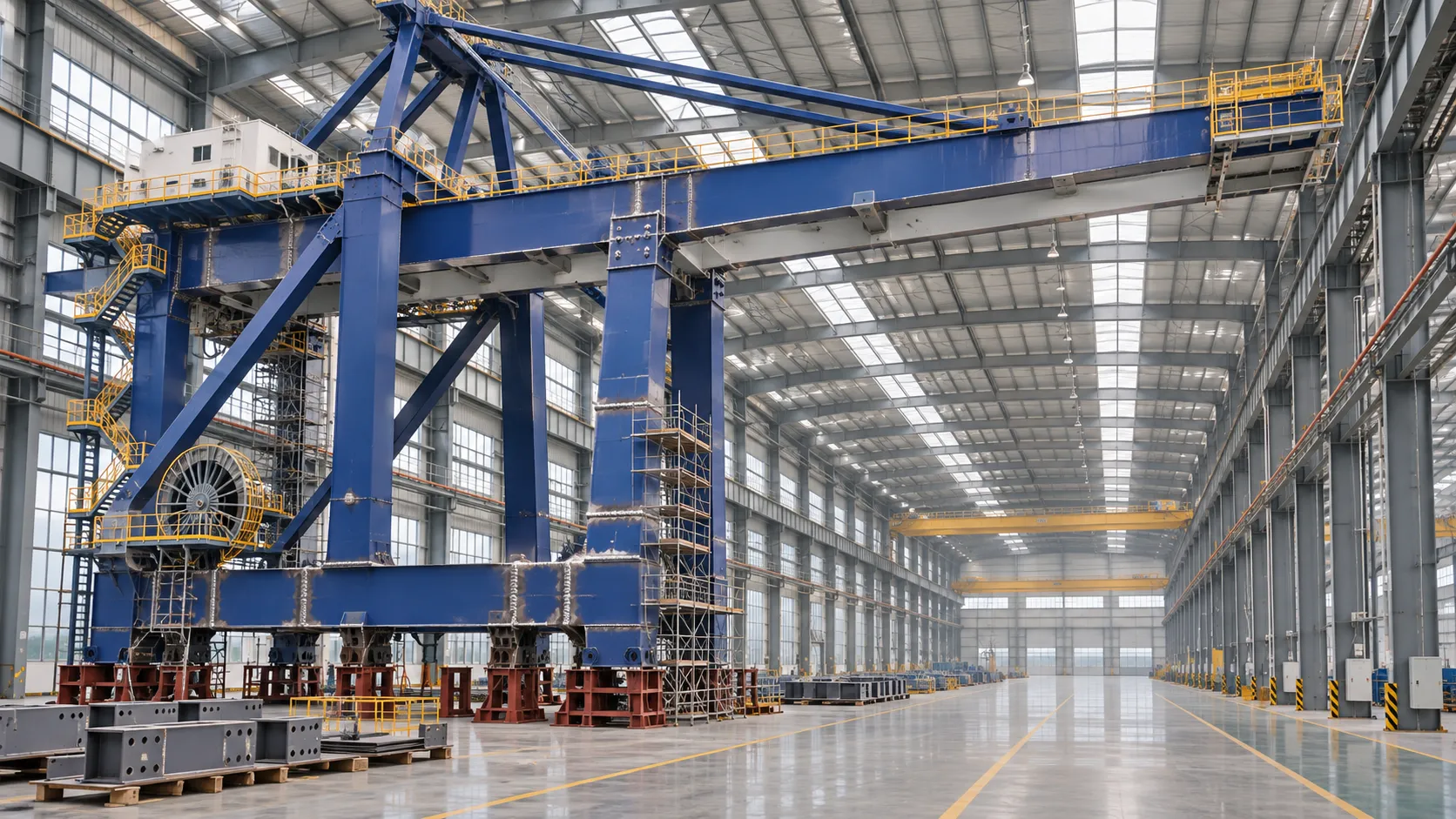
How to Evaluate a Quay Crane Factory: Capacity, Quality and Delivery
Evaluate a quay crane factory with confidence. Learn how to verify production capacity, quality controls, delivery plans, and lifecycle costs before you commit.
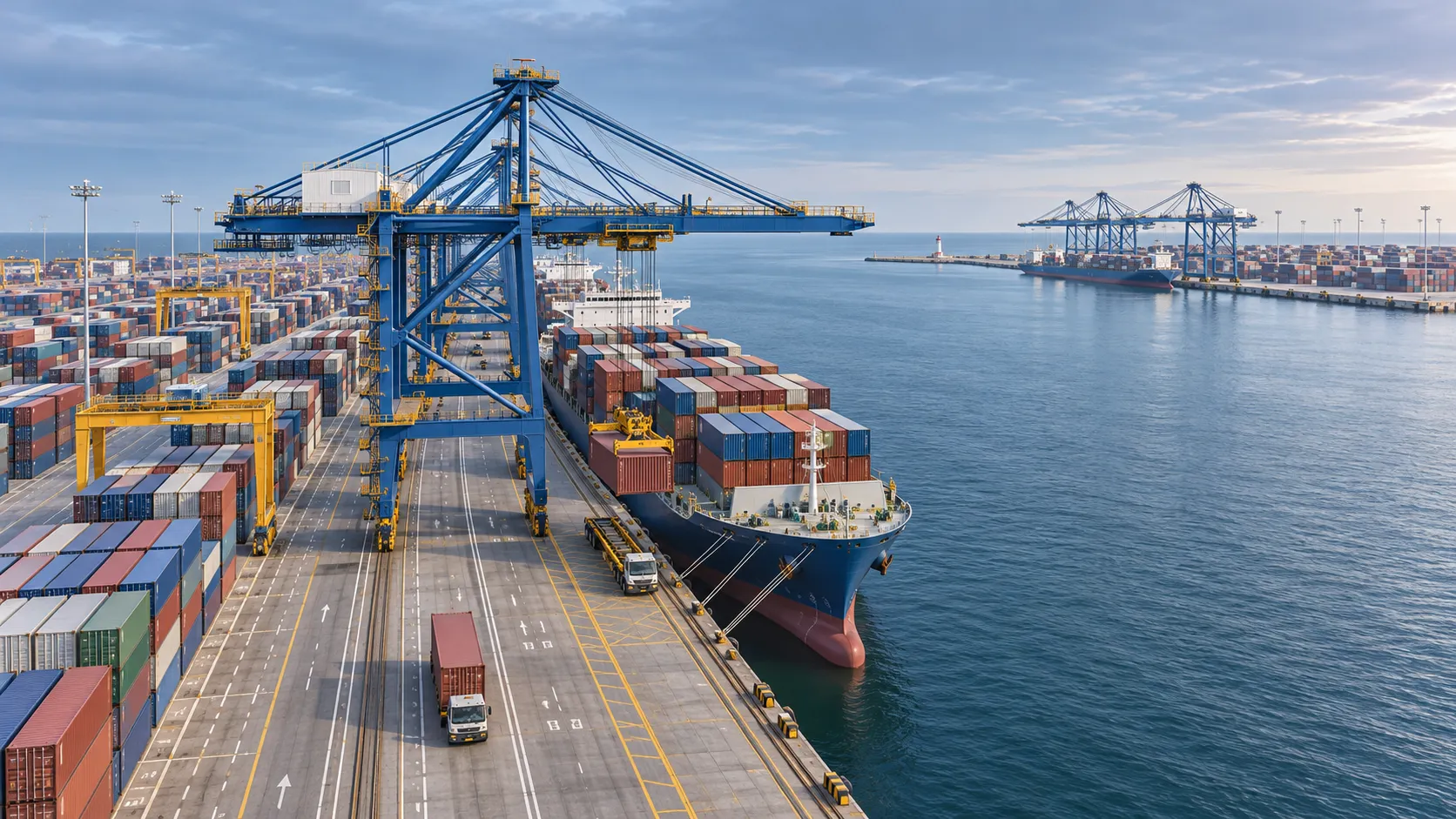
What Data Does a Smart Port Control Architecture Need to Operate?
What data is needed for a smart port control architecture? Discover the essential operational feeds, integration requirements and safety checks.
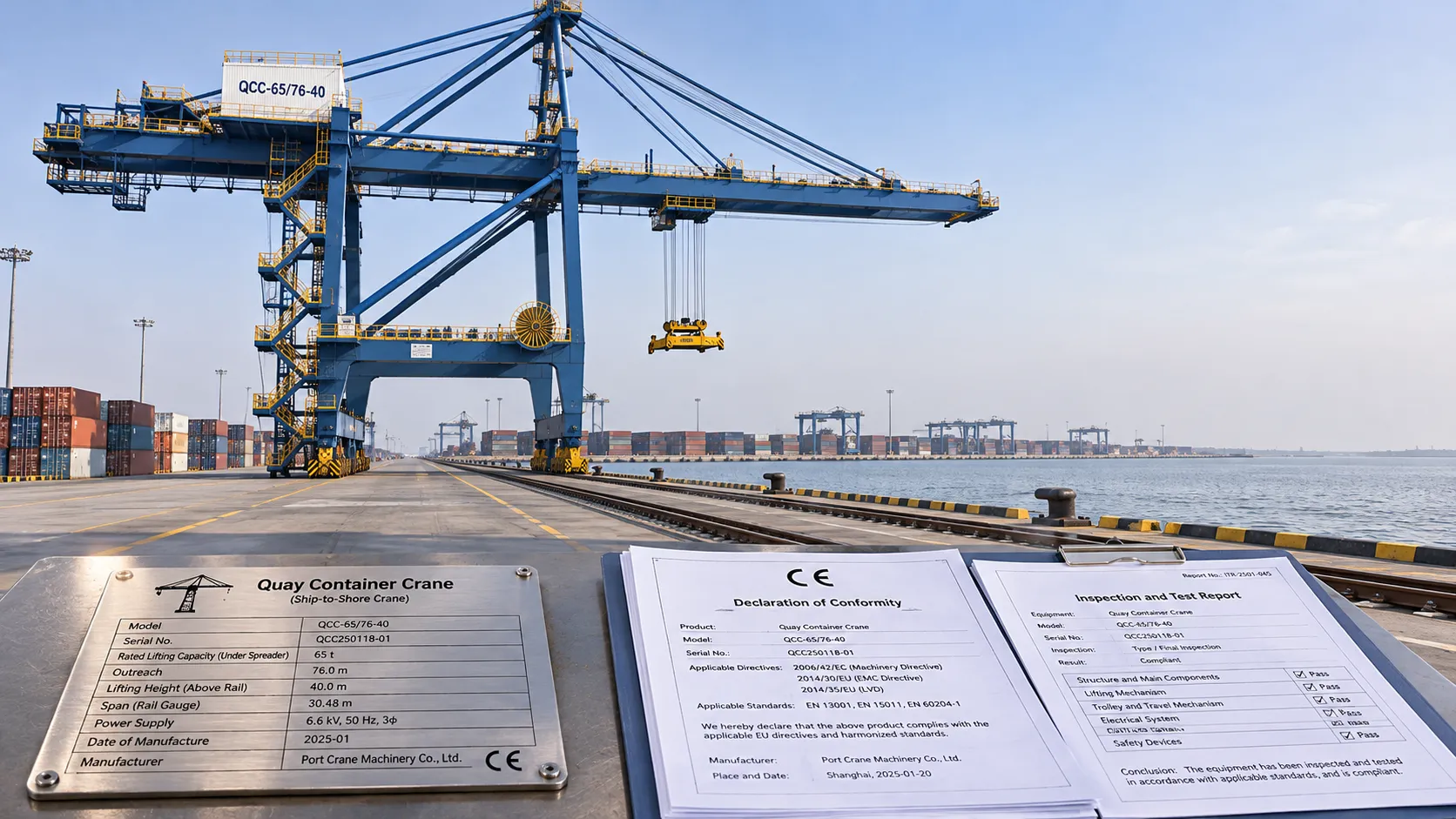
CE-Marked Quay Cranes: How to Verify Compliance Documents
Quay crane CE certified? Learn how to verify declarations, risk assessments and test records for the complete machine before acceptance.
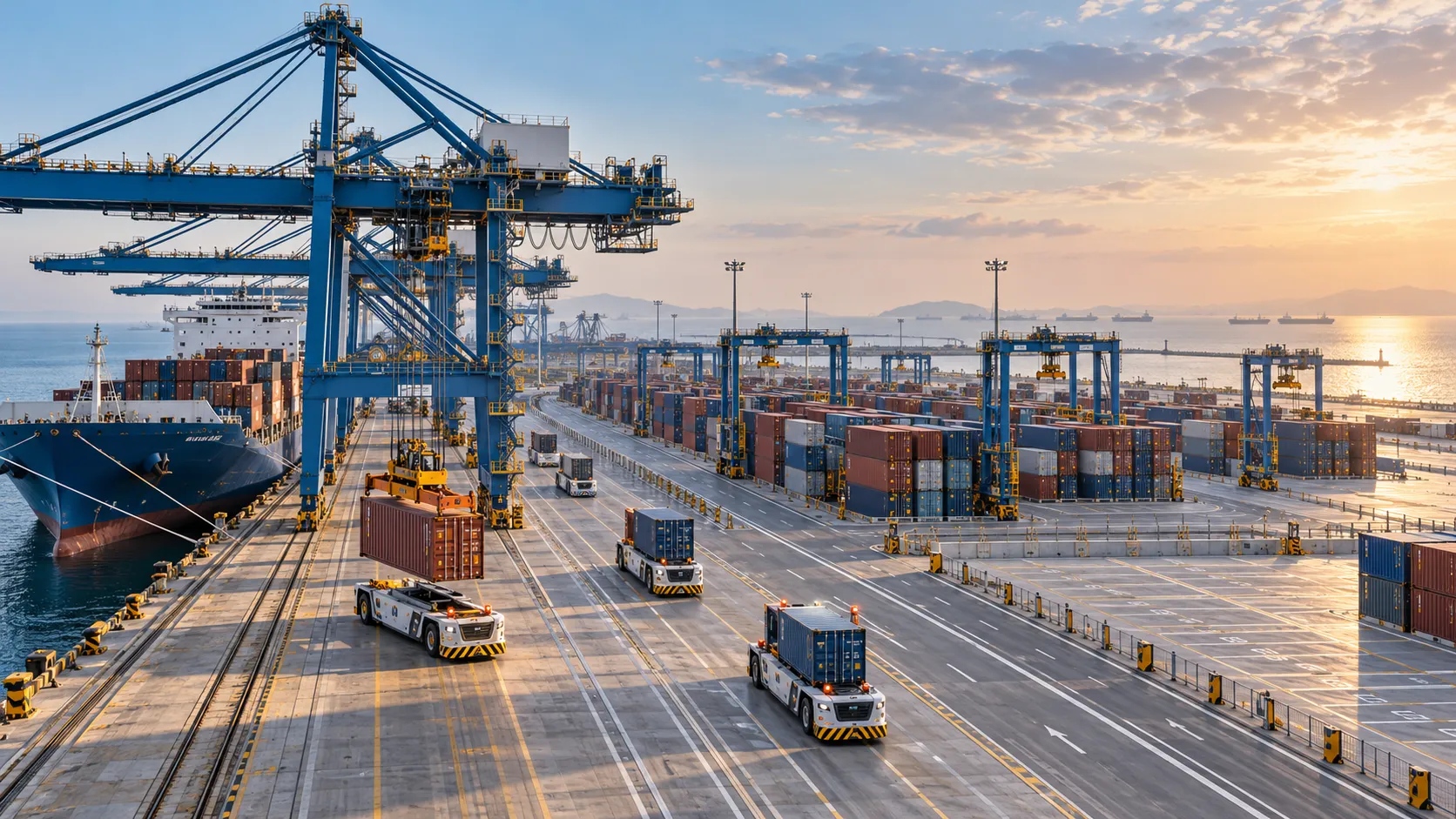
Scalable Automated Port Systems: Planning for Terminal Capacity Growth
Discover how scalable automated port systems support phased terminal growth, reduce bottlenecks and guide smarter capacity investments.
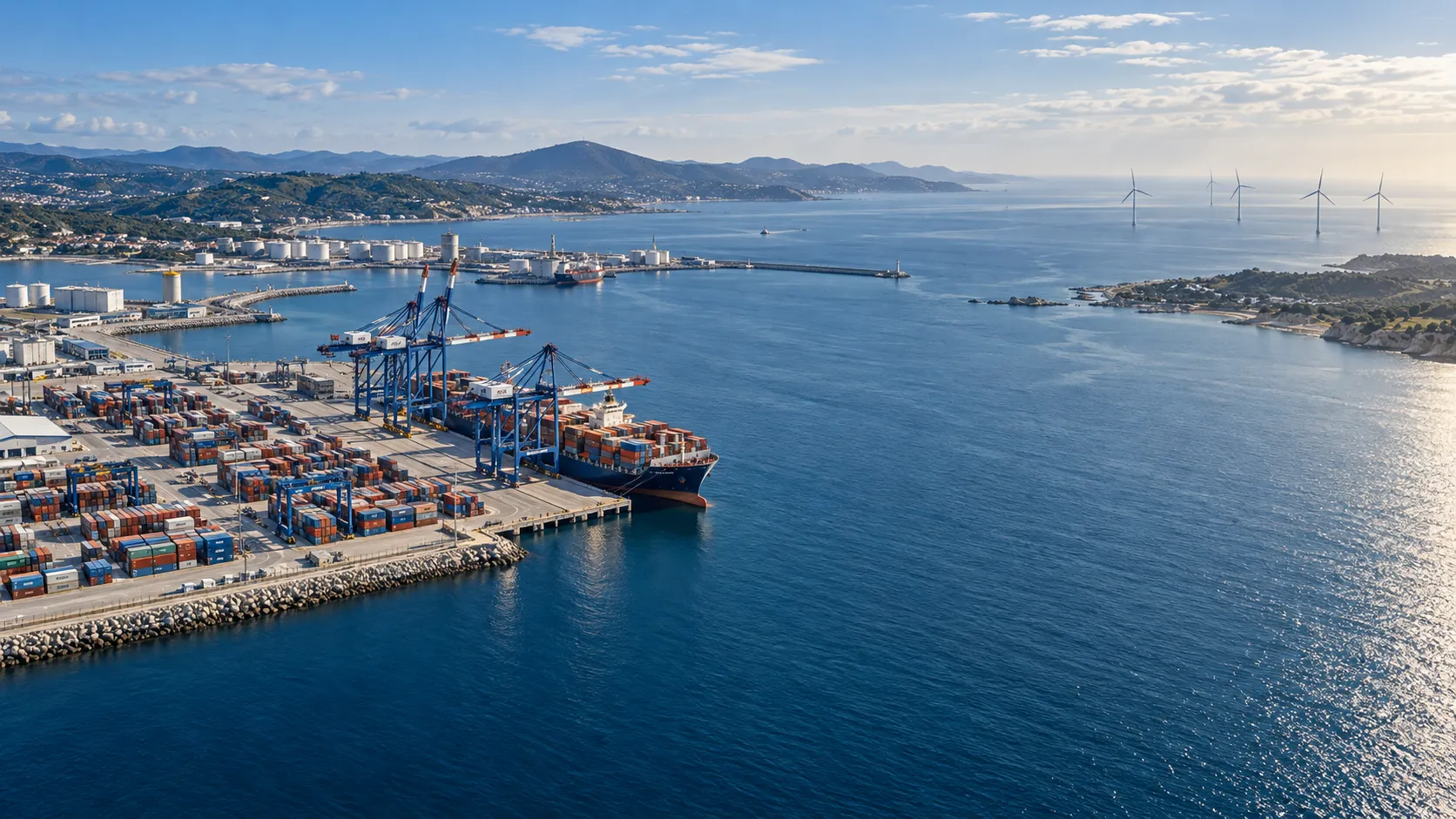
Europe's Coastal Economies: Key Industries, Jobs and Climate Risks
Explore coastal economics in Europe: discover key industries and jobs, the climate risks they face, and how coastal communities can adapt.
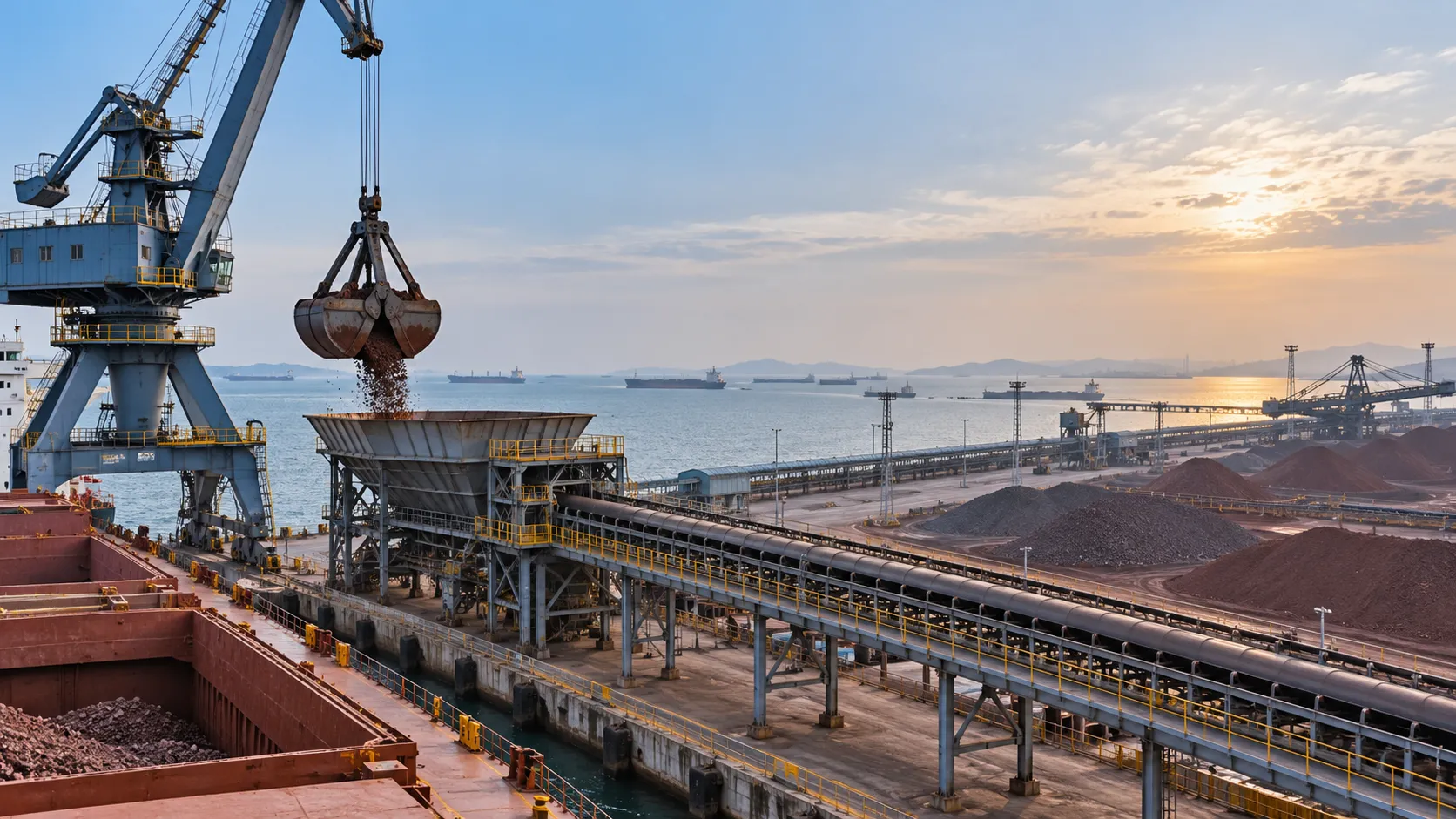
Bulk Cargo Handling Equipment for Ports: Choosing by Cargo and Capacity
Choose bulk cargo handling equipment for ports with confidence. Compare cargo types, realistic throughput, equipment options, and lifecycle costs.
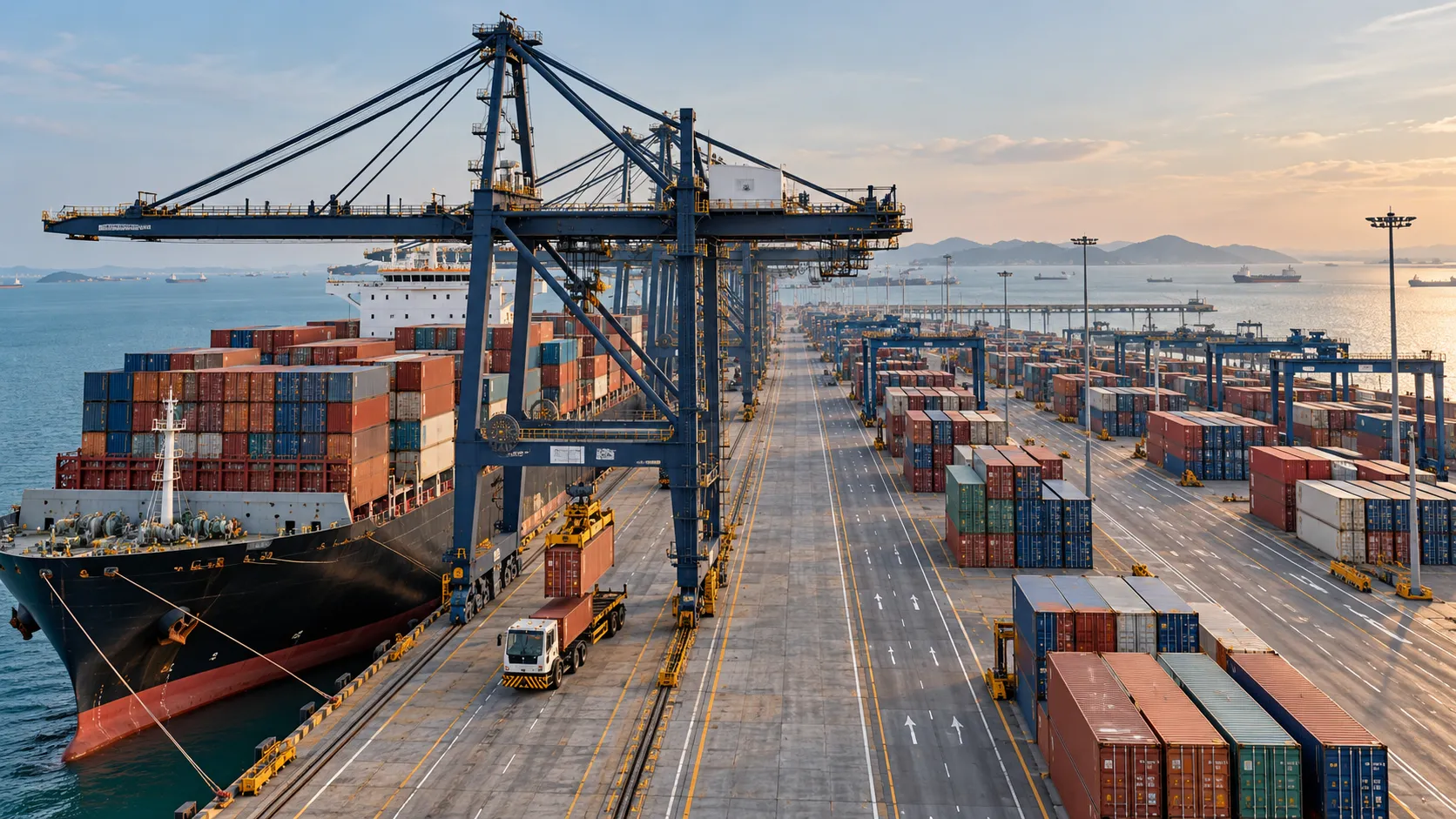
What Affects Container Terminal Efficiency in Southeast Asia?
Discover what affects terminal efficiency in Southeast Asia, from berth planning and yard congestion to inland access, and learn how to assess performance.