Related News
- 00
0000-00
Real-Time Container Yard Systems: How to Evaluate Tracking and TOS Integration - 00
0000-00
Marine Engineering Solutions for Dredging in Ports: Key Design Factors - 00
0000-00
What Data Does a Smart Port Control Architecture Need to Operate? - 00
0000-00
CE-Marked Quay Cranes: How to Verify Compliance Documents - 00
0000-00
Port Automation Systems in Latin America: Choosing the Right Solution
0000-00
Bulk Cargo Handling Equipment for Ports: Choosing by Cargo and Capacity
Selecting bulk cargo handling equipment for ports requires more than matching a machine to a nameplate capacity. A terminal may receive dense mineral concentrates on one vessel, dusty grain on the next, and wet coal after heavy rain. Each cargo places different demands on grabs, hoppers, conveyors, storage systems, and the people operating them. For technical evaluators, the real decision is whether the complete handling chain can deliver the required throughput safely and consistently within the available berth, yard, and operating conditions.
A useful evaluation therefore starts with the cargo and the required vessel turnaround time, then works outward to equipment, interfaces, and lifecycle costs. The largest machine is not necessarily the best choice if the downstream conveyor, stockyard, or loading system cannot keep pace.
Define the cargo before comparing equipment
“Dry bulk” covers materials with very different behavior. An equipment specification should describe the expected cargo range rather than rely on a broad commodity label. Coal, for example, can vary in moisture, particle size, and tendency to generate dust; iron ore may arrive as fines, lumps, or concentrates. Those differences affect flow, wear, containment, and achievable handling rates.
For each cargo, establish representative values and the expected operating range for:
- Bulk density: Use loose and, where relevant, settled density to check volumetric capacity, structural loading, and grab fill assumptions. Avoid designing only around the average value.
- Particle size and lump distribution: These influence grab selection, chute openings, belt width, impact protection, and the risk of blockage.
- Moisture and flow behavior: Wet or cohesive material may stick to hopper walls, build up on belts, or bridge above feeder outlets.
- Abrasiveness and impact: Hard mineral cargoes can accelerate wear on liners, transfer points, buckets, and conveyor components.
- Dust, contamination, and degradation sensitivity: Grain, fertilizers, and other sensitive commodities may require enclosed transfers, careful cleaning, or gentler handling.
- Combustibility and chemical characteristics: Dust explosion, fire, corrosion, and environmental hazards require cargo-specific risk assessment and protective design.
Ask for cargo test data where behavior is uncertain, particularly for new commodities or materials known to cake. A machine that performs well with free-flowing dry cargo may struggle when the same material arrives wetter than expected. That distinction is easy to miss in a preliminary comparison and expensive to correct after installation.
Turn vessel schedules into a realistic capacity requirement
Rated tonnes per hour is a useful starting point, but it does not describe the full unloading or loading operation. Vessel positioning, hatch changes, trimming, cleanup, equipment travel, shift changes, and interruptions all consume time. The relevant figure for berth planning is the average rate across the agreed operating period, not the peak rate achieved during a short steady-state test.
Start with the quantity to be transferred and the time available. For illustration, moving 50,000 tonnes within 40 hours requires an average of 1,250 tonnes per hour over that period. If the preliminary plan assumes that productive transfer occupies 75% of the total time, the required average rate during productive operation rises to approximately 1,667 tonnes per hour. This is a planning calculation, not an equipment rating: the operating-time assumption must be validated against the vessel mix, procedures, weather exposure, and maintenance strategy.
For grab cranes, cycle time and actual payload matter as much as nominal grab volume. Payload depends on cargo bulk density and the effective fill achieved in the hold. Cycle time changes with lifting height, outreach, slewing, operator practice, and the position of material remaining in the hatch. Near the end of unloading, cleanup can substantially reduce the average rate.
Continuous unloaders may provide a more consistent transfer rate under suitable conditions, but their effective performance still depends on hold access, material flow, repositioning, and cleanup arrangements. Request a documented operating-cycle model for each shortlisted system, using the same vessel and cargo assumptions so that comparisons are meaningful.
Check the entire chain, not just the berth machine
The practical capacity of a bulk terminal is constrained by the interfaces between ship, quay, storage, and onward transport. A fast unloader feeding a small hopper or undersized conveyor may spend much of its time waiting. Conversely, downstream equipment rated for high throughput offers limited value if the shiploader cannot distribute cargo efficiently across vessel holds.
Map each transfer step and identify its nominal rate, expected availability, buffering capacity, and recovery procedure after a stop. Pay particular attention to chute restrictions, feeder control, conveyor transfer points, stockyard equipment, and truck, rail, or barge dispatch. Where cargo density varies, verify both mass flow in tonnes per hour and volumetric flow in cubic metres per hour.
Compare the main equipment options against the duty
A grab-and-hopper arrangement can be attractive when cargoes and vessel calls vary, because the grab and operating method can be adapted to different duties. Its performance, however, is cyclical, and open transfers may need substantial dust and spillage controls. Assess the complete arrangement, including hopper discharge and conveyor loading, rather than treating the crane as a standalone purchase.
For a dedicated terminal, a continuous unloader may merit closer examination when the cargo is compatible and vessel calls are sufficiently predictable. The decision is not simply “continuous versus intermittent”: hold geometry, access, maintenance resources, and the cost of handling exceptions can change the result. Similarly, pneumatic systems may suit certain free-flowing cargoes and enclosed transfers, but their energy demand and material-specific limitations should be evaluated against mechanical alternatives.
Fit the equipment to the berth and vessel envelope
Before requesting firm proposals, document the physical limits that equipment must work within. These include quay load capacity, crane rails or foundations, available outreach, tidal range, vessel freeboard, hatch dimensions, and clearances to nearby structures. For loaders and unloaders, establish the full range of vessel sizes and hold positions—not just the largest ship expected to call.
Yard layout matters just as much. A conveyor route may look straightforward on a plan until it intersects a road, utility corridor, expansion zone, or maintenance access route. Hopper placement must allow safe vehicle movement if trucks are involved, while transfer towers need enough space for inspection, liner replacement, and equipment removal.
Check both current operations and credible future changes. A terminal planning to add a second cargo stream, increase vessel size, or introduce automation should identify the interfaces that need provision now. Future flexibility is valuable, but it should be specified as a requirement rather than assumed from a supplier’s general description.
Dust, spillage, and cargo quality are design decisions
Environmental performance is closely tied to equipment selection. Dust can escape at the grab opening, hopper, conveyor transfer, stockpile, or shiploader spout. Controls are most effective when matched to the emission source: enclosed or partially enclosed hoppers, extraction and filtration, telescopic spouts, transfer-point sealing, and appropriate housekeeping arrangements may all have a role.
Water suppression is not universally suitable. It may affect cargo moisture, product quality, handling behavior, or downstream processing. For combustible dusts, the design must also address ignition sources, dust accumulation, and applicable explosion-protection requirements. These questions should be resolved with cargo owners and qualified safety specialists before the equipment layout is finalized.
Containment also affects availability. Spillage beneath a transfer point is not merely a cleaning issue; it can obstruct access, increase component wear, and force unplanned stops. Specify how operators will inspect and clean enclosed spaces safely, and how contaminated or mixed cargo will be managed during commodity changeovers.
Evaluate controls and maintenance alongside mechanical capacity
Automation can improve coordination across the handling chain, but only when sensors, equipment states, and operating rules are defined clearly. For example, conveyor speed and feeder output may be coordinated with hopper levels, while interlocks stop upstream equipment when a downstream conveyor is unavailable. Remote monitoring can make developing problems visible, provided the terminal has reliable communications and staff can act on the information.
Ask suppliers to explain how their control system interfaces with existing terminal systems, what data is available, and who can access or modify it. Review alarm handling, cybersecurity responsibilities, manual operating modes, and recovery after a power or communications failure. A sophisticated dashboard is less valuable than a clear procedure for returning a stopped handling line to service.
Maintenance provisions deserve the same scrutiny as control features. Examine access to wear liners, belts, buckets, grabs, filters, and drive assemblies. Identify items requiring specialist tools or long lead times, and establish what inspections can be performed without extended shutdowns. For abrasive cargoes, the replacement method and expected inspection intervals may matter as much as the initial liner material.
Build a comparable technical shortlist
When comparing bulk cargo handling equipment for ports, issue a common set of design assumptions and ask each supplier to identify exclusions. A useful evaluation package should include:
- The cargo envelope, including density, moisture, particle size, abrasiveness, and known handling hazards.
- Vessel profiles, annual volumes, peak operating requirements, and the basis for required turnaround times.
- Guaranteed or proposed performance figures, with test conditions, measurement methods, and treatment of interruptions clearly defined.
- Equipment and interface drawings covering foundations, utilities, controls, access, and downstream connections.
- Maintenance requirements, wear-part strategy, spare-parts support, and expected shutdown activities.
- Energy demand, dust and spillage controls, noise considerations, and applicable safety requirements.
- Assumptions about operator staffing, training, automation, and recovery from equipment faults.
Compare proposals on total operating impact rather than purchase cost alone. A lower-capacity arrangement may be adequate where vessel calls are infrequent and berth time is available; a higher initial investment may be justified where congestion or restricted operating windows make sustained throughput critical. In either case, test the assumptions with a representative operating scenario and a less favorable one, such as wet cargo, a difficult hold, or a downstream interruption.
PS-Nexus provides industry intelligence across bulk handling machinery, terminal equipment, and port automation—areas that intersect in this kind of assessment. The strongest selection remains the one supported by the terminal’s own cargo data, site constraints, and operating model. When those inputs are clear, equipment comparisons become more than a contest between headline capacities: they become a practical basis for a reliable port operation.
Related News
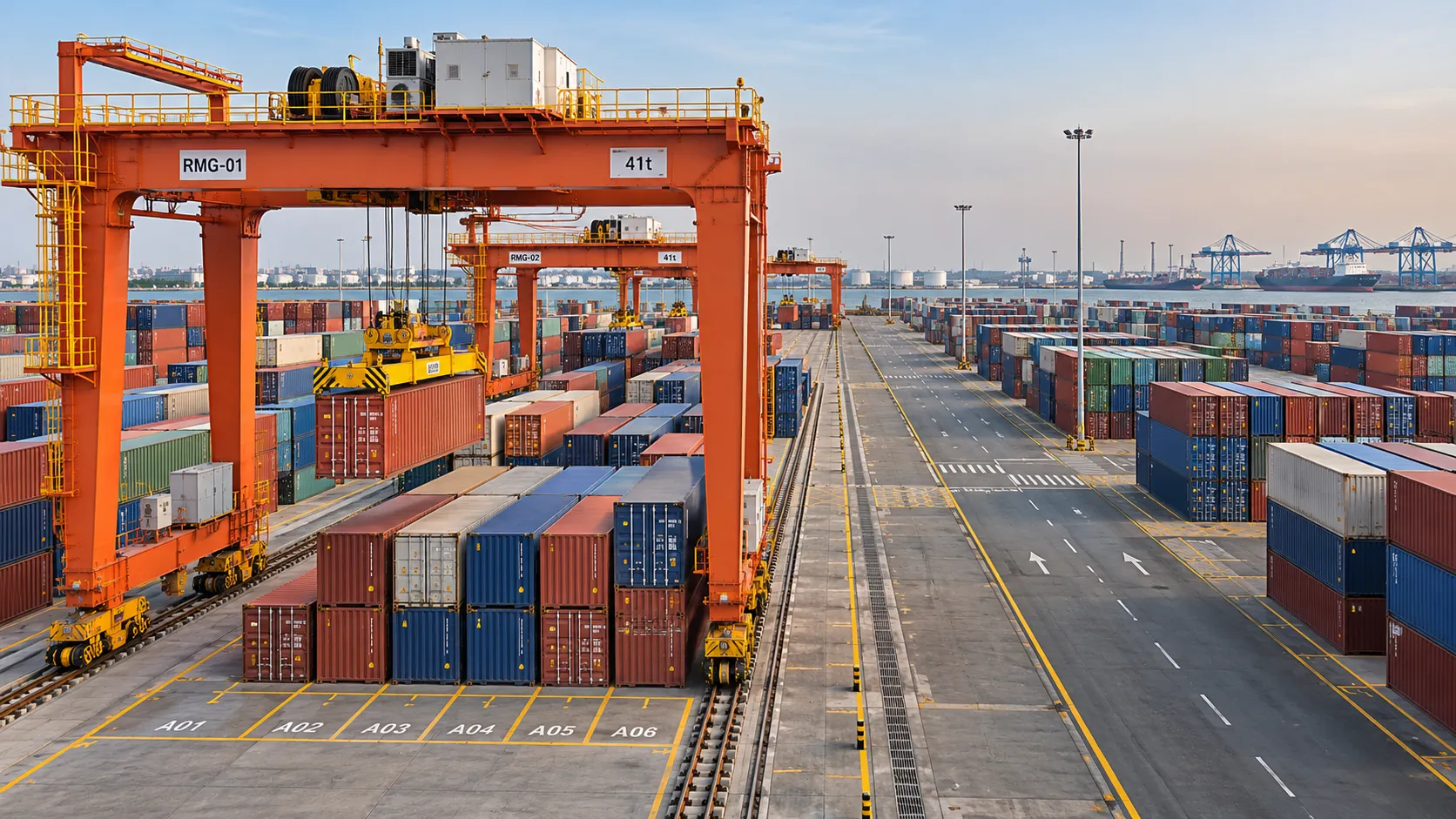
Real-Time Container Yard Systems: How to Evaluate Tracking and TOS Integration
Evaluate real time container yard systems with confidence. Discover how to assess tracking accuracy, TOS integration, latency, and operational resilience.
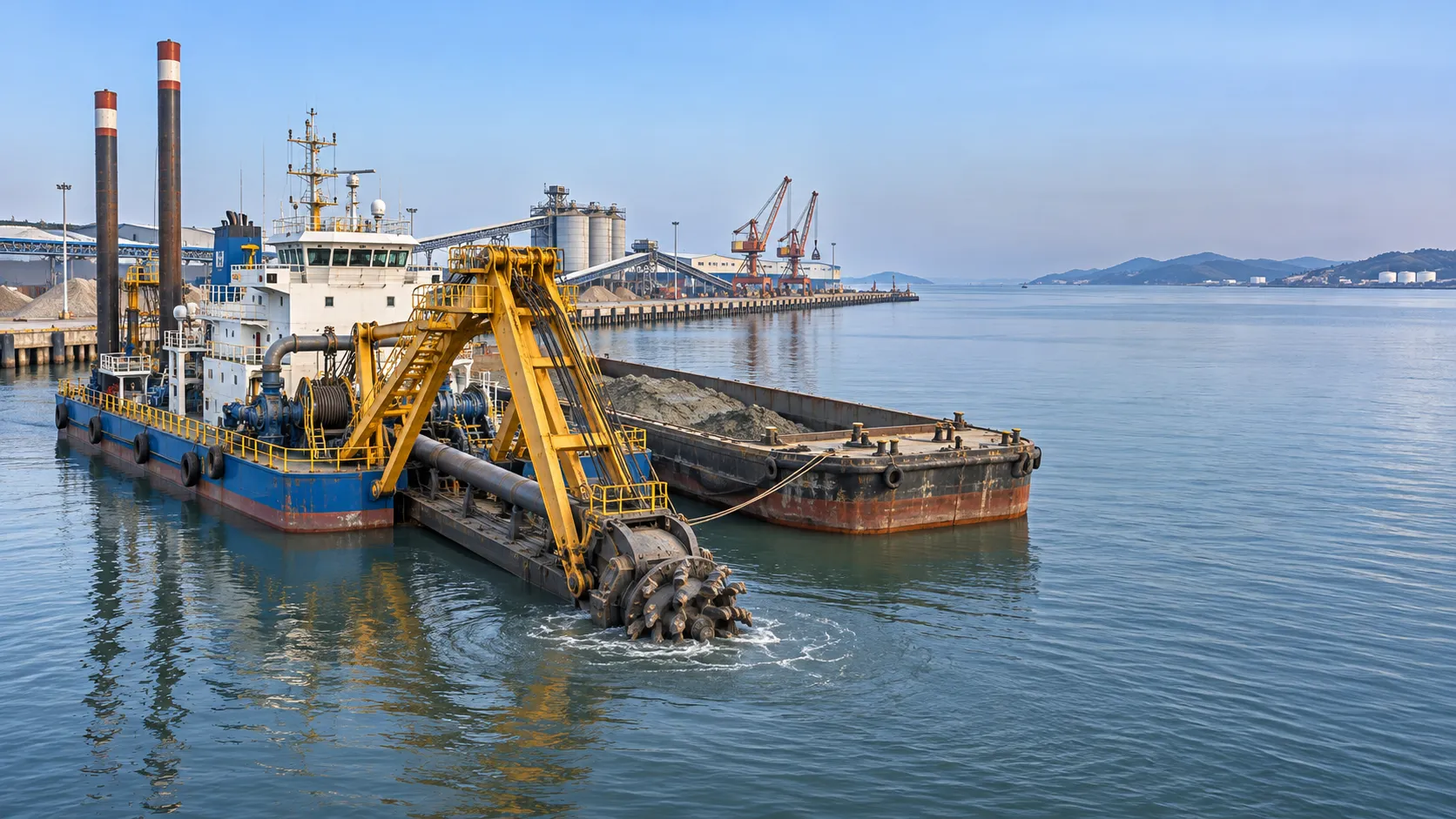
Marine Engineering Solutions for Dredging in Ports: Key Design Factors
Explore marine engineering solutions for dredging ports, from equipment selection and sediment management to safe navigation and survey verification.
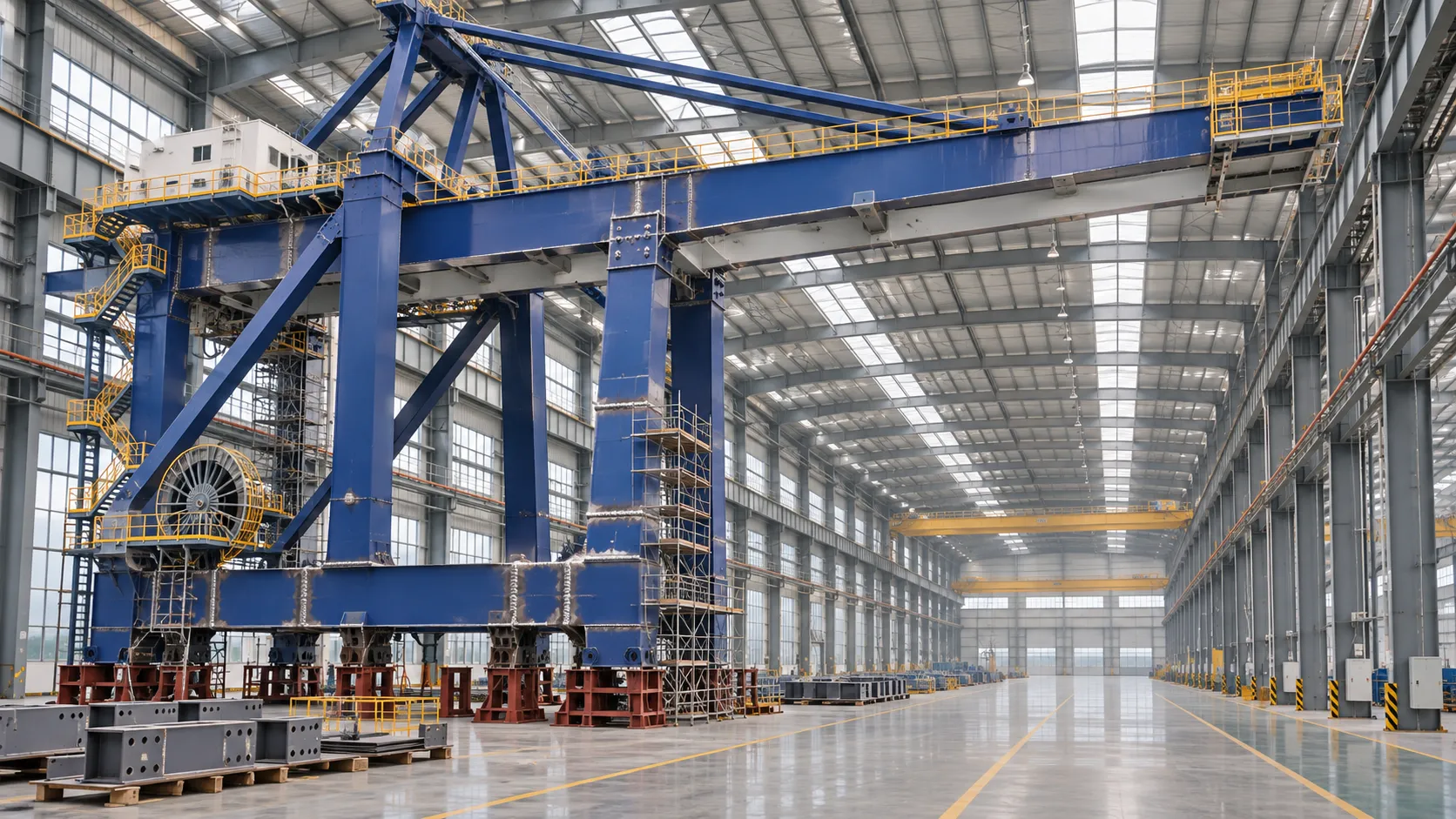
How to Evaluate a Quay Crane Factory: Capacity, Quality and Delivery
Evaluate a quay crane factory with confidence. Learn how to verify production capacity, quality controls, delivery plans, and lifecycle costs before you commit.
What Data Does a Smart Port Control Architecture Need to Operate?
What data is needed for a smart port control architecture? Discover the essential operational feeds, integration requirements and safety checks.
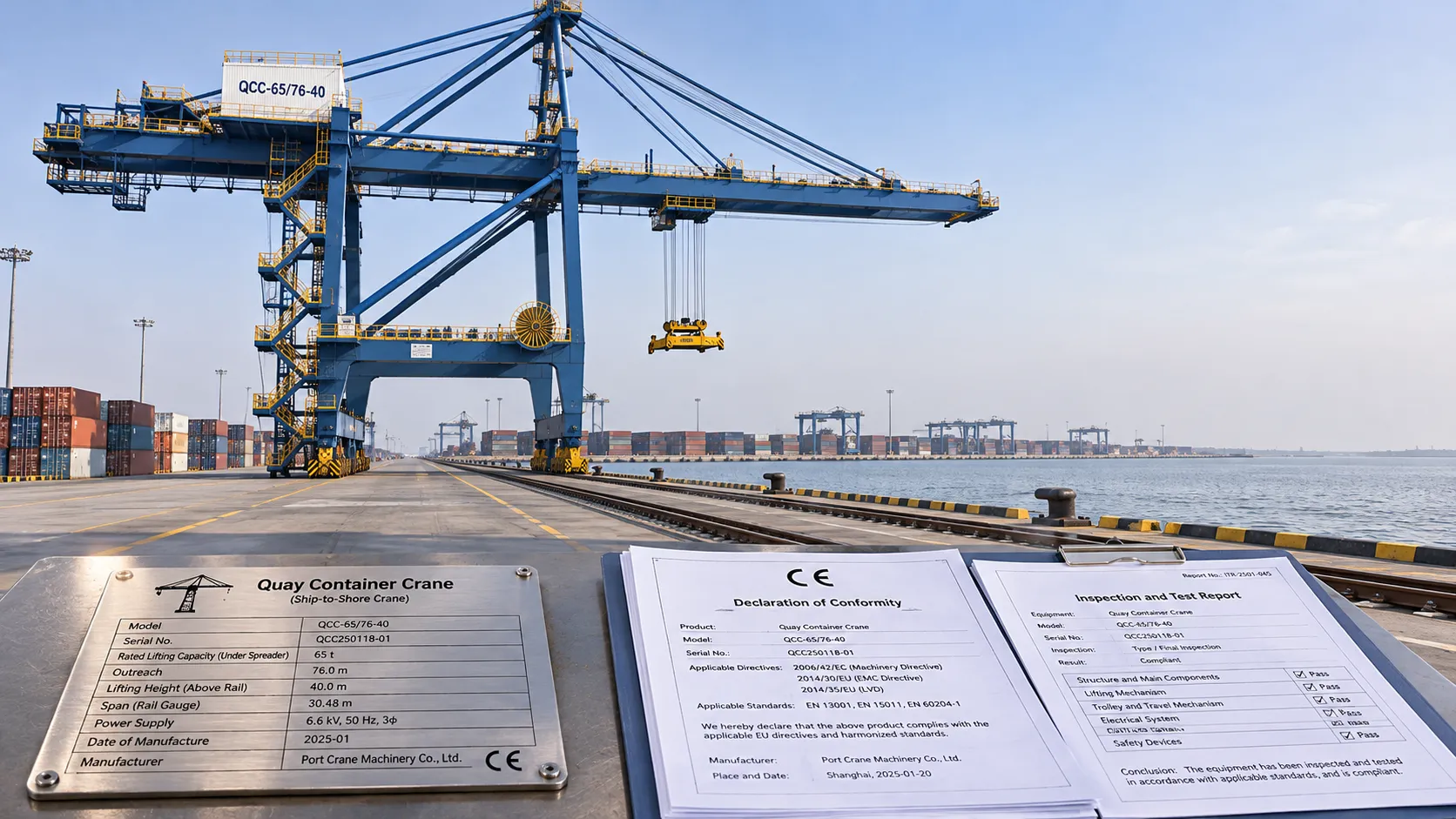
CE-Marked Quay Cranes: How to Verify Compliance Documents
Quay crane CE certified? Learn how to verify declarations, risk assessments and test records for the complete machine before acceptance.
Port Automation Systems in Latin America: Choosing the Right Solution
Explore port automation systems Latin America terminals can use to reduce congestion, assess integration risks, and choose the right solution with confidence.

Scalable Automated Port Systems: Planning for Terminal Capacity Growth
Discover how scalable automated port systems support phased terminal growth, reduce bottlenecks and guide smarter capacity investments.

Europe's Coastal Economies: Key Industries, Jobs and Climate Risks
Explore coastal economics in Europe: discover key industries and jobs, the climate risks they face, and how coastal communities can adapt.
What Affects Container Terminal Efficiency in Southeast Asia?
Discover what affects terminal efficiency in Southeast Asia, from berth planning and yard congestion to inland access, and learn how to assess performance.