Related News
- 00
0000-00
How to Specify a Quay Crane for Container Terminals by Vessel Size and Throughput? - 00
0000-00
Which Bulk Handling Equipment Suits High-Moisture Cargo? - 00
0000-00
Terminal Automation Technologies That Raise Container Throughput Without Yard Disruption - 00
0000-00
Planning Offshore Dredging Operations: Key Risks, Methods, and Project Controls - 00
0000-00
Where Do Automated Guided Vehicles Deliver the Fastest Warehouse Gains in the Middle East?
How AI Asset Scheduling Systems Improve Equipment Utilization Across Job Sites
How AI Asset Scheduling Systems Improve Equipment Utilization Across Job Sites
Across multi-site operations, equipment waste rarely starts with a breakdown.
It usually begins with poor timing, weak visibility, and disconnected decisions between sites.
One crane waits for transport.
Another sits underused at a nearby terminal.
A dredging pump is available, but the crew window has already shifted.
In practical terms, this turns expensive assets into idle cost.
AI asset scheduling systems address that gap by connecting demand, availability, movement, maintenance, and operating constraints in one decision layer.
For sectors linked to ports, terminals, bulk logistics, and heavy engineering, that shift matters.
It turns scheduling from a reactive admin task into a measurable utilization strategy.
Why equipment utilization breaks down across job sites
Most multi-site operations already have planning tools.
The problem is that many of them were built for reporting, not live orchestration.
That becomes more obvious when projects share specialized assets.
Examples include quay cranes, RTGs, reach stackers, AGVs, dredgers, loaders, pumps, and mobile maintenance units.
Each asset has location limits, operator rules, maintenance windows, fuel needs, and transport dependencies.
Without a strong scheduling model, utilization drops for predictable reasons.
- Requests arrive too late for efficient asset redeployment.
- Teams reserve equipment “just in case,” creating false scarcity.
- Maintenance schedules are isolated from production schedules.
- Transport time between sites is ignored during planning.
- Local priorities override enterprise-level optimization.
The result is familiar: more rentals, more standby time, and lower return from owned equipment.
How AI asset scheduling systems change the decision model
AI asset scheduling systems improve decisions by continuously comparing supply and demand across all active sites.
Instead of showing a static equipment list, the system evaluates what should move, when, and why.
It can weigh utilization targets against real constraints.
That includes route time, operator availability, task urgency, weather signals, maintenance conditions, and cost priorities.
From a recent operations perspective, the value is not only prediction.
It is coordinated response.
That means fewer manual calls, fewer spreadsheet conflicts, and faster redeployment decisions.
Core capabilities that improve utilization
- Real-time asset visibility across terminals, yards, marine zones, and job sites.
- Demand forecasting based on project phases, cargo flows, and operational history.
- Constraint-based scheduling for maintenance, labor, location, and compliance.
- Automated reallocation suggestions when priorities shift.
- Utilization scoring that highlights underused or overbooked assets.
- Scenario planning for delays, weather disruption, or urgent customer demand.
This is why AI asset scheduling systems are increasingly treated as an operational control layer, not a simple planning add-on.
Where the gains show up first
The fastest gains usually appear in environments with shared, mobile, and expensive equipment.
Ports and coastal engineering projects fit that profile well.
A container terminal may need to rebalance yard handling equipment between peaks.
A dredging program may rotate support vessels and pumps across time-sensitive channels.
A bulk handling network may coordinate reclaimers, conveyors, and loaders around vessel schedules.
In each case, AI asset scheduling systems reduce mismatch between equipment readiness and task demand.
Common utilization improvements
- Lower idle hours for specialized machinery.
- Fewer emergency rentals and subcontracted replacements.
- Higher throughput from existing fleets.
- Better maintenance timing with less production loss.
- More accurate handoffs between sites and crews.
The more constrained the assets are, the more valuable smart scheduling becomes.
A practical example from heavy logistics operations
Consider a regional operator managing three port-adjacent projects.
One site handles container overflow.
Another manages bulk material loading.
The third supports dredging and berth expansion.
All three sites share transport vehicles, lifting gear, maintenance teams, and several high-value mobile units.
Before adopting AI asset scheduling systems, each site planned locally.
Availability was updated late, and dispatch choices depended on manual judgment.
As vessel timing changed, the entire asset plan drifted.
After implementation, the system began ranking deployment options daily.
It flagged low-use units, predicted congestion windows, and recommended maintenance around quieter periods.
More importantly, it showed when moving one machine prevented delays at two sites.
That is where equipment utilization improves in a meaningful way: through system-wide tradeoff visibility.
What to prepare before deployment
AI asset scheduling systems work best when the operating model is clearly defined.
This does not require perfect data on day one.
It does require consistent rules.
Start with these inputs
- A complete asset register with location, status, and operating limits.
- Job priority rules tied to revenue, customer service, or critical path impact.
- Maintenance logic, inspection intervals, and downtime assumptions.
- Travel time, mobilization cost, and crew availability data.
- A defined escalation process for schedule exceptions.
This also means choosing the right success metrics early.
Utilization percentage alone is too narrow for most operations.
Risks to watch when adopting AI asset scheduling systems
Not every deployment delivers value at the same speed.
In actual operations, the biggest issue is often trust.
If site leaders do not understand recommendation logic, they will override the system constantly.
That weakens the learning loop.
Another risk is poor integration between telemetry, maintenance software, and dispatch workflows.
When data arrives late, AI asset scheduling systems can still help, but with less precision.
- Do not launch with vague scheduling priorities.
- Do not ignore maintenance and crew constraints.
- Do not judge value only by software adoption metrics.
- Do not centralize decisions without local exception handling.
A phased rollout usually works better than a full network switch on day one.
Why this matters for smarter port and engineering operations
For organizations operating near trade corridors, timing is everything.
Port congestion, vessel changes, labor pressure, and decarbonization targets all increase scheduling complexity.
This is where PS-Nexus sees a stronger market signal.
Asset performance is no longer judged only by mechanical capability.
It is judged by how well equipment fits a synchronized operating network.
AI asset scheduling systems support that transition by linking heavy machinery, control logic, and commercial timing.
That is increasingly important for automated terminals, bulk handling systems, and dredging programs under cost pressure.
Final takeaways for better utilization
AI asset scheduling systems improve equipment utilization by making allocation decisions faster, clearer, and more consistent across sites.
They help reduce idle time, avoid unnecessary rentals, and support better use of existing fleets.
More importantly, they create a shared operating picture when project conditions shift.
For any operation balancing heavy assets across multiple job sites, that shared picture is where margin protection begins.
A useful next step is simple.
Map the top ten shared assets, measure idle hours by site, and test where AI asset scheduling systems can improve redeployment speed first.
Related News
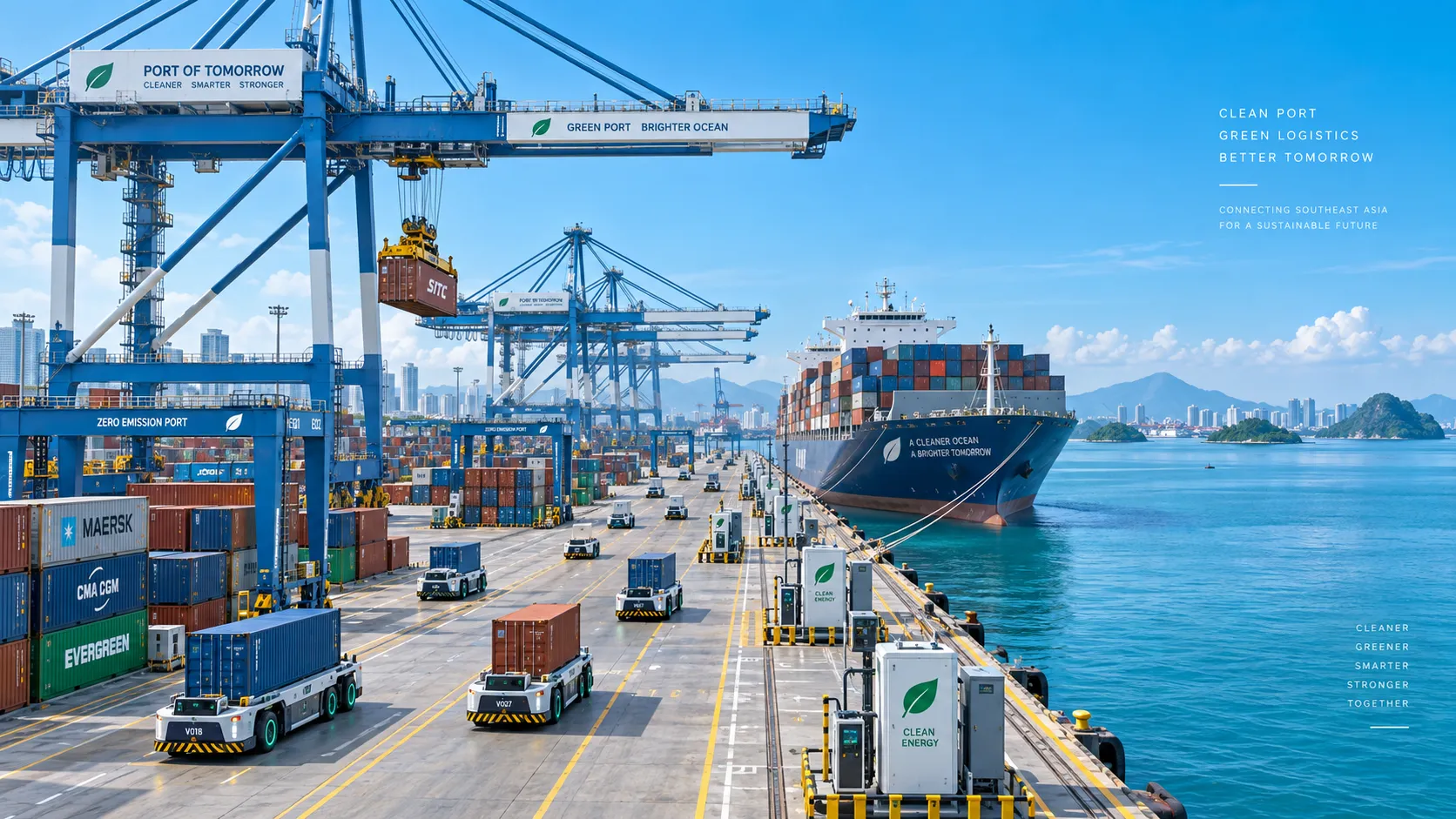
Smart Port Systems in Southeast Asia: Investment Priorities and Adoption Barriers
Smart port systems Southeast Asia: discover investment priorities, adoption barriers, and practical steps to build resilient, connected, high-performing terminals.

How to Evaluate Terminal Efficiency Solution Suppliers for High-Throughput Operations
Choose a terminal efficiency solutions supplier with confidence. Explore proven criteria for throughput, integration, lifecycle cost, safety, and reliable delivery.
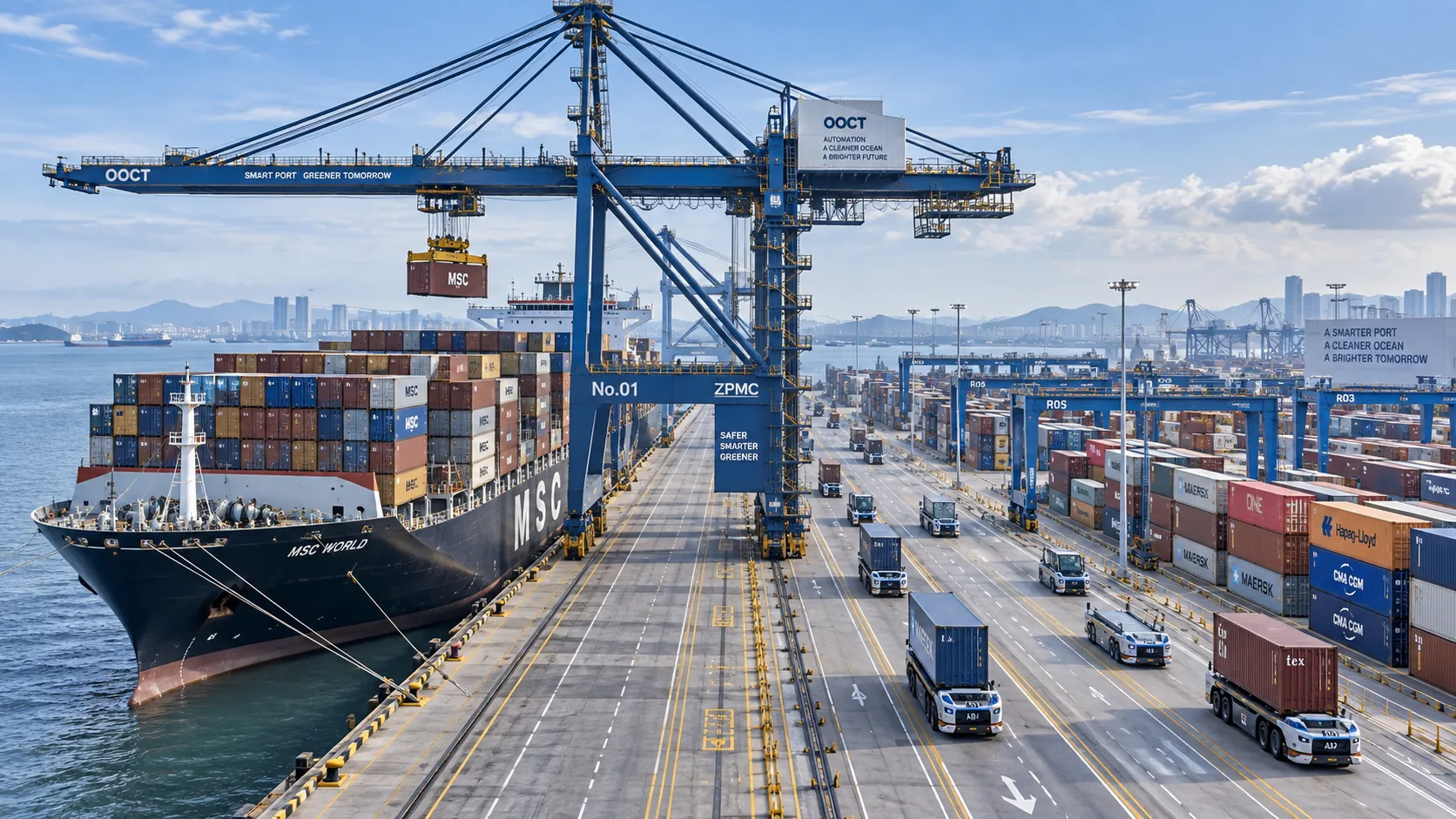
How to Specify a Quay Crane for Container Terminals by Vessel Size and Throughput?
Quay crane for container terminals: learn how to match outreach, lift height, capacity, automation, and cycle performance to vessel size and throughput goals.
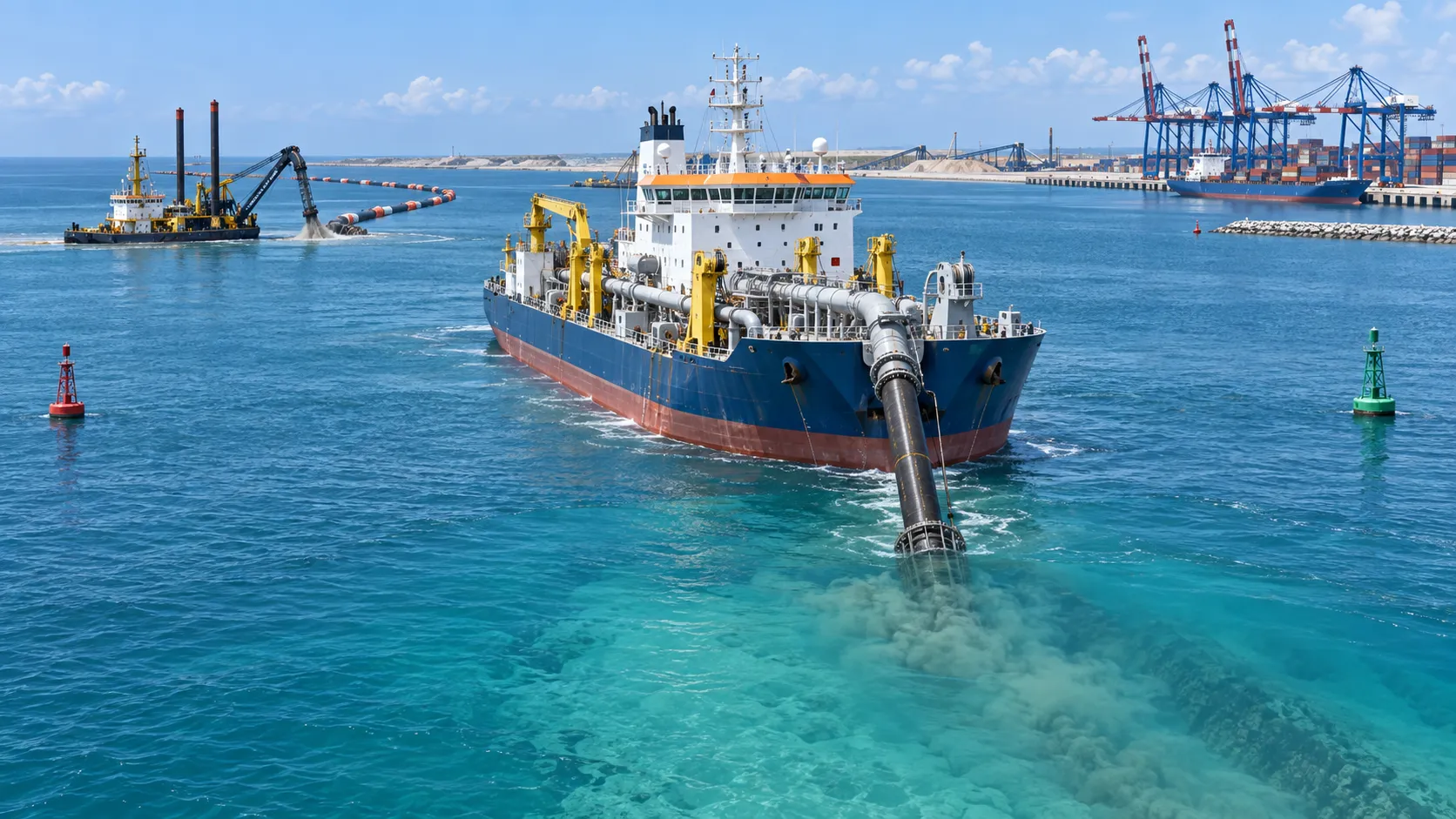
What Dredging Equipment Is Needed for Channel Deepening?
What dredging equipment is needed for channel deepening? Explore dredgers, pipelines, survey tools, and planning strategies for safer, more efficient port access.
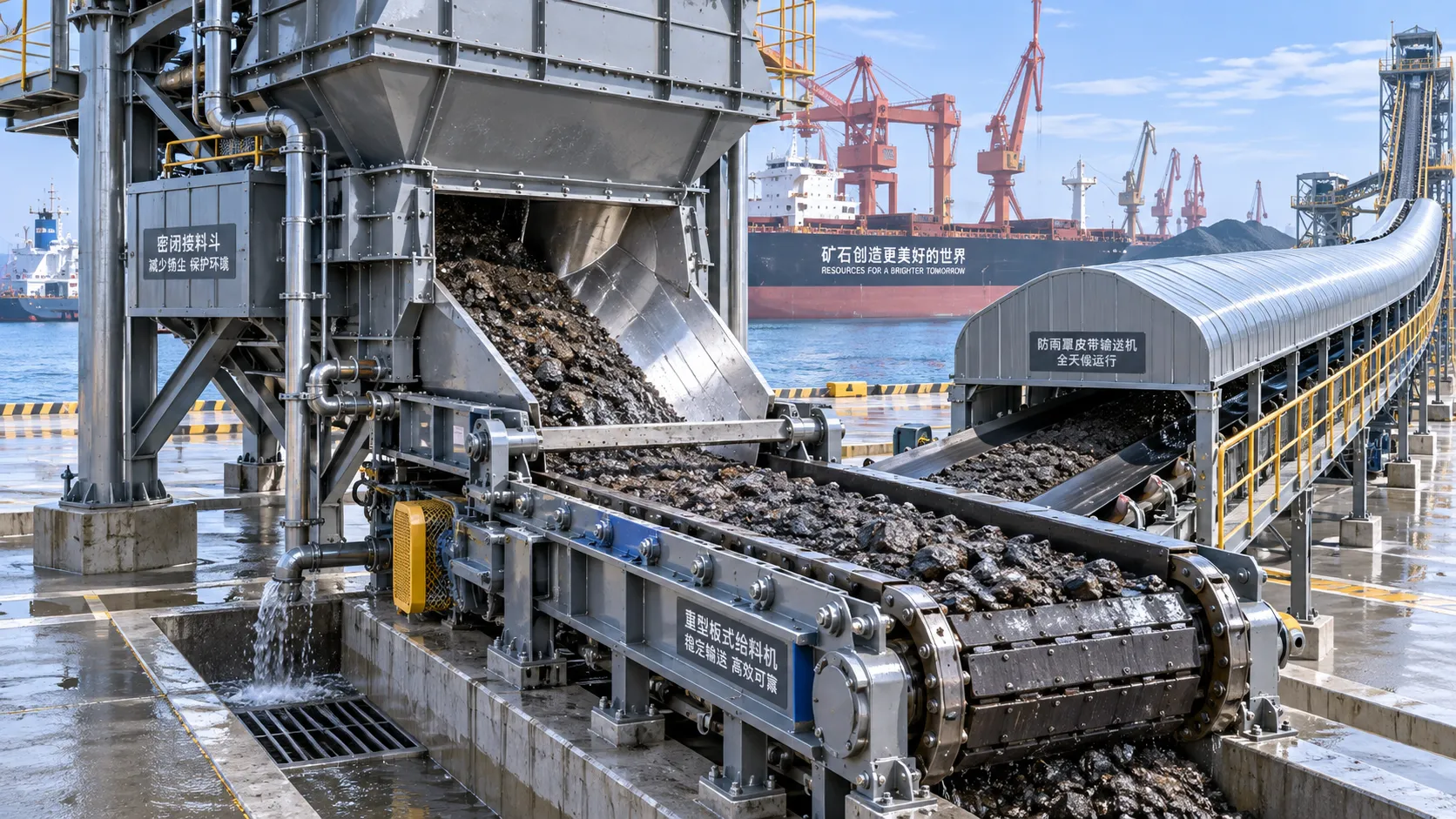
Which Bulk Handling Equipment Suits High-Moisture Cargo?
Which bulk handling equipment suits high-moisture cargo? Compare belt, apron, screw, drag, and slurry systems for reliable flow, less carryback, and higher terminal uptime.
How Can Port Equipment Lead-Time Risk Be Managed?
How can port equipment lead-time risk be managed? Explore practical strategies to control critical paths, suppliers, transport, site readiness, and commissioning delays.
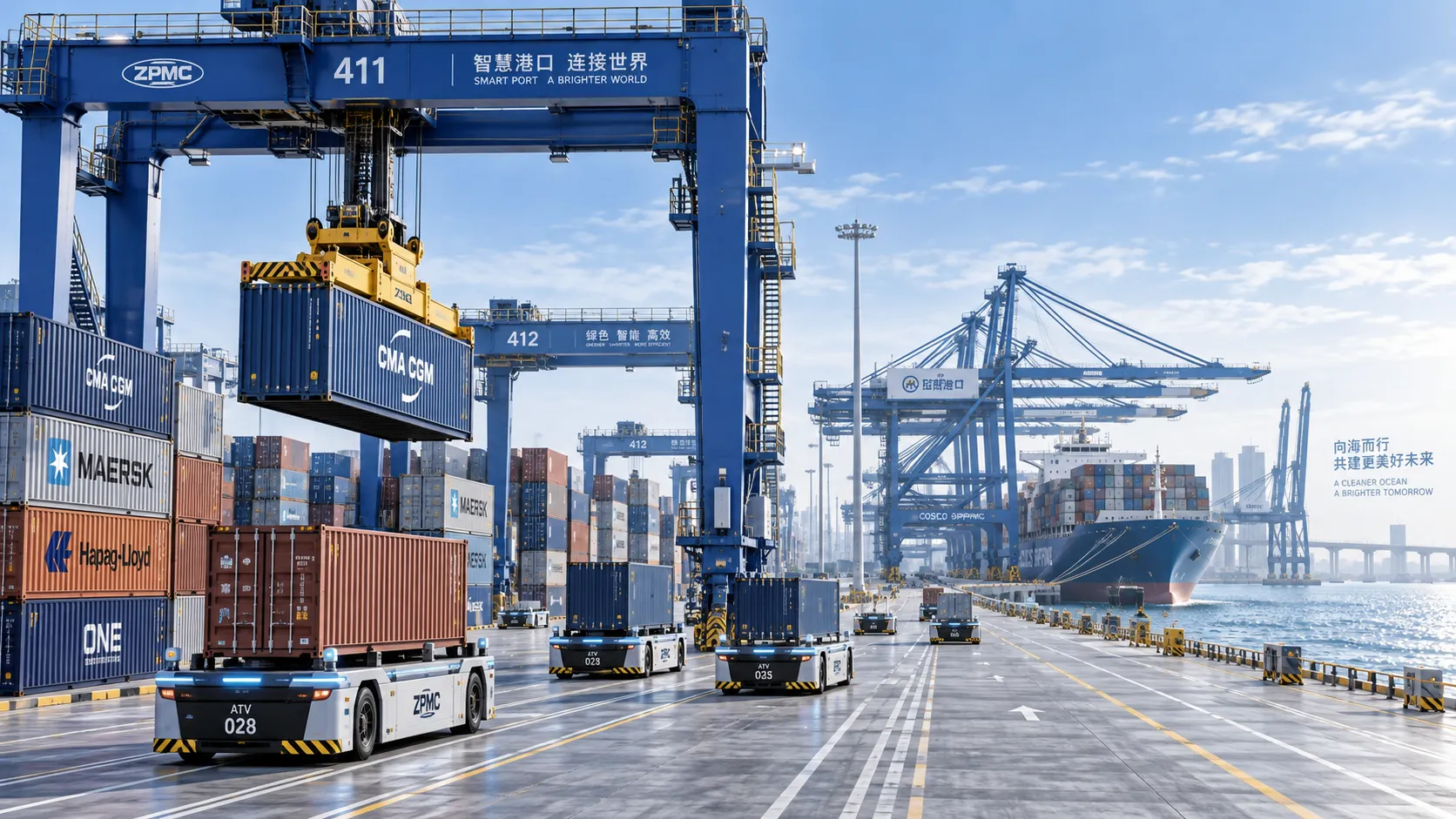
Terminal Automation Technologies That Raise Container Throughput Without Yard Disruption
Terminal automation technology that increases container throughput without disrupting yard flow. Explore smarter integration, resilient workflows, and phased deployment strategies.
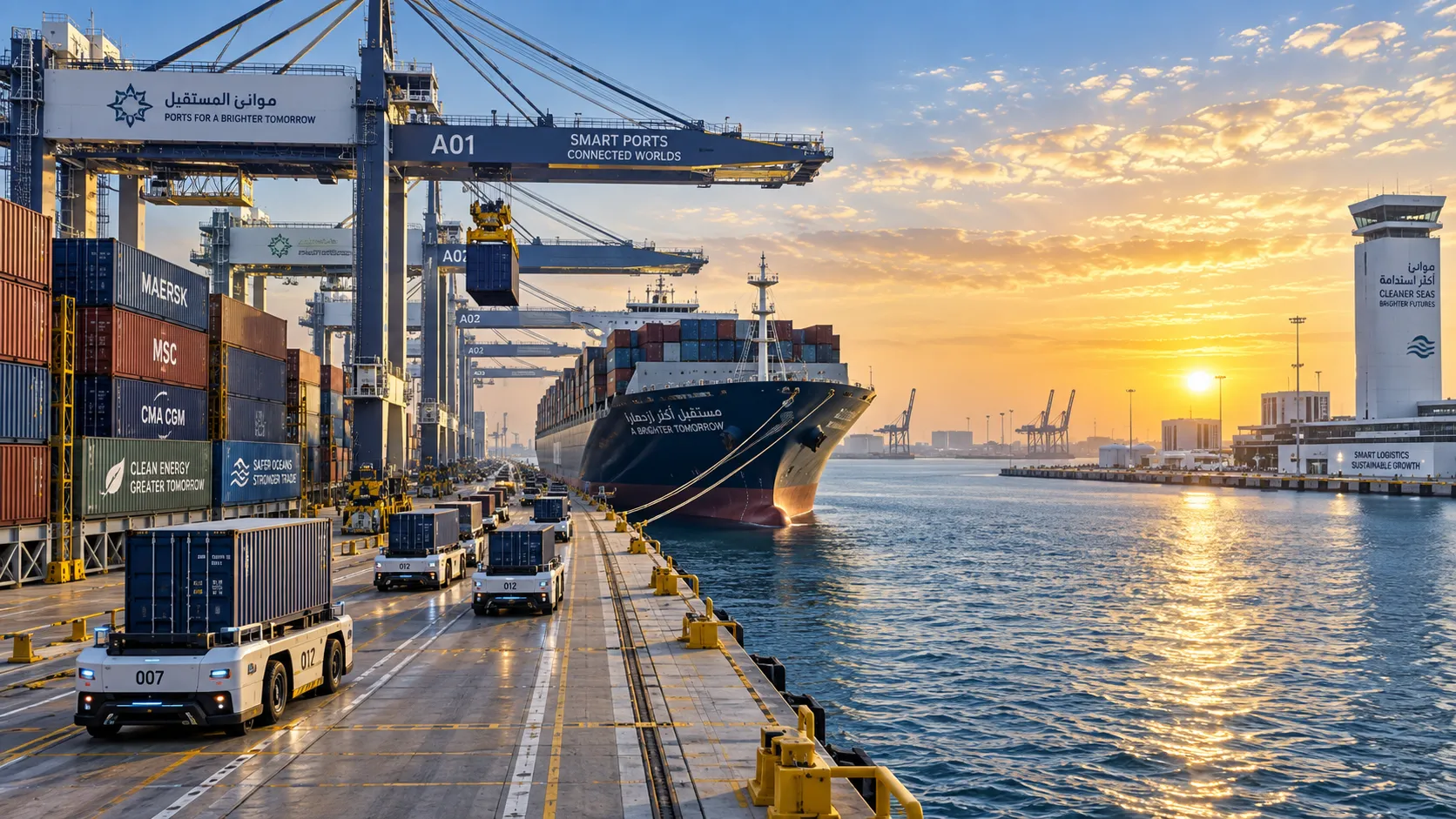
Middle East Port Automation: Key Market Drivers, Projects, and Investment Risks
Port automation systems Middle East: explore market drivers, flagship projects, integration challenges, and investment risks shaping smarter, resilient terminals.
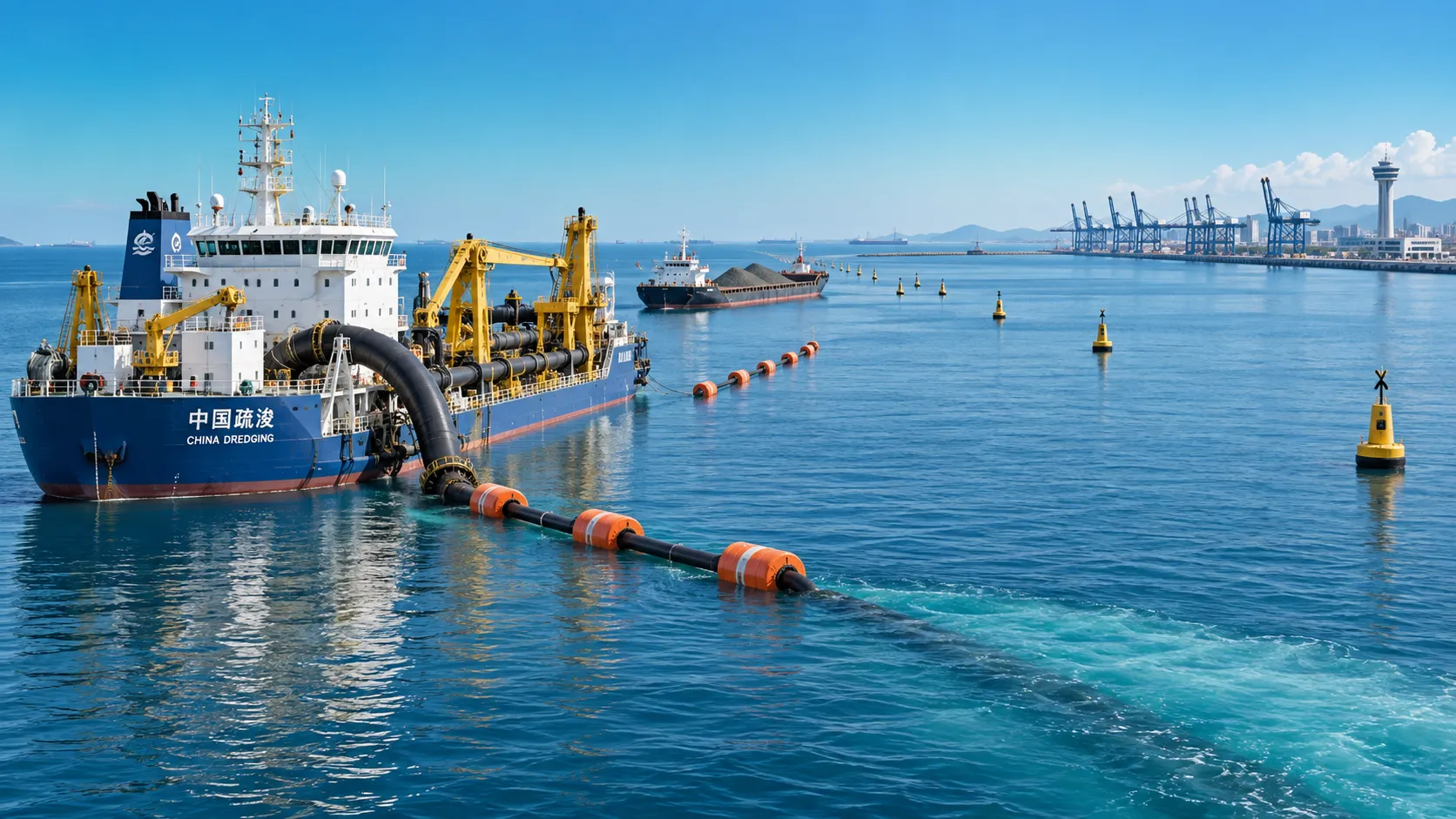
Planning Offshore Dredging Operations: Key Risks, Methods, and Project Controls
Offshore dredging operations demand smart planning. Explore key risks, proven methods, environmental controls, and project strategies for reliable delivery.