Related News
- 00
0000-00
How to Specify a Quay Crane for Container Terminals by Vessel Size and Throughput? - 00
0000-00
Which Bulk Handling Equipment Suits High-Moisture Cargo? - 00
0000-00
Terminal Automation Technologies That Raise Container Throughput Without Yard Disruption - 00
0000-00
Planning Offshore Dredging Operations: Key Risks, Methods, and Project Controls - 00
0000-00
Where Do Automated Guided Vehicles Deliver the Fastest Warehouse Gains in the Middle East?
How to Choose Terminal Equipment for Container Ports Based on Throughput and Yard Layout
How to Choose Terminal Equipment for Container Ports Based on Throughput and Yard Layout
Choosing terminal equipment for container ports begins with two numbers: target throughput and usable yard area.
Everything else follows from them, including crane type, transport flow, stack density, labor model, and automation readiness.
The hard part is that many projects size equipment by benchmark lists, not by actual operating logic.
That usually creates bottlenecks in the yard, not at the quay.
A better approach is to match terminal equipment for container ports to vessel peaks, gate patterns, dwell time, and yard geometry.
When that alignment is right, capacity rises without overbuilding expensive assets.
Start with Throughput, Not Equipment Lists
Throughput should be defined at annual, monthly, daily, and peak-hour levels.
Annual TEU alone is too broad for terminal equipment for container ports selection.
Two terminals with the same annual volume may need very different equipment mixes.
One may face sharp vessel bunching. The other may run smoother weekly windows.
That difference affects berth productivity, yard transfer demand, and storage pressure.
Key throughput inputs to define early
- Annual TEU and forecast growth rate
- Peak month share of annual volume
- Peak-day and peak-hour moves
- Average and worst-case vessel exchange size
- Import, export, empty, and transshipment ratios
- Truck, rail, and barge split
- Average container dwell time by cargo type
These inputs shape the real duty cycle of terminal equipment for container ports.
They also reveal whether the project needs speed, density, flexibility, or a balanced compromise.
Read the Yard Layout Before Choosing Machines
Yard layout often decides what equipment will truly perform well.
This is especially true when land is constrained or future expansion is uncertain.
A wide rectangular yard supports different flows than a narrow deep site.
Distance from quay to stack matters as much as stacking height.
So do turning radii, aisle width, reefer zones, dangerous cargo areas, and rail interfaces.
Layout questions that change equipment decisions
- How long is the transport path from quay to block?
- Can traffic be separated by function or direction?
- How much land is available for stacking versus roads?
- Will the yard use perpendicular, parallel, or hybrid block orientation?
- Are there grade changes, soft soils, or pavement load limits?
- Can the terminal expand without replacing its control logic?
In practical terms, terminal equipment for container ports should fit the site first, then the brochure.
Match Quay Cranes to Vessel Profile and Berth Strategy
Ship-to-shore cranes set the terminal’s front-end productivity ceiling.
But bigger cranes are not always better terminal equipment for container ports.
The right crane depends on vessel beam, outreach, lift height, twin-lift needs, and berth occupancy targets.
If future vessel upsizing is likely, reserve growth in outreach and rail gauge early.
Retrofitting later is usually more expensive than planned oversizing at the civil stage.
Quay crane selection priorities
- Confirm design vessel and next-generation vessel envelope.
- Set target moves per hour per crane under real operating assumptions.
- Check crane spacing against berth length and mooring patterns.
- Evaluate power demand, redundancy, and maintenance access.
- Assess readiness for remote operation and anti-sway systems.
This stage should connect directly to the yard plan.
High crane intensity with weak yard receiving capacity only moves congestion inland.
Choose Horizontal Transport Around Distance and Control Logic
Horizontal transport is where many container terminal projects lose efficiency.
The main choice is usually between terminal tractors, shuttle carriers, AGVs, or hybrid fleets.
The best terminal equipment for container ports here depends on path length, traffic conflicts, and automation level.
Short transport distances may justify simpler fleets.
Long distances usually reward better routing discipline and tighter dispatch control.
That is why transport equipment must be chosen together with TOS and traffic rules.
Select Yard Handling by Density, Speed, and Expansion Needs
Yard handling equipment usually decides storage efficiency and truck turnaround performance.
Common choices include RTGs, RMGs, reach stackers, and straddle-based systems.
Each option changes stack density, rehandle rates, and automation potential.
When each yard system makes sense
RTG systems suit terminals that need flexibility and phased development.
They work well where block changes may occur over time.
RMG or ASC systems fit higher density yards with stronger automation goals.
They need more disciplined layout planning and interface control.
Reach stackers are useful for smaller terminals, empty depots, or mixed cargo zones.
They offer flexibility, but lower density and less predictable flow.
For terminal equipment for container ports, no yard machine should be judged in isolation.
The real test is stack productivity under peak mix, not empty-yard travel speed.
Check the Hidden Constraints Early
Several project risks appear late because they are not treated as equipment issues.
In reality, they can change terminal equipment for container ports decisions in a major way.
- Power supply capacity and charging infrastructure
- Pavement strength and wheel load distribution
- Wind, corrosion, and marine environmental exposure
- Spare parts access and local service capability
- Cybersecurity and control system interoperability
- Emission targets and fuel transition plans
From recent market changes, electrification and remote control are no longer optional topics.
They now affect financing, compliance, and long-term asset value.
Use a Practical Evaluation Framework
A structured scoring model makes equipment selection more defensible.
It also helps align engineering, operations, procurement, and finance.
Recommended evaluation criteria
- Peak throughput performance
- Yard space efficiency
- Lifecycle cost, not only CAPEX
- Scalability for future phases
- Automation compatibility
- Operational resilience during disruption
- Local maintenance support and training burden
Weight each criterion according to project priorities.
A transshipment hub may weight quay productivity more heavily.
A land-constrained gateway terminal may favor density and truck interface speed.
That is how terminal equipment for container ports moves from generic comparison to project-fit selection.
Final Decision: Build for the Next Operating Reality
The strongest equipment plan is rarely the most complex one.
It is the one that keeps vessel flow, yard flow, and landside flow in balance.
When choosing terminal equipment for container ports, start with throughput peaks, then test every option against the yard layout.
After that, check transport logic, stack density, automation pathway, and lifecycle risk.
This sequence gives clearer decisions and fewer expensive corrections later.
In real projects, the best terminal equipment for container ports is the mix that supports current demand while leaving room for the next trade pattern.
Use that logic as the decision baseline, and equipment selection becomes an operating strategy, not just a purchasing exercise.
Related News
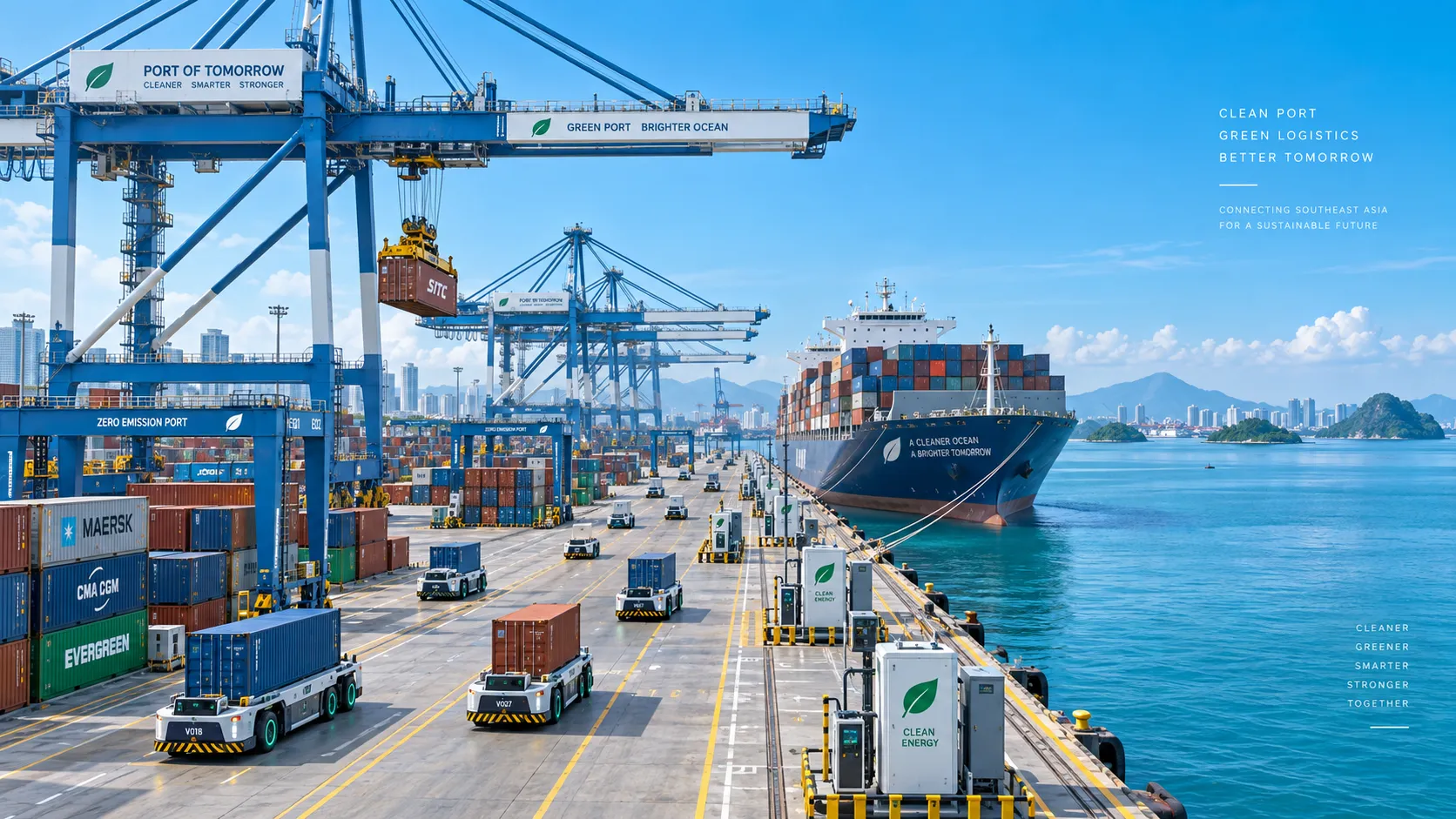
Smart Port Systems in Southeast Asia: Investment Priorities and Adoption Barriers
Smart port systems Southeast Asia: discover investment priorities, adoption barriers, and practical steps to build resilient, connected, high-performing terminals.
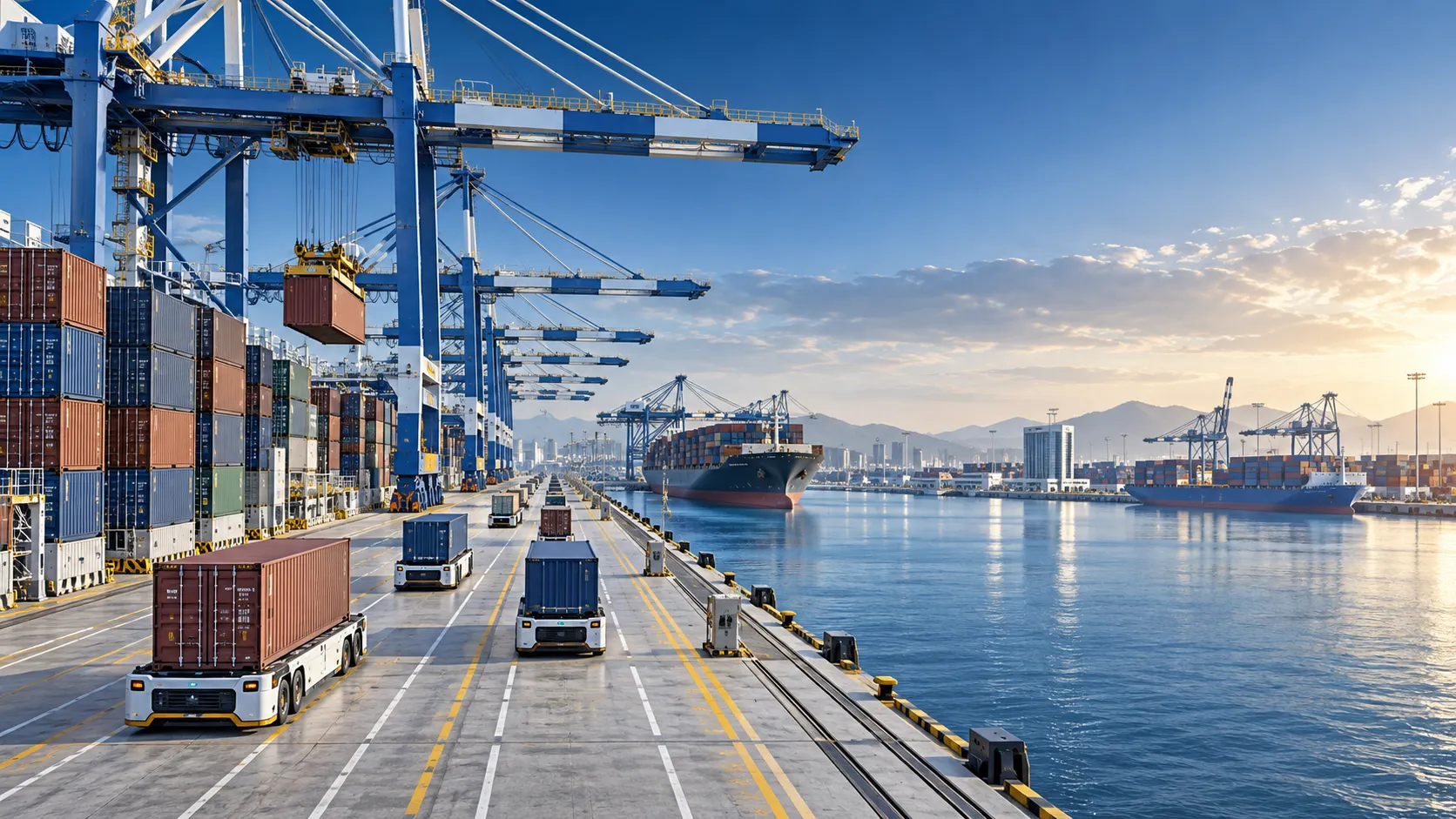
How to Evaluate Terminal Efficiency Solution Suppliers for High-Throughput Operations
Choose a terminal efficiency solutions supplier with confidence. Explore proven criteria for throughput, integration, lifecycle cost, safety, and reliable delivery.
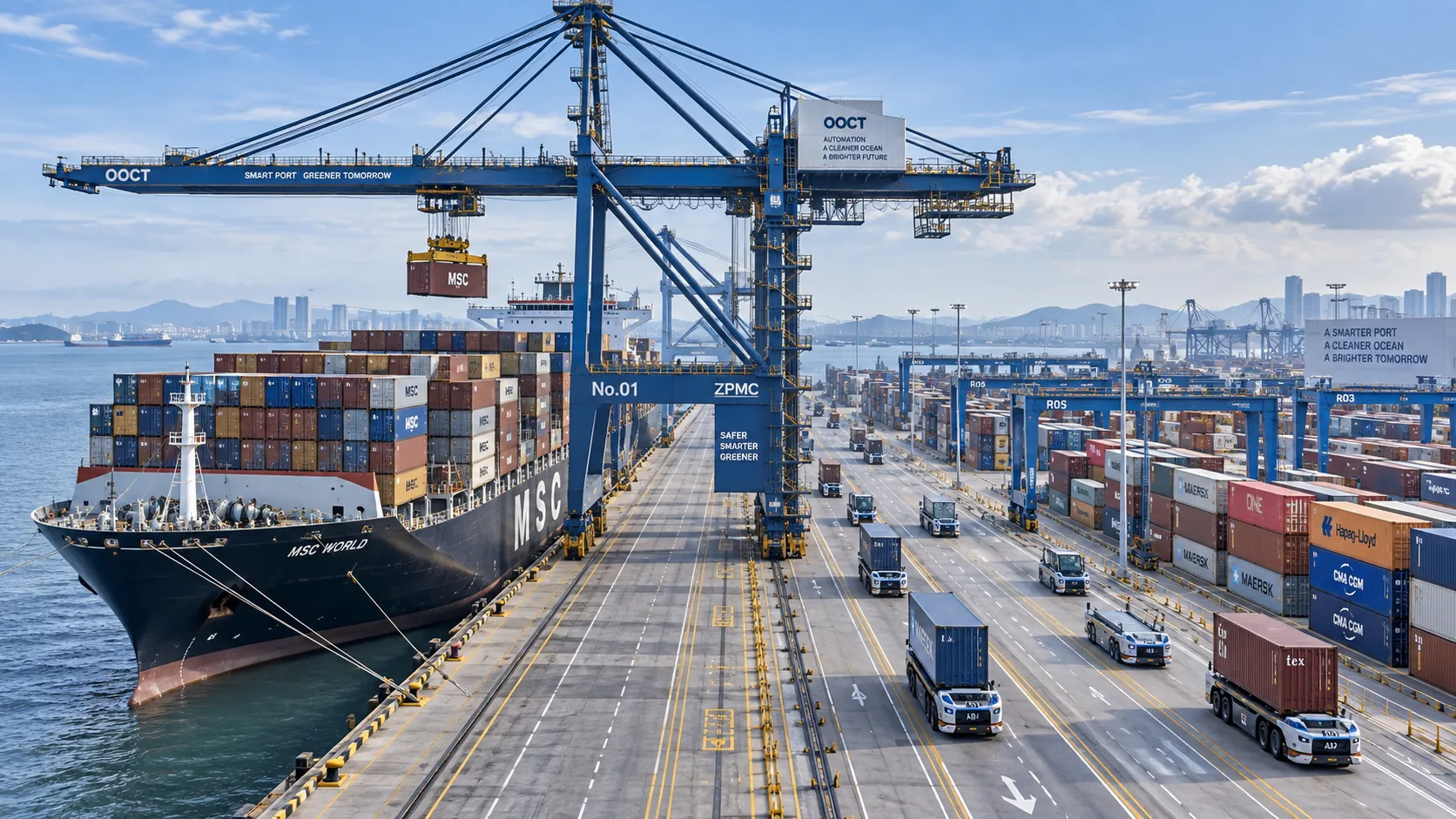
How to Specify a Quay Crane for Container Terminals by Vessel Size and Throughput?
Quay crane for container terminals: learn how to match outreach, lift height, capacity, automation, and cycle performance to vessel size and throughput goals.
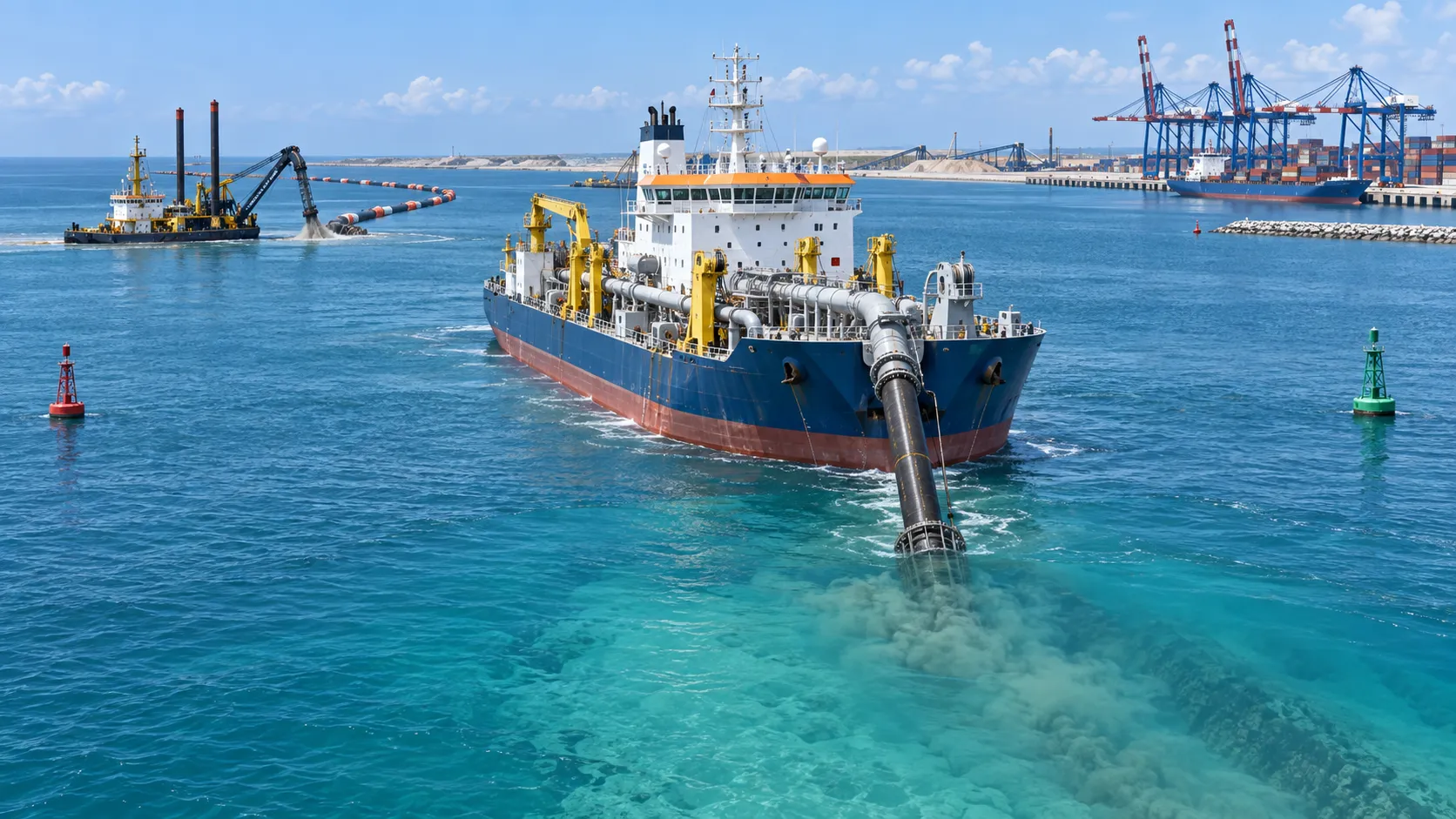
What Dredging Equipment Is Needed for Channel Deepening?
What dredging equipment is needed for channel deepening? Explore dredgers, pipelines, survey tools, and planning strategies for safer, more efficient port access.
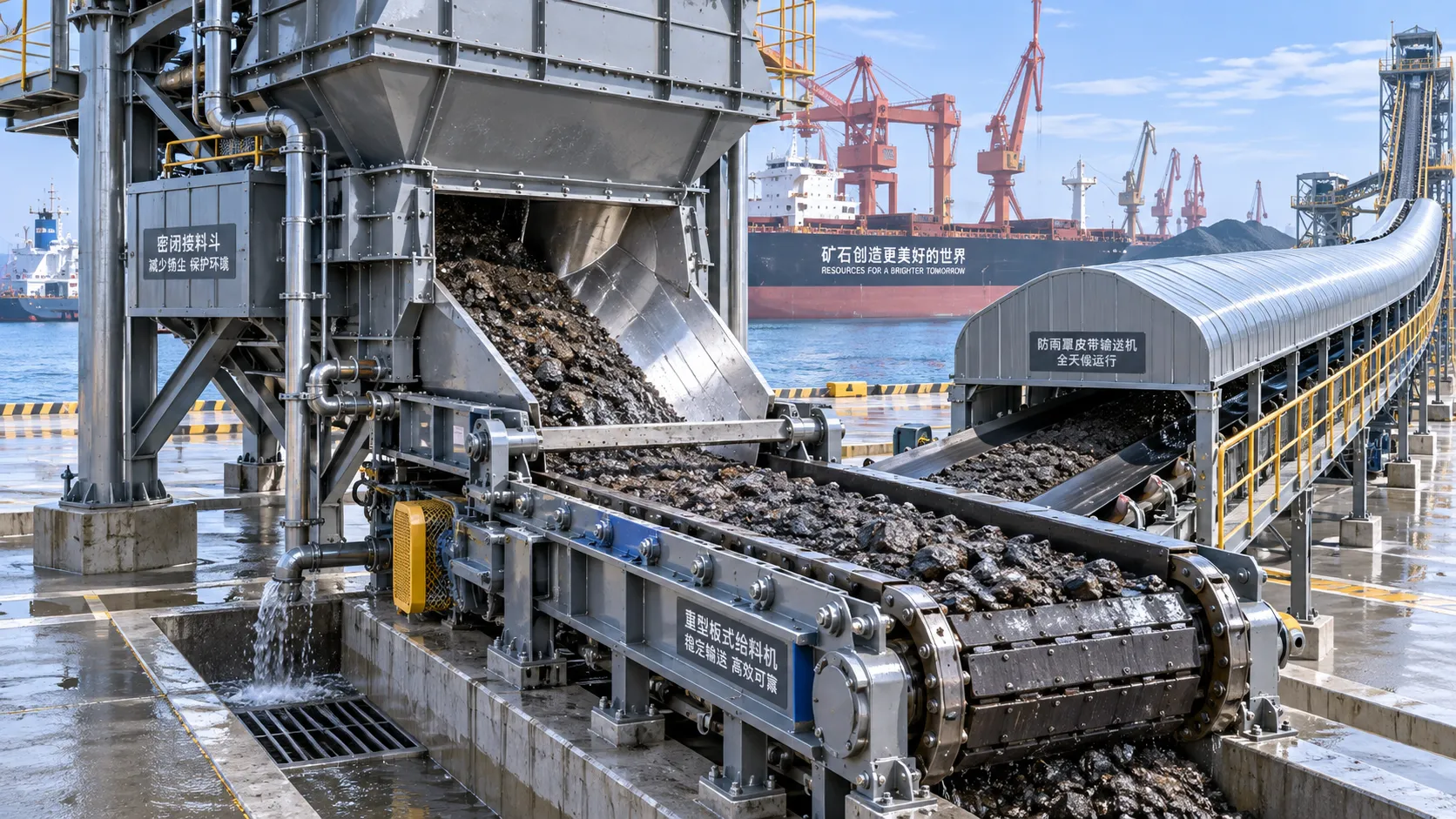
Which Bulk Handling Equipment Suits High-Moisture Cargo?
Which bulk handling equipment suits high-moisture cargo? Compare belt, apron, screw, drag, and slurry systems for reliable flow, less carryback, and higher terminal uptime.
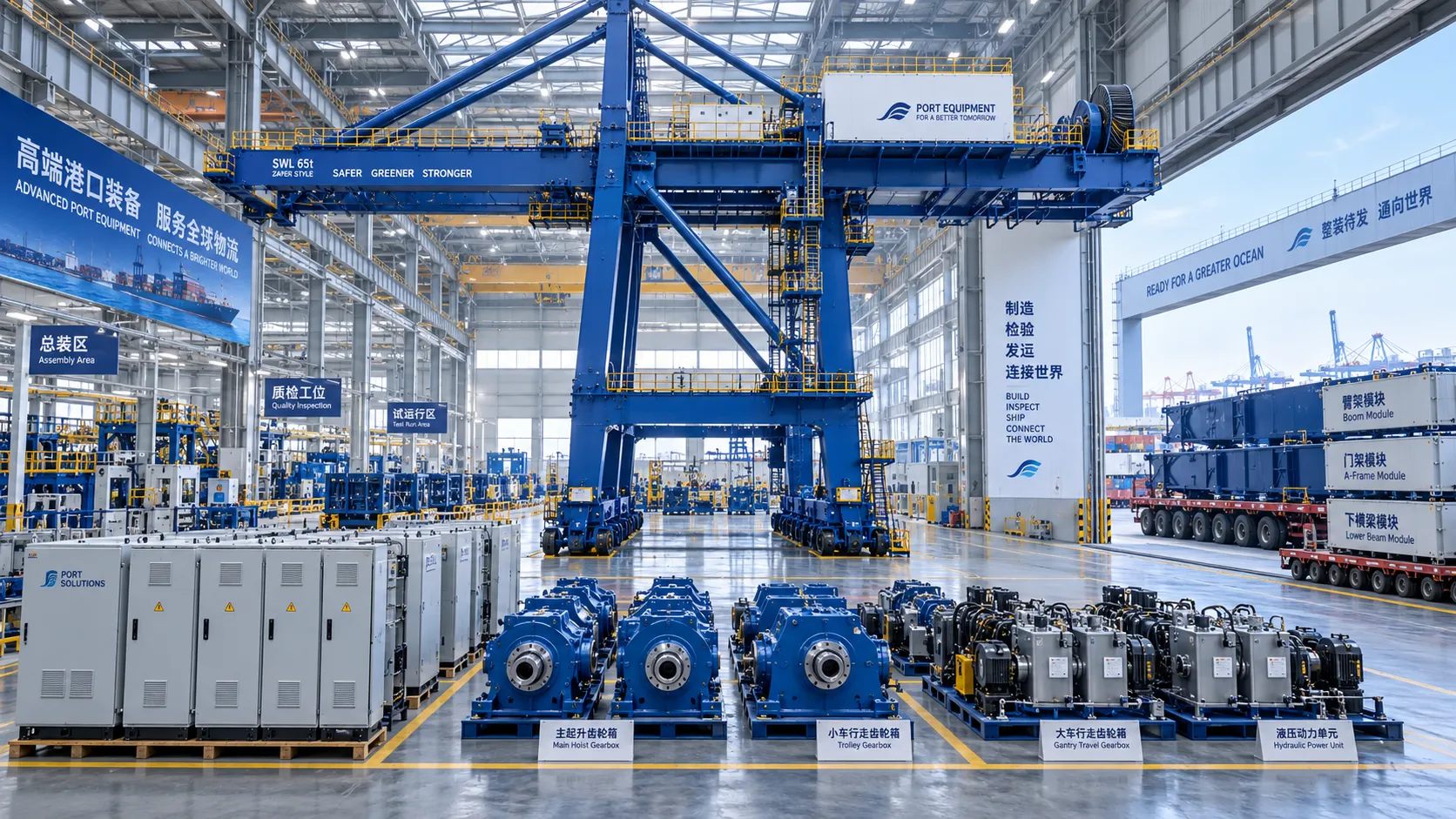
How Can Port Equipment Lead-Time Risk Be Managed?
How can port equipment lead-time risk be managed? Explore practical strategies to control critical paths, suppliers, transport, site readiness, and commissioning delays.
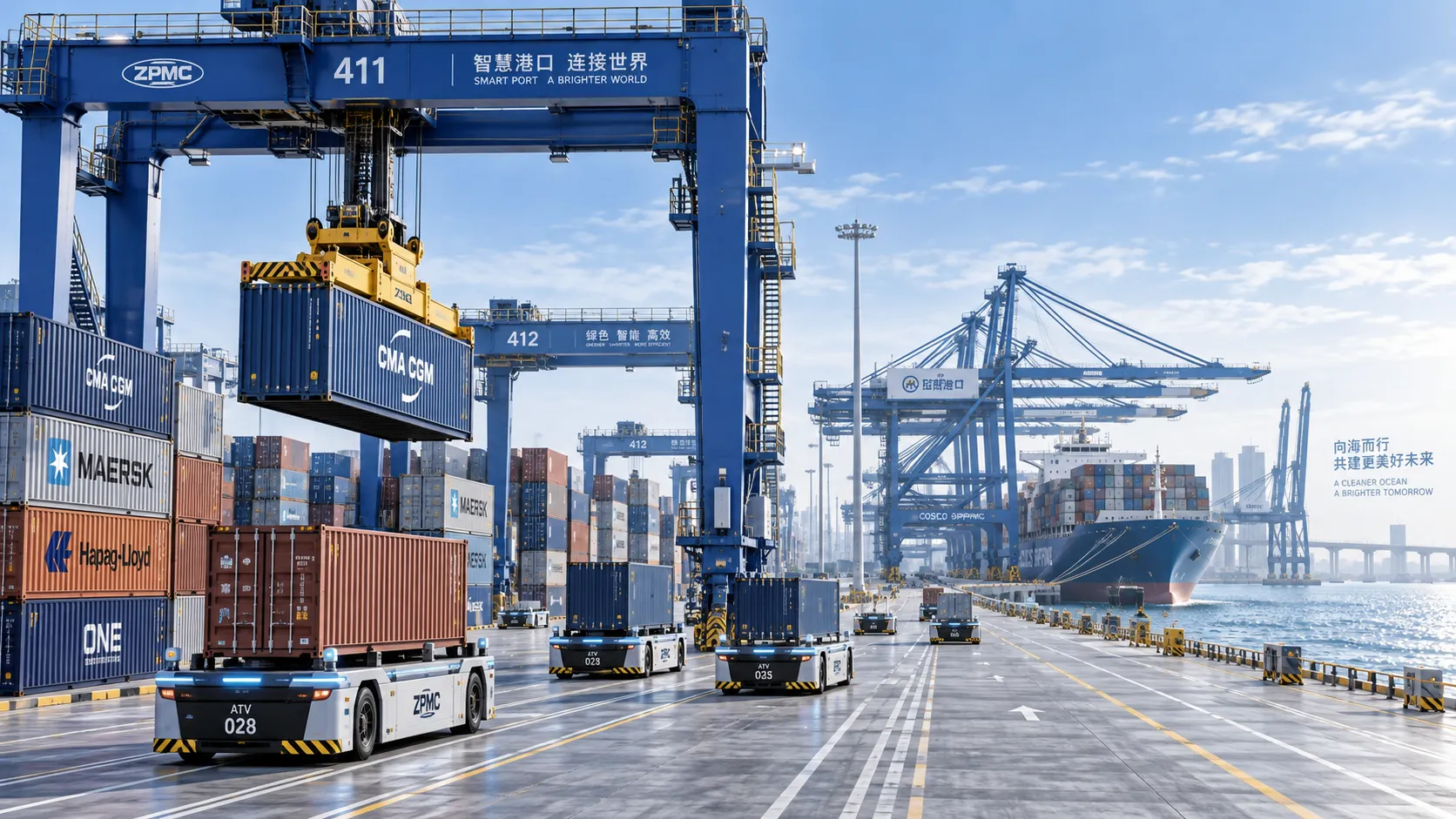
Terminal Automation Technologies That Raise Container Throughput Without Yard Disruption
Terminal automation technology that increases container throughput without disrupting yard flow. Explore smarter integration, resilient workflows, and phased deployment strategies.
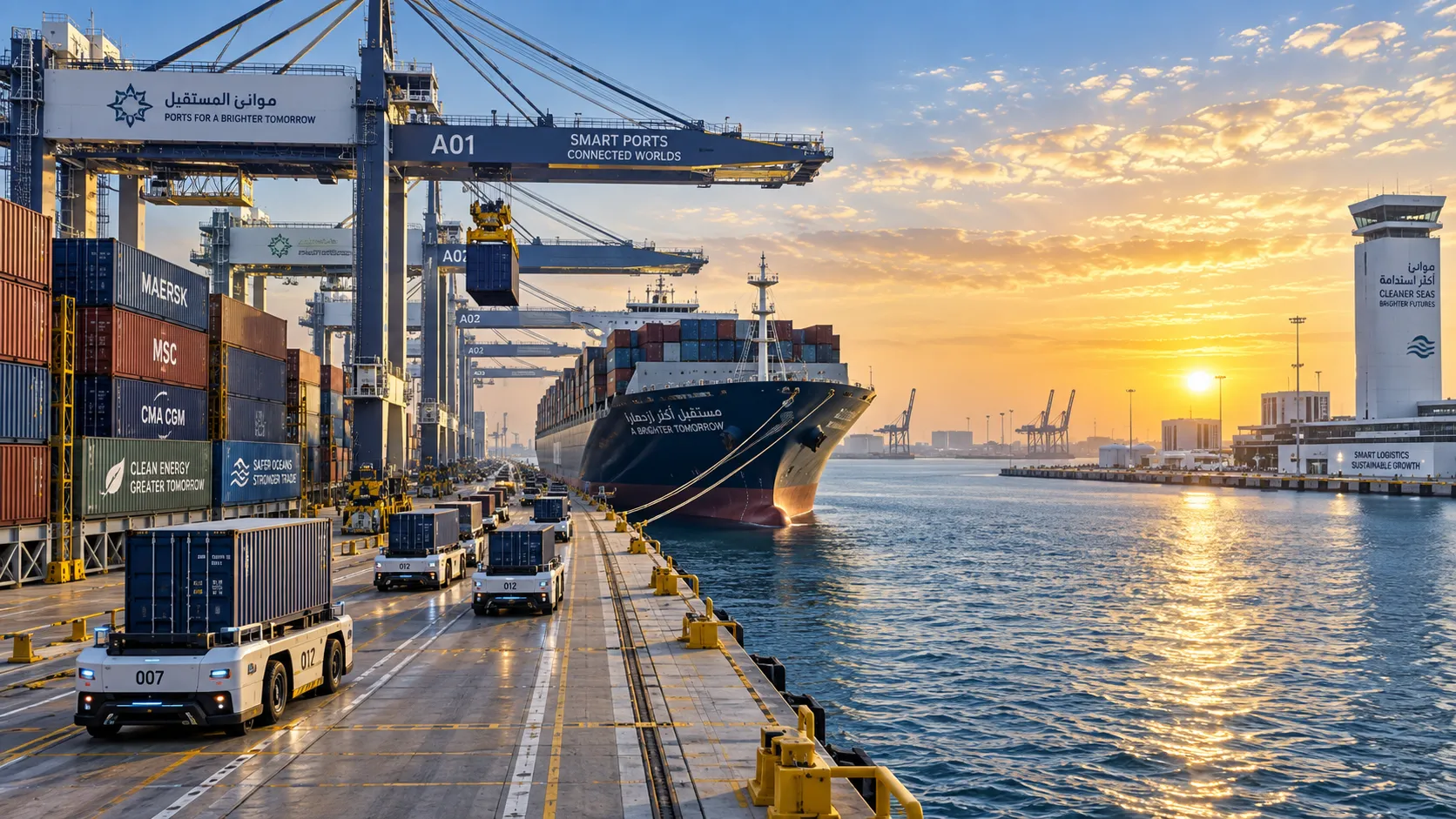
Middle East Port Automation: Key Market Drivers, Projects, and Investment Risks
Port automation systems Middle East: explore market drivers, flagship projects, integration challenges, and investment risks shaping smarter, resilient terminals.
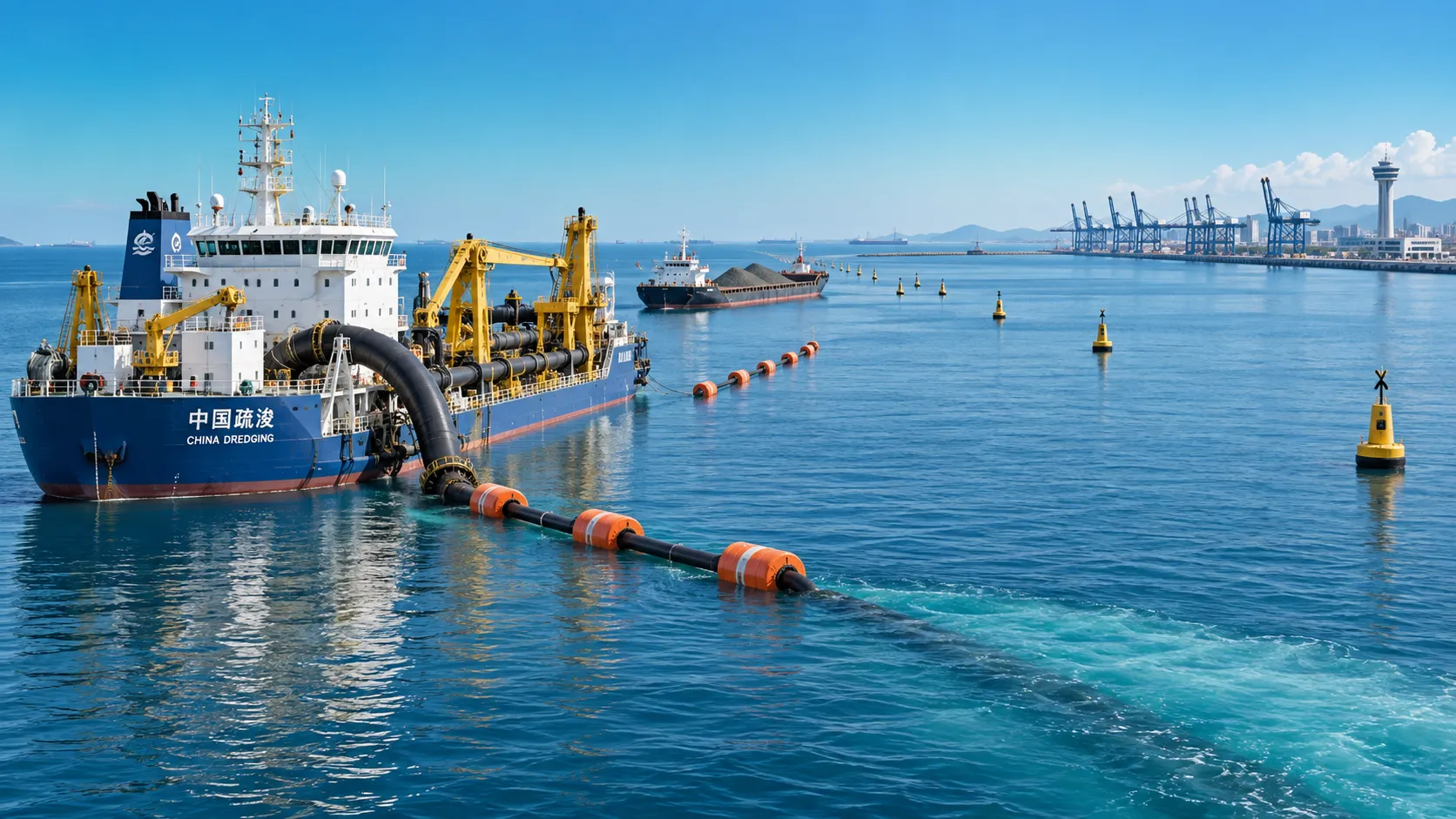
Planning Offshore Dredging Operations: Key Risks, Methods, and Project Controls
Offshore dredging operations demand smart planning. Explore key risks, proven methods, environmental controls, and project strategies for reliable delivery.