Related News
- 00
0000-00
How to Specify a Quay Crane for Container Terminals by Vessel Size and Throughput? - 00
0000-00
Which Bulk Handling Equipment Suits High-Moisture Cargo? - 00
0000-00
Terminal Automation Technologies That Raise Container Throughput Without Yard Disruption - 00
0000-00
Planning Offshore Dredging Operations: Key Risks, Methods, and Project Controls - 00
0000-00
Where Do Automated Guided Vehicles Deliver the Fastest Warehouse Gains in the Middle East?
How to Evaluate High Capacity Yard Mobility Solutions for Heavy Industrial Sites
How to Evaluate High Capacity Yard Mobility Solutions for Heavy Industrial Sites
Selecting the right high capacity yard mobility solutions can shape throughput, safety, and future expansion across demanding industrial sites. In ports, bulk terminals, steel plants, and logistics yards, mobility decisions affect far more than vehicle choice.
The real question is whether the system fits load profiles, traffic logic, pavement strength, labor capability, and automation goals. That is where many evaluations become either too narrow or too expensive later.
At PS-Nexus, this is usually the point where project teams shift from product comparison to operational modeling. The best high capacity yard mobility solutions are rarely the biggest machines. They are the best-matched systems.
A practical evaluation should connect equipment capacity, routing control, energy strategy, maintenance access, and expansion readiness. Once those elements are aligned, procurement decisions become much clearer.
Start With the Operating Reality
Before reviewing suppliers, define what the yard actually needs to move. Many heavy industrial sites overestimate peak load size and underestimate movement frequency, route conflict, and queue effects.
That matters because high capacity yard mobility solutions must support both maximum payload and repeatable cycle performance. A machine that lifts enough but slows the route network can still reduce total output.
Key baseline data to collect
- Average and peak load weights
- Load dimensions, center of gravity, and handling sensitivity
- Daily move count and peak-hour move count
- Travel distances and route congestion points
- Surface condition, grade, drainage, and turning radius limits
- Shift pattern, staffing model, and control room integration needs
From recent project changes, a more obvious signal is that sites are handling more variable cargo mixes. This means high capacity yard mobility solutions must stay efficient across changing duty cycles, not just one fixed scenario.
Match Solution Type to Yard Function
Not all high capacity yard mobility solutions solve the same problem. Some are built for dense storage moves. Others are stronger in long transfer lanes, automated dispatch, or oversized industrial components.
In practical operations, the wrong mobility architecture often creates hidden cost in traffic interference, idle crane time, and uneven asset utilization. Choosing by headline capacity alone is usually a mistake.
Common evaluation paths
- Terminal tractors and trailers for flexible transfer flows
- Straddle carriers for container stacking and yard mobility in one platform
- AGVs for automated repetitive routes with strong system discipline
- Heavy-duty transporters for oversized steel, project cargo, or modules
- Hybrid fleets when a single asset type cannot handle all moves well
For container and intermodal yards, high capacity yard mobility solutions should be tested against lane density, transfer timing, and equipment synchronization. For bulk and industrial sites, route durability and payload stability often become more important.
Assess Throughput, Not Just Rated Capacity
A rated payload figure is useful, but throughput is what protects project economics. The better question is how many productive moves the system completes under real traffic, weather, and shift conditions.
This is where simulation becomes valuable. High capacity yard mobility solutions should be tested against queuing at loading points, intersections, charging stops, speed restrictions, and operator variability.
Performance metrics worth comparing
If two options have similar capacity, choose the one with more stable throughput over a full operating day. Heavy industrial projects usually lose money through inconsistency, not one-time underperformance.
Check Site Compatibility Early
Many procurement delays start with civil constraints discovered too late. High capacity yard mobility solutions may require pavement reinforcement, charging zones, turning pocket redesign, or revised drainage around critical lanes.
This also means yard mobility evaluation should include the infrastructure team from the beginning. Mechanical performance means little if the route network cannot support axle load, width envelope, or safe passing logic.
Site checks that reduce later risk
- Verify pavement bearing capacity against loaded wheel pressure.
- Measure route widths, turning zones, and clearance conflicts.
- Review grade, standing water, and low-visibility sections.
- Map interaction with cranes, pedestrians, and maintenance vehicles.
- Confirm fueling, charging, or battery swap layout requirements.
In complex terminals, high capacity yard mobility solutions often succeed or fail on traffic design. A cleaner route plan can create more value than simply adding another unit.
Compare Automation, Control, and Data Readiness
A stronger signal in the market is the move toward integrated yard intelligence. Modern high capacity yard mobility solutions should be reviewed as part of a control ecosystem, not as isolated mobile assets.
For sites considering semi-automation or full automation, dispatch logic, low-latency communication, geofencing, and traffic coordination become core selection criteria. Poor software alignment can erase hardware advantages very quickly.
Questions to raise with suppliers
- Can the system integrate with TOS, WMS, ERP, or fleet dispatch layers?
- What telemetry is available for energy, faults, and route performance?
- How are exceptions handled during network loss or obstacle events?
- What cybersecurity and remote support standards are supported?
- Can the platform scale without replacing the full fleet architecture?
At PS-Nexus, automation reviews often show that the best high capacity yard mobility solutions are those with transparent data structures and practical integration pathways. Closed systems can create strategic lock-in.
Calculate Lifecycle Cost and Operational Risk
Capital price is only the opening number. High capacity yard mobility solutions should be compared through total cost of ownership, including energy, parts, tires, training, software licensing, and service response time.
This is especially important on heavy industrial sites where downtime can stop upstream and downstream operations. A cheaper unit with weak service support may create much larger production losses later.
Main cost and risk categories
- Initial acquisition and infrastructure modification cost
- Preventive maintenance intervals and spare parts access
- Operator training and onboarding time
- Warranty depth and local field service capability
- Residual value, upgrade path, and compliance exposure
It also helps to model best case, base case, and disrupted case scenarios. High capacity yard mobility solutions should still make sense when labor is tight, cargo mix shifts, or energy prices rise.
Use a Structured Decision Framework
A disciplined scorecard keeps teams focused. It also reduces the risk of choosing equipment based on one supplier demo, one headline specification, or one urgent schedule pressure.
When evaluating high capacity yard mobility solutions, weight criteria according to operational impact. Throughput, compatibility, safety, and support usually deserve more weight than cosmetic feature differences.
Recommended evaluation structure
- Define site demand and future expansion assumptions.
- Shortlist solution types that match movement logic.
- Run throughput and layout simulations.
- Review automation, safety, and infrastructure impact.
- Compare lifecycle cost, service readiness, and risk exposure.
- Validate with pilot operation or reference site evidence.
That final validation step is often where weak assumptions become visible. Reference checks should focus on uptime, software stability, spare parts lead time, and actual move performance.
Final Takeaway
The most effective high capacity yard mobility solutions are the ones that fit the site, the cargo flow, and the operating model over time. Capacity matters, but fit matters more.
For heavy industrial projects, a sound decision combines mechanical capability, route efficiency, data integration, service resilience, and lifecycle economics. That is how mobility becomes a long-term performance asset.
PS-Nexus continues to track how high capacity yard mobility solutions evolve across smart terminals, bulk logistics, and industrial transfer systems. The clearest path is to evaluate with operating evidence, not assumptions.
Build the shortlist around real throughput, verify site constraints early, and pressure-test support models before commitment. That approach usually leads to better decisions and fewer costly corrections later.
Related News
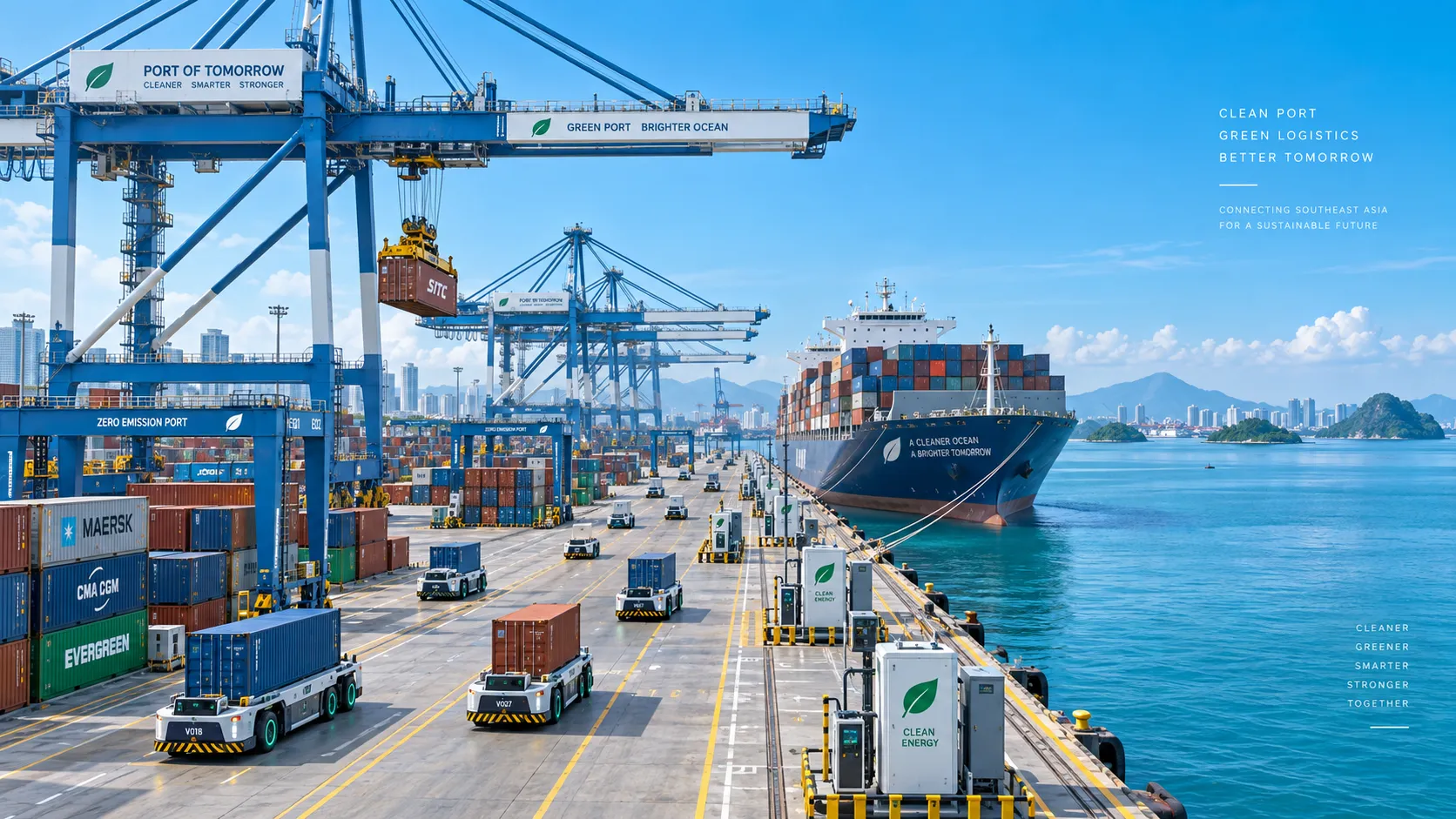
Smart Port Systems in Southeast Asia: Investment Priorities and Adoption Barriers
Smart port systems Southeast Asia: discover investment priorities, adoption barriers, and practical steps to build resilient, connected, high-performing terminals.

How to Evaluate Terminal Efficiency Solution Suppliers for High-Throughput Operations
Choose a terminal efficiency solutions supplier with confidence. Explore proven criteria for throughput, integration, lifecycle cost, safety, and reliable delivery.
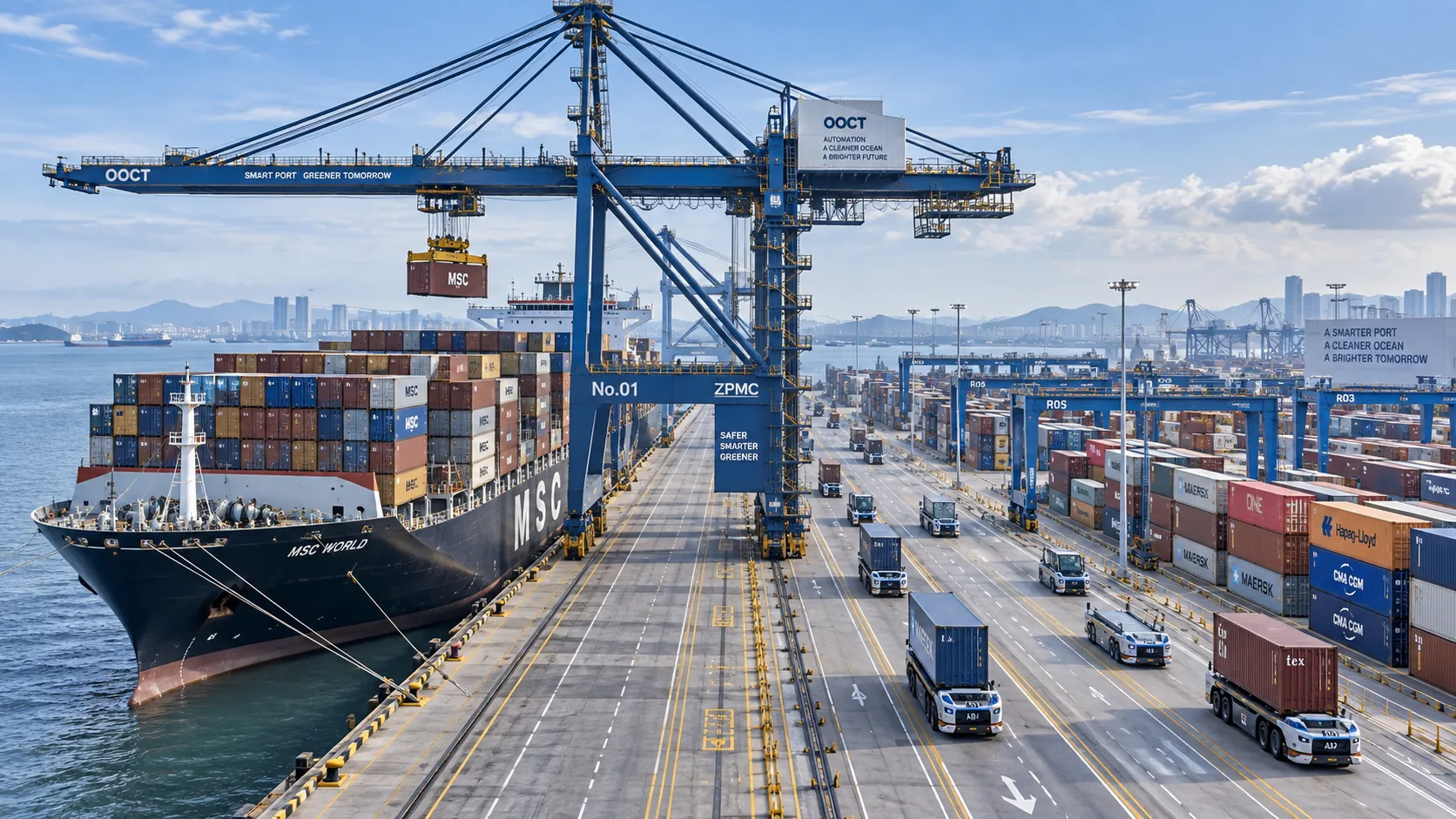
How to Specify a Quay Crane for Container Terminals by Vessel Size and Throughput?
Quay crane for container terminals: learn how to match outreach, lift height, capacity, automation, and cycle performance to vessel size and throughput goals.
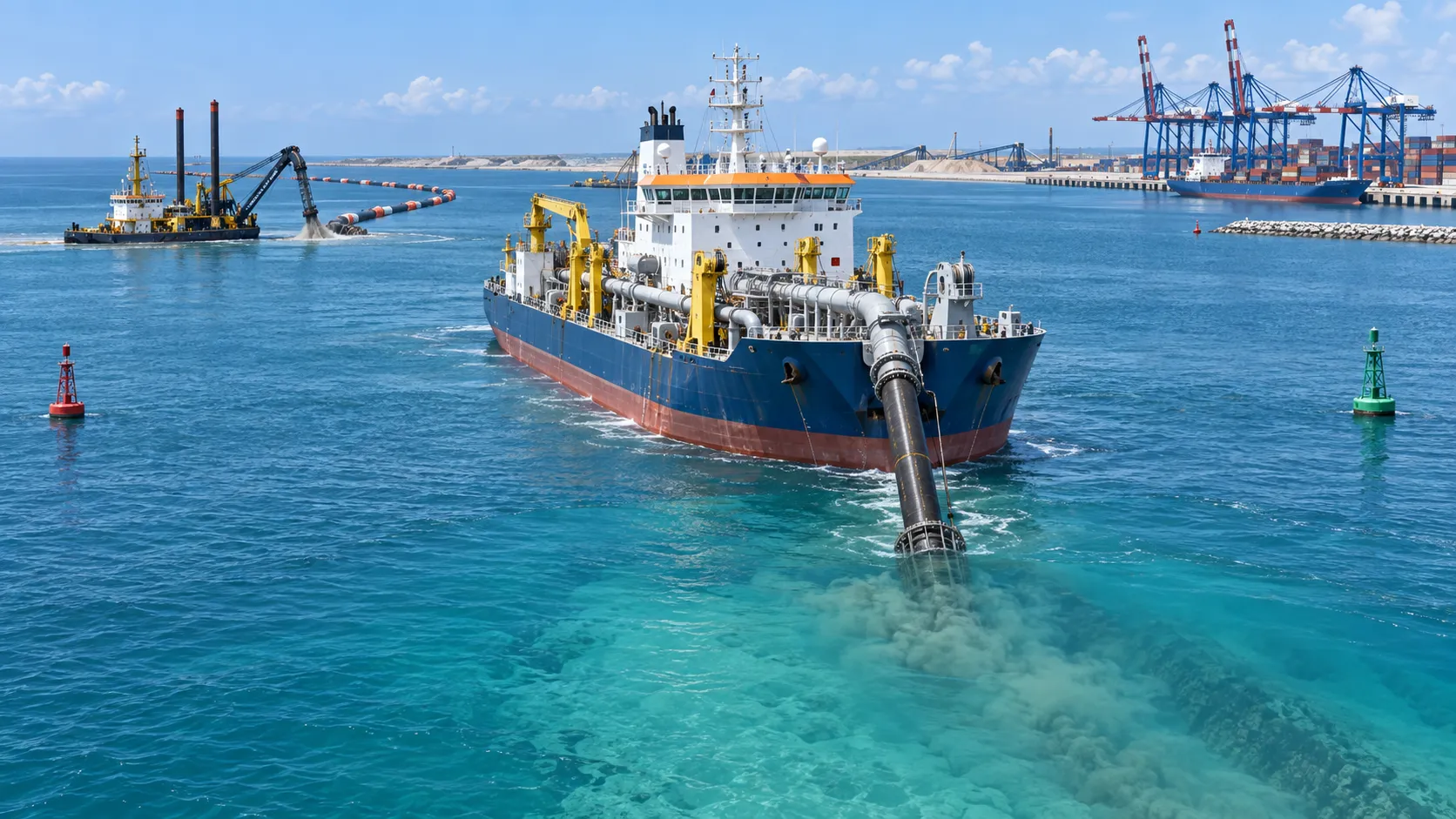
What Dredging Equipment Is Needed for Channel Deepening?
What dredging equipment is needed for channel deepening? Explore dredgers, pipelines, survey tools, and planning strategies for safer, more efficient port access.
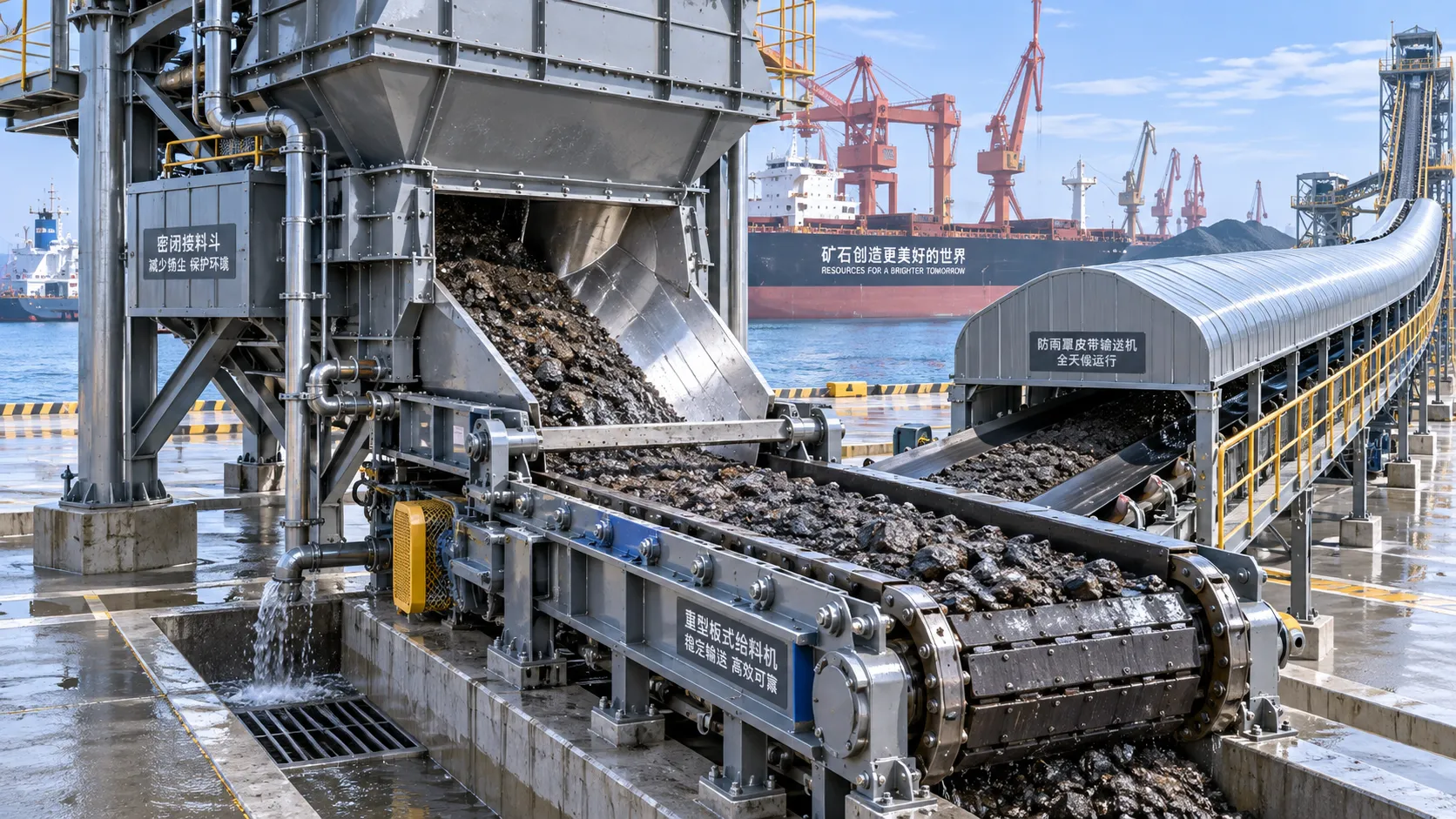
Which Bulk Handling Equipment Suits High-Moisture Cargo?
Which bulk handling equipment suits high-moisture cargo? Compare belt, apron, screw, drag, and slurry systems for reliable flow, less carryback, and higher terminal uptime.
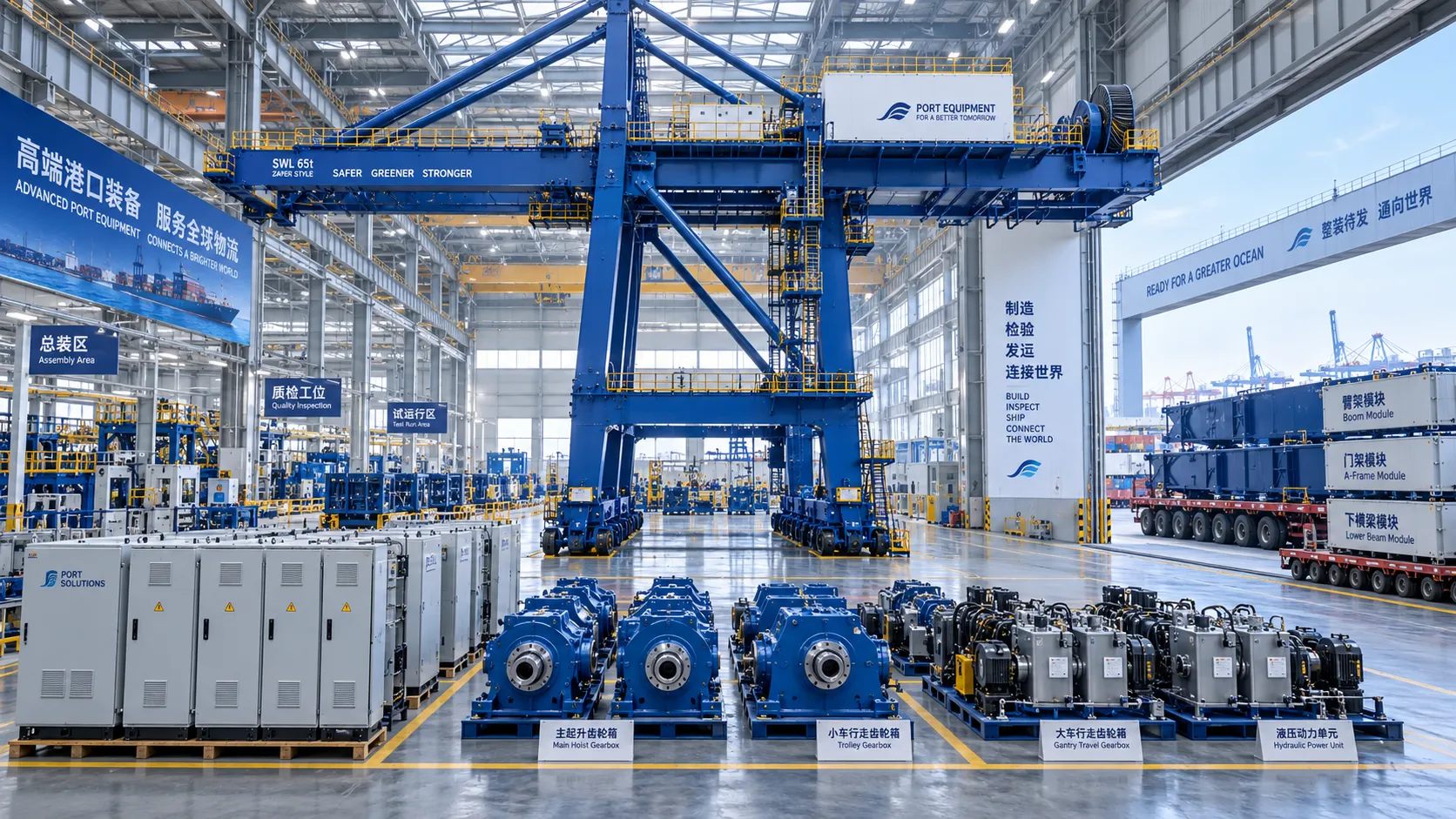
How Can Port Equipment Lead-Time Risk Be Managed?
How can port equipment lead-time risk be managed? Explore practical strategies to control critical paths, suppliers, transport, site readiness, and commissioning delays.
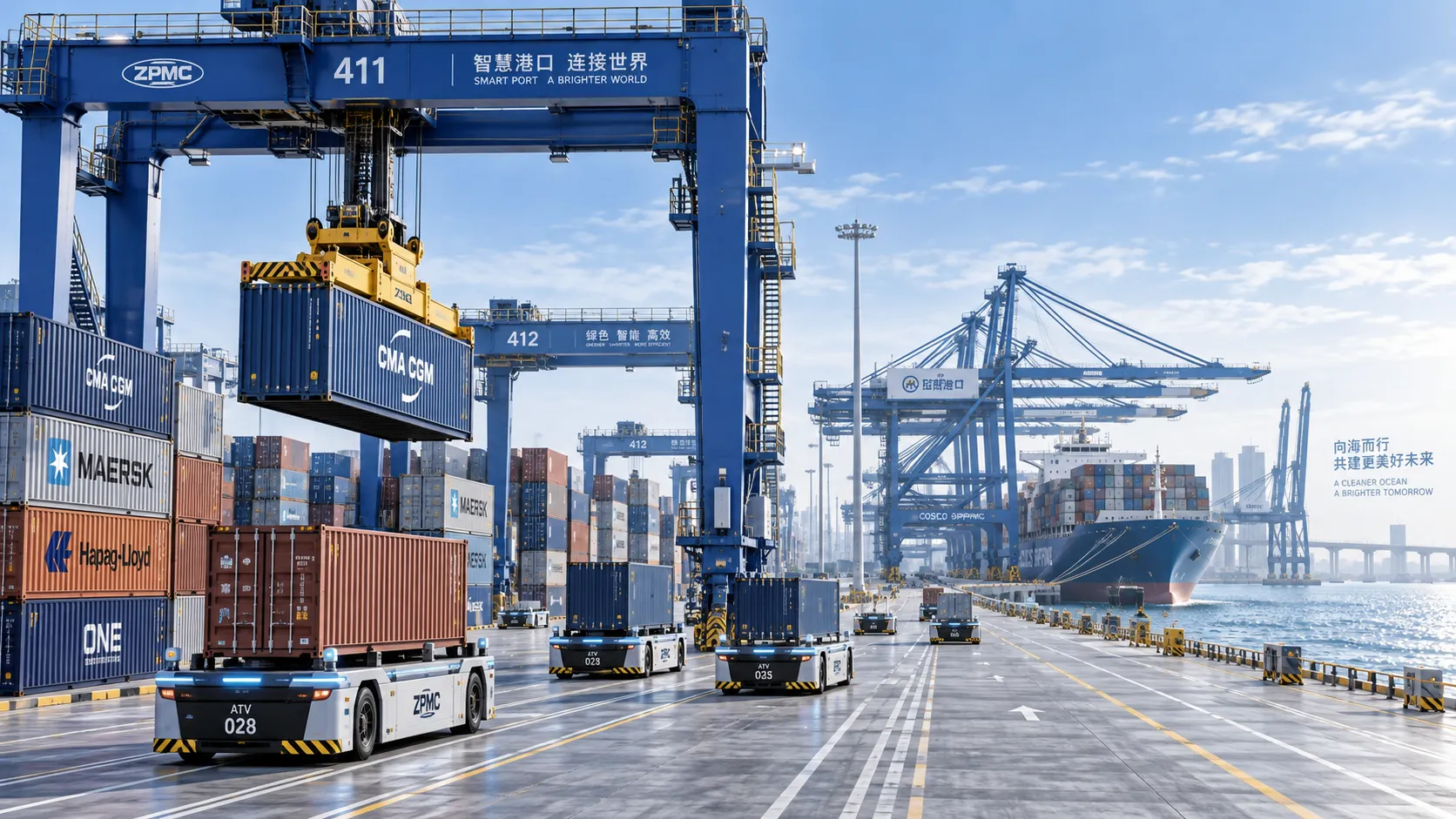
Terminal Automation Technologies That Raise Container Throughput Without Yard Disruption
Terminal automation technology that increases container throughput without disrupting yard flow. Explore smarter integration, resilient workflows, and phased deployment strategies.
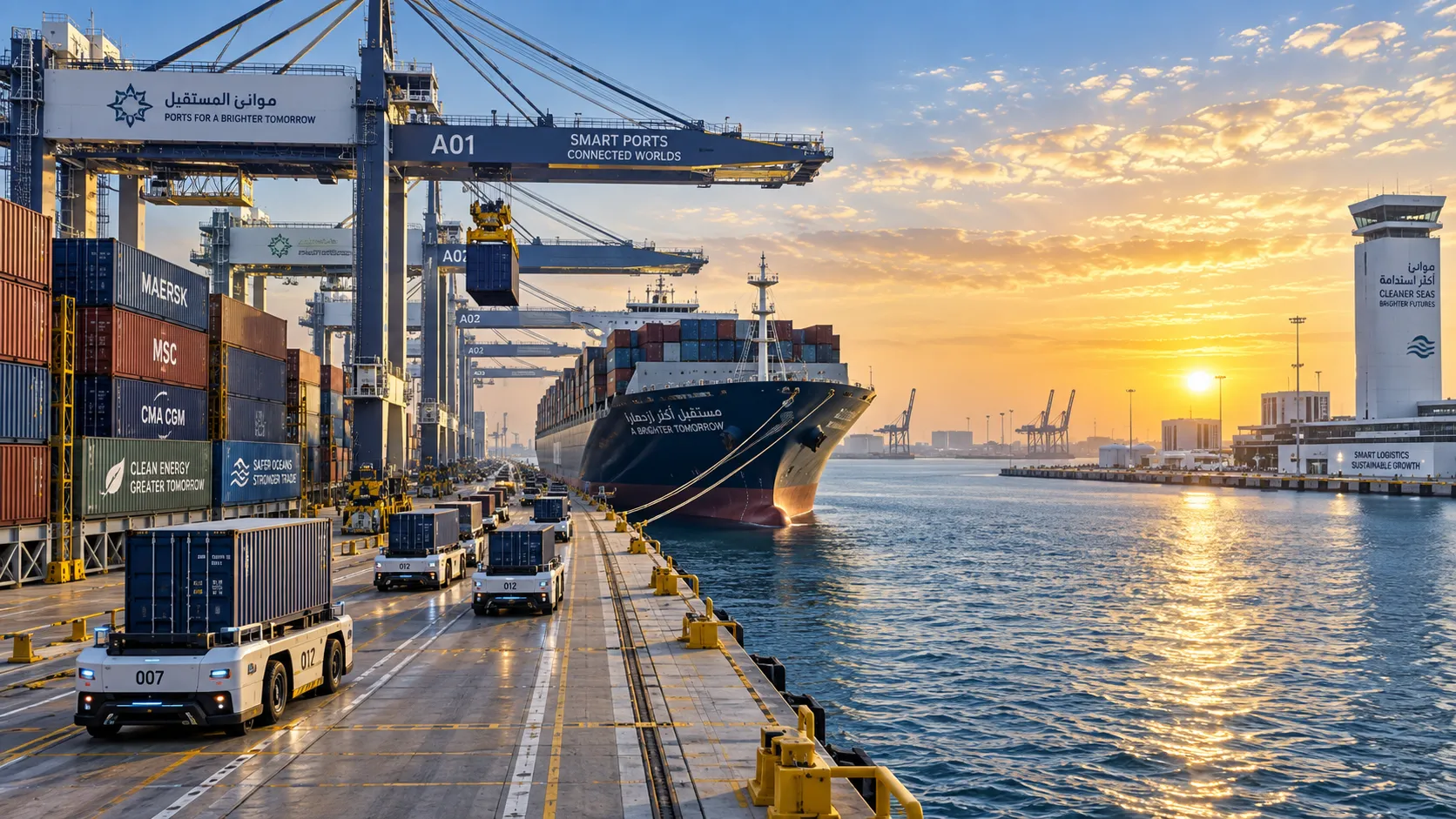
Middle East Port Automation: Key Market Drivers, Projects, and Investment Risks
Port automation systems Middle East: explore market drivers, flagship projects, integration challenges, and investment risks shaping smarter, resilient terminals.
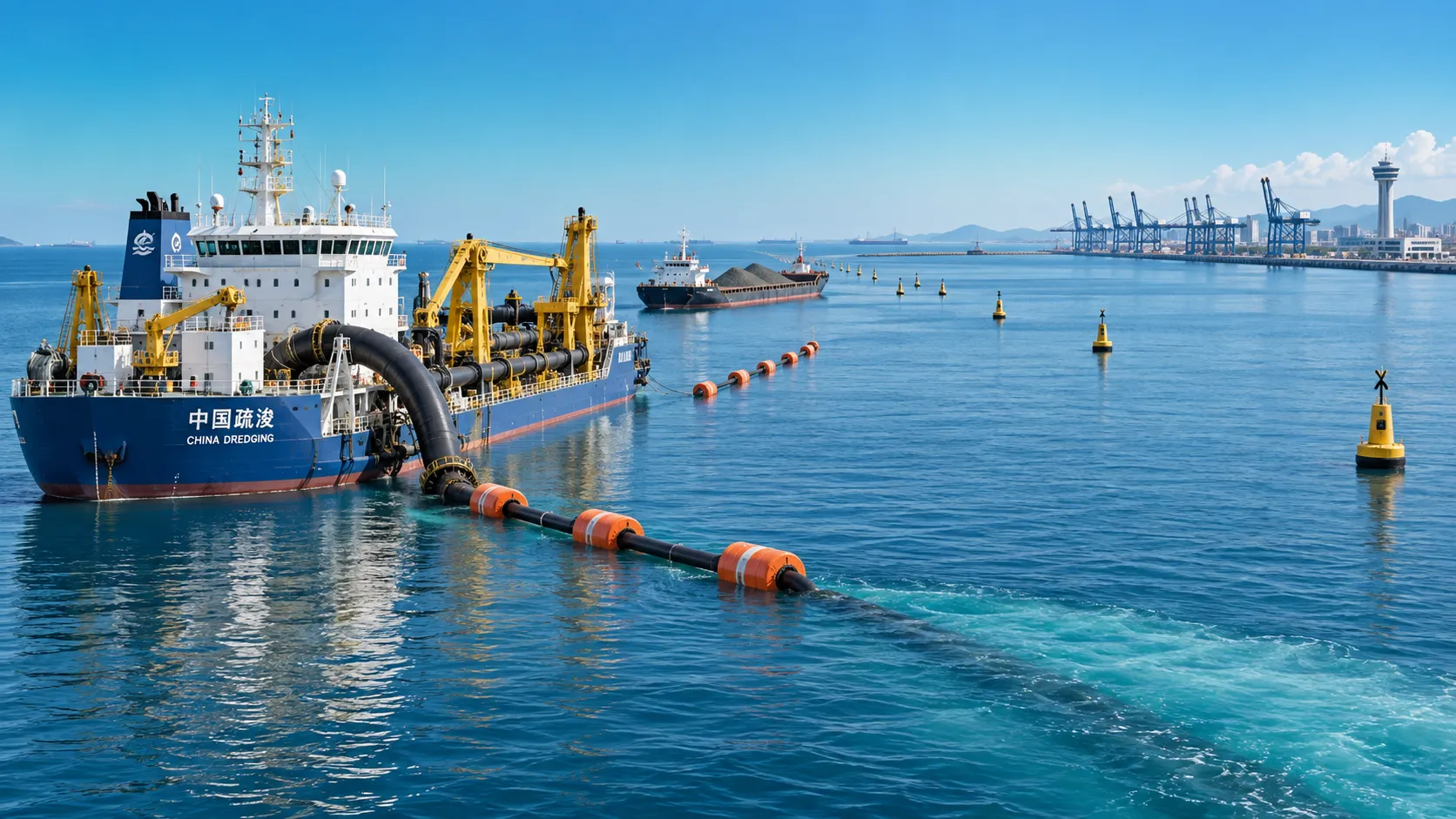
Planning Offshore Dredging Operations: Key Risks, Methods, and Project Controls
Offshore dredging operations demand smart planning. Explore key risks, proven methods, environmental controls, and project strategies for reliable delivery.