Related News
- 00
0000-00
Smart Port Systems in Southeast Asia: Investment Priorities and Adoption Barriers - 00
0000-00
Middle East Port Automation: Key Market Drivers, Projects, and Investment Risks - 00
0000-00
How Coastal Cities Can Prioritize Blue Economy Projects for Jobs and Ecosystem Gains - 00
0000-00
How Harbor Construction Solutions Address Wave Loads, Scour, and Vessel Berthing - 00
0000-00
What Is Driving Maritime Infrastructure Growth in Southeast Asia?
What Coastal Economics Global Signals Mean for Trade, Investment, and Supply Chains
What Coastal Economics Global Signals Mean for Trade, Investment, and Supply Chains
As coastal economics global trends reshape maritime trade, business leaders need clearer signals to guide investment, capacity planning, and risk control. From port automation and terminal equipment to dredging and logistics intelligence, understanding these shifts helps decision-makers align supply chains with emerging trade corridors, operational efficiency demands, and long-term competitive advantage.
The most consequential shift is not simply that trade lanes are changing. It is that coastal infrastructure, energy policy, security concerns, and digital operations are now moving together. Ports are no longer passive transfer points. They are becoming strategic filters that decide which supply chains stay fluid, which commodities move at scale, and which regions can absorb disruption without losing commercial relevance.
That change is visible in several places at once. Carriers continue to redesign service networks around schedule reliability and fuel efficiency. Governments are putting more weight on port resilience, customs visibility, and critical infrastructure protection. Cargo owners are paying closer attention to inland connectivity, berth productivity, and turnaround risk, not just headline ocean rates. For terminal investors, this has shifted the conversation from asset ownership alone to operating precision: crane intensity, yard orchestration, dredging cycles, power supply stability, and the quality of control systems now matter more in boardroom decisions than they did a few years ago.
Trade routes are being re-scored, not redrawn from scratch
There is a tendency to overstate every logistics disruption as a permanent map change. In practice, global trade rarely abandons core maritime corridors overnight. What does happen is more subtle and more important: routes get re-scored based on transit reliability, insurance costs, canal constraints, sanctions exposure, weather variability, and hinterland efficiency. That is where coastal economics becomes a useful frame. It captures the fact that a port’s commercial value now depends as much on regional operating conditions and state capacity as on its natural geography.
The recurring stress on major chokepoints has reinforced this. Whether the trigger is drought affecting canal transit, conflict altering vessel routing, or congestion spilling from one hub to another, the market response is no longer just tactical diversion. Importers and exporters increasingly ask which gateways can maintain acceptable service under abnormal conditions. Secondary ports with strong rail or barge links may gain cargo share in these moments, but only if equipment availability and yard logic can support sustained inflow rather than a temporary surge.
This is why coastal investment decisions now lean toward optionality. A terminal that can handle larger vessels, switch between cargo mixes, and synchronize gate, yard, and quay activity has a stronger commercial proposition than one designed for a single demand assumption. In many regions, the premium is moving toward adaptability rather than pure nominal capacity.
Automation is moving from showcase projects to operating discipline
Port automation has been discussed for years, but the current phase is less about publicity and more about execution quality. The question has shifted from whether automated stacking cranes, remotely controlled quay cranes, or AGV fleets are technically feasible to whether terminals can integrate them into stable, economically defensible operating models.
That distinction matters. Many decision-makers once treated automation as a prestige investment tied to labor scarcity or innovation branding. Today the stronger case is operational consistency. When labor availability tightens, vessel windows become less predictable, and customers demand tighter visibility, standardized control layers and lower-variance handling performance become commercially valuable. In this environment, software architecture matters as much as steel. Terminal operating systems, equipment dispatch logic, low-latency communications, and exception handling routines are now part of infrastructure economics, not just IT procurement.
The commercial lesson is straightforward: automation projects that succeed tend to be those aligned with real bottlenecks. A yard with chronic rehandle pressure, a quay suffering from handoff delays, or a terminal constrained by labor exposure has a clearer path to returns than a site automating ahead of process maturity. Buyers are also becoming more careful about interoperability. Proprietary lock-in can be tolerated in isolated subsystems, but less so when terminals need to combine crane controls, fleet management, energy systems, and maintenance diagnostics across long asset lives.
Dredging and access depth are back in strategic focus
For a period, dredging was often treated as background enabling work. That view is becoming harder to defend. Larger vessels, sedimentation pressure, climate-linked shoreline changes, and competition among gateways are pushing channel depth and nautical access back into strategic discussion. A port cannot position itself for next-generation trade flows if berth upgrades outpace marine access conditions.
This is especially relevant where ports are trying to capture transshipment traffic, energy cargoes, or industrial imports tied to manufacturing relocation. Deepening projects, maintenance dredging cycles, spoil management, and environmental permitting can all become schedule-critical. They also affect financing timelines. Investors may accept long infrastructure horizons, but they are less patient with unclear approval pathways or recurring access constraints that undermine promised throughput.
A useful signal to watch is whether dredging is being budgeted as an occasional corrective expense or as a monitored operating function supported by digital instrumentation and hydrographic data. The latter suggests a more mature view of coastal economics global risk, especially in estuarine or fast-changing sediment environments.
Energy transition is changing port equipment decisions before it changes trade volumes
A lot of discussion around maritime decarbonization still centers on future fuel demand and shipping regulation. On the ground, one of the more immediate effects is equipment procurement. Terminals are already evaluating shore power interfaces, electrified handling fleets, hybrid machinery, charging layouts, and substation resilience. This does not mean every port is moving at the same speed. Grid quality, energy pricing, and policy support differ widely. But the direction of travel is clear enough to influence long-cycle capital planning now.
That matters because terminal equipment is not replaced on short consumer timelines. A crane, stacker, or bulk handling system bought today will operate through multiple regulatory and market cycles. The cost of choosing a technically cheap but inflexible configuration can rise sharply if future compliance requires retrofits, power upgrades, or operational workarounds. In board-level terms, the question is no longer just payback on current utilization. It is exposure to future operating constraints.
There is also a geographic angle. Coastal regions that can pair industrial policy with practical port electrification and reliable energy supply may become more attractive to manufacturers seeking lower logistics friction and more defensible emissions reporting. That does not guarantee cargo migration, but it can influence where incremental capacity is built.
Supply chains are rewarding visibility, not just speed
One of the quieter market changes is the rising value of trusted operational intelligence. In volatile periods, cargo owners do not simply want faster movement. They want earlier warning, cleaner exception management, and better confidence in node-level performance. That is pushing ports, operators, and equipment ecosystems toward more granular data sharing, though the quality remains uneven.
For executives, this creates a competitive split. Some logistics nodes can explain delay propagation from berth allocation to yard congestion to gate release with reasonable accuracy. Others still rely on fragmented reporting and manual escalation. The difference affects procurement decisions, inventory buffers, and the willingness of shippers to commit higher-value or time-sensitive cargo flows. As a result, intelligence platforms that connect equipment status, vessel operations, and regional trade signals are becoming more useful as decision infrastructure, particularly in sectors where downtime costs exceed freight savings.
This is also where PS-Nexus sits closest to the market’s next requirement. Heavy terminal gear, automated handling systems, and dredging assets are often discussed separately, yet in practice they shape the same commercial outcome: whether a coastal node can convert physical capacity into dependable throughput. Strategic intelligence is valuable when it helps firms see that connection before capital is committed.
What decision-makers should monitor next
The next stage of coastal economics global analysis will depend less on broad trade rhetoric and more on operational evidence. A few signals deserve close attention:
None of these signals should be read in isolation. A port may buy advanced equipment without fixing access depth. A gateway may expand dredging but still lack digital coordination. A region may market itself as a new corridor while inland bottlenecks cancel the advantage. The market is no longer rewarding headline ambition by itself. It is rewarding combinations that work under stress.
For companies exposed to trade, infrastructure, or heavy port machinery, the practical implication is to judge coastal nodes as integrated systems. The strategic question is not simply where cargo is moving today. It is which ports are building the mechanical, digital, and marine foundations to remain reliable when routing, regulation, and energy economics continue to shift. That is where the strongest long-term signal sits, and it is likely to shape trade, investment, and supply chain decisions more than any single short-term rate cycle.
Related News
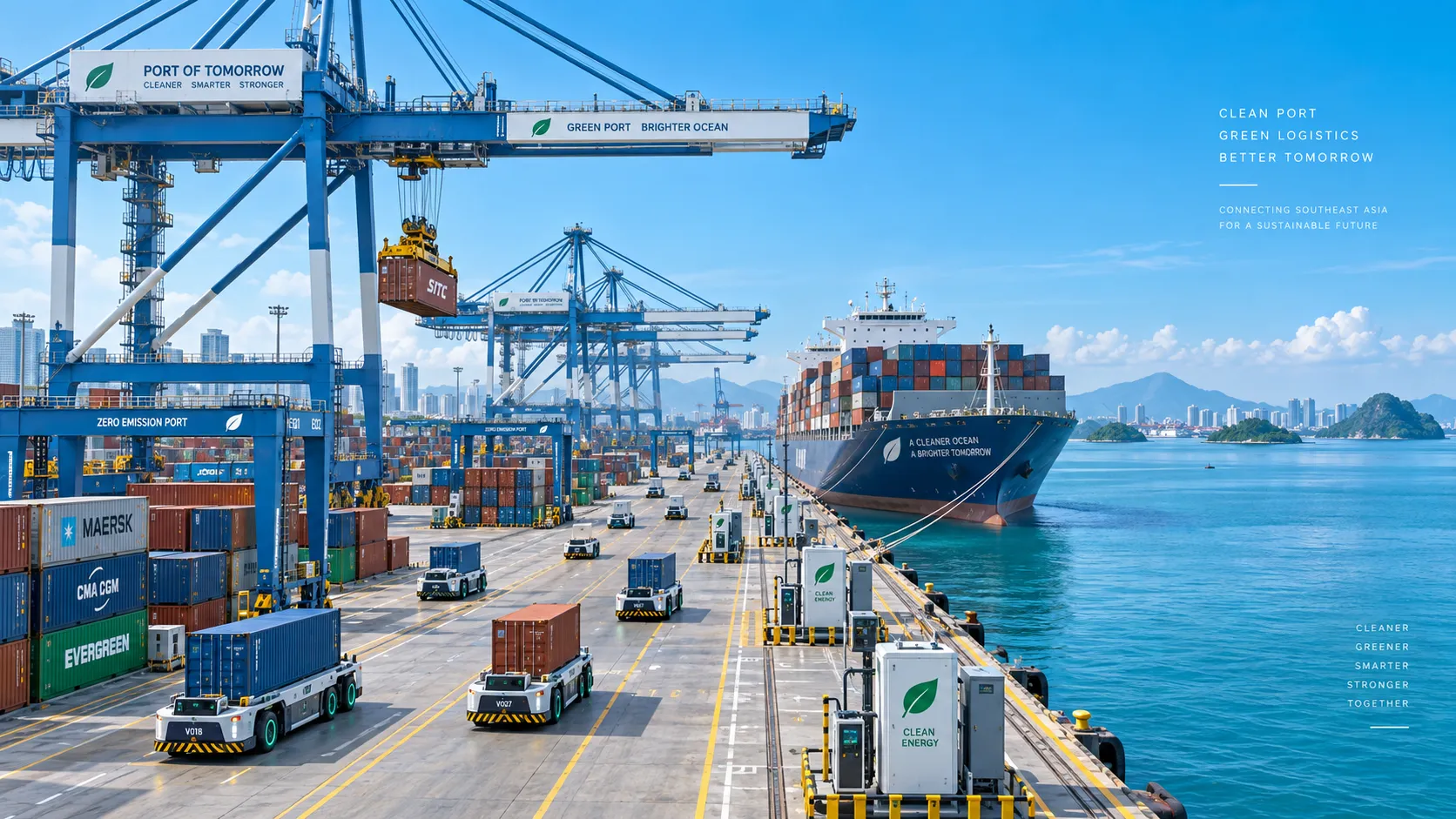
Smart Port Systems in Southeast Asia: Investment Priorities and Adoption Barriers
Smart port systems Southeast Asia: discover investment priorities, adoption barriers, and practical steps to build resilient, connected, high-performing terminals.
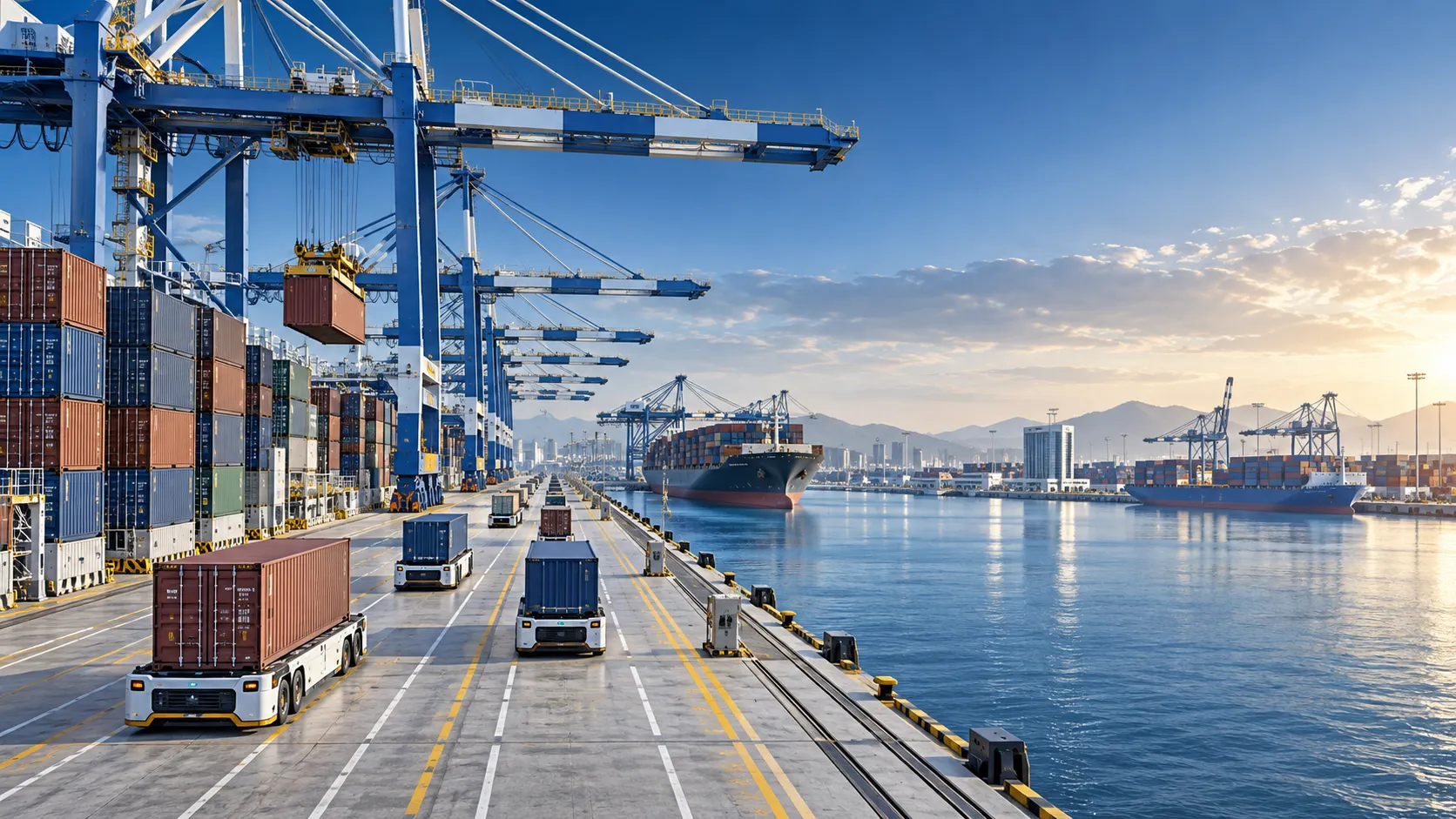
How to Evaluate Terminal Efficiency Solution Suppliers for High-Throughput Operations
Choose a terminal efficiency solutions supplier with confidence. Explore proven criteria for throughput, integration, lifecycle cost, safety, and reliable delivery.
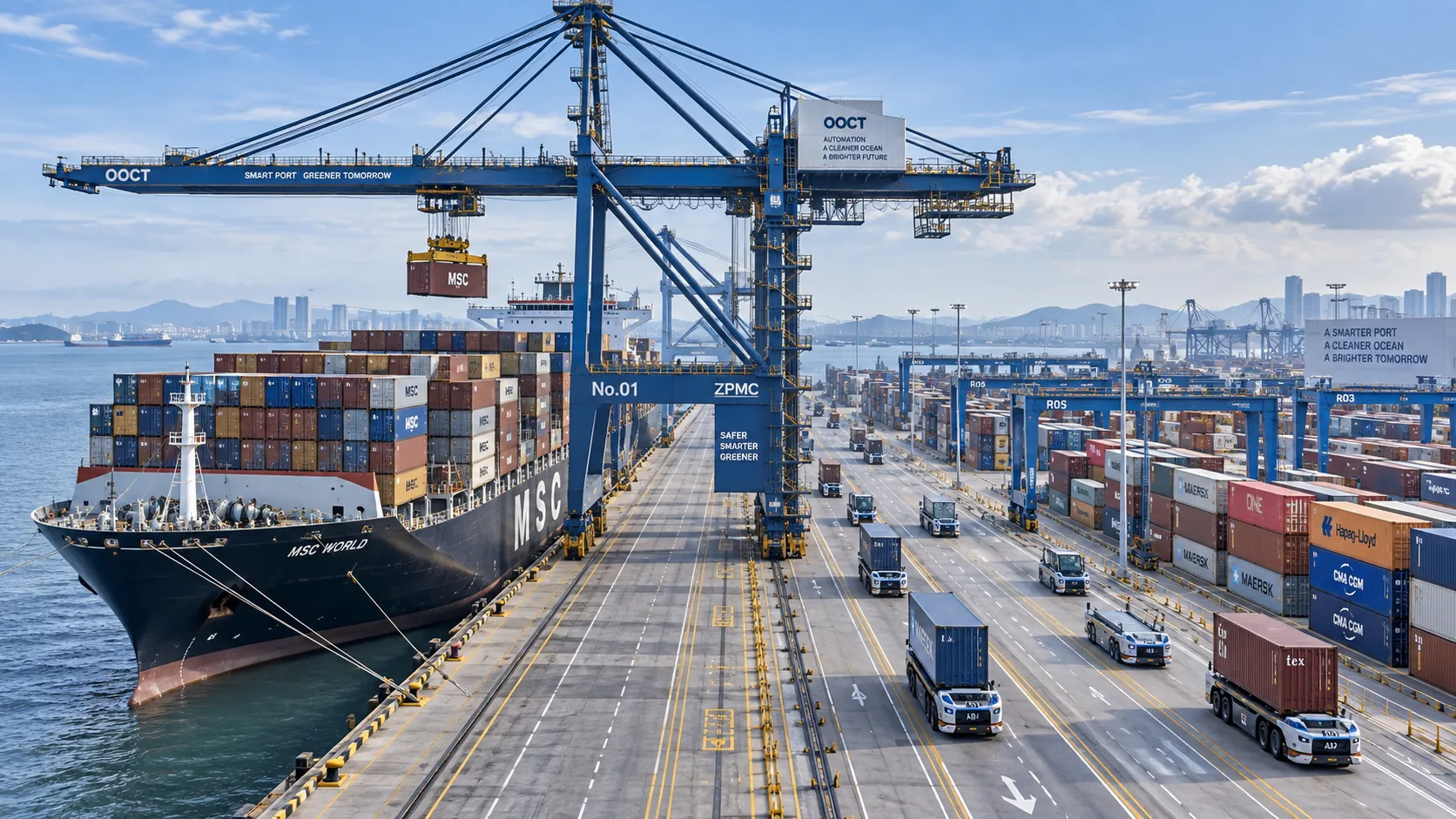
How to Specify a Quay Crane for Container Terminals by Vessel Size and Throughput?
Quay crane for container terminals: learn how to match outreach, lift height, capacity, automation, and cycle performance to vessel size and throughput goals.
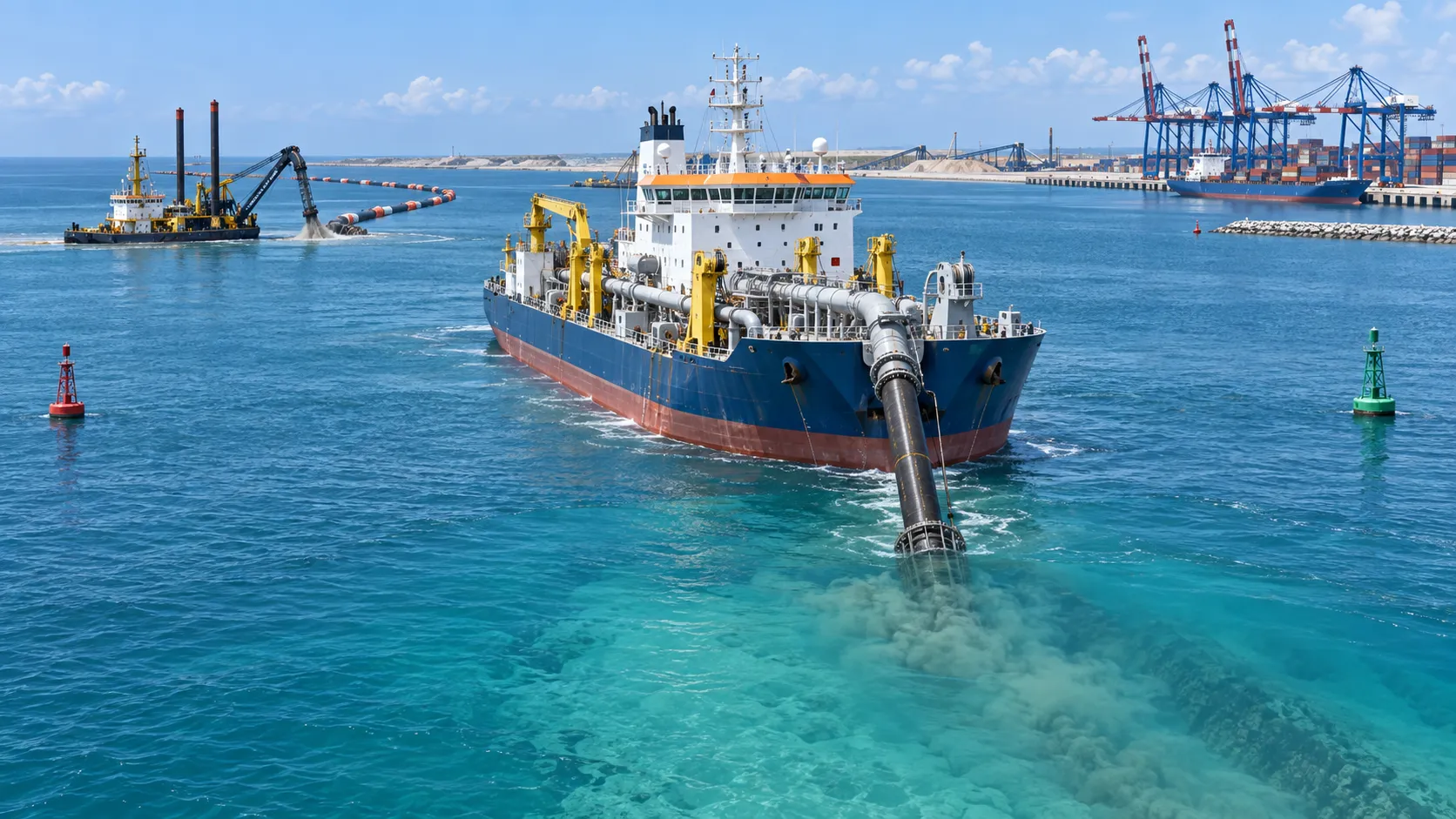
What Dredging Equipment Is Needed for Channel Deepening?
What dredging equipment is needed for channel deepening? Explore dredgers, pipelines, survey tools, and planning strategies for safer, more efficient port access.
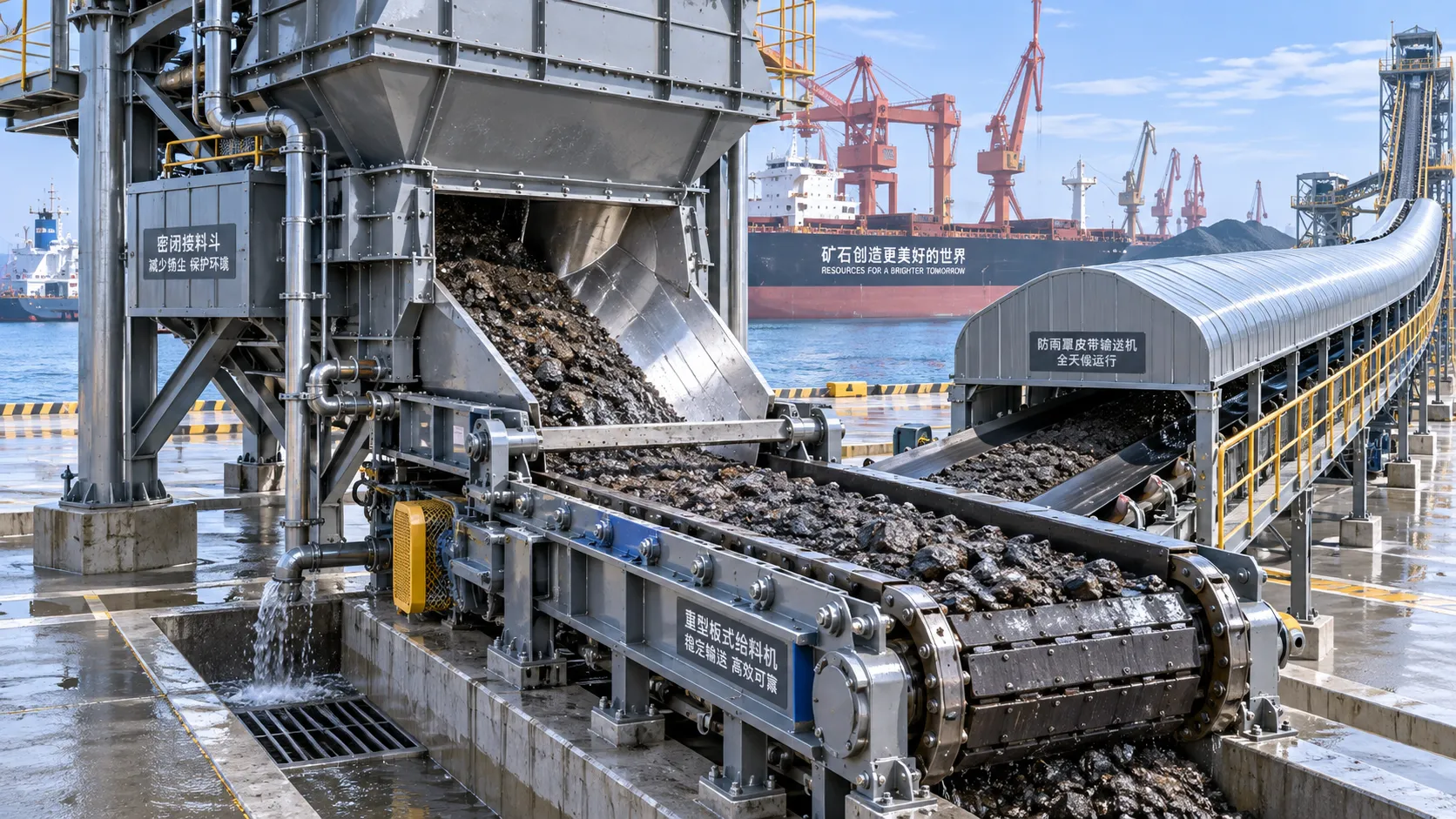
Which Bulk Handling Equipment Suits High-Moisture Cargo?
Which bulk handling equipment suits high-moisture cargo? Compare belt, apron, screw, drag, and slurry systems for reliable flow, less carryback, and higher terminal uptime.
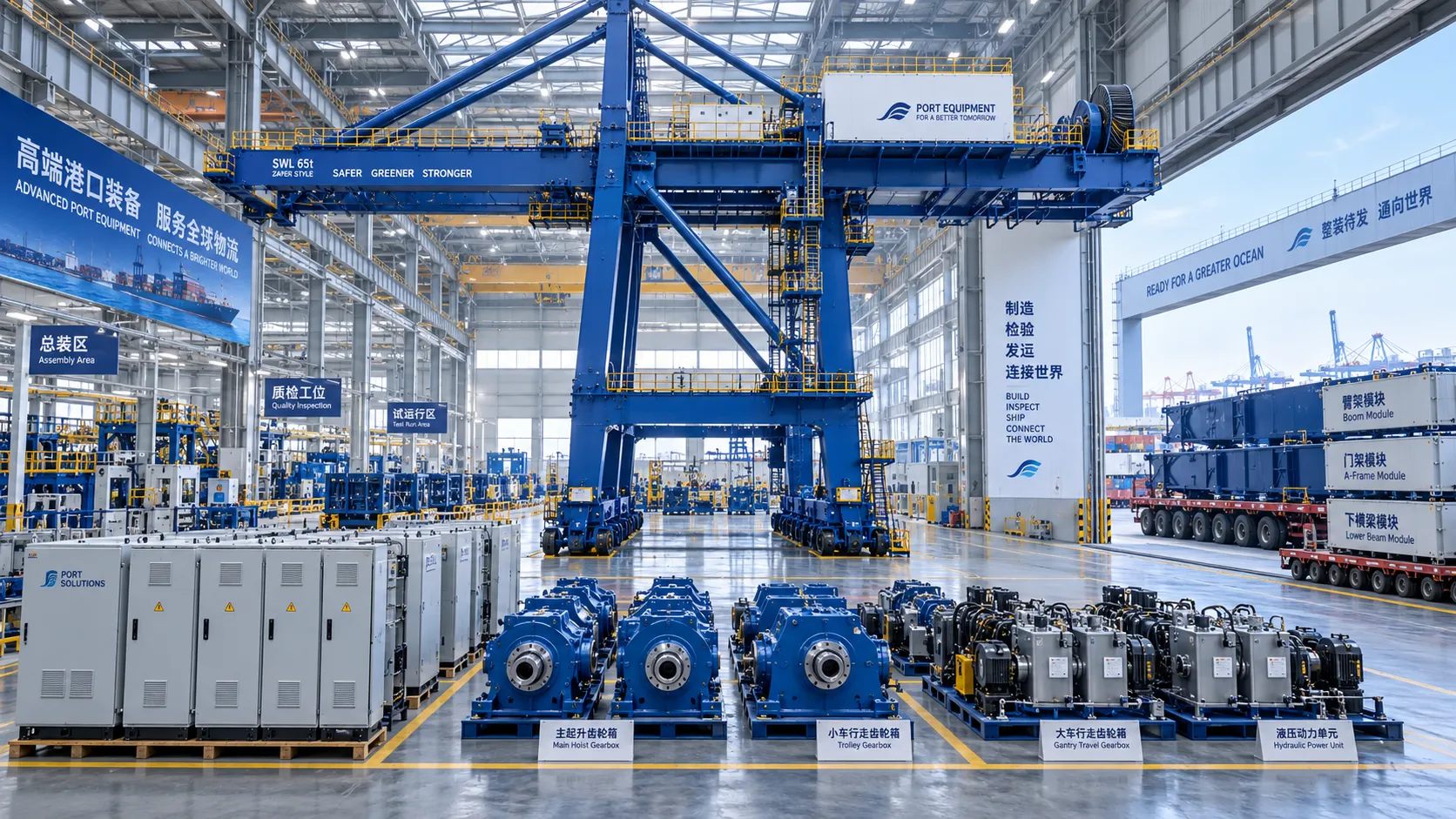
How Can Port Equipment Lead-Time Risk Be Managed?
How can port equipment lead-time risk be managed? Explore practical strategies to control critical paths, suppliers, transport, site readiness, and commissioning delays.
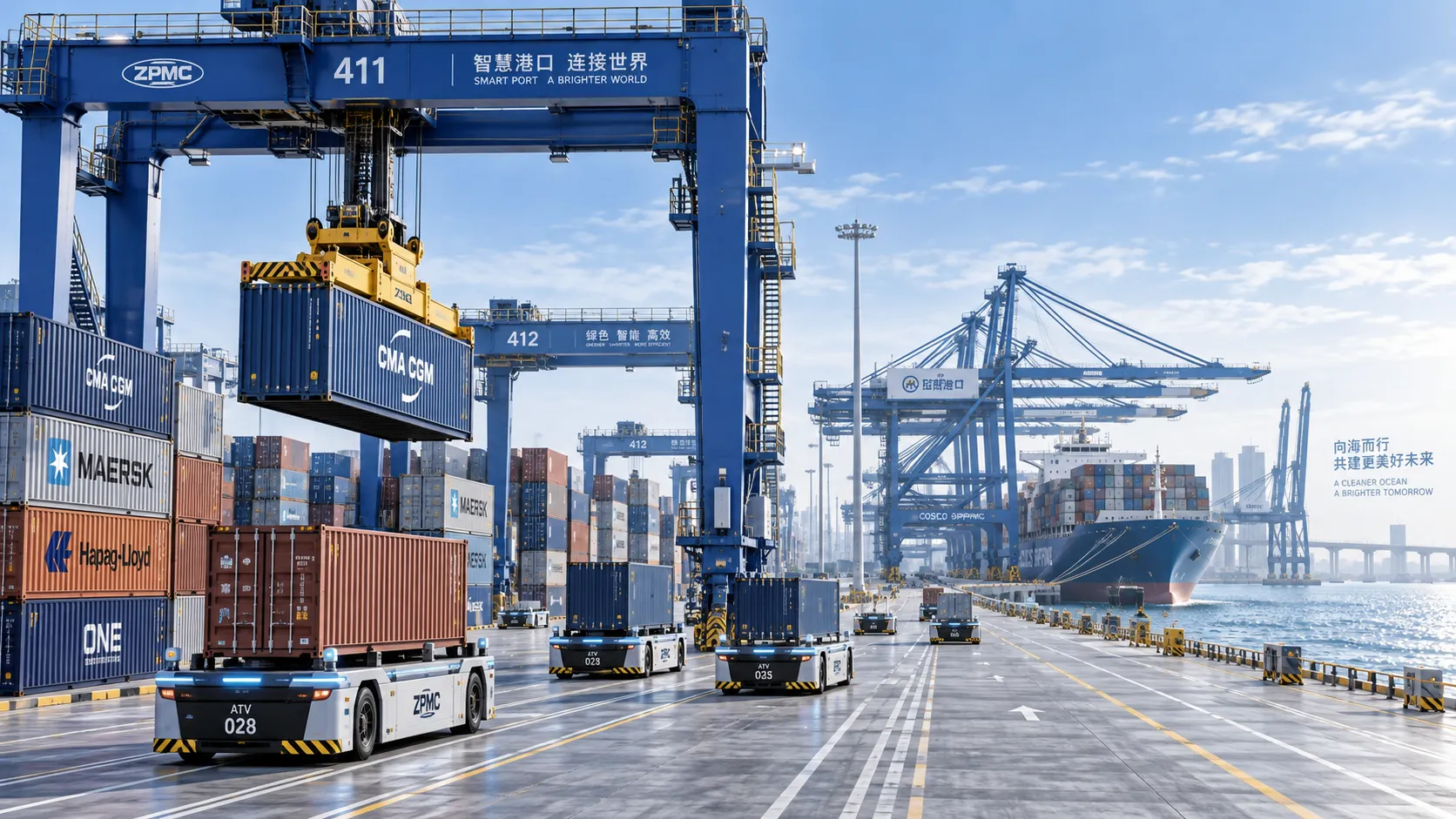
Terminal Automation Technologies That Raise Container Throughput Without Yard Disruption
Terminal automation technology that increases container throughput without disrupting yard flow. Explore smarter integration, resilient workflows, and phased deployment strategies.
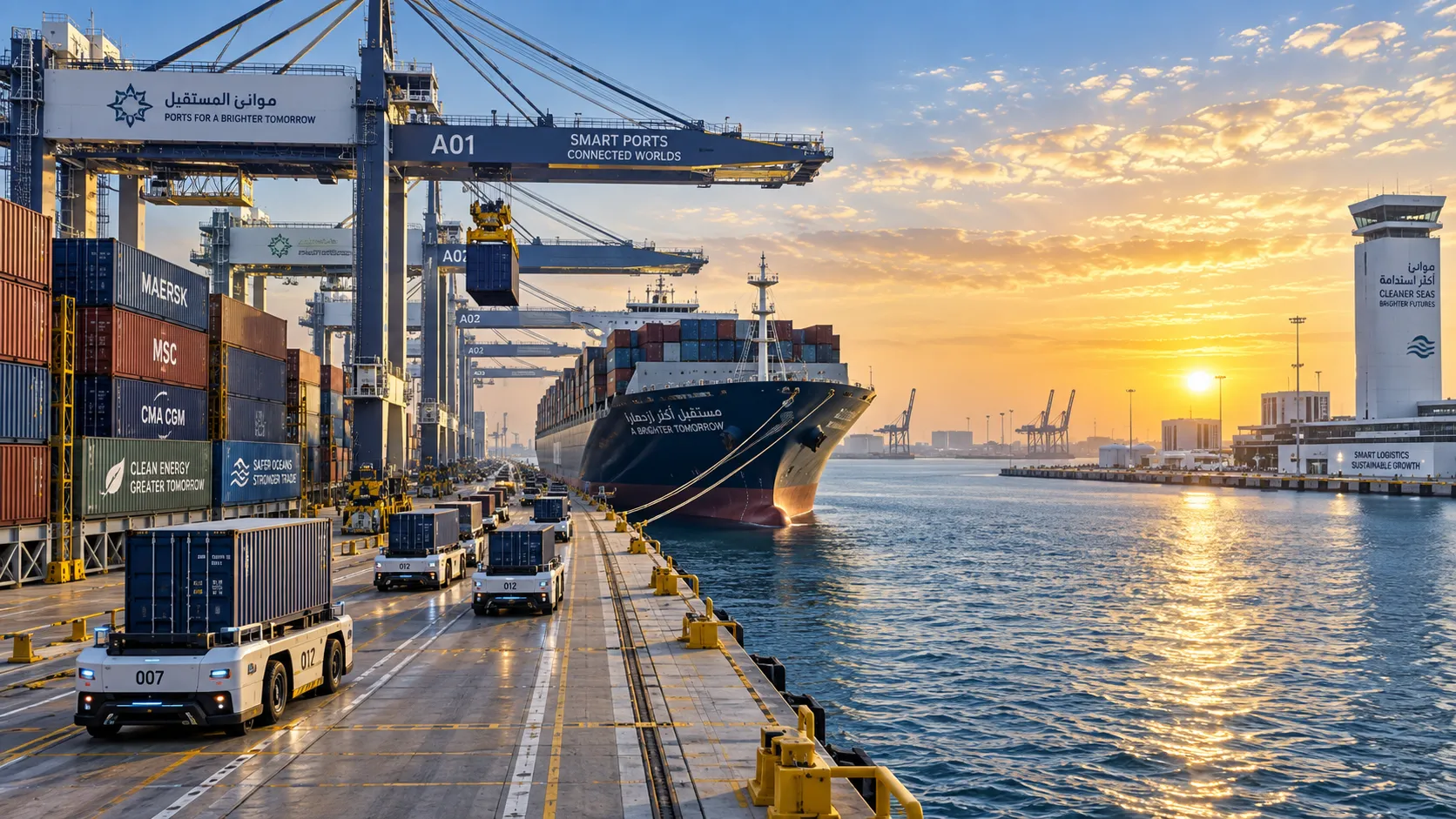
Middle East Port Automation: Key Market Drivers, Projects, and Investment Risks
Port automation systems Middle East: explore market drivers, flagship projects, integration challenges, and investment risks shaping smarter, resilient terminals.
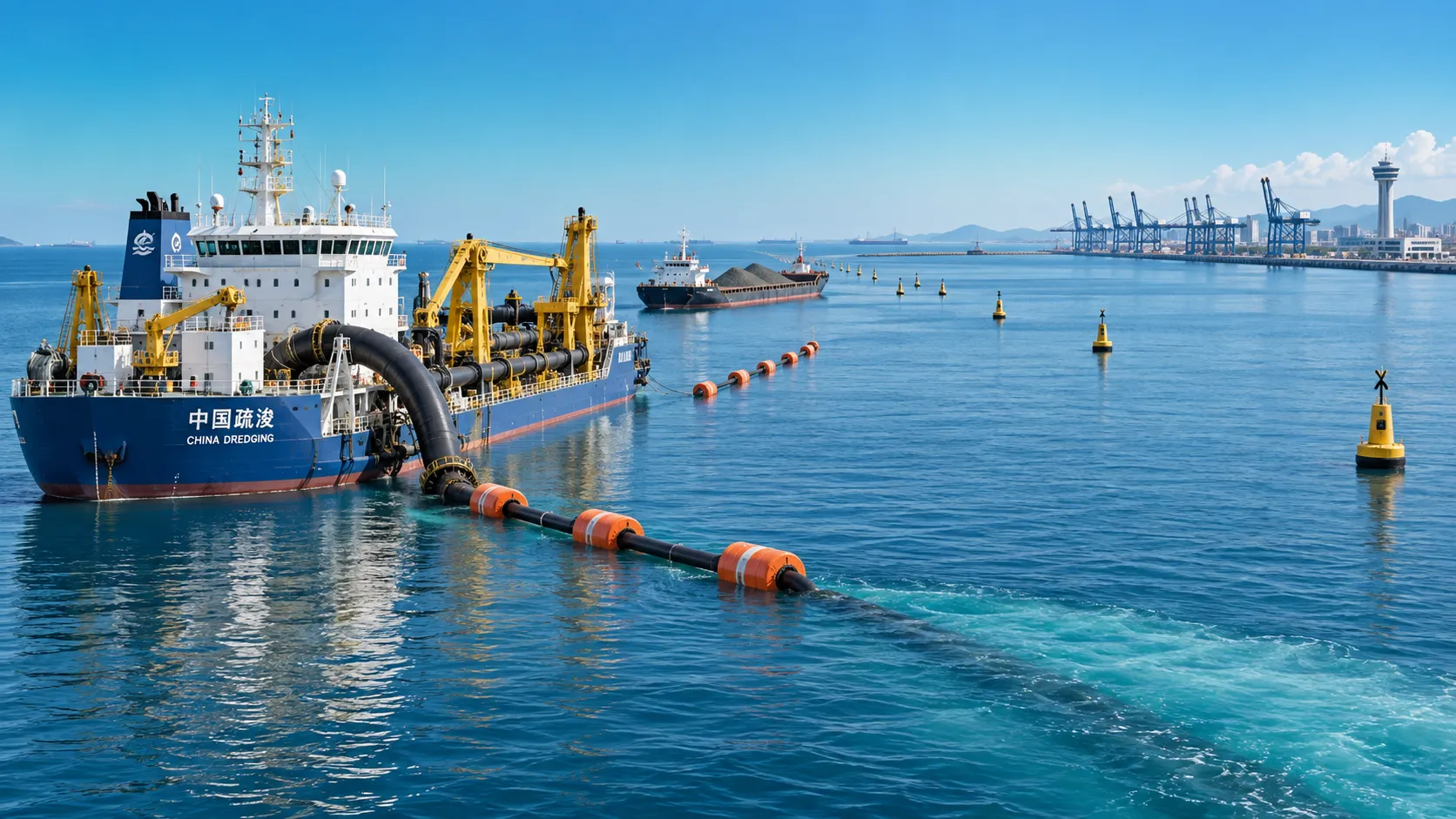
Planning Offshore Dredging Operations: Key Risks, Methods, and Project Controls
Offshore dredging operations demand smart planning. Explore key risks, proven methods, environmental controls, and project strategies for reliable delivery.