Related News
- 00
0000-00
Smart Port Systems in Southeast Asia: Investment Priorities and Adoption Barriers - 00
0000-00
Middle East Port Automation: Key Market Drivers, Projects, and Investment Risks - 00
0000-00
How Coastal Cities Can Prioritize Blue Economy Projects for Jobs and Ecosystem Gains - 00
0000-00
How Harbor Construction Solutions Address Wave Loads, Scour, and Vessel Berthing - 00
0000-00
What Is Driving Maritime Infrastructure Growth in Southeast Asia?
What Net-Zero Emissions Terminals Mean for Port Investment and Supply Chain Planning
What Net-Zero Emissions Terminals Mean for Port Investment and Supply Chain Planning
The phrase net-zero emissions terminals is easy to misread. In port discussions, it does not usually mean a terminal with literally no emissions at every moment of operation. It refers to a terminal system designed so that its remaining greenhouse gas emissions are reduced as far as technically and economically feasible, with the residual balance addressed through recognized measures rather than ignored. That distinction matters, because too many investment conversations still collapse the term into a branding label for electric equipment, shore power, or a handful of pilot projects. In practice, the concept reaches much further: quay cranes, yard fleets, energy supply, gate operations, vessel interfaces, dredging support, data systems, and the carbon profile of how throughput is achieved.
For port investors and supply chain planners, the real question is not whether net-zero terminals sound progressive. It is whether a terminal can preserve cargo velocity, asset utilization, and contractual reliability while moving into a much tighter emissions regime. That is why this topic has shifted from sustainability reporting into capital allocation, concession strategy, and network design.
More than electrification
A terminal can replace diesel rubber-tired gantries with battery-electric or cable-fed alternatives and still fall short of what sophisticated buyers now mean by net-zero readiness. The operational boundary is broader. Emissions come from cargo-handling equipment, terminal tractors, standby generators, buildings, reefer racks, harbor craft interfaces, and sometimes from the energy losses hidden inside automation architecture itself. If the terminal’s power comes from a carbon-intensive grid, electrification changes the location of emissions more than the total profile.
That is why serious assessments increasingly look at the terminal as an integrated energy-and-throughput system. Equipment choice matters, but so do charging strategy, peak-load management, substation capacity, digital controls, and the ability to sequence moves without wasting idle power. In automated yards, algorithmic scheduling and equipment dispatch can affect energy intensity almost as much as drivetrain changes. A poorly orchestrated fleet of automated guided vehicles may still spend capital and power inefficiently, even if every unit is technically low-emission.
This is especially relevant for high-volume hubs. Terminals do not get credit in the market simply for owning cleaner machines; they are judged on berth productivity, dwell time, truck turnaround, and schedule integrity. A net-zero pathway that weakens those fundamentals will struggle to attract long-term cargo commitments.
Why the investment case has changed
The investment logic around ports used to treat decarbonization as a future compliance issue. That is no longer a safe assumption. Terminal assets are long-lived, often financed over decades, and they sit inside a regulatory environment that is becoming more demanding rather than less. Investors now have to ask whether a terminal built or modernized today can remain operable, insurable, and commercially attractive under future carbon rules, cleaner shipping corridors, and procurement standards from cargo owners.
This does not mean every port faces the same immediate pressure. Regulatory exposure varies by geography, cargo mix, and concession structure. Still, the direction of travel is clear. Shipping lines are under pressure to clean up vessel operations. Large importers are increasingly measuring supply chain emissions. Public port authorities face stronger expectations on air quality and community impact. In that environment, terminal emissions become part of market access and financing quality, not just environmental disclosure.
There is also a valuation angle. Conventional diesel-dependent terminals may face a shorter economic runway if retrofits become more expensive later, grid connections become constrained, or customers start favoring lower-emissions gateways. By contrast, terminals designed with power flexibility, automation-compatible electrification, and emissions reporting infrastructure may command more durable interest from operators, lenders, and strategic partners.
What supply chain planners actually care about
From a supply chain planning perspective, net-zero terminals matter because they change the risk profile of a node. A port is not just a place where cargo moves; it is a concentration point for delay risk, labor risk, energy risk, and increasingly carbon risk. If a terminal cannot secure power upgrades, cannot integrate alternative-fuel support, or cannot meet future environmental operating conditions, its role in the network becomes less stable.
That is why experienced planners do not evaluate these terminals only through a sustainability lens. They look for three operational consequences.
- Whether cleaner equipment and automation reduce exposure to fuel price volatility and maintenance disruptions.
- Whether terminal power architecture is robust enough to avoid new bottlenecks during peak operations.
- Whether emissions transparency at the terminal level improves cargo owners’ ability to report Scope 3 logistics impacts, even when methodologies remain uneven across markets.
The commercial value is often indirect but substantial. A cleaner terminal that cannot handle call peaks or yard density does not solve much. A lower-emission terminal that also improves planning accuracy, equipment dispatch, and berth-window reliability becomes a strategic advantage for the whole route.
Common misunderstandings in the market
One recurring mistake is treating net-zero terminals as a single equipment procurement story. It is not. The procurement of electric cranes, battery yard tractors, or automated stacking cranes may be visible, but the harder work usually sits underneath: utility coordination, charging design, load balancing, software integration, and operational retraining. A terminal can spend heavily on low-emission assets and still underperform because the system was not engineered around real traffic patterns.
Another misunderstanding is assuming automation automatically lowers emissions. Sometimes it does, especially where move planning, idle reduction, and energy optimization are well executed. But automation can also add energy demand through data centers, controls, sensors, and redundant systems. The benefit depends on architecture and utilization, not on the presence of automation alone.
A third mistake is to frame the issue only around terminal-side emissions while ignoring vessel and landside interfaces. Shore power, truck appointment systems, rail connectivity, and gate fluidity influence the terminal’s total emissions context. A modern yard operating efficiently inside a congested truck queue is not delivering the full result implied by a net-zero label.
How to judge whether a terminal is genuinely moving in this direction
Decision-makers usually need a sharper screen than promotional claims. A useful test is to ask whether the terminal operator can explain decarbonization in operational terms, not just announce targets. In credible projects, several signals tend to appear together.
The point is not to demand perfection. It is to distinguish between a terminal that has a workable transition model and one that is simply attaching a climate narrative to normal modernization spending.
Where heavy terminal gear and dredging still matter
In port strategy, net-zero discussions sometimes drift too quickly into software and reporting. The physical layer still decides what is possible. Quay cranes, stackers, bulk loaders, conveyor systems, and yard mobility platforms determine the energy intensity of each cargo move. Their design choices affect cycle times, load profiles, and maintenance windows. In bulk and breakbulk terminals, the path to lower emissions can look quite different from that of a container terminal because the handling pattern, duty cycle, and storage interface are different.
Dredging and marine civil works also belong in the conversation, even if they sit outside the day-to-day image of terminal decarbonization. A terminal expansion that shortens vessel waiting time, improves navigational access, or supports more efficient berth use may influence the broader emissions picture, though these effects need careful project-specific evaluation. The same applies to layout design. Sometimes the best emissions reduction in terminal operations comes from fewer wasted moves, shorter travel paths, and better yard geometry rather than from a headline technology swap.
What this means for capital planning now
For investors, the practical shift is straightforward: decarbonization can no longer sit in a separate ESG file. It has to be built into traffic forecasts, equipment renewal schedules, concession negotiations, and digital architecture decisions. The important question is not whether to spend on cleaner operations. It is when the sequencing of that spend preserves both throughput and option value.
That usually leads to a more disciplined view of terminal modernization. Instead of asking whether a port is “green,” the better questions are narrower and more useful. Can the grid support fleet electrification without operational compromise? Can automation software optimize both move efficiency and energy draw? Does the terminal have enough data granularity to show customers and regulators what is actually being reduced? Are marine-side and landside interfaces aligned, or is one part of the chain cleaning up while another creates drag?
Net-zero emissions terminals are not a single technology category and not a marketing shorthand for any electrified port asset. They are becoming a decision framework for how future-ready a terminal really is. In markets where freight resilience, regulatory credibility, and energy discipline are converging, that framework will shape which ports attract capital, which terminals secure long-term cargo confidence, and which supply chains remain structurally competitive under tighter emissions expectations.
Related News
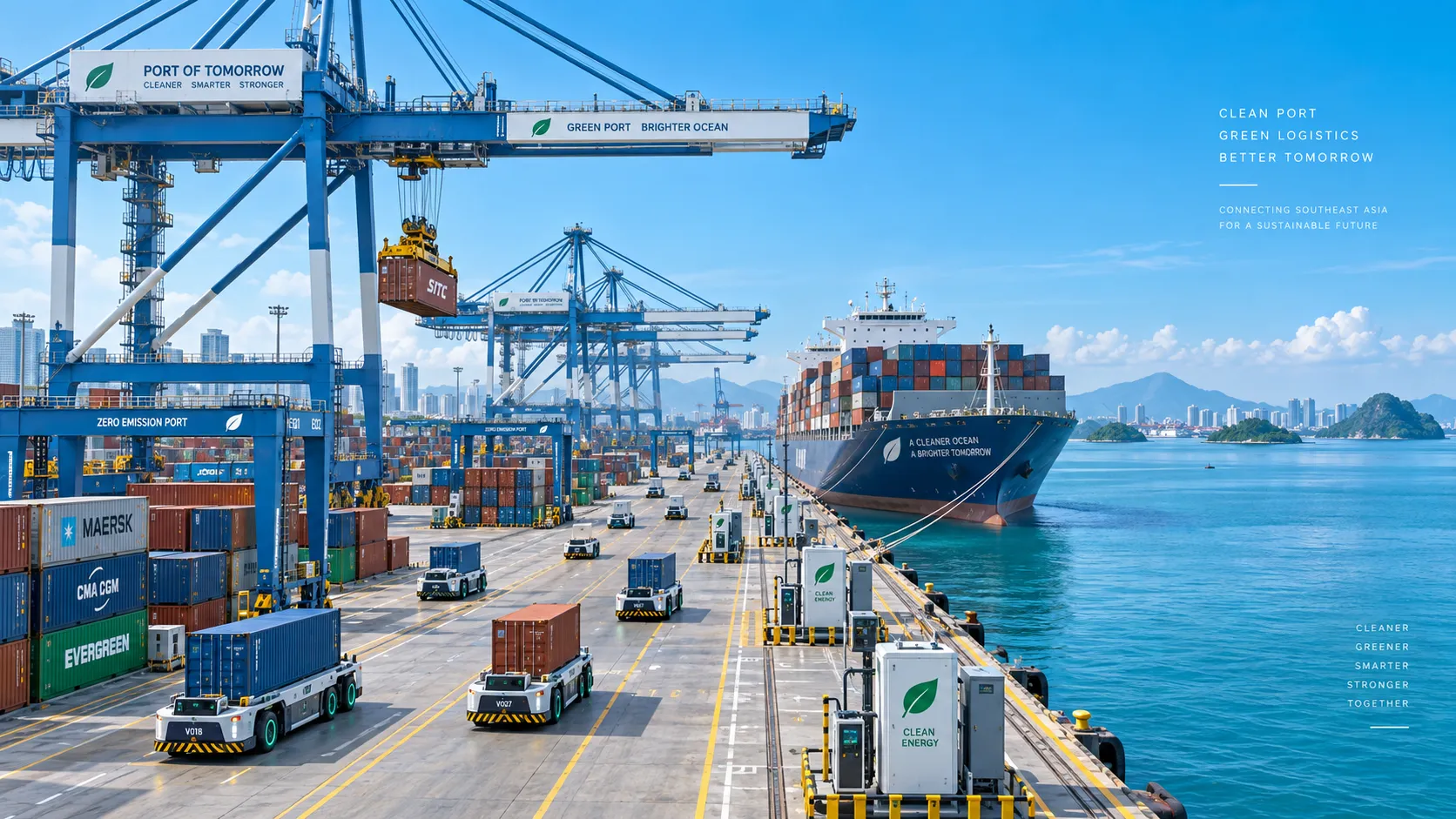
Smart Port Systems in Southeast Asia: Investment Priorities and Adoption Barriers
Smart port systems Southeast Asia: discover investment priorities, adoption barriers, and practical steps to build resilient, connected, high-performing terminals.
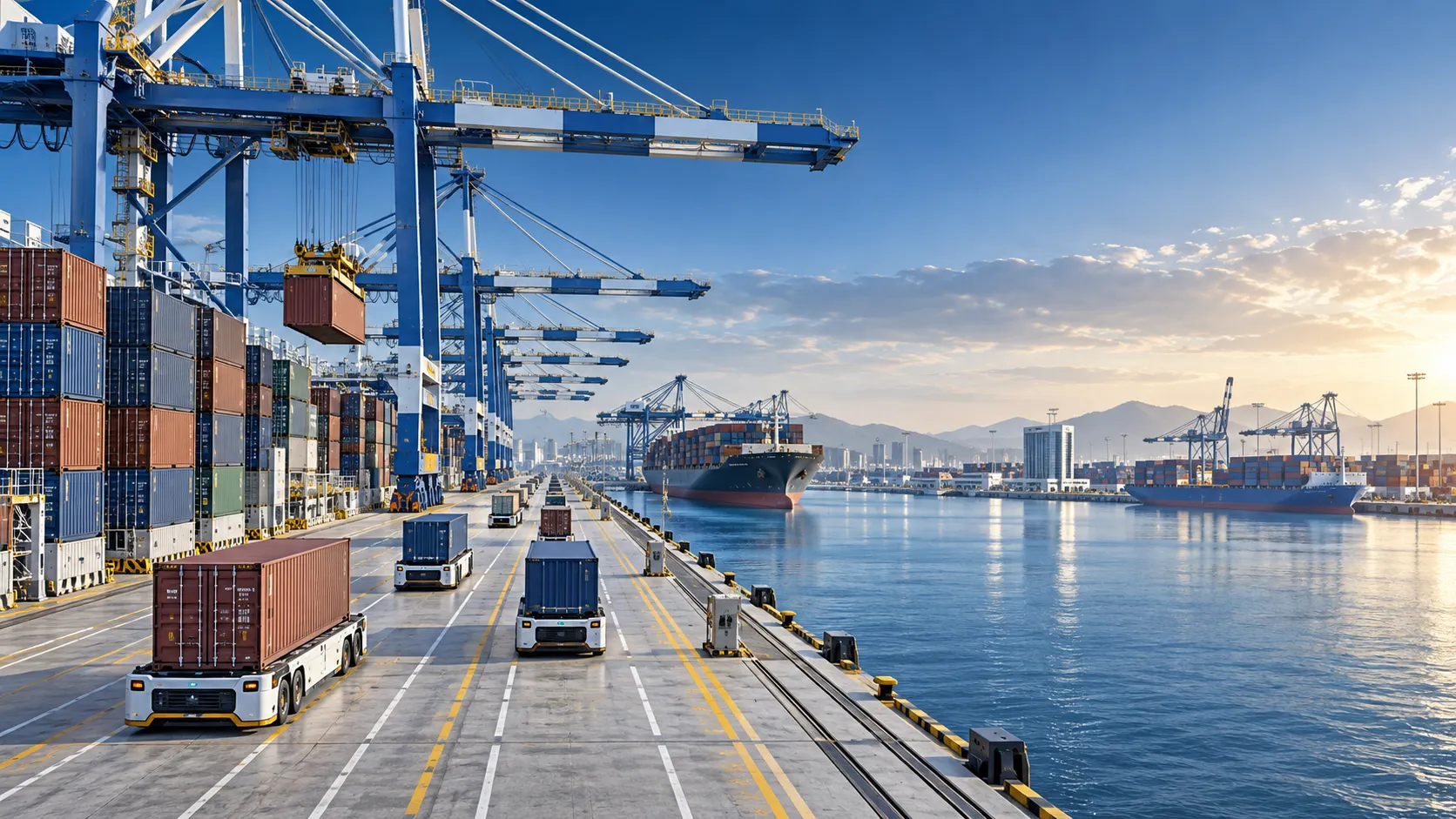
How to Evaluate Terminal Efficiency Solution Suppliers for High-Throughput Operations
Choose a terminal efficiency solutions supplier with confidence. Explore proven criteria for throughput, integration, lifecycle cost, safety, and reliable delivery.
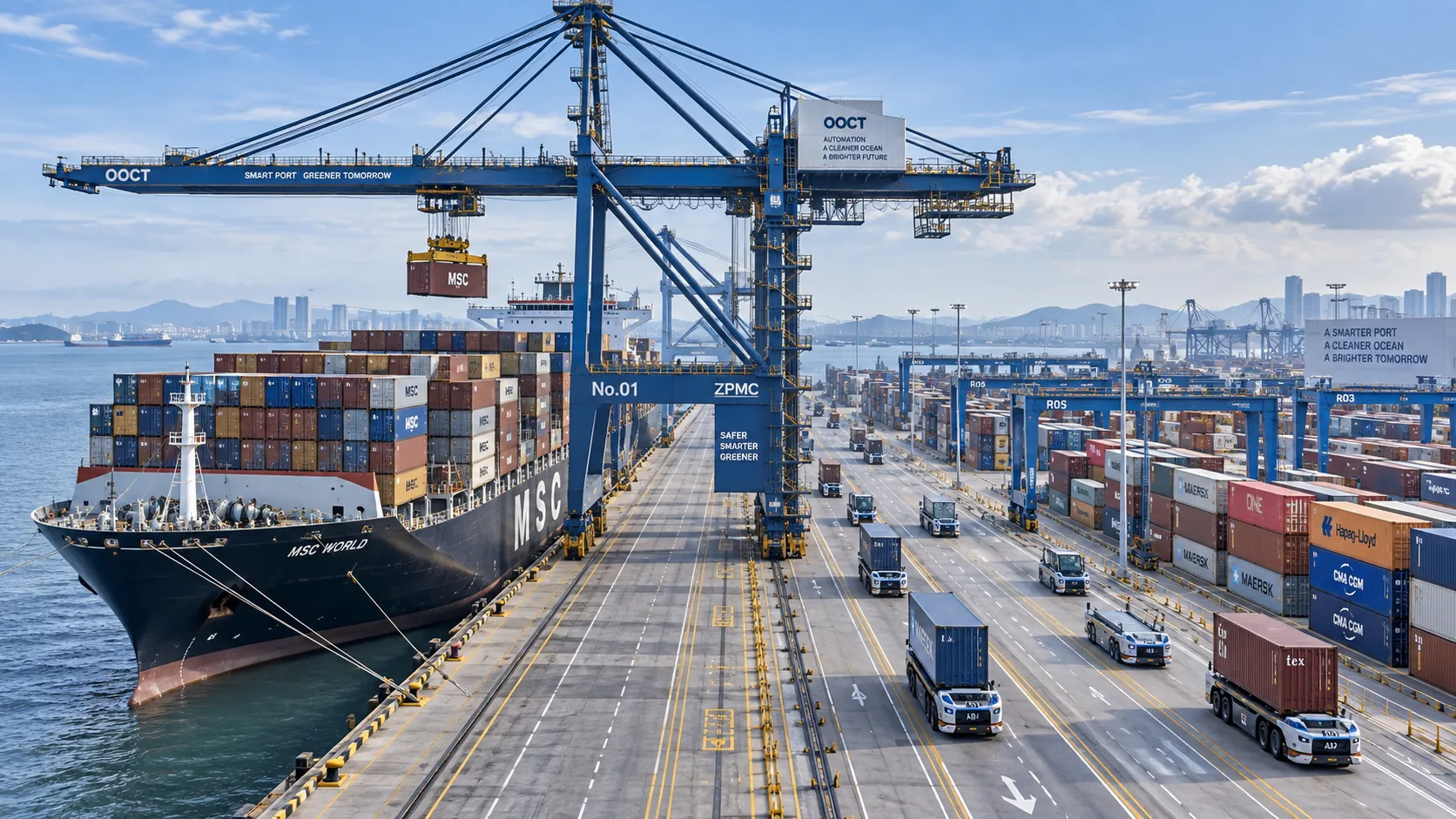
How to Specify a Quay Crane for Container Terminals by Vessel Size and Throughput?
Quay crane for container terminals: learn how to match outreach, lift height, capacity, automation, and cycle performance to vessel size and throughput goals.
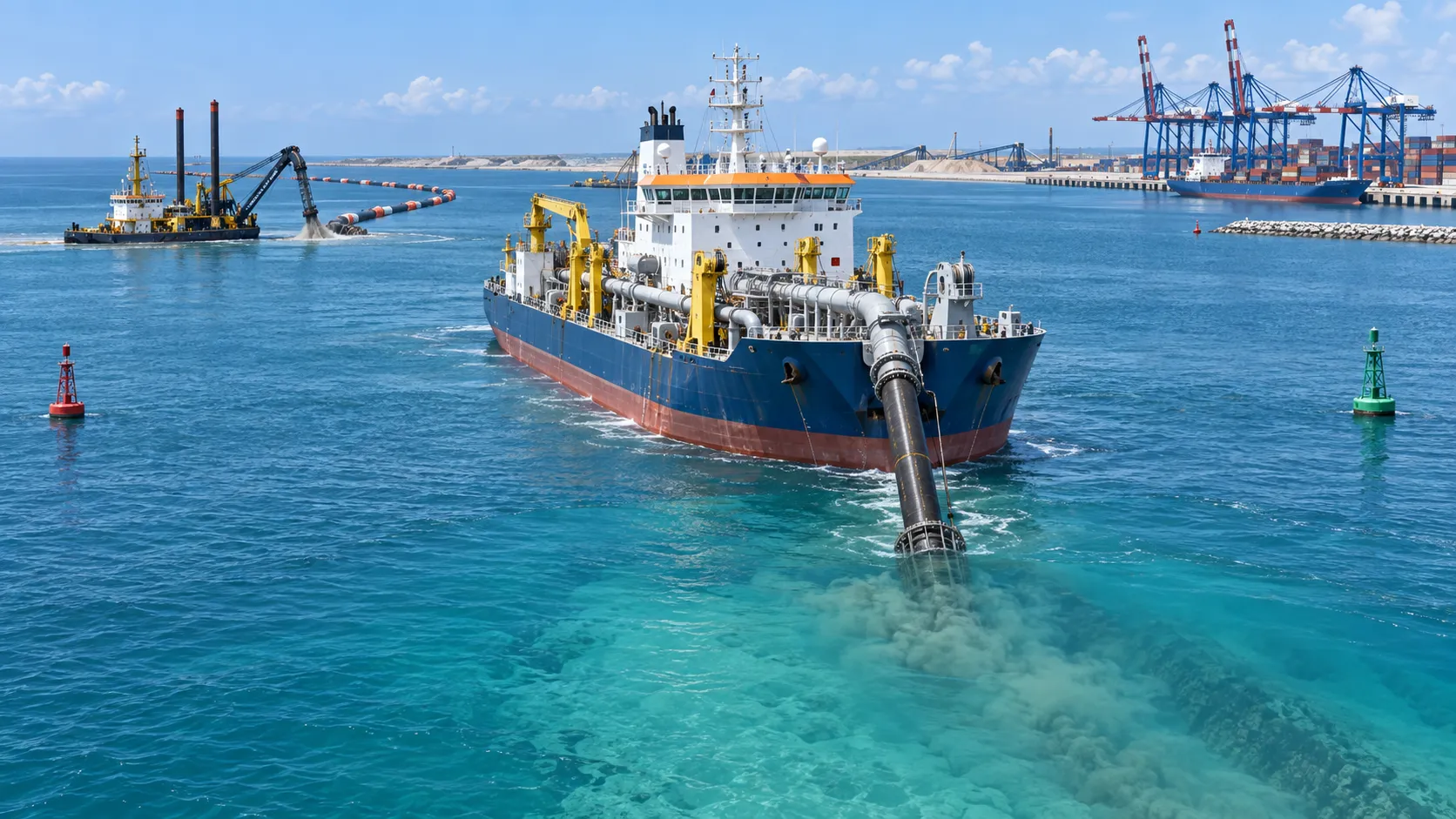
What Dredging Equipment Is Needed for Channel Deepening?
What dredging equipment is needed for channel deepening? Explore dredgers, pipelines, survey tools, and planning strategies for safer, more efficient port access.
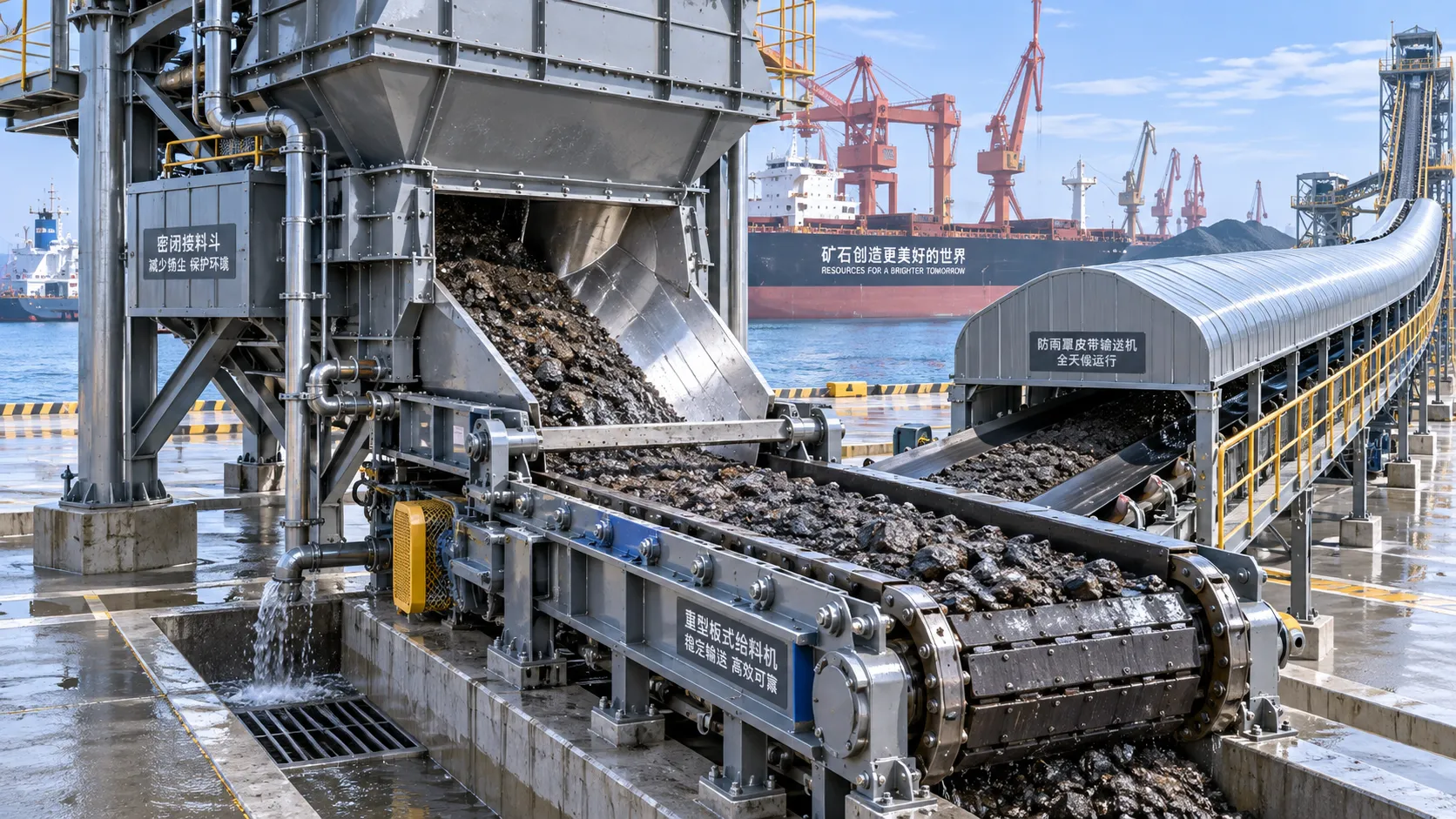
Which Bulk Handling Equipment Suits High-Moisture Cargo?
Which bulk handling equipment suits high-moisture cargo? Compare belt, apron, screw, drag, and slurry systems for reliable flow, less carryback, and higher terminal uptime.
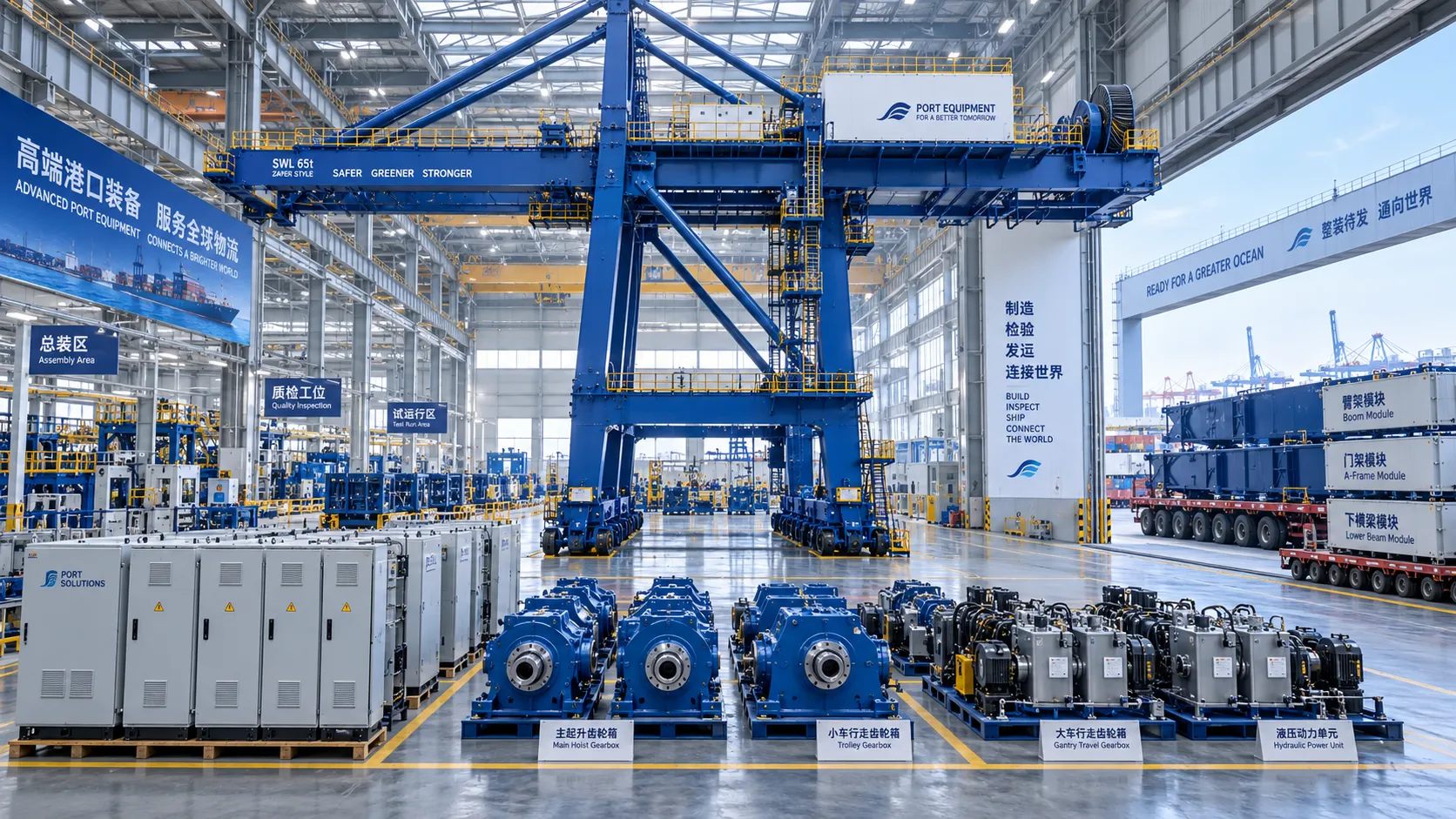
How Can Port Equipment Lead-Time Risk Be Managed?
How can port equipment lead-time risk be managed? Explore practical strategies to control critical paths, suppliers, transport, site readiness, and commissioning delays.
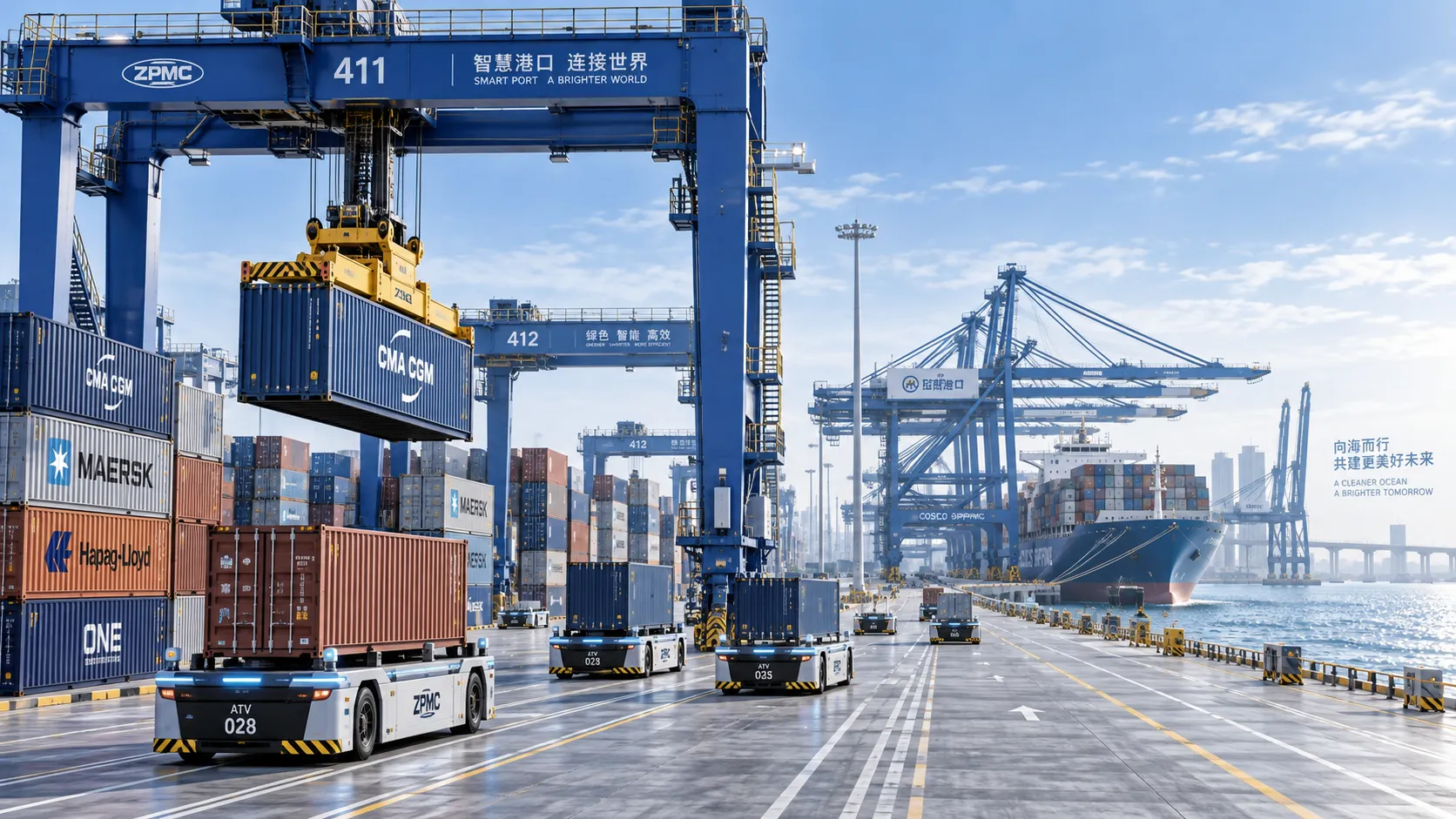
Terminal Automation Technologies That Raise Container Throughput Without Yard Disruption
Terminal automation technology that increases container throughput without disrupting yard flow. Explore smarter integration, resilient workflows, and phased deployment strategies.
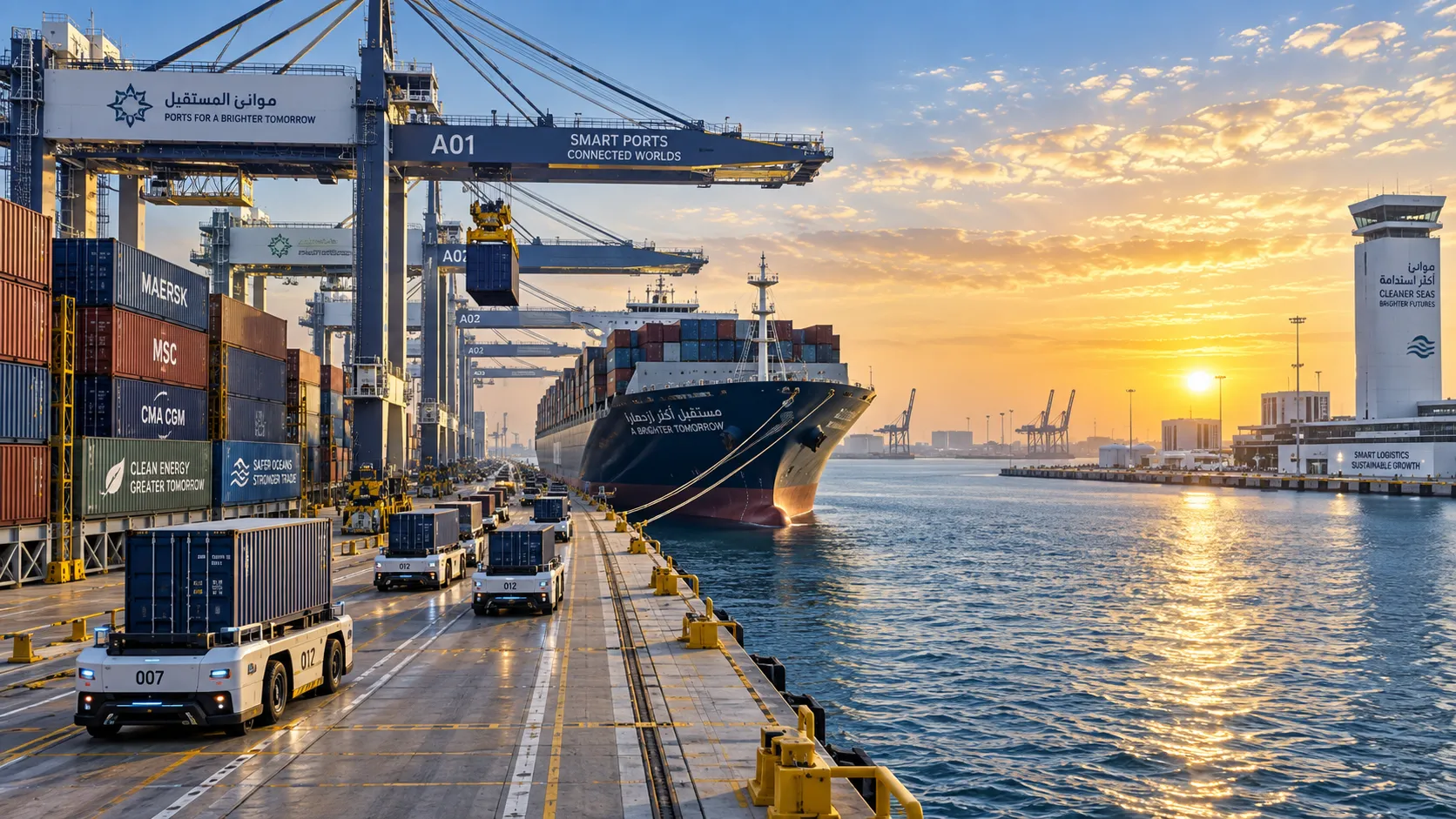
Middle East Port Automation: Key Market Drivers, Projects, and Investment Risks
Port automation systems Middle East: explore market drivers, flagship projects, integration challenges, and investment risks shaping smarter, resilient terminals.
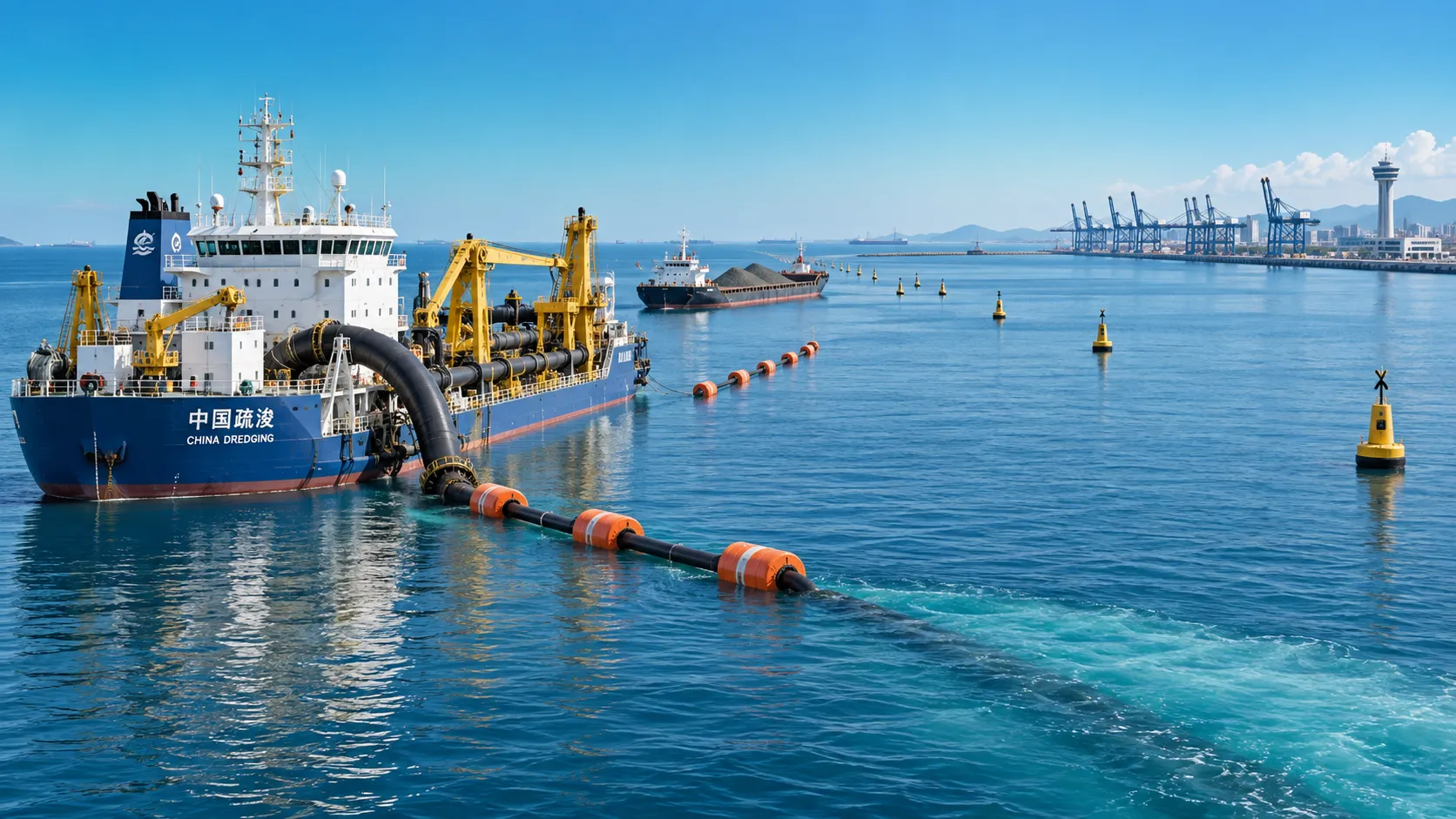
Planning Offshore Dredging Operations: Key Risks, Methods, and Project Controls
Offshore dredging operations demand smart planning. Explore key risks, proven methods, environmental controls, and project strategies for reliable delivery.