Related News
- 00
0000-00
Smart Port Systems in Southeast Asia: Investment Priorities and Adoption Barriers - 00
0000-00
Middle East Port Automation: Key Market Drivers, Projects, and Investment Risks - 00
0000-00
How Coastal Cities Can Prioritize Blue Economy Projects for Jobs and Ecosystem Gains - 00
0000-00
How Harbor Construction Solutions Address Wave Loads, Scour, and Vessel Berthing - 00
0000-00
What Is Driving Maritime Infrastructure Growth in Southeast Asia?
How Coastal Cities Can Prioritize Blue Economy Projects for Jobs and Ecosystem Gains
Coastal cities should rank blue economy projects by the combined value of employment quality, ecosystem recovery, operational reliability, and delivery readiness. A project that produces visible construction activity but leaves recurring maintenance burdens, weak local skills transfer, or damaged habitat is rarely a strong priority. The more durable choices improve the working coastline: they keep freight moving, reduce exposure to storms and sedimentation, protect productive waters, and create roles that remain after the initial works are complete.
A practical starting point is to separate the investment pipeline into projects that protect existing coastal value, projects that increase the performance of existing assets, and projects that create a new economic activity. This prevents a new marina, terminal extension, restoration corridor, or marine-energy facility from being judged only by its headline job count. A smaller intervention at a constrained channel entrance or aging cargo yard may protect more employment than a large new facility if it prevents vessel delays, berth closures, cargo diversion, or recurrent flood damage.
Start with the constraints that already limit the coast
Prioritization becomes clearer when each proposal is tied to a physical and operational constraint. These constraints are often found at the interfaces between land and water: an access channel that loses depth after seasonal storms, a drainage outfall that discharges polluted runoff into a harbor, a quay with inadequate electrical capacity, a shoreline that erodes behind a damaged revetment, or a fishing landing area with poor cold-chain access.
Each constraint should be described in terms of the service it disrupts. Sediment in a navigation channel is not simply a dredging issue. It can restrict vessel draft, reduce tidal access windows, increase maneuvering risk, and alter the economics of calling at a port. Similarly, a degraded wetland is not only a habitat concern when it also weakens wave attenuation, nursery grounds, water quality, and the resilience of nearby tourism or fisheries activity.
Projects with a direct line from constraint to service loss are easier to assess than broad aspirational concepts. They also expose duplicate proposals. For example, an automated gate system, yard reconfiguration, and berth expansion may all be presented as capacity projects. Yet if congestion is caused by irregular truck arrivals and poor container release coordination, a berth extension will not remove the actual bottleneck. The first investment may need to be appointment management, gate sensing, and a redesigned traffic flow rather than new marine works.
Use a common scorecard without treating every benefit as identical
A single financial ranking is too narrow, while a list of unweighted environmental and social promises is too loose. A useful scorecard evaluates every project against a limited set of evidence-based dimensions, then records where the evidence is uncertain. The purpose is not to manufacture false precision. It is to make trade-offs visible before funding and design effort become difficult to reverse.
The score should distinguish temporary site labor from sustained employment. Dredging, breakwater construction, utility installation, and habitat grading can require substantial short-term labor. That value matters, but it should not be counted in the same category as permanent maintenance, marine surveying, equipment servicing, environmental monitoring, logistics coordination, aquaculture support, vessel services, or digital operations roles. The distinction changes the order of projects when the objective is a resilient local employment base.
Environmental gains also need to be described as functions rather than broad labels. A planted shoreline has limited value if the selected elevation cannot survive local tidal ranges, if wave energy will uproot material before establishment, or if adjacent runoff continues to degrade water quality. A restoration proposal should identify the hydrological connection being repaired, the substrate condition, the expected sediment behavior, and the maintenance period required for establishment.
Look for projects that solve two linked failures
The strongest blue economy projects frequently address an operational problem and an ecosystem problem that share a physical cause. This does not mean every scheme must carry multiple objectives. It means a proposed co-benefit should be technically connected to the works, not added as a general promise.
Channel maintenance is a useful example. Recurrent shoaling may arise from altered currents, upstream sediment delivery, poorly located structures, or a maintenance cycle that does not match seasonal conditions. Removing sediment can restore navigability, but the project becomes more valuable when the sediment management plan also addresses placement, beneficial reuse, turbidity control, and the cause of rapid reaccumulation. Clean, suitable material may support beach nourishment or marsh creation only after testing confirms that its grain size, contaminants, salinity, and geotechnical behavior fit the receiving site. Material that is unsuitable for beneficial use should not be forced into a restoration design simply to claim an ecological outcome.
Port modernization offers a different paired opportunity. Electrified equipment, shore-power infrastructure, optimized crane cycles, and automated yard movements can reduce local emissions and idling while improving asset utilization. Yet automation is not automatically a jobs project. Its employment effect depends on the existing operating model, equipment reliability, data integration, maintenance capability, and the extent to which new control, electrical, software, and inspection functions are established locally. A procurement package that treats commissioning, troubleshooting tools, spare-part availability, and technical training as optional extras can create an operational dependency instead of durable capability.
Nature-based shoreline work must be assessed with the same discipline. Living edges, reef structures, dune systems, and vegetated terraces can reduce wave energy while supporting habitat. Their performance is shaped by bathymetry, design water levels, fetch, vessel wake, soil bearing capacity, and sediment supply. A shoreline that is exposed to high wake energy may need a hybrid arrangement: a robust outer protection element with a sheltered intertidal zone behind it. Calling every hard structure harmful and every planted edge restorative ignores site mechanics and can result in repeated repairs.
Test the project at the interfaces where delivery usually fails
Many coastal schemes appear workable until design packages meet one another. The critical interfaces deserve early review: marine works against existing utilities, dredging against disposal capacity, stormwater infrastructure against tidal backflow, automated equipment against communications coverage, and restoration grading against access for future maintenance.
For a smart terminal project, the operational model should be tested before equipment is selected. Automated guided vehicles need predictable route segregation, dependable positioning, charging strategy, emergency recovery procedures, and a control architecture that continues safely during communication interruptions. A low-latency network alone does not solve poor exception handling. The design should examine how the yard behaves when a vehicle stops, a container is misdeclared, a crane is unavailable, or a gate arrival pattern departs from plan. These events determine real throughput more than nominal equipment speed.
For dredging and waterfront works, field investigation quality often determines whether construction remains controllable. Boreholes, bathymetric surveys, sediment sampling, tide observations, and utility verification should be coordinated rather than commissioned as disconnected studies. A single outdated bathymetric surface can distort quantities, plant selection, disposal planning, and the construction window. Likewise, geotechnical assumptions suitable for a quay foundation may be inadequate for a reclaimed habitat platform where settlement tolerance and drainage behavior are different.
Environmental monitoring must be designed as an operating activity, not an appendix. Monitoring points should relate to the mechanism of impact: turbidity near sensitive water bodies during dredging, settlement markers on restored ground, water levels across tidal connections, equipment energy use, or queue times at terminal gates. Indicators that cannot trigger a defined response create reports but do not improve performance. The monitoring plan should state who receives the result, what threshold prompts investigation, and what corrective action is technically available.
Sequence investments so early work reduces uncertainty
Large coastal programs often fail when every component is treated as equally ready. Sequencing should favor early packages that clarify later choices or protect current services while larger works mature. Surveys, sediment characterization, utility mapping, drainage diagnosis, berth-condition assessment, digital baseline collection, and pilot restoration plots are not administrative delays when they resolve a design uncertainty that could otherwise cause rework.
A phased approach is especially valuable where ecosystem response is uncertain. Establishing a limited restoration cell can reveal whether sediment is retained, plants survive at the selected elevation, and protective features are adequate. The next phase can then use observed behavior to adjust grading, material selection, access routes, or protection details. This differs from an under-scoped pilot that has no monitoring, no success criteria, and no route to scale.
Employment planning should follow the same sequence. Construction contracts can require practical knowledge transfer through documented maintenance procedures, equipment diagnostics, survey methods, and handover testing. The content should match the asset. Electrical maintenance skills are relevant to shore-power and automated handling systems; hydrographic surveying and dredge monitoring matter for navigation programs; ecological field techniques support restoration and water-quality operations. Generic training commitments are difficult to verify and often disconnected from the jobs that emerge after completion.
Do not let capital visibility outweigh operating reality
Highly visible assets tend to dominate political and public attention, while drainage upgrades, condition monitoring, berth rehabilitation, sediment controls, and maintenance access are easier to defer. That bias can weaken the entire investment program. A new waterfront facility still depends on reliable water quality, safe access, stable shorelines, power supply, and maintainable public infrastructure.
Whole-life review should therefore begin during concept selection. Consider the availability of replacement components, marine access for inspection, corrosion protection, cathodic protection where appropriate, coating repair conditions, sensor calibration, energy supply, biofouling exposure, and the safe handling of recovered sediment or waste. Equipment with a lower initial cost may create greater operational disruption if specialized parts have long lead times or if the installation cannot be serviced without shutting down a critical berth or channel.
Maintenance needs should not disqualify a project. Coastal assets always require care because saltwater, wind, waves, sediment movement, corrosion, and biological growth are active design conditions. The priority question is whether the maintenance regime is predictable, funded, accessible, and matched to local operational capacity.
Set approval gates around evidence, not presentation quality
Before a project advances from concept to detailed design, its core claims should survive a small number of explicit gates. The first gate confirms the problem and baseline condition. The second tests whether the proposed intervention addresses the identified cause rather than a visible symptom. The third confirms that construction, operations, ecosystem performance, and maintenance can coexist at the site. The final gate tests whether the benefits remain credible after dependencies, outages, seasonal conditions, and routine maintenance are included.
Projects should lose priority when their job claims rely almost entirely on construction labor, when ecological benefits are detached from site conditions, or when the solution shifts a bottleneck to another part of the system. They should gain priority when they protect a necessary coastal service, create maintainable operating roles, and improve ecological function through a design that fits local hydrodynamics, soils, water quality, and access constraints.
A disciplined pipeline does not force ports, restoration areas, fisheries infrastructure, public waterfronts, and flood defenses into identical designs. It uses the same evidence standard to show how each investment will perform after the ribbon-cutting, when the coastline is exposed to its ordinary tides, workloads, weather, and maintenance demands.
Related News
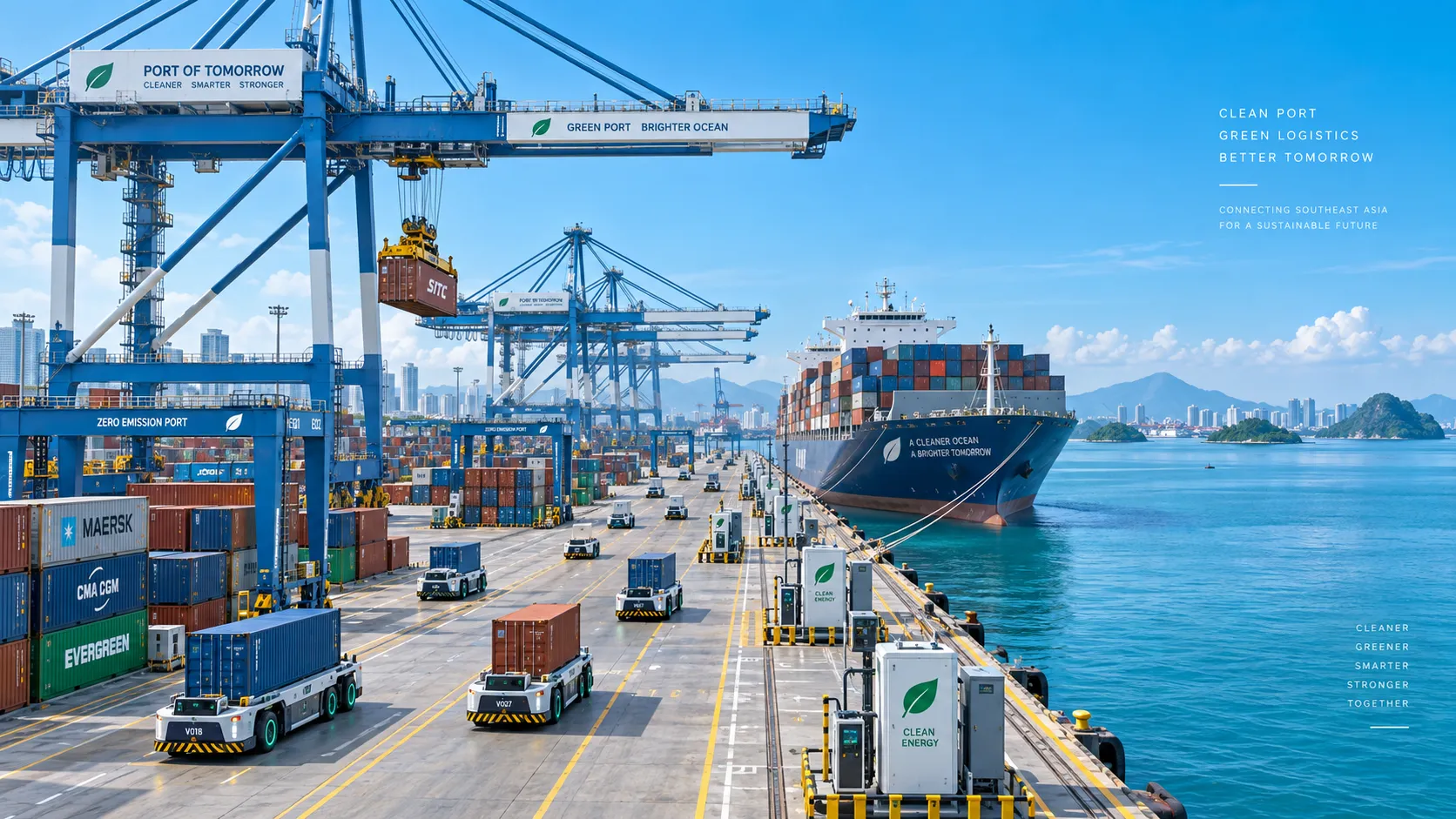
Smart Port Systems in Southeast Asia: Investment Priorities and Adoption Barriers
Smart port systems Southeast Asia: discover investment priorities, adoption barriers, and practical steps to build resilient, connected, high-performing terminals.
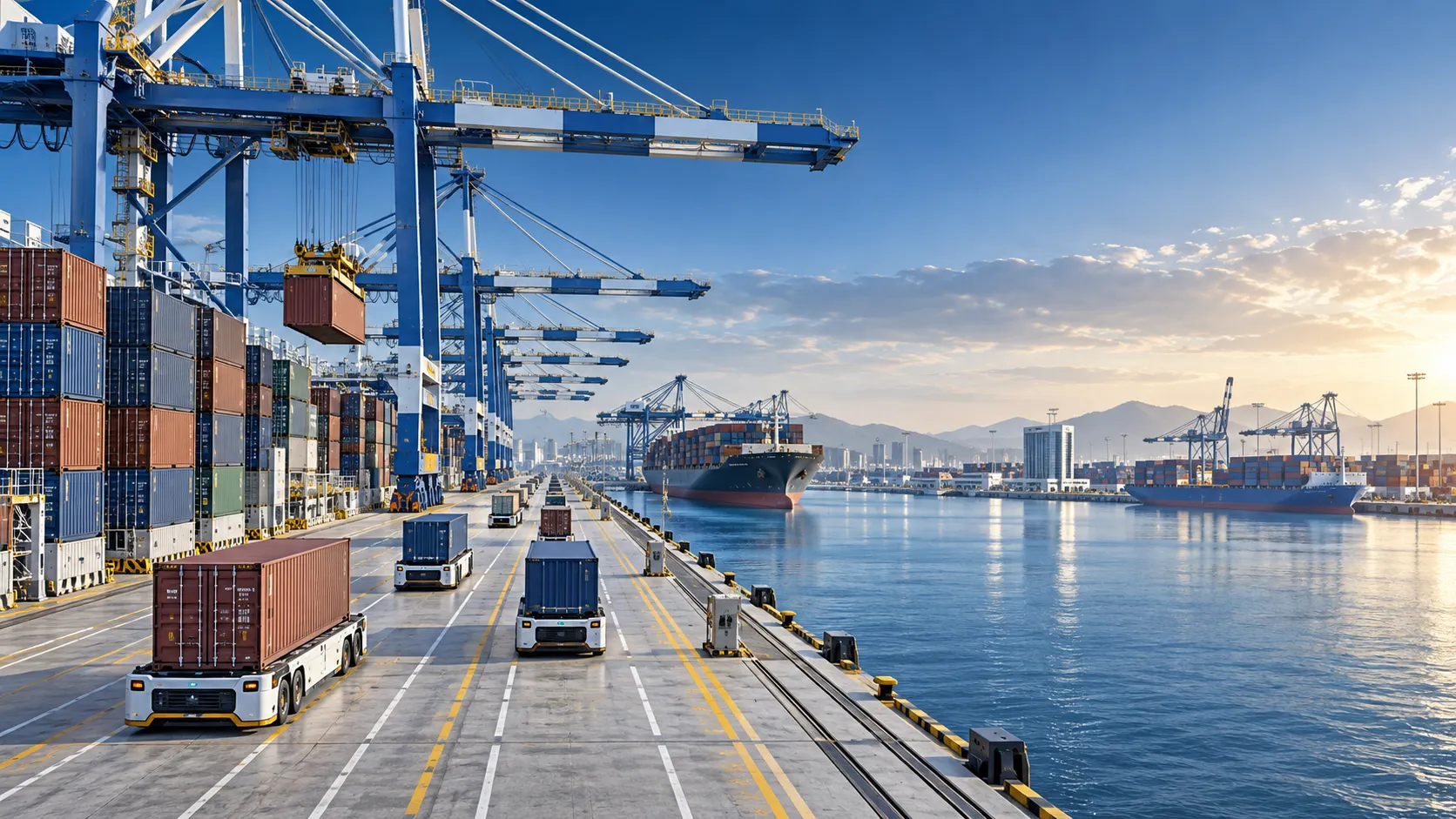
How to Evaluate Terminal Efficiency Solution Suppliers for High-Throughput Operations
Choose a terminal efficiency solutions supplier with confidence. Explore proven criteria for throughput, integration, lifecycle cost, safety, and reliable delivery.
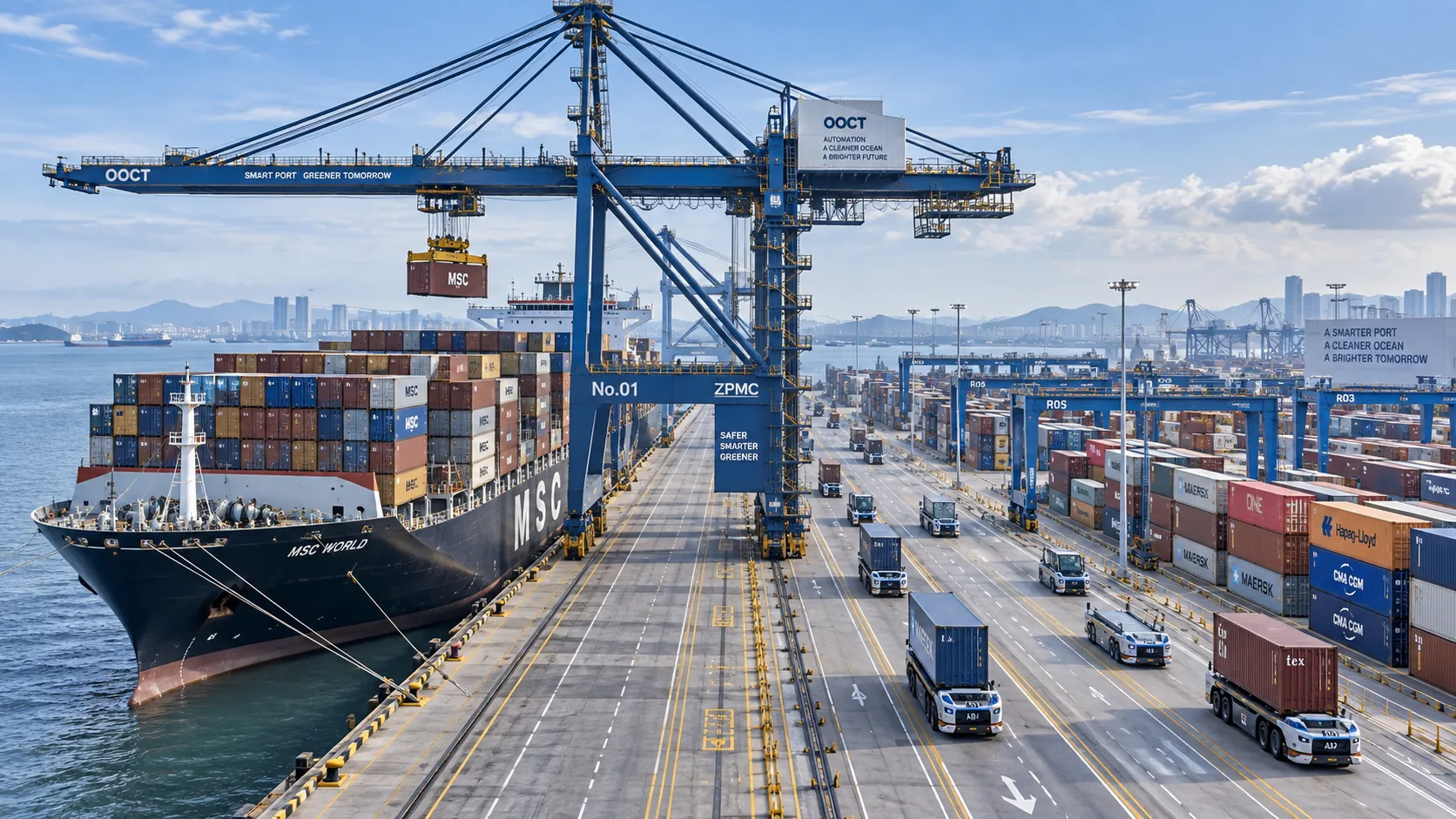
How to Specify a Quay Crane for Container Terminals by Vessel Size and Throughput?
Quay crane for container terminals: learn how to match outreach, lift height, capacity, automation, and cycle performance to vessel size and throughput goals.
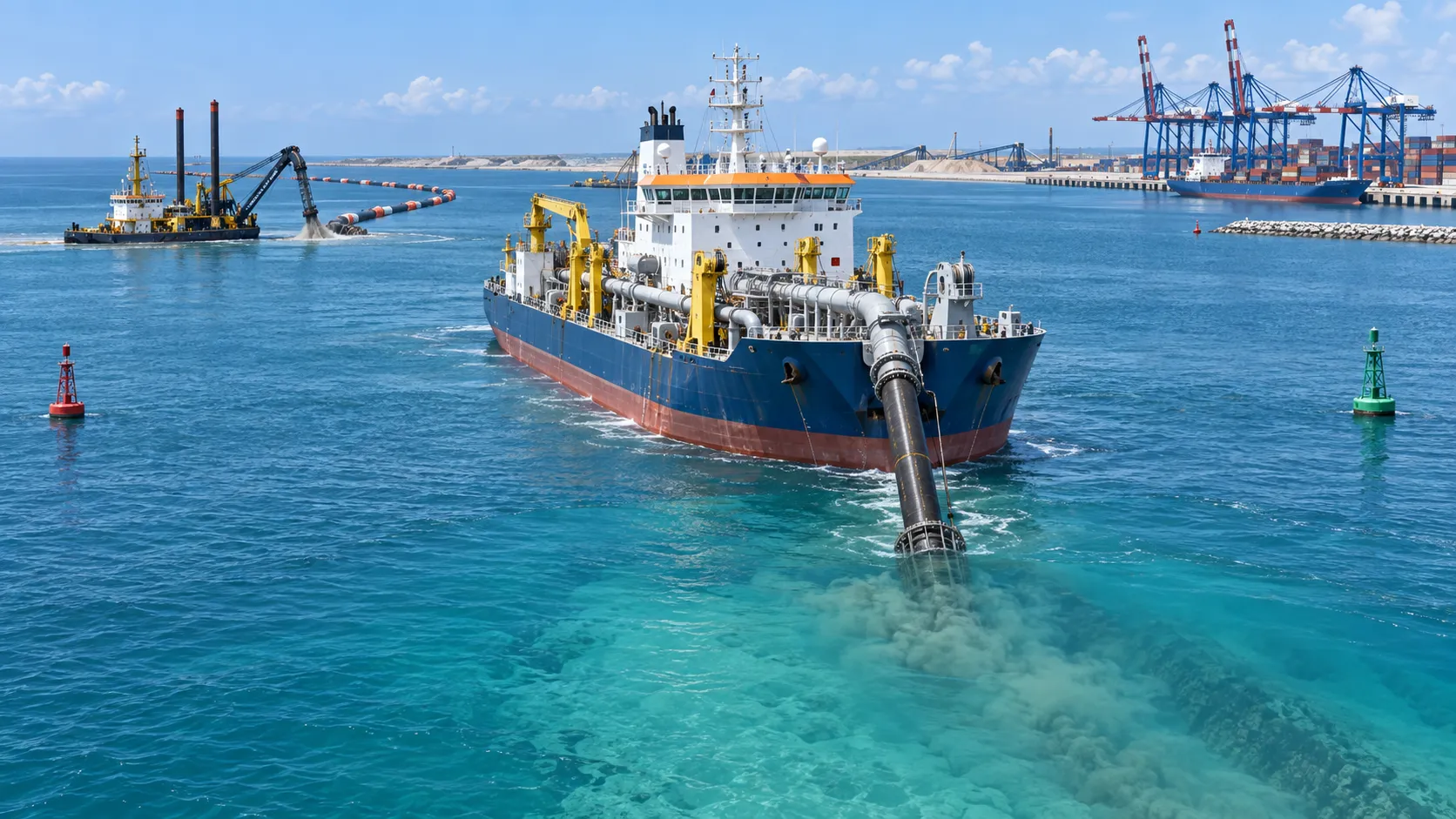
What Dredging Equipment Is Needed for Channel Deepening?
What dredging equipment is needed for channel deepening? Explore dredgers, pipelines, survey tools, and planning strategies for safer, more efficient port access.
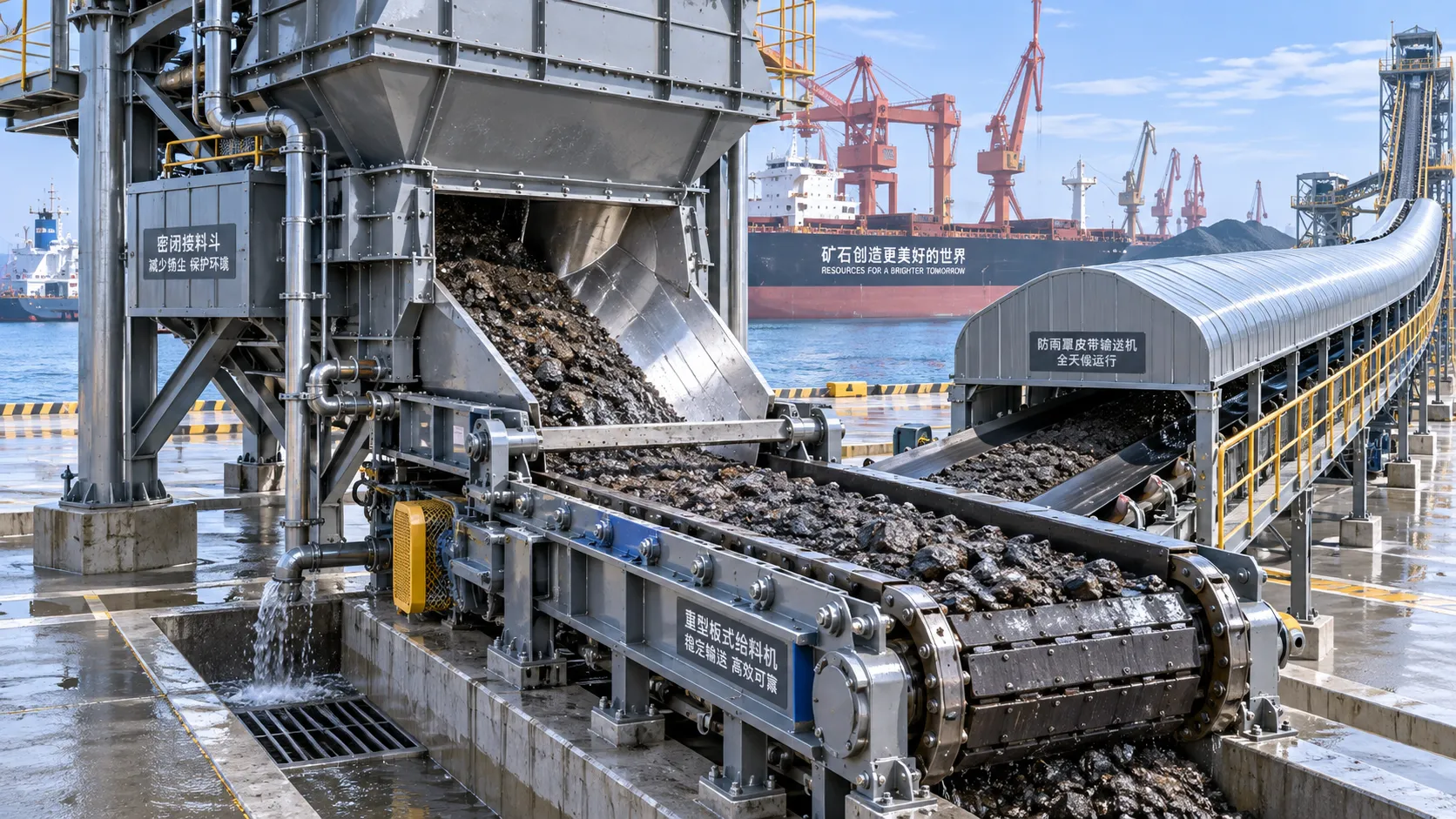
Which Bulk Handling Equipment Suits High-Moisture Cargo?
Which bulk handling equipment suits high-moisture cargo? Compare belt, apron, screw, drag, and slurry systems for reliable flow, less carryback, and higher terminal uptime.
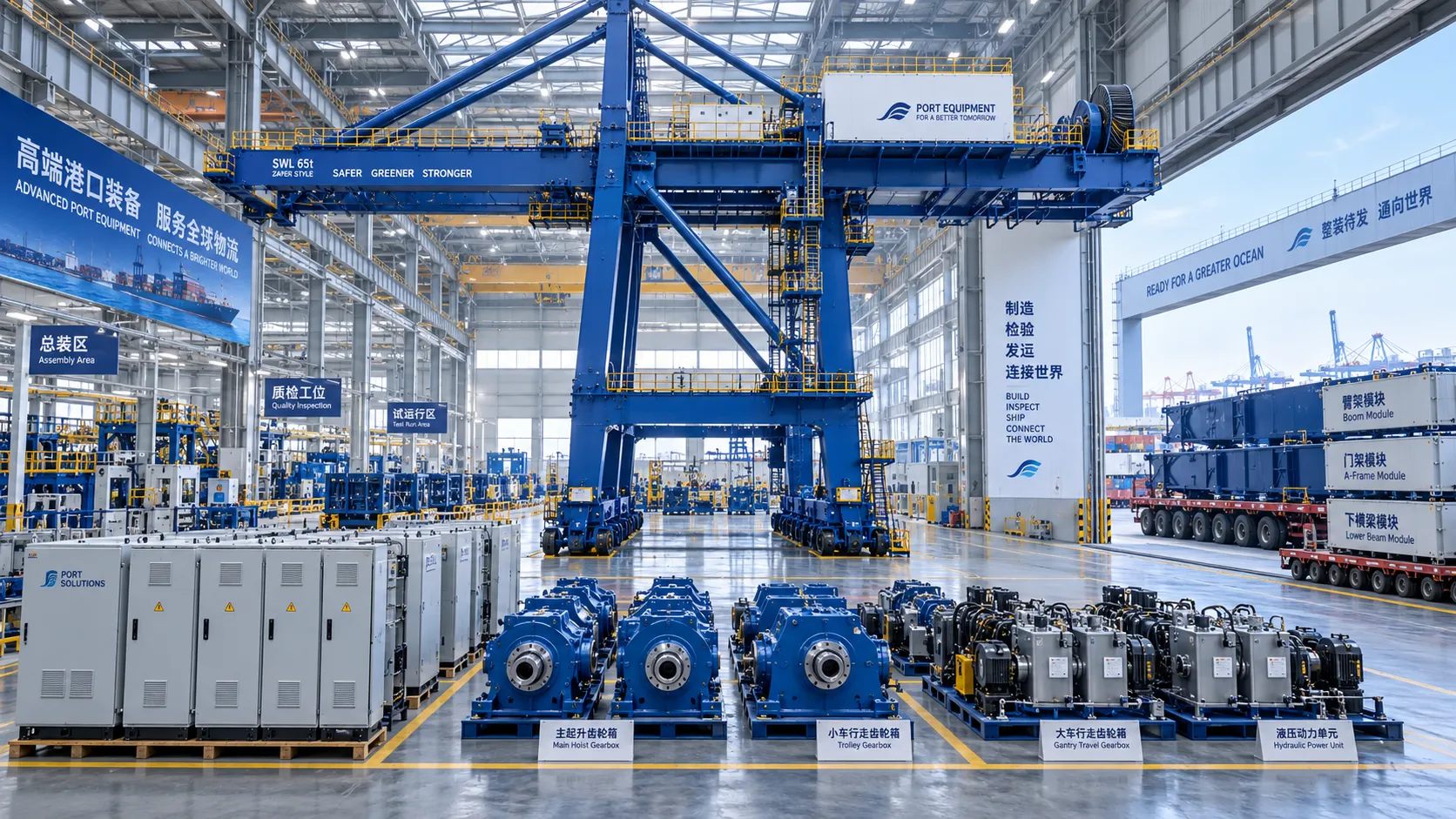
How Can Port Equipment Lead-Time Risk Be Managed?
How can port equipment lead-time risk be managed? Explore practical strategies to control critical paths, suppliers, transport, site readiness, and commissioning delays.
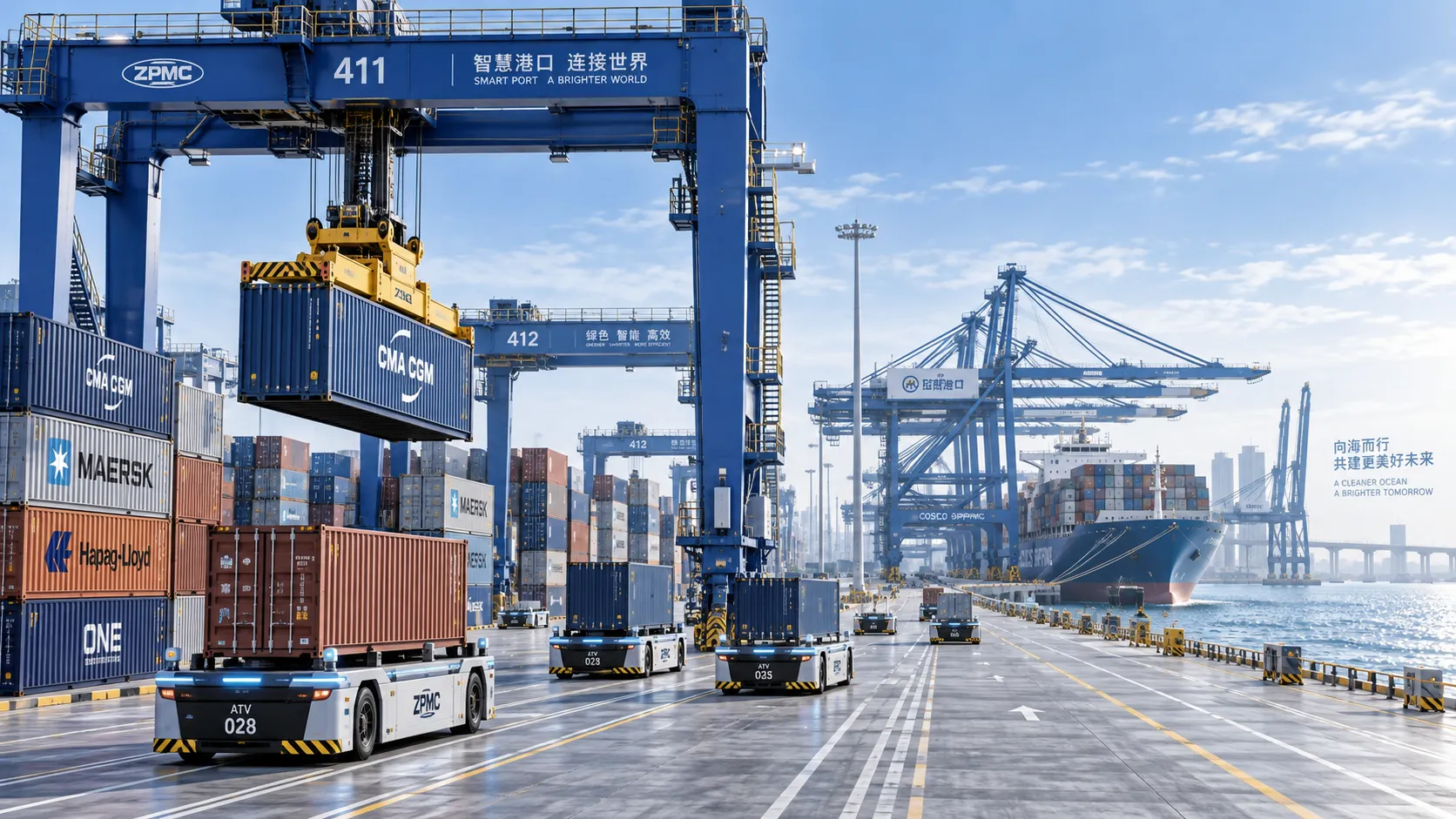
Terminal Automation Technologies That Raise Container Throughput Without Yard Disruption
Terminal automation technology that increases container throughput without disrupting yard flow. Explore smarter integration, resilient workflows, and phased deployment strategies.
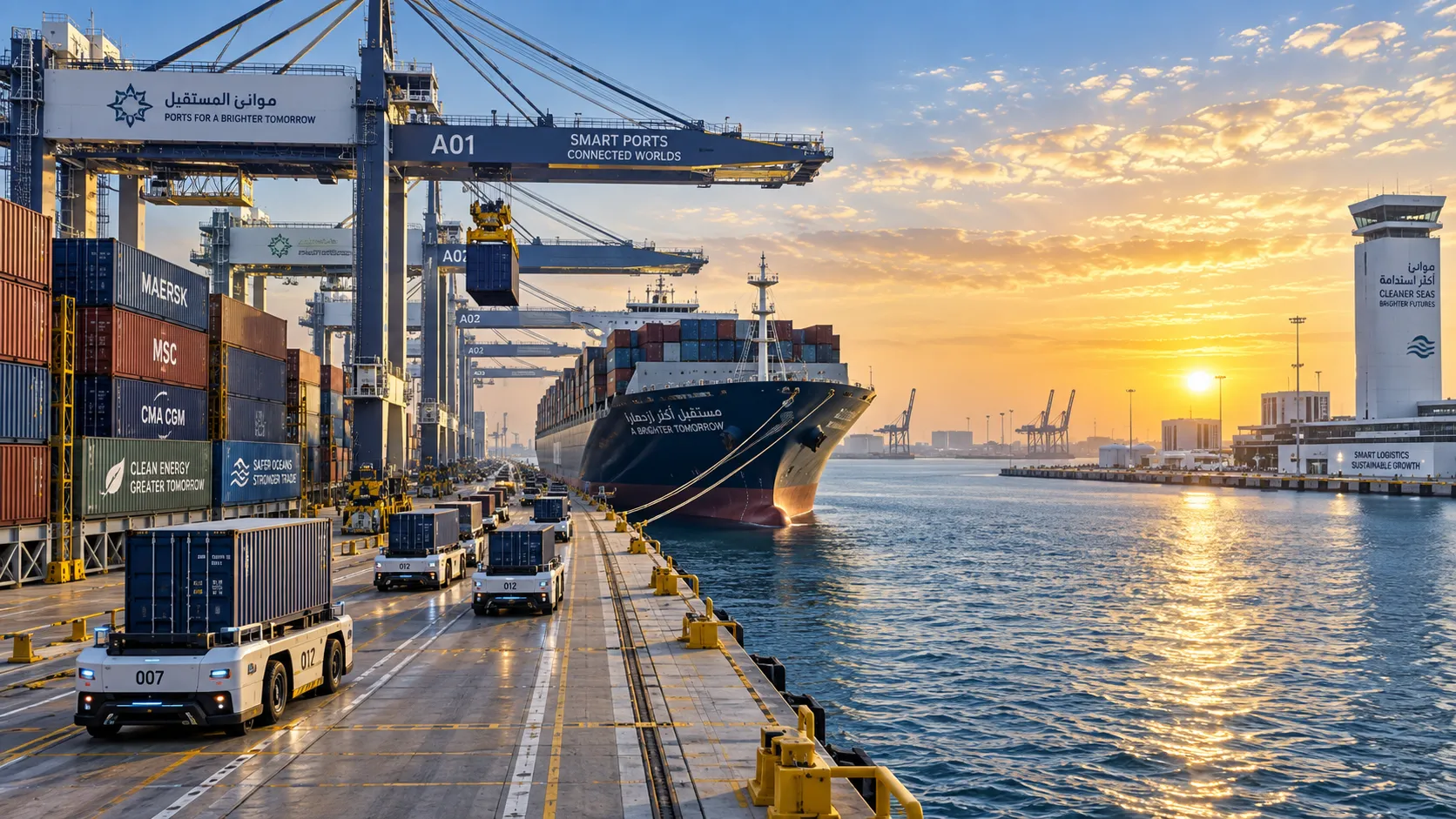
Middle East Port Automation: Key Market Drivers, Projects, and Investment Risks
Port automation systems Middle East: explore market drivers, flagship projects, integration challenges, and investment risks shaping smarter, resilient terminals.
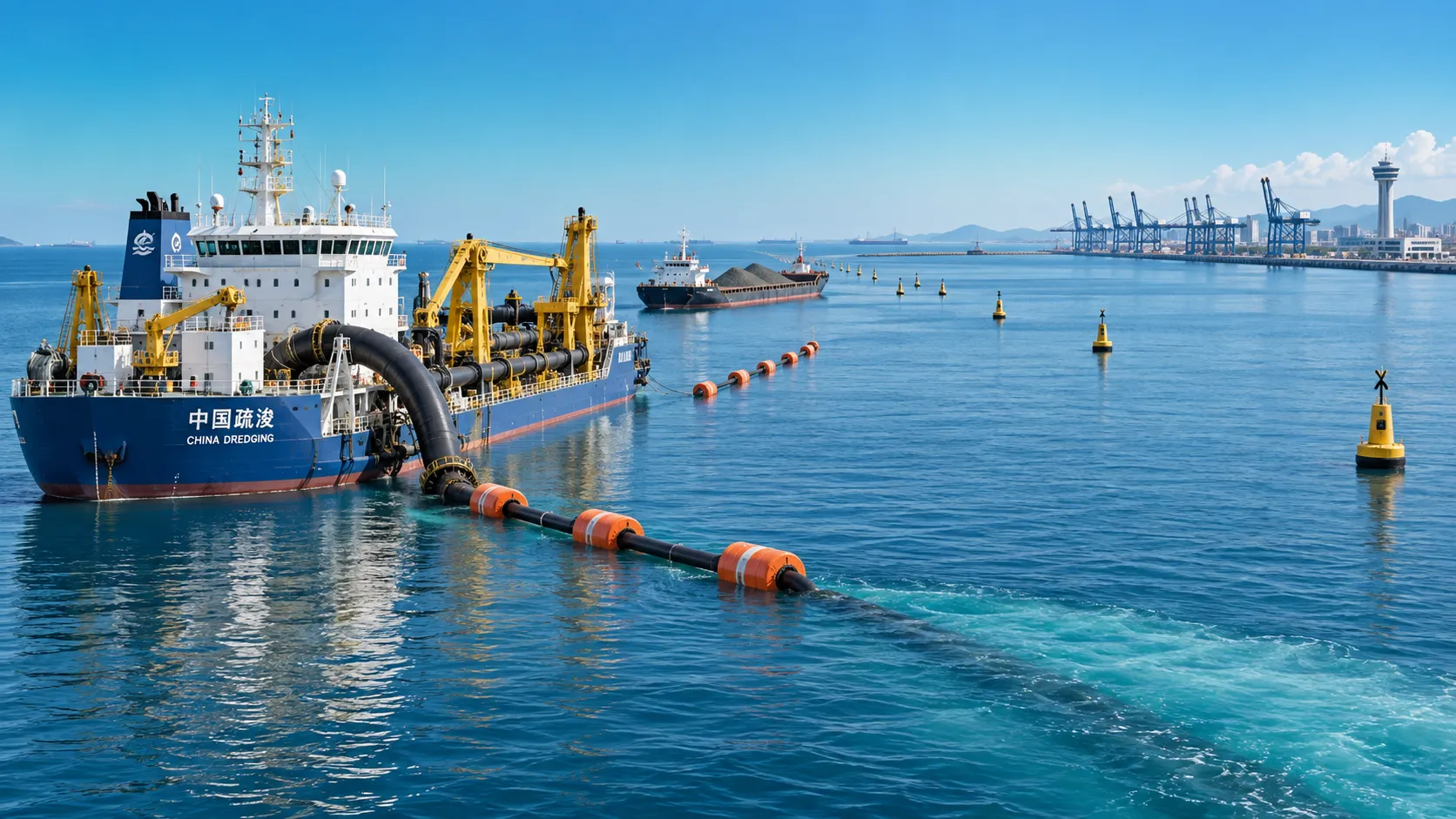
Planning Offshore Dredging Operations: Key Risks, Methods, and Project Controls
Offshore dredging operations demand smart planning. Explore key risks, proven methods, environmental controls, and project strategies for reliable delivery.