Related News
- 00
0000-00
Smart Port Systems in Southeast Asia: Investment Priorities and Adoption Barriers - 00
0000-00
Middle East Port Automation: Key Market Drivers, Projects, and Investment Risks - 00
0000-00
How Coastal Cities Can Prioritize Blue Economy Projects for Jobs and Ecosystem Gains - 00
0000-00
How Harbor Construction Solutions Address Wave Loads, Scour, and Vessel Berthing - 00
0000-00
What Is Driving Maritime Infrastructure Growth in Southeast Asia?
What Is Driving Maritime Infrastructure Growth in Southeast Asia?
Maritime infrastructure Southeast Asia is entering a more demanding phase of growth. The story is no longer just about building bigger ports or adding more berths. It is about how the region is repositioning itself within global supply chains, how governments are trying to absorb trade shifts, and how operators are dealing with a harder mix of vessel size, cargo complexity, land constraints, energy transition, and digital control requirements.
For anyone evaluating the market, that distinction matters. A terminal expansion can look attractive on paper, yet the real commercial value may depend on dredging depth, yard density, rail or road evacuation, crane productivity, customs digitization, and even the reliability of low-latency communications for remote operations. In Southeast Asia, these layers increasingly move together.
This is why maritime infrastructure Southeast Asia has become a market worth watching beyond headline announcements. Growth is being driven by a combination of trade diversification, industrial relocation, bulk commodity demand, coastal urbanization, and competition among ports that want to become preferred regional gateways rather than secondary transshipment points.
Trade diversification is changing the map
One of the strongest drivers is the reconfiguration of manufacturing and sourcing networks. Companies that once concentrated production in a narrower set of locations are spreading risk across multiple countries. Southeast Asia benefits from that shift because it offers a mix of export manufacturing bases, consumer markets, and shipping access to East Asia, South Asia, and the Indian Ocean.
That does not automatically mean every port wins. It means cargo flows become more fragmented and more strategic. Some ports gain from containerized exports tied to electronics, textiles, machinery, and intermediate goods. Others gain from bulk imports needed for industrialization, including energy cargoes, construction materials, and feedstocks. In practice, this pushes investment into container terminals, bulk handling systems, inland connectivity, and berth deepening at the same time.
For evaluators, the key question is not simply whether trade is growing, but what type of trade is growing and whether the infrastructure matches it. A port designed around older cargo assumptions can lose value quickly if vessel calls, dwell time expectations, or yard velocity shift faster than its upgrade cycle.
Bigger ships require deeper, smarter, and more expensive assets
Southeast Asian ports are under pressure to handle larger vessels and tighter service windows. That tends to trigger a chain reaction. Deeper drafts require dredging and sediment management. Larger cranes require stronger quay structures, higher electrical demand, and revised maintenance planning. Yard redesign often follows, especially where land is limited or costly.
This is where maritime infrastructure stops being a civil works story alone. A berth extension without appropriate quay crane outreach, a dredged channel without reliable navigation windows, or a larger yard without equipment orchestration does not produce the throughput investors expect. The region’s growth is therefore pulling in multiple categories at once: mega terminal gear, specialized container handling, bulk machinery, and dredging engineering.
PS-Nexus has been tracking this convergence closely because the economics of modern ports are increasingly stitched together by both hardware and operating logic. Heavy terminal gear defines the physical throughput ceiling, but scheduling software, remote-control architecture, and asset dispatch rules decide how close a terminal can get to that ceiling in daily operations.
Automation is moving from prestige project to operating necessity
A few years ago, port automation in Southeast Asia was often discussed as a symbol of modernization. Today, it is increasingly evaluated as an operational response to labor intensity, land scarcity, safety requirements, and pressure for predictable turnaround times.
That does not mean every terminal should automate to the same degree. The commercially relevant issue is fit. A high-volume hub with complex vessel strings may justify automated stacking systems, AGV path-planning logic, and remote-controlled quay crane functions. A smaller mixed-cargo port may get better returns from selective digitalization: gate automation, equipment telemetry, berth planning software, and energy monitoring.
Business evaluators should be cautious of simplistic automation narratives. The value case usually depends on local labor structures, maintenance capabilities, cyber resilience, training pipelines, and integration discipline. Even communication latency matters when remote control is involved. At PS-Nexus, this is one reason the intelligence lens extends beyond equipment catalogs into control systems, algorithmic scheduling, and the practical limits of unmanned terminal operations.
Dredging is back at the center of port competitiveness
Dredging rarely gets the public attention that cranes or automated yards receive, yet in much of Southeast Asia it remains one of the most decisive enablers of maritime growth. Coastal morphology, river sedimentation, tidal constraints, reclamation activity, and monsoon conditions can all affect channel depth and berth operability.
For ports serving larger ships, dredging is not a one-off engineering event. It can become a recurring operating commitment. That has implications for project valuation: capex is only part of the picture; maintenance dredging, monitoring systems, environmental permitting, and spoil management can materially influence lifecycle cost and reliability.
In some locations, dredging also connects directly to land creation and terminal expansion. That expands the decision set from marine works to geotechnical stability, equipment selection, pump monitoring, and long-term berth performance. Investors who overlook this interdependence may underestimate both risk and opportunity.
Regional competition is making logistics performance more visible
Ports in Southeast Asia are not competing in isolation. They are competing within a dense regional network of transshipment hubs, gateway terminals, industrial corridors, and feeder systems. Cargo owners and shipping lines compare not just location, but consistency: berth availability, crane rates, customs processing, hinterland evacuation, and disruption recovery.
This competitive pressure is pushing authorities and operators to think in systems rather than standalone assets. A terminal can have modern cranes and still underperform if truck queues, yard imbalances, or poor data visibility choke the flow. Conversely, ports that combine decent hardware with strong operational coordination can punch above their apparent scale.
That is also why market intelligence has become more valuable. Watching freight rates alone is not enough. Decision-makers increasingly need to understand logistics node dynamics, vessel deployment patterns, and the structural demand for automated gear under shifting trade conditions. This is the sort of cross-functional perspective PS-Nexus is built around: linking marine engineering, control architecture, and commercial timing rather than treating them as separate conversations.
Bulk cargo and energy flows still matter, even in a container-heavy narrative
It is easy to focus on container terminals because they are visible and politically attractive. But maritime infrastructure Southeast Asia is also being shaped by bulk cargo systems. Industrial development across the region still depends on reliable handling of ores, grains, fuels, cement materials, and other commodities that require dedicated unloading and storage configurations.
Bulk handling investment often follows a different logic from container investment. It may be linked to power generation, steel production, cement demand, agribusiness, or refining capacity rather than general trade growth. Equipment choices, dust control requirements, conveyor layouts, stockyard planning, and environmental safeguards can all determine whether a project is bankable and operable.
For this reason, regional maritime growth should be read as a portfolio of cargo ecosystems, not a single trend line. A port’s demand outlook may be strong in bulk and weak in containers, or vice versa. Commercial assessments become more accurate when they separate those drivers instead of blending them into one “port growth” assumption.
Net-zero pressure is influencing design choices, but unevenly
Decarbonization is now part of maritime infrastructure planning, although adoption speed varies widely by project and country. Electrified equipment, shore power discussions, energy-efficient control systems, and smarter dispatching are becoming more relevant, especially for new-build terminals and major retrofits.
Still, this is not a uniform transition. Some operators are focused on immediate throughput bottlenecks and may prioritize reliability upgrades before green technologies. Others see emissions performance as increasingly tied to financing, tenant expectations, or long-term concession value. The practical takeaway is that “green port” claims need to be tested against actual asset plans, power availability, grid stability, and operating profiles.
PS-Nexus approaches this area with the same discipline it brings to automation: net-zero ambition only becomes commercially meaningful when it is matched to equipment architecture, control logic, maintenance reality, and local implementation constraints.
What business evaluators should examine before calling the market attractive
The region has momentum, but not all projects deserve the same confidence. A more useful screen usually includes a few basic questions:
- Is demand tied to durable cargo flows or a narrow policy window?
- Does marine access support the vessel profile the project assumes?
- Are dredging and maintenance obligations clearly understood?
- Can the yard, gate, and hinterland absorb projected throughput?
- Is automation matched to labor conditions and technical support capacity?
- Do environmental and permitting requirements create schedule risk?
- Is the equipment ecosystem serviceable over a long replacement cycle?
These are not minor details. In port infrastructure, they often decide whether a promising market thesis translates into dependable utilization or into cost overruns and underused assets.
Southeast Asia will likely remain one of the most active maritime development regions because its growth drivers are structural rather than cosmetic. Trade rerouting, industrial expansion, larger ships, coastal engineering demand, and the rise of smart operations are all reinforcing one another. But the winners will not be chosen by geography alone. They will be determined by how well ports align engineering depth, equipment strategy, control systems, and commercial timing.
That is the real signal inside maritime infrastructure Southeast Asia. The market is expanding, yes, but it is also becoming less forgiving. Anyone assessing opportunities in terminals, bulk systems, automation platforms, or dredging programs should test the whole operating chain, not just the headline project scope. Usually, the next step is to validate local cargo assumptions, asset specifications, channel conditions, delivery timelines, and integration requirements before drawing conclusions about long-term value.
Related News
Smart Port Systems in Southeast Asia: Investment Priorities and Adoption Barriers
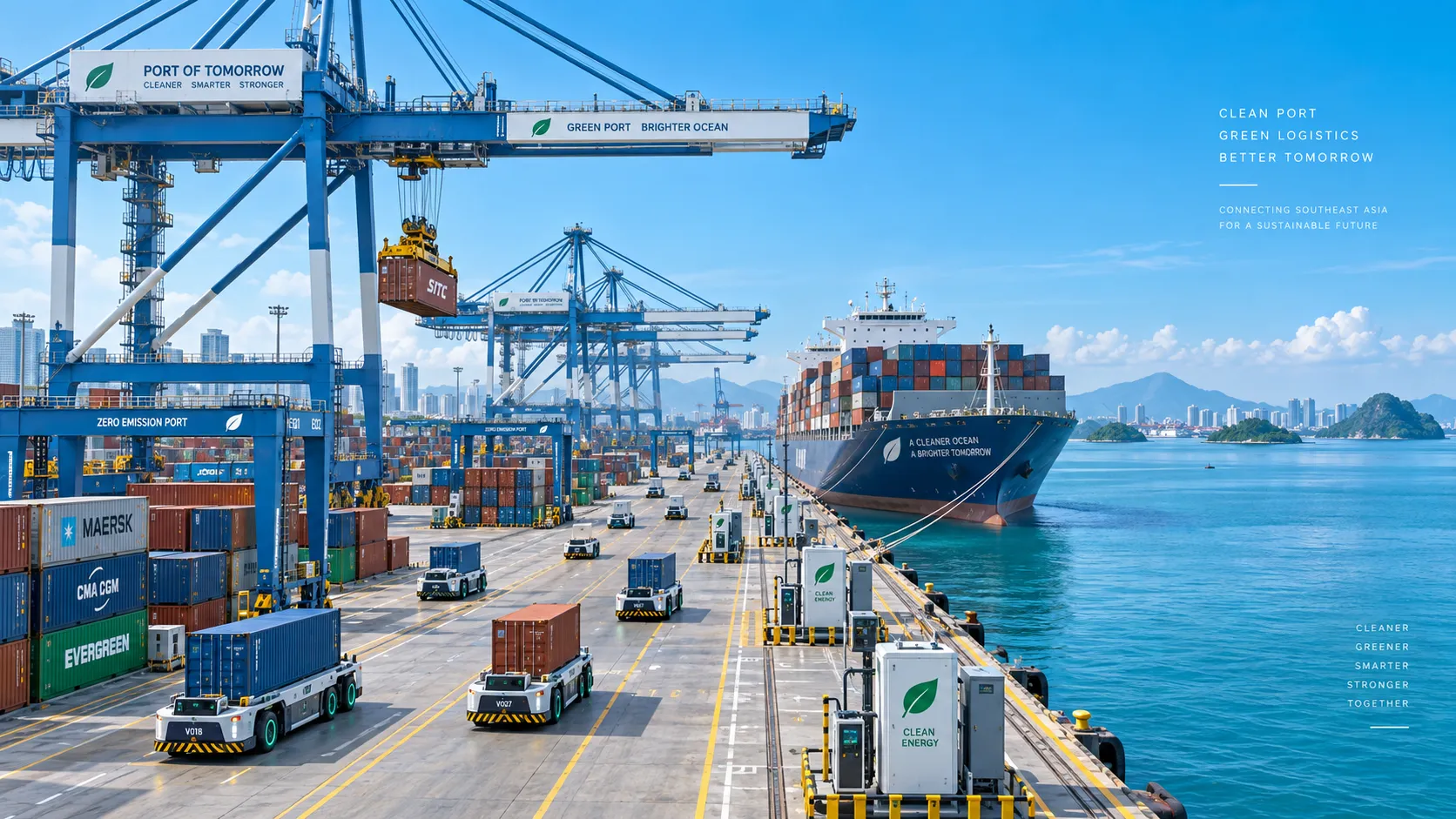
Smart port systems Southeast Asia: discover investment priorities, adoption barriers, and practical steps to build resilient, connected, high-performing terminals.
How to Evaluate Terminal Efficiency Solution Suppliers for High-Throughput Operations
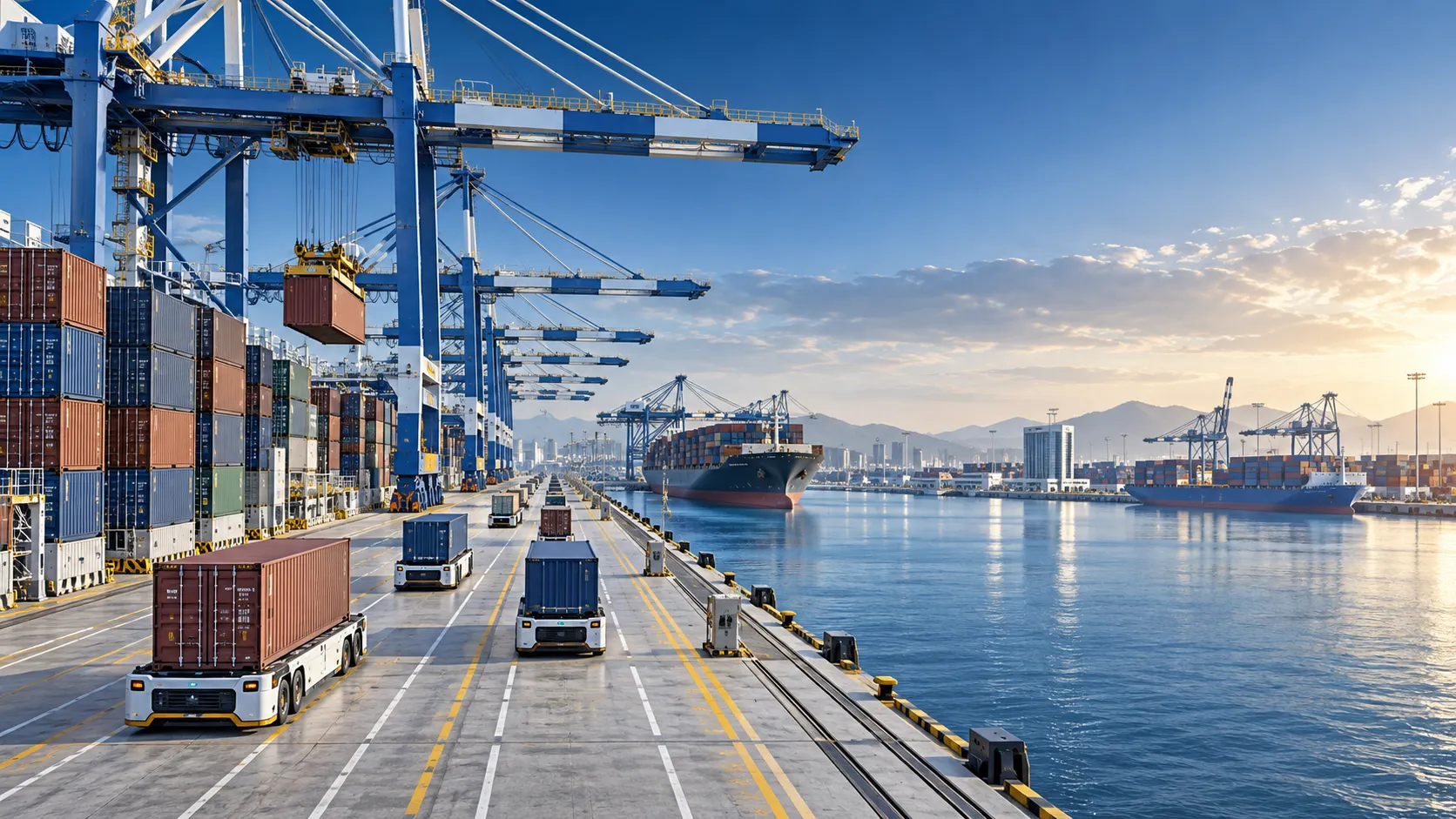
Choose a terminal efficiency solutions supplier with confidence. Explore proven criteria for throughput, integration, lifecycle cost, safety, and reliable delivery.
How to Specify a Quay Crane for Container Terminals by Vessel Size and Throughput?
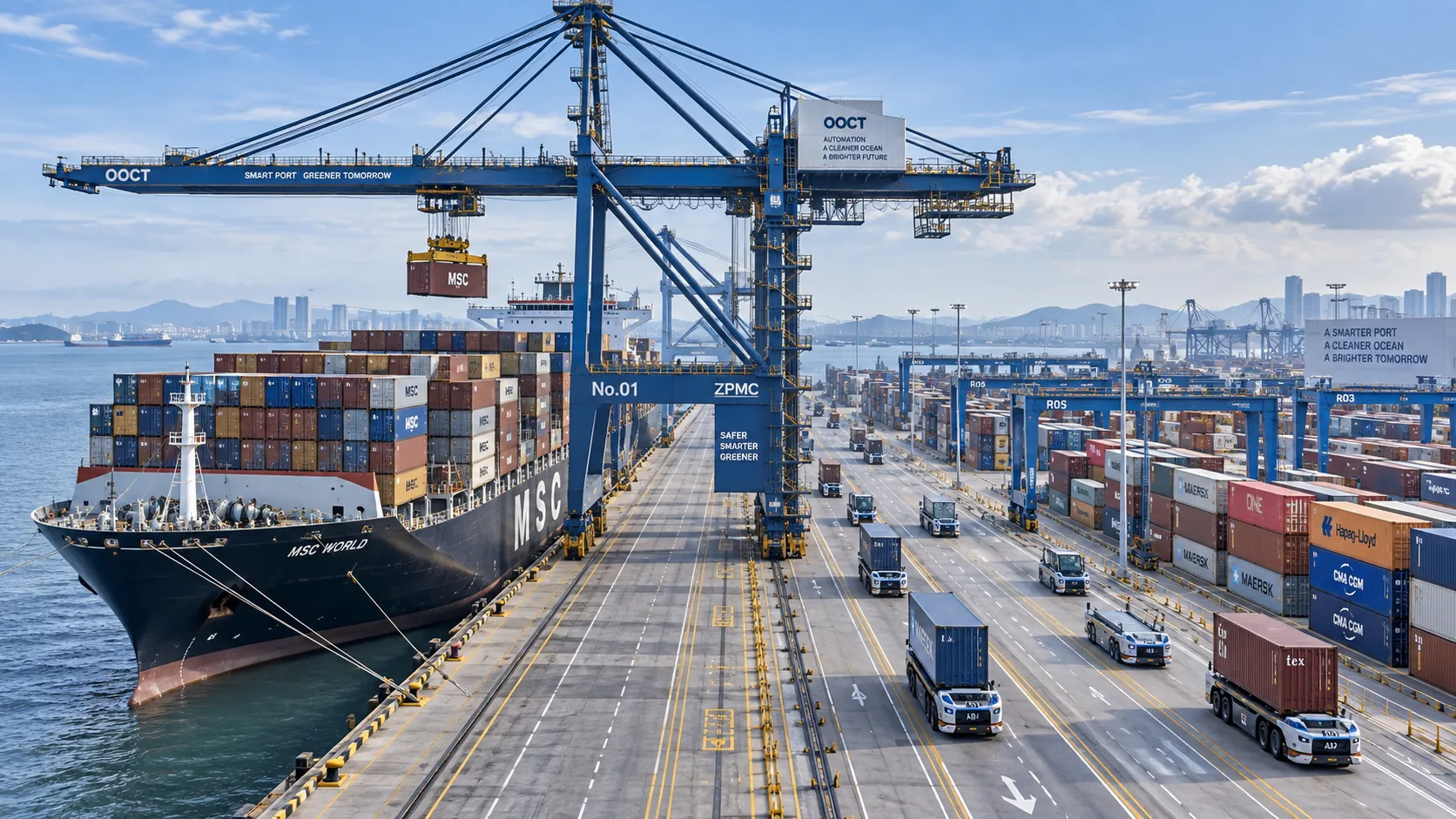
Quay crane for container terminals: learn how to match outreach, lift height, capacity, automation, and cycle performance to vessel size and throughput goals.
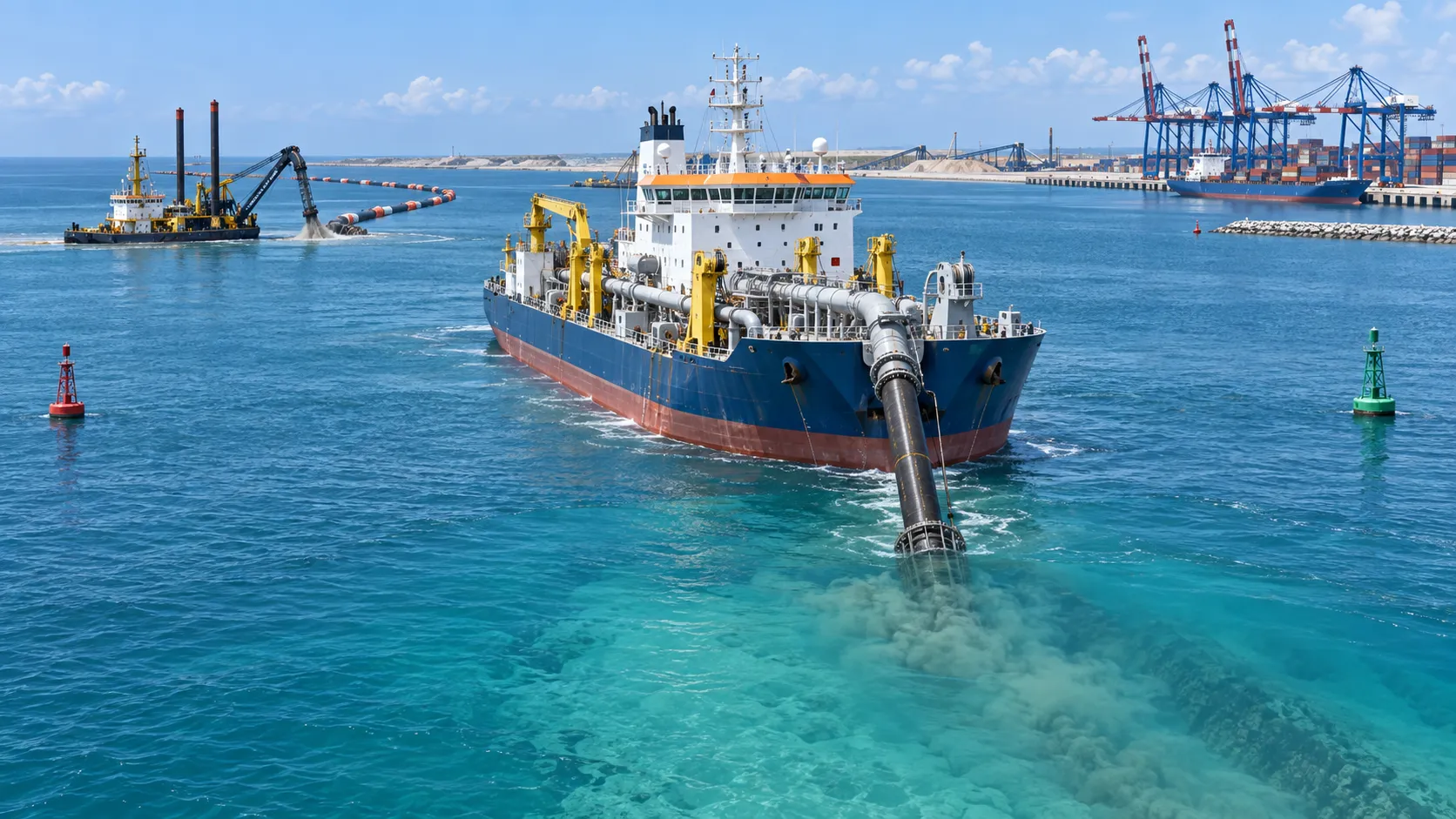
What Dredging Equipment Is Needed for Channel Deepening?
What dredging equipment is needed for channel deepening? Explore dredgers, pipelines, survey tools, and planning strategies for safer, more efficient port access.
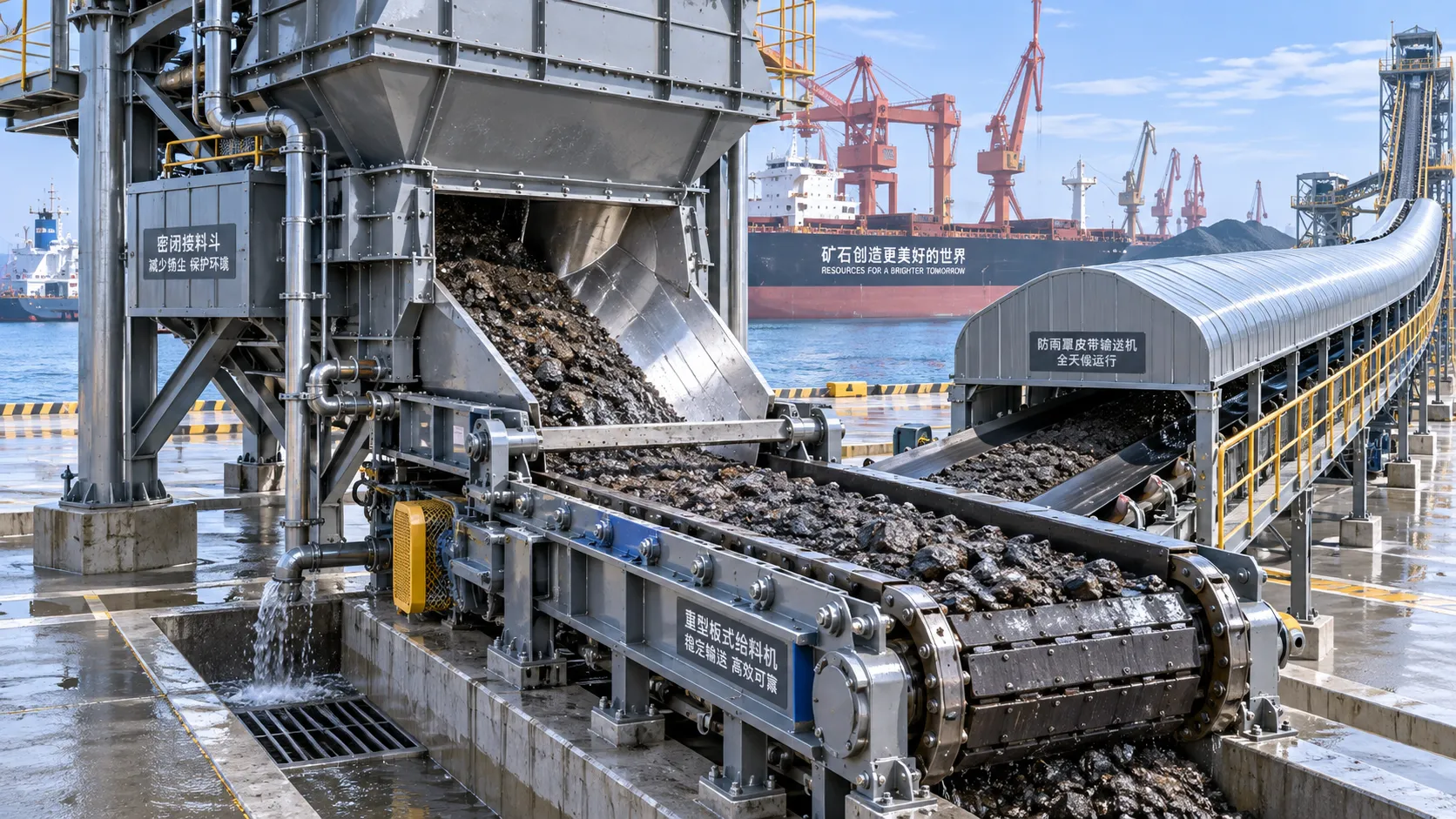
Which Bulk Handling Equipment Suits High-Moisture Cargo?
Which bulk handling equipment suits high-moisture cargo? Compare belt, apron, screw, drag, and slurry systems for reliable flow, less carryback, and higher terminal uptime.
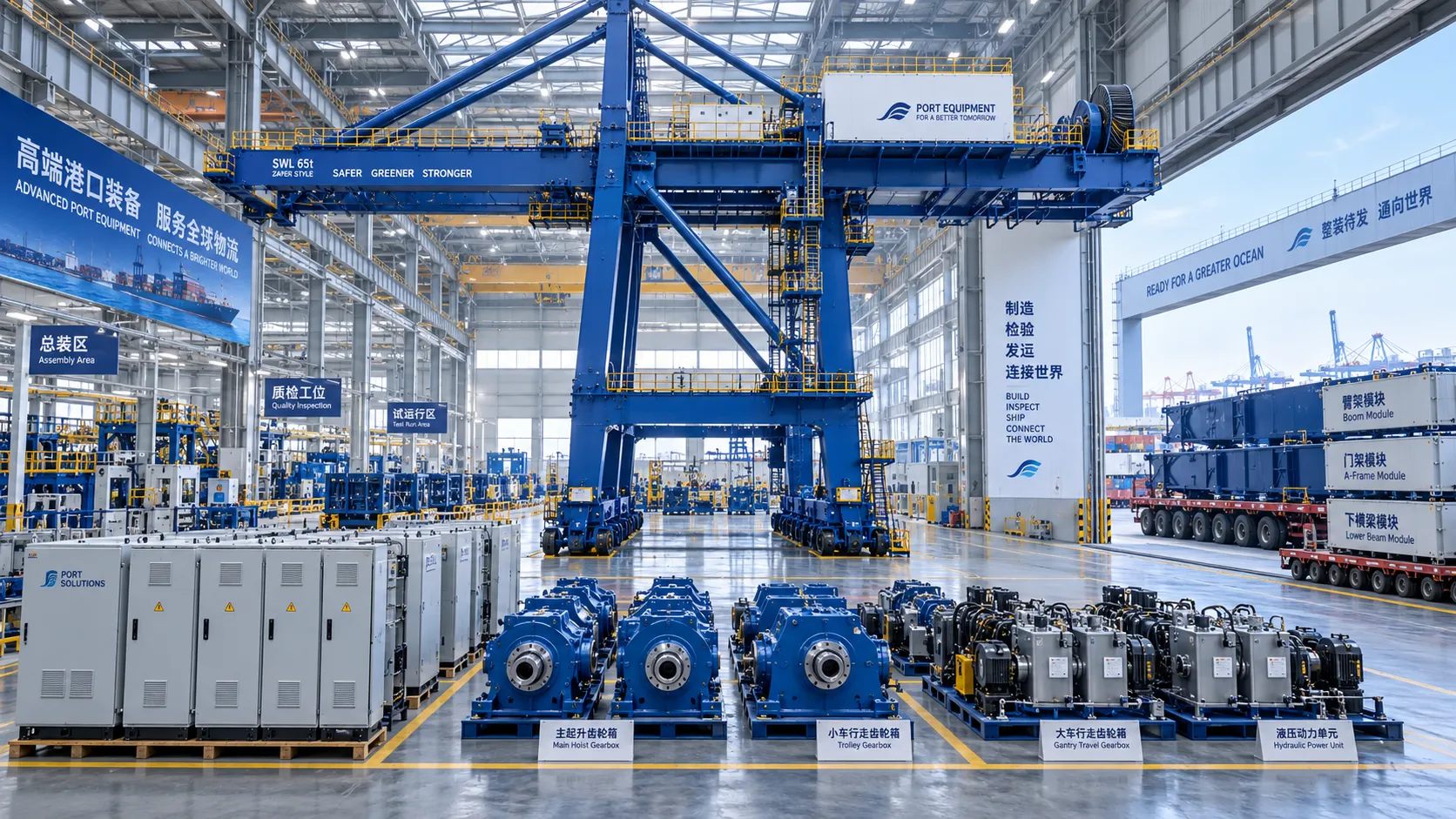
How Can Port Equipment Lead-Time Risk Be Managed?
How can port equipment lead-time risk be managed? Explore practical strategies to control critical paths, suppliers, transport, site readiness, and commissioning delays.
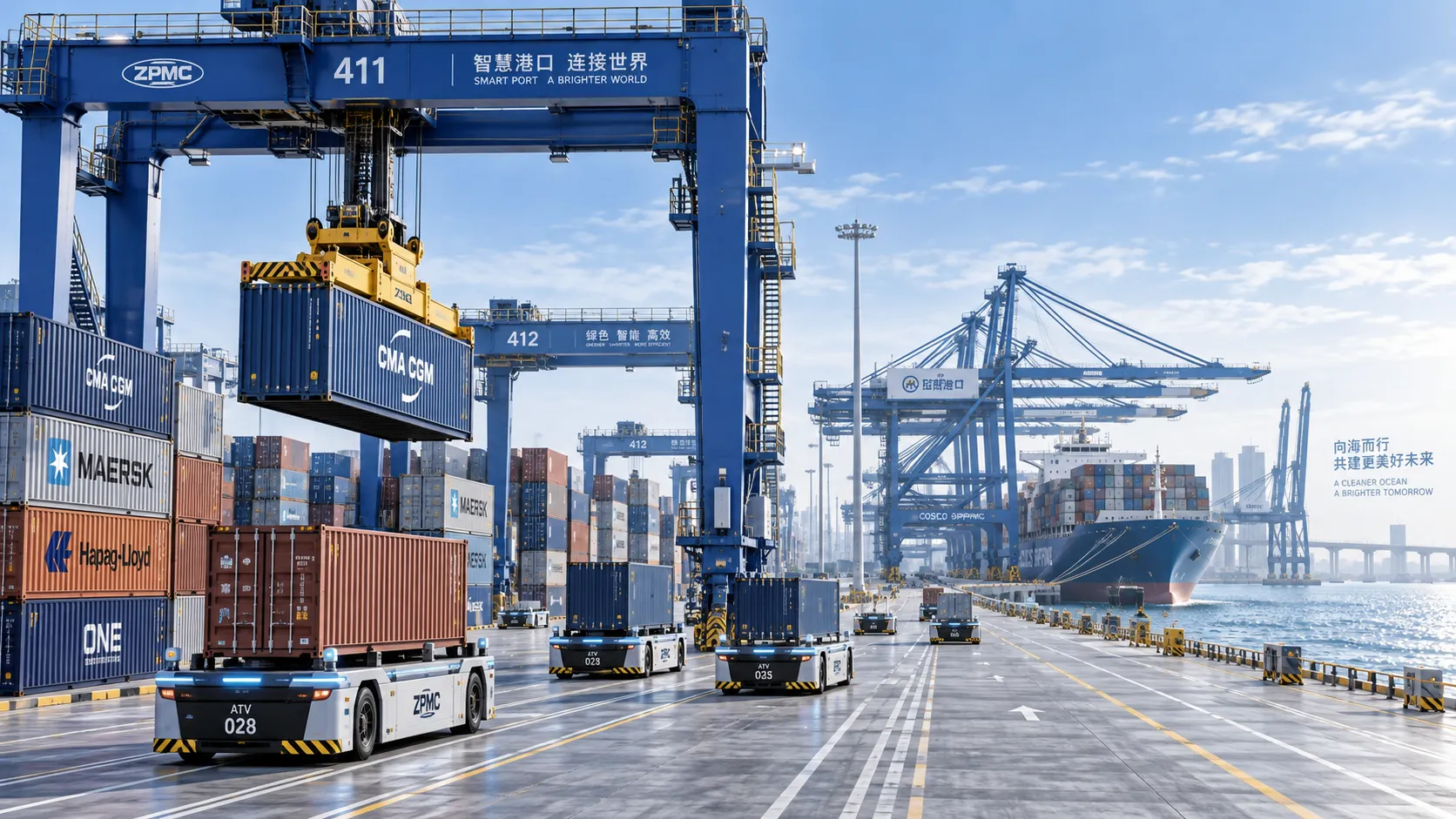
Terminal Automation Technologies That Raise Container Throughput Without Yard Disruption
Terminal automation technology that increases container throughput without disrupting yard flow. Explore smarter integration, resilient workflows, and phased deployment strategies.
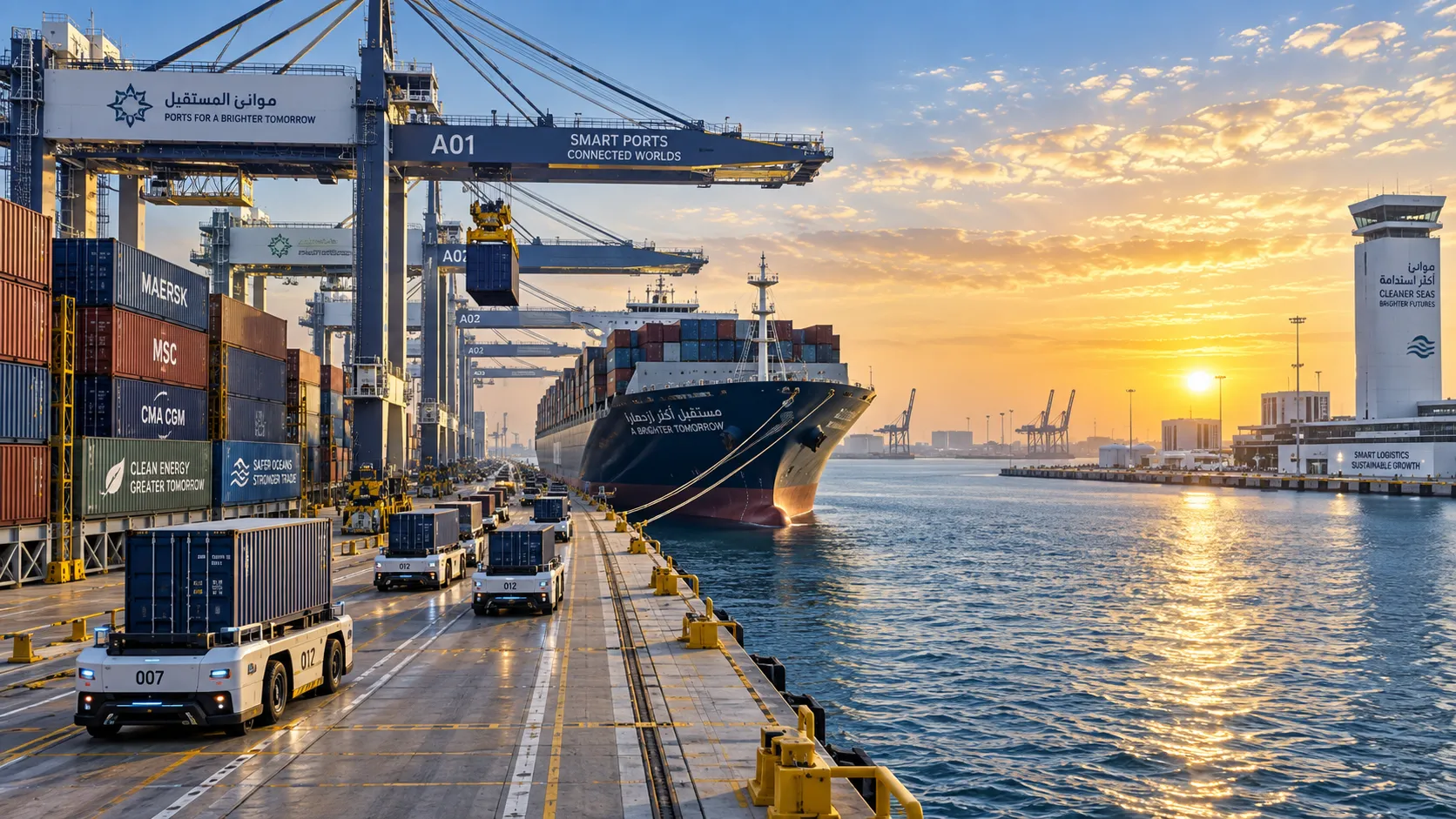
Middle East Port Automation: Key Market Drivers, Projects, and Investment Risks
Port automation systems Middle East: explore market drivers, flagship projects, integration challenges, and investment risks shaping smarter, resilient terminals.
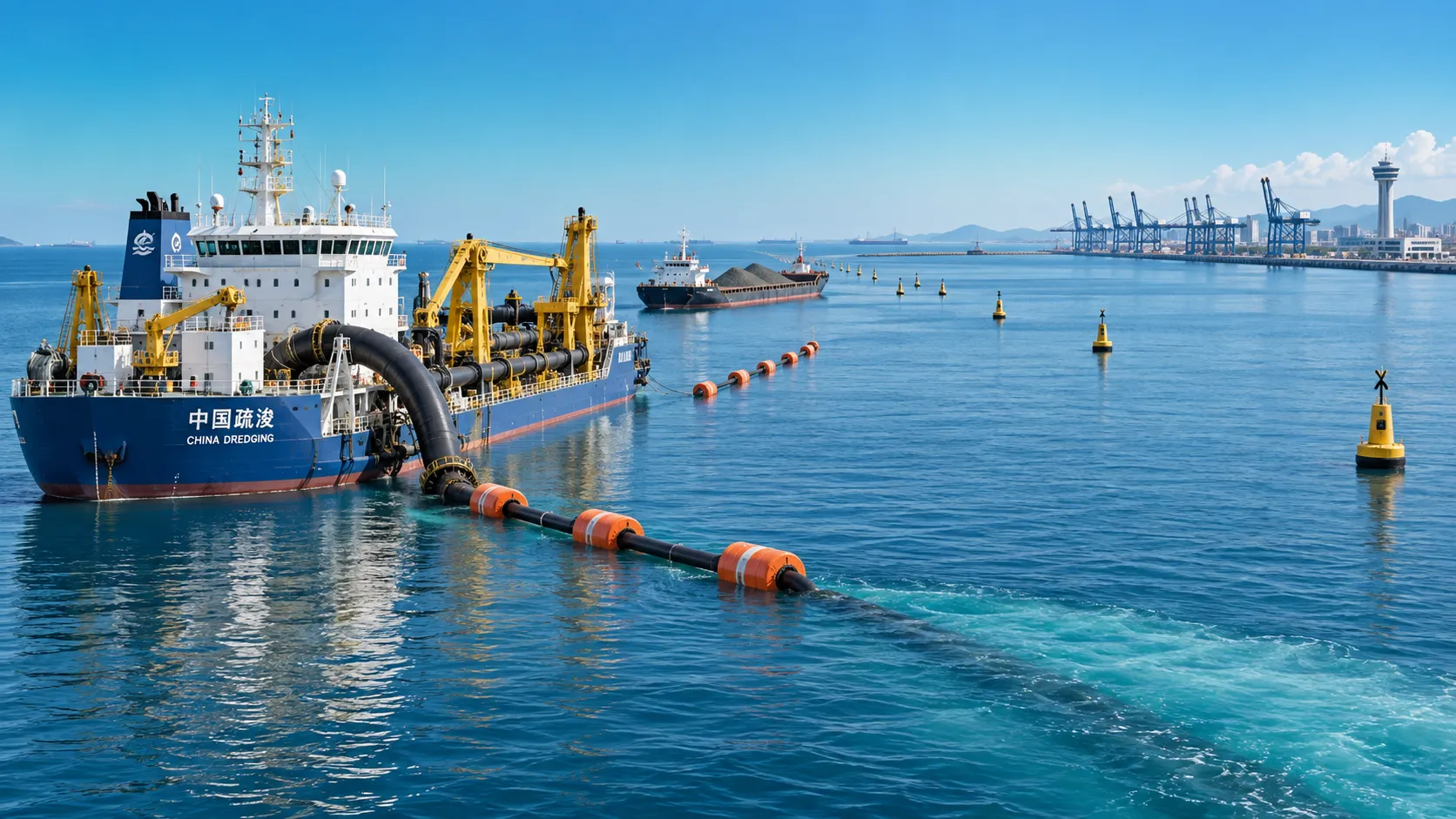
Planning Offshore Dredging Operations: Key Risks, Methods, and Project Controls
Offshore dredging operations demand smart planning. Explore key risks, proven methods, environmental controls, and project strategies for reliable delivery.