Related News
- 00
0000-00
How Can Port Equipment Lead-Time Risk Be Managed? - 00
0000-00
Maritime Logistics Operations: How Ports Can Reduce Container Dwell Time - 00
0000-00
What Does Logistics Node Monitoring Cost Across Warehouses and Transport Hubs? - 00
0000-00
How Can IoT Smart Port Solutions Improve Container Tracking and Yard Efficiency? - 00
0000-00
How Real-Time Port Logistics Intelligence Improves Container Yard Efficiency
Maritime Trade Analytics for 2025: Freight Signals, Port Data, and Supply Chain Shifts
Maritime trade analytics is becoming the real map of 2025
In 2025, maritime trade analytics has moved from a specialist tool to a core layer of commercial judgment.
Freight rates still matter, but isolated price tracking now explains less than before.
The sharper signals come from how rates, berth productivity, vessel queues, inland links, and cargo mix interact.
That shift matters across industries because trade disruption now travels faster from port equipment constraints to inventory risk.
A delayed crane upgrade, a dredging bottleneck, or weak yard orchestration can alter lead times well before freight indexes react.
This is why maritime trade analytics increasingly combines freight signals with terminal mechanics and coastal infrastructure data.
Seen through that wider lens, trade flows are less about volume alone and more about synchronized capacity.
The most visible change is that ports now reveal market stress earlier
Recent market behavior shows a clear pattern: bottlenecks form inside nodes before they fully appear in headline shipping prices.
Maritime trade analytics is therefore paying closer attention to terminal turn time, crane intensity, yard dwell, and feeder reliability.
What looks like a moderate freight market can still conceal severe capacity friction at specific gateways.
This is especially relevant where mega terminals handle larger vessels with tighter berth windows.
A small deviation in berth planning can ripple across alliance schedules, truck gates, and transshipment sequencing.
For that reason, analysts are treating port data as a leading indicator rather than a supporting detail.
The signal set has become broader and more operational
- Freight spreads show where demand is moving, but not whether ports can absorb it smoothly.
- Vessel waiting time reveals hidden congestion before contract rate renegotiations begin.
- Yard density indicates whether container handling flexibility is tightening.
- Dredging status affects draft access, vessel sizing, and seasonal throughput resilience.
- Automation uptime shows whether nominal capacity can become usable capacity under pressure.
These indicators give maritime trade analytics more predictive power because they describe conditions before delays become visible in financial reporting.
Why the data mix is changing so quickly
The first reason is network fragmentation.
Trade routes are adjusting to geopolitical caution, regional sourcing, energy shifts, and resilience planning.
Cargo does not simply disappear or appear; it is being rerouted through different corridors and secondary ports.
The second reason is equipment dependency.
As terminals push for higher moves per hour, the role of quay cranes, AGVs, bulk systems, and control software becomes more strategic.
The third reason is timing.
Business cycles now react poorly to uncertainty, so earlier visibility has a direct valuation impact.
This is also where PS-Nexus fits naturally into the discussion.
Its focus on heavy terminal gear, automated handling, and dredging engineering reflects where practical capacity is actually decided.
The market is no longer reading freight in isolation
Freight signals remain essential, but the market is learning to distrust single-metric narratives.
A rate spike may reflect panic booking, space discipline, weather disruption, or a weak inland evacuation chain.
A soft rate environment may still coexist with selective port strain in energy, project cargo, or reefer corridors.
Better maritime trade analytics now connects price movement with physical handling capability.
That is especially true in mixed cargo environments where bulk handling machinery and specialized container systems compete for shared space and labor logic.
When that competition intensifies, broad market averages become less useful than terminal-specific diagnostics.
Where the practical impact appears first
The earliest impact is usually on planning confidence.
Route options that looked interchangeable on paper begin to diverge in real execution quality.
The second impact is on asset timing.
Vessel deployment, storage strategy, and inland bookings all become more sensitive to port-side variability.
The third impact is on investment logic.
Capital increasingly favors ports and corridors that can prove operational resilience, not just advertised scale.
A deeper layer of competition is forming around terminal intelligence
One of the more important 2025 shifts is that port competitiveness is becoming data-visible in new ways.
It is no longer enough to count berth length or annual throughput declarations.
Observers want to know whether remote crane communications are stable, whether AGV routing is efficient, and whether dredging assets are monitored continuously.
Those details may sound technical, yet they influence shipping reliability and commercial timing directly.
This helps explain the growing relevance of platforms that connect mechanical systems, control logic, and trade intelligence into one reading frame.
PS-Nexus represents that broader view by following terminal machinery, automation architecture, and marine engineering as parts of the same economic system.
- Mega terminal gear sets the ceiling for berth productivity during demand surges.
- Bulk systems determine whether energy and raw material corridors remain fluid.
- Container handling design affects yard mobility when schedules compress.
- Automation control systems translate installed assets into coordinated throughput.
- Dredging engineering preserves access depth and future expansion potential.
In maritime trade analytics, these are no longer background engineering topics.
They are part of front-line market interpretation.
What deserves closer attention over the next planning cycle
From a decision perspective, the most useful approach is to track combinations rather than isolated numbers.
If freight softens while berth delays rise, the likely message is hidden operational strain.
If volume expands while yard dwell remains stable, that can signal successful automation absorption.
If draft access improves after dredging progress, route economics may change faster than market consensus expects.
Maritime trade analytics works best when it treats ports as living systems rather than static nodes.
Useful checkpoints for near-term judgment
- Compare freight movements with vessel waiting time at the same gateway.
- Check whether terminal upgrades improve actual turnaround, not only stated capacity.
- Watch secondary ports for overflow patterns that may become permanent rerouting.
- Monitor automation reliability during peak windows, not only in normal conditions.
- Review dredging and fairway work as forward indicators of corridor competitiveness.
That set of checkpoints supports clearer ranking of risk, timing, and long-cycle infrastructure relevance.
The next advantage comes from building a more disciplined reading habit
The real value of maritime trade analytics in 2025 is not more dashboards by themselves.
It is the ability to read freight, machinery, port control, and corridor access as connected evidence.
That approach makes supply chain shifts easier to judge before they become expensive surprises.
It also helps separate temporary noise from structural change, which is increasingly important in capital planning.
A practical next step is to organize monitoring around a few gateways, a few operational indicators, and a clear review rhythm.
From there, compare freight signals with port data, watch how equipment capability affects flow quality, and refine assumptions quarterly.
In a market shaped by synchronized infrastructure, maritime trade analytics is becoming less about observation alone and more about disciplined foresight.
Related News
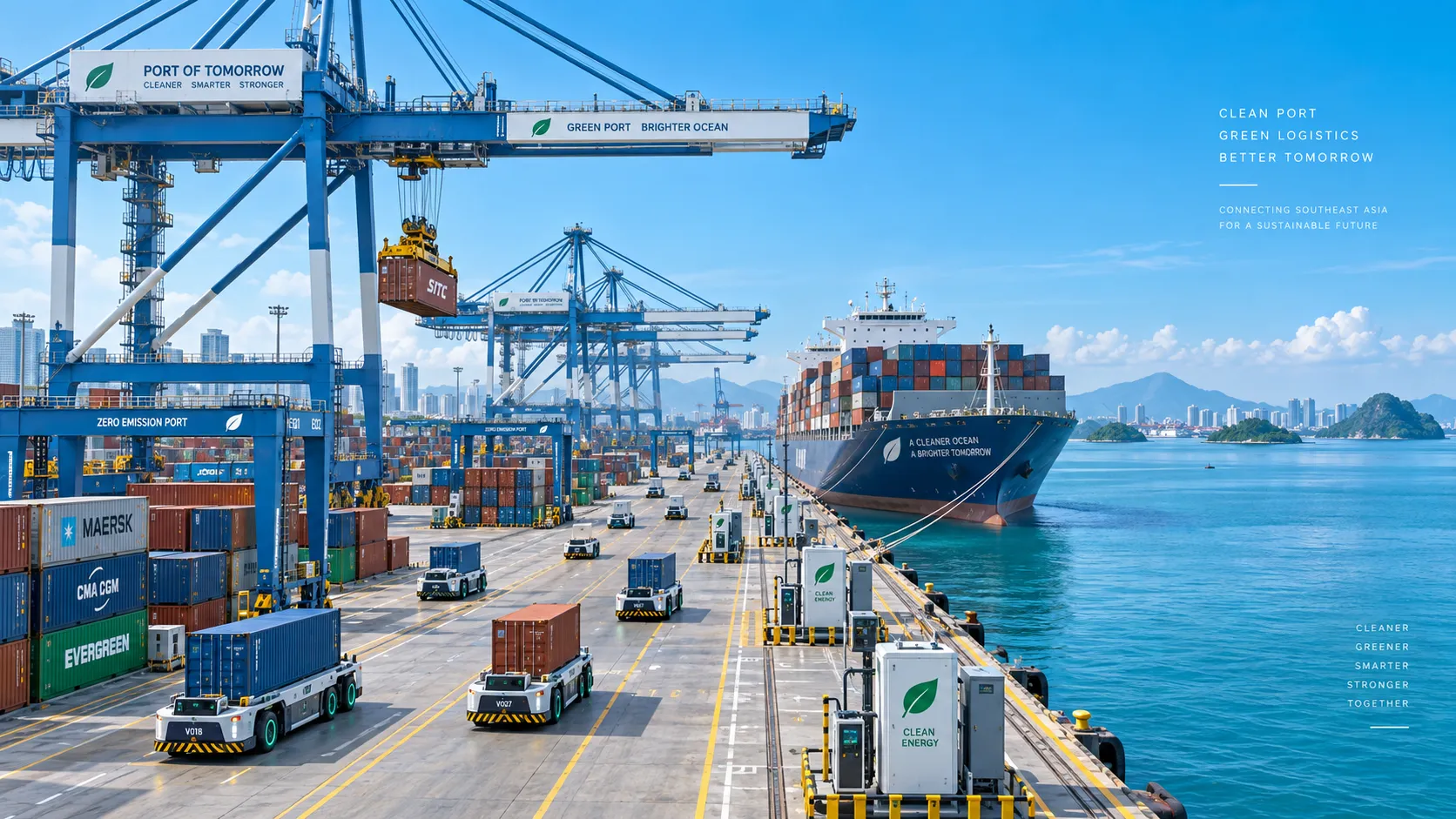
Smart Port Systems in Southeast Asia: Investment Priorities and Adoption Barriers
Smart port systems Southeast Asia: discover investment priorities, adoption barriers, and practical steps to build resilient, connected, high-performing terminals.
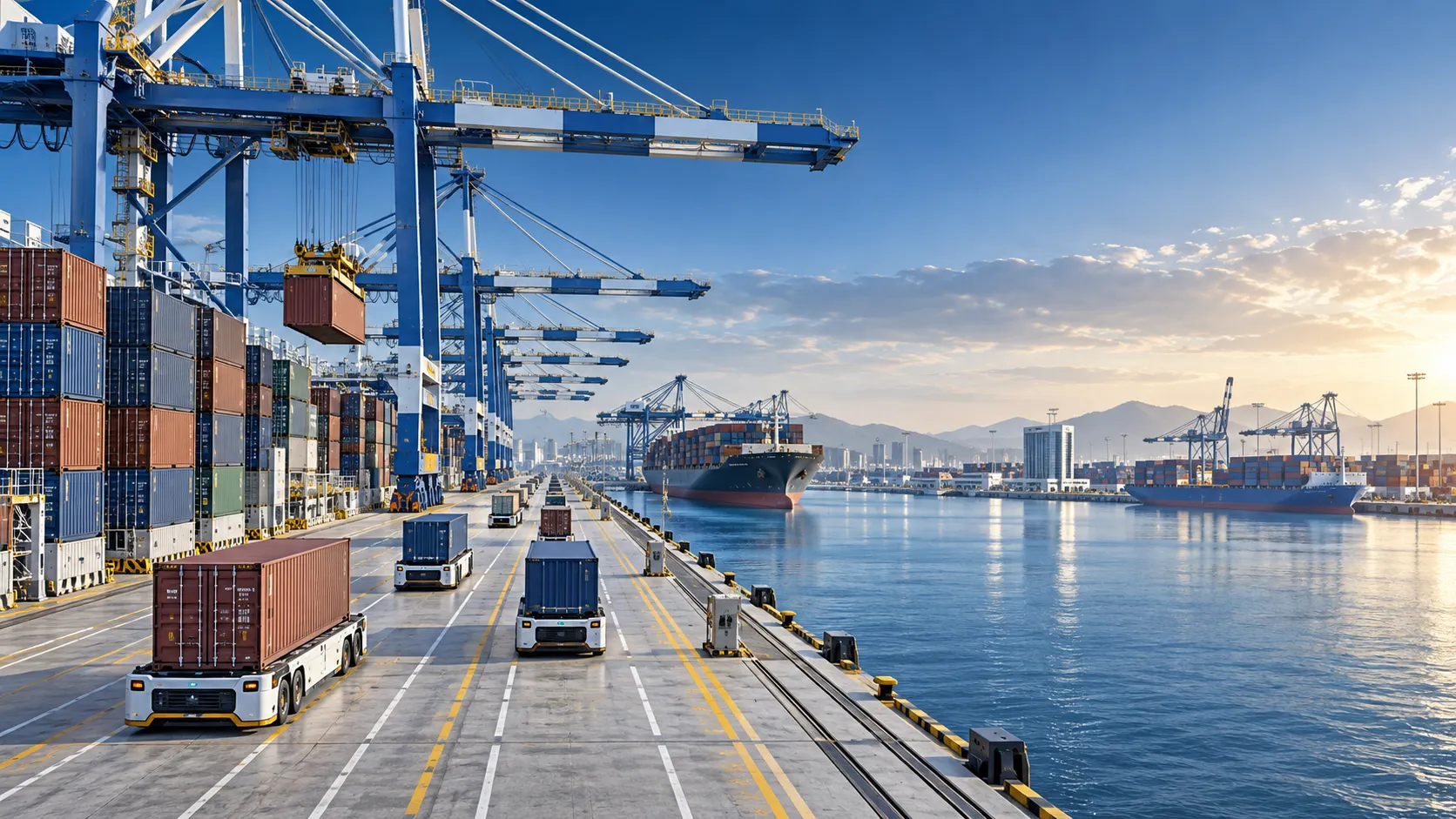
How to Evaluate Terminal Efficiency Solution Suppliers for High-Throughput Operations
Choose a terminal efficiency solutions supplier with confidence. Explore proven criteria for throughput, integration, lifecycle cost, safety, and reliable delivery.
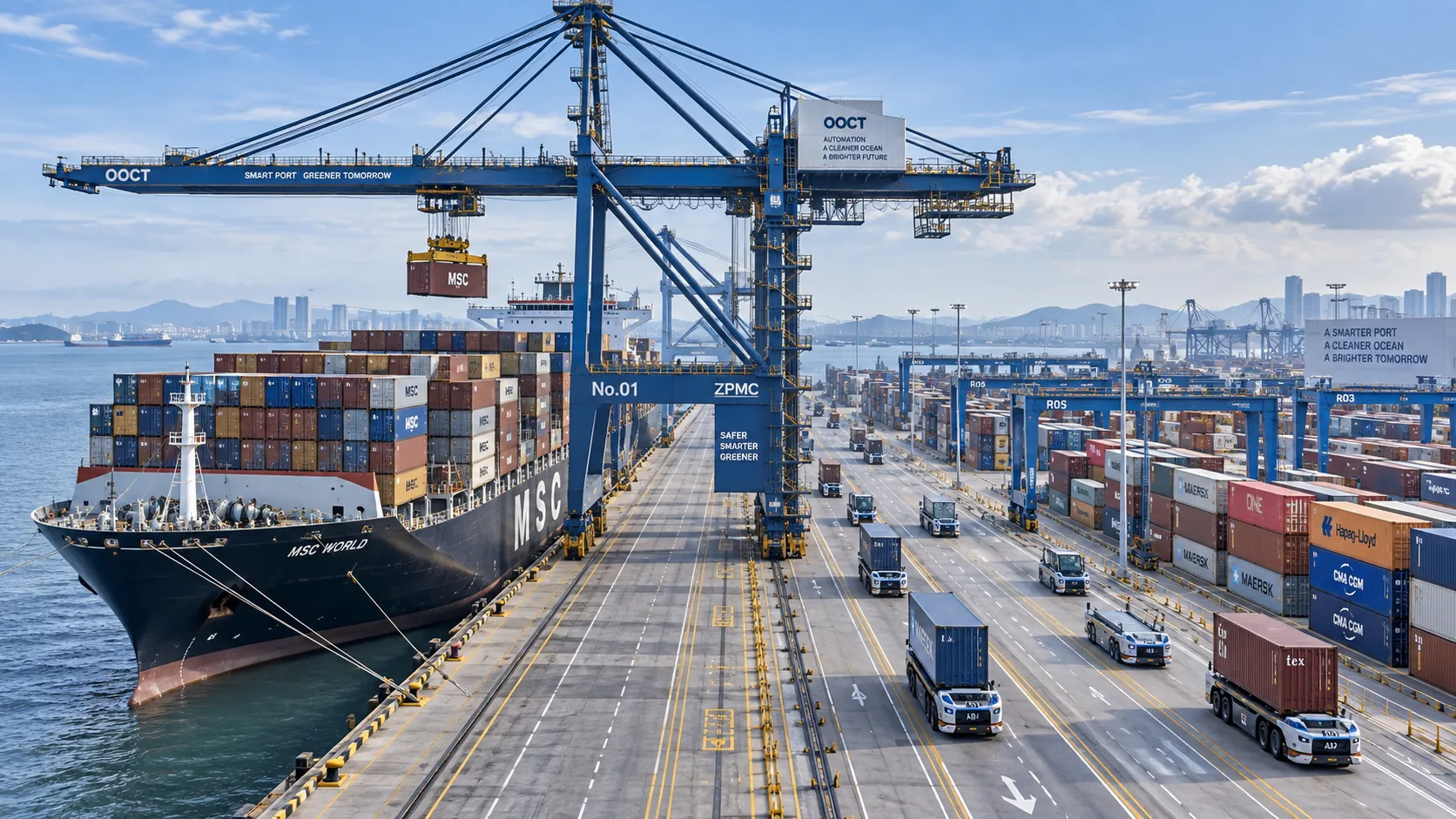
How to Specify a Quay Crane for Container Terminals by Vessel Size and Throughput?
Quay crane for container terminals: learn how to match outreach, lift height, capacity, automation, and cycle performance to vessel size and throughput goals.
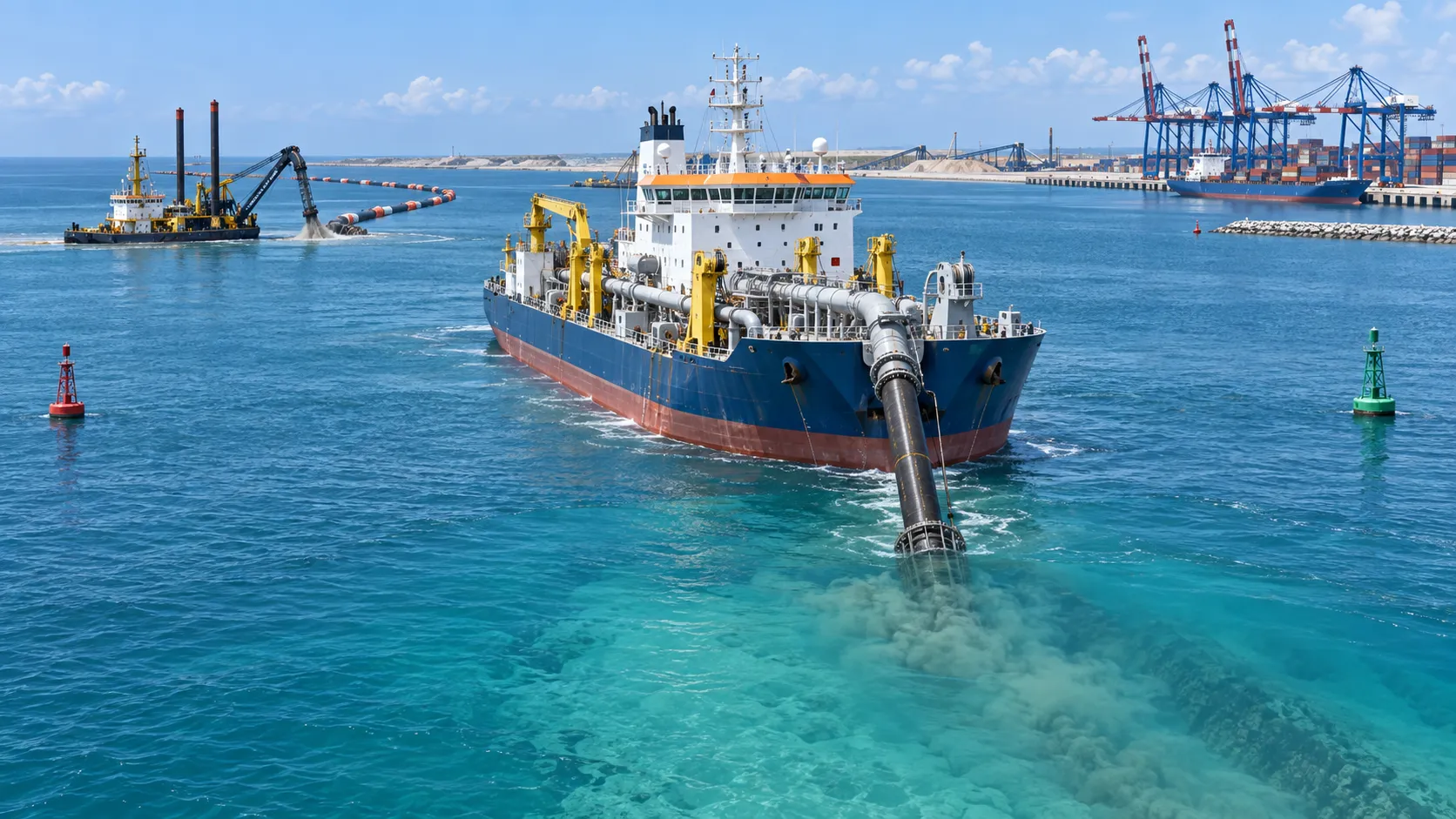
What Dredging Equipment Is Needed for Channel Deepening?
What dredging equipment is needed for channel deepening? Explore dredgers, pipelines, survey tools, and planning strategies for safer, more efficient port access.
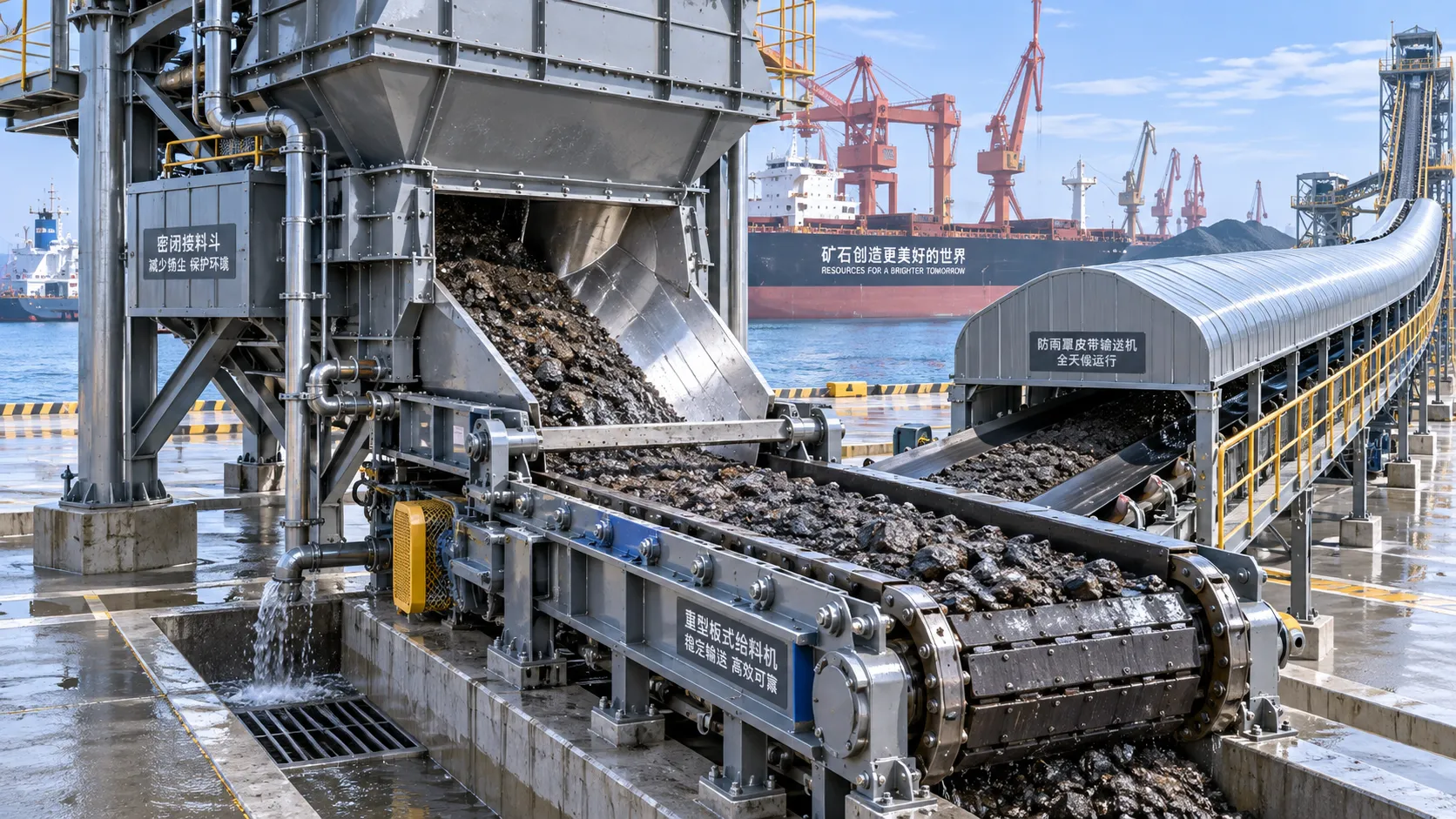
Which Bulk Handling Equipment Suits High-Moisture Cargo?
Which bulk handling equipment suits high-moisture cargo? Compare belt, apron, screw, drag, and slurry systems for reliable flow, less carryback, and higher terminal uptime.
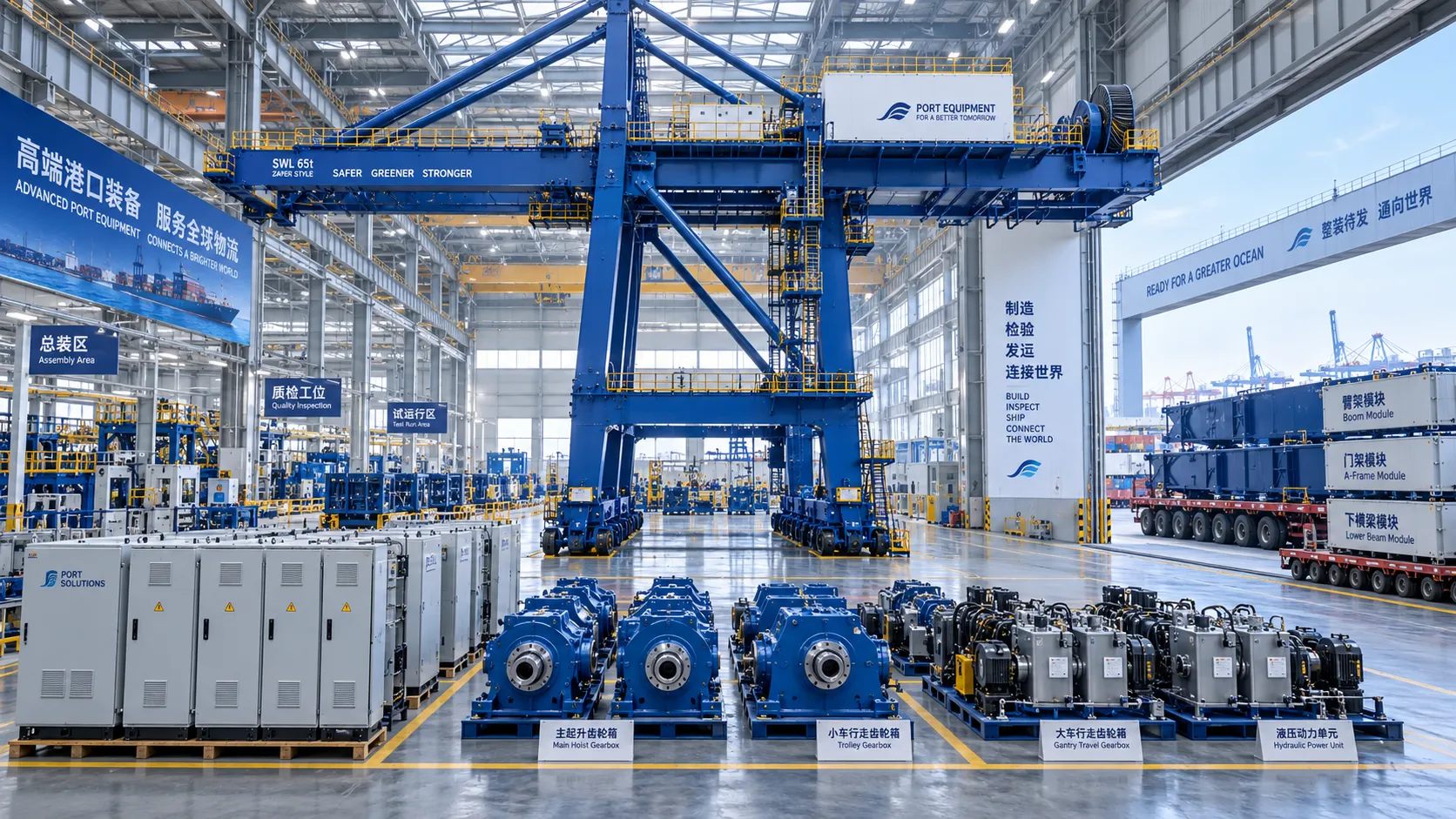
How Can Port Equipment Lead-Time Risk Be Managed?
How can port equipment lead-time risk be managed? Explore practical strategies to control critical paths, suppliers, transport, site readiness, and commissioning delays.
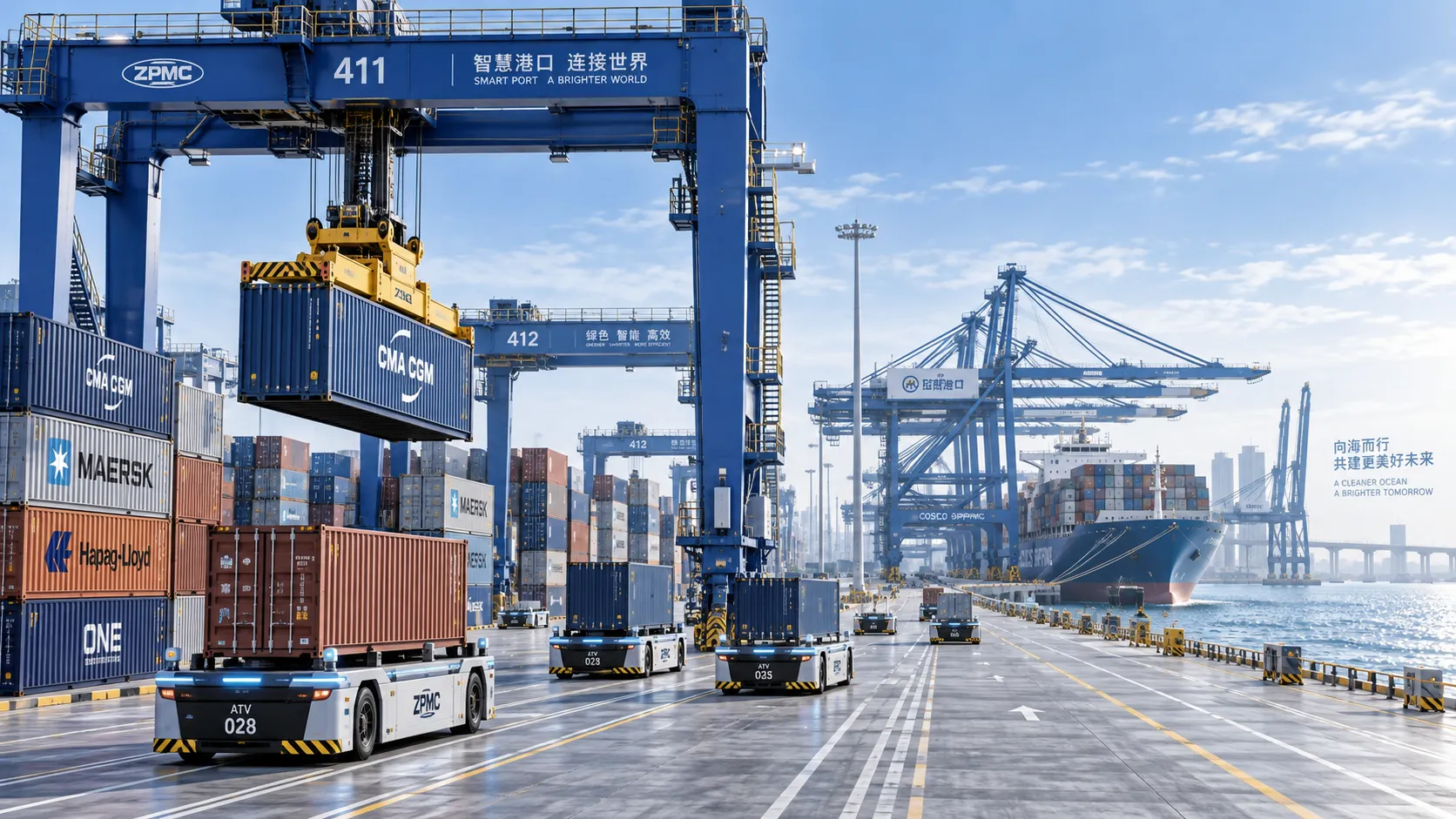
Terminal Automation Technologies That Raise Container Throughput Without Yard Disruption
Terminal automation technology that increases container throughput without disrupting yard flow. Explore smarter integration, resilient workflows, and phased deployment strategies.
Middle East Port Automation: Key Market Drivers, Projects, and Investment Risks
Port automation systems Middle East: explore market drivers, flagship projects, integration challenges, and investment risks shaping smarter, resilient terminals.
Planning Offshore Dredging Operations: Key Risks, Methods, and Project Controls
Offshore dredging operations demand smart planning. Explore key risks, proven methods, environmental controls, and project strategies for reliable delivery.