Related News
- 00
0000-00
How Can Port Equipment Lead-Time Risk Be Managed? - 00
0000-00
Maritime Logistics Operations: How Ports Can Reduce Container Dwell Time - 00
0000-00
What Does Logistics Node Monitoring Cost Across Warehouses and Transport Hubs? - 00
0000-00
How Can IoT Smart Port Solutions Improve Container Tracking and Yard Efficiency? - 00
0000-00
How Real-Time Port Logistics Intelligence Improves Container Yard Efficiency
How to Read Maritime Trade Analytics for Route Planning and Demand Forecasting
Maritime markets rarely move in a straight line. Cargo demand, port congestion, vessel deployment, canal transit risk, and inland bottlenecks can reshape route economics within days. That is why maritime trade analytics has become a practical reading tool rather than a specialist dashboard. When interpreted well, it helps connect fragmented shipping signals to route planning, demand forecasting, and commercial timing across a wider logistics and infrastructure context.
For organizations tracking trade exposure, the value is not only in seeing where volumes are rising or falling. It is in understanding why those shifts happen, whether they are temporary, and how they affect port equipment demand, automation priorities, bulk handling intensity, and dredging activity around strategic corridors.
What maritime trade analytics actually shows
At its core, maritime trade analytics combines movement data, port activity, freight pricing, vessel capacity, and cargo flow patterns into a decision framework. It does not predict the future with certainty. It improves the odds of reading trade direction earlier than raw headlines allow.
A useful view usually blends several layers. One layer tracks where ships are sailing. Another measures what cargo is moving. A third compares costs, delays, and available capacity by route and terminal.
This matters because a route can look active while still being commercially weak. High vessel counts may hide low utilization. Strong freight rates may reflect disruption rather than durable demand. Maritime trade analytics helps separate true demand signals from noise.
The indicators that deserve early attention
- Port call frequency, because it shows service intensity and network commitment.
- Vessel size mix, because larger ships often signal corridor confidence or terminal concentration.
- Container dwell time, because longer stays often reveal hidden yard stress.
- Bulk cargo throughput, because energy and raw materials often move ahead of industrial output.
- Freight and charter rate changes, because price shifts reveal supply-demand imbalance.
- Canal, strait, and fairway constraints, because chokepoints alter route viability fast.
Why the market is paying closer attention now
Trade flows are being reshaped by geopolitical realignment, energy transition, nearshoring, weather disruption, and digitalized port operations. In that environment, static assumptions age quickly. Historical averages still matter, but they are no longer enough.
A route once optimized for cost may become vulnerable to delay. A secondary port may gain share because it offers better berth availability, automated yard handling, or faster hinterland connection. Maritime trade analytics helps identify these shifts before they become obvious in annual reports.
This is especially relevant in areas followed closely by PS-Nexus. Throughput limits are influenced by quay cranes, bulk handling systems, specialized container equipment, control platforms, and dredging conditions. Reading trade data without reading physical infrastructure often leads to shallow conclusions.
How to read route signals without overreacting
The first rule is to compare direction with durability. A spike in volumes over two weeks is not equal to a six-month rerouting pattern. Maritime trade analytics becomes more valuable when short-term signals are tested against structural drivers.
For example, rising calls at a transshipment hub may come from temporary diversion. But if the same hub also shows terminal investment, improved automation, deeper draft access, and better feeder connectivity, the signal looks more durable.
The second rule is to read route data together with node performance. A corridor is only as strong as its weakest port interface. Vessel deployment plans can look attractive on paper while yard congestion or dredging limits reduce actual throughput.
Using maritime trade analytics for demand forecasting
Demand forecasting improves when shipping data is treated as an early market expression. Cargo bookings, vessel schedules, port handling rates, and commodity movement often reveal change before factory output or trade statistics are finalized.
Still, not every movement trend translates into lasting commercial demand. The key is to link flow data to sector behavior. Containerized consumer goods, bulk minerals, refined fuels, and project cargo each respond differently to pricing, seasonality, and policy shifts.
A practical reading sequence
Start with corridor volumes and service frequency. Then check whether capacity growth is keeping pace. After that, review terminal performance and inland evacuation speed. Finally, compare those signals with the trade drivers behind the cargo.
That sequence prevents a common mistake. Many forecasts rely on tonnage alone. Better forecasts ask whether the network can absorb the cargo smoothly and profitably, or whether friction will cap effective demand.
In sectors tied to infrastructure, maritime trade analytics also supports indirect forecasting. If specific gateways are expanding automated container handling, deepening channels, or modernizing control systems, that may indicate confidence in medium-term traffic growth.
Where infrastructure signals sharpen the analysis
Trade intelligence is stronger when physical bottlenecks are visible. A port may sit on a promising corridor, yet underperform because crane density is too low, bulk transfer systems are outdated, or dredging cycles cannot maintain target draft.
This is where the PS-Nexus perspective becomes useful. Watching trade flow alongside terminal gear deployment, port automation maturity, AGV path planning logic, and dredging engineering creates a more realistic interpretation of route potential.
A deeper channel can change vessel class access. Smarter control systems can reduce idle time. Better yard equipment can lift throughput without immediate land expansion. These are not side issues. They shape whether demand can be served, redirected, or captured.
Signals that often point to structural opportunity
- Repeated congestion at major hubs followed by investment in secondary ports.
- Higher call concentration of larger vessels at terminals with strong automation capability.
- Growing raw material flows where bulk handling upgrades are underway.
- Trade corridor stabilization after dredging or fairway improvement projects.
- Rising equipment utilization paired with reduced turnaround times.
Common interpretation mistakes
One mistake is treating all data feeds as equally reliable. Some datasets are fast but incomplete. Others are accurate but delayed. Maritime trade analytics works best when timeliness and verification are balanced.
Another mistake is confusing disruption with growth. A rerouted lane may look strong while underlying demand is flat. If freight rates surge while schedule reliability collapses, the market signal is stress, not health.
A third mistake is ignoring asset and terminal context. Trade volumes do not move through abstract corridors. They pass through cranes, berths, yards, software systems, channels, and hinterland links. Commercial analysis that skips those layers often misreads scalability.
Turning insight into better next decisions
The most useful approach is to build a repeatable reading framework. Track a small set of indicators consistently. Compare short-term anomalies with longer patterns. Test route attractiveness against operational capacity, not volume alone.
Maritime trade analytics is most effective when it connects market motion to infrastructure readiness and commercial timing. That means watching trade flows, but also the machinery, automation logic, and marine engineering conditions that determine throughput in practice.
A sensible next step is to map priority routes against three layers: demand direction, port performance, and asset investment signals. From there, it becomes easier to judge whether a route is merely busy, temporarily distorted, or genuinely positioned for durable growth.
Related News
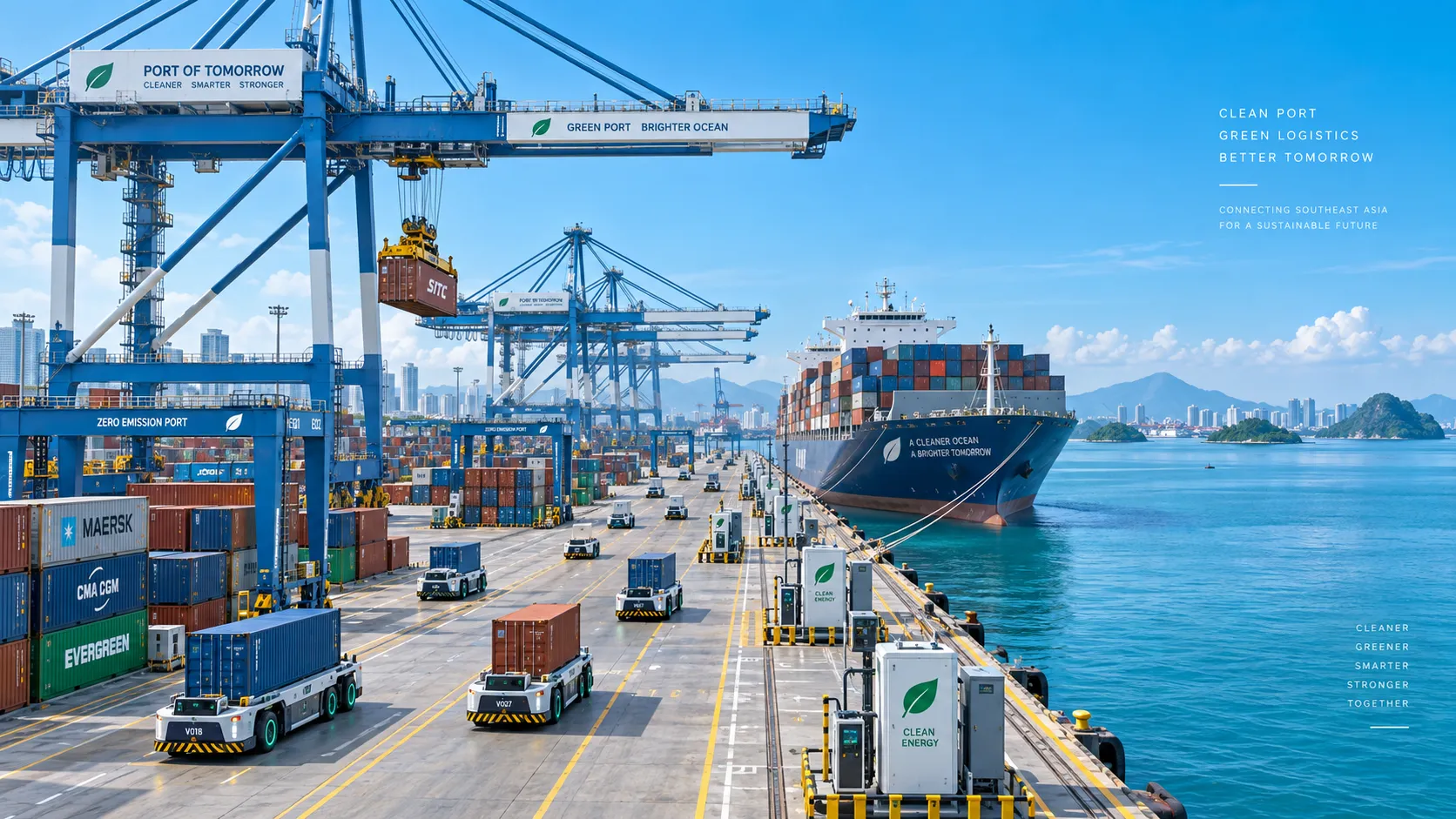
Smart Port Systems in Southeast Asia: Investment Priorities and Adoption Barriers
Smart port systems Southeast Asia: discover investment priorities, adoption barriers, and practical steps to build resilient, connected, high-performing terminals.
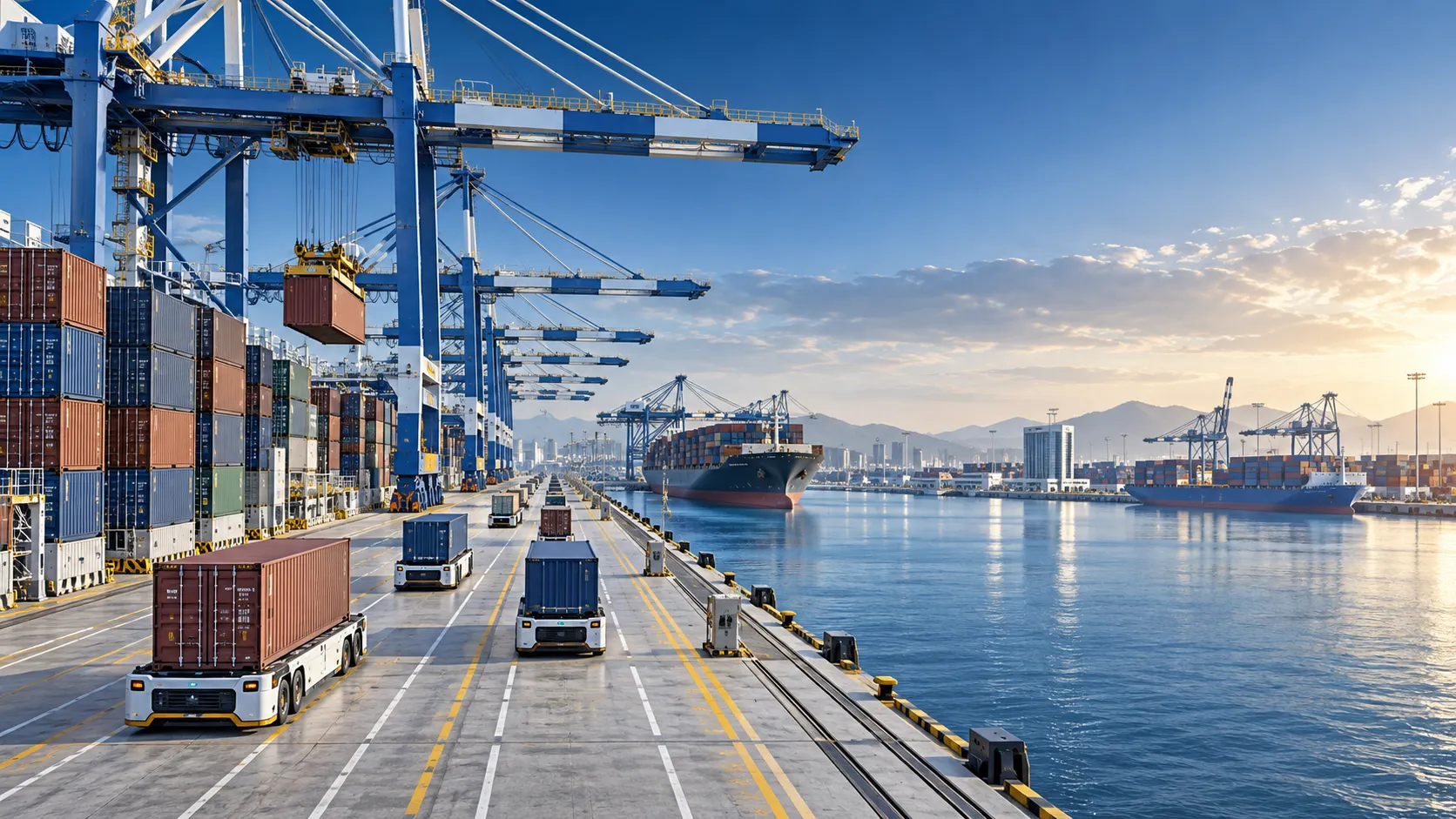
How to Evaluate Terminal Efficiency Solution Suppliers for High-Throughput Operations
Choose a terminal efficiency solutions supplier with confidence. Explore proven criteria for throughput, integration, lifecycle cost, safety, and reliable delivery.
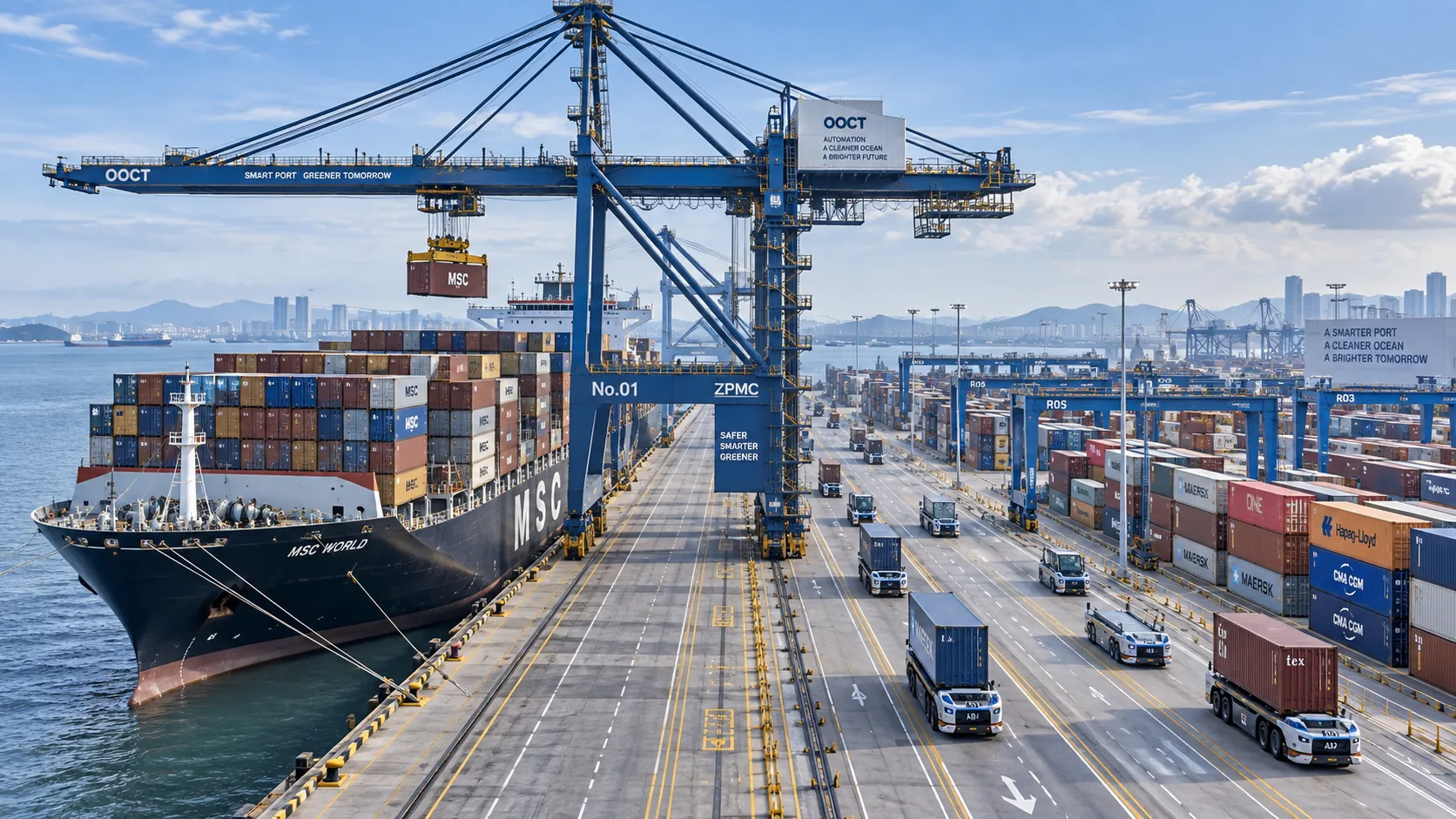
How to Specify a Quay Crane for Container Terminals by Vessel Size and Throughput?
Quay crane for container terminals: learn how to match outreach, lift height, capacity, automation, and cycle performance to vessel size and throughput goals.
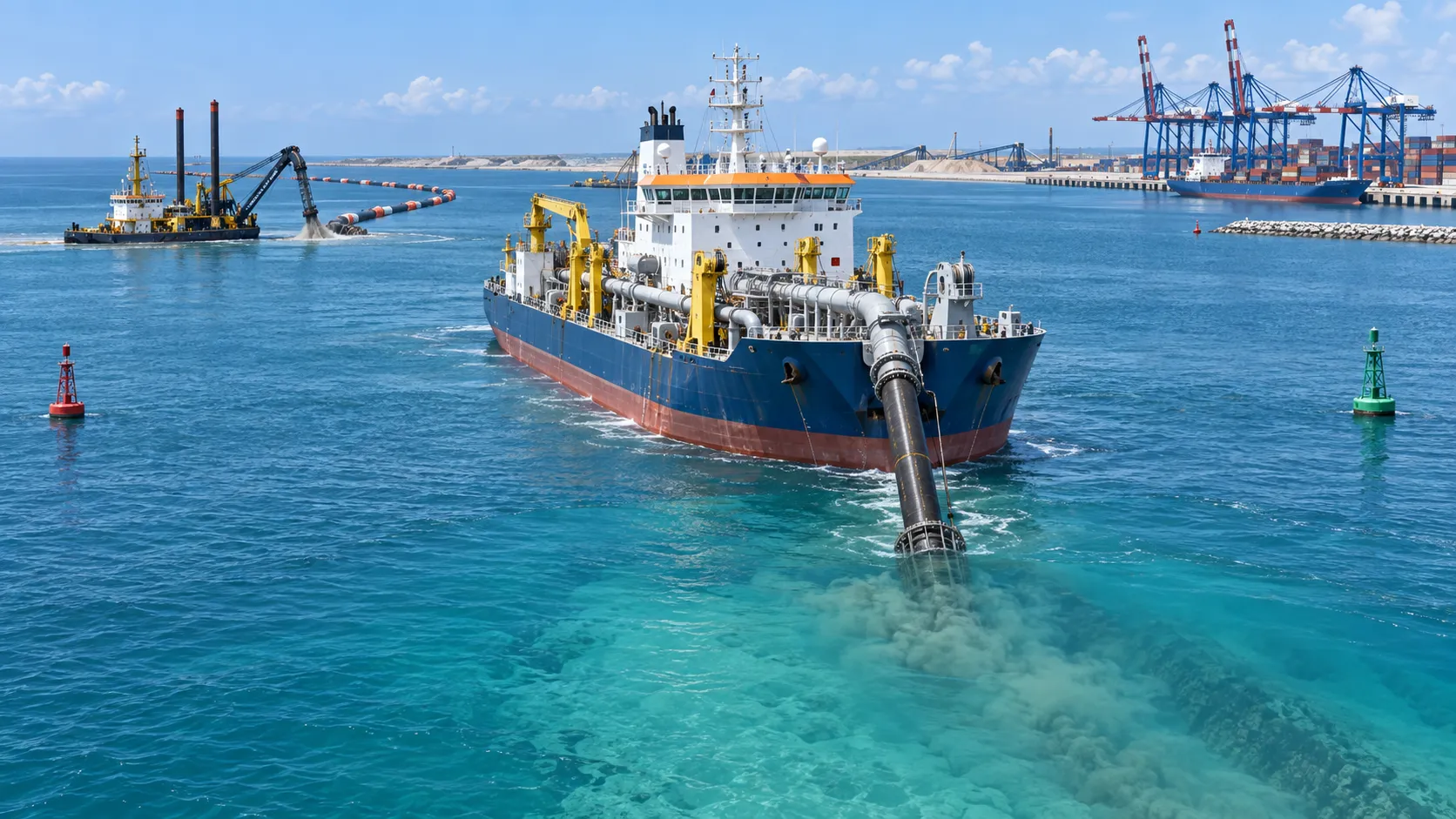
What Dredging Equipment Is Needed for Channel Deepening?
What dredging equipment is needed for channel deepening? Explore dredgers, pipelines, survey tools, and planning strategies for safer, more efficient port access.
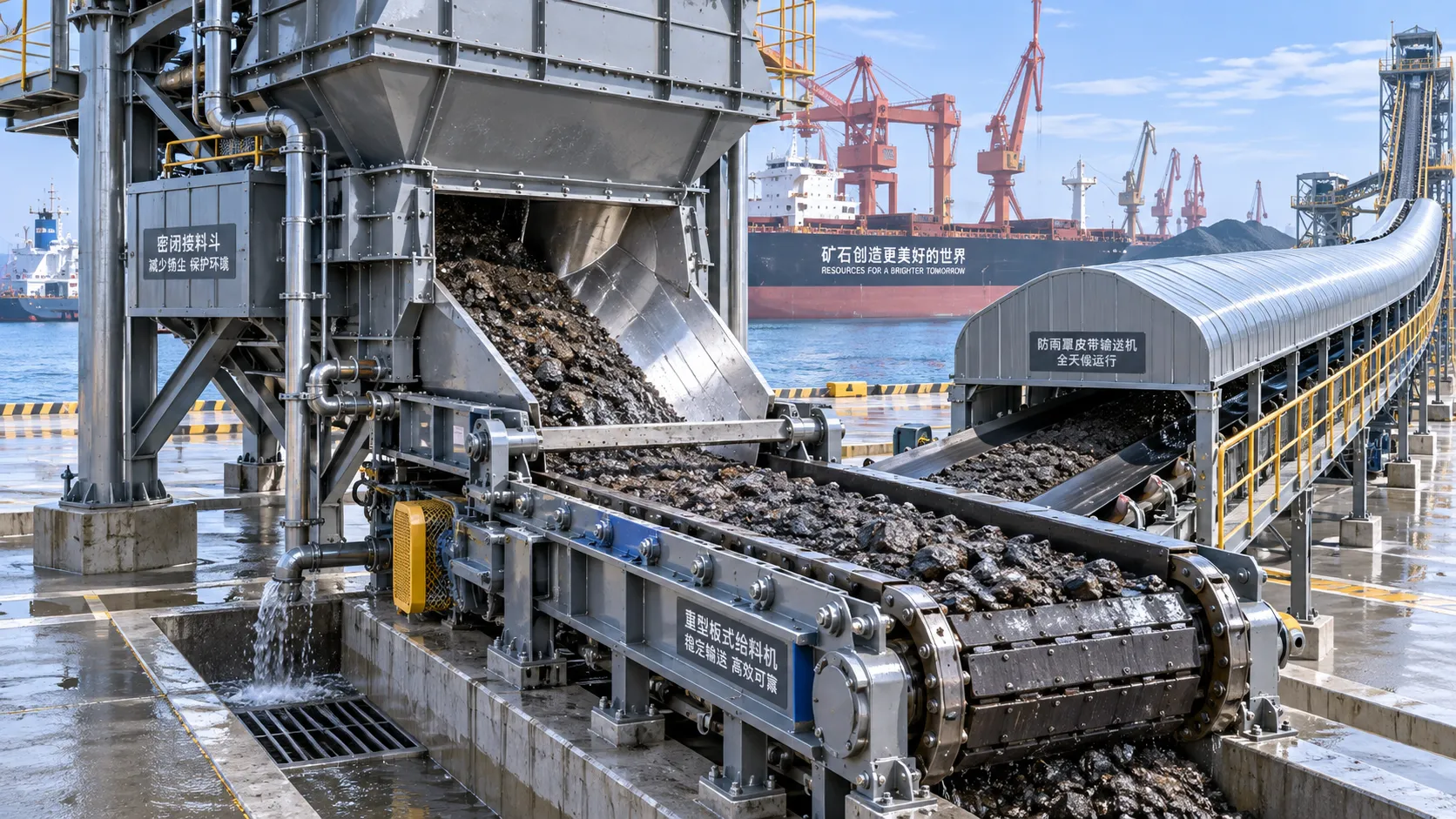
Which Bulk Handling Equipment Suits High-Moisture Cargo?
Which bulk handling equipment suits high-moisture cargo? Compare belt, apron, screw, drag, and slurry systems for reliable flow, less carryback, and higher terminal uptime.
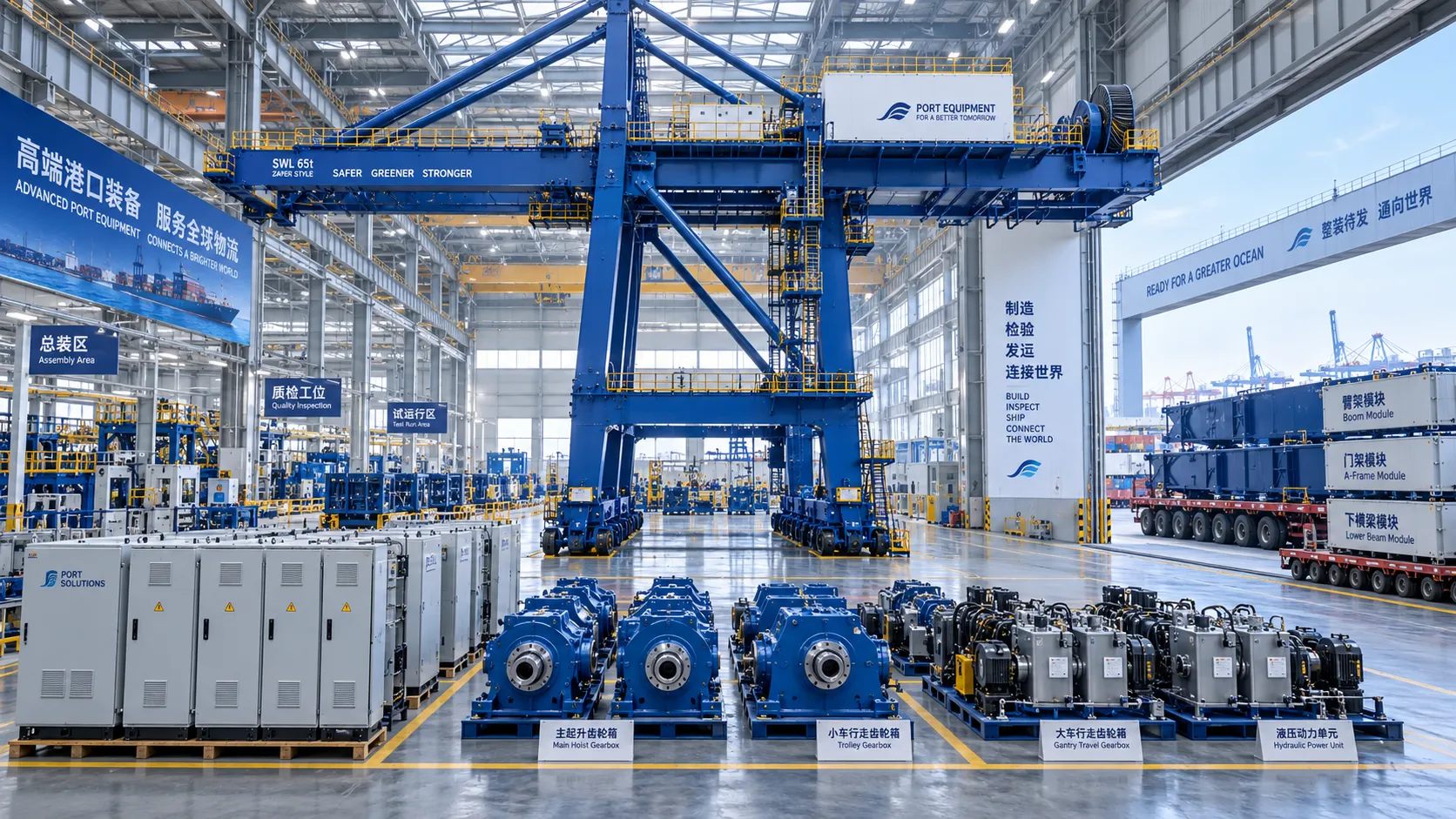
How Can Port Equipment Lead-Time Risk Be Managed?
How can port equipment lead-time risk be managed? Explore practical strategies to control critical paths, suppliers, transport, site readiness, and commissioning delays.
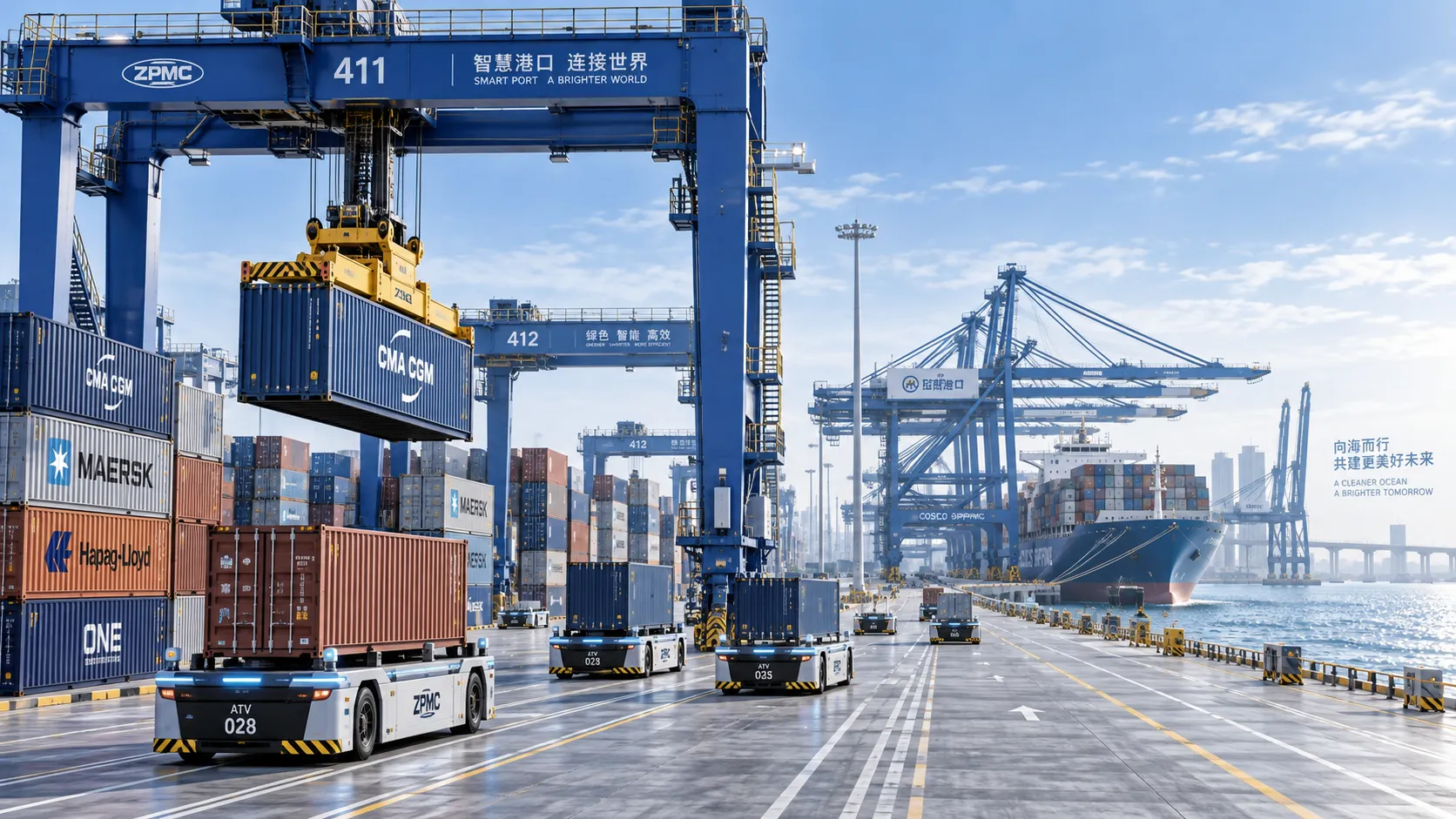
Terminal Automation Technologies That Raise Container Throughput Without Yard Disruption
Terminal automation technology that increases container throughput without disrupting yard flow. Explore smarter integration, resilient workflows, and phased deployment strategies.
Middle East Port Automation: Key Market Drivers, Projects, and Investment Risks
Port automation systems Middle East: explore market drivers, flagship projects, integration challenges, and investment risks shaping smarter, resilient terminals.
Planning Offshore Dredging Operations: Key Risks, Methods, and Project Controls
Offshore dredging operations demand smart planning. Explore key risks, proven methods, environmental controls, and project strategies for reliable delivery.