Related News
- 00
0000-00
How Can Port Equipment Lead-Time Risk Be Managed? - 00
0000-00
Maritime Logistics Operations: How Ports Can Reduce Container Dwell Time - 00
0000-00
What Does Logistics Node Monitoring Cost Across Warehouses and Transport Hubs? - 00
0000-00
How Can IoT Smart Port Solutions Improve Container Tracking and Yard Efficiency? - 00
0000-00
How Real-Time Port Logistics Intelligence Improves Container Yard Efficiency
How Global Trade Intelligence in Europe Helps Businesses Assess Market Shifts and Supply Risks
Trade Signals in Europe Are Getting More Granular, and More Operational
In a volatile commercial environment, global trade intelligence Europe gives business evaluators a sharper way to read market shifts, supply disruptions, and infrastructure signals before they escalate into costly decisions. By connecting port activity, cargo flow patterns, automation trends, and marine logistics developments, companies can better assess risk exposure, uncover demand changes, and strengthen strategic planning across increasingly complex international supply networks.
What has changed in Europe is not simply that trade is more uncertain. It is that the useful signals now sit closer to infrastructure behavior than to headline economics. Freight indices, customs releases, and macro sentiment still matter, but they often arrive too late or remain too broad for practical risk evaluation. A business trying to judge exposure to industrial demand, equipment availability, or supply continuity increasingly needs to watch what is happening at terminals, intermodal links, dredging programs, energy cargo gateways, and automated yard systems.
That shift is especially visible around major European port clusters. Congestion no longer behaves as a simple volume story. A terminal can appear stable on vessel calls while inland evacuation tightens, labor availability fluctuates, power costs distort operating windows, or berth productivity changes because new automation layers have not yet reached expected performance. For evaluators, this matters because supply risk now hides inside operational friction, not only in dramatic disruptions.
Port Performance Has Become a Leading Indicator of Demand Quality
European trade hubs are handling a more uneven cargo mix than many planning models assumed a few years ago. Container demand has shown periods of softness in some consumer-facing categories while bulk and project logistics remain tied to energy security, industrial reshoring, and infrastructure renewal. That divergence changes how port data should be interpreted. Rising throughput at a gateway is not automatically a sign of broad-based recovery; it may reflect inventory repositioning, rerouted cargo, energy imports, or one-off infrastructure cycles.
For that reason, sophisticated global trade intelligence Europe now puts more weight on the composition of movement rather than on aggregate tonnage alone. If bulk handling equipment utilization strengthens while yard density for specialized containers remains unstable, that may point to industrial input demand holding up even as downstream consumption remains hesitant. If dredging activity and berth expansion planning continue despite short-term trade softness, the market may be signaling confidence in medium-cycle capacity needs rather than immediate throughput pressure.
This is where PS-Nexus sits in a useful part of the market. Heavy terminal gear, automated handling systems, and dredging engineering are not peripheral topics. They are among the clearest operational lenses through which to evaluate whether a port region is preparing for temporary disruption management or structural trade reconfiguration.
Automation Is No Longer a Technology Story Alone
Across European logistics nodes, automation has moved out of the “future efficiency” category and into board-level risk management. Remote-controlled cranes, AGV fleets, terminal operating system upgrades, and digital asset monitoring are being judged less by marketing claims and more by whether they reduce exposure to labor tightness, energy volatility, safety incidents, and unpredictable vessel bunching.
That does not mean every terminal is rushing toward full autonomy. In practice, adoption remains uneven. Brownfield environments are difficult. Legacy control systems, civil constraints, union frameworks, and cyber requirements slow deployment. Even so, one market signal is hard to ignore: procurement interest is increasingly centered on interoperability, latency resilience, and scheduling intelligence rather than on standalone machine specifications. Buyers want to know whether a quay crane, a shuttle carrier fleet, or a pump monitoring layer can continue performing under mixed traffic conditions and fluctuating call patterns.
For business assessment teams, this changes vendor and market analysis. A port investing in orchestration logic and digital control architecture may be preparing for more variable cargo behavior, not simply chasing labor savings. Likewise, a distributor or equipment maker exposed to Europe should pay attention when customers start asking fewer questions about peak theoretical capacity and more about uptime under disturbed conditions. That is often a sign that resilience has become a purchasing criterion.
The Energy Transition Is Rewriting Cargo Priorities at the Quay
European ports are being asked to support decarbonization while still absorbing old-economy cargo realities. That tension is influencing equipment demand and infrastructure timing. Bulk terminals linked to biomass, LNG, offshore wind components, recycled materials, and industrial feedstocks are not evolving at the same pace, but together they are changing what “strategic cargo” means in coastal Europe.
The practical consequence is that marine logistics assessments need to cover more than containerized consumer trade. Dredging programs, storage adaptations, heavy-lift handling capability, shore power readiness, and berth reinforcement can all signal where regional investment conviction is forming. Public policy in Europe continues to support decarbonization and transport modernization, but the translation into executable port projects is uneven. Some corridors move quickly because permitting, grid access, and industrial demand line up. Others stall despite strong policy language.
Evaluators should therefore be careful with broad narratives. A port authority announcing sustainability goals does not by itself prove near-term cargo upside. More telling signs include contractor mobilization, equipment tendering, dredging schedules, integration work on terminal control systems, and multi-year coordination between port operators and industrial users. Those signals are less visible in generic market commentary, yet they are often more predictive of actual trade capacity shifts.
What Supply Risk Looks Like Now
Supply risk in Europe has become a layered problem. The old model treated disruption as an external shock: a strike, a blockage, a war-risk route change, an energy spike. Those still matter. But many costly disruptions now come from the interaction between infrastructure bottlenecks and planning assumptions that were built for steadier trade flows.
A few examples are worth watching:
- High berth availability paired with poor inland fluidity, which can trap cargo in the terminal system and distort apparent throughput health.
- Strong orders for specialized handling gear without corresponding civil or software readiness, suggesting implementation delays.
- Dredging or channel deepening plans moving ahead while yard automation lags, creating mismatches between waterside capacity and landside execution.
- Short-term volume rebounds that are driven by rerouting rather than durable regional demand.
None of these signals can be read in isolation. Together, though, they help explain why a region may look commercially active while remaining operationally fragile.
Why Equipment Intelligence Matters More Than It Used To
In heavy port infrastructure, buying cycles are long and adjustment costs are high. That makes machinery intelligence unusually valuable as an early market indicator. Orders, retrofits, maintenance cycles, and digital upgrades often reflect expectations well before trade statistics confirm them. A terminal operator delaying new crane deployment, extending the life of existing yard assets, or prioritizing software integration over fleet expansion may be expressing a view on demand volatility, financing cost, and labor productivity all at once.
The same applies to dredging equipment and coastal engineering. If channel maintenance intensity rises in certain corridors, or if access improvements align with industrial cargo investment, that can suggest confidence in future vessel class requirements or regional export ambitions. It is not a guarantee of growth. It is, however, a harder signal than headline optimism.
PS-Nexus is well positioned here because its coverage spans the physical and digital layers of maritime trade: heavy mechanical systems, algorithmic scheduling, remote-control communications, and marine geotechnics. For commercial evaluators, that combination helps bridge a common blind spot. Many market reports describe demand. Fewer explain whether the infrastructure stack can actually absorb it.
Signals Worth Tracking Over the Next 12 to 18 Months
The next phase in Europe is unlikely to be defined by a single clear trend line. More likely, it will be shaped by uneven recovery, selective capital discipline, and a sharper distinction between ports that are digitally integrating and ports that are only expanding physically.
For companies exposed to European trade, these signals are more actionable than broad debates about whether the market is simply “up” or “down.” They help distinguish temporary cargo noise from infrastructure-backed direction.
One practical conclusion stands out. The businesses most likely to assess market shifts correctly will not rely on one category of intelligence. They will connect customs and shipping data with terminal equipment orders, automation deployment patterns, dredging activity, corridor policy, and the behavior of industrial cargo users. Europe’s trade landscape has become too operationally complex for single-source judgment.
That is why global trade intelligence Europe now matters less as a dashboard of headlines and more as a disciplined reading of infrastructure intent. The next market turn may not announce itself through a dramatic macro signal. It may appear first in how a port upgrades crane control logic, how a bulk terminal allocates yard space, where fairway deepening continues despite budget pressure, or which nodes invest in synchronization before they invest in scale. Those are quieter signals, but for serious business evaluation, they are often the ones that count.
Related News
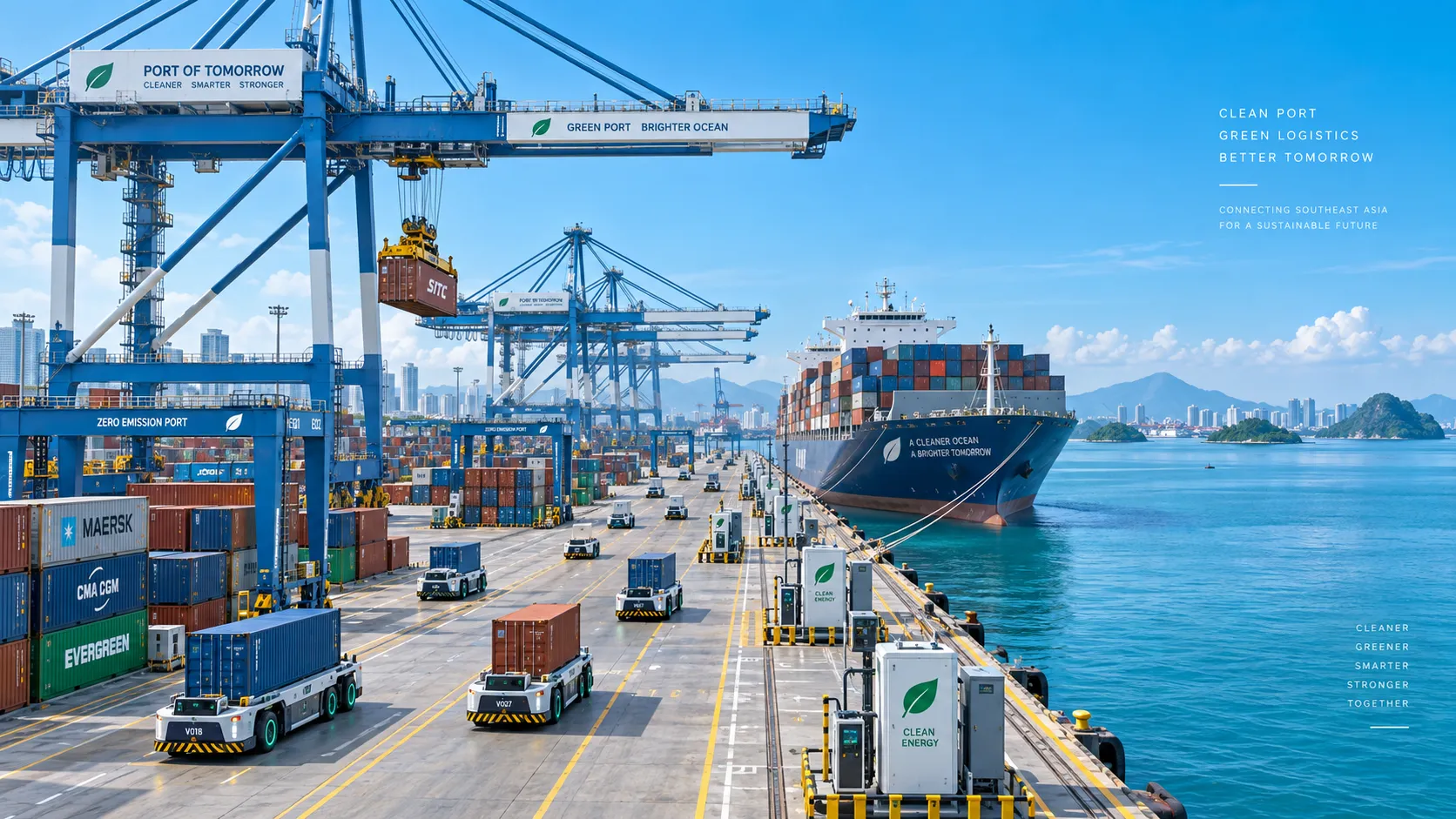
Smart Port Systems in Southeast Asia: Investment Priorities and Adoption Barriers
Smart port systems Southeast Asia: discover investment priorities, adoption barriers, and practical steps to build resilient, connected, high-performing terminals.
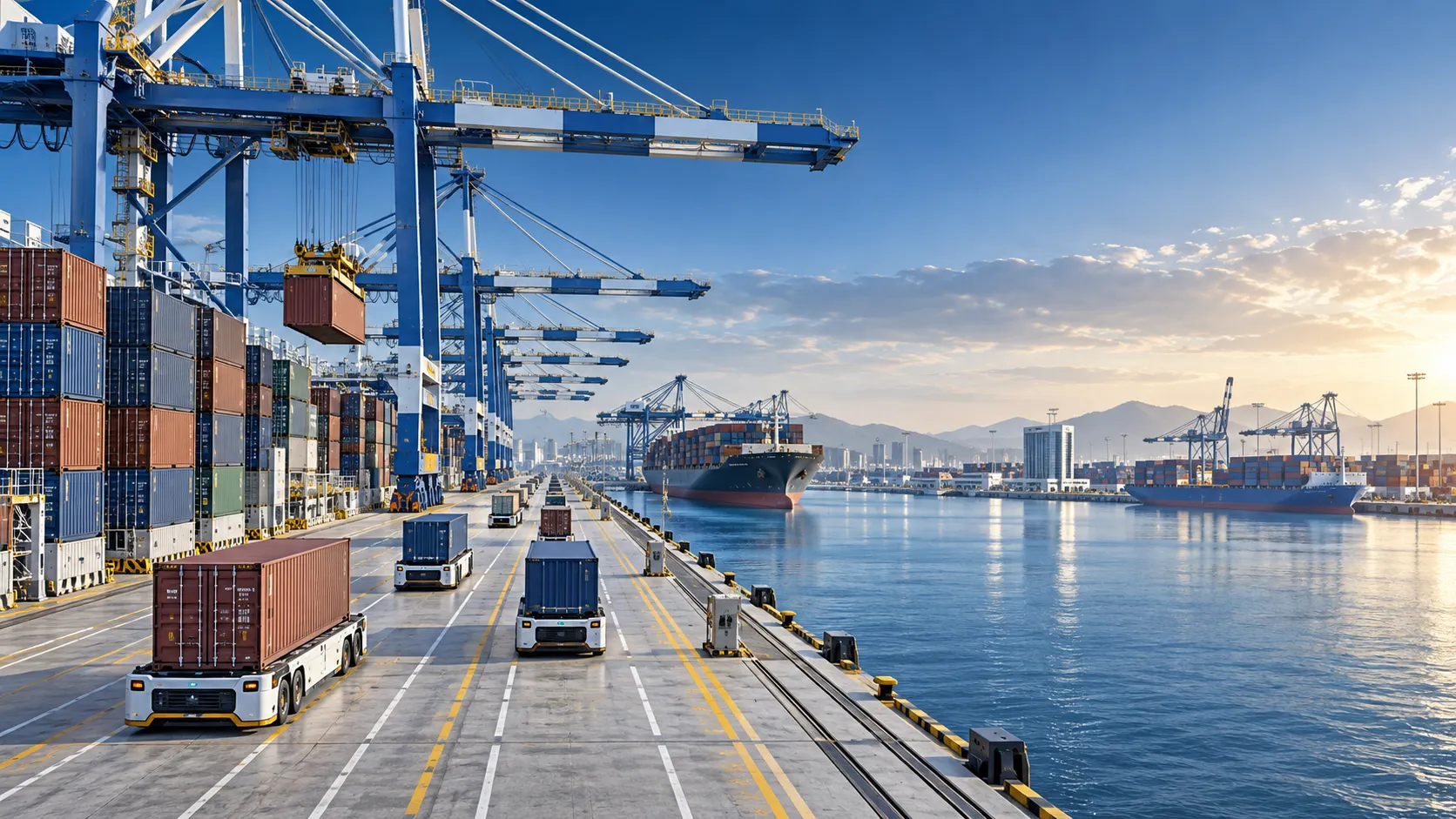
How to Evaluate Terminal Efficiency Solution Suppliers for High-Throughput Operations
Choose a terminal efficiency solutions supplier with confidence. Explore proven criteria for throughput, integration, lifecycle cost, safety, and reliable delivery.
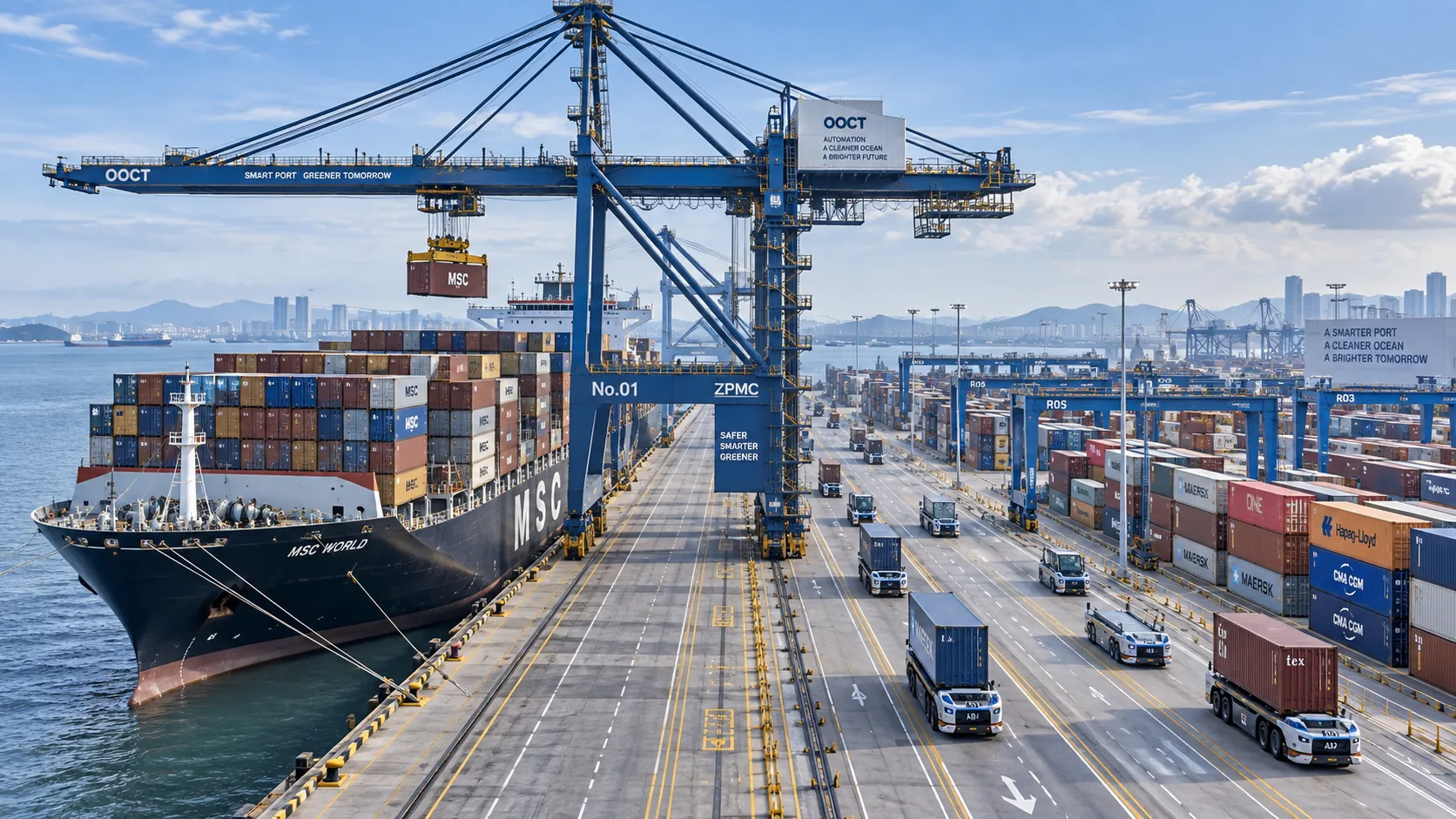
How to Specify a Quay Crane for Container Terminals by Vessel Size and Throughput?
Quay crane for container terminals: learn how to match outreach, lift height, capacity, automation, and cycle performance to vessel size and throughput goals.
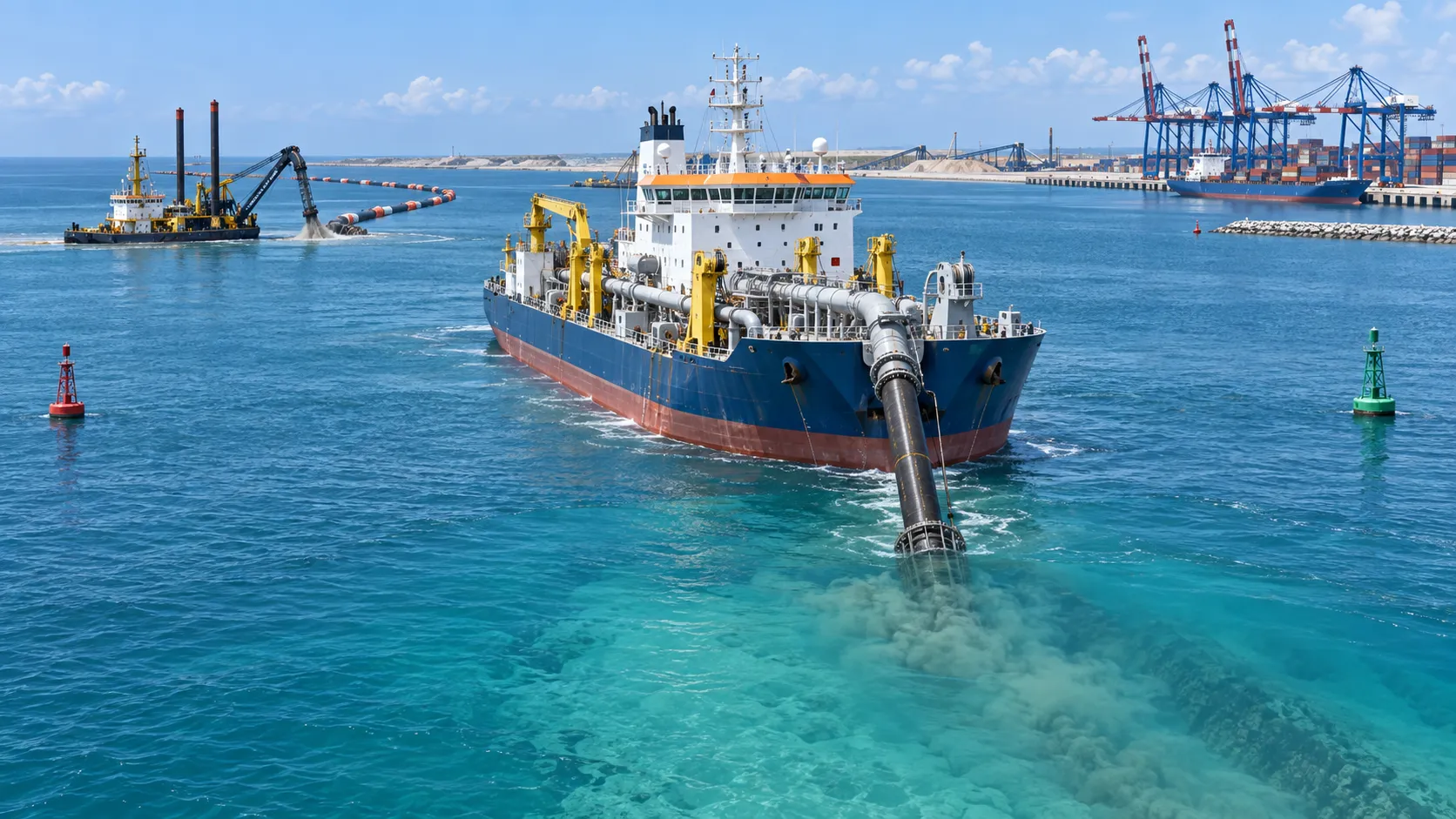
What Dredging Equipment Is Needed for Channel Deepening?
What dredging equipment is needed for channel deepening? Explore dredgers, pipelines, survey tools, and planning strategies for safer, more efficient port access.
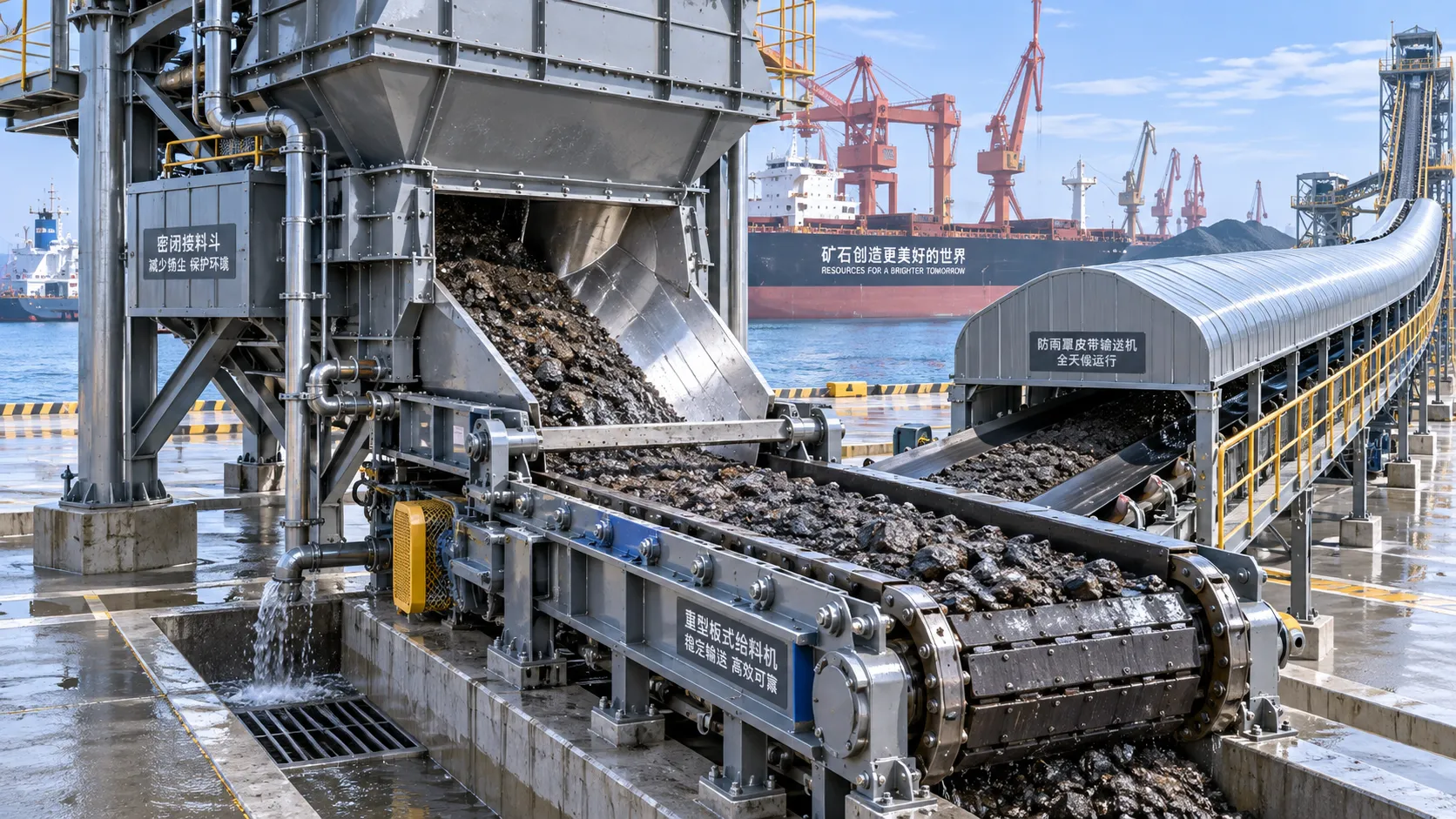
Which Bulk Handling Equipment Suits High-Moisture Cargo?
Which bulk handling equipment suits high-moisture cargo? Compare belt, apron, screw, drag, and slurry systems for reliable flow, less carryback, and higher terminal uptime.
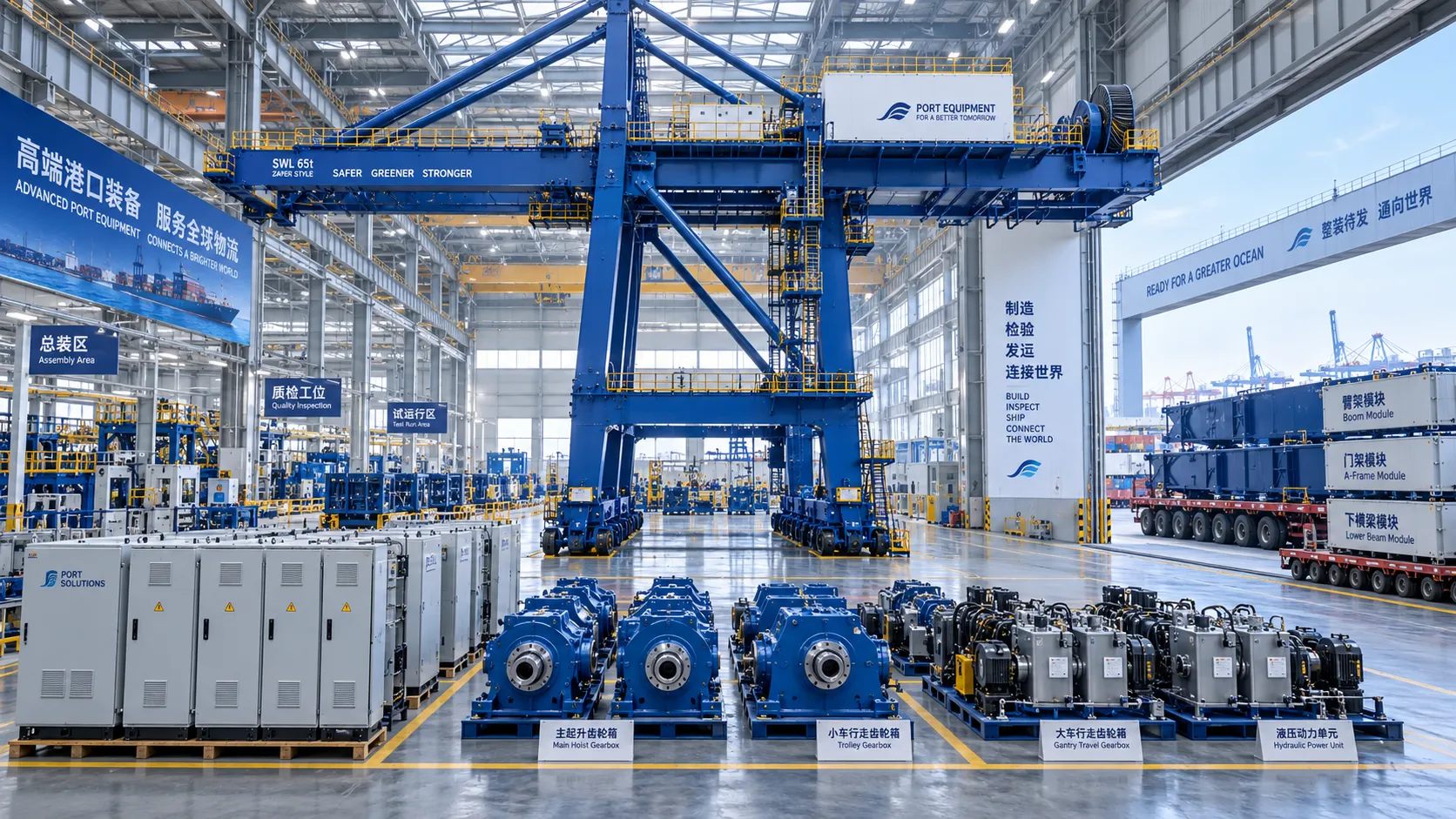
How Can Port Equipment Lead-Time Risk Be Managed?
How can port equipment lead-time risk be managed? Explore practical strategies to control critical paths, suppliers, transport, site readiness, and commissioning delays.
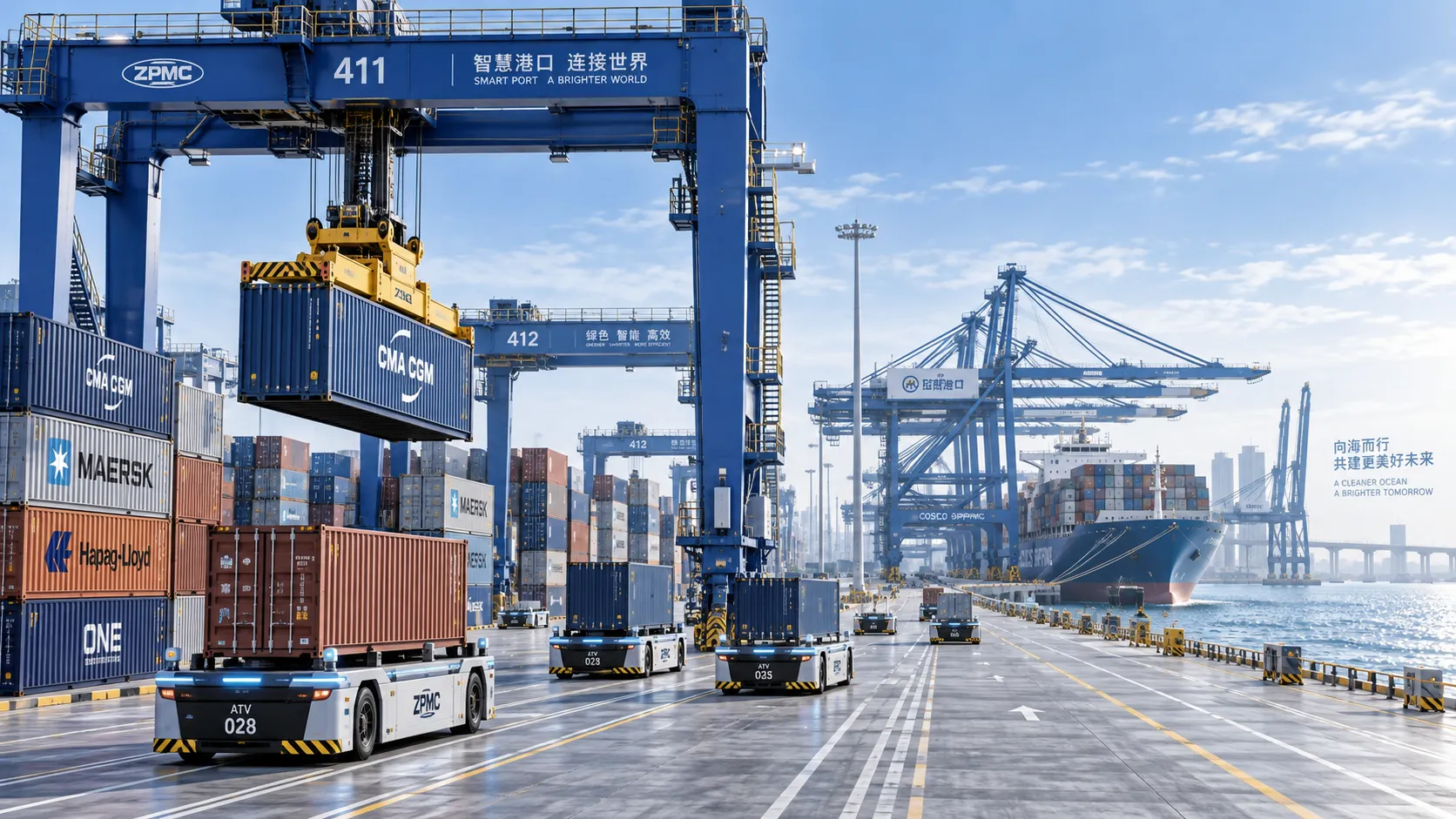
Terminal Automation Technologies That Raise Container Throughput Without Yard Disruption
Terminal automation technology that increases container throughput without disrupting yard flow. Explore smarter integration, resilient workflows, and phased deployment strategies.
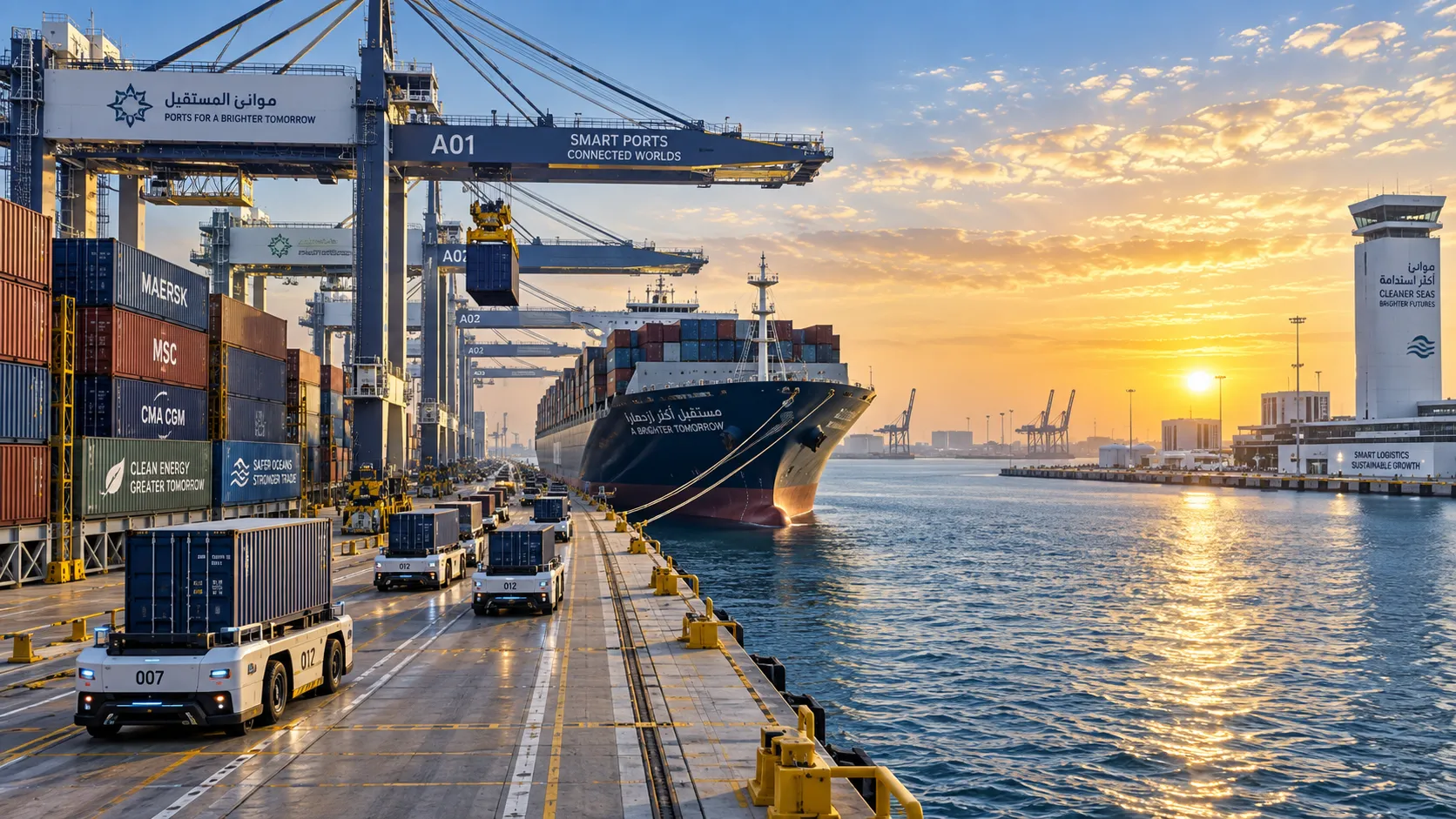
Middle East Port Automation: Key Market Drivers, Projects, and Investment Risks
Port automation systems Middle East: explore market drivers, flagship projects, integration challenges, and investment risks shaping smarter, resilient terminals.
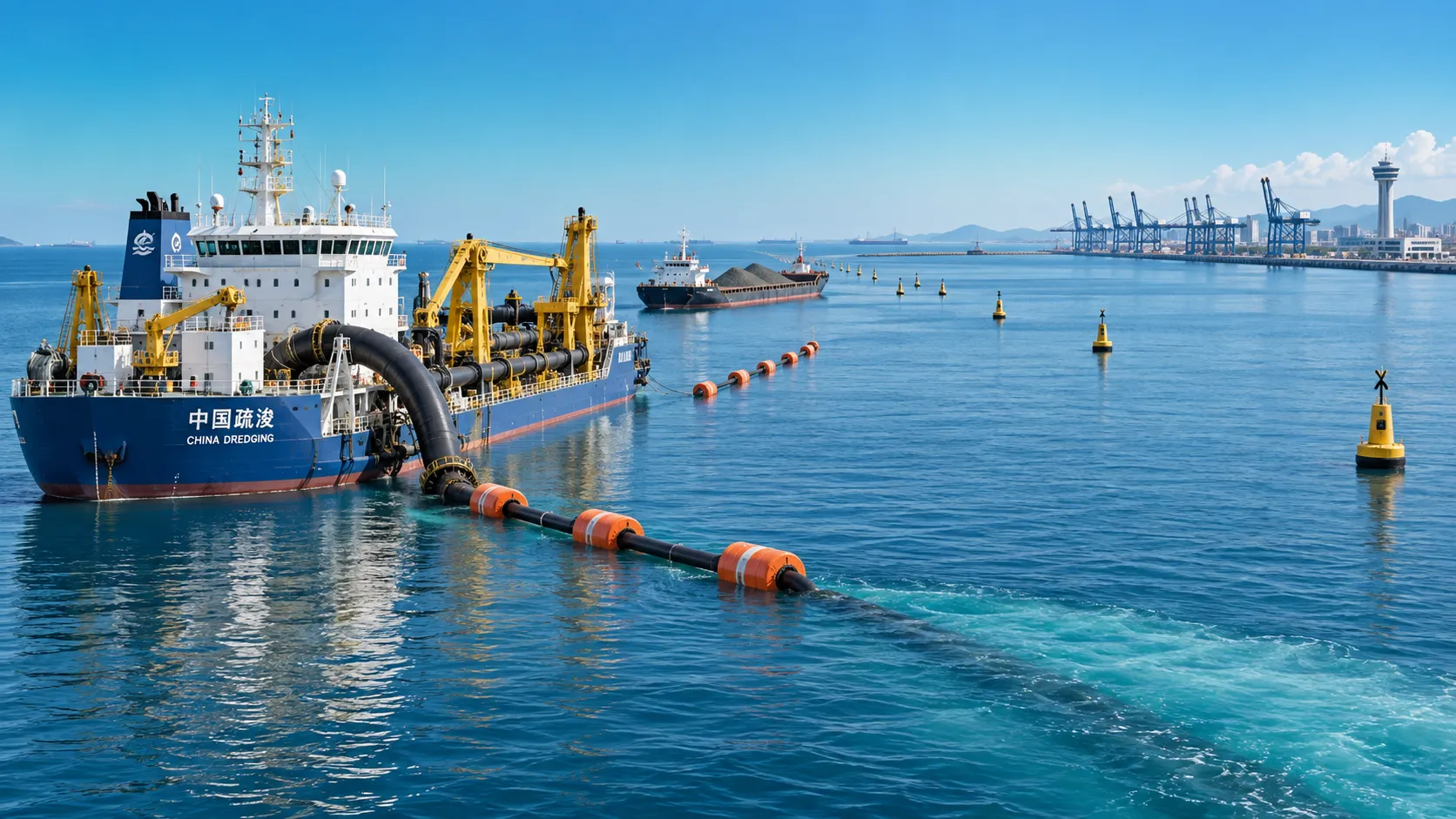
Planning Offshore Dredging Operations: Key Risks, Methods, and Project Controls
Offshore dredging operations demand smart planning. Explore key risks, proven methods, environmental controls, and project strategies for reliable delivery.