Related News
- 00
0000-00
How Can Port Equipment Lead-Time Risk Be Managed? - 00
0000-00
Maritime Logistics Operations: How Ports Can Reduce Container Dwell Time - 00
0000-00
What Does Logistics Node Monitoring Cost Across Warehouses and Transport Hubs? - 00
0000-00
How Can IoT Smart Port Solutions Improve Container Tracking and Yard Efficiency? - 00
0000-00
How Real-Time Port Logistics Intelligence Improves Container Yard Efficiency
What Does Logistics Node Monitoring Cost Across Warehouses and Transport Hubs?
For a financial approver, the question is rarely whether logistics visibility is useful. The harder question is what the investment actually includes, where costs will continue after commissioning, and whether a monitoring project is solving a real operating constraint or simply creating another dashboard.
Logistics node monitoring cost can look modest in an early vendor presentation and become materially different once the project reaches site surveys, communications design, systems integration, cybersecurity review, and long-term support. This is especially true when the monitored estate spans warehouses, inland depots, rail interfaces, port yards, gate complexes, and marine terminals. A warehouse with fixed conveyor zones is not priced like a container terminal where RTGs, AGVs, quay cranes, reefer stacks, trucks, and gate lanes are constantly moving.
The most useful budgeting approach is not to ask for one headline price. It is to separate the investment into a practical scope: what must be observed, how quickly data must arrive, who needs to act on it, and what existing systems must receive the information. That distinction helps finance teams avoid approving an apparently low-cost pilot that cannot scale beyond one controlled area.
What is actually included in logistics node monitoring?
A logistics node can be as small as a loading bay or as complex as a port terminal. Monitoring may cover asset location, queue length, equipment health, container dwell time, gate throughput, energy use, safety-zone activity, inventory movement, berth-side operations, or the status of dredging and bulk-handling equipment. The cost depends less on the word “monitoring” than on the operational question the system is expected to answer.
For example, a distribution warehouse may only need reliable visibility of dock-door occupancy, forklift activity, temperature-sensitive zones, and outbound dispatch status. A transport hub may require geofencing across a large outdoor footprint, integration with gate appointments, vehicle identification, and exception alerts when a load or asset deviates from plan. In a port environment, the requirement can extend to equipment telemetry, container transfer milestones, remote-control communication quality, and coordination with terminal operating systems.
That is why the first financial question should be: Which decisions will this monitoring system change? If no team can identify the dispatch decision, maintenance action, labor adjustment, billing event, or safety intervention that follows an alert, the project is likely over-scoped.
The main cost drivers are usually hidden in the operating environment
Hardware is visible, so it often receives disproportionate attention during procurement. Sensors, tags, cameras, gateways, readers, edge devices, and rugged terminals are only one part of the budget. In mature deployments, the more consequential costs frequently sit around installation conditions, integration work, data ownership, and service continuity.
Outdoor logistics environments deserve particular scrutiny. Metal stacks, moving machinery, vessel structures, dust, vibration, salt exposure, and changing line-of-sight conditions can affect device selection and communications design. A sensor that is uncomplicated to deploy in a clean warehouse aisle may require ruggedization, protected mounting, a different power approach, or more frequent inspection at a coastal hub.
At automated terminals, the communications requirement may be even more important than the endpoint device. Monitoring information used for management reporting can tolerate delay. Data used to support remote crane operations, AGV path management, collision-risk controls, or equipment exception handling may need far more dependable and lower-latency connectivity. These are not interchangeable use cases, and they should not share the same budget assumption.
Warehouses, transport hubs, and ports do not scale in the same way
Financial models often assume that adding a second site means multiplying the first-site cost by two. In practice, some central platform costs can be shared, while local deployment costs remain stubbornly site-specific. The balance depends on physical layout, operating model, and system maturity.
A warehouse program may benefit from standardized layouts, repeated device configurations, and common WMS integration patterns. That can reduce design effort across a network, provided that sites genuinely operate in similar ways. A mixed estate of legacy warehouses, cross-dock facilities, and leased overflow space offers less reuse than a network plan may suggest.
Transport hubs introduce more external dependencies. Carrier arrivals, gate queues, rail handoffs, road access, and third-party vehicle behavior can all affect data quality. Monitoring may reveal delay, but the organization still needs a defined process for acting on it. There is little financial value in reporting that trucks are waiting if gate staffing, appointment rules, or loading priorities remain unchanged.
Port terminals are generally the most demanding environment because monitoring has to coexist with heavy terminal gear and continuously shifting container flows. A useful platform may need to reconcile data from container handling equipment, control systems, terminal workflows, yard planning, and maintenance records. The integration burden is rarely trivial, particularly where older machinery and newer automation layers operate side by side.
This is an area where intelligence work from organizations such as PS-Nexus is relevant to the investment discussion. Monitoring cannot be assessed only as a software purchase when it touches remote-controlled cranes, container transfer nodes, AGV scheduling logic, bulk-handling machinery, or digital pump monitoring on dredging assets. The economic case sits at the intersection of physical equipment reliability, control architecture, and trade-flow timing.
Capex is easier to approve than the recurring commitments
A sound logistics node monitoring cost review should distinguish one-time implementation expenditure from recurring operating commitments. Capital items may include site assessment, device procurement, installation, configuration, integration development, training, and initial testing. Operating expenditure may include platform subscriptions, network service, cloud storage, support retainers, replacement parts, calibration, security maintenance, and internal administration.
The commercial model matters. A perpetual software license may lower visible recurring fees but can leave the buyer responsible for upgrades, hosting, and specialist support. A subscription model can simplify budgeting and speed initial deployment, yet the buyer should understand how charges change when more assets, users, data streams, or analytical modules are added. Neither structure is automatically better. The issue is whether the contract matches the expected life of the operational assets and the organization’s internal technical capacity.
Finance teams should also ask whether the proposal includes a usable acceptance process. “System installed” is not the same as “system adopted.” A deployment may require data validation against physical operations, workflow testing during peak periods, operator training, and an agreed correction period for false alerts or missing events. Those activities consume time from operations, IT, maintenance, and sometimes external contractors. If they are excluded from the project plan, they do not disappear; they simply reappear as unplanned internal cost.
Where the financial return is usually found
The strongest business cases usually start with a measurable loss mechanism rather than a broad promise of “visibility.” Examples include avoidable equipment downtime, idle labor caused by poor handoff timing, excessive container dwell, unplanned reefer exceptions, missed maintenance signals, congestion at gates, manual data reconciliation, or disputes over event timestamps.
For a warehouse, the return may come from reducing exception handling and preventing staff from searching for assets or inventory. For a hub, it may come from making slot adherence, turnaround activity, and dwell-time exceptions visible early enough to intervene. For a terminal, it may come from better equipment availability, tighter yard coordination, or earlier identification of a process that is constraining vessel, truck, or rail flow.
The caution is simple: do not count the same benefit twice. A reduction in vehicle waiting, for instance, may improve labor utilization and throughput, but those effects can overlap. The approval model should make clear whether savings are cash-releasing, capacity-releasing, risk-reducing, or primarily service-related. Capacity released without a plan to use it is still operationally useful, but it should not be presented as immediate cash savings.
Questions that expose an incomplete quote
Before approving a vendor shortlist or a pilot, it is worth requiring clear answers to several practical questions:
- Which assets, locations, events, and exception types are included in the quoted scope?
- What communications infrastructure already exists, and what must be designed, installed, or upgraded?
- Which interfaces are standard connectors, and which require custom development?
- Who owns the data, how long is it retained, and what happens to access if the service contract ends?
- What site conditions could affect device reliability, access for maintenance, or installation timing?
- What ongoing work will be performed by the supplier, and what work will fall to internal IT, operations, and maintenance teams?
- Can the initial architecture accommodate expansion without replacing gateways, network components, or core software?
One additional question is often overlooked: what happens when the monitoring system is wrong? Every operational technology environment has imperfect data at some point. A credible supplier should explain alert confidence, data reconciliation, fault handling, and escalation paths. In a warehouse, an incorrect location event may create inconvenience. In a busy terminal, a bad status signal can trigger unnecessary intervention or undermine confidence in the whole control process.
A phased deployment can protect both budget and operational credibility
A pilot is worthwhile when it tests the assumptions that drive the full investment. It should not be a polished demonstration in the easiest corner of the operation. The best starting point is usually a constrained process with clear baseline data: a congested gate lane, a high-value equipment group, a reefer monitoring zone, a recurring warehouse handoff problem, or a maintenance-critical asset class.
Define the decision that will change, the data quality required, the responsible owner, and the conditions for expansion before the pilot begins. This makes it easier to distinguish a technically successful trial from one that has a credible financial pathway. It also gives procurement a basis for comparing platform scalability, rather than comparing only initial device pricing.
For organizations managing maritime logistics, the same discipline applies across terminal equipment, bulk-handling systems, container yards, and dredging operations. The strategic question is not whether every machine should be connected immediately. It is which nodes create the greatest operational exposure when their condition, location, or flow status is uncertain.
The practical answer to “what does logistics node monitoring cost?” is therefore not a single number. It is the total cost of creating dependable information at the point where a delayed decision becomes expensive. Approve the scope only after the physical environment, integration obligations, recurring service terms, and operational response process have been examined together. That is where an attractive quote becomes an investable program rather than an expensive collection of sensors.
Related News
Smart Port Systems in Southeast Asia: Investment Priorities and Adoption Barriers
Smart port systems Southeast Asia: discover investment priorities, adoption barriers, and practical steps to build resilient, connected, high-performing terminals.
How to Evaluate Terminal Efficiency Solution Suppliers for High-Throughput Operations
Choose a terminal efficiency solutions supplier with confidence. Explore proven criteria for throughput, integration, lifecycle cost, safety, and reliable delivery.
How to Specify a Quay Crane for Container Terminals by Vessel Size and Throughput?
Quay crane for container terminals: learn how to match outreach, lift height, capacity, automation, and cycle performance to vessel size and throughput goals.
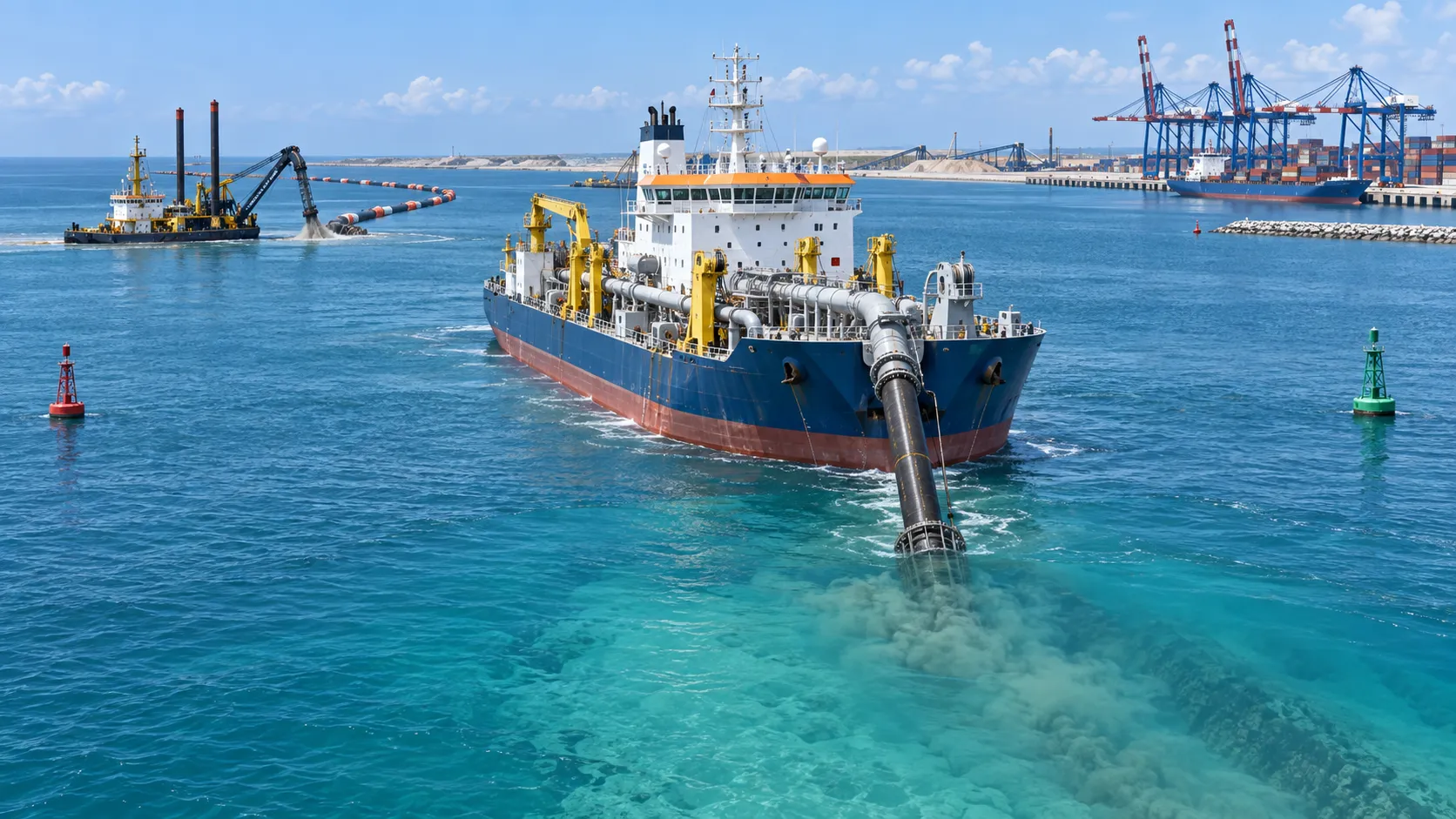
What Dredging Equipment Is Needed for Channel Deepening?
What dredging equipment is needed for channel deepening? Explore dredgers, pipelines, survey tools, and planning strategies for safer, more efficient port access.
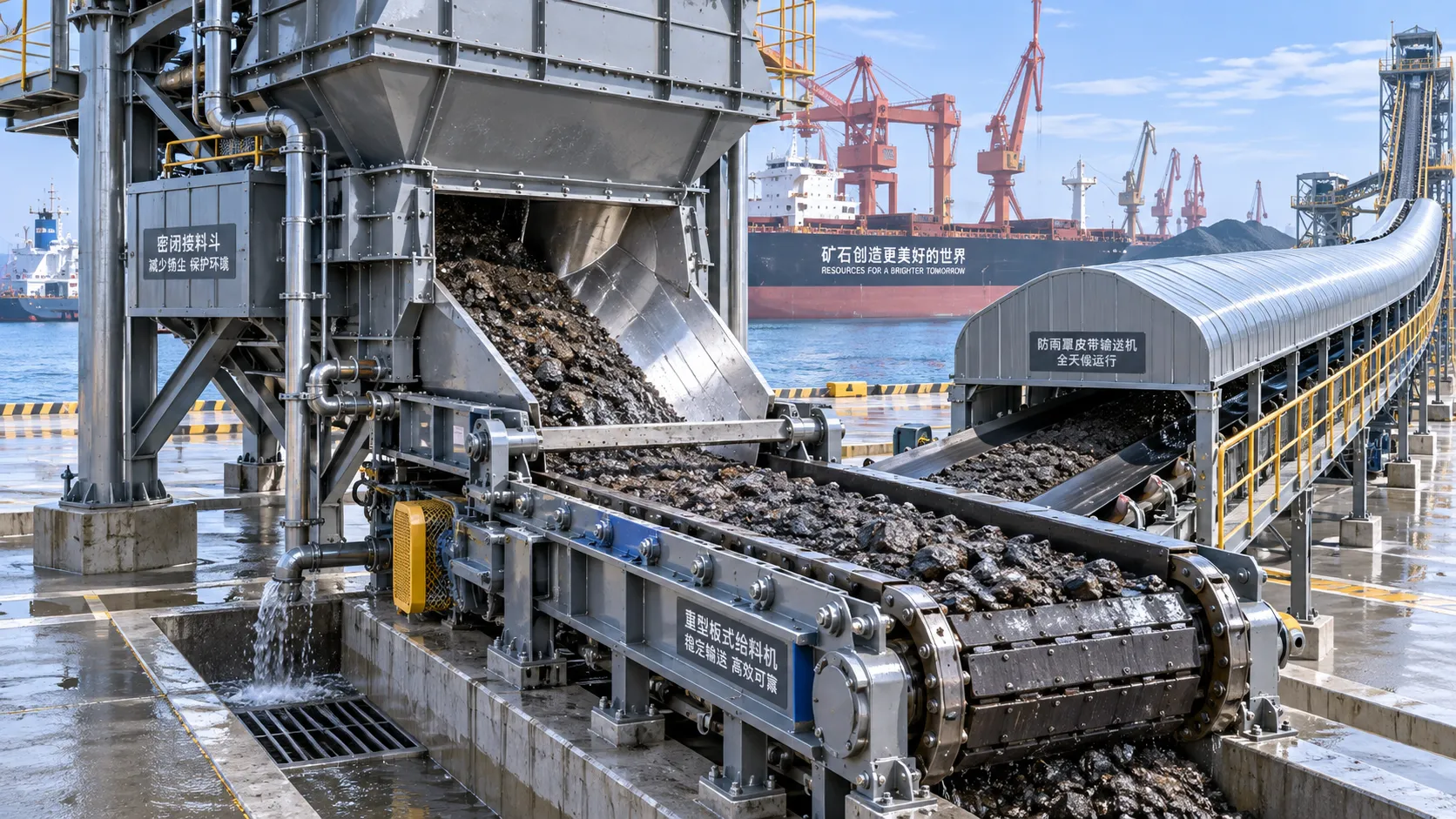
Which Bulk Handling Equipment Suits High-Moisture Cargo?
Which bulk handling equipment suits high-moisture cargo? Compare belt, apron, screw, drag, and slurry systems for reliable flow, less carryback, and higher terminal uptime.
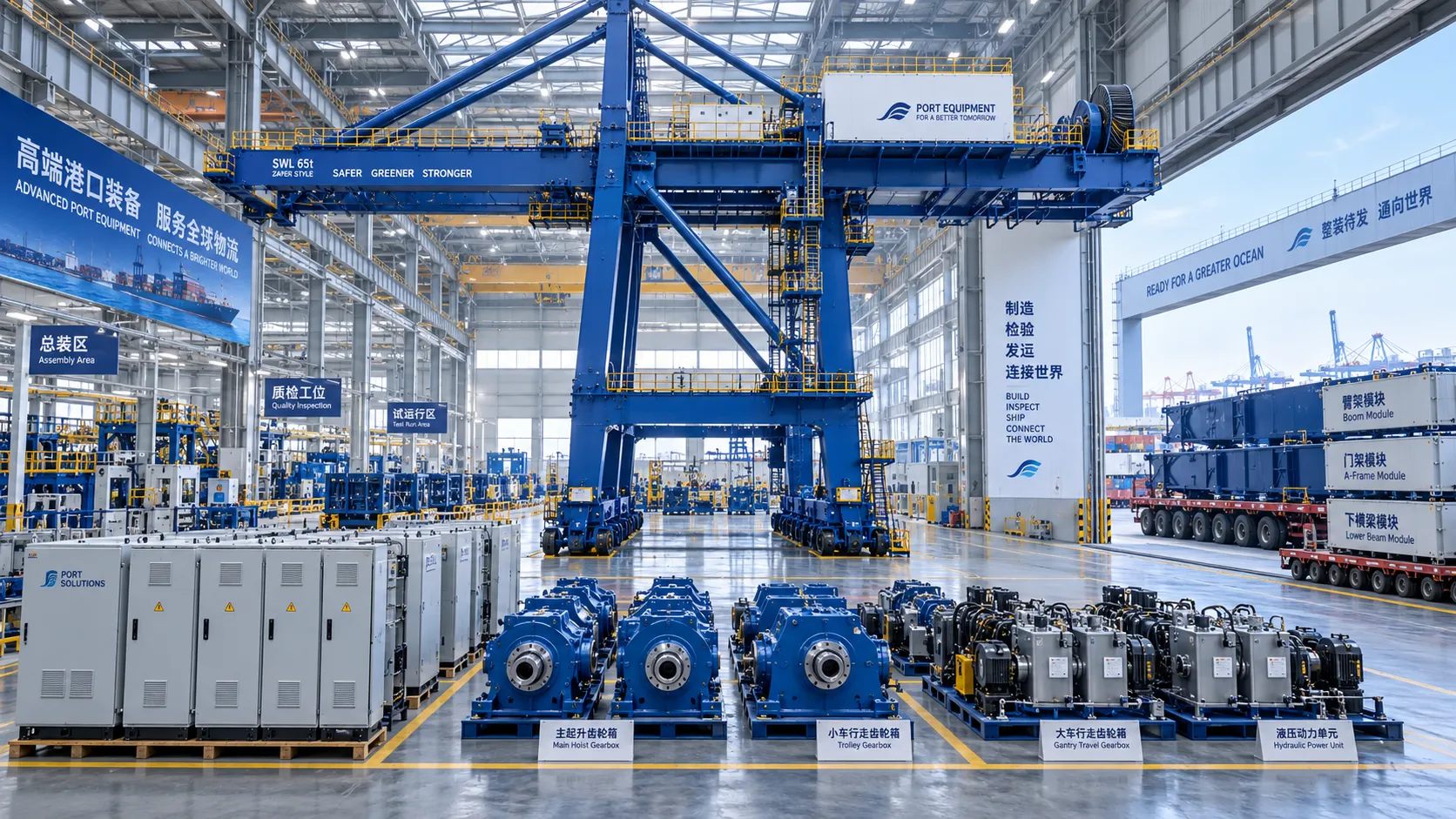
How Can Port Equipment Lead-Time Risk Be Managed?
How can port equipment lead-time risk be managed? Explore practical strategies to control critical paths, suppliers, transport, site readiness, and commissioning delays.
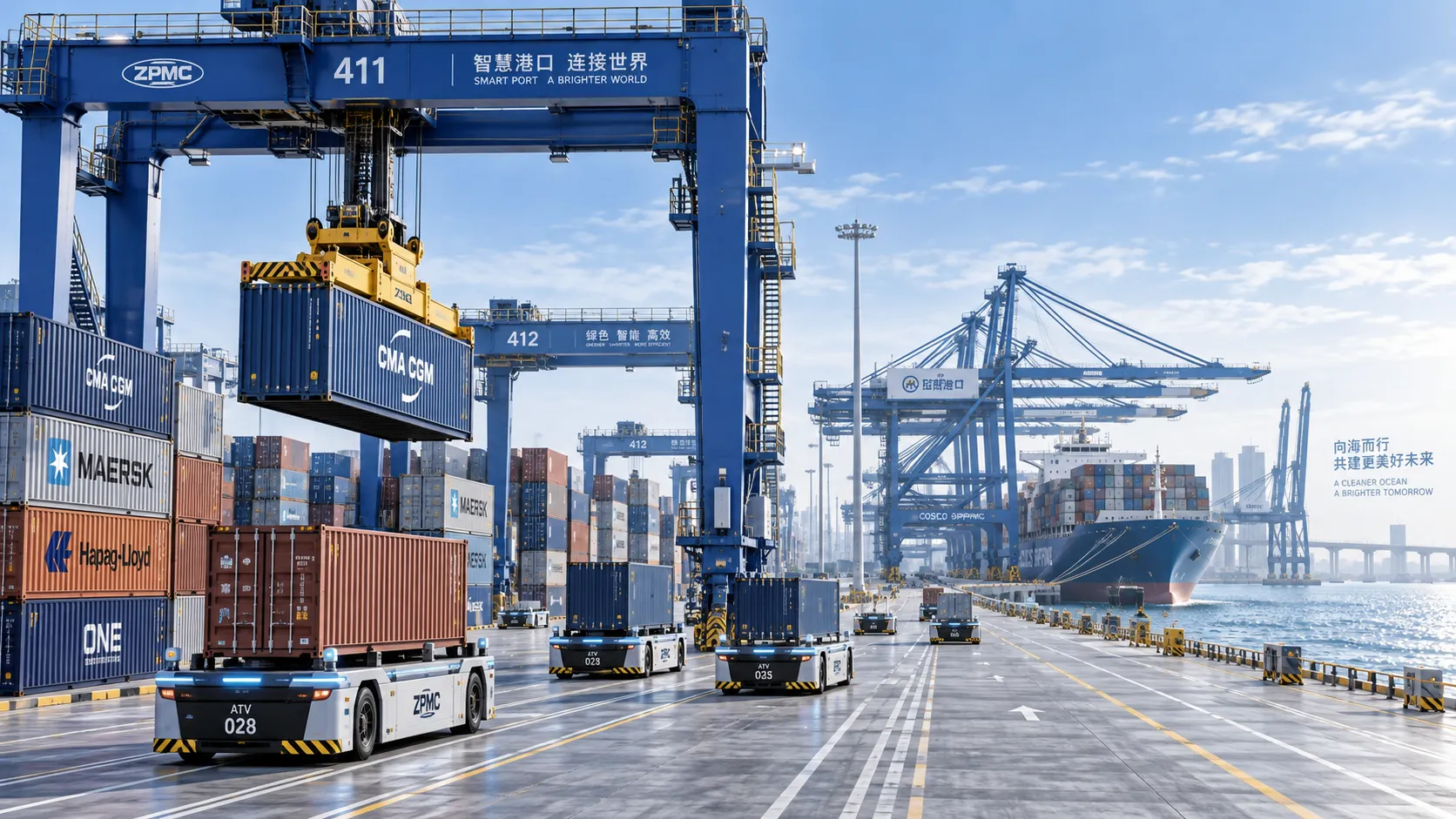
Terminal Automation Technologies That Raise Container Throughput Without Yard Disruption
Terminal automation technology that increases container throughput without disrupting yard flow. Explore smarter integration, resilient workflows, and phased deployment strategies.
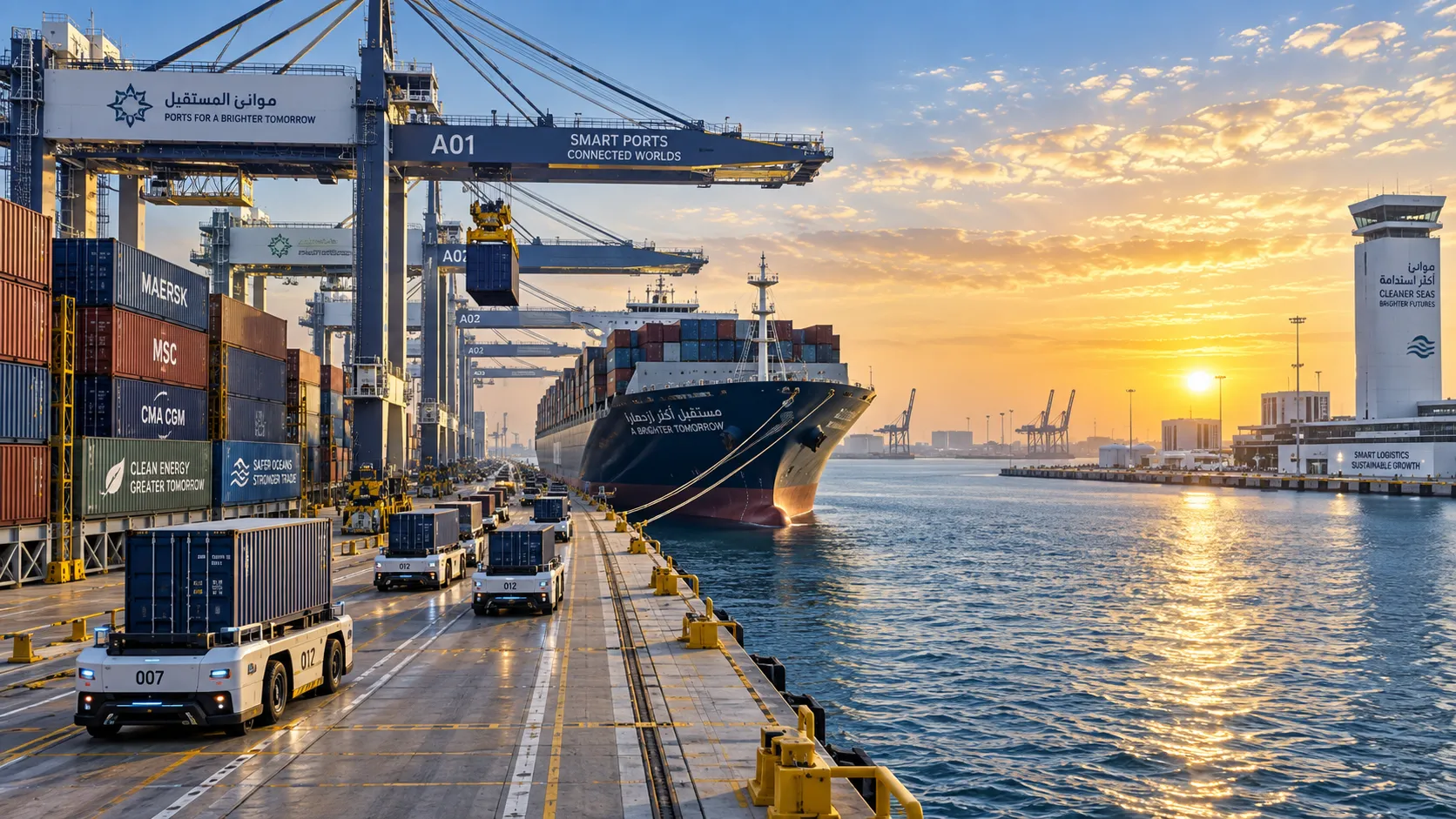
Middle East Port Automation: Key Market Drivers, Projects, and Investment Risks
Port automation systems Middle East: explore market drivers, flagship projects, integration challenges, and investment risks shaping smarter, resilient terminals.
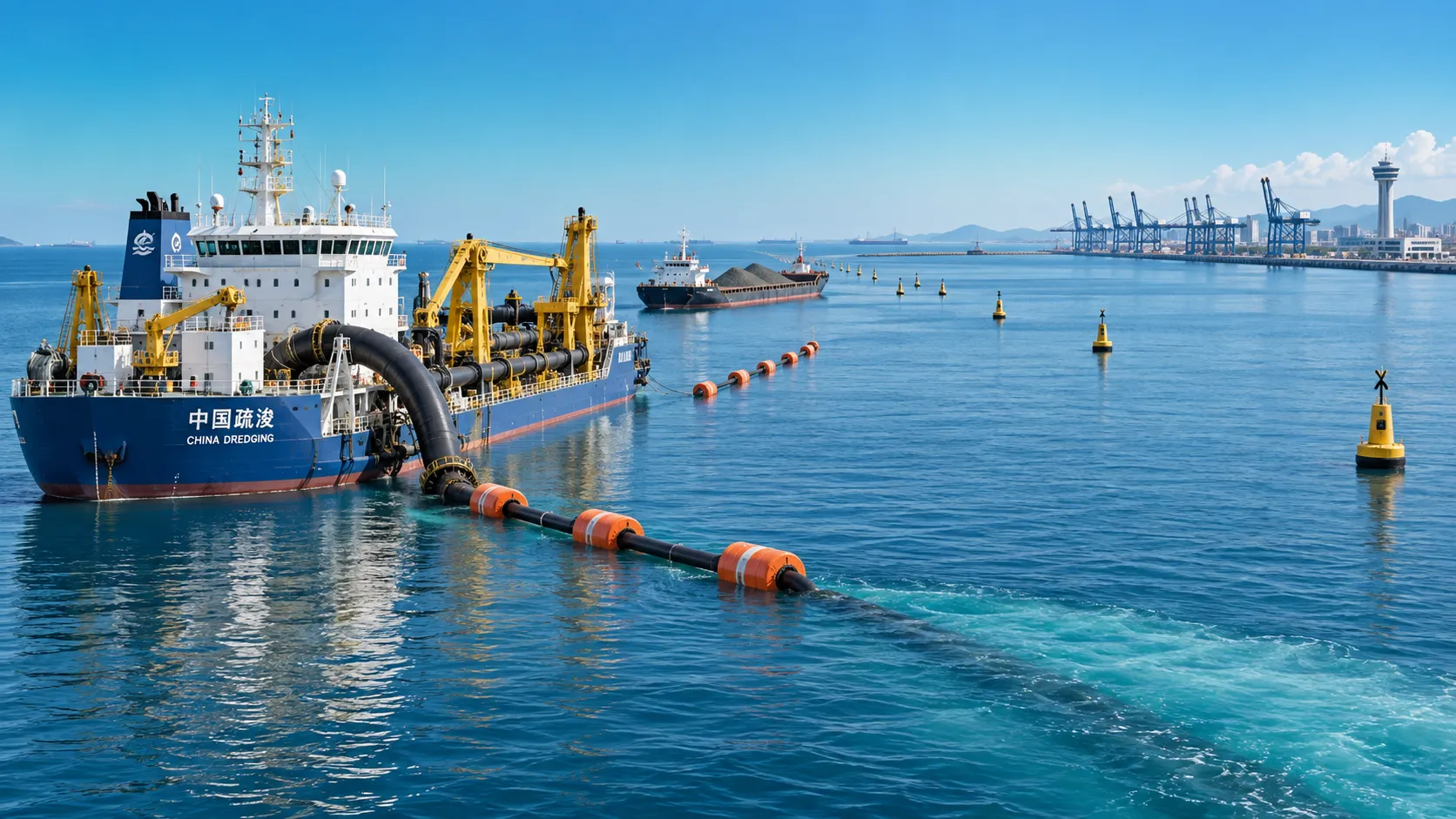
Planning Offshore Dredging Operations: Key Risks, Methods, and Project Controls
Offshore dredging operations demand smart planning. Explore key risks, proven methods, environmental controls, and project strategies for reliable delivery.