Related News
- 00
0000-00
How Can Port Equipment Lead-Time Risk Be Managed? - 00
0000-00
Maritime Logistics Operations: How Ports Can Reduce Container Dwell Time - 00
0000-00
What Does Logistics Node Monitoring Cost Across Warehouses and Transport Hubs? - 00
0000-00
How Can IoT Smart Port Solutions Improve Container Tracking and Yard Efficiency? - 00
0000-00
How Real-Time Port Logistics Intelligence Improves Container Yard Efficiency
How Real-Time Port Logistics Intelligence Improves Container Yard Efficiency
How Real-Time Port Logistics Intelligence Improves Container Yard Efficiency
Container yards operate under constant pressure from vessel schedules, equipment availability, changing cargo volumes, and limited storage space. Operators need timely information that supports immediate, practical decisions.
Real-time port logistics intelligence improves yard efficiency when it turns scattered operational signals into clear priorities for moves, equipment assignments, stack planning, and exception handling.
For yard operators, the value is not simply seeing more dashboards. It is knowing which containers, lanes, machines, and work queues require action now.
When intelligence is accurate, shared, and connected to terminal workflows, it reduces avoidable rehandles, shortens truck turnaround, and protects vessel loading performance.
Why Yard Efficiency Depends on Better Operational Visibility
A container yard is a tightly connected operating environment. A delayed quay crane, unavailable truck, blocked lane, or incorrect stack position can affect multiple downstream activities.
Traditional reporting often provides a delayed view of operations. By the time supervisors review a report, the equipment conflict or congestion problem may already have expanded.
Real-time port logistics intelligence gives teams current information about container status, yard occupancy, equipment position, gate activity, vessel progress, and planned movements.
This shared operational picture helps operators distinguish between normal variation and emerging disruption. It also reduces the need for repeated phone calls, radio checks, and manual verification.
Visibility is especially important during peak vessel exchanges. Containers may arrive, depart, shift, inspect, or wait for customs release within a short period.
Without current status data, operators can assign equipment to moves that cannot be completed. A container may be inaccessible, unavailable, incorrectly located, or blocked by another task.
With live intelligence, the yard control team can identify constraints earlier. They can adjust work sequences before delays become larger operational problems.
The result is more controlled execution. Operators spend less time discovering what happened and more time deciding what should happen next.
What Real-Time Port Logistics Intelligence Should Actually Show
Useful intelligence begins with operational data that reflects physical yard conditions, rather than high-level indicators that look informative but cannot guide individual work decisions.
Container status is a primary requirement. Operators need to know whether each unit is discharged, gated in, customs held, released, planned for loading, or already moved.
Location accuracy matters equally. A container record must identify the correct block, bay, row, tier, and orientation, with updates completed immediately after movement.
Equipment data should include availability, location, operating mode, task queue, fuel or battery condition, alarms, and estimated time until each assigned task finishes.
For automated terminals, this intelligence may also cover automated guided vehicle routes, crane handoff positions, charging demand, traffic conflicts, and system exceptions.
Yard occupancy information helps planners avoid creating dense stacks that look efficient on paper but generate excessive rehandles during vessel loading or gate peaks.
Gate data shows incoming and outgoing truck demand, appointment adherence, lane congestion, document exceptions, and dwell patterns that may require additional yard resources.
Vessel progress data connects waterside activity to landside planning. Operators can prepare export stacks, prioritize import delivery, and avoid allocating equipment based on outdated discharge assumptions.
Reducing Rehandles Through Smarter Stack Decisions
Rehandles are among the clearest indicators of avoidable yard inefficiency. Every unplanned lift consumes equipment capacity, energy, time, and operator attention.
A rehandle happens when a target container is buried below or blocked by another unit. Some rehandles are unavoidable, but poor planning creates many unnecessary ones.
Real-time intelligence improves stack decisions by showing actual container arrivals, departure commitments, weight, hazardous status, reefer requirements, and transport availability.
Operators can use this information to place containers according to their expected retrieval sequence, rather than relying only on broad vessel schedules or static allocation rules.
Export containers should generally be positioned around confirmed loading windows, stowage requirements, and cutoff priorities. Late changes must update stack plans quickly.
Import containers need placement based on delivery probability, customs status, consignee collection patterns, and available gate capacity. This reduces searching and unnecessary reshuffling.
When a vessel delay or booking change occurs, the system should flag stacks likely to create future rehandles. Supervisors can then intervene before peak demand arrives.
The strongest approach combines automated recommendations with local operating knowledge. Experienced planners still need authority to account for weather, labor shifts, special cargo, and unusual customer requirements.
Matching Equipment to the Work That Matters Most
Container yard equipment is productive only when its next assignment supports the terminal’s most important operational objective. That objective changes throughout every shift.
During vessel operations, quay-side demand may take priority. During gate peaks, the terminal may need more capacity for delivery, receiving, and truck turnaround.
Real-time port logistics intelligence compares current task demand with available equipment. It helps dispatchers see where rubber-tired gantry cranes, reach stackers, terminal tractors, and AGVs are needed.
Live task queues can expose imbalances that are difficult to notice from the field. One block may have growing delays while nearby equipment remains underutilized.
Dispatch teams can respond by reassigning machinery, changing work zones, or resequencing moves. Fast intervention prevents local congestion from spreading across the yard.
Equipment telemetry also supports maintenance decisions. Repeated alarms, declining battery levels, hydraulic warnings, or abnormal cycle times can be managed before equipment fails during critical operations.
For manual equipment fleets, operators benefit when instructions are clear, current, and sequenced logically. Conflicting radio calls and frequent task cancellations reduce confidence and productivity.
For automated fleets, reliable intelligence is essential for safe routing. The control system must recognize occupied lanes, restricted areas, charging needs, and exceptions requiring human intervention.
Improving Gate Flow and Truck Turnaround
Yard efficiency is closely tied to gate performance. When trucks wait too long, congestion increases, customer satisfaction declines, and container retrieval work becomes more difficult.
Gate delays often originate inside the yard. A truck may have valid documentation but still wait because the assigned container is inaccessible or equipment is working elsewhere.
Real-time intelligence links appointments, truck arrivals, container release status, and yard location. This helps the terminal prepare retrieval work before the truck reaches the pickup lane.
Operators can identify containers likely to create delays and move them proactively during lower-demand periods. This is usually more efficient than responding after a driver arrives.
Live gate data also reveals whether appointments match actual capacity. A heavy concentration of arrivals within one hour may exceed available lanes, equipment, and delivery slots.
Terminals can use that insight to adjust appointment windows, communicate delays, or deploy resources earlier. Better coordination reduces queues without requiring immediate physical expansion.
Exception management remains essential. Customs holds, damaged containers, missing seals, incorrect booking details, and unsafe load conditions require visible workflows and accountable ownership.
A good operational platform does not hide exceptions inside separate systems. It presents them beside the relevant container and task so teams can resolve them quickly.
Responding Faster When Operations Change
Port operations rarely follow the original plan exactly. Weather, berth changes, vessel delays, labor availability, equipment faults, and traffic congestion continuously alter execution conditions.
The key advantage of real-time port logistics intelligence is earlier detection. Teams can act while they still have choices, instead of managing consequences after schedules collapse.
For example, a delayed vessel may change export cutoff priorities. The yard team can pause low-value reshuffles and preserve accessible positions for containers still expected to load.
If a crane outage occurs, dispatchers can assess which tasks will be affected, which equipment can be redirected, and which customers need updated operational information.
When an import surge is detected, managers can open additional blocks, change delivery sequences, or coordinate gate appointments before the surge creates widespread congestion.
These responses depend on data quality and clear escalation rules. Alerts should identify the operational consequence, not merely report that a sensor or system threshold changed.
Too many alerts create noise and cause teams to ignore important warnings. The most useful alerts are prioritized by safety risk, service impact, equipment dependency, and timing.
Human decision-making remains central. Intelligence platforms should provide recommendations and context, while allowing supervisors to override decisions when local conditions require a different response.
Building a Workflow Operators Will Actually Use
Technology improves operations only when it fits the working reality of dispatchers, planners, machine operators, gate staff, and maintenance teams across every shift.
Operators need concise screens that show current tasks, priorities, exceptions, and equipment status. They should not need to navigate through multiple reports during busy periods.
Information must be consistent across the terminal operating system, equipment controls, gate platform, maintenance software, and planning tools. Conflicting records quickly damage trust.
Start by defining the decisions each role makes. A yard planner needs stack risk and demand forecasts, while a crane operator needs accurate task instructions.
Data governance is therefore an operational issue, not only an information technology issue. Clear ownership is required for container updates, equipment signals, task closure, and exception codes.
Training should focus on practical scenarios. Teams need to understand how the system changes dispatching, escalation, manual overrides, and communication during disruptions.
Terminals should also measure adoption. If staff continue using spreadsheets, radio workarounds, or personal notes, the platform may be missing important workflow requirements.
Regular review sessions can refine rules based on real performance. This allows the intelligence system to improve alongside terminal processes, equipment fleets, and cargo patterns.
How to Measure Whether Intelligence Is Delivering Results
Operational intelligence should be evaluated through measurable outcomes, not simply through software usage, screen availability, or the number of connected data sources.
Rehandle rate is an important measure because it shows whether stacking and retrieval decisions are reducing unnecessary movement. It should be reviewed by block and cargo type.
Equipment productivity should include completed moves, travel time, idle time, task waiting time, and unplanned downtime. High moves per hour alone can hide congestion elsewhere.
Truck turnaround time should be measured from gate arrival through exit. Segmenting delays by documentation, container availability, lane capacity, and yard retrieval identifies practical improvement areas.
Yard density must be reviewed with accessibility. A very full yard may appear space-efficient while generating costly rehandles, slower delivery, and reduced resilience during vessel peaks.
Vessel performance indicators include crane productivity, completion reliability, late export handling, and the number of loading disruptions caused by unavailable or inaccessible containers.
Exception resolution time is another useful indicator. Fast closure of holds, location discrepancies, equipment alarms, and planning conflicts helps prevent small issues from affecting multiple workflows.
PS-Nexus tracks how terminal equipment, automation controls, and scheduling intelligence are converging. The strongest ports use these indicators to guide daily operational improvements, not annual reporting alone.
Conclusion: Intelligence Creates Control, Not Just More Data
Real-time port logistics intelligence improves container yard efficiency by connecting operational facts to immediate decisions. It helps teams move the right container with the right equipment at the right time.
For operators, the practical benefits are fewer surprises, clearer priorities, lower rehandle exposure, stronger gate flow, and faster response when vessel plans or yard conditions change.
The technology delivers value when data is accurate, workflows are trusted, and teams can act on the information without delay. Visibility alone is not enough.
Ports that combine live intelligence with disciplined planning, equipment coordination, and human operational judgment are better positioned to maintain reliable cargo flow under increasing supply chain pressure.
Related News
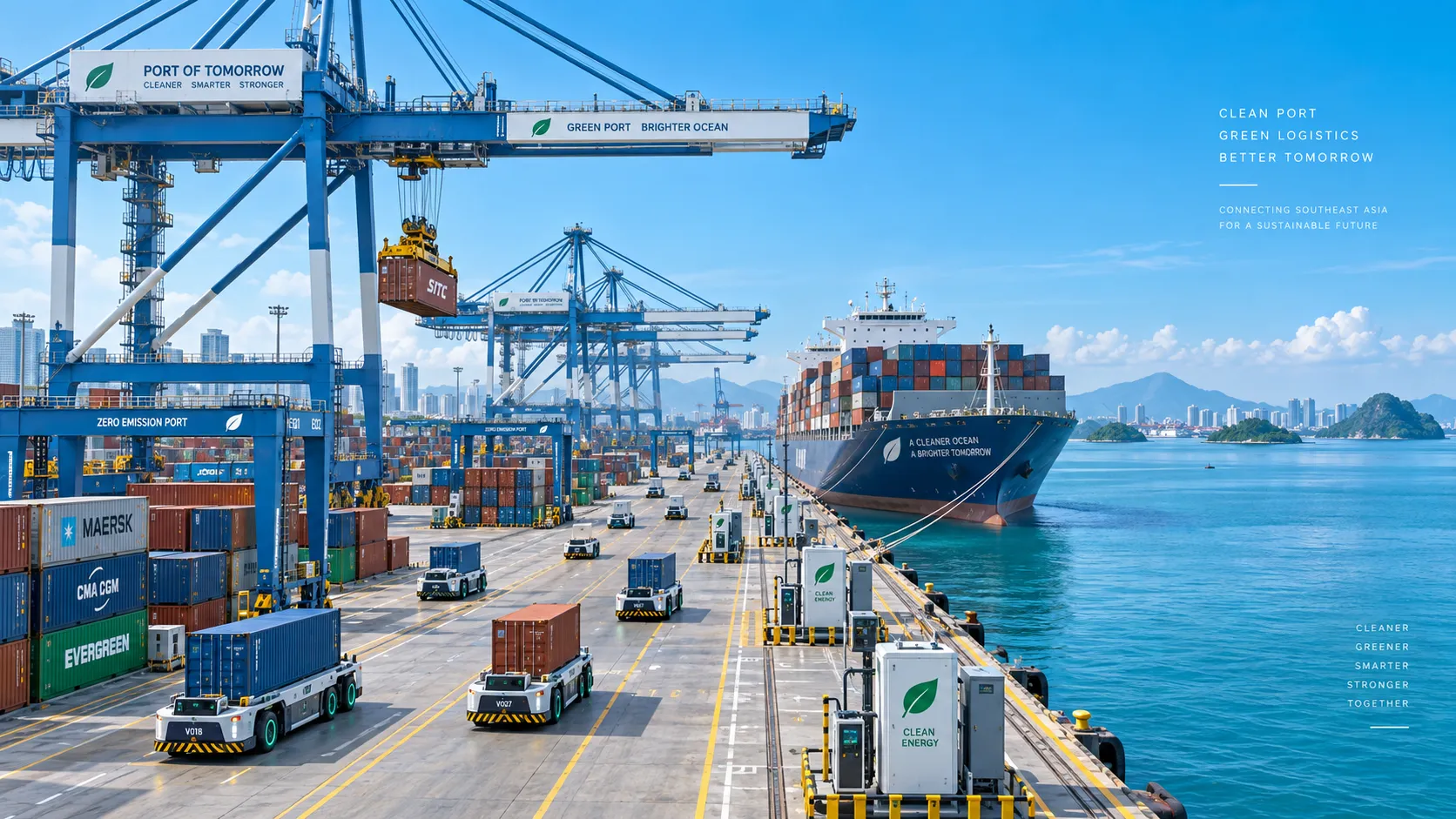
Smart Port Systems in Southeast Asia: Investment Priorities and Adoption Barriers
Smart port systems Southeast Asia: discover investment priorities, adoption barriers, and practical steps to build resilient, connected, high-performing terminals.
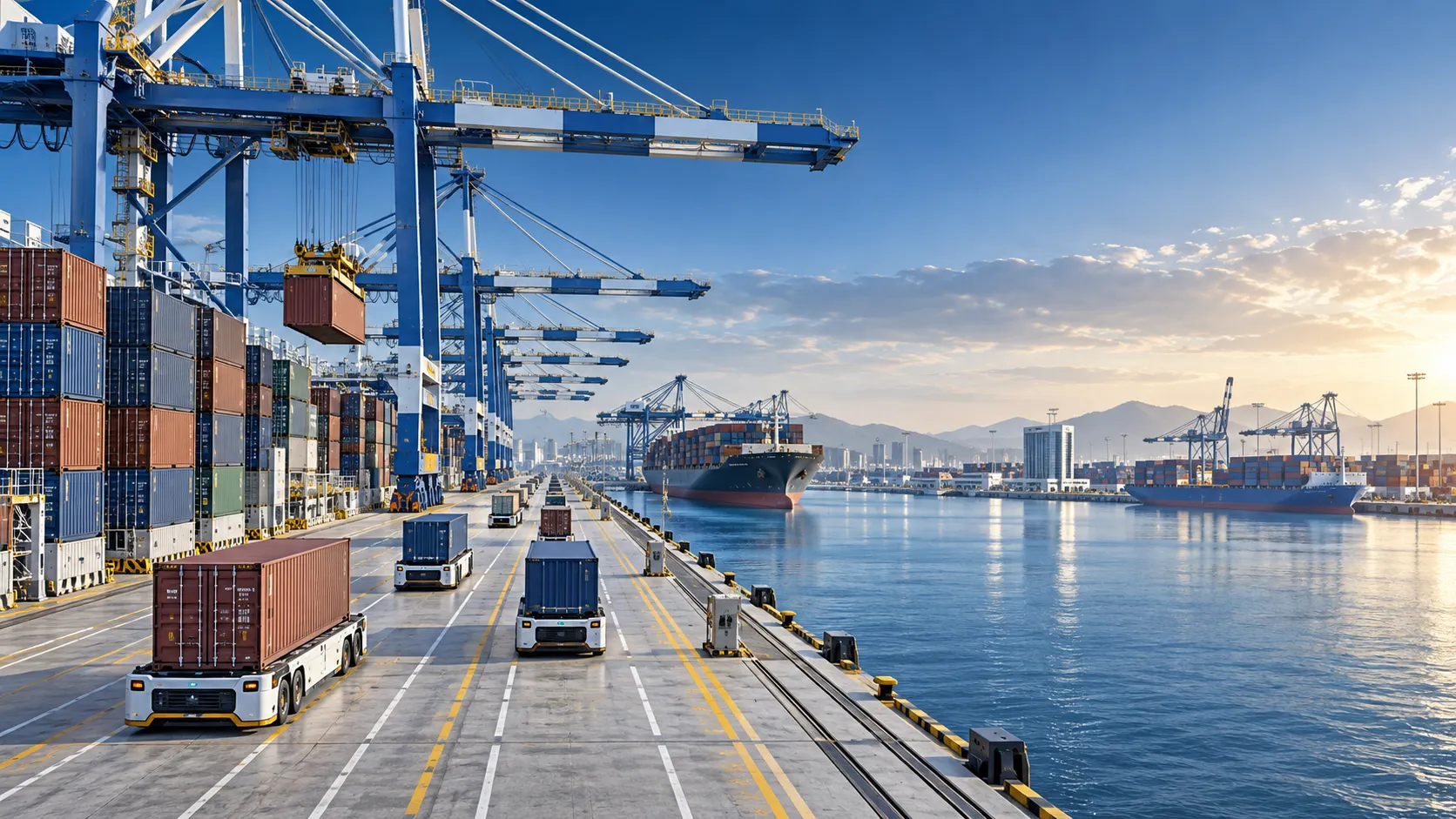
How to Evaluate Terminal Efficiency Solution Suppliers for High-Throughput Operations
Choose a terminal efficiency solutions supplier with confidence. Explore proven criteria for throughput, integration, lifecycle cost, safety, and reliable delivery.
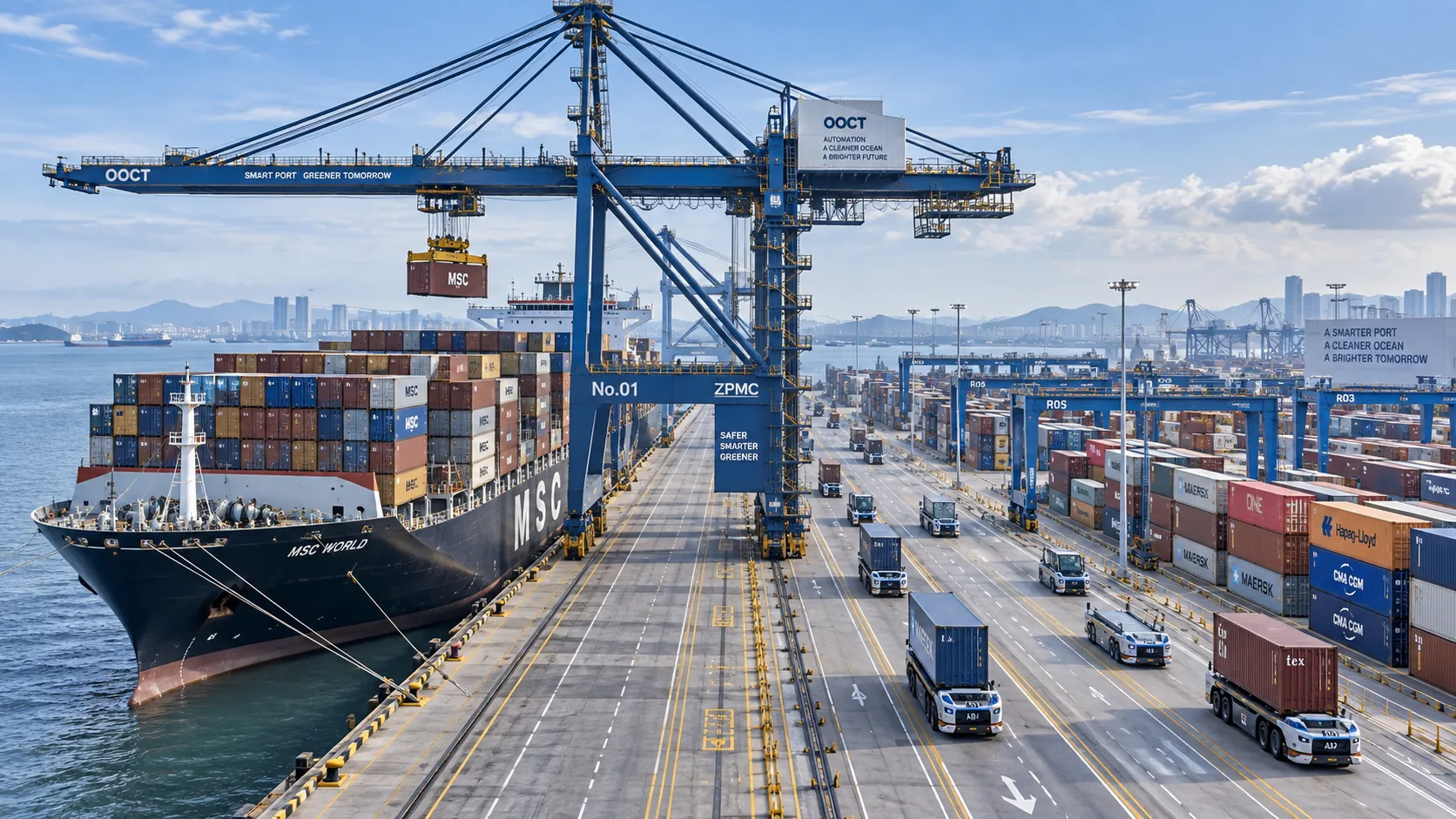
How to Specify a Quay Crane for Container Terminals by Vessel Size and Throughput?
Quay crane for container terminals: learn how to match outreach, lift height, capacity, automation, and cycle performance to vessel size and throughput goals.
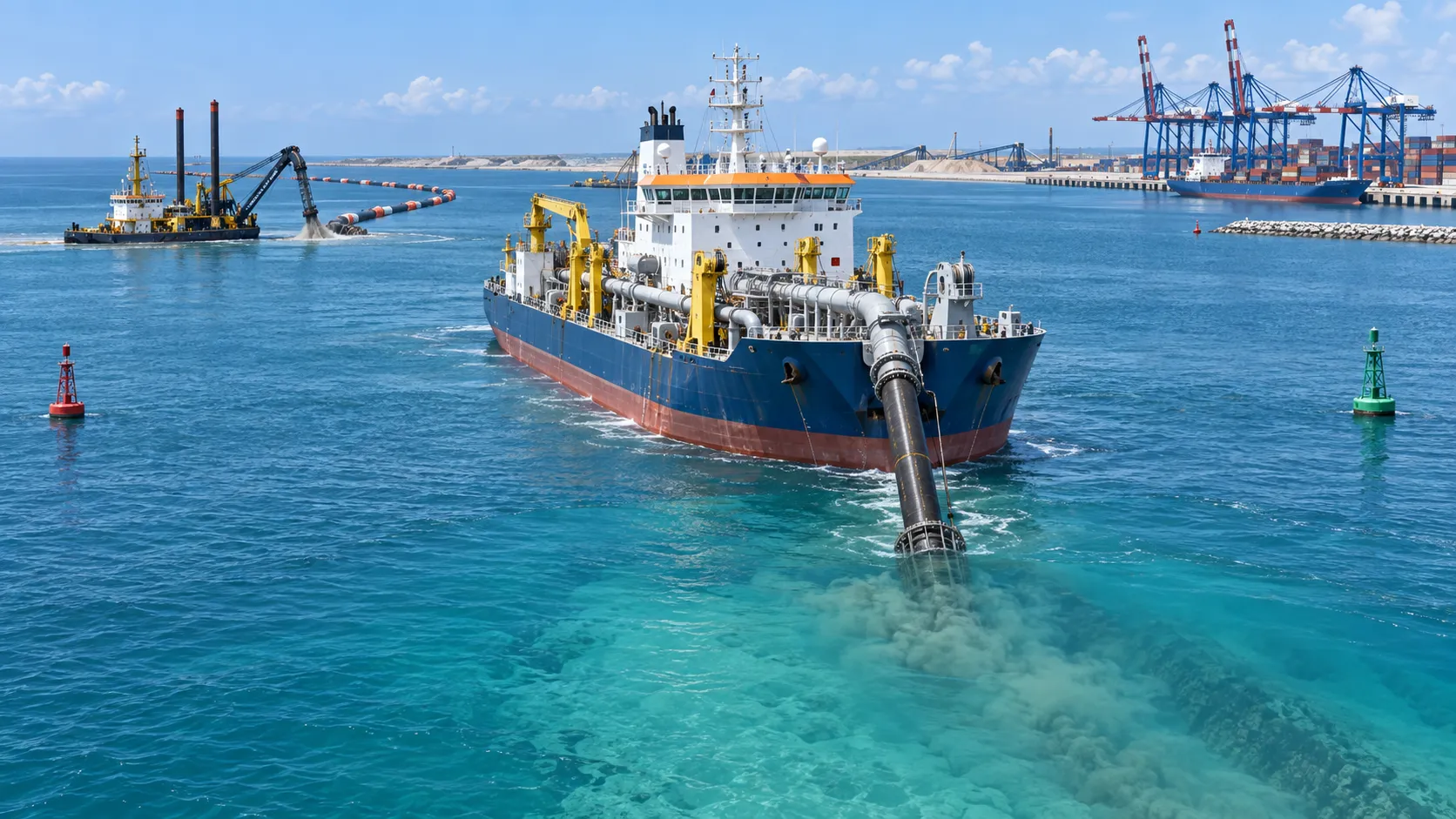
What Dredging Equipment Is Needed for Channel Deepening?
What dredging equipment is needed for channel deepening? Explore dredgers, pipelines, survey tools, and planning strategies for safer, more efficient port access.
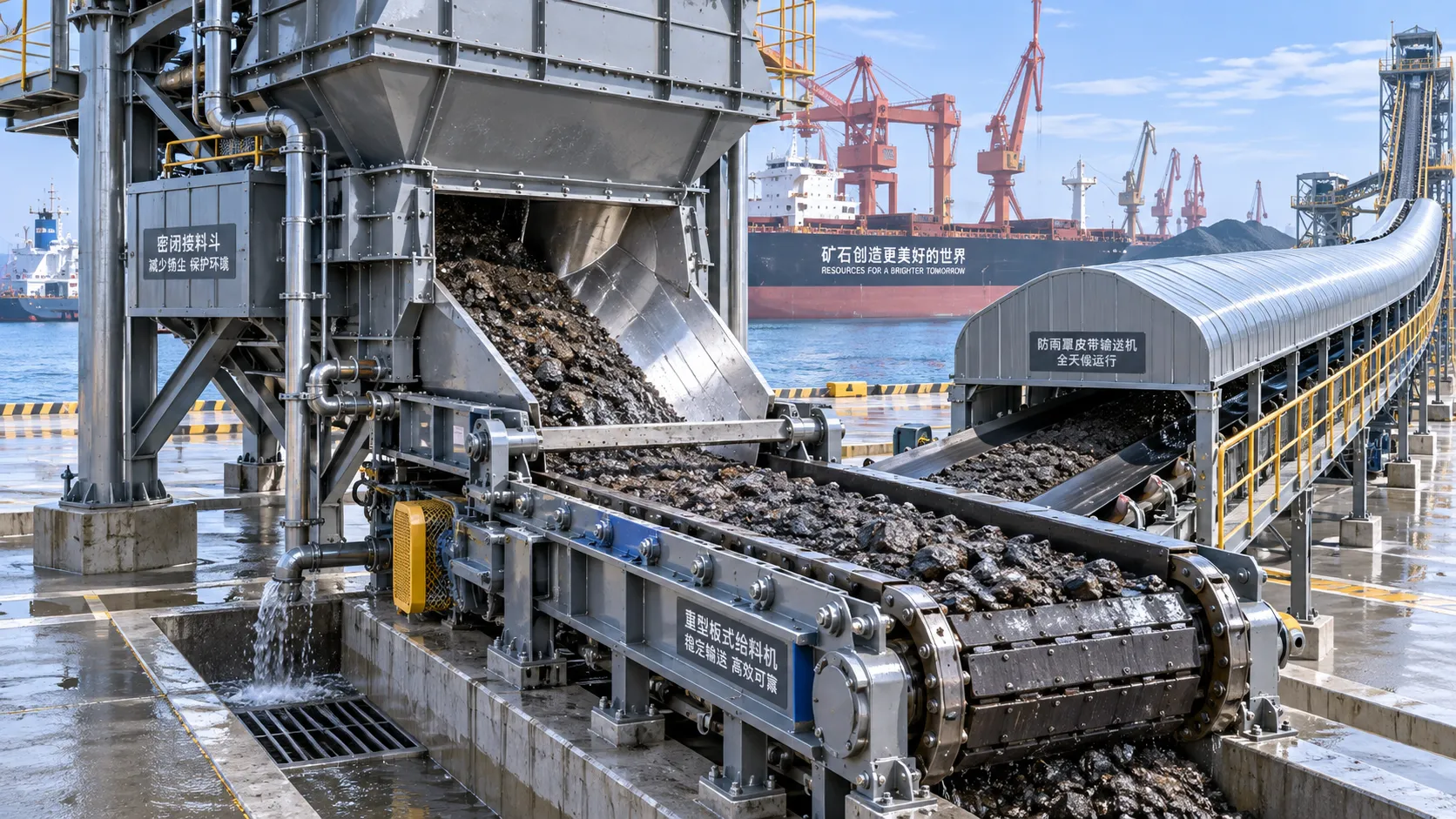
Which Bulk Handling Equipment Suits High-Moisture Cargo?
Which bulk handling equipment suits high-moisture cargo? Compare belt, apron, screw, drag, and slurry systems for reliable flow, less carryback, and higher terminal uptime.
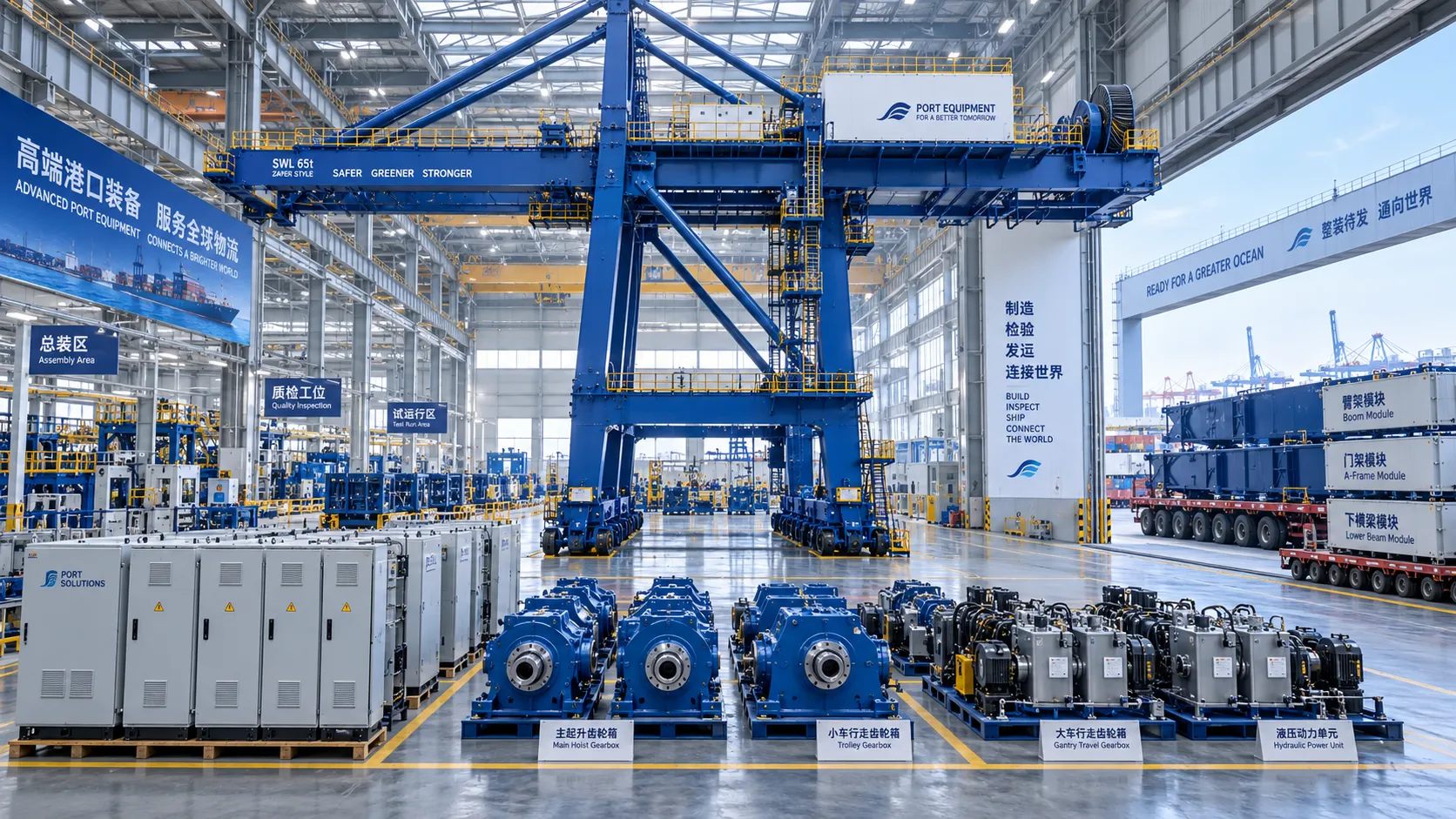
How Can Port Equipment Lead-Time Risk Be Managed?
How can port equipment lead-time risk be managed? Explore practical strategies to control critical paths, suppliers, transport, site readiness, and commissioning delays.
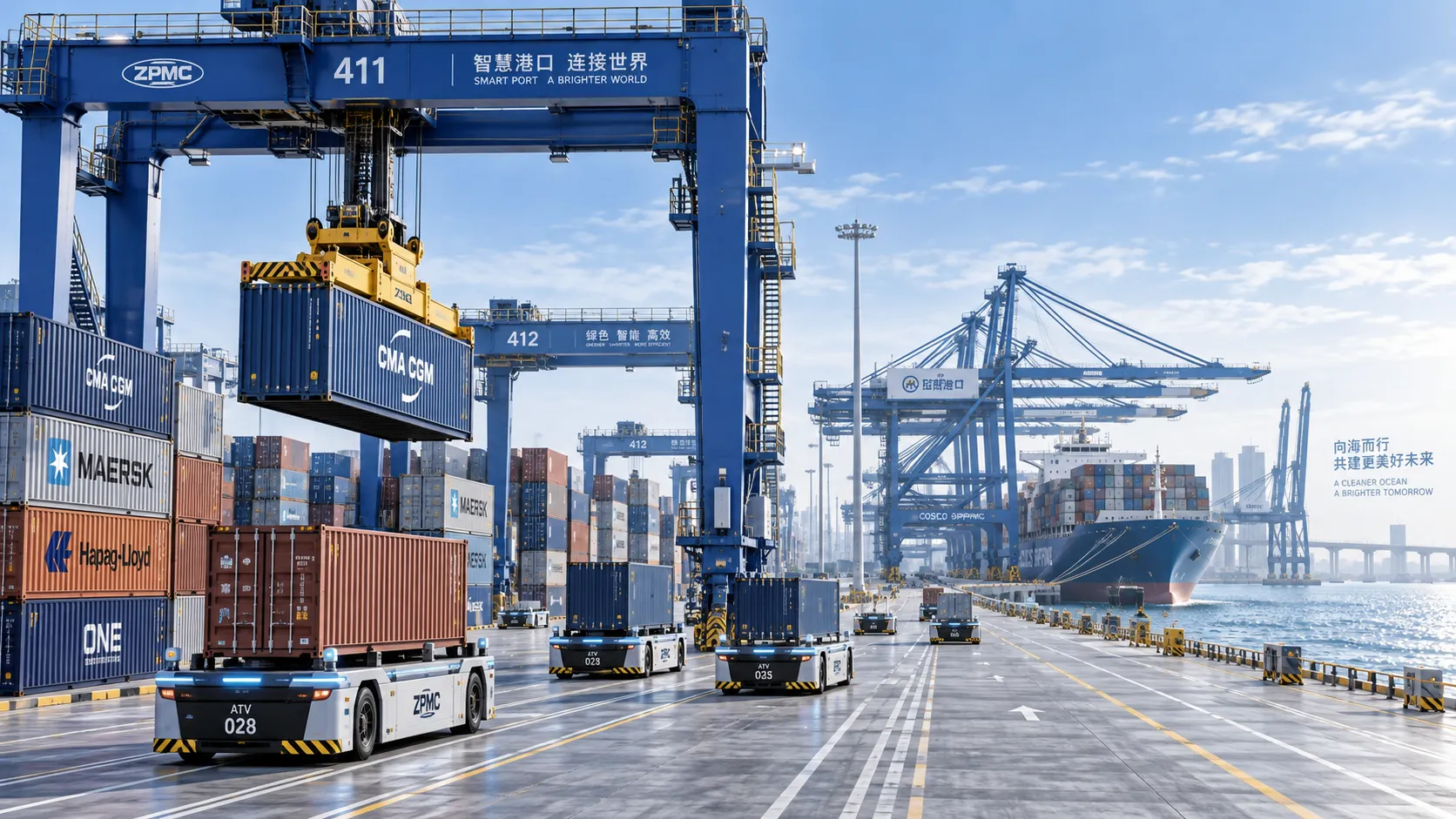
Terminal Automation Technologies That Raise Container Throughput Without Yard Disruption
Terminal automation technology that increases container throughput without disrupting yard flow. Explore smarter integration, resilient workflows, and phased deployment strategies.
Middle East Port Automation: Key Market Drivers, Projects, and Investment Risks
Port automation systems Middle East: explore market drivers, flagship projects, integration challenges, and investment risks shaping smarter, resilient terminals.
Planning Offshore Dredging Operations: Key Risks, Methods, and Project Controls
Offshore dredging operations demand smart planning. Explore key risks, proven methods, environmental controls, and project strategies for reliable delivery.