Related News
- 00
0000-00
How Can Port Equipment Lead-Time Risk Be Managed? - 00
0000-00
Maritime Logistics Operations: How Ports Can Reduce Container Dwell Time - 00
0000-00
What Does Logistics Node Monitoring Cost Across Warehouses and Transport Hubs? - 00
0000-00
How Can IoT Smart Port Solutions Improve Container Tracking and Yard Efficiency? - 00
0000-00
How Real-Time Port Logistics Intelligence Improves Container Yard Efficiency
Global Port Logistics Intelligence: Signals That Help Shippers Anticipate Disruption
Global Port Logistics Intelligence: Signals That Help Shippers Anticipate Disruption
Global port logistics intelligence is becoming essential for business evaluators assessing supply chain exposure, infrastructure investment, and operational resilience. A vessel delay is rarely an isolated event. It may begin with reduced berth availability, a crane outage, a shallow approach channel, yard congestion, labor constraints, an automation-system exception, or a change in carrier network behavior. By the time a delay appears in a shipment status update, the operational problem may already have been developing for days or weeks.
The challenge is not a lack of information. Shipping schedules, freight-rate movements, port notices, equipment announcements, weather reports, and terminal updates are widely available. The harder task is distinguishing market noise from operational signals that can materially affect cargo flow. For shippers, importers, infrastructure investors, and logistics planners, better decisions come from connecting what happens offshore with what is changing inside the terminal and along the coastal access route.
That is the practical value of port logistics intelligence global networks: they make it possible to view ports not simply as geographic nodes, but as interconnected systems of vessel access, handling capacity, control logic, maintenance capability, inland release, and commercial demand. A port may appear busy yet remain stable; another may report normal vessel arrivals while quietly losing its ability to recover from even a modest disruption.
Why headline congestion is often a late indicator
Visible congestion attracts attention because it is easy to describe: ships wait at anchorage, containers dwell longer, or trucking appointments become scarce. But these are usually lagging indicators. They confirm that capacity and demand have fallen out of balance; they do not necessarily explain why, nor do they show whether the condition can be resolved quickly.
A more useful approach starts with the port’s recovery capacity. Can the terminal add productive crane hours? Is there spare yard space or only nominal capacity blocked by uncollected cargo? Are gate systems functioning consistently? Does the port have alternative berths, serviceable equipment, trained maintenance teams, and reliable access-channel depth? The answers determine whether a disruption remains local or spreads into carrier rotations, inland distribution, and sourcing decisions.
This distinction matters in commercial evaluation. A temporary weather interruption at a well-equipped gateway may create a short queue but little strategic risk. The same interruption at a port with constrained berths, aging handling assets, limited dredging flexibility, and overloaded yards can trigger schedule omissions or cargo diversions. The disruption is not defined only by its initial cause. It is defined by the system’s ability to absorb and recover from it.
The signals worth watching before cargo is delayed
No single indicator predicts a port disruption with confidence. Strong assessment comes from reading several signals together and asking whether they point to the same underlying constraint. The most useful indicators tend to fall into five operational areas.
Berth productivity and terminal equipment availability
Quay cranes, ship-to-shore interfaces, mobile harbor cranes, stackers, conveyors, and terminal tractors determine how quickly cargo can move once a vessel is alongside. A scheduled equipment upgrade can be positive over the long term, but it may temporarily reduce working capacity if commissioning, integration, or operator training is incomplete. Unplanned downtime is more concerning, particularly when a terminal depends on a small number of high-capacity assets.
Evaluators should look beyond announcements of new equipment. The relevant questions are whether the assets are installed, accepted for operation, connected to the terminal operating environment, and supported by spares and maintenance capability. A new crane does not automatically create throughput. Its contribution depends on crane availability, berth layout, yard handoff, landside flow, and the reliability of the control systems surrounding it.
Yard density, dwell pressure, and specialized handling constraints
Container yards can appear orderly while becoming operationally fragile. High stack density reduces the room available for rehandling, inspection, empty positioning, refrigerated cargo management, or irregular discharge sequences. When import dwell rises, export stacks compete for the same operating space. The result may be slower truck turn times, restricted receiving windows, and a growing gap between vessel discharge and cargo release.
Specialized container handling deserves separate attention. Reefer plugs, dangerous-goods segregation, out-of-gauge storage, empty-container positioning, and project cargo handling are not interchangeable with standard dry-container capacity. A terminal may have room in aggregate but lack practical capacity for the cargo mix moving through it. This is one reason broad “terminal utilization” claims should be treated cautiously unless the underlying cargo categories and operating rules are clear.
Automation performance and control-system resilience
Automation changes the profile of port risk rather than removing it. Automated stacking cranes, automated guided vehicles, remote-controlled quay cranes, and gate systems can improve repeatability when their interfaces are stable. Yet an automated terminal also depends on communications reliability, positioning accuracy, exception handling, software updates, cybersecurity controls, and the ability of operators to intervene safely when workflows deviate from plan.
For this reason, technology headlines are not enough. A useful signal is the quality of the operating architecture: how quickly can the terminal isolate a fault, switch to a fallback process, and restore planned flow? Low-latency communication for remote equipment, robust path planning for AGVs, and disciplined integration between terminal operating systems and equipment controls are operational issues, not abstract digital features. When exceptions accumulate faster than they can be resolved, nominal automation capacity can become a bottleneck.
Channel depth, dredging readiness, and marine access
Ports are sometimes evaluated through berth counts and terminal footprints while the marine approach receives too little attention. Channel depth, tidal windows, sedimentation patterns, turning-basin conditions, and dredging availability shape the vessels a port can receive and the operating margins available during adverse conditions. These factors become especially relevant when carrier networks deploy larger ships or when bulk cargo, energy commodities, and container flows compete for access.
Dredging should not be reduced to a construction milestone. Maintenance dredging, pump monitoring, disposal arrangements, environmental conditions, and contractor readiness can all affect whether a stated depth is reliably available in practice. The right assessment is not “Does this port have a deep channel?” but “What operational conditions govern access, and what evidence shows that the channel can be maintained?” Local hydrographic information and port authority notices are often more useful than generic port profiles.
Freight rates and carrier network behavior
Shipping-rate shifts can provide early context, but they should not be read as direct proof of terminal disruption. Rates respond to capacity management, fuel costs, seasonal demand, equipment positioning, geopolitical route changes, and carrier pricing strategy. Their value lies in combination with network decisions: blank sailings, port omissions, transshipment changes, revised cut-off times, service rotations, or recurring schedule unreliability.
When a carrier alters calls at a particular gateway, the issue may be a vessel-network optimization rather than a local port failure. But repeated diversions, shortened port stays, or growing dependence on nearby feeder connections can signal a more persistent mismatch between service requirements and terminal capability. Shippers should separate rate volatility from physical-flow risk, then assess where the two may reinforce each other.
From isolated alerts to an exposure view
The most common weakness in port risk monitoring is treating every signal as equally important. A weather warning, a crane procurement notice, and a carrier schedule revision do not carry the same weight. Their significance depends on cargo criticality, route concentration, available alternatives, inventory buffers, contractual delivery windows, and the feasibility of inland rerouting.
A practical assessment can group ports into three conditions. A stable port has normal variability but identifiable spare capacity or credible recovery options. A watchlist port shows accumulating stress, such as recurring berth delays, yard restrictions, equipment maintenance pressure, or channel-related constraints that have not yet interrupted the network. A high-exposure port has both an active constraint and limited substitutes, making a delay more likely to affect inventory, production, or customer commitments.
This approach also prevents overreaction. Not every delay justifies moving volume. Diversion can introduce new risks: inland transport constraints, unfamiliar customs procedures, cargo-handling limitations, different free-time terms, or less reliable feeder connectivity. The decision should compare total operational exposure, not simply select the port with the shortest current queue.
What infrastructure investment signals really mean
Investment in terminal gear, automation, electrification, bulk handling, and dredging is often interpreted as evidence of future capacity. It can be, but the timing matters. Large port projects tend to involve long approval cycles, construction interfaces, software integration, commissioning, and operational handover. During this transition, capacity may be uneven rather than steadily improving.
The more revealing question is whether investment addresses the port’s actual constraint. Additional quay cranes may not solve congestion caused by insufficient yard automation. A larger yard may not resolve access limitations if channel maintenance is uncertain. Electrified equipment can support emissions objectives, but the operational outcome depends on charging strategy, power availability, fleet duty cycles, and maintenance planning. In long-cycle infrastructure markets, the strongest commercial intelligence links equipment choices to the bottleneck they are intended to remove.
This is where a specialized intelligence perspective is useful. PS-Nexus examines the relationship between mega terminal equipment, bulk handling machinery, specialized container operations, automation and control systems, and dredging engineering. Its Strategic Intelligence Center frames these assets as parts of one maritime operating system, connecting engineering conditions with logistics-node dynamics and broader coastal economics. That perspective is particularly valuable when a public project announcement must be translated into a realistic view of future port readiness.
Building a decision routine that remains useful
Port intelligence is most effective when it is connected to a defined business decision. For a sourcing team, the priority may be identifying alternative gateways before a seasonal peak. For an investor, it may be testing whether planned automation can be supported by terminal layout and operating capability. For a distributor of port equipment, it may be recognizing structural demand for remote-control systems, AGV coordination, or dredging support before procurement activity becomes visible.
A disciplined routine usually combines external market signals with port-specific operating evidence. Track service changes and freight-market conditions, but also review terminal notices, marine restrictions, equipment commissioning progress, yard rules, and access-channel developments. Then test the findings against the organization’s own exposure: which cargoes are time-sensitive, which lanes lack alternatives, and which delays would create contractual or production consequences?
The aim is not to predict every disruption. It is to identify where small disruptions are likely to become expensive. In a global trade network shaped by larger vessels, tighter schedule tolerance, automation transitions, and changing environmental expectations, the earliest useful warning often sits at the intersection of machinery condition, digital control, marine engineering, and carrier behavior. Decisions become more defensible when those signals are assessed together rather than in isolation.
For any port under consideration, confirm the specific operating parameters that matter to the route: berth and yard constraints, equipment availability, channel conditions, contingency procedures, and realistic diversion options. Intelligence has the greatest value when it leads to a concrete question that the port, terminal, carrier, or project documentation can answer.
Related News
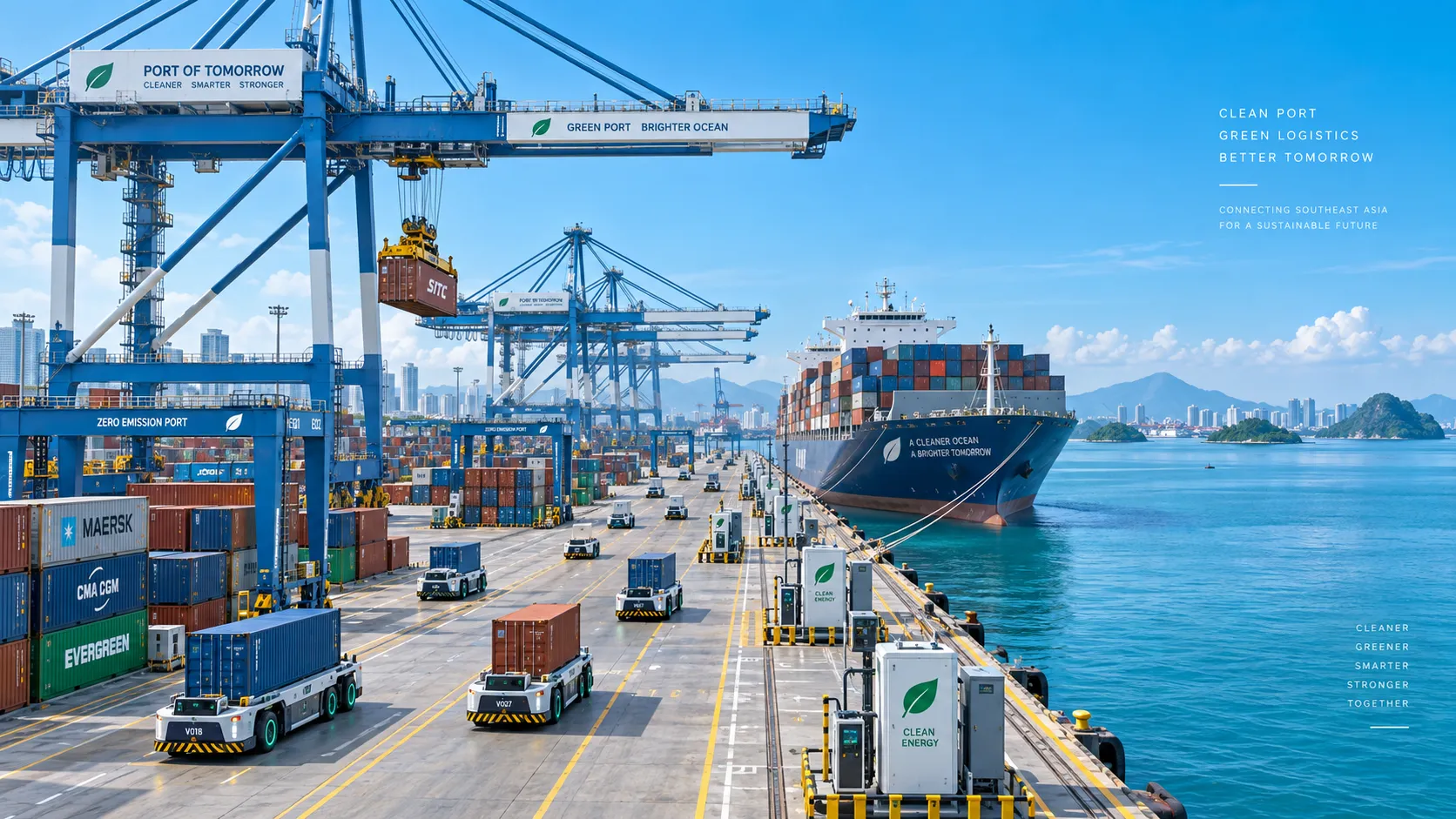
Smart Port Systems in Southeast Asia: Investment Priorities and Adoption Barriers
Smart port systems Southeast Asia: discover investment priorities, adoption barriers, and practical steps to build resilient, connected, high-performing terminals.
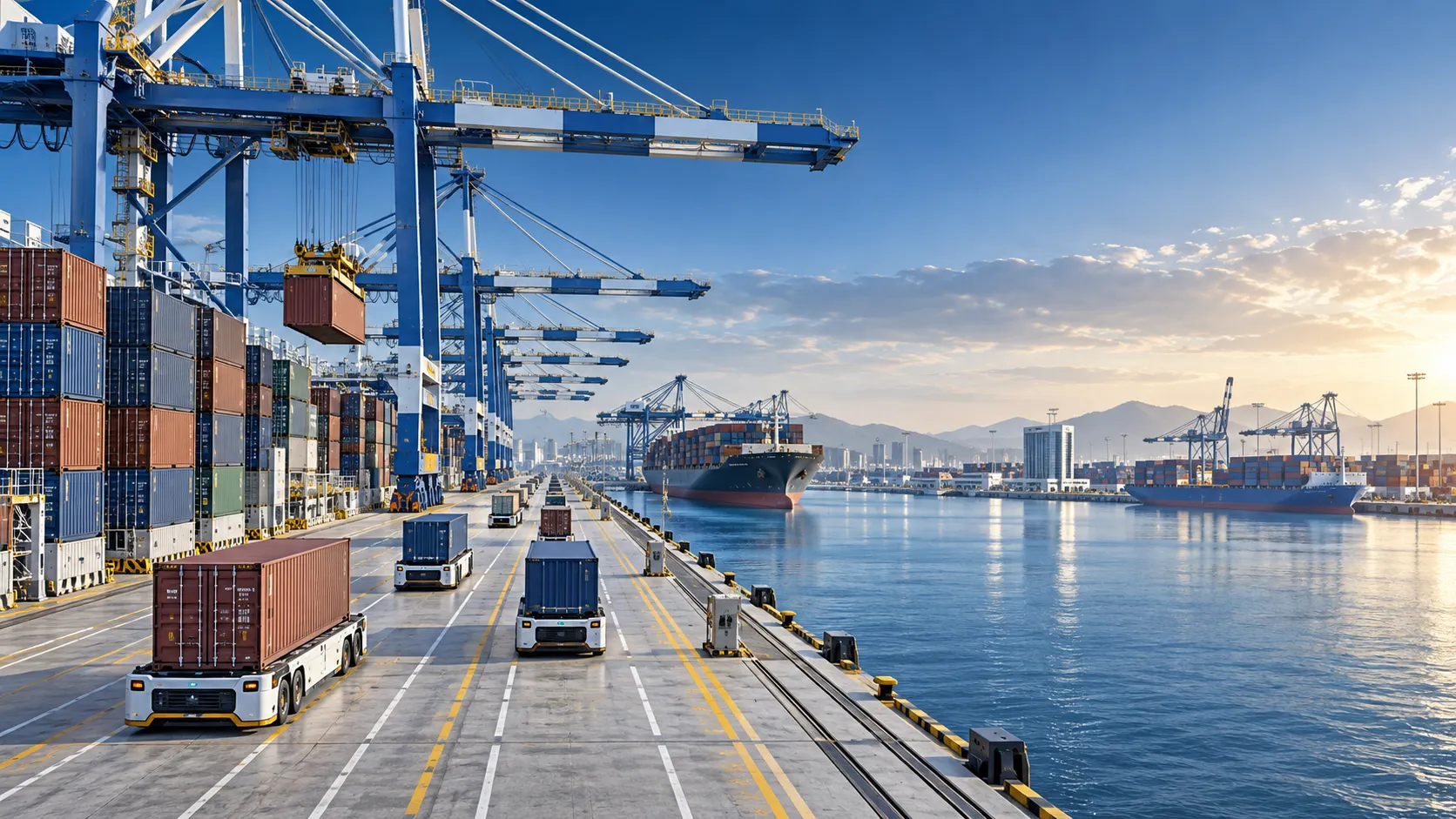
How to Evaluate Terminal Efficiency Solution Suppliers for High-Throughput Operations
Choose a terminal efficiency solutions supplier with confidence. Explore proven criteria for throughput, integration, lifecycle cost, safety, and reliable delivery.
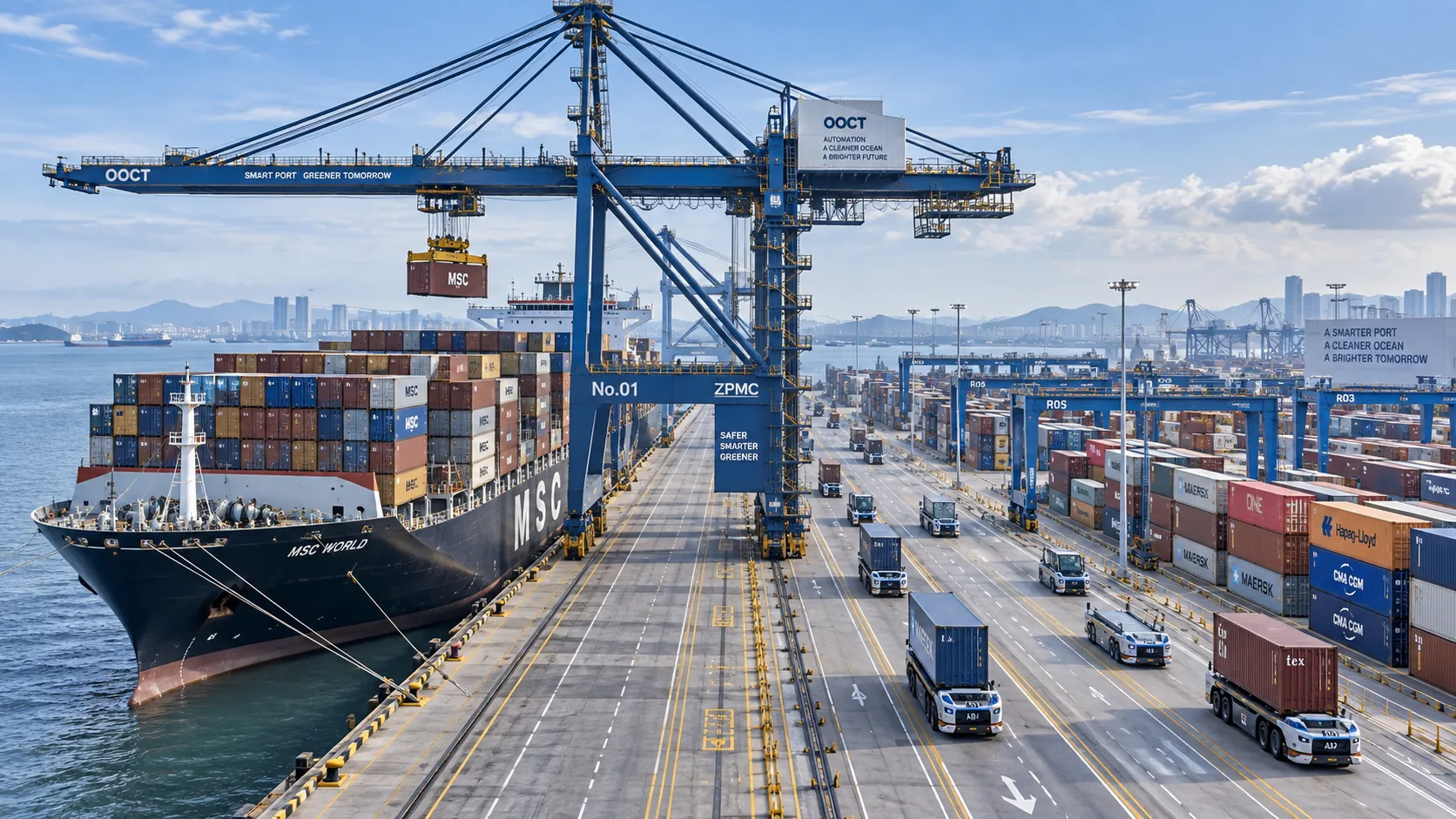
How to Specify a Quay Crane for Container Terminals by Vessel Size and Throughput?
Quay crane for container terminals: learn how to match outreach, lift height, capacity, automation, and cycle performance to vessel size and throughput goals.
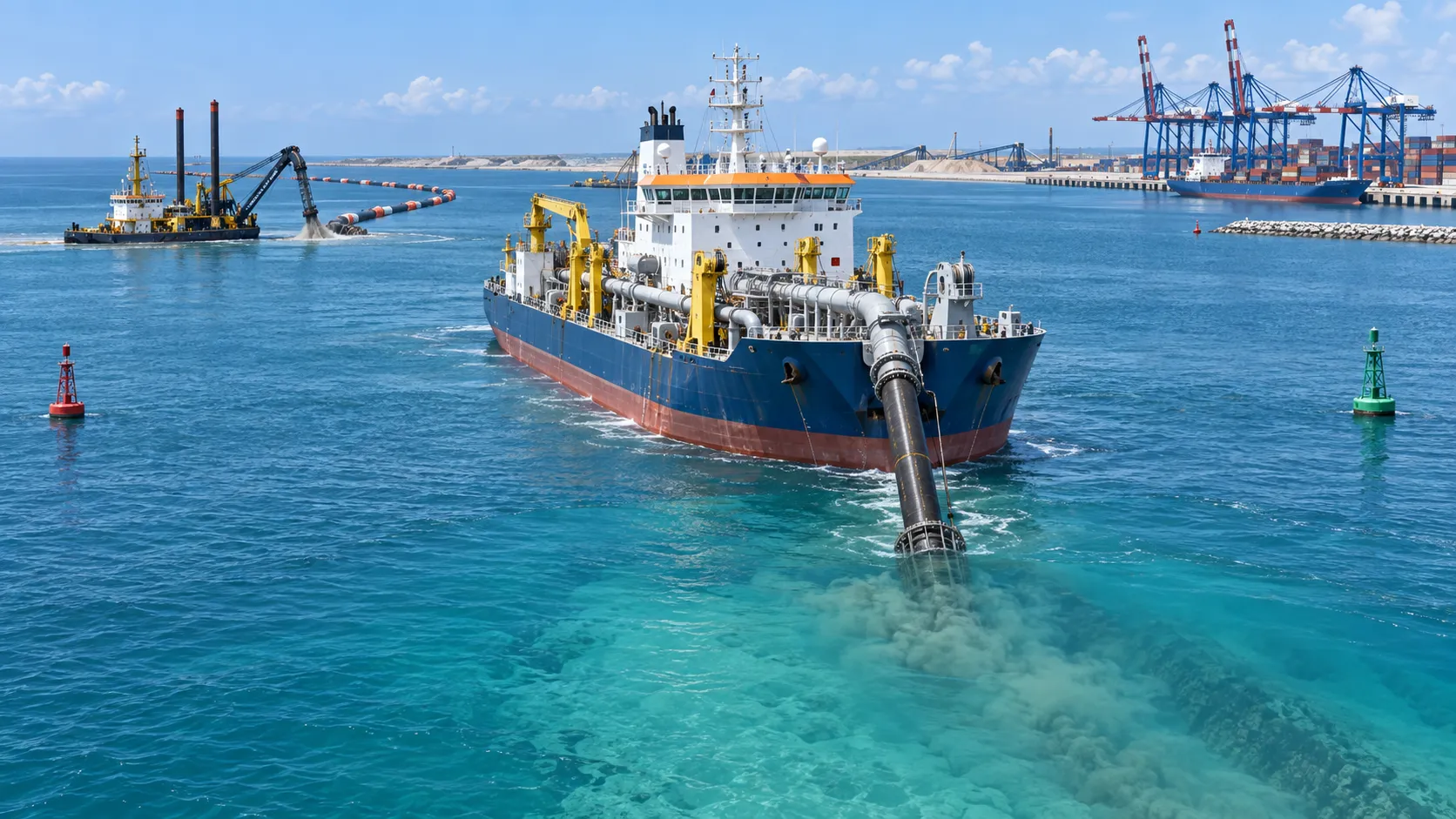
What Dredging Equipment Is Needed for Channel Deepening?
What dredging equipment is needed for channel deepening? Explore dredgers, pipelines, survey tools, and planning strategies for safer, more efficient port access.
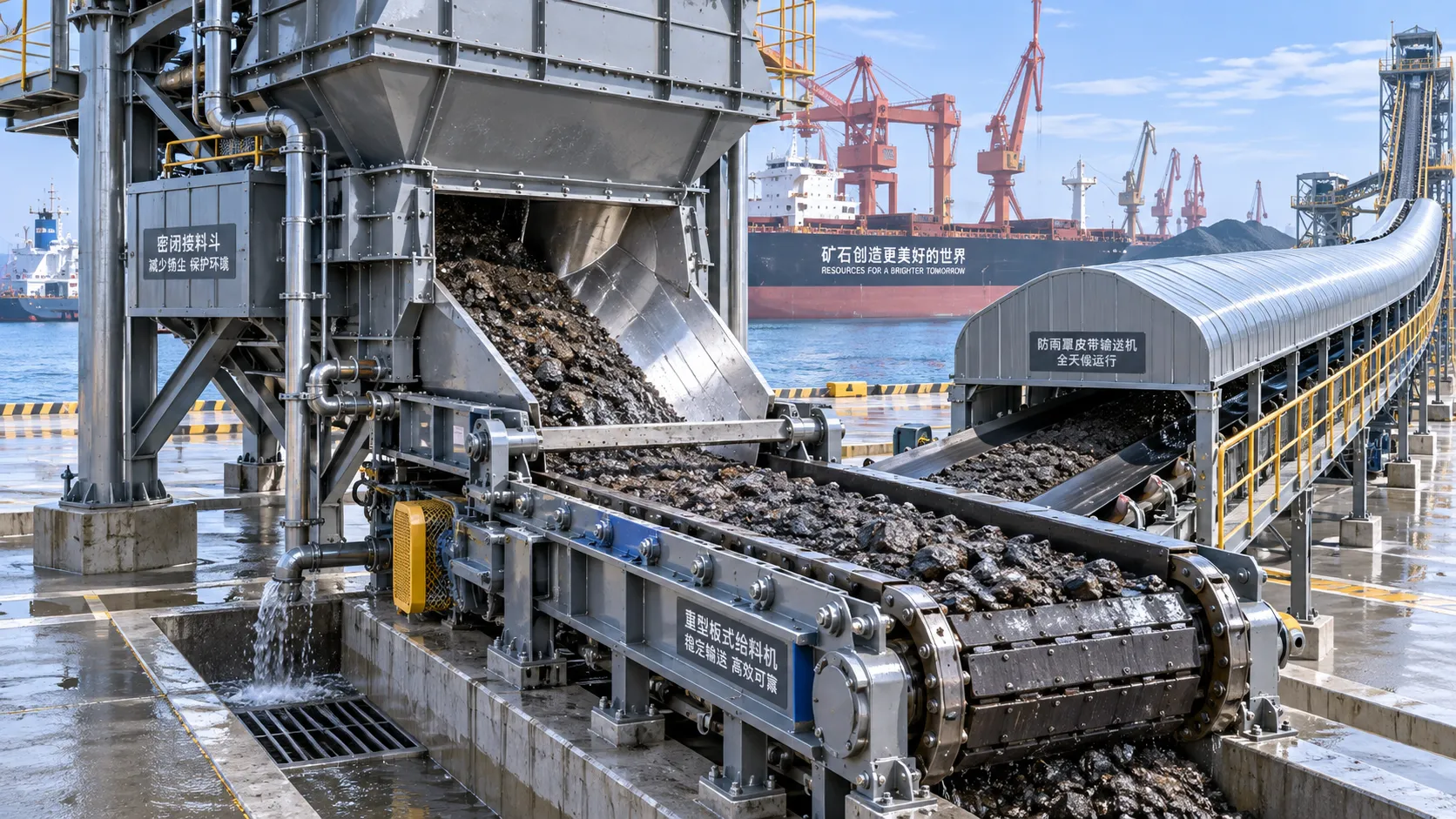
Which Bulk Handling Equipment Suits High-Moisture Cargo?
Which bulk handling equipment suits high-moisture cargo? Compare belt, apron, screw, drag, and slurry systems for reliable flow, less carryback, and higher terminal uptime.
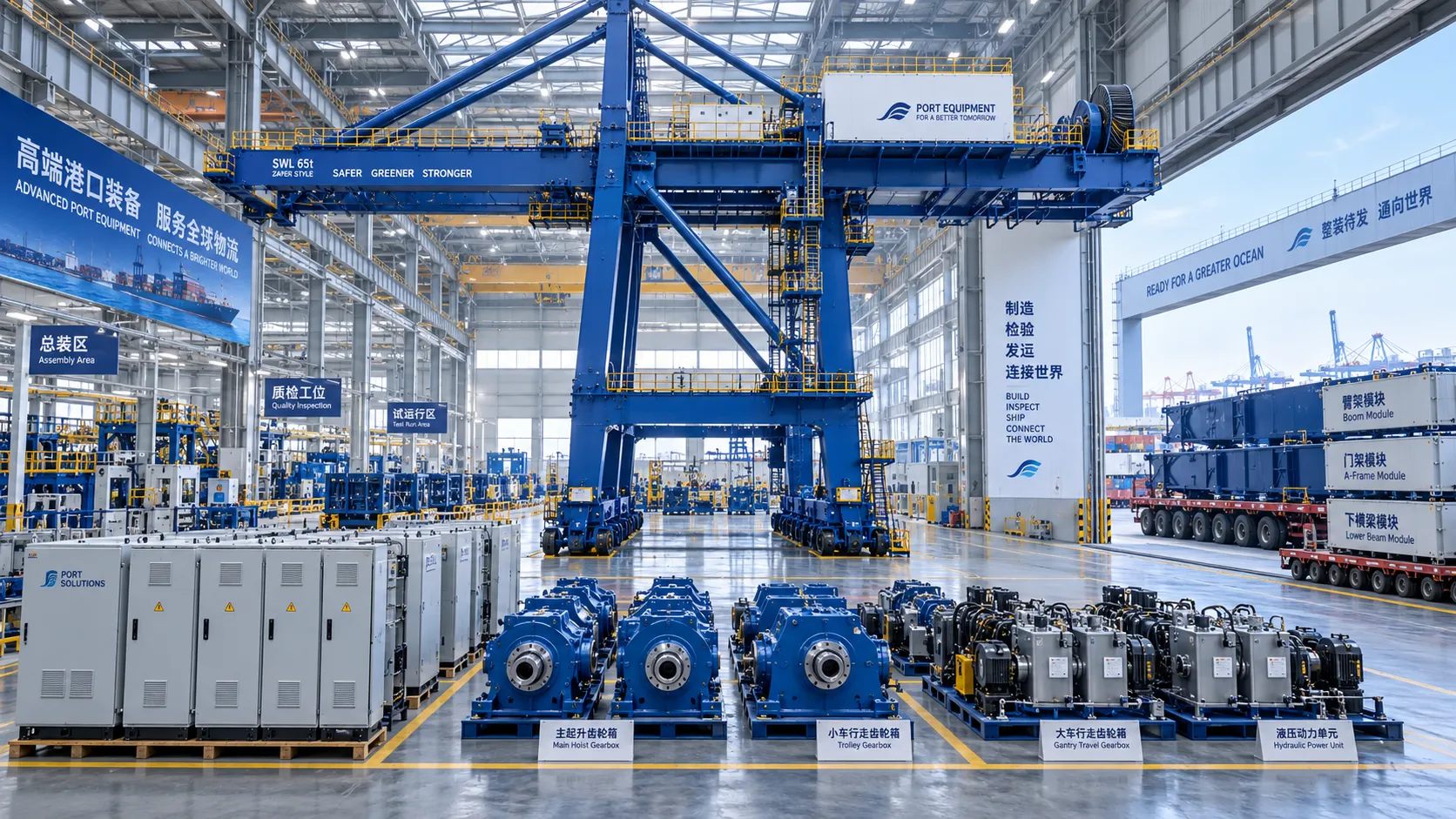
How Can Port Equipment Lead-Time Risk Be Managed?
How can port equipment lead-time risk be managed? Explore practical strategies to control critical paths, suppliers, transport, site readiness, and commissioning delays.
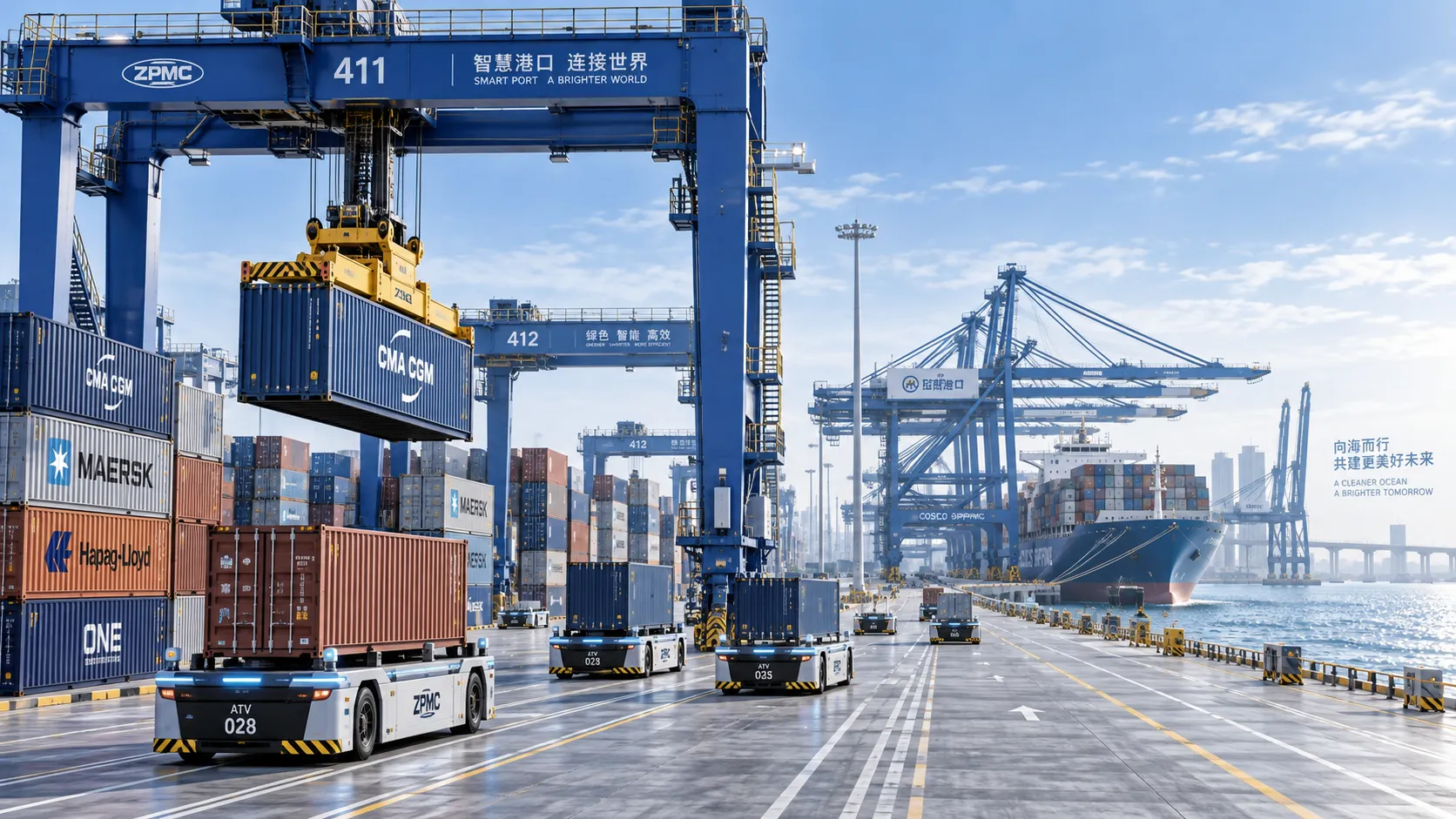
Terminal Automation Technologies That Raise Container Throughput Without Yard Disruption
Terminal automation technology that increases container throughput without disrupting yard flow. Explore smarter integration, resilient workflows, and phased deployment strategies.
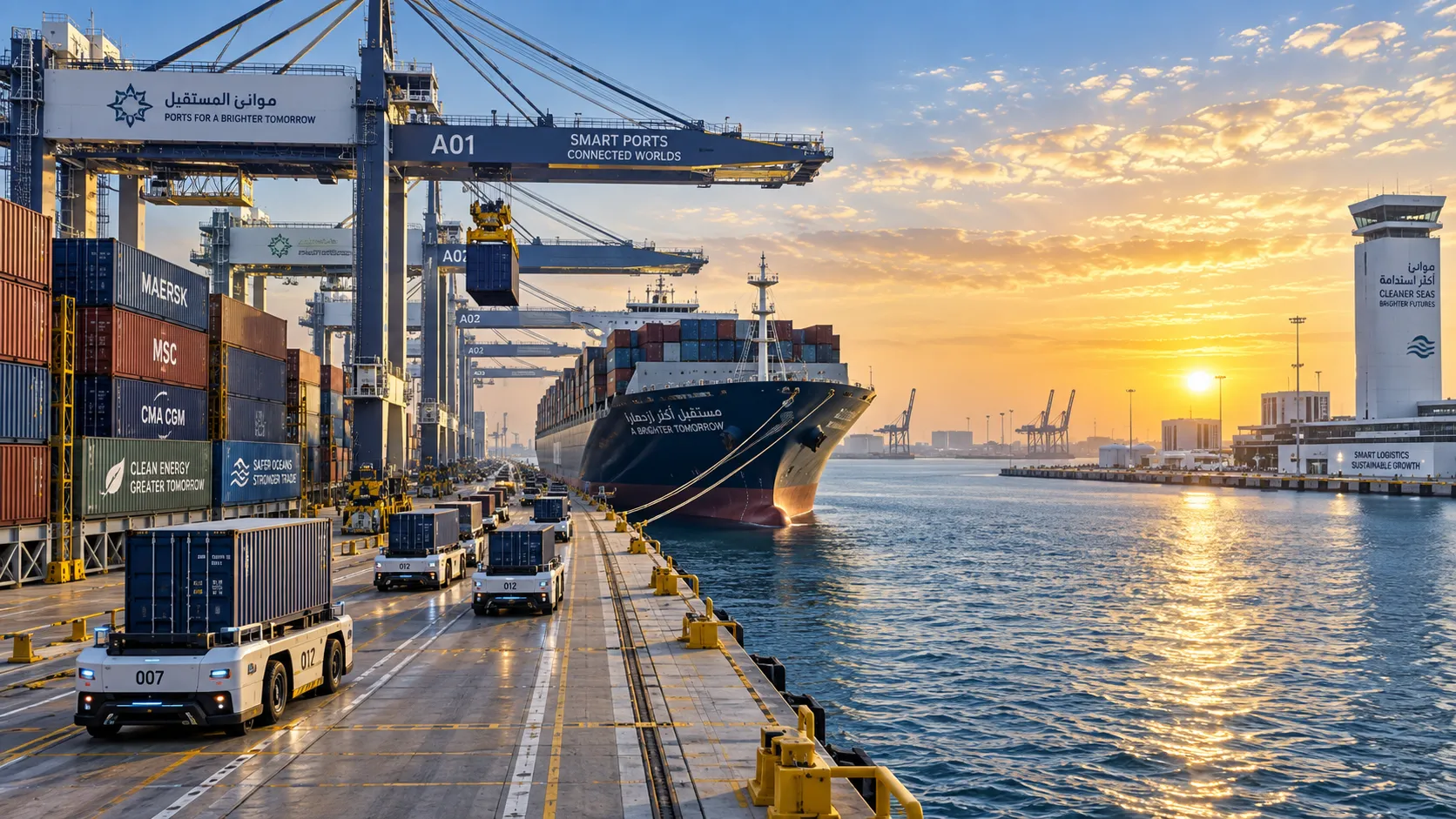
Middle East Port Automation: Key Market Drivers, Projects, and Investment Risks
Port automation systems Middle East: explore market drivers, flagship projects, integration challenges, and investment risks shaping smarter, resilient terminals.
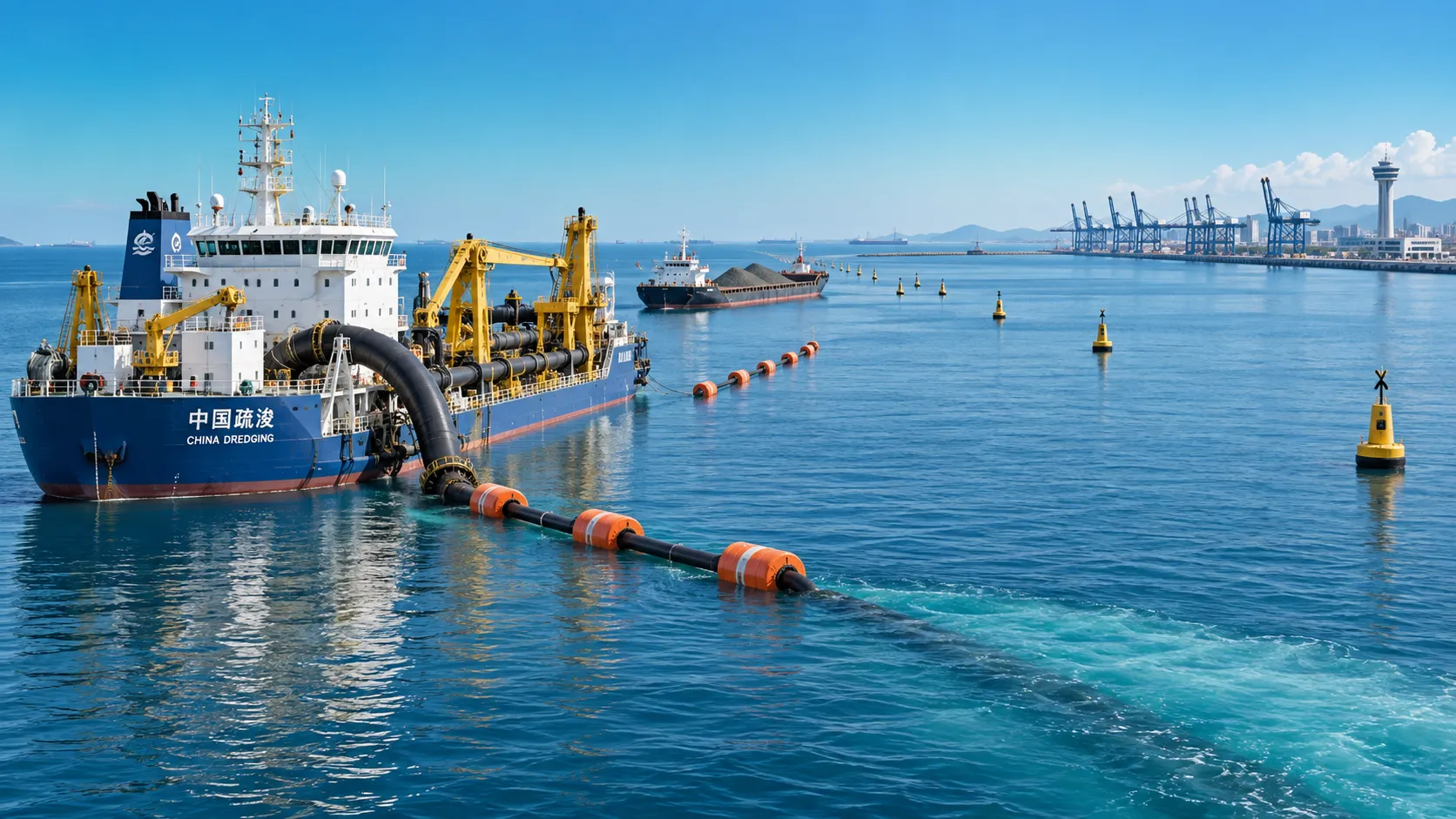
Planning Offshore Dredging Operations: Key Risks, Methods, and Project Controls
Offshore dredging operations demand smart planning. Explore key risks, proven methods, environmental controls, and project strategies for reliable delivery.