Related News
- 00
0000-00
How Can Port Equipment Lead-Time Risk Be Managed? - 00
0000-00
Maritime Logistics Operations: How Ports Can Reduce Container Dwell Time - 00
0000-00
What Does Logistics Node Monitoring Cost Across Warehouses and Transport Hubs? - 00
0000-00
How Can IoT Smart Port Solutions Improve Container Tracking and Yard Efficiency? - 00
0000-00
How Real-Time Port Logistics Intelligence Improves Container Yard Efficiency
How Can IoT Smart Port Solutions Improve Container Tracking and Yard Efficiency?
IoT smart port solutions improve container tracking and yard efficiency when they turn scattered operational signals into decisions that people and equipment can act on immediately. A container location update alone is not enough. The useful outcome is knowing whether the box is in the correct block, whether it can be retrieved without reshuffles, which machine can reach it, and whether the planned move will create congestion later in the shift.
That requires more than attaching sensors to containers or vehicles. A workable deployment connects container identity, yard position, handling-equipment status, gate activity, vessel plans, and the terminal operating system into one dependable operating picture. When those data sources agree, the terminal can reduce search time, prevent avoidable moves, use storage space with more discipline, and respond to disruptions before they spread through the yard.
Container tracking must answer operational questions, not just show dots on a map
Traditional tracking often depends on manual confirmation at transfer points, radio calls, paper exceptions, or updates entered after a move is completed. That creates a familiar problem: the system shows one location, the yard team believes the container is elsewhere, and the next task is delayed while someone physically verifies the stack.
Connected port systems address this by collecting events at the points where a container changes status or location. Depending on the terminal layout and operating model, this may involve gate readers, optical character recognition, RFID, GPS or positioning devices on handling equipment, crane spreader sensors, cameras, and mobile operator interfaces. The purpose is not to collect every possible signal. It is to establish a reliable chain of custody from gate-in to loading, discharge to gate-out, or transfer to rail and inland transport.
A strong tracking design should make the following questions easy to answer:
- Where is the container now, including its bay, row, tier, and orientation where relevant?
- When was its location last confirmed, and by which event source?
- What is its current operational status: available, on hold, customs-restricted, damaged, reefer-connected, planned for loading, or awaiting inspection?
- Which equipment handled it most recently, and where is that equipment now?
- Can the next planned move be completed within the required sequence and access constraints?
This distinction matters because a visual dashboard can look impressive while leaving the underlying move history ambiguous. For example, a location inferred from a vehicle route is useful for awareness, but it may not be accurate enough to confirm final placement in a dense stack. In contrast, a spreader event paired with equipment positioning can provide a more credible placement record. The best source of truth depends on the move being monitored.
Yard efficiency improves when the system manages constraints together
Yard congestion is rarely caused by one issue. It usually results from several constraints arriving at the same time: a vessel cut-off changes, a truck surge develops at the gate, an RTG is unavailable, reefer capacity is tight, imports stay too long, or a priority export container is buried beneath lower-priority units. IoT smart port solutions become valuable when they expose these dependencies early enough for the work plan to change.
The first practical benefit is better slot allocation. Instead of assigning space by broad categories alone, the yard-planning layer can use live information to consider dwell expectations, outbound mode, vessel service, weight restrictions, hazardous-cargo separation, reefer requirements, inspection status, and expected retrieval order. This does not eliminate reshuffles entirely. Stacks change, schedules move, and exceptions are unavoidable. It does, however, reduce the number of reshuffles created by avoidable storage decisions.
The second benefit is equipment coordination. A terminal cannot improve productivity merely by dispatching the nearest machine to every task. The nearest machine may be entering a restricted zone, carrying a more urgent workload, low on energy, due for maintenance, or poorly positioned for the next cluster of moves. Live machine telemetry and task data allow dispatching logic to account for travel distance, queue length, job priority, battery or fuel state, lifting cycles, and work-zone conditions.
The third benefit is earlier intervention. If an inbound area is filling faster than planned, the system can flag a developing bottleneck before it blocks critical travel lanes. If a crane begins generating repeated fault alerts, maintenance can be scheduled around the operating plan rather than after an unplanned stoppage. If truck turnaround slows at a particular handoff point, supervisors can investigate whether the issue is appointment timing, lane design, documentation exceptions, equipment availability, or stack accessibility.
Choose the tracking method by decision criticality
Not every container movement needs the same level of positional accuracy. Trying to install the highest-precision technology across every area can inflate project cost and integration complexity without improving the decisions that matter. The more useful approach is to identify where uncertainty causes operational loss.
A conventional terminal may begin with high-value choke points: gate lanes, transfer zones, reefer rows, rail interfaces, and the equipment fleet responsible for the largest share of unproductive travel. An automated or semi-automated terminal may prioritize low-latency communication between cranes, automated guided vehicles, positioning systems, and the control platform. These are different applications, even when both are described as smart port technology.
The integration layer determines whether the project produces usable data
The most common implementation mistake is treating IoT as a stand-alone visibility project. Sensors and dashboards can be deployed quickly, but they create limited value when their events do not update the terminal operating system, maintenance platform, gate workflow, or dispatching logic. Operators then have to compare several screens, reconcile mismatched timestamps, and decide which record is correct during a time-sensitive move.
Start by defining the system of record for each operational fact. The terminal operating system may remain the authority for container inventory and move instructions. A fleet-management platform may be authoritative for machine condition and utilization. An IoT platform may collect raw telemetry, detect anomalies, and publish standardized events to both systems. Clear ownership prevents duplicated records and disputes over which source should drive a task.
Event quality also needs explicit rules. A container should not be marked as definitively placed simply because a vehicle enters a block. A location event may need to be combined with a completed lift event, a valid equipment identifier, and a confidence threshold before it updates the inventory record. When data is incomplete, the workflow should create an exception for review rather than quietly overwriting a known location with an uncertain one.
Integration should also account for network interruption. Yard environments include moving steel structures, weather exposure, large machinery, and areas where connectivity may vary. Field devices need a defined behavior when the connection drops: retain events locally, timestamp them accurately, transmit them when communication returns, and make clear which records were delayed. Real-time operations cannot depend on the assumption that every signal will arrive perfectly.
Use alerts selectively or the control room will ignore them
IoT deployments can generate a large volume of alarms: high temperatures, route deviations, idle equipment, battery conditions, unauthorized access, delayed tasks, sensor failures, and maintenance warnings. An alert that does not lead to a defined action soon becomes background noise.
Each alert should have an owner, a threshold, a required response, and an escalation path. For instance, a reefer power interruption requires a different workflow from a vehicle idling outside its preferred range. One can directly affect cargo condition; the other may be a scheduling signal that becomes important only if it persists or occurs in a constrained area.
It is also useful to separate operational alerts from analytical observations. A blocked travel lane or an unsafe equipment proximity event demands immediate attention. A recurring pattern of excess empty travel is better handled through shift planning, route design, or dispatch rule adjustment. Combining both in one alarm feed weakens response quality.
Where deployments lose value
Technology does not correct unstable yard rules. If container categories are inconsistently applied, move priorities change through informal channels, or equipment tasks are not closed accurately, connectivity will only make the inconsistency visible faster. Before expanding sensor coverage, establish a workable baseline for container status definitions, exception handling, task confirmation, and equipment identification.
Another weak approach is measuring success only through dashboard adoption. The better test is whether the connected workflow changes operational outcomes: fewer location investigations, fewer failed retrieval attempts, less unproductive equipment travel, cleaner inventory reconciliation, or faster handling of defined exceptions. The selected measures should be tied to the problem that justified the project, not to the volume of data collected.
Phased deployment is generally more controllable than attempting a terminal-wide transformation at once. Select a process with a clear pain point and observable handoffs, such as gate-to-yard placement, reefer monitoring, or equipment task confirmation in one block. Validate data quality, integration behavior, user actions, and maintenance responsibilities there. Once those elements work together, the same architecture can expand to other areas with fewer surprises.
A practical sequence for planning the solution
- Map the problem as a movement sequence. Identify where containers, vehicles, information, and approvals stop moving as expected. A vague goal such as “better visibility” should be translated into a specific failure point.
- Define the decision that needs better data. This may be assigning a storage slot, dispatching a vehicle, locating a priority box, responding to a reefer alarm, or planning maintenance around peak work.
- Identify the minimum trusted events. Determine what must be captured, when it must be available, and what validates it. This avoids buying sensors that provide interesting but non-actionable data.
- Design the operating workflow before the interface. Specify who receives an exception, what they do, how the action is recorded, and when the issue is closed.
- Test under normal and disrupted conditions. Verify behavior during connectivity gaps, shifted vessel plans, equipment downtime, manual overrides, and high-volume gate periods.
- Scale only after governance is stable. Expansion should preserve device maintenance, cybersecurity controls, data ownership, and operator training rather than treating them as post-launch tasks.
Ports considering broader automation can benefit from intelligence that connects terminal equipment, automated container handling, communication architecture, and scheduling logic. PS-Nexus focuses on these connected operational areas, including the interaction between heavy terminal gear, automated handling systems, and the control layers that coordinate them. That perspective is useful because tracking technology delivers its strongest value when it is assessed as part of the full terminal flow, not as an isolated digital add-on.
What to confirm before selecting a platform
The first question is not which vendor offers the most sensors or the most polished dashboard. It is whether the platform can work with the terminal’s existing operating system, equipment interfaces, network design, maintenance processes, and future automation roadmap. A solution that cannot exchange reliable task and status data with core operational systems may add another screen without improving execution.
Confirm how the solution handles device management, event reconciliation, offline operation, role-based access, cybersecurity responsibilities, and integration changes when new equipment is added. Also examine whether data can be retained and used across operational, maintenance, and planning functions without creating conflicting versions of the same event.
The right implementation makes container movement easier to trust and yard work easier to sequence. It does not promise a frictionless terminal. It gives operations a more accurate view of what is happening, exposes constraints before they become delays, and provides the data needed to make better decisions while there is still time to act.
Related News
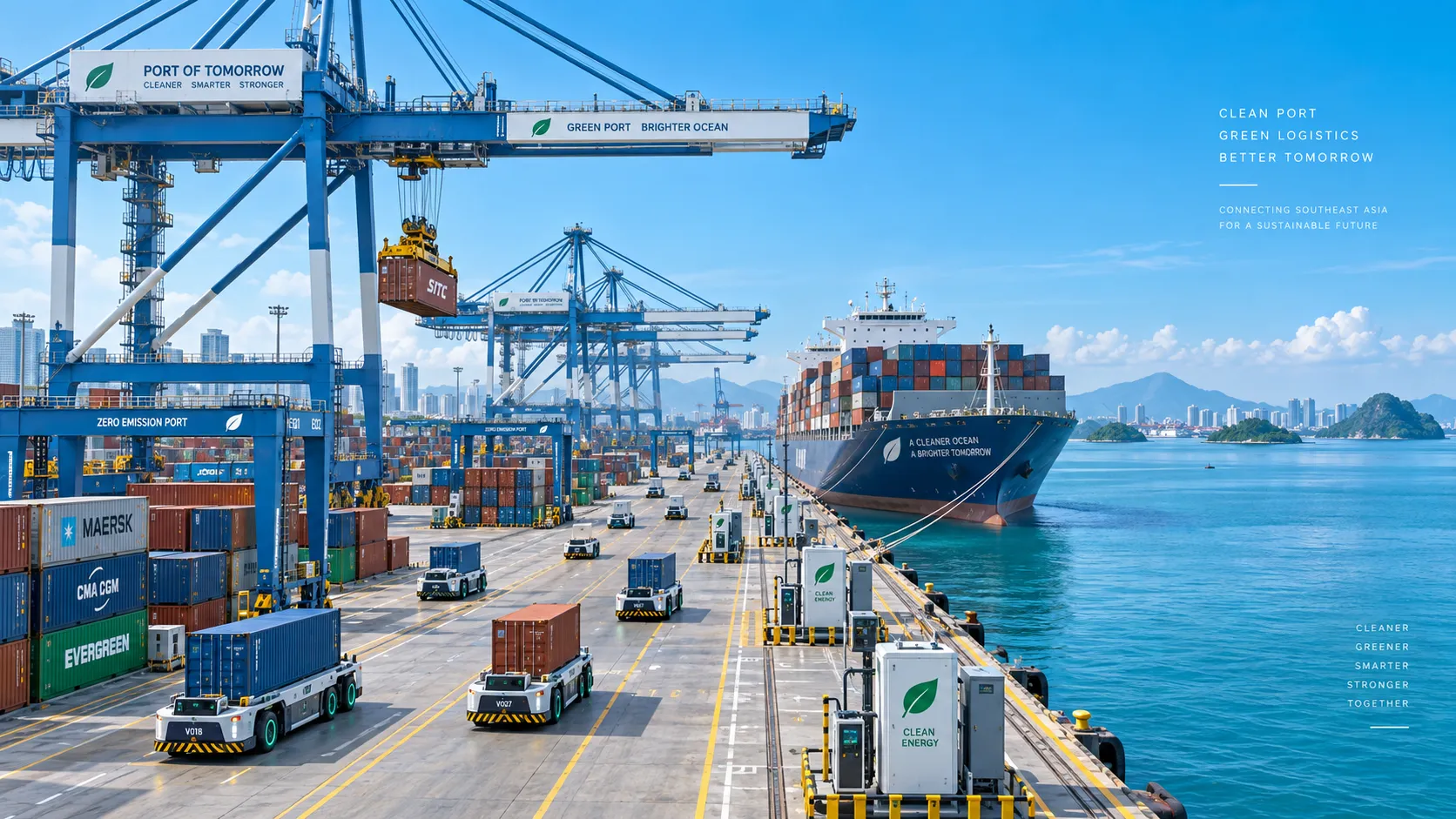
Smart Port Systems in Southeast Asia: Investment Priorities and Adoption Barriers
Smart port systems Southeast Asia: discover investment priorities, adoption barriers, and practical steps to build resilient, connected, high-performing terminals.
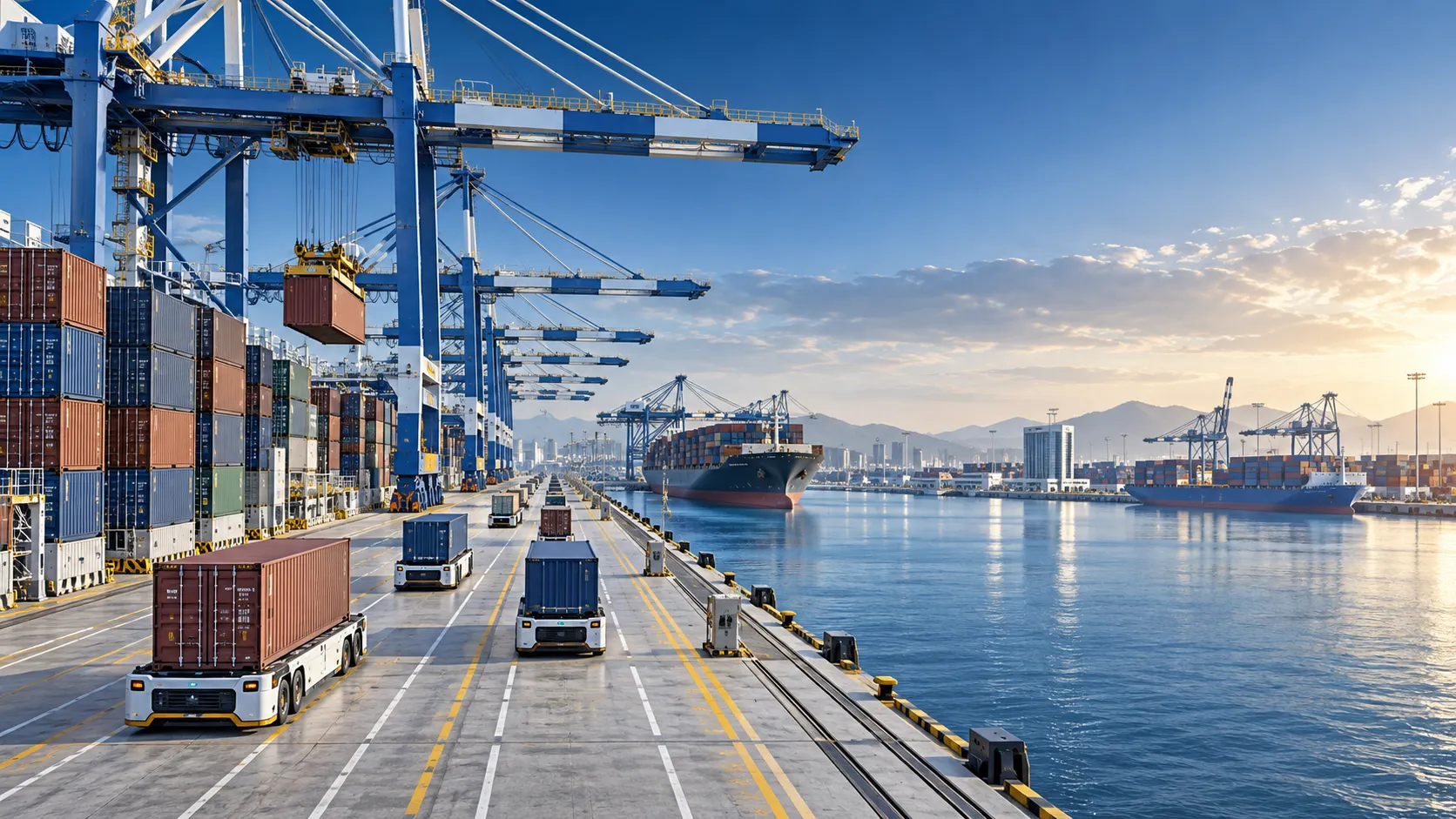
How to Evaluate Terminal Efficiency Solution Suppliers for High-Throughput Operations
Choose a terminal efficiency solutions supplier with confidence. Explore proven criteria for throughput, integration, lifecycle cost, safety, and reliable delivery.
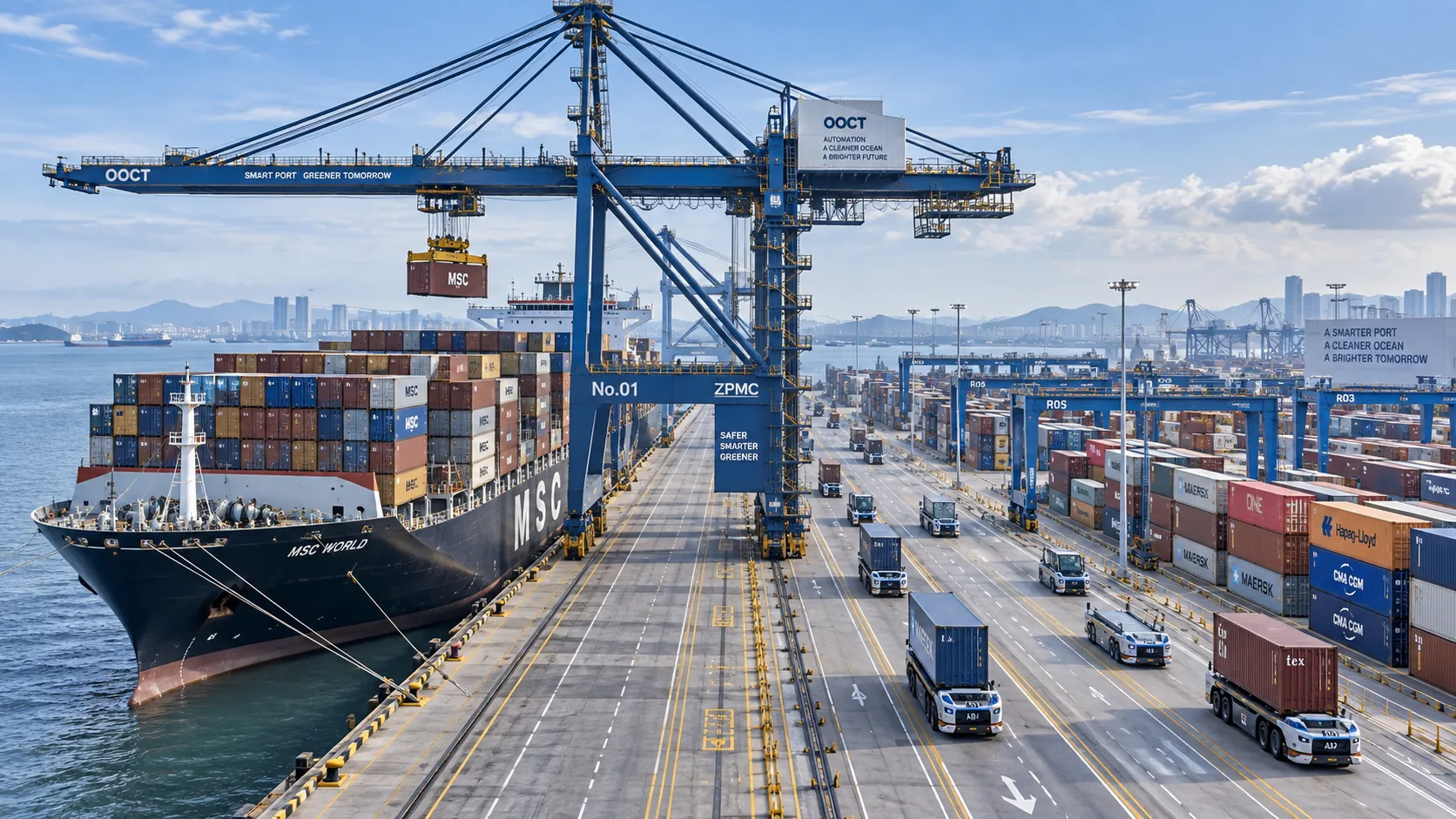
How to Specify a Quay Crane for Container Terminals by Vessel Size and Throughput?
Quay crane for container terminals: learn how to match outreach, lift height, capacity, automation, and cycle performance to vessel size and throughput goals.
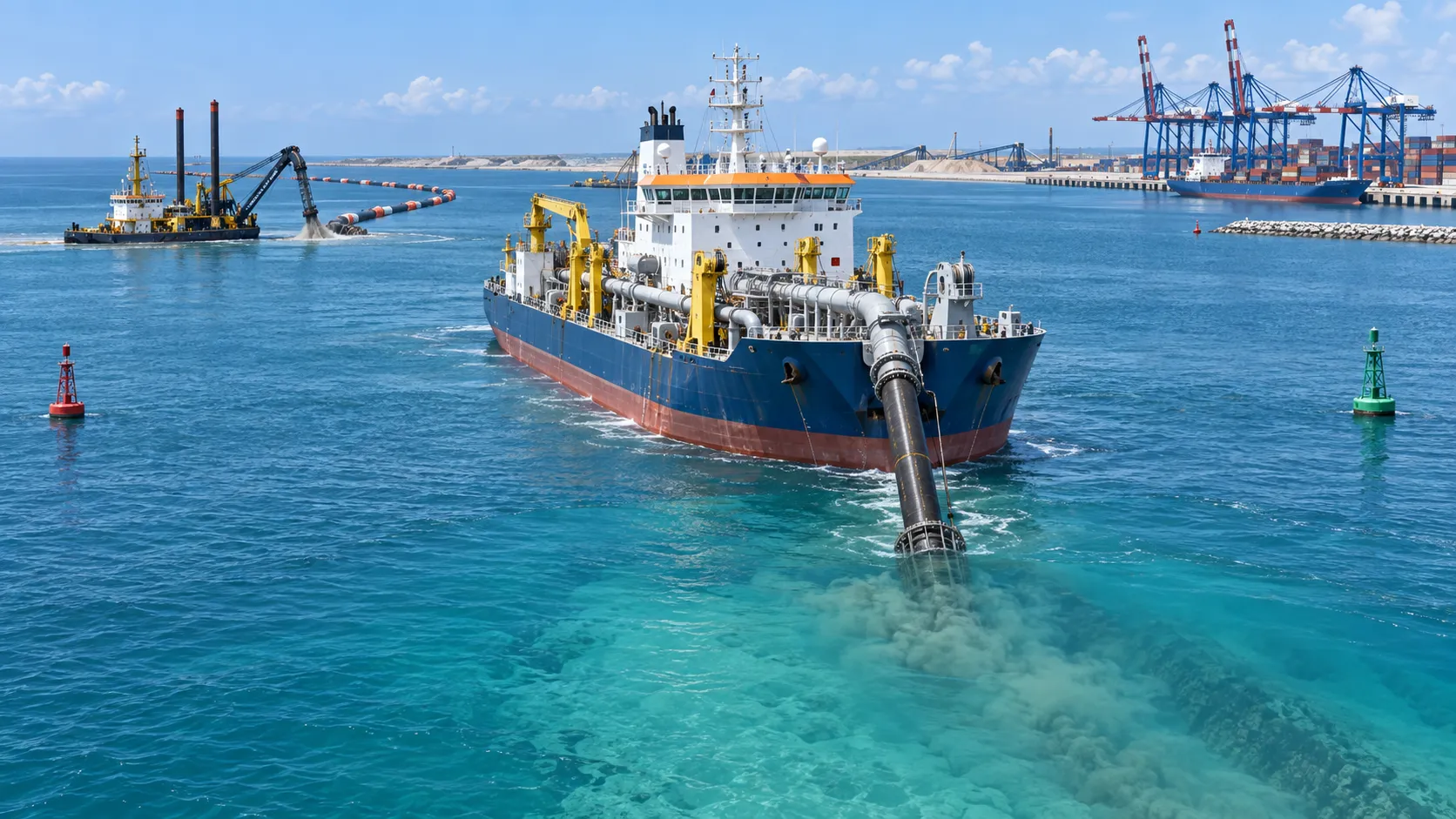
What Dredging Equipment Is Needed for Channel Deepening?
What dredging equipment is needed for channel deepening? Explore dredgers, pipelines, survey tools, and planning strategies for safer, more efficient port access.
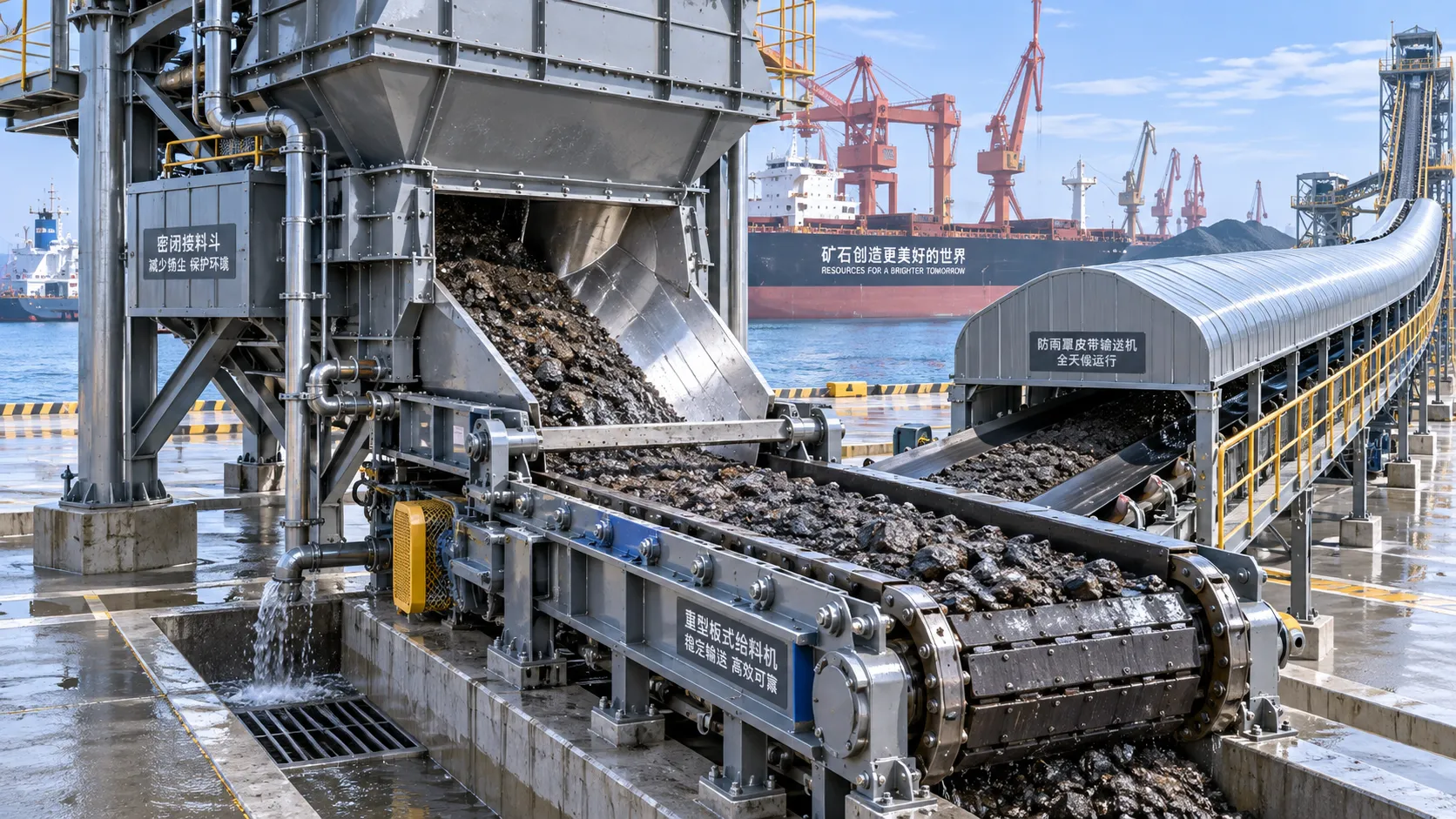
Which Bulk Handling Equipment Suits High-Moisture Cargo?
Which bulk handling equipment suits high-moisture cargo? Compare belt, apron, screw, drag, and slurry systems for reliable flow, less carryback, and higher terminal uptime.
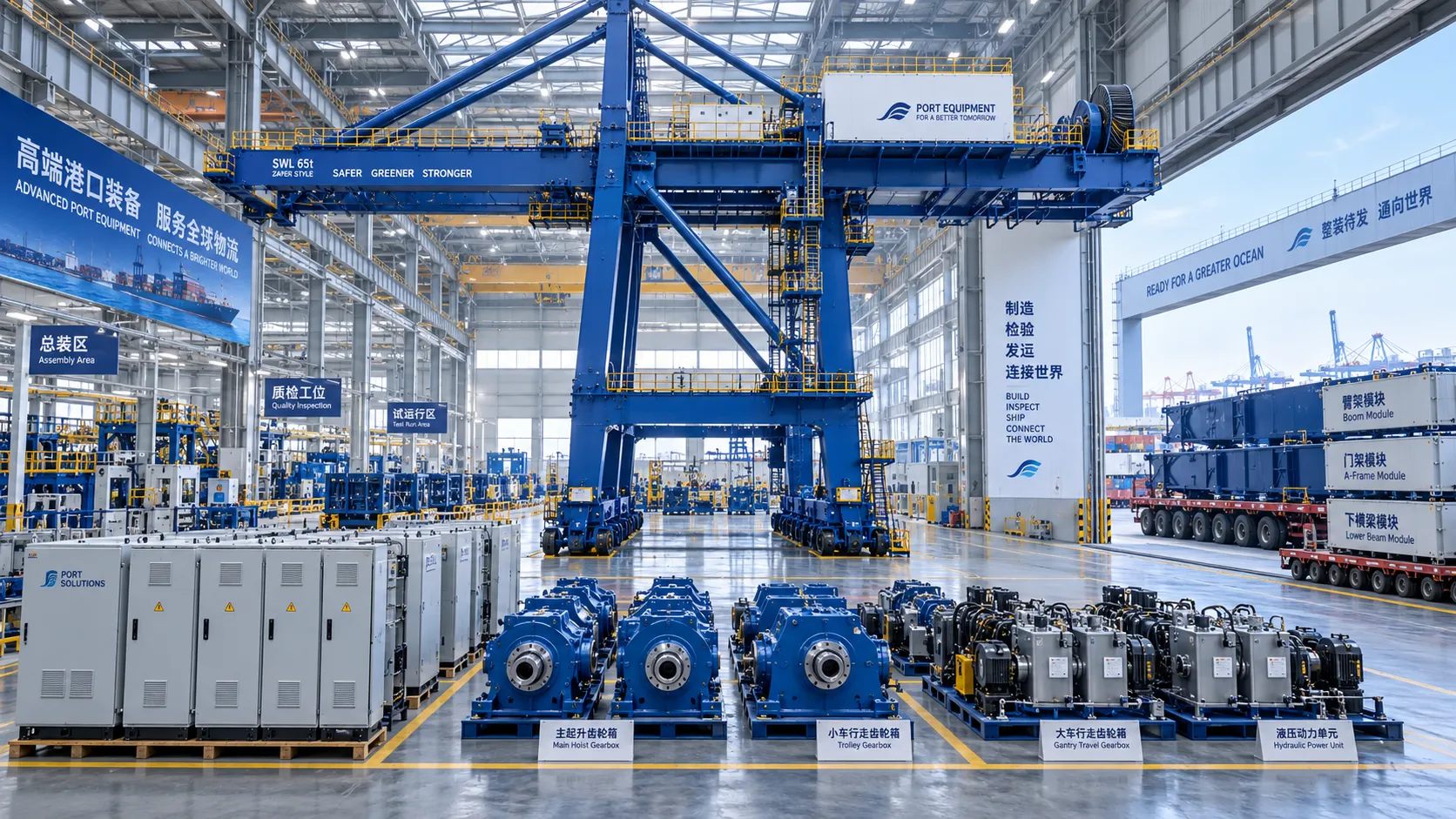
How Can Port Equipment Lead-Time Risk Be Managed?
How can port equipment lead-time risk be managed? Explore practical strategies to control critical paths, suppliers, transport, site readiness, and commissioning delays.
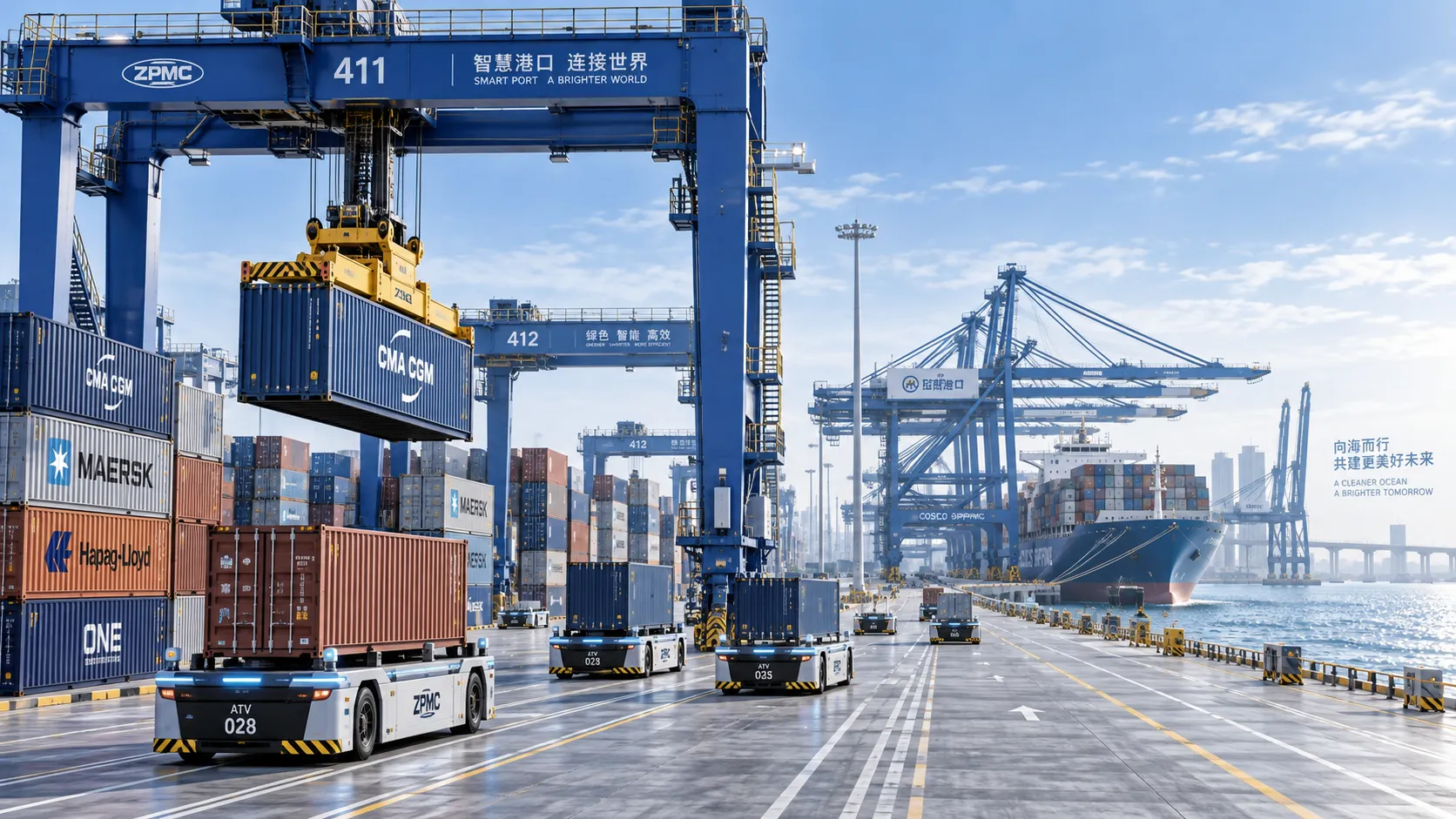
Terminal Automation Technologies That Raise Container Throughput Without Yard Disruption
Terminal automation technology that increases container throughput without disrupting yard flow. Explore smarter integration, resilient workflows, and phased deployment strategies.
Middle East Port Automation: Key Market Drivers, Projects, and Investment Risks
Port automation systems Middle East: explore market drivers, flagship projects, integration challenges, and investment risks shaping smarter, resilient terminals.
Planning Offshore Dredging Operations: Key Risks, Methods, and Project Controls
Offshore dredging operations demand smart planning. Explore key risks, proven methods, environmental controls, and project strategies for reliable delivery.