Related News
- 00
0000-00
How Can Port Equipment Lead-Time Risk Be Managed? - 00
0000-00
Maritime Logistics Operations: How Ports Can Reduce Container Dwell Time - 00
0000-00
What Does Logistics Node Monitoring Cost Across Warehouses and Transport Hubs? - 00
0000-00
How Can IoT Smart Port Solutions Improve Container Tracking and Yard Efficiency? - 00
0000-00
How Real-Time Port Logistics Intelligence Improves Container Yard Efficiency
How to Evaluate Maritime Logistics Solutions for Multi-Port Supply Chains
How to Evaluate Maritime Logistics Solutions for Multi-Port Supply Chains
Choosing the right maritime logistics solutions for a multi-port supply chain requires more than comparing freight rates or transit times.
The real decision sits deeper, inside capacity, automation, scheduling, dredging support, and network resilience.
For large trade networks, one weak port can slow the entire chain.
That is why maritime logistics solutions should be evaluated as operating systems for connected trade corridors, not as isolated service purchases.
A practical review starts with one question.
Can the solution improve flow across multiple ports while protecting cost, service reliability, and future scalability?
Start with the Supply Chain Reality
Before comparing vendors, map the real structure of the network.
List every port, terminal type, cargo mix, inland connection, and seasonal pressure point.
Multi-port supply chains rarely fail because of one dramatic event.
More often, delays come from repeated friction across handoffs, equipment bottlenecks, and poor schedule visibility.
This means maritime logistics solutions must be judged against actual operating conditions.
A solution that performs well in a major automated gateway may underperform in a mixed network.
That mixed network may include feeder ports, bulk terminals, and ports with changing draft conditions.
From the beginning, define whether the goal is speed, reliability, lower carbon intensity, lower handling cost, or stronger disruption recovery.
Key baseline questions
- Which ports drive the highest throughput and revenue risk?
- Where do vessel berthing delays appear most often?
- How dependent is the network on heavy terminal gear availability?
- Which nodes lack real-time visibility or predictive scheduling?
- How often do dredging needs affect navigability or vessel windows?
Assess Port Equipment Capacity, Not Just Port Names
One common mistake is assuming a well-known port automatically supports strong network performance.
In reality, equipment capability often decides whether cargo flows smoothly.
When reviewing maritime logistics solutions, check how they interact with terminal equipment conditions.
Look at quay cranes, yard cranes, automated guided vehicles, bulk loaders, and specialized container handling systems.
The solution should reflect real asset constraints, maintenance windows, and operating speeds.
This matters even more when cargo moves across ports with very different technical maturity.
If one terminal runs advanced automation while another depends on manual dispatch, the planning model must handle both realities.
What to validate
- Equipment uptime and failure patterns
- Actual moves per hour, not brochure figures
- Yard congestion sensitivity during peak arrivals
- Compatibility with oversized, bulk, or mixed cargo handling
- Recovery speed after mechanical disruption
Good maritime logistics solutions do not hide equipment limitations. They make those limits visible and manageable.
Examine Scheduling Intelligence Across the Full Network
In multi-port supply chains, scheduling quality often creates more value than headline freight savings.
A low-cost route can become expensive when berth windows slip and containers miss connections.
That is why maritime logistics solutions should include strong planning logic and dynamic response tools.
The evaluation should go beyond whether the platform shows shipment status.
Ask whether it can anticipate berth conflicts, rebalance yard activity, and reroute flows before delays spread.
More advanced maritime logistics solutions connect vessel arrivals, crane allocation, gate operations, and inland dispatch.
That connection is where real network efficiency appears.
Useful decision criteria
- Does the system support scenario modeling for weather, congestion, or labor disruption?
- Can it optimize across several ports rather than one terminal at a time?
- Does it integrate berth, yard, gate, and hinterland schedules?
- Can planners override automated decisions when commercial priorities change?
- How quickly does the model refresh after a disruption?
In practice, the best maritime logistics solutions combine algorithmic discipline with room for operational judgment.
Review Automation Readiness and Data Quality
Automation is now central to many port investment decisions, but readiness varies sharply.
Some ports have mature control layers. Others still rely on fragmented local systems.
This gap matters because maritime logistics solutions are only as reliable as the data they consume.
If crane telemetry is delayed, yard positions are inaccurate, or equipment codes differ by port, optimization weakens fast.
A strong evaluation therefore includes digital maturity, interface quality, and control-system interoperability.
This is especially relevant where remote-controlled cranes, AGV routing, or automated stacking are part of the operating model.
Signals of a stronger solution
- Standardized data structures across terminals
- Low-latency event updates from equipment and control systems
- Clear exception management for bad or missing data
- Scalable API integration with TOS, ERP, and carrier platforms
- Audit trails for scheduling decisions and operator changes
If automation is part of the growth plan, choose maritime logistics solutions that can mature with the network, not merely fit today’s processes.
Include Dredging and Navigability in the Evaluation
This point is often missed in standard procurement reviews.
For many coastal and river-linked ports, dredging conditions directly affect network reliability.
If draft restrictions change, vessel calls shift, load factors drop, and transshipment plans unravel.
That means maritime logistics solutions should be tested against navigability risk, not just terminal efficiency.
Where channels require frequent intervention, planning tools should absorb hydrographic updates and likely access constraints.
Even where direct integration is limited, the decision framework should include dredging dependency as a risk factor.
This becomes more important for bulk cargo, heavy equipment, and large vessel classes.
Questions to ask
- How exposed is each port to draft variation or sediment buildup?
- Can the routing model reflect temporary vessel size limits?
- What fallback ports are available if access conditions tighten?
- How quickly can schedules be revised after marine access changes?
Measure Resilience, Commercial Fit, and Governance
Selection should not end with technical scoring.
The best maritime logistics solutions are commercially workable and governable over time.
A platform may look impressive, yet fail because the operating model is too rigid or too expensive to scale.
Review total cost of ownership, implementation pace, training needs, and vendor support depth.
Then test governance.
Who owns performance rules across ports? Who approves rerouting logic? Who manages data standards?
Without clear ownership, even strong maritime logistics solutions lose value after launch.
A practical evaluation table
Build a Decision Process That Works in Real Operations
The final choice should come from structured comparison, not vendor presentation quality.
Shortlist maritime logistics solutions using weighted criteria tied to business outcomes.
Then run a pilot using real multi-port scenarios.
Include congestion spikes, weather delays, equipment downtime, and route substitution events.
This is where strong and weak maritime logistics solutions separate clearly.
A useful decision process usually follows five steps.
- Define network goals and non-negotiable constraints.
- Audit port assets, data maturity, and navigability exposure.
- Score maritime logistics solutions against common use cases.
- Pilot the top options with measurable service targets.
- Set governance rules before full deployment.
The strongest decisions usually favor visibility, adaptability, and operational fit over narrow short-term savings.
In a volatile trade environment, those qualities matter more each year.
Well-chosen maritime logistics solutions can strengthen terminal coordination, reduce cascading delays, and improve capital efficiency across the network.
More importantly, they create a better decision base for future automation, capacity expansion, and sustainability planning.
For multi-port supply chains, that is the real standard: choose maritime logistics solutions that make the whole system smarter, steadier, and easier to scale.
Related News
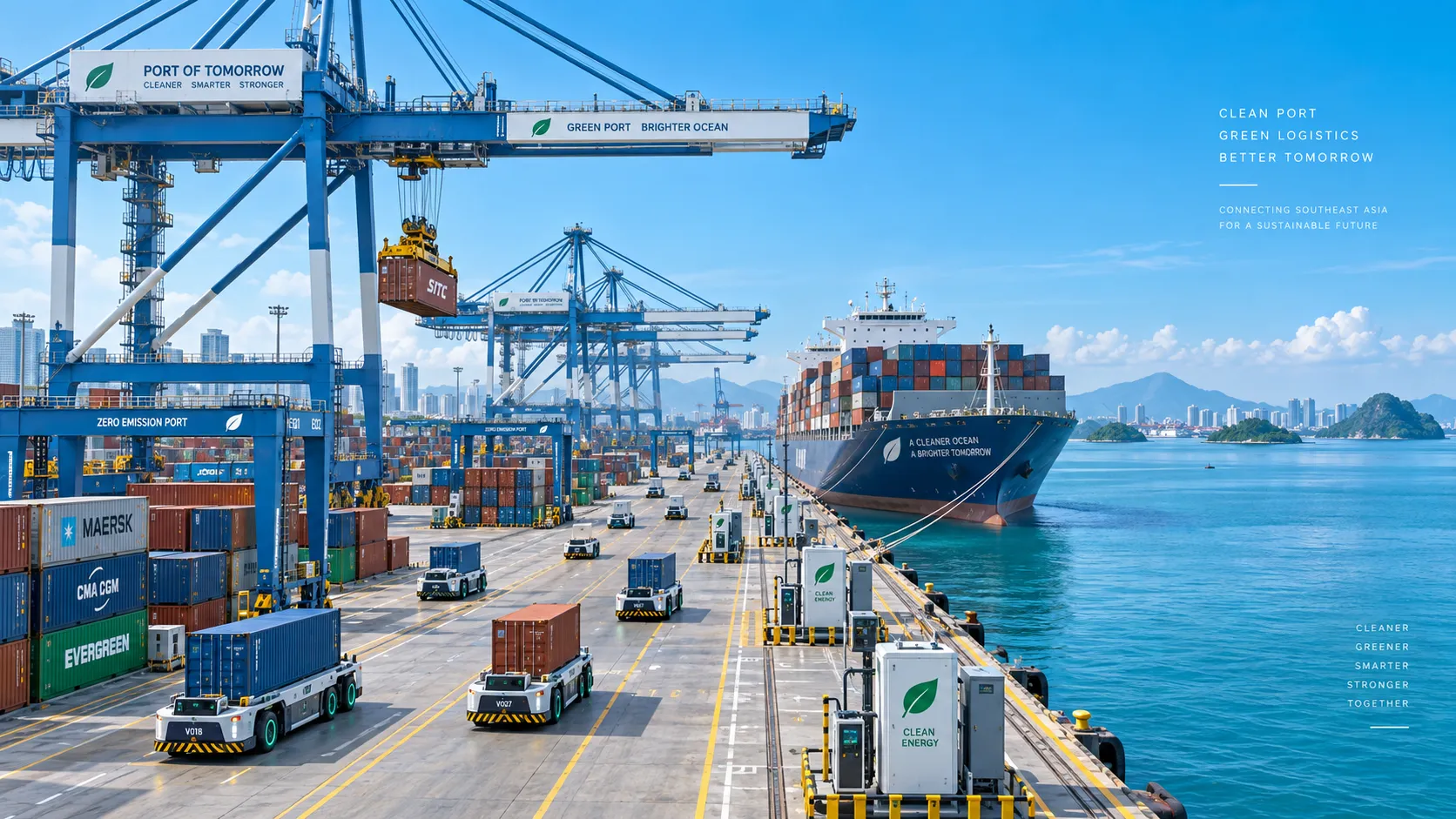
Smart Port Systems in Southeast Asia: Investment Priorities and Adoption Barriers
Smart port systems Southeast Asia: discover investment priorities, adoption barriers, and practical steps to build resilient, connected, high-performing terminals.
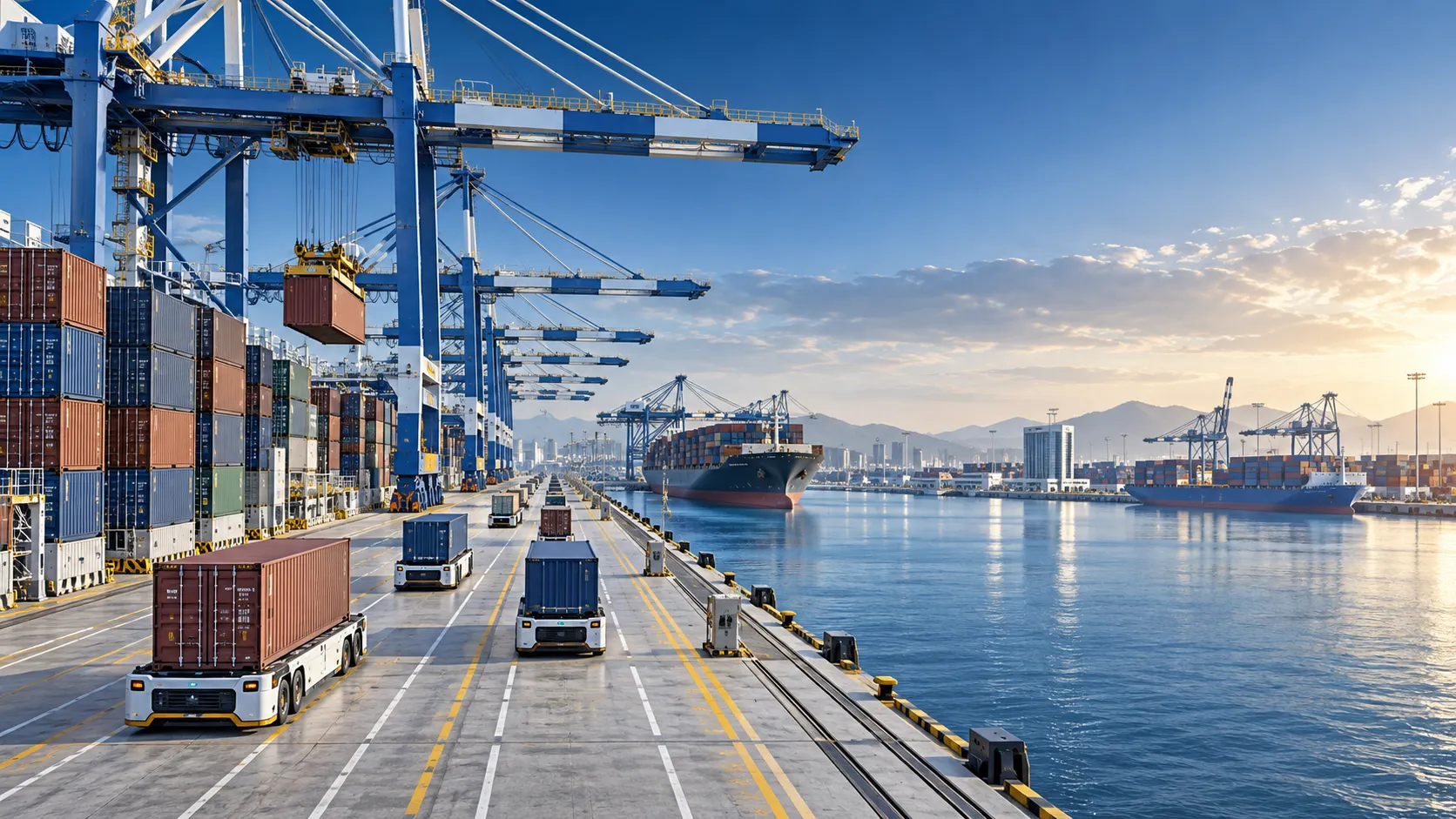
How to Evaluate Terminal Efficiency Solution Suppliers for High-Throughput Operations
Choose a terminal efficiency solutions supplier with confidence. Explore proven criteria for throughput, integration, lifecycle cost, safety, and reliable delivery.
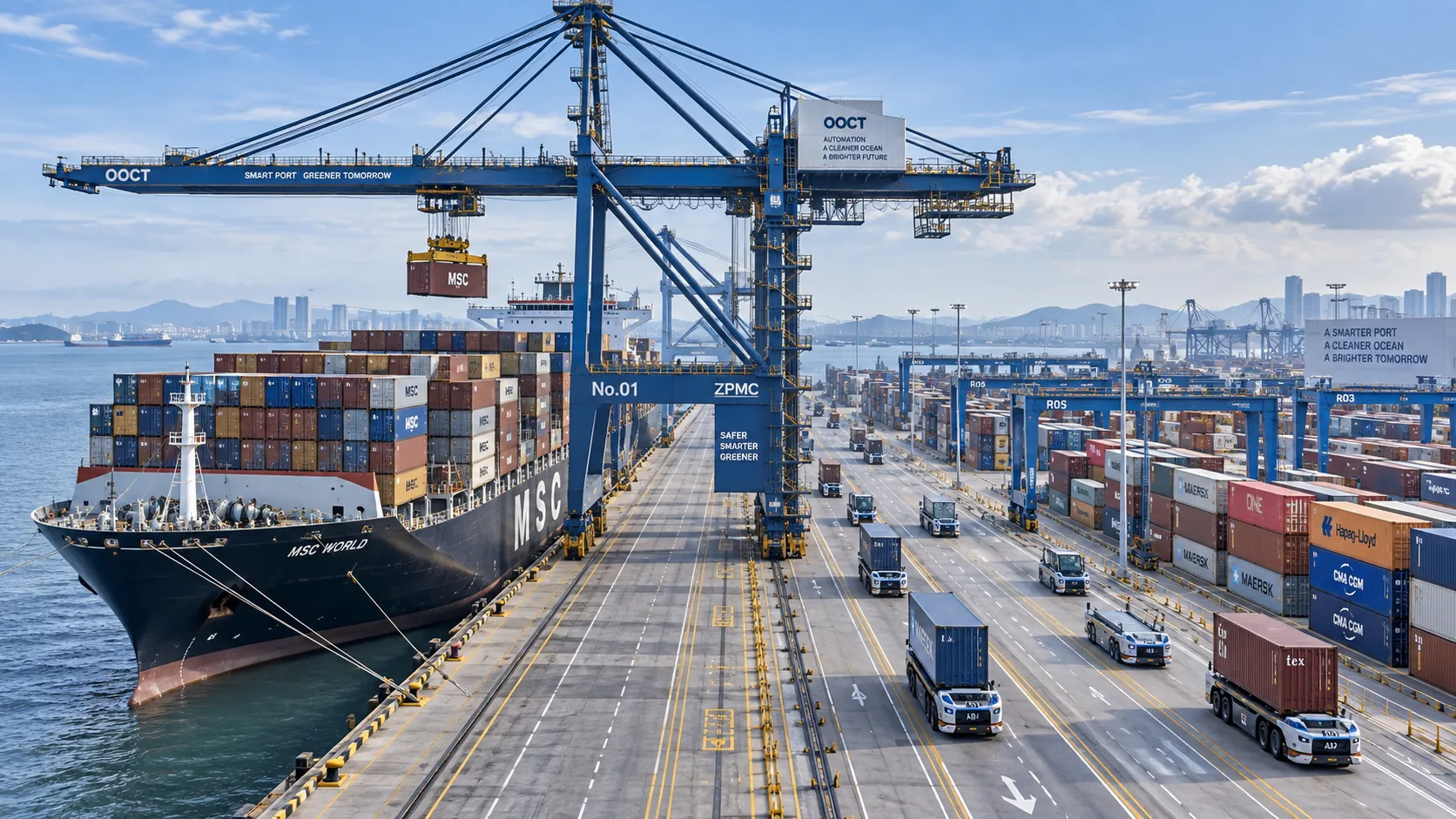
How to Specify a Quay Crane for Container Terminals by Vessel Size and Throughput?
Quay crane for container terminals: learn how to match outreach, lift height, capacity, automation, and cycle performance to vessel size and throughput goals.
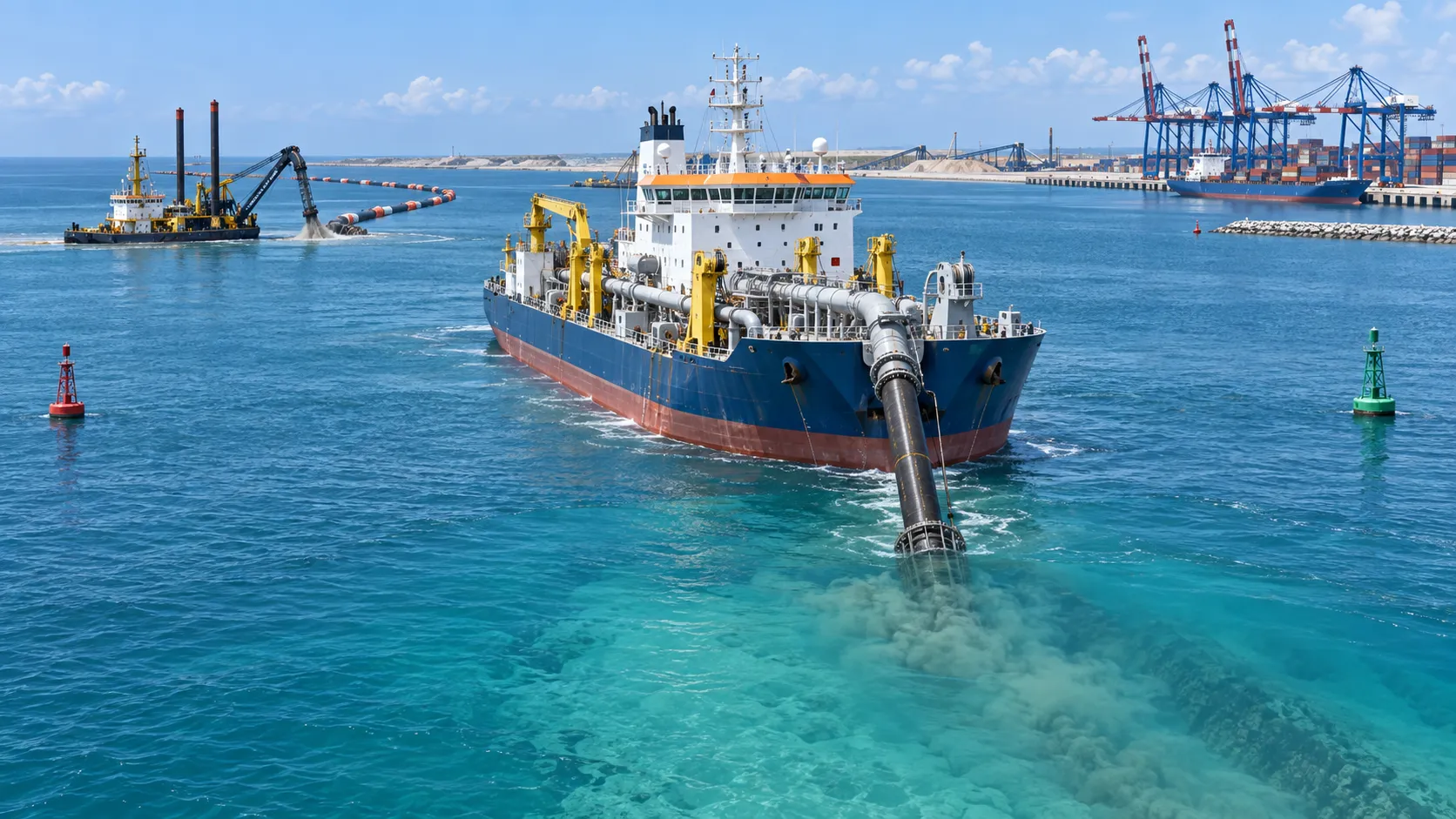
What Dredging Equipment Is Needed for Channel Deepening?
What dredging equipment is needed for channel deepening? Explore dredgers, pipelines, survey tools, and planning strategies for safer, more efficient port access.
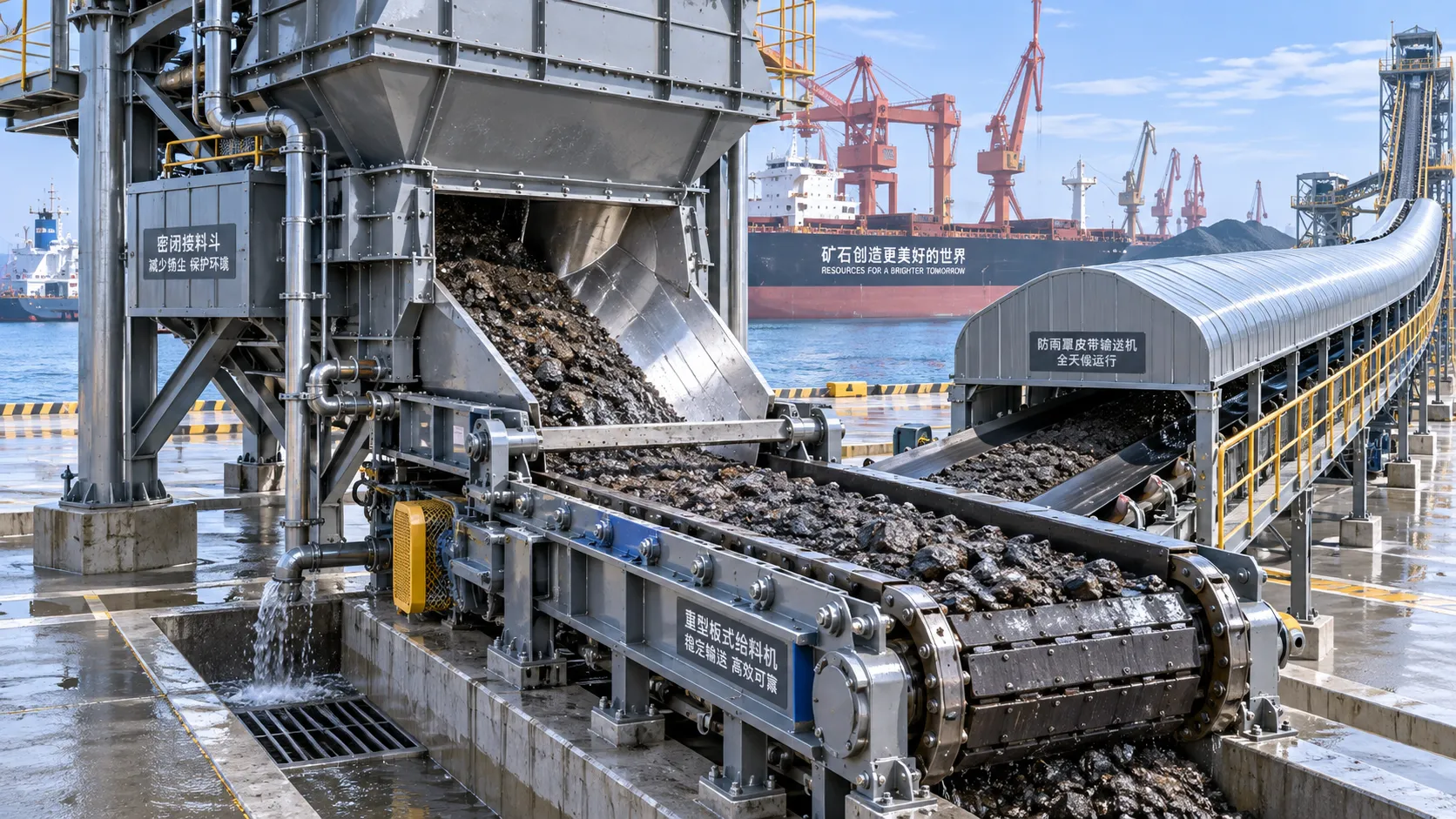
Which Bulk Handling Equipment Suits High-Moisture Cargo?
Which bulk handling equipment suits high-moisture cargo? Compare belt, apron, screw, drag, and slurry systems for reliable flow, less carryback, and higher terminal uptime.
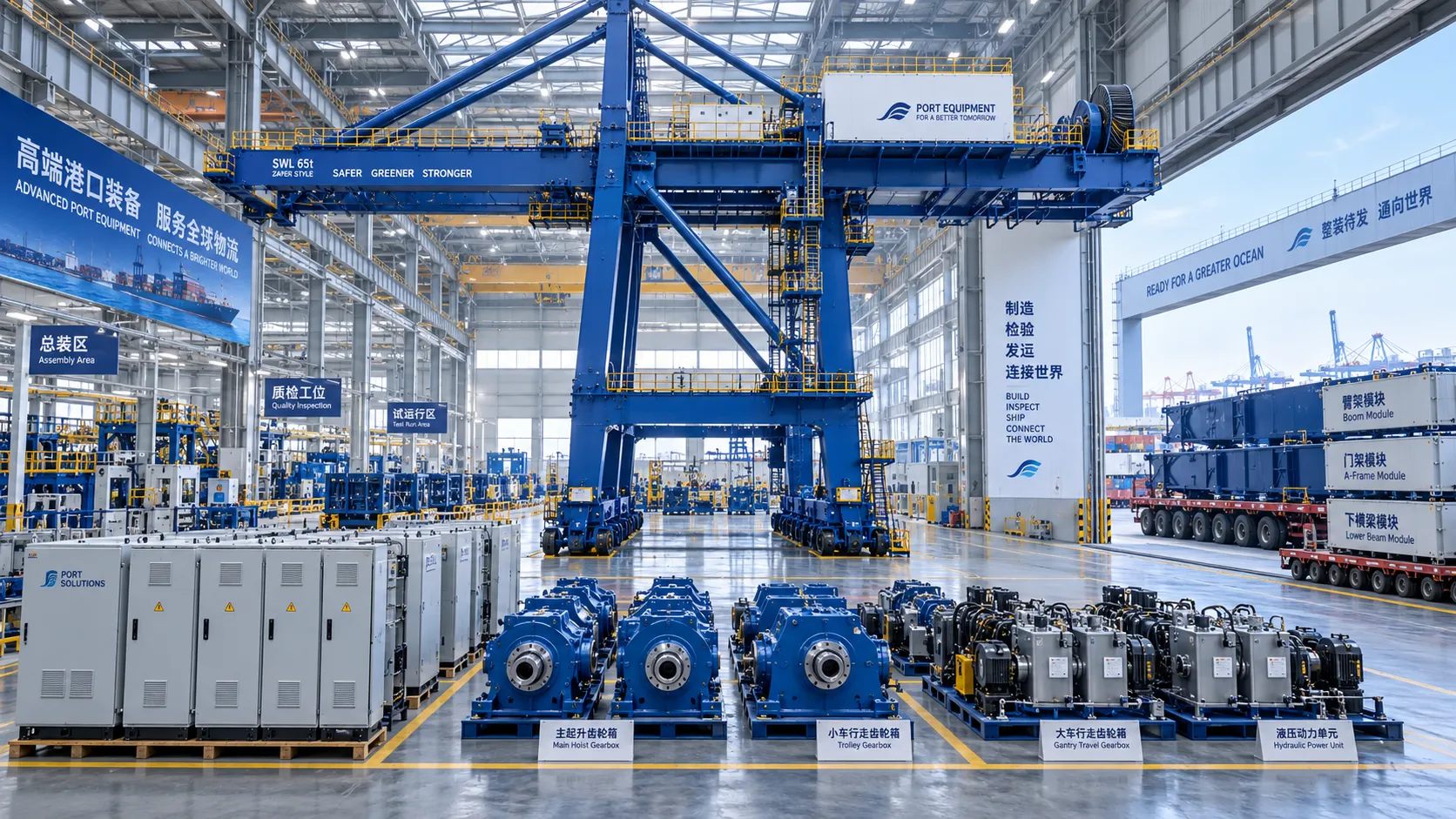
How Can Port Equipment Lead-Time Risk Be Managed?
How can port equipment lead-time risk be managed? Explore practical strategies to control critical paths, suppliers, transport, site readiness, and commissioning delays.
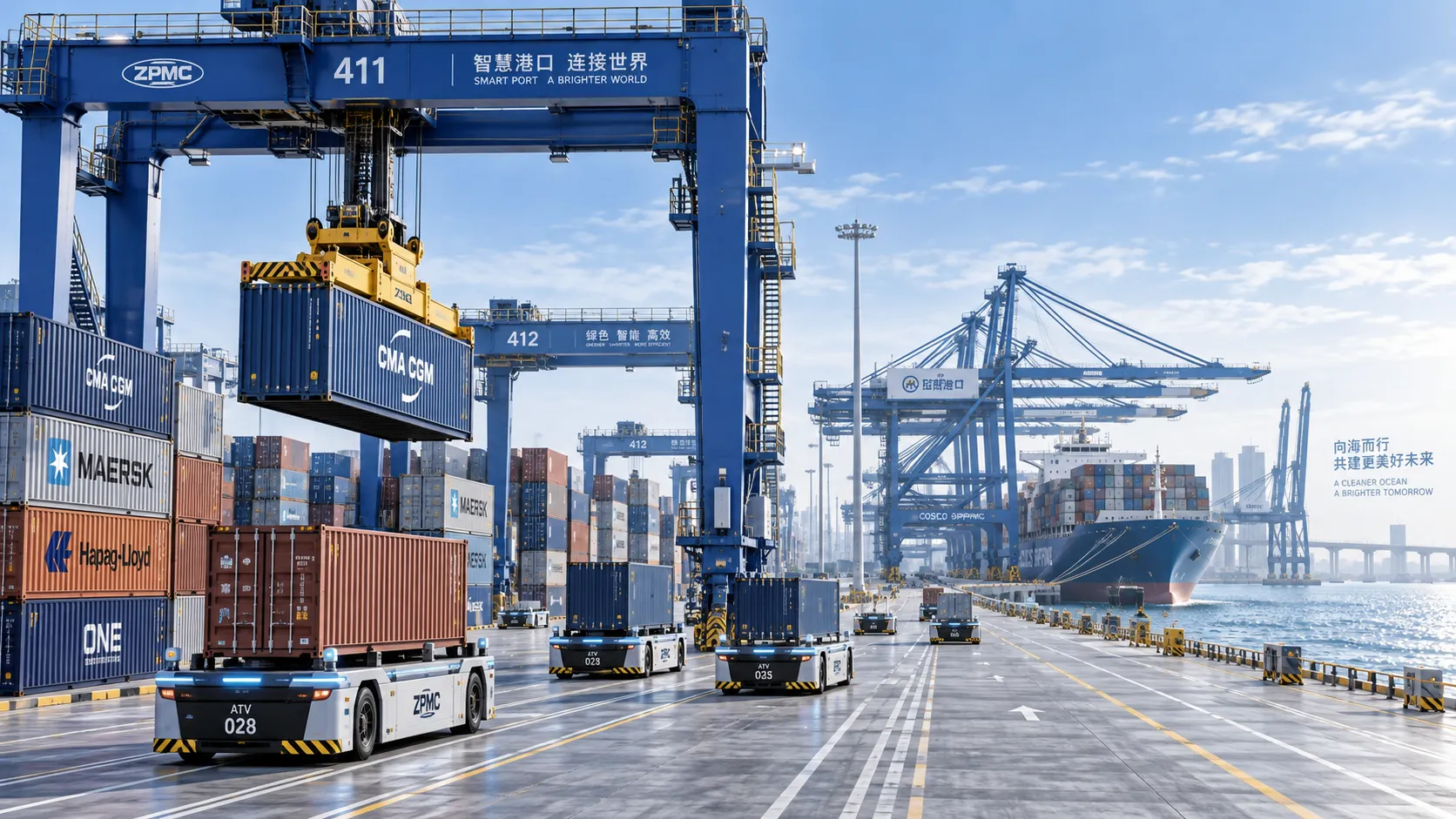
Terminal Automation Technologies That Raise Container Throughput Without Yard Disruption
Terminal automation technology that increases container throughput without disrupting yard flow. Explore smarter integration, resilient workflows, and phased deployment strategies.
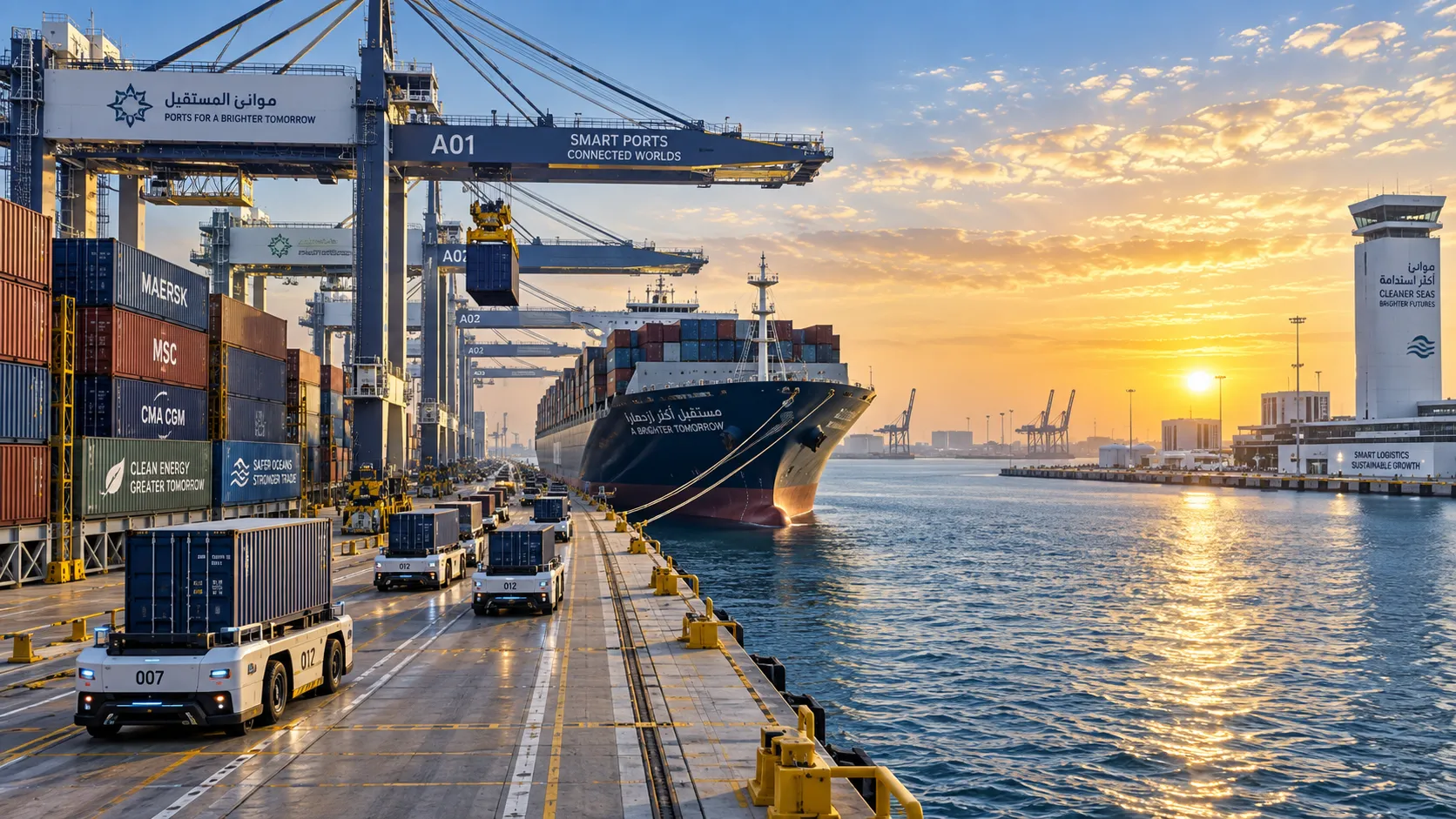
Middle East Port Automation: Key Market Drivers, Projects, and Investment Risks
Port automation systems Middle East: explore market drivers, flagship projects, integration challenges, and investment risks shaping smarter, resilient terminals.
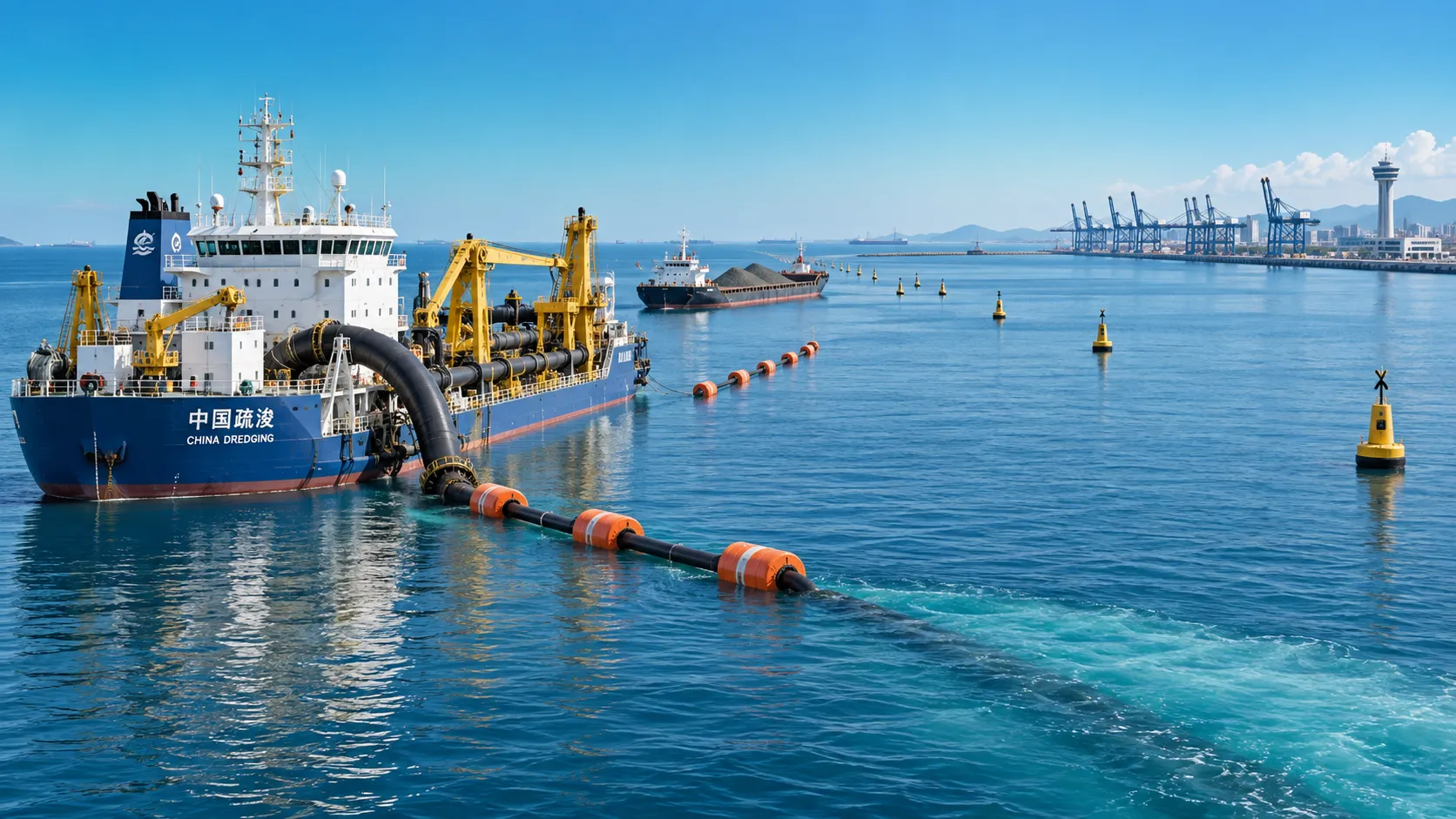
Planning Offshore Dredging Operations: Key Risks, Methods, and Project Controls
Offshore dredging operations demand smart planning. Explore key risks, proven methods, environmental controls, and project strategies for reliable delivery.