Related News
- 00
0000-00
How Can Port Equipment Lead-Time Risk Be Managed? - 00
0000-00
Maritime Logistics Operations: How Ports Can Reduce Container Dwell Time - 00
0000-00
What Does Logistics Node Monitoring Cost Across Warehouses and Transport Hubs? - 00
0000-00
How Can IoT Smart Port Solutions Improve Container Tracking and Yard Efficiency? - 00
0000-00
How Real-Time Port Logistics Intelligence Improves Container Yard Efficiency
How to Improve Terminal Efficiency for Container Ports Without Expanding Yard Space
Why is terminal efficiency for container ports now a strategic constraint?
Terminal efficiency for container ports is no longer an operations-only metric. It now shapes berth productivity, vessel turnaround, inland flow, and commercial reputation.
The harder reality is land scarcity. Many gateways cannot simply add yard blocks, reclaim shoreline, or pause trade flows during expansion.
That changes the question. The goal is not just handling more containers. The goal is extracting more throughput from the same footprint.
In practice, bottlenecks rarely sit in one machine. Delays usually come from poor crane synchronization, uneven yard density, missed truck slots, and weak exception control.
This is why terminal efficiency for container ports has become central to maritime logistics and coastal economics. Small cycle losses can compound into berth congestion and schedule instability.
PS-Nexus often frames the issue as a systems problem. Heavy terminal gear, automated handling, control software, and traffic logic must work as one operating model.
That perspective matters because yard expansion is capital-intensive and slow. Process redesign, scheduling logic, and asset visibility usually move faster and cost less.
What actually limits throughput when yard space stays fixed?
A full yard does not always mean a productive yard. Many terminals hit a functional ceiling before physical capacity is truly exhausted.
The most common limit is stack accessibility. If the right box is buried under the wrong boxes, rehandles erase apparent capacity.
Another frequent issue is mismatch between quay and yard tempo. Faster quay cranes can overload transfer lanes and create yard-side blocking.
Gate operations also matter more than many boards expect. Poor truck appointment discipline creates random arrivals, local peaks, and long dwell for export units.
Equipment allocation is another hidden drag. A terminal may own enough assets, yet still underperform because vehicles and cranes are dispatched with static rules.
There is also the landside-waterfront tension. Vessel windows are fixed and expensive. Yard workflows are variable and often absorb uncertainty badly.
A useful way to diagnose terminal efficiency for container ports is to separate physical limits from coordination limits. Many terminals discover the second group is larger.
A quick diagnostic table helps clarify where capacity is being lost
Which levers improve terminal efficiency for container ports fastest?
The fastest gains usually come from three levers: smarter slotting, tighter equipment orchestration, and better arrival control.
Start with yard segmentation. Grouping containers by dwell profile, destination mode, and service string reduces unnecessary reshuffles.
Then review task sequencing. If horizontal transport follows static assignment, empty runs and crane starvation will persist.
Dynamic dispatch changes that. It assigns work according to live queue status, travel distance, crane demand, and conflict probability.
Truck flow discipline is often underestimated. Appointment systems only work when exceptions, no-shows, and early arrivals are actively managed.
Another high-impact lever is berth-to-yard synchronization. Yard plans should react to vessel sequence changes before discharge or loading peaks arrive.
For terminals handling mixed cargo patterns, terminal efficiency for container ports improves further when reefer, hazardous, empties, and transshipment boxes follow separate logic.
- Use predicted dwell time, not only container type, to assign stack position.
- Align quay crane work queues with yard crane availability every shift.
- Reserve buffer capacity for exceptions, not as permanent dead space.
- Track rehandle ratio and truck turn time as daily control indicators.
How much automation is useful before complexity starts hurting performance?
Automation helps, but not every terminal needs the same depth of automation. The right question is where automation removes variability that humans cannot manage consistently.
Remote-controlled cranes, OCR gates, AGV routing, and yard planning software can all improve terminal efficiency for container ports. Yet value depends on integration quality.
A weak data layer can make advanced equipment underperform. Delayed position data or unreliable job confirmation causes automated assets to wait or repeat movements.
This is where PS-Nexus insight is useful. Port automation works best when control systems, communication latency, and heavy gear behavior are evaluated together.
A staged approach is usually more reliable than a full-step conversion. Begin with gate data quality, task visibility, and dispatch logic before scaling autonomous movement.
More advanced sites can then focus on algorithmic path planning, conflict-free vehicle routing, and exception recovery rules. Those details decide whether automation adds flow or friction.
It is also worth testing how automation affects energy intensity. Fewer idle moves and better route logic support both cost control and net-zero transition goals.
What mistakes usually undermine efficiency projects?
One common mistake is chasing headline capacity instead of usable capacity. A terminal can increase nominal storage and still slow down vessel service.
Another is treating software as a bolt-on tool. If operating rules remain unchanged, new systems simply digitize old inefficiencies.
Some projects also ignore dredging and marine access constraints. Yard efficiency cannot solve waterside limits such as draft restrictions or unstable berth windows.
That broader view matters in coastal infrastructure planning. The strongest gains often come when berth availability, quay productivity, and yard flow are analyzed together.
A further mistake is poor KPI design. If teams only watch moves per hour, they may miss rehandles, truck delay, empty travel, and stack instability.
Needless complexity is another risk. Too many local rules, manual overrides, or exception codes can degrade terminal efficiency for container ports faster than equipment shortages do.
A better pattern is to simplify decision rules, standardize data inputs, and make bottlenecks visible shift by shift.
Questions worth asking before approving a major efficiency program
- Is the main limit space, traffic logic, labor handoff, or berth synchronization?
- Can current TOS data support live dispatch decisions with acceptable latency?
- How many rehandles per container are being accepted as normal today?
- Which cargo streams should be isolated because they distort the whole yard?
- What operational gain is realistic within 6, 12, and 24 months?
How should implementation value, cost, and timeline be judged?
Not every improvement needs a long capital cycle. Some of the best returns come from rule redesign, data cleanup, and better equipment dispatch.
Short-cycle actions often produce visible results within one planning season. These include stack policy changes, truck slot enforcement, and revised crane handoff logic.
Medium-cycle actions usually involve system integration, OCR upgrades, telemetry, and remote operation layers. Their value depends on stable workflows and disciplined governance.
Longer-cycle actions include automated yard blocks, larger control architecture changes, and berth or channel engineering dependencies.
The best evaluation method combines four measures: throughput gain, cycle-time reduction, resilience under peak loads, and avoided land expansion cost.
For many operators, terminal efficiency for container ports becomes compelling when a phased program delays major civil works by several years.
That is also where intelligence platforms matter. Following trends in automated gear demand, low-latency crane control, and AGV path planning helps separate durable upgrades from short-lived hype.
What is the practical next step if space cannot expand?
Begin with a flow audit, not a construction concept. Measure where minutes are lost between berth, transport lane, stack, and gate.
Then rank issues by their effect on usable capacity. Rehandles, vehicle waiting, and truck surges usually deserve earlier action than isolated equipment upgrades.
Build a phased roadmap. Separate no-capex rule changes, moderate digital upgrades, and larger automation or marine engineering decisions.
The larger lesson is simple. Terminal efficiency for container ports improves most when the yard is treated as a dynamic control problem, not just a storage area.
That means aligning heavy equipment, software logic, and coastal infrastructure realities into one operating picture. When that alignment is missing, extra land disappears quickly.
When it is present, the same footprint can deliver higher throughput, lower congestion, and a more defensible competitive position in global trade networks.
Related News
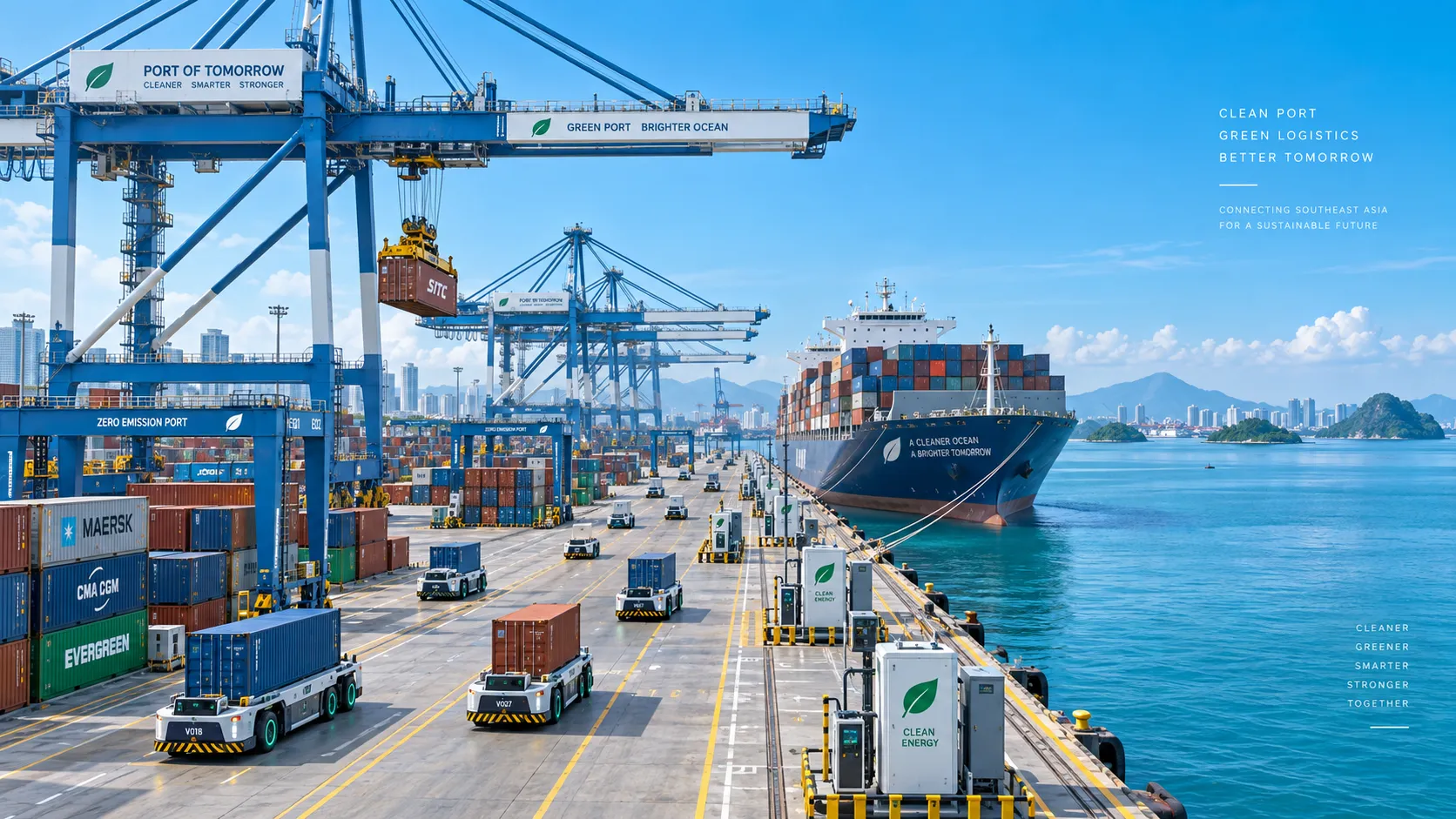
Smart Port Systems in Southeast Asia: Investment Priorities and Adoption Barriers
Smart port systems Southeast Asia: discover investment priorities, adoption barriers, and practical steps to build resilient, connected, high-performing terminals.
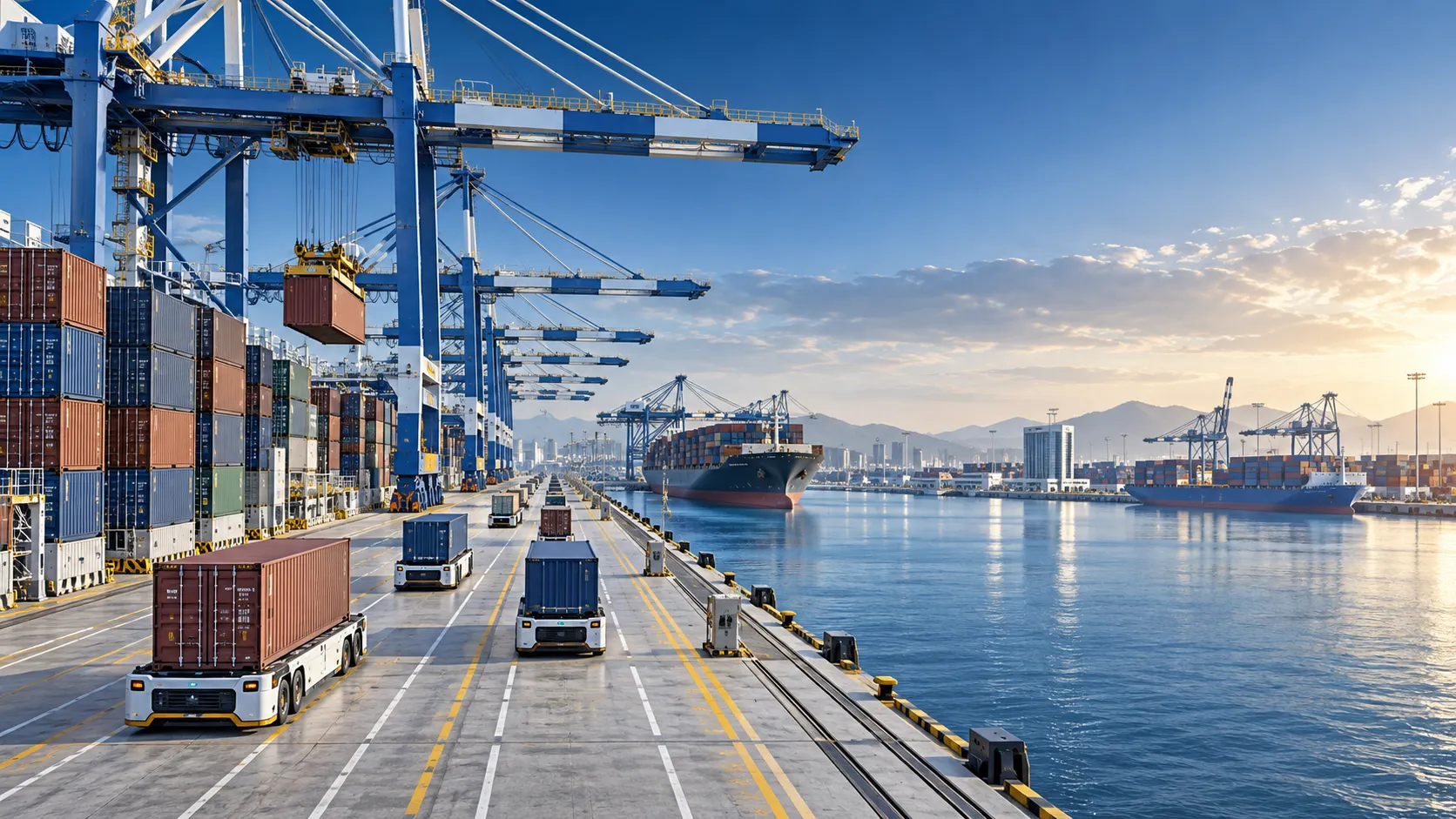
How to Evaluate Terminal Efficiency Solution Suppliers for High-Throughput Operations
Choose a terminal efficiency solutions supplier with confidence. Explore proven criteria for throughput, integration, lifecycle cost, safety, and reliable delivery.
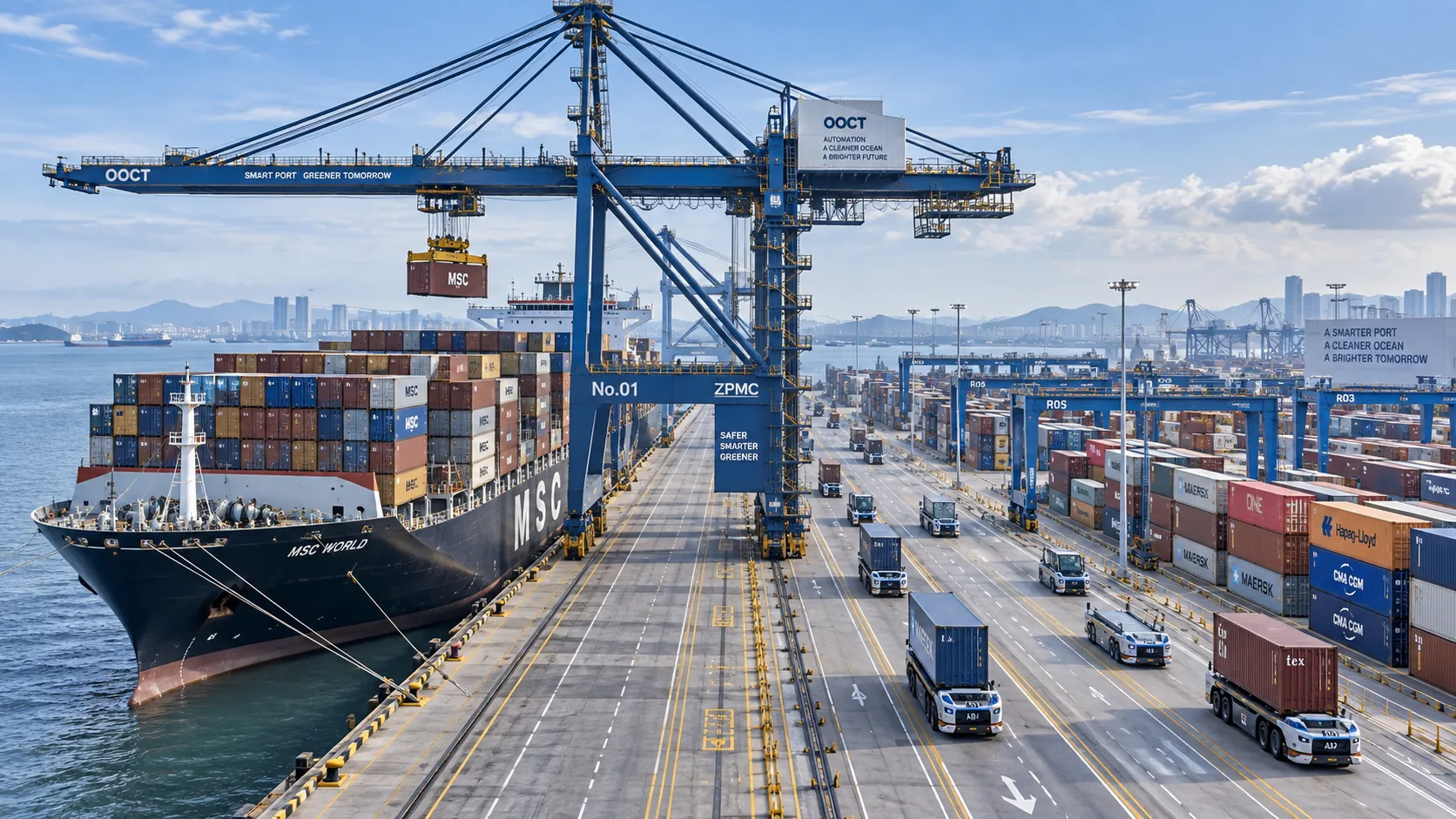
How to Specify a Quay Crane for Container Terminals by Vessel Size and Throughput?
Quay crane for container terminals: learn how to match outreach, lift height, capacity, automation, and cycle performance to vessel size and throughput goals.
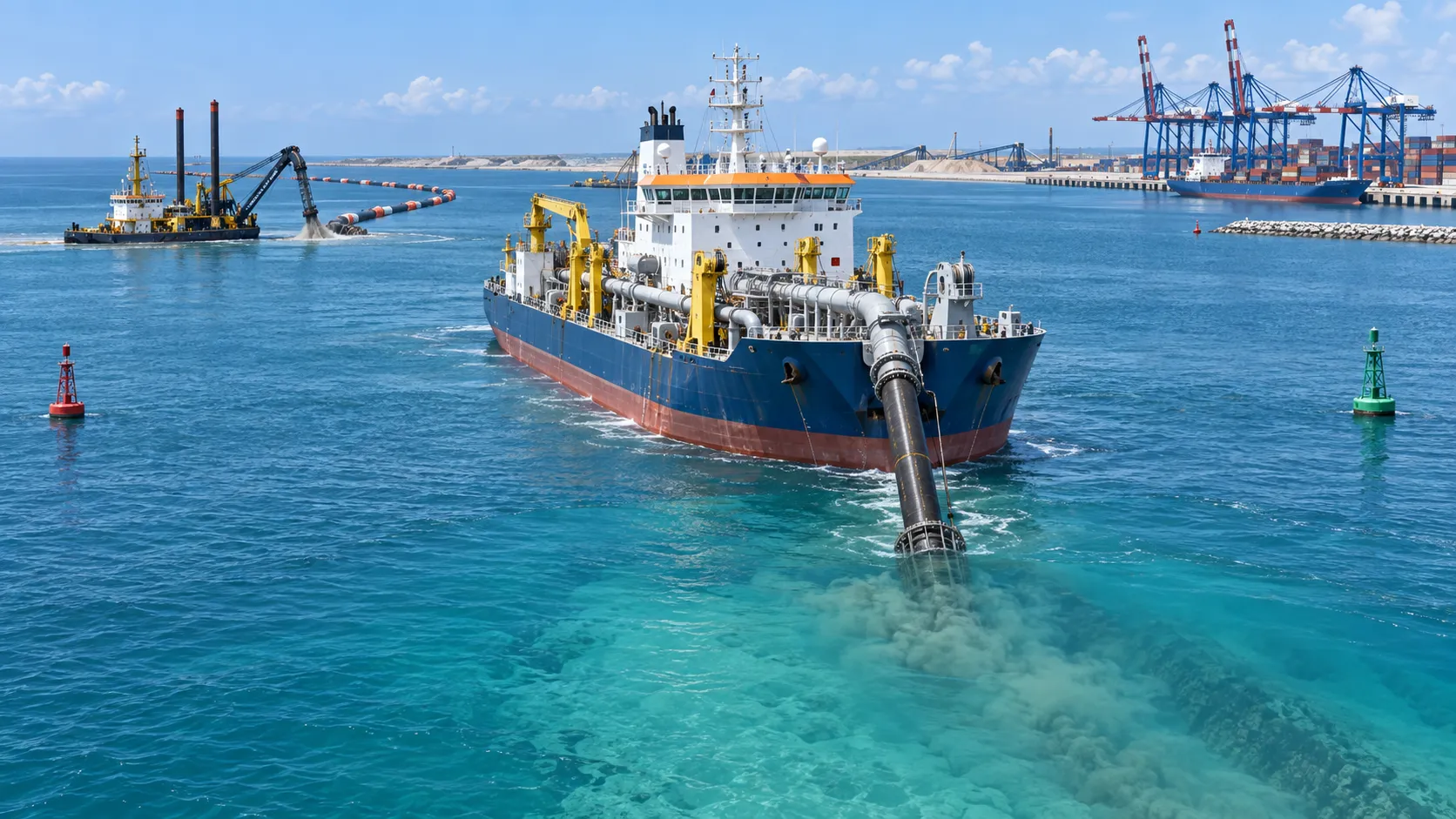
What Dredging Equipment Is Needed for Channel Deepening?
What dredging equipment is needed for channel deepening? Explore dredgers, pipelines, survey tools, and planning strategies for safer, more efficient port access.
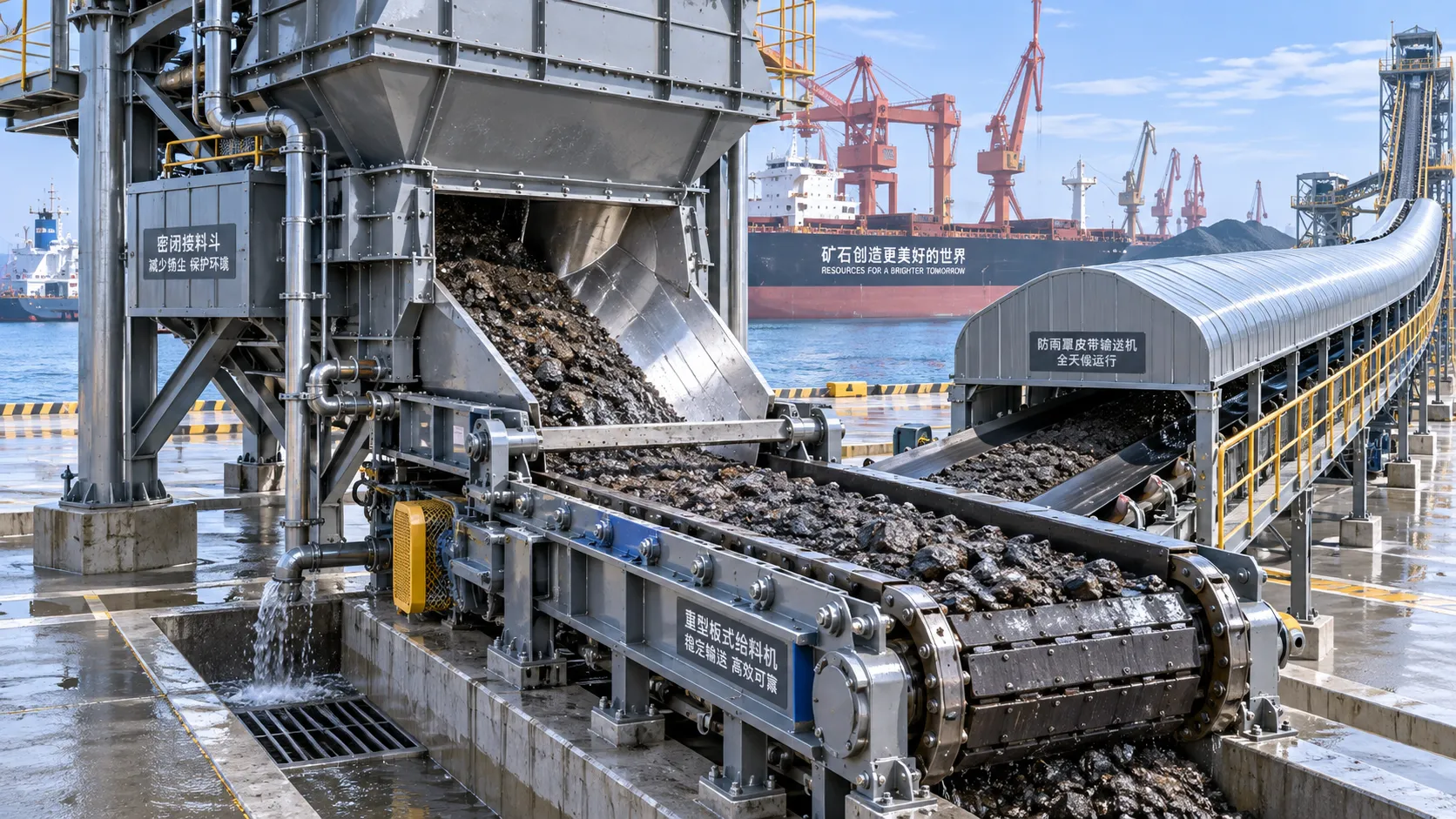
Which Bulk Handling Equipment Suits High-Moisture Cargo?
Which bulk handling equipment suits high-moisture cargo? Compare belt, apron, screw, drag, and slurry systems for reliable flow, less carryback, and higher terminal uptime.
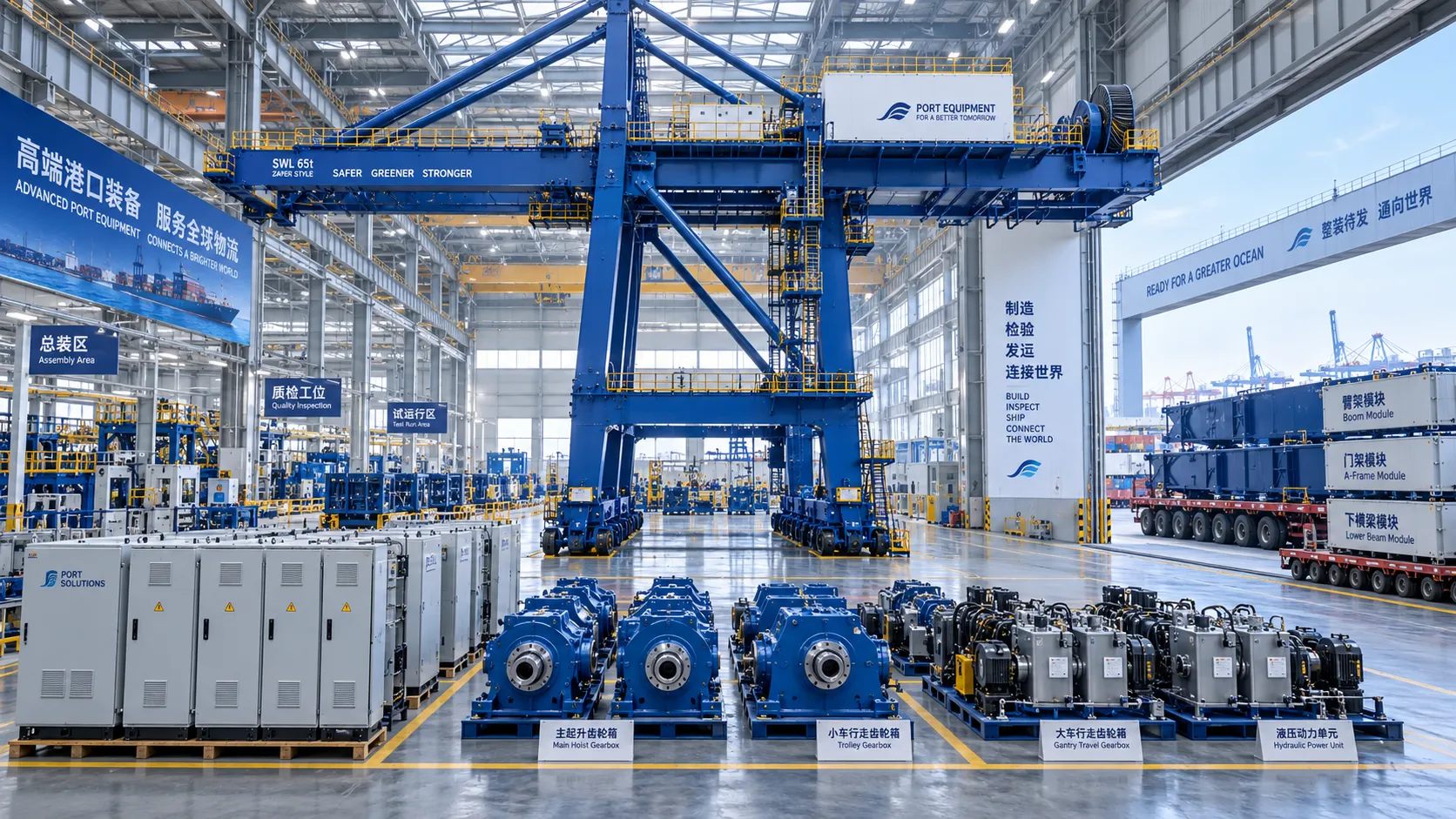
How Can Port Equipment Lead-Time Risk Be Managed?
How can port equipment lead-time risk be managed? Explore practical strategies to control critical paths, suppliers, transport, site readiness, and commissioning delays.
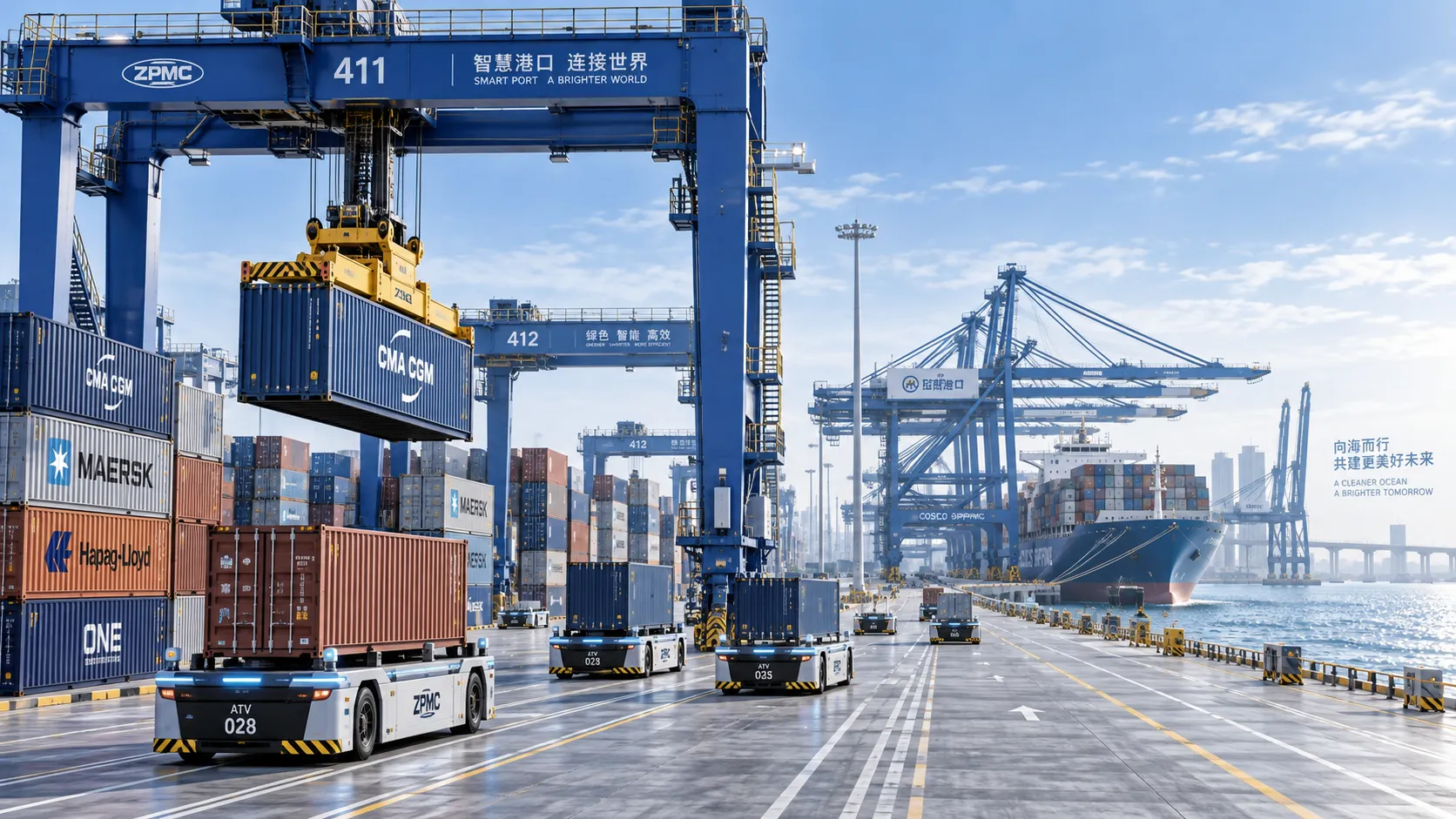
Terminal Automation Technologies That Raise Container Throughput Without Yard Disruption
Terminal automation technology that increases container throughput without disrupting yard flow. Explore smarter integration, resilient workflows, and phased deployment strategies.
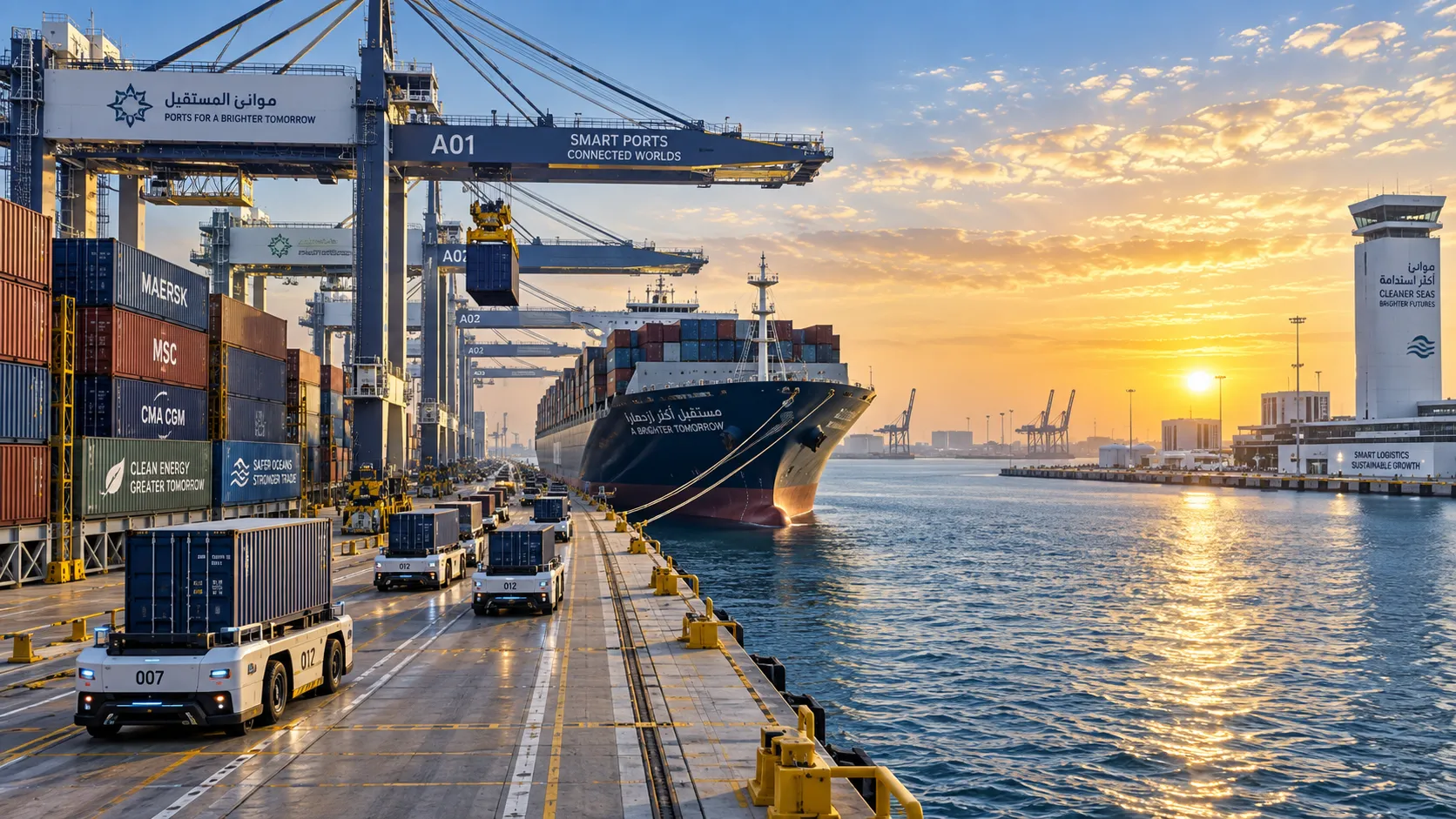
Middle East Port Automation: Key Market Drivers, Projects, and Investment Risks
Port automation systems Middle East: explore market drivers, flagship projects, integration challenges, and investment risks shaping smarter, resilient terminals.
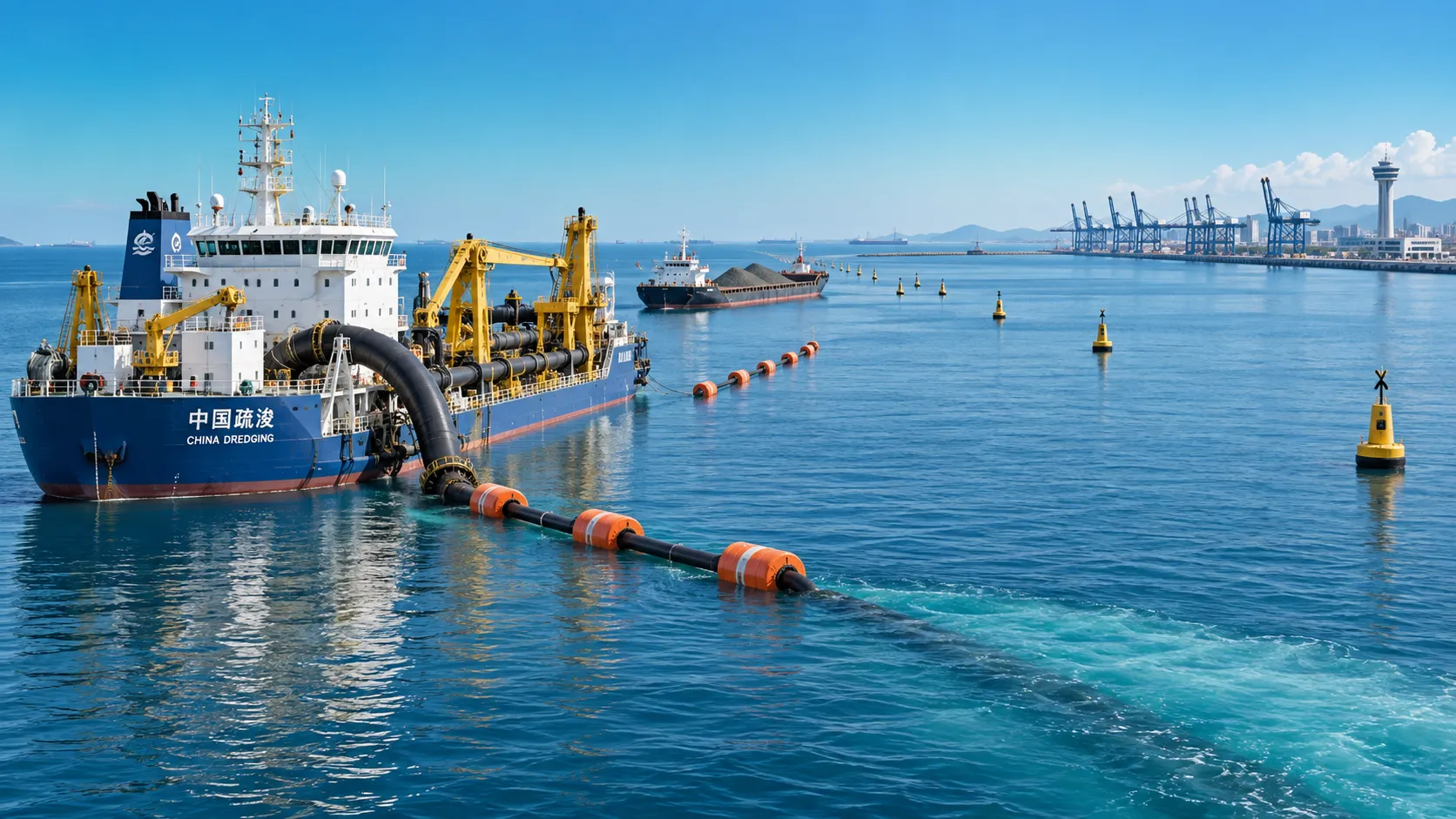
Planning Offshore Dredging Operations: Key Risks, Methods, and Project Controls
Offshore dredging operations demand smart planning. Explore key risks, proven methods, environmental controls, and project strategies for reliable delivery.