Related News
- 00
0000-00
How to Specify a Quay Crane for Container Terminals by Vessel Size and Throughput? - 00
0000-00
Which Bulk Handling Equipment Suits High-Moisture Cargo? - 00
0000-00
Terminal Automation Technologies That Raise Container Throughput Without Yard Disruption - 00
0000-00
Planning Offshore Dredging Operations: Key Risks, Methods, and Project Controls - 00
0000-00
Where Do Automated Guided Vehicles Deliver the Fastest Warehouse Gains in the Middle East?
How Automated Guided Vehicles Are Used in Middle East Ports and Inland Terminals
Why automated guided vehicles Middle East projects are gaining traction
Across Gulf ports and inland terminals, cargo growth is no longer judged only by berth length or crane size.
The bigger question is how containers move between quay, yard, rail interface, and gate without delay or safety compromise.
That is where automated guided vehicles Middle East deployments have become strategically important.
In practice, AGVs are not a uniform answer.
A deepwater transshipment hub, a free zone terminal, and an inland dry port can require very different operating logic.
PS-Nexus follows this shift through the lens of terminal gear, automation controls, and scheduling intelligence.
The real value of AGVs appears when heavy equipment, yard design, and software orchestration are planned as one system.
For Middle East logistics corridors, that system view matters because ports are expanding while inland cargo distribution is becoming more time-sensitive.
Actual use starts with understanding why one terminal differs from another
The phrase automated guided vehicles Middle East often sounds broad, but terminal conditions across the region are highly uneven.
Some sites handle intense vessel peaks.
Others depend on steady truck transfer, customs staging, or rail-linked inland repositioning.
The operating model changes the AGV decision more than headline throughput figures alone.
A quay-heavy terminal usually prioritizes synchronization with ship-to-shore cranes and automated stacking equipment.
An inland terminal often cares more about route flexibility, mixed traffic tolerance, and predictable turn times at transfer blocks.
Climate is another separator.
Heat, dust, saline exposure, and long operating windows affect sensors, batteries, braking behavior, and maintenance intervals.
This is why path-planning algorithms, low-latency control links, and equipment hardening matter as much as vehicle speed.
At marine gateways, AGVs are mainly judged by crane rhythm and yard continuity
In large Gulf container ports, AGVs usually sit between quay cranes and storage blocks.
Their job is simple on paper: move containers quickly and safely.
The operational challenge is keeping pace with crane cycles without creating queue spillback.
Here, automated guided vehicles Middle East adoption is less about replacing drivers than about stabilizing handoffs.
If the AGV fleet is undersized, quay cranes lose productive minutes.
If routing logic is weak, congestion shifts from the berth to the yard lanes.
The better-performing sites usually align three layers.
- Vehicle dispatch matches real crane productivity, not theoretical averages.
- Battery charging windows are embedded into traffic planning.
- Yard block allocation reduces empty travel distance during vessel peaks.
This is also where PS-Nexus intelligence is useful.
Terminal performance depends on the relationship between heavy gear, control systems, and scheduling discipline, not on vehicle count alone.
Inland terminals use AGVs differently because interface pressure shifts inland
At inland depots and dry ports, the movement pattern changes.
Containers may arrive in more fragmented waves from road corridors, feeder rail services, or customs-cleared transfers from seaports.
That means automated guided vehicles Middle East systems often need more routing adaptability than pure quay terminals.
A common requirement is coexistence with manned trucks, reach stackers, and inspection traffic.
In this environment, the best AGV design is not always the fastest vehicle.
It is the one that can operate reliably in hybrid traffic while maintaining digital traceability.
More inland projects also use AGVs to improve slot discipline.
That matters when customs release timing, truck appointment windows, and warehouse handoff schedules all affect dwell time.
The practical benchmark becomes flow predictability, not just moves per hour.
Different scenarios demand different technical priorities
The most useful way to compare automated guided vehicles Middle East use cases is to map operational pressure points.
The table shows why similar terminals can choose very different AGV architectures.
Operational bottlenecks define the fit more clearly than brochures or benchmark claims.
The harder part is integration with terminal control and infrastructure constraints
Many automated guided vehicles Middle East projects slow down at the integration stage, not at the procurement stage.
The vehicles may be ready, yet the site is not.
Common friction points include pavement condition, lane geometry, wireless coverage, and handoff rules with cranes or stacking blocks.
Battery strategy deserves separate attention.
Fast charging can protect availability, but only if electrical infrastructure, queue logic, and thermal management are planned together.
Middle East climate adds pressure here, especially during sustained summer operations.
Another issue is digital compatibility.
An AGV fleet needs stable communication with terminal operating systems, remote crane controls, and asset monitoring platforms.
PS-Nexus often frames this as a control-layer question rather than a vehicle-only question.
Where projects are often misread before deployment
A frequent mistake is assuming that one successful marine terminal model can be copied directly to an inland site.
The traffic mix, stop frequency, and inspection logic may be completely different.
Another misread is focusing on peak rated performance while ignoring degraded operating conditions.
Dust accumulation, sensor cleaning cycles, and heat-related battery performance can reshape availability.
There is also a commercial blind spot.
Some evaluations compare only acquisition cost, even though software integration, spare parts coverage, and maintenance response often decide lifecycle value.
- Do not treat all container transfer lanes as identical operating zones.
- Do not separate AGV choice from terminal operating system capability.
- Do not ignore recovery procedures for blocked lanes or disabled vehicles.
- Do not assume net-zero goals are met without measuring energy source and charging behavior.
What a grounded adoption path looks like
A practical rollout starts by mapping the exact transfer scenario, not by starting with a preferred vehicle type.
That means defining lane distances, handoff points, traffic conflicts, dwell targets, and environmental exposure.
The next step is to test whether automated guided vehicles Middle East operations will be limited by control logic, charging windows, or civil layout.
Only then does fleet sizing become meaningful.
A sound assessment usually includes the following checks.
- Measure real move variability across a full operating cycle, not a short sample.
- Review how AGVs interact with cranes, stack systems, trucks, and gate logic.
- Stress-test communication resilience and fail-safe routing under disruption.
- Model maintenance windows under heat, dust, and saline exposure.
- Compare lifecycle energy and service needs with automation targets.
For ports and inland hubs across the region, the central question is not whether AGVs are advanced enough.
It is whether the chosen system fits the actual cargo rhythm, infrastructure limits, and long-term control architecture.
That is the level of judgment needed to turn automated guided vehicles Middle East investment into durable logistics performance.
Related News
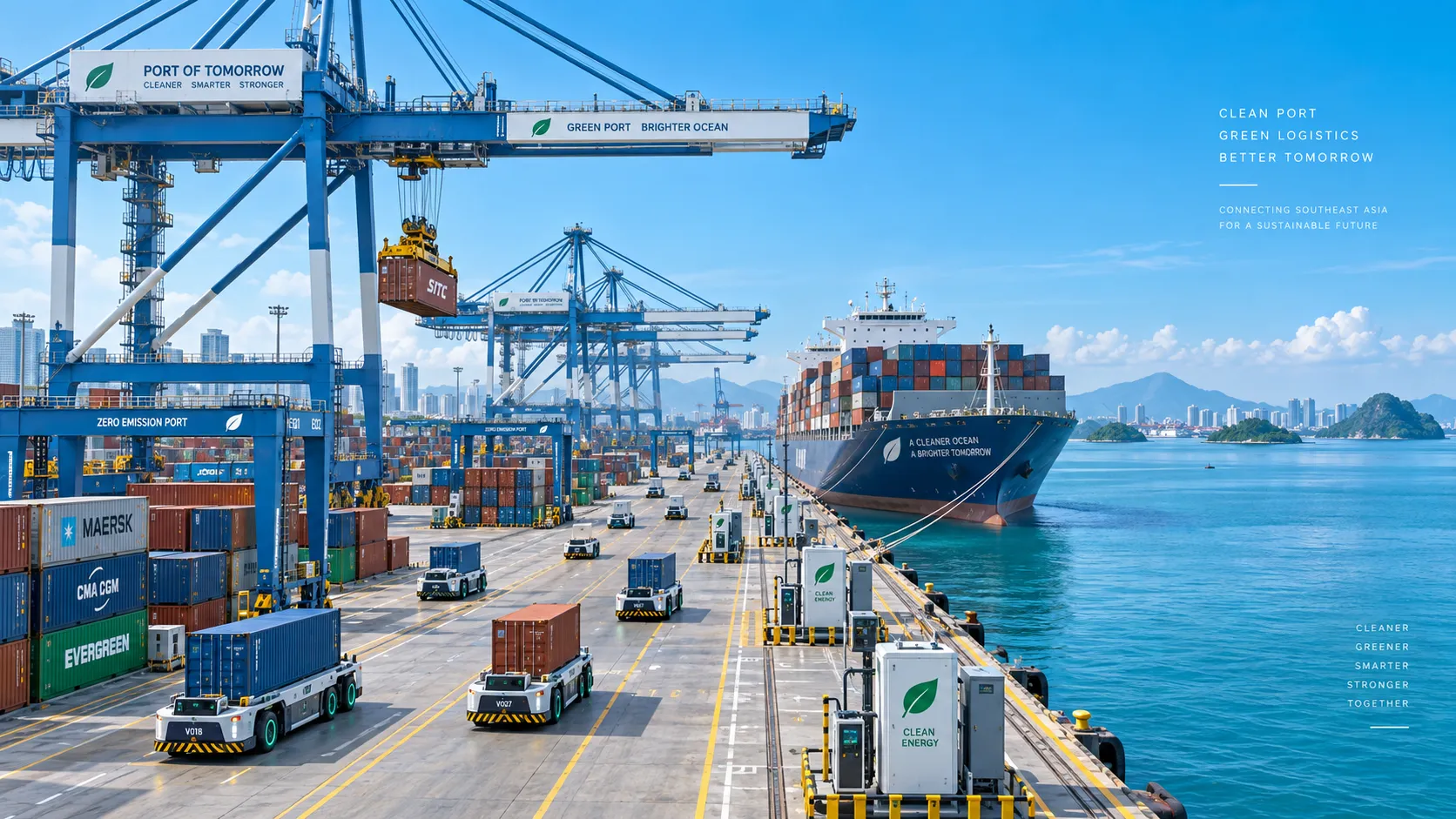
Smart Port Systems in Southeast Asia: Investment Priorities and Adoption Barriers
Smart port systems Southeast Asia: discover investment priorities, adoption barriers, and practical steps to build resilient, connected, high-performing terminals.

How to Evaluate Terminal Efficiency Solution Suppliers for High-Throughput Operations
Choose a terminal efficiency solutions supplier with confidence. Explore proven criteria for throughput, integration, lifecycle cost, safety, and reliable delivery.
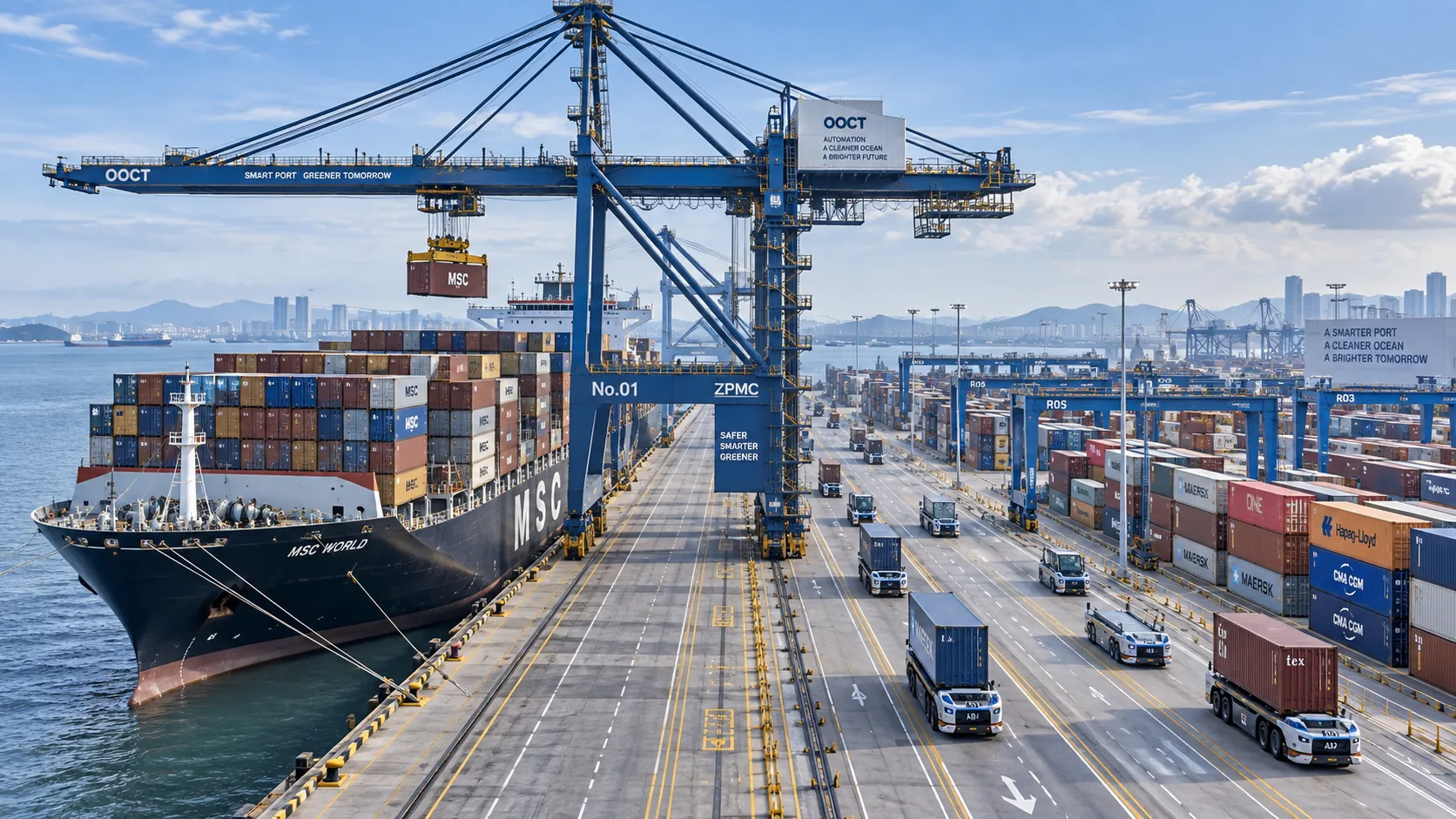
How to Specify a Quay Crane for Container Terminals by Vessel Size and Throughput?
Quay crane for container terminals: learn how to match outreach, lift height, capacity, automation, and cycle performance to vessel size and throughput goals.
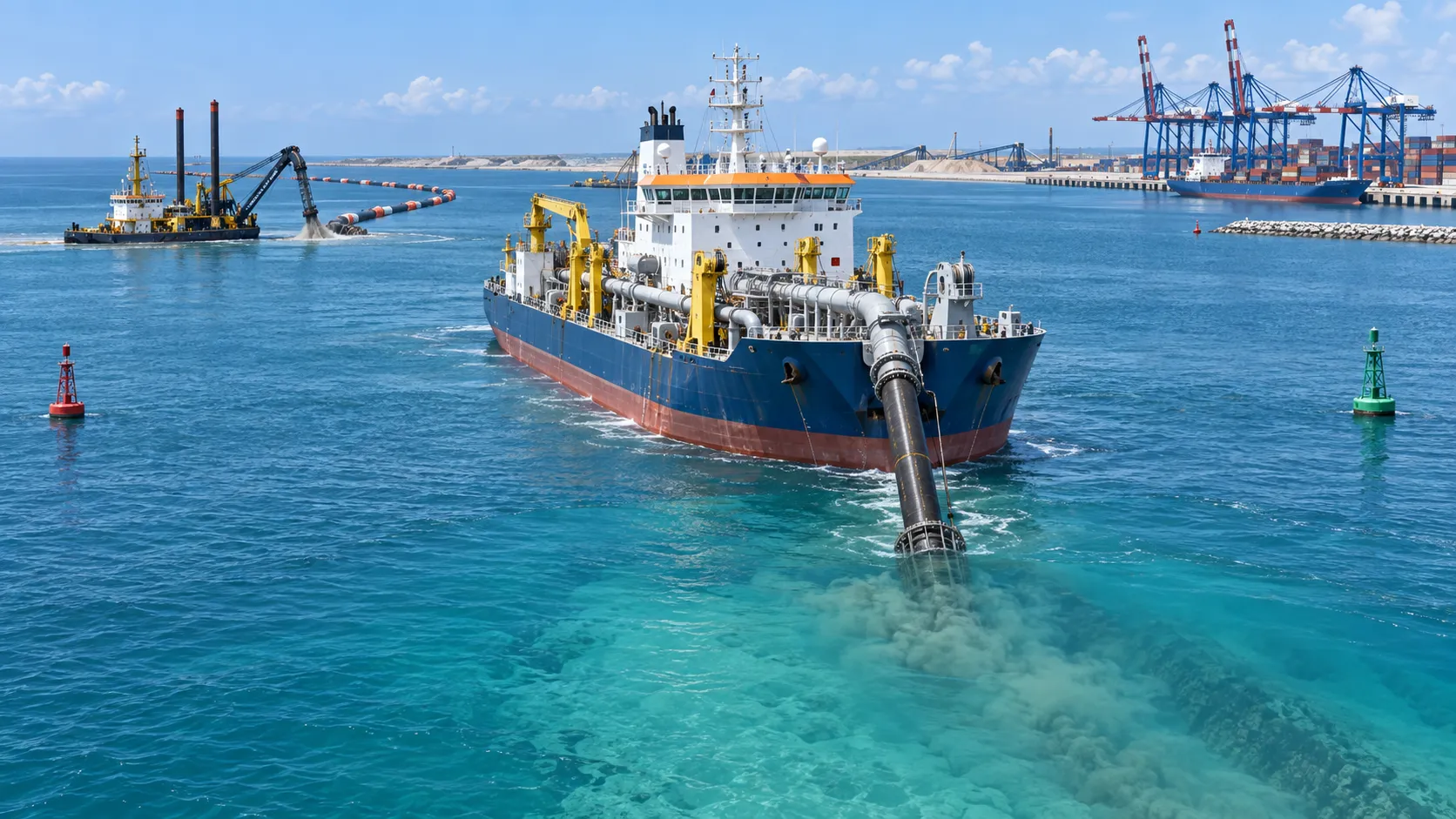
What Dredging Equipment Is Needed for Channel Deepening?
What dredging equipment is needed for channel deepening? Explore dredgers, pipelines, survey tools, and planning strategies for safer, more efficient port access.

Which Bulk Handling Equipment Suits High-Moisture Cargo?
Which bulk handling equipment suits high-moisture cargo? Compare belt, apron, screw, drag, and slurry systems for reliable flow, less carryback, and higher terminal uptime.
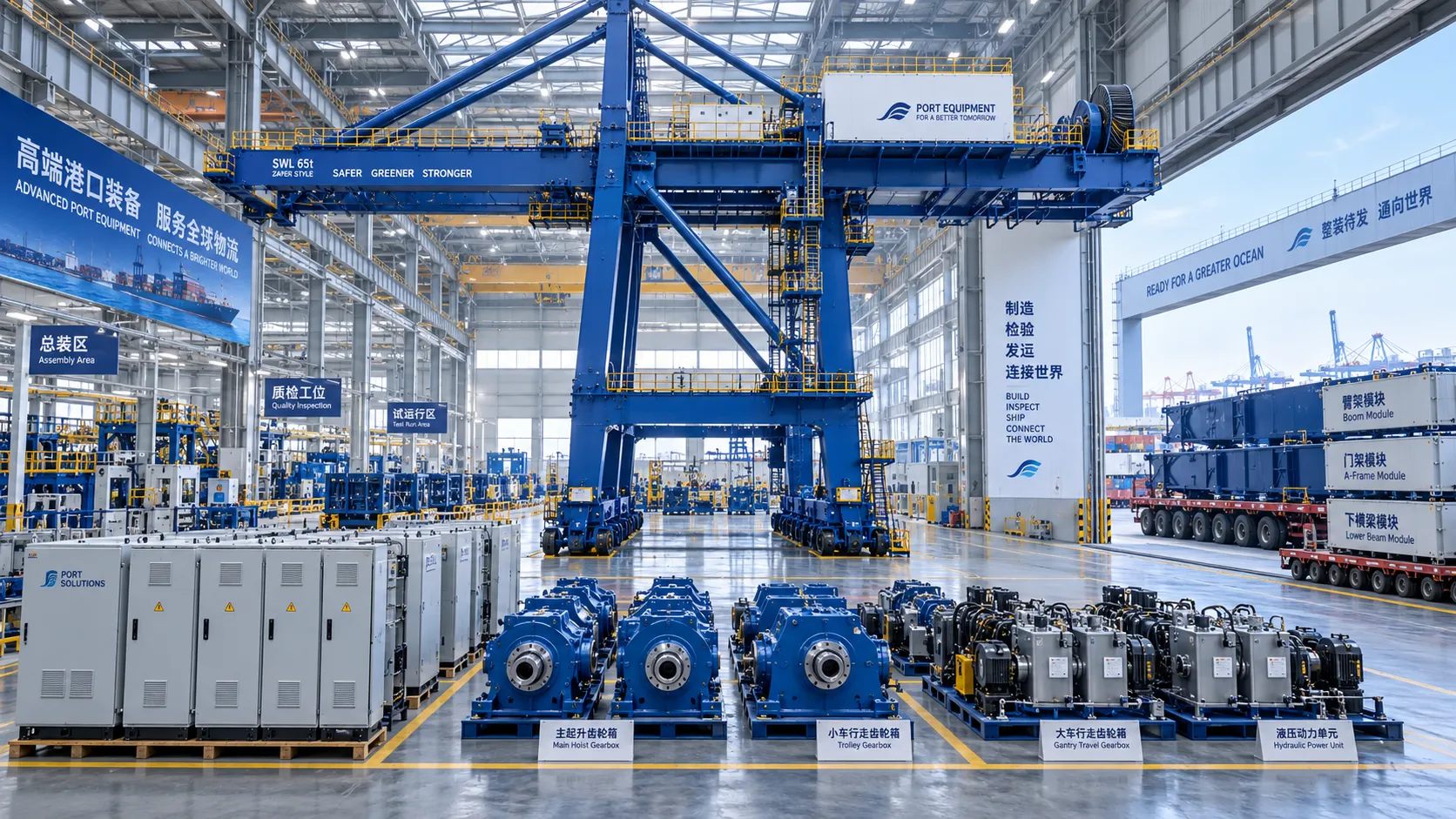
How Can Port Equipment Lead-Time Risk Be Managed?
How can port equipment lead-time risk be managed? Explore practical strategies to control critical paths, suppliers, transport, site readiness, and commissioning delays.
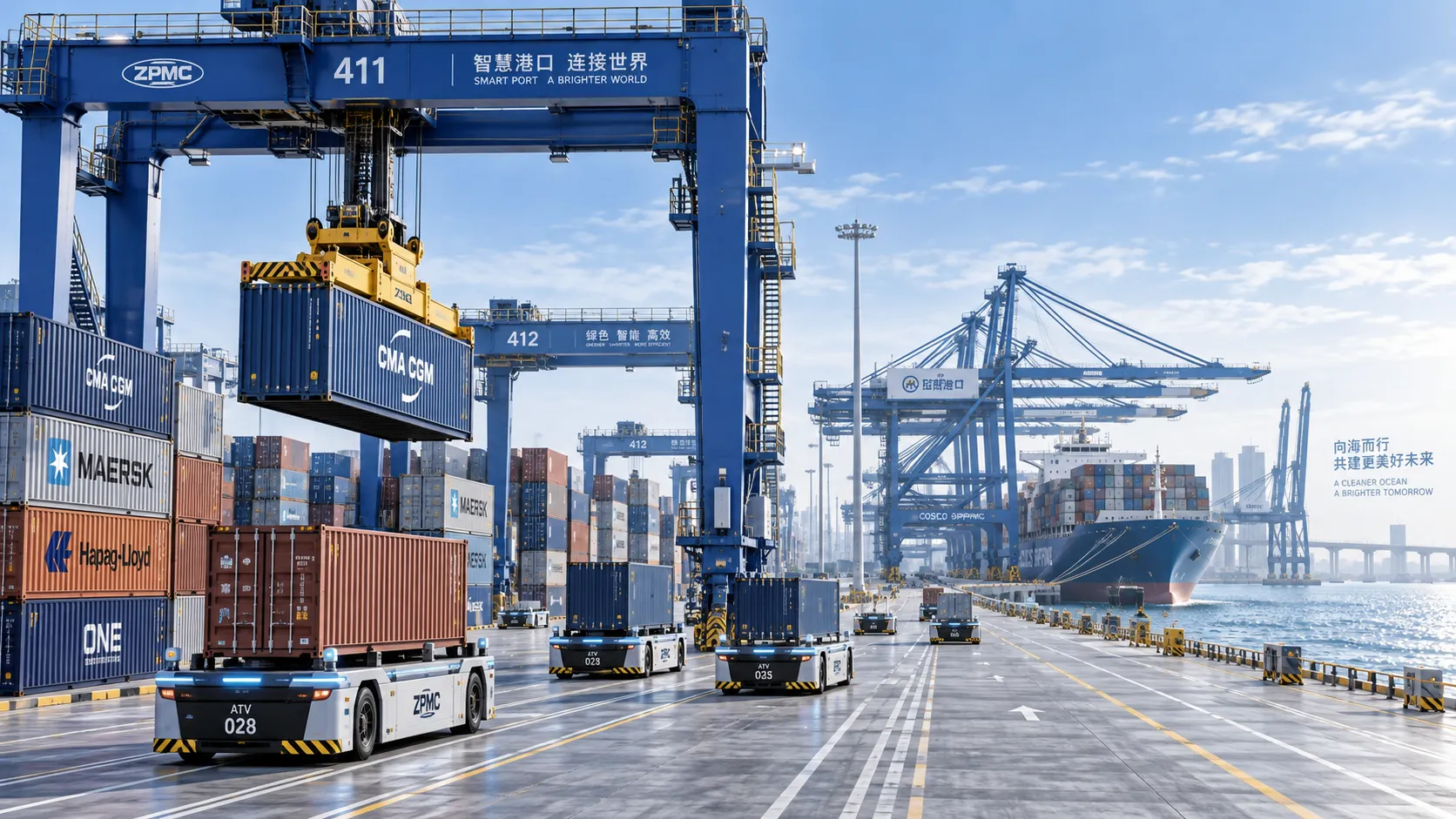
Terminal Automation Technologies That Raise Container Throughput Without Yard Disruption
Terminal automation technology that increases container throughput without disrupting yard flow. Explore smarter integration, resilient workflows, and phased deployment strategies.
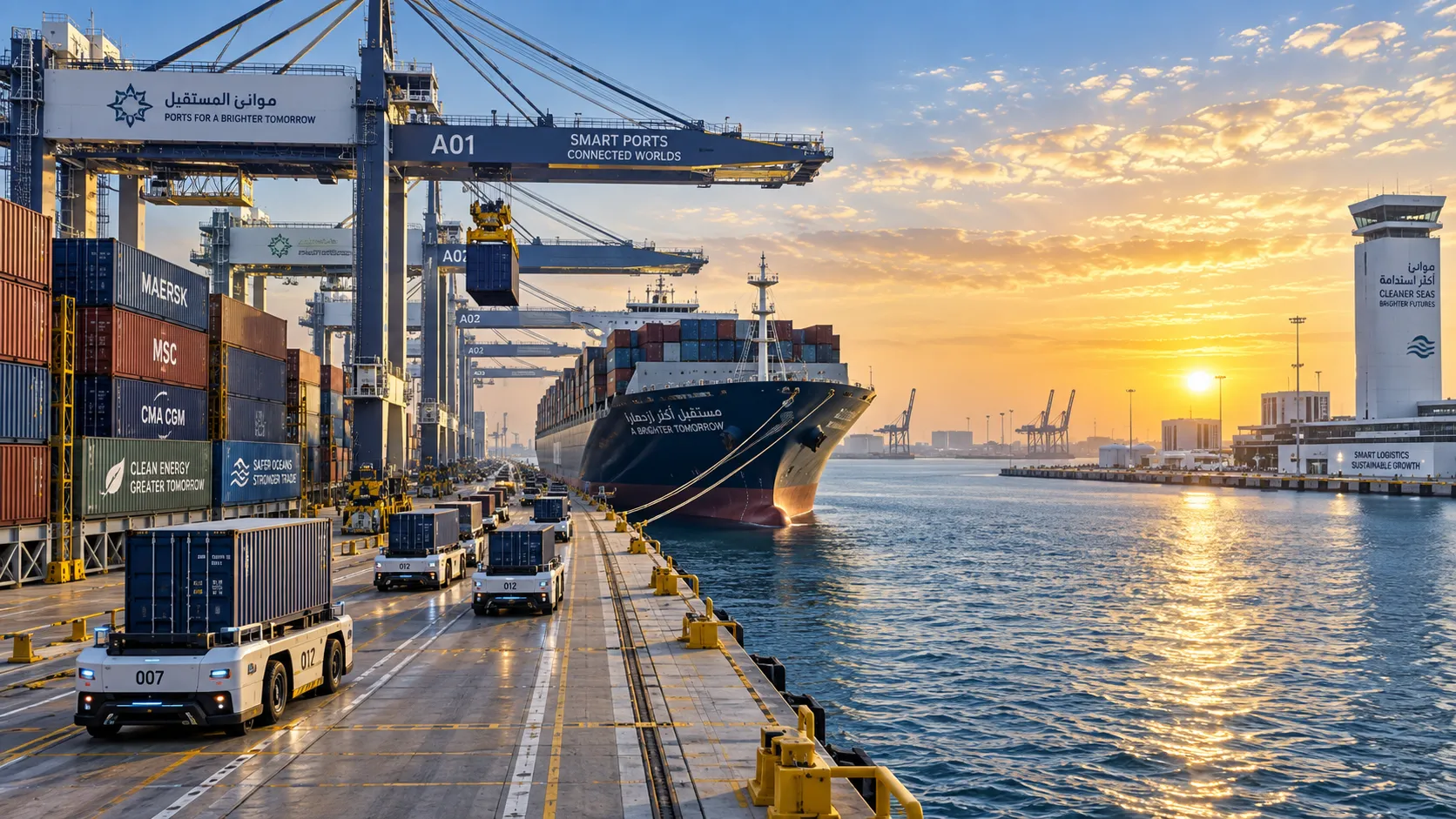
Middle East Port Automation: Key Market Drivers, Projects, and Investment Risks
Port automation systems Middle East: explore market drivers, flagship projects, integration challenges, and investment risks shaping smarter, resilient terminals.
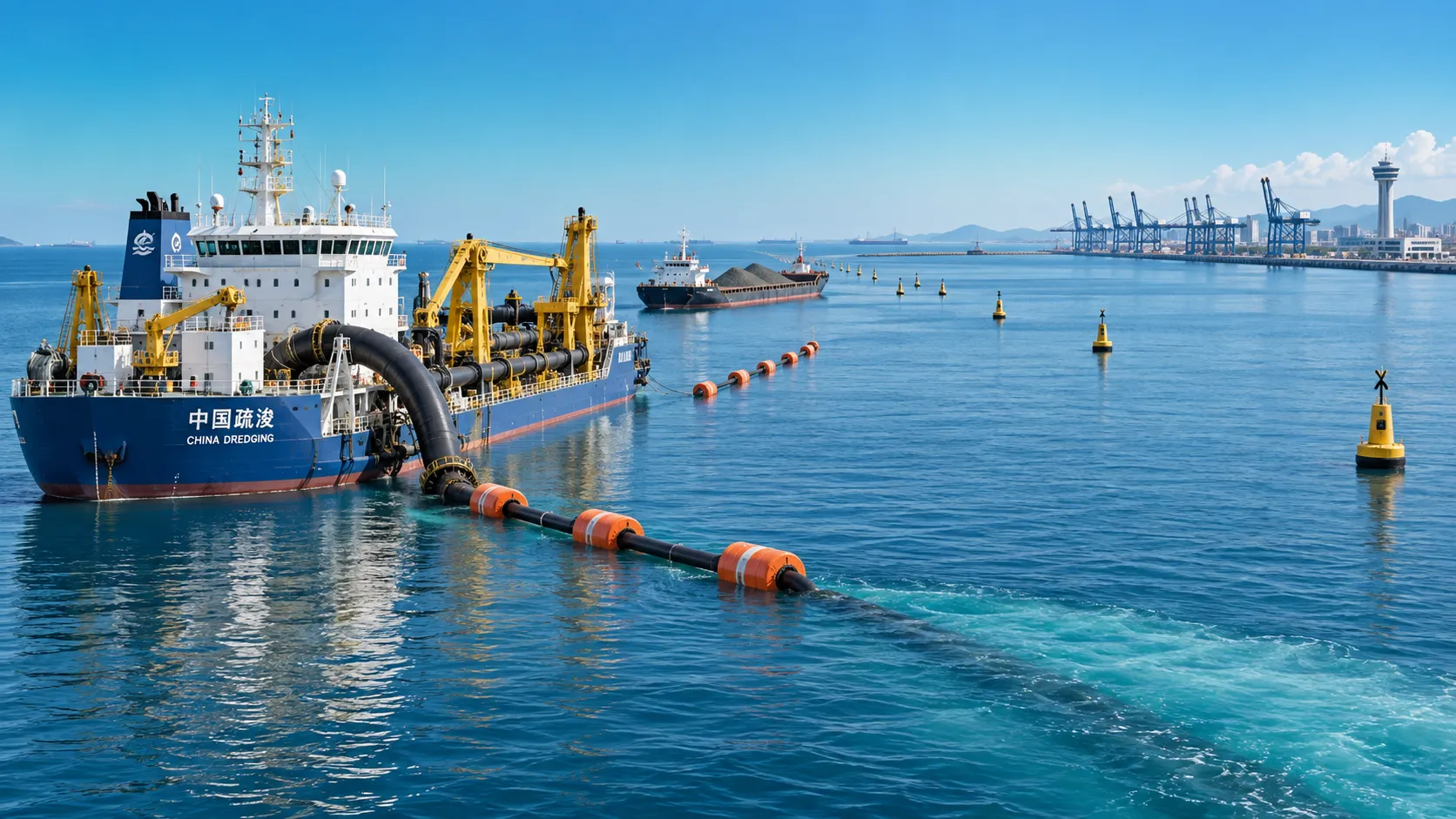
Planning Offshore Dredging Operations: Key Risks, Methods, and Project Controls
Offshore dredging operations demand smart planning. Explore key risks, proven methods, environmental controls, and project strategies for reliable delivery.