Related News
- 00
0000-00
How to Evaluate Terminal Efficiency Solution Suppliers for High-Throughput Operations - 00
0000-00
What to Consider When Buying Electric Port Machinery for Container Terminals - 00
0000-00
How to Select Container Handling Equipment for Middle East Ports and Terminals - 00
0000-00
How to Evaluate a Port Machinery Exporter for Large-Scale Terminal Projects - 00
0000-00
Evaluating a Dredging Equipment Manufacturer for Mining Plant Supply
Specialized Container Handling Equipment: Key Types, Load Ratings, and Use Cases
Specialized Container Handling Equipment: Key Types, Load Ratings, and Use Cases
For modern terminals, specialized container handling equipment is no longer a simple fleet purchase.
It directly affects yard density, truck turnaround, labor productivity, and maintenance exposure.
That matters even more when volumes fluctuate and land costs continue rising.
From a buying perspective, the right machine must fit both current flow and future operating strategy.
This is why specialized container handling equipment should be evaluated by application, not by headline capacity alone.
At PS-Nexus, we see the strongest decisions coming from buyers who compare load ratings, stacking needs, pavement limits, and automation readiness together.
Why equipment selection now needs a sharper lens
Container yards are being asked to do more with tighter footprints.
At the same time, safety rules, emissions targets, and uptime expectations are moving upward.
That creates a practical question.
Which specialized container handling equipment delivers the best fit for the actual yard profile?
A mixed cargo depot needs flexibility.
A high-volume gateway terminal may prioritize repeatable cycle times and automation integration.
In actual operations, the wrong machine often shows up as hidden congestion, higher tire wear, and extra rehandles.
Main types of specialized container handling equipment
Reach stackers
Reach stackers are among the most versatile forms of specialized container handling equipment.
They are commonly used for loaded container handling, intermodal transfer, and flexible yard work.
Typical rated lifting capacity is around 35 to 45 tons in the first row.
Capacity drops with the second and third row because the load center extends outward.
They work well where cargo mix changes often and lane layouts need agility.
Empty container handlers
Empty container handlers are built for speed, height, and light-load efficiency.
Most models handle 8 to 10 tons, depending on spreader design and stacking height.
Their value comes from stacking empties higher than loaded units, often five to eight high.
For depots with strong repositioning traffic, this specialized container handling equipment improves space use quickly.
Straddle carriers
Straddle carriers combine transport and stacking in one machine.
Load ratings often range from 40 to 60 tons for single containers.
They reduce dependence on separate tractors in some terminal layouts.
They are especially useful in fast-moving terminals where direct transfer paths matter more than maximum stacking density.
Terminal tractors
Terminal tractors do not stack containers, but they remain essential specialized container handling equipment.
Their job is fast trailer movement between quay, yard, warehouse, and gate.
Rated fifth-wheel capacity varies by configuration, but operational focus is cycle speed and durability.
In high-throughput systems, poor tractor availability can limit the performance of every crane upstream.
How load ratings should really be interpreted
Many buying mistakes start with a single number on a brochure.
Rated capacity matters, but only within a defined lift geometry.
For specialized container handling equipment, four details should always be checked together:
- Container position, such as first row, second row, or rail-side reach.
- Stacking height under full and partial load conditions.
- Attachment type, including single-lift or twin-lift spreaders.
- Ground bearing pressure and axle load on existing pavement.
This is where real use cases separate machines that look similar on paper.
A reach stacker rated for 45 tons may not suit a yard needing frequent third-row loaded picks.
An empty handler with high stacking ability may still underperform if wind exposure is severe.
For specialized container handling equipment, the useful rating is the operational rating, not the headline rating.
Best-fit use cases by terminal profile
Small and mid-sized inland depots
These sites usually value flexibility over strict specialization.
Reach stackers often make the most sense because one machine can cover several tasks.
That reduces fleet complexity, operator cross-training, and spare parts variety.
Empty container parks
Here, empty container handlers usually provide the strongest return.
They support high stacks, fast moves, and lower energy use than loaded-container machines.
This specialized container handling equipment is ideal when yard slots are under pressure.
Large marine terminals
Larger terminals often split functions across several machine types.
Straddle carriers can support direct horizontal flow.
Terminal tractors can stabilize crane service windows.
Specialized container handling equipment in this setting must match the full process map, not one isolated activity.
Automation-oriented yards
From recent market shifts, digital compatibility is becoming a stronger buying signal.
Machine telemetry, fleet management interfaces, and remote diagnostics now carry real procurement value.
That means specialized container handling equipment should be reviewed for software architecture as carefully as engine performance.
Procurement checkpoints that affect total cost
A sound buying decision goes beyond purchase price.
For specialized container handling equipment, operating economics usually decide the long-term winner.
- Check duty cycle assumptions against real shift patterns.
- Review fuel, hybrid, or electric options with local energy costs.
- Confirm parts supply lead times and regional service coverage.
- Verify tire life, spreader maintenance, and hydraulic wear points.
- Assess operator visibility, cab ergonomics, and safety systems.
- Model pavement impact and civil reinforcement costs.
This is also where PS-Nexus sees many hidden risks.
A lower-priced unit can become the costliest option if downtime support is weak.
Likewise, oversized specialized container handling equipment can waste fuel and overload pavement without improving throughput.
In practice, fit-for-purpose sizing is often the strongest cost-control measure.
A practical evaluation framework
When comparing suppliers, keep the review process disciplined and simple.
A useful framework for specialized container handling equipment includes these five filters:
- Operational fit: actual container mix, daily moves, and stack profile.
- Infrastructure fit: yard width, turning radius, and pavement strength.
- Technical fit: load chart, powertrain, and digital integration.
- Support fit: dealer footprint, training, and spare parts response.
- Financial fit: lifecycle cost, residual value, and financing terms.
This approach keeps decisions grounded in yard reality.
It also makes supplier discussions more precise.
Instead of asking for the biggest machine, buyers can ask for the best specialized container handling equipment for a defined flow problem.
Final take
The market offers many capable options, but selection discipline matters more than broad feature lists.
The best specialized container handling equipment is the one that matches real loads, real lanes, and real expansion plans.
For inland depots, that may be a flexible reach stacker.
For empty parks, it may be a dedicated empty handler.
For large terminals, it may be a coordinated fleet strategy.
At PS-Nexus, the clearest trend is this.
Equipment value now comes from the balance between mechanical strength, data visibility, and yard-specific efficiency.
Start with the use case, test the load chart, challenge the lifecycle assumptions, and the right decision becomes much easier to defend.
Related News
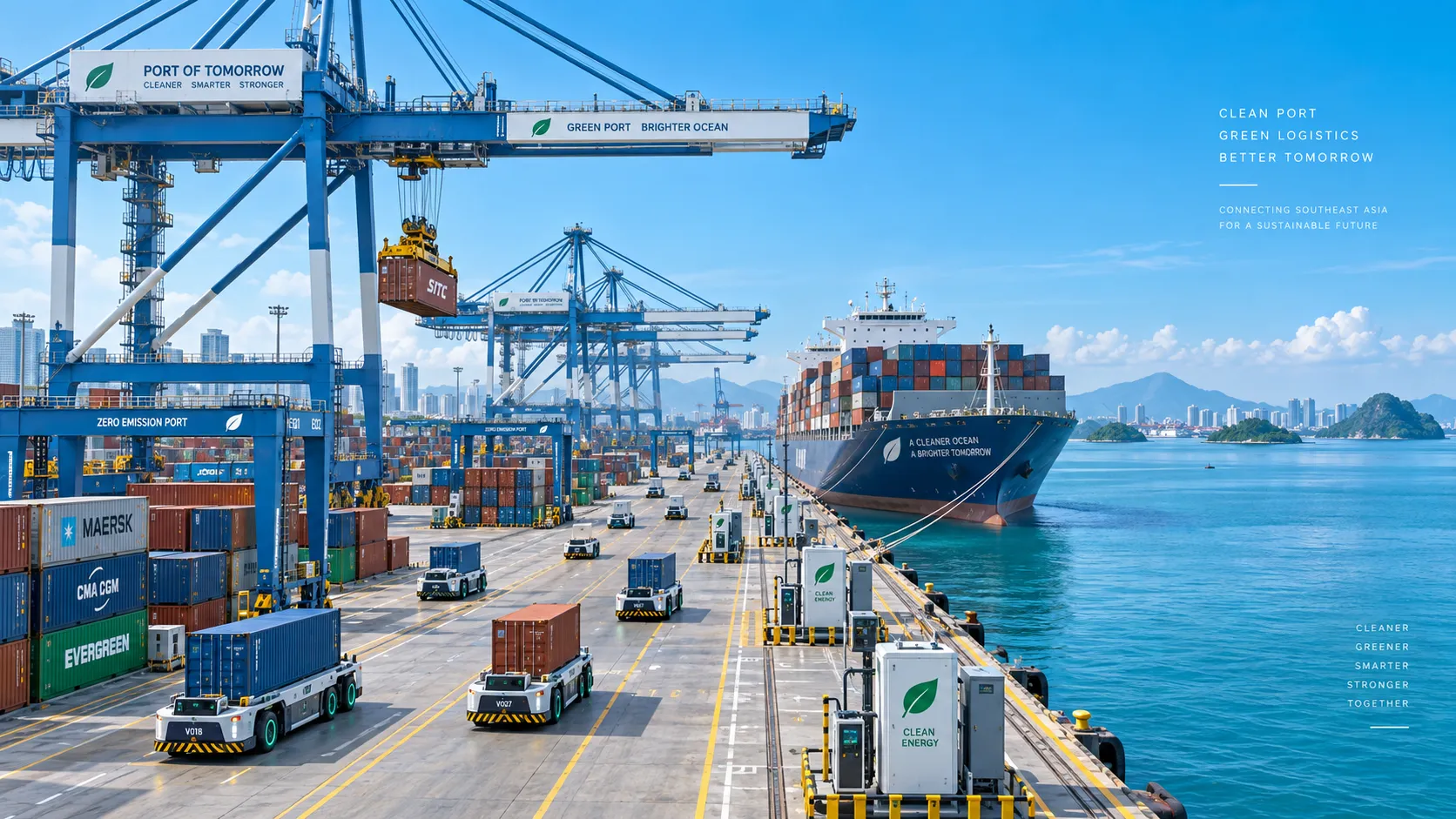
Smart Port Systems in Southeast Asia: Investment Priorities and Adoption Barriers
Smart port systems Southeast Asia: discover investment priorities, adoption barriers, and practical steps to build resilient, connected, high-performing terminals.
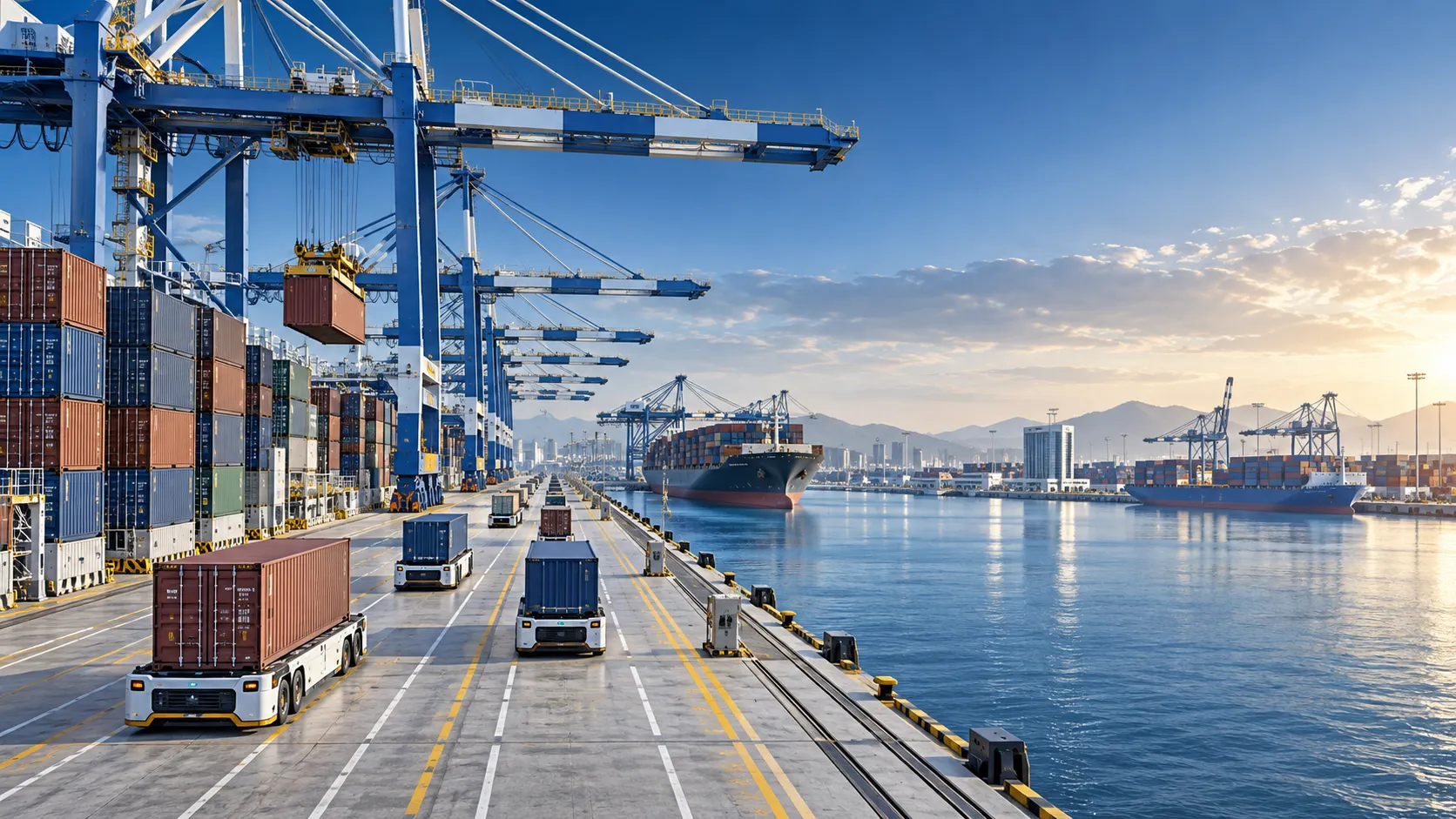
How to Evaluate Terminal Efficiency Solution Suppliers for High-Throughput Operations
Choose a terminal efficiency solutions supplier with confidence. Explore proven criteria for throughput, integration, lifecycle cost, safety, and reliable delivery.
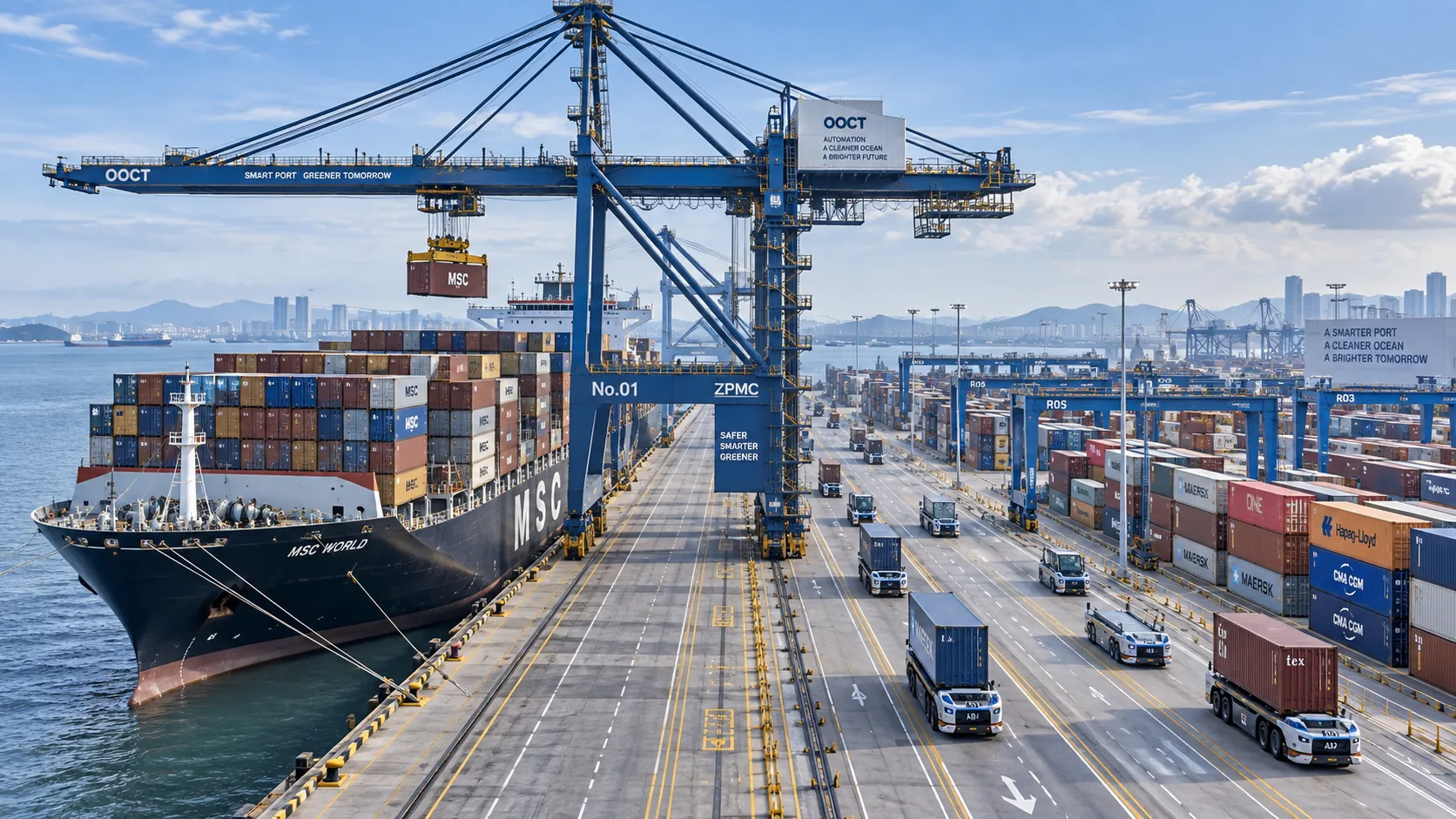
How to Specify a Quay Crane for Container Terminals by Vessel Size and Throughput?
Quay crane for container terminals: learn how to match outreach, lift height, capacity, automation, and cycle performance to vessel size and throughput goals.
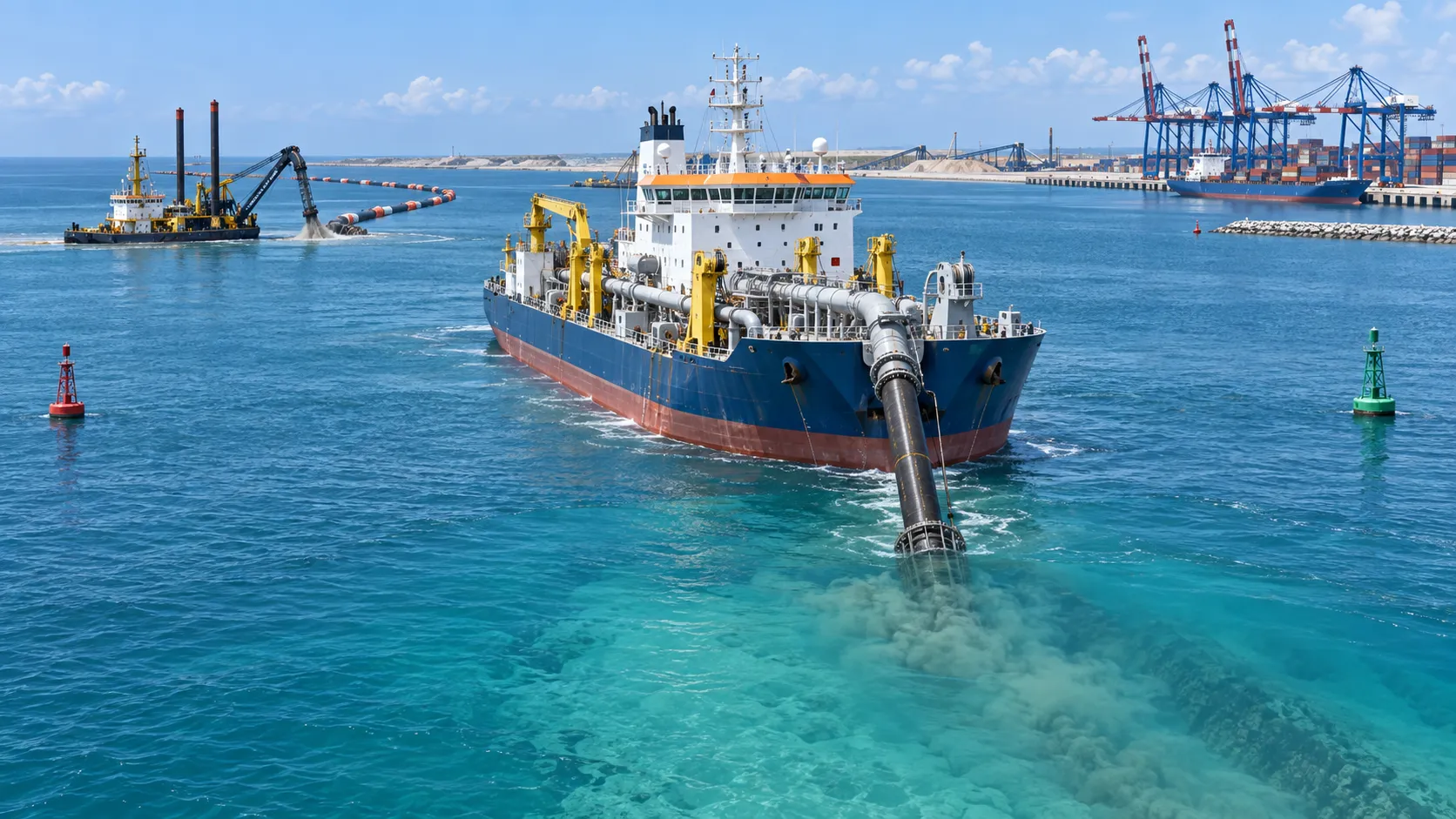
What Dredging Equipment Is Needed for Channel Deepening?
What dredging equipment is needed for channel deepening? Explore dredgers, pipelines, survey tools, and planning strategies for safer, more efficient port access.
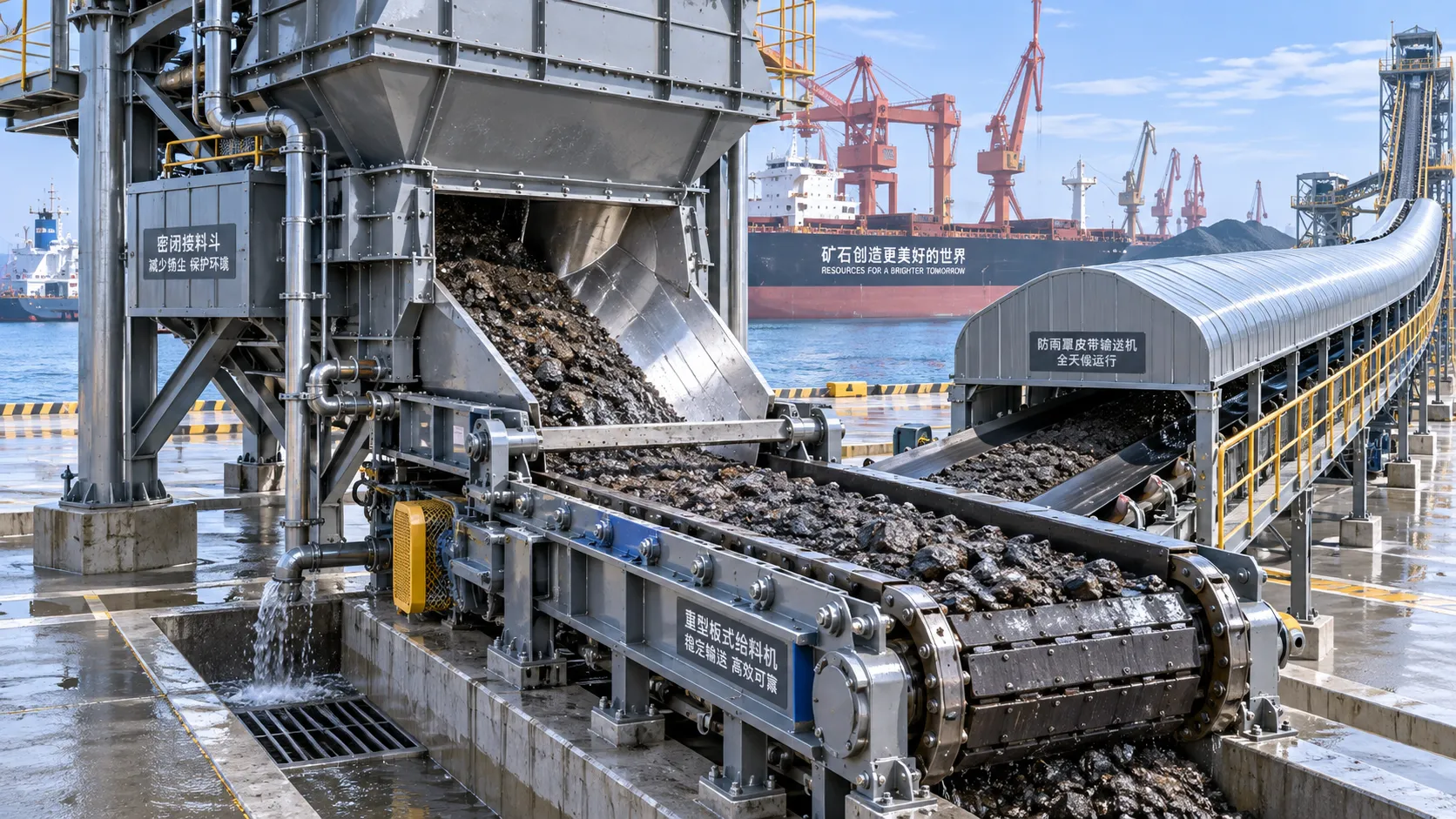
Which Bulk Handling Equipment Suits High-Moisture Cargo?
Which bulk handling equipment suits high-moisture cargo? Compare belt, apron, screw, drag, and slurry systems for reliable flow, less carryback, and higher terminal uptime.
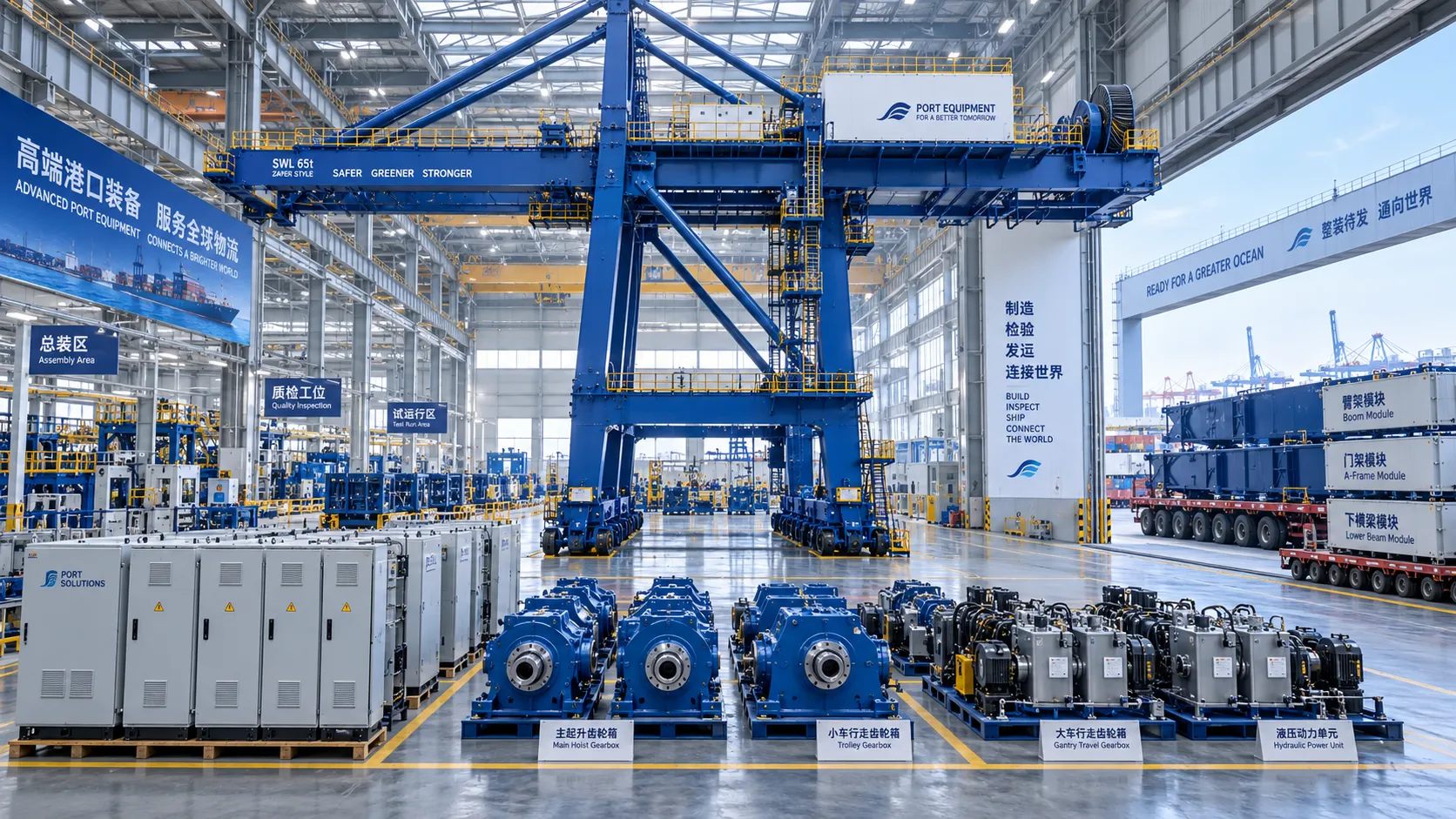
How Can Port Equipment Lead-Time Risk Be Managed?
How can port equipment lead-time risk be managed? Explore practical strategies to control critical paths, suppliers, transport, site readiness, and commissioning delays.
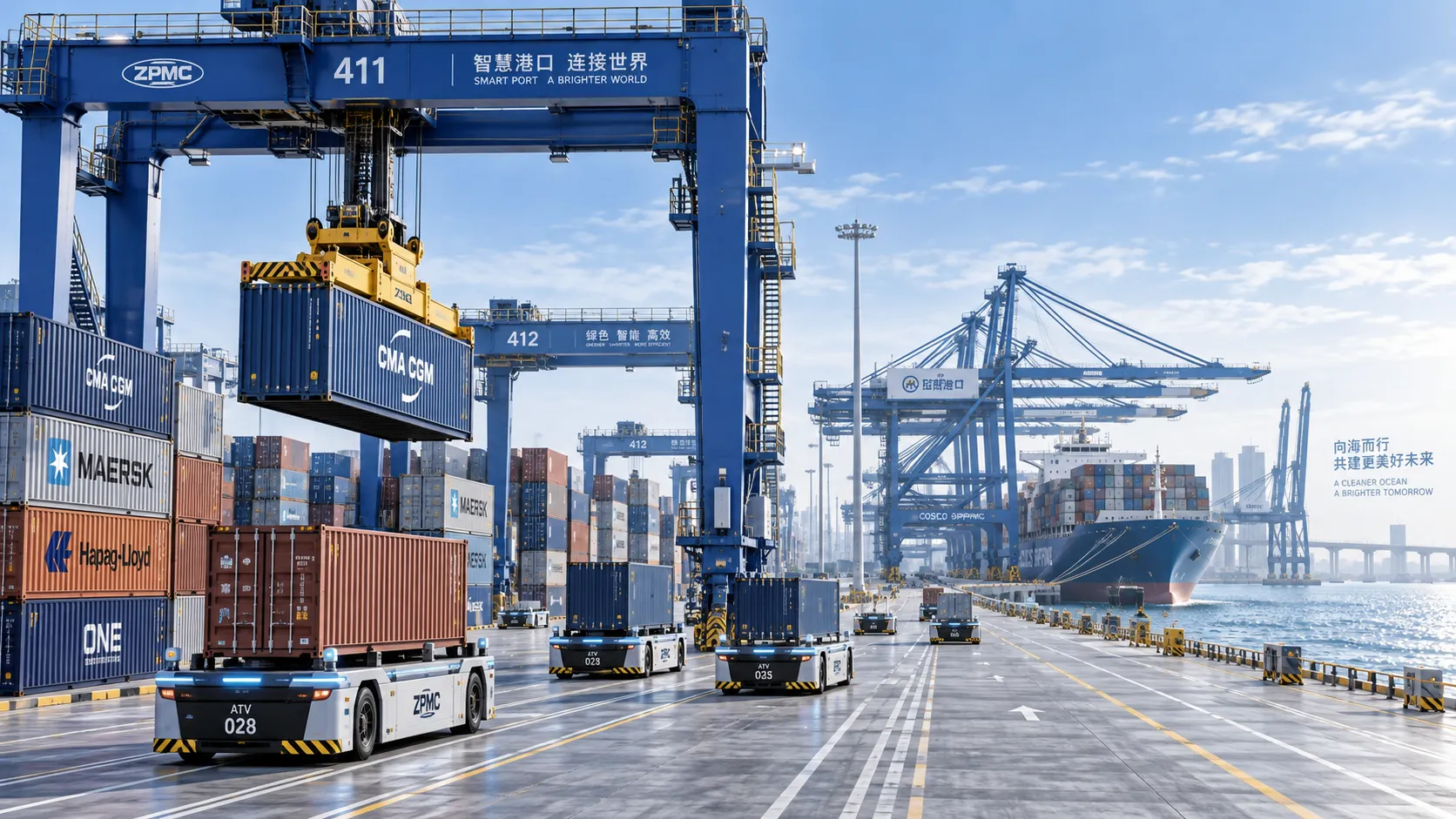
Terminal Automation Technologies That Raise Container Throughput Without Yard Disruption
Terminal automation technology that increases container throughput without disrupting yard flow. Explore smarter integration, resilient workflows, and phased deployment strategies.
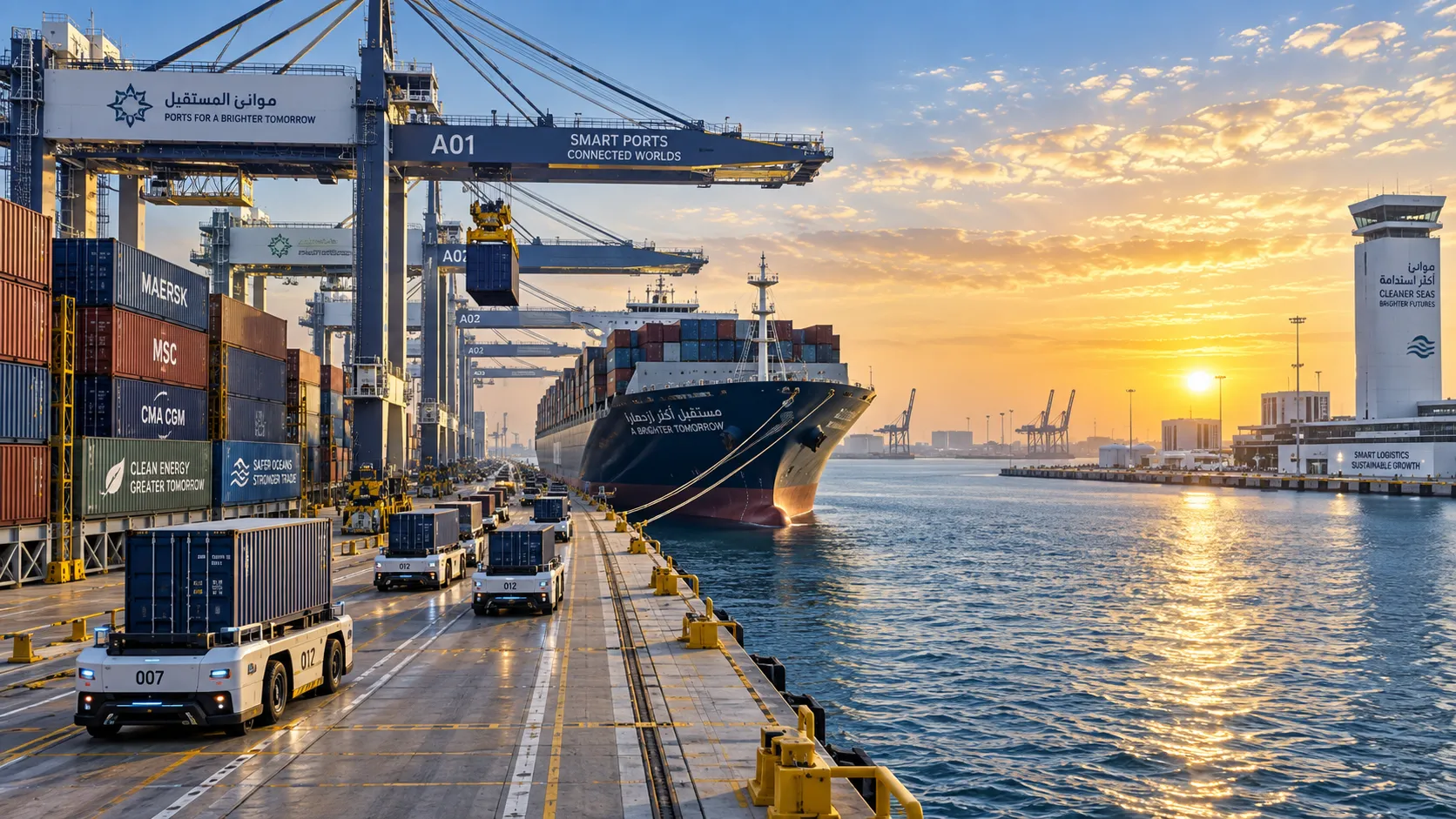
Middle East Port Automation: Key Market Drivers, Projects, and Investment Risks
Port automation systems Middle East: explore market drivers, flagship projects, integration challenges, and investment risks shaping smarter, resilient terminals.
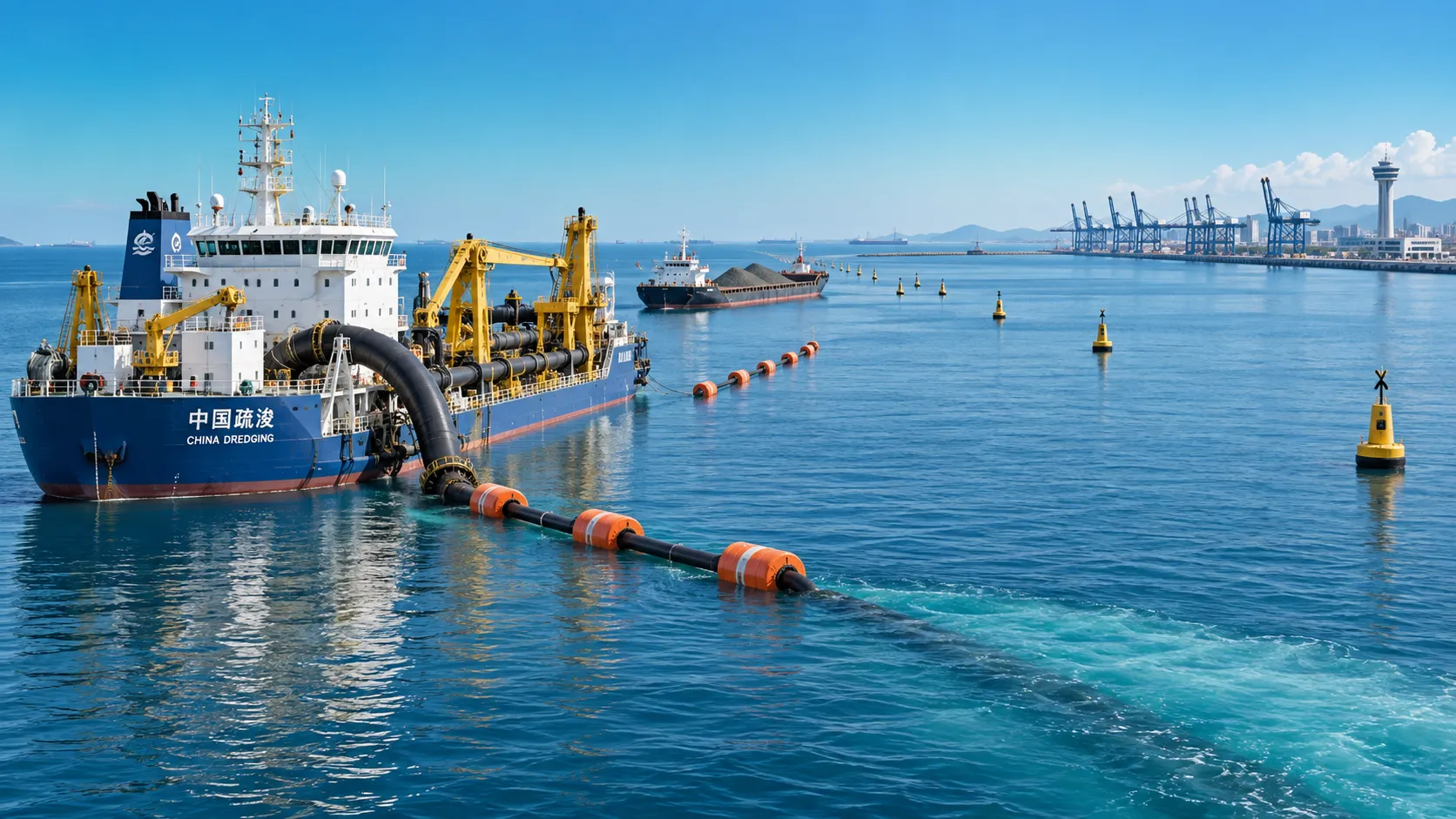
Planning Offshore Dredging Operations: Key Risks, Methods, and Project Controls
Offshore dredging operations demand smart planning. Explore key risks, proven methods, environmental controls, and project strategies for reliable delivery.