Related News
- 00
0000-00
How to Evaluate Terminal Efficiency Solution Suppliers for High-Throughput Operations - 00
0000-00
What to Consider When Buying Electric Port Machinery for Container Terminals - 00
0000-00
How to Select Container Handling Equipment for Middle East Ports and Terminals - 00
0000-00
How to Evaluate a Port Machinery Exporter for Large-Scale Terminal Projects - 00
0000-00
Evaluating a Dredging Equipment Manufacturer for Mining Plant Supply
How to Evaluate a Port Infrastructure Company for Expansion and Upgrade Projects
How to Evaluate a Port Infrastructure Company for Expansion and Upgrade Projects
Choosing the right port infrastructure company can shape project value for decades. It affects throughput, safety, automation readiness, cost control, and long-term resilience.
For expansion and upgrade work, basic prequalification is not enough. The real test is whether a partner can deliver under marine, operational, and regulatory pressure.
A strong evaluation process should compare technical depth, dredging capability, systems integration, schedule performance, and lifecycle support. That is where better decisions usually emerge.
Start with Project Fit, Not Just Corporate Scale
A large contractor is not automatically the best port infrastructure company for your project. Scale matters, but fit matters more.
Begin by defining the project in operational terms. Specify berth extension needs, yard redesign goals, draft requirements, equipment interfaces, and traffic growth assumptions.
Then ask a simpler question. Has this port infrastructure company solved a similar problem in a similar environment?
Relevant fit may include container terminal expansion, bulk cargo handling upgrades, quay wall reinforcement, dredging support, or automation retrofits within active operations.
In practice, companies with narrower but deeper experience often outperform general contractors on complex maritime infrastructure decisions.
What to verify early
- Project type similarity
- Port operating conditions
- Marine geotechnical complexity
- Equipment and systems scope
- Retrofit versus greenfield experience
- Regulatory and environmental record
Assess Technical Capability Across the Full Port System
A reliable port infrastructure company should understand that ports function as systems, not isolated assets. Civil works, terminal gear, software, and traffic flows are tightly linked.
This becomes more important during phased expansion. One weak interface can reduce the value of every upstream investment.
Review whether the company can coordinate quay structures, pavements, utility relocation, crane rails, stormwater systems, and operating lane redesign in one technical framework.
Also examine engineering depth in heavy terminal gear and handling machinery. Expansion plans fail when infrastructure and equipment assumptions are misaligned.
A capable port infrastructure company should be comfortable discussing wheel loads, rail tolerances, berth productivity targets, energy supply needs, and maintenance access constraints.
Core technical questions
- Can the design support future vessel classes and cargo mix changes?
- Are structural assumptions matched to actual handling equipment loads?
- Does the company model landside congestion impacts?
- Can it stage construction without crippling current operations?
- Does it provide lifecycle inspection and asset management thinking?
Examine Automation and Digital Integration Readiness
Many upgrade projects now include automation, even when the initial scope looks mostly civil. That changes how a port infrastructure company should be evaluated.
The company should understand control architecture, data interfaces, and low-latency operational requirements. This is especially relevant for remote cranes, AGVs, smart gates, and yard optimization.
Ask how the company coordinates with terminal operating systems, sensor platforms, communications networks, and power distribution schemes.
A forward-looking port infrastructure company should also address cybersecurity, redundancy, and recoverability. Automated terminals cannot rely on optimistic assumptions.
From a decision standpoint, digital maturity is not an add-on. It directly affects capacity gains, labor models, uptime, and future retrofit costs.
Signals of strong automation readiness
- Experience with automated container handling environments
- Clear interface planning between civil and control systems
- Operational simulation or digital twin use
- Integration planning for power, fiber, and field devices
- Defined commissioning and performance validation methods
Review Dredging, Marine Access, and Coastal Engineering Strength
For many projects, the right port infrastructure company must also handle marine access risks. Expansion at the quay means little without dependable channel and basin performance.
Dredging expertise should be reviewed carefully. Focus on sediment conditions, disposal strategy, turbidity control, production planning, and monitoring capability.
The company should also show competence in coastal processes. Siltation patterns, wave effects, shoreline interaction, and seabed stability can change project economics quickly.
A qualified port infrastructure company should explain how dredging works connect to berth geometry, navigation safety, and future maintenance burdens.
This is often where decision quality improves. Teams stop evaluating only construction cost and start evaluating channel reliability and operational continuity.
Check Delivery Discipline and Live-Operation Execution
Port projects rarely happen on empty sites. Most upgrades are delivered while cargo keeps moving, vessels keep arriving, and commercial pressure stays high.
That means the best port infrastructure company is often the one with the strongest delivery discipline, not the boldest presentation.
Review historical schedule performance, change-order patterns, subcontractor control, and interface management. Ask for evidence, not broad claims.
Pay special attention to how the company handles shutdown windows, temporary works, vessel traffic coordination, and safety within mixed construction and operating zones.
A dependable port infrastructure company should show method statements, phasing plans, and contingency logic that reflect real operational constraints.
Delivery evidence worth requesting
- Completed maritime project references
- Baseline versus actual schedule results
- Claims and dispute history
- Safety metrics in active terminal environments
- Commissioning outcomes tied to operating performance
Evaluate Commercial Logic Beyond the Bid Price
Bid price matters, but it is a poor standalone filter for choosing a port infrastructure company. Low initial cost can hide large downstream exposure.
Compare pricing assumptions, exclusions, escalation treatment, marine risk allowances, and performance guarantees. Then test where the company may be underestimating complexity.
Look closely at lifecycle economics. Energy efficiency, maintenance accessibility, spare parts logic, dredging frequency, and automation uptime all affect true project value.
A credible port infrastructure company should be able to discuss total cost of ownership, not just construction quantities.
This also helps when internal approvals are difficult. Decision-makers usually respond better to quantified operational outcomes than to headline capex savings.
Test Strategic Alignment with Future Port Demands
The right port infrastructure company should help prepare the terminal for the next operating model, not just complete the current scope.
That includes larger vessel calls, cleaner energy systems, greater automation, stricter emissions targets, and more volatile supply chain flows.
Ask whether the design allows modular expansion, alternative power integration, smarter equipment deployment, and future software upgrades without major reconstruction.
A well-positioned port infrastructure company should show awareness of net-zero pressures, electric or hybrid terminal gear, and data-driven asset management trends.
More importantly, it should connect those trends to practical engineering choices made today.
Build a Practical Evaluation Framework
A structured scorecard makes selection more defensible. It also prevents one strong presentation from overshadowing weak technical substance.
Use weighted criteria that reflect real project risk. Keep the framework focused and evidence-based.
When comparing bidders, use interviews, technical workshops, and reference checks together. A capable port infrastructure company usually stands out through consistency across all three.
Make the Final Decision with Operational Reality in Mind
The best port infrastructure company is rarely the one with the broadest brochure. It is the one that fits the project, understands port operations, and can prove delivery under pressure.
For expansion and upgrade projects, evaluation should center on system thinking, marine execution, automation readiness, and durable commercial logic.
That approach leads to better capacity outcomes and fewer surprises during construction. It also protects the port’s strategic position as trade patterns keep changing.
Before shortlisting any port infrastructure company, align internal criteria, challenge assumptions, and test each proposal against real operating constraints. That is where confident decisions begin.
Related News
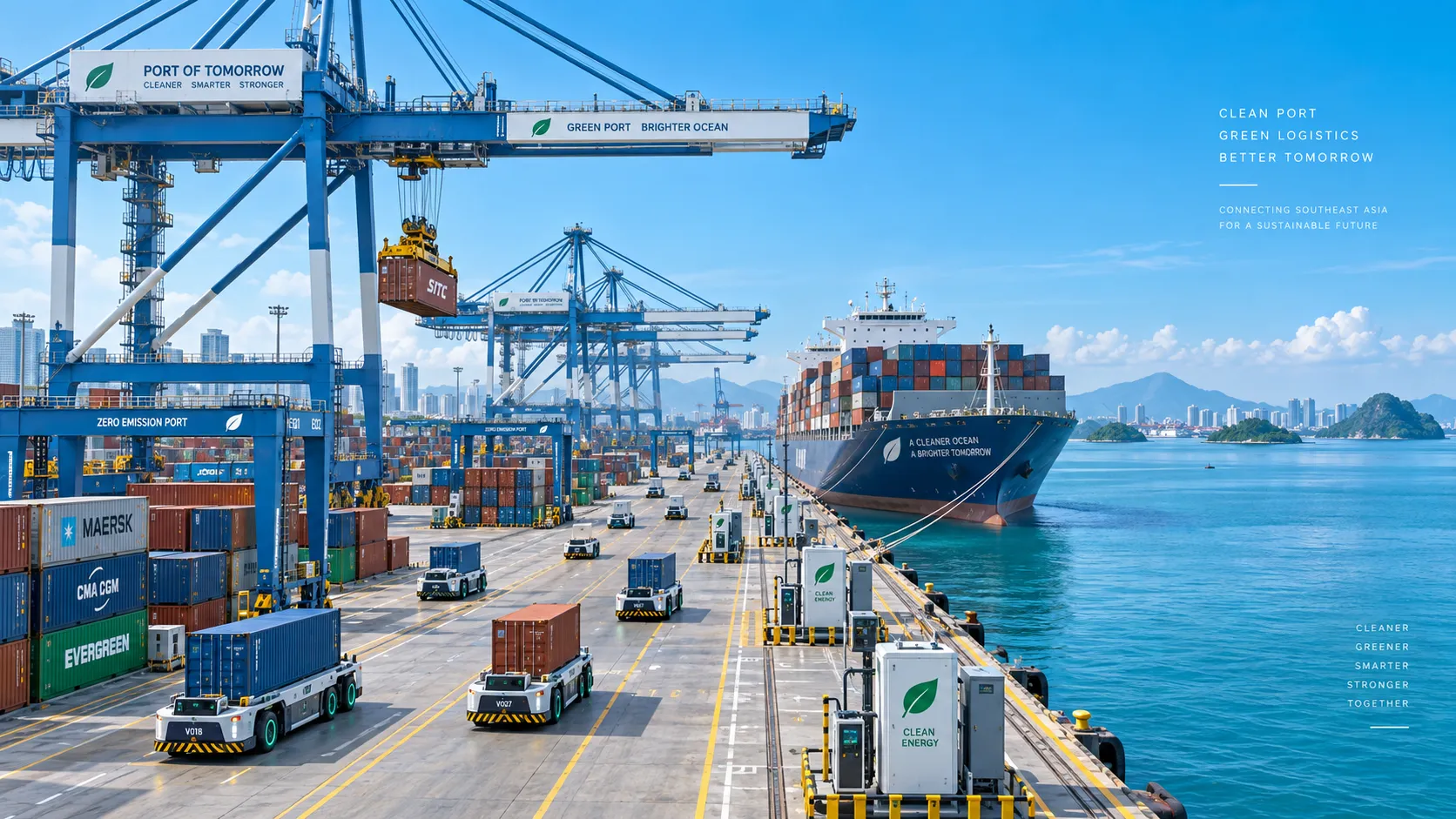
Smart Port Systems in Southeast Asia: Investment Priorities and Adoption Barriers
Smart port systems Southeast Asia: discover investment priorities, adoption barriers, and practical steps to build resilient, connected, high-performing terminals.

How to Evaluate Terminal Efficiency Solution Suppliers for High-Throughput Operations
Choose a terminal efficiency solutions supplier with confidence. Explore proven criteria for throughput, integration, lifecycle cost, safety, and reliable delivery.
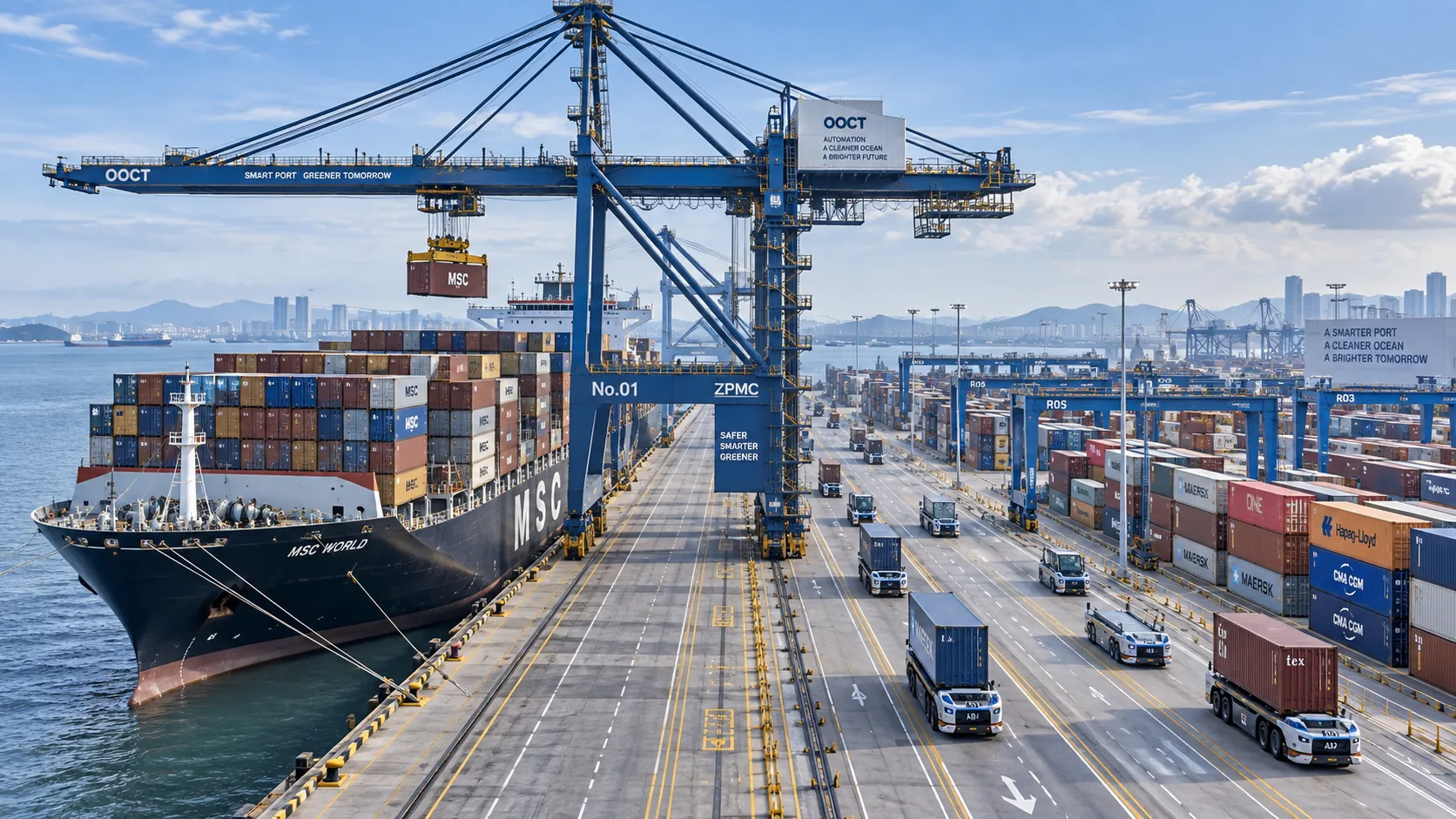
How to Specify a Quay Crane for Container Terminals by Vessel Size and Throughput?
Quay crane for container terminals: learn how to match outreach, lift height, capacity, automation, and cycle performance to vessel size and throughput goals.
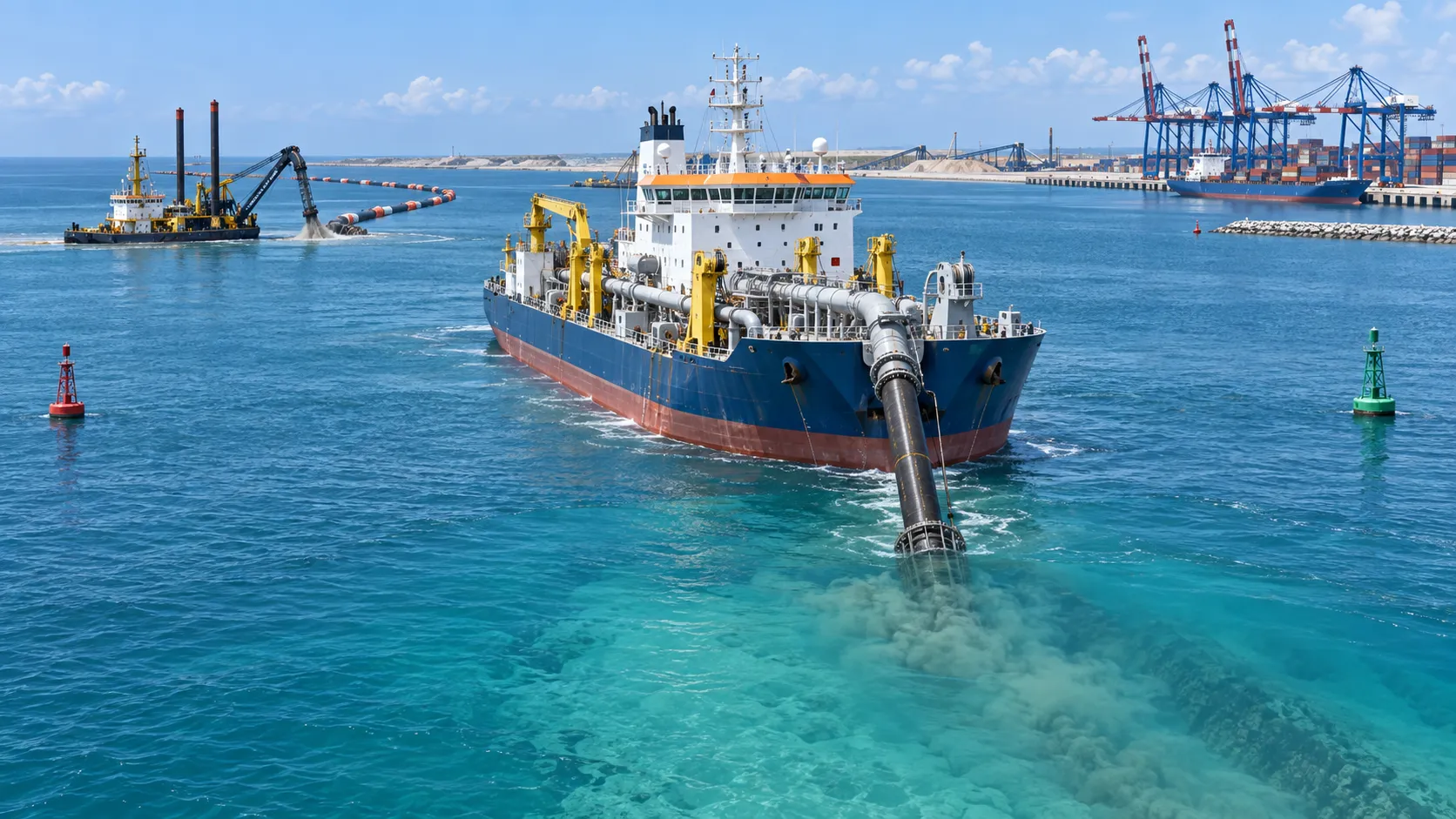
What Dredging Equipment Is Needed for Channel Deepening?
What dredging equipment is needed for channel deepening? Explore dredgers, pipelines, survey tools, and planning strategies for safer, more efficient port access.
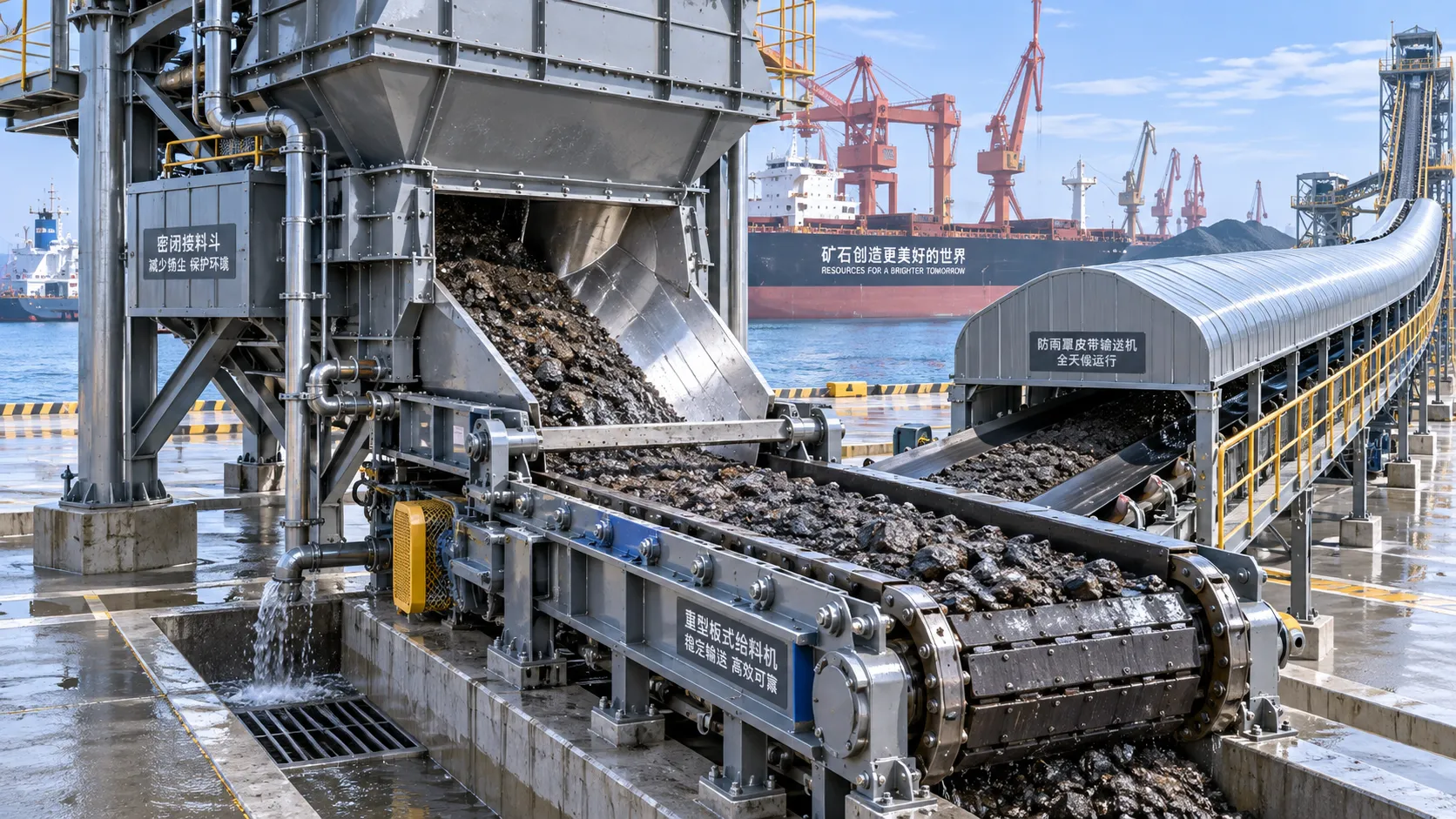
Which Bulk Handling Equipment Suits High-Moisture Cargo?
Which bulk handling equipment suits high-moisture cargo? Compare belt, apron, screw, drag, and slurry systems for reliable flow, less carryback, and higher terminal uptime.
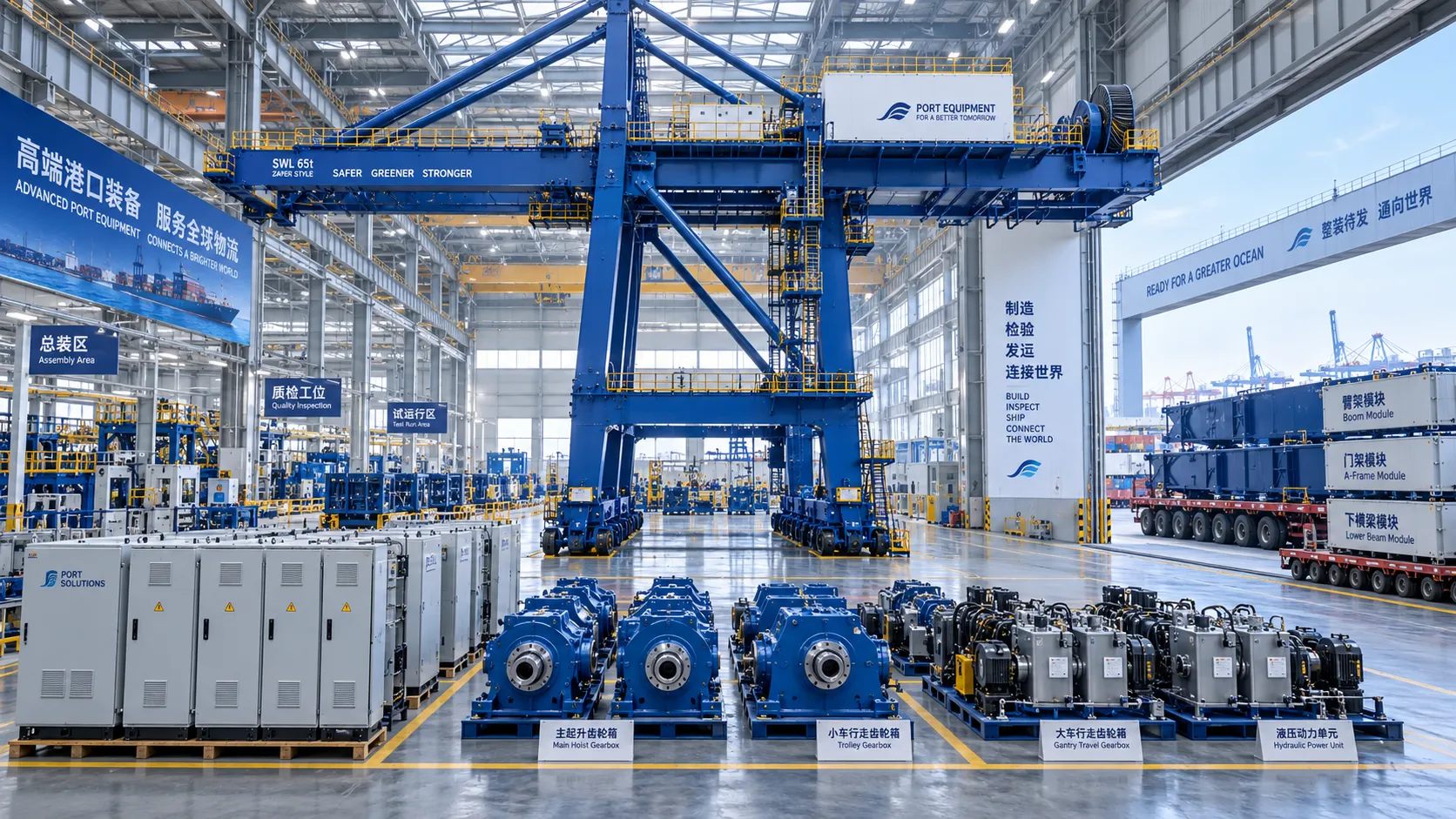
How Can Port Equipment Lead-Time Risk Be Managed?
How can port equipment lead-time risk be managed? Explore practical strategies to control critical paths, suppliers, transport, site readiness, and commissioning delays.
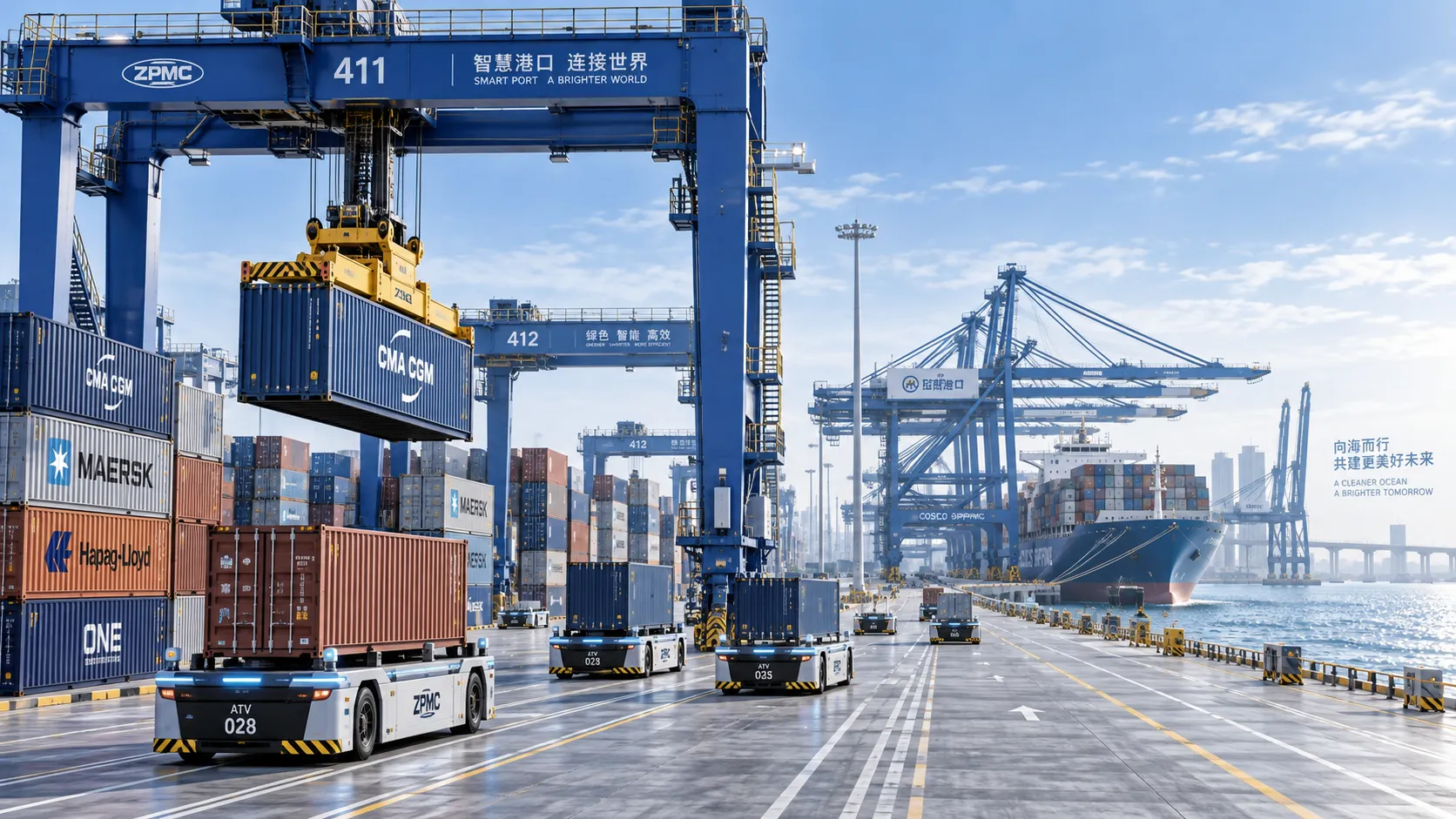
Terminal Automation Technologies That Raise Container Throughput Without Yard Disruption
Terminal automation technology that increases container throughput without disrupting yard flow. Explore smarter integration, resilient workflows, and phased deployment strategies.
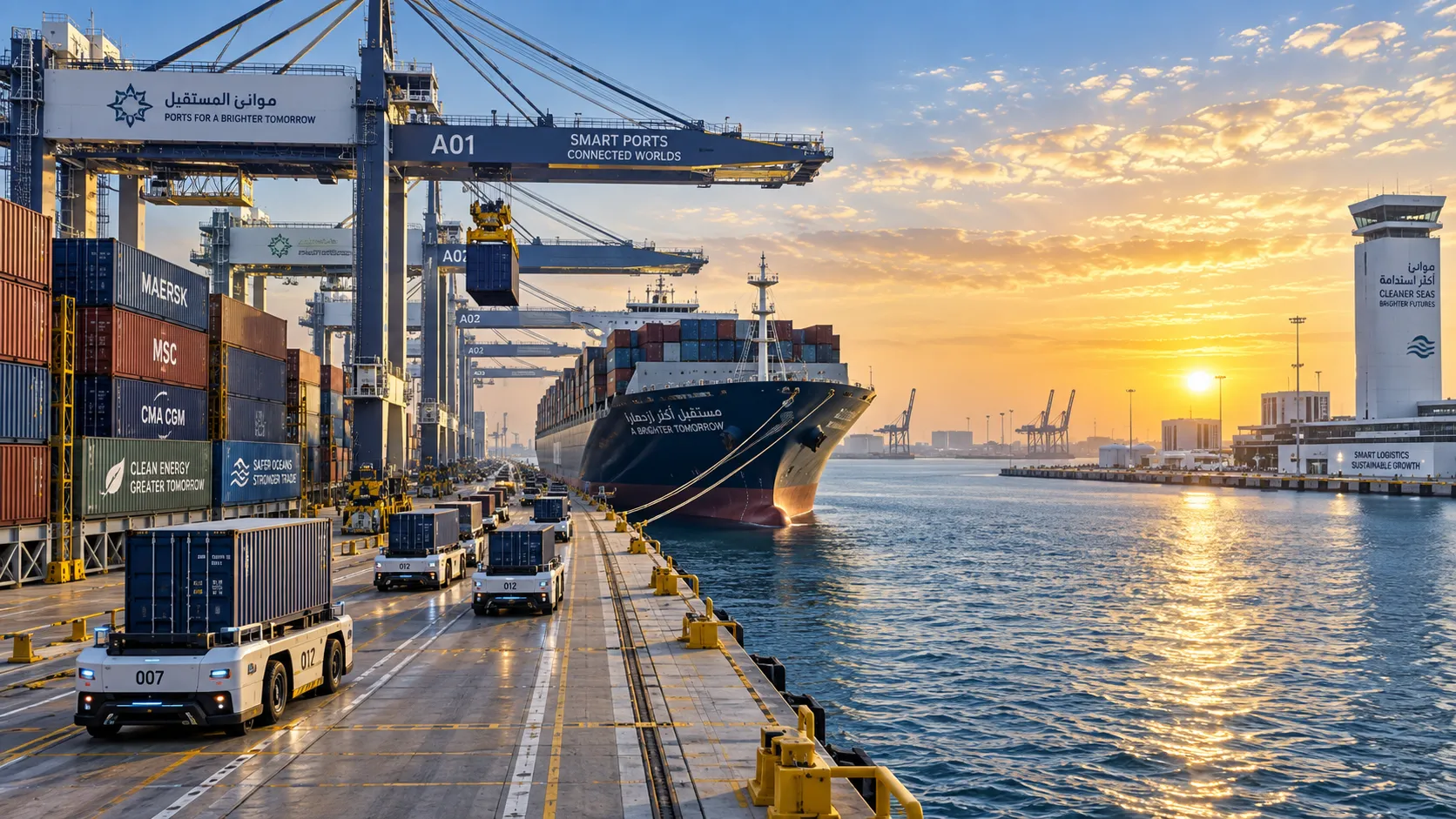
Middle East Port Automation: Key Market Drivers, Projects, and Investment Risks
Port automation systems Middle East: explore market drivers, flagship projects, integration challenges, and investment risks shaping smarter, resilient terminals.
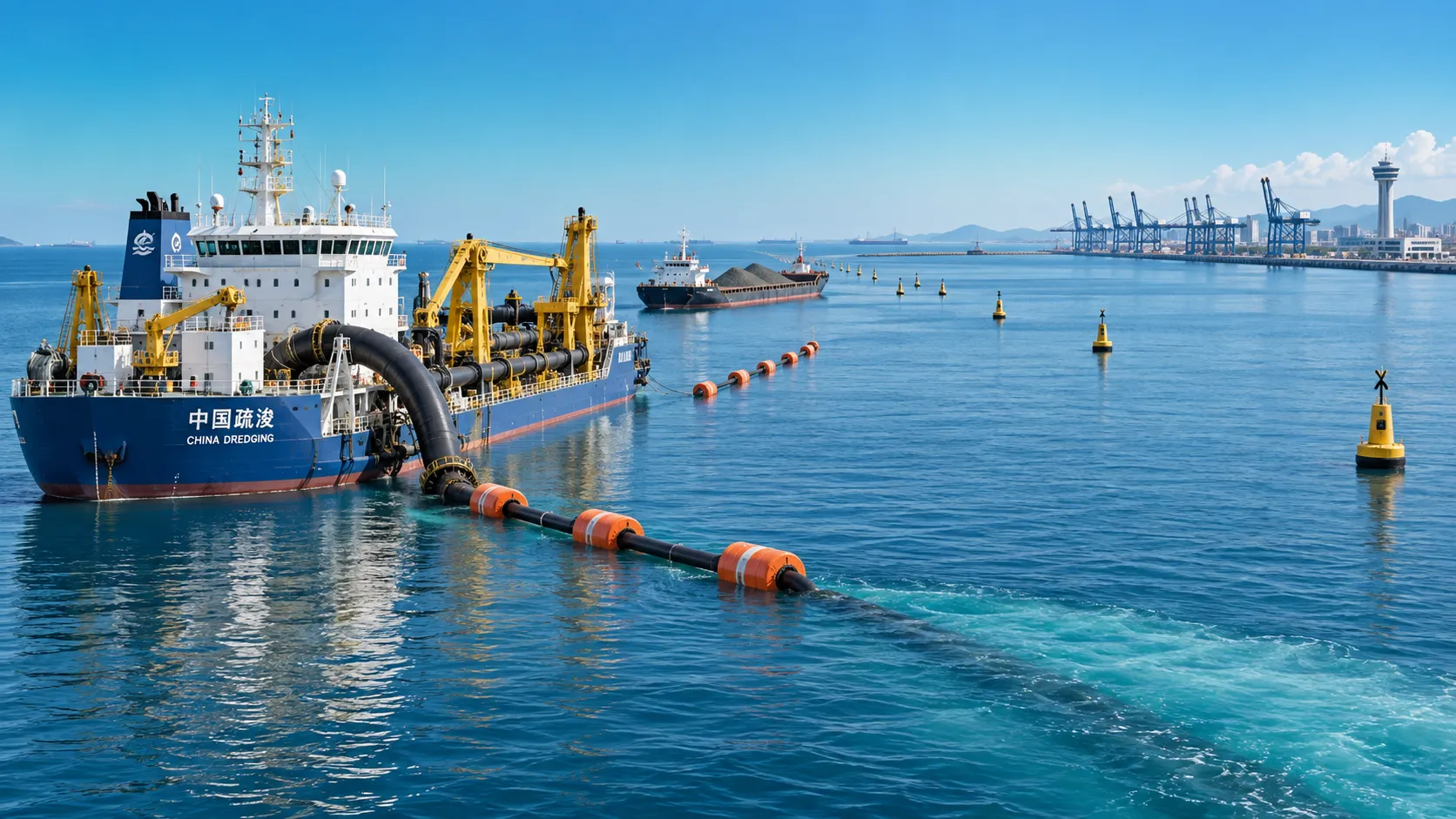
Planning Offshore Dredging Operations: Key Risks, Methods, and Project Controls
Offshore dredging operations demand smart planning. Explore key risks, proven methods, environmental controls, and project strategies for reliable delivery.