Related News
- 00
0000-00
How to Evaluate Terminal Efficiency Solution Suppliers for High-Throughput Operations - 00
0000-00
What to Consider When Buying Electric Port Machinery for Container Terminals - 00
0000-00
How to Select Container Handling Equipment for Middle East Ports and Terminals - 00
0000-00
How to Evaluate a Port Machinery Exporter for Large-Scale Terminal Projects - 00
0000-00
Evaluating a Dredging Equipment Manufacturer for Mining Plant Supply
Container Handling Equipment for Terminals: Which Specifications Matter Most?
Container Handling Equipment for Terminals: Which Specifications Matter Most?
Choosing container handling equipment for terminals is not only about rated lifting power.
It shapes yard density, truck cycle time, maintenance exposure, energy use, and long-term return.
That is why procurement decisions should start with operating reality, not brochure highlights.
In modern terminals, the right container handling equipment for terminals must match throughput targets, layout limits, labor strategy, and automation plans.
A machine can look impressive on paper and still underperform in a live yard.
The key is to evaluate specifications that affect daily output, service life, and total cost.
Start with the terminal operating profile
Before comparing models, define the job the equipment must actually do.
Container handling equipment for terminals serves very different roles across quay transfer, yard stacking, rail support, and gate operations.
The same fleet strategy rarely fits all terminal types.
A transshipment hub may prioritize speed and stacking density.
An inland-linked gateway may care more about truck interface and mixed container flows.
Clarify these baseline questions first:
- Average and peak moves per hour
- Import, export, empty, and reefer ratio
- Required stacking height and row width
- Pavement strength and turning space
- Expected duty cycle per shift and per year
- Power supply constraints and emission targets
- Future automation or remote control roadmap
This step prevents overbuying capacity that never gets used or underbuying performance that becomes a bottleneck within two seasons.
Lifting capacity matters, but not alone
Rated load is still a core specification for container handling equipment for terminals.
But procurement teams should read capacity figures carefully.
Check whether the rating applies to laden containers, twin-lift operation, or specific load centers.
A headline number may not represent real working conditions.
More importantly, capacity must be read together with outreach, stacking height, and travel stability.
For example, a reach stacker with strong lift ratings may still lose productivity if boom extension slows cycle times.
In practical buying terms, usable capacity beats maximum advertised capacity.
What to verify
- Lifting capacity at each stacking row
- Performance with 20ft, 40ft, and empty containers
- Twin-lift or tandem spreader compatibility
- Stability under crosswind and uneven yard surfaces
- Cycle speed under full working load
Stacking height and yard density drive land efficiency
Land use is one of the biggest cost drivers in terminal operations.
That makes stacking height a high-priority specification in container handling equipment for terminals.
Higher stacking can improve storage density, but only if retrieval speed stays acceptable.
This is where equipment type changes the equation.
RTGs, RMGs, straddle carriers, and reach stackers each balance density and mobility differently.
A yard designed for narrow aisles may favor gantry solutions.
A more flexible mixed-use terminal may accept lower density for easier repositioning.
Recent terminal upgrades show a clear trend toward pairing higher density with better yard software, not just taller stacks.
Key checks
- Maximum stacking tiers in actual operation
- Required aisle width and turning radius
- Ground bearing pressure and pavement wear
- Impact on reshuffle frequency
- Compatibility with yard planning logic
Powertrain choice changes lifetime cost
Diesel, hybrid, battery-electric, and cable-powered systems all bring different tradeoffs.
For container handling equipment for terminals, energy architecture now affects procurement more than it did five years ago.
Fuel savings alone are not enough for comparison.
You also need to review charging windows, grid capacity, maintenance skill requirements, and emission compliance.
Battery-electric units can reduce local emissions and noise.
However, they may introduce infrastructure costs and availability risks if charging strategy is weak.
In high-utilization yards, powertrain selection should be modeled across at least seven to ten years.
Evaluate beyond purchase price
- Energy consumption per container move
- Battery cycle life or engine overhaul interval
- Charging, refueling, or cable management downtime
- Spare parts access and technician capability
- Emission regulation exposure in target markets
Duty cycle and reliability often separate good assets from expensive ones
This is one of the most overlooked areas in container handling equipment for terminals.
Two machines with similar specifications can produce very different ownership outcomes.
The difference usually appears in duty cycle design, structural fatigue resistance, and service accessibility.
A terminal that runs nearly around the clock cannot treat reliability as a secondary feature.
Ask suppliers for data on mean time between failures, planned maintenance intervals, and component replacement logic.
Also review access points for hydraulic systems, spreader parts, wheel assemblies, and control cabinets.
Maintenance hours lost each month can erase any savings gained at the negotiation table.
Automation readiness is now a core specification
Even if full automation is not immediate, compatibility matters now.
Container handling equipment for terminals should fit the terminal operating system, fleet management layer, and future remote-control architecture.
This matters more as labor pressure, safety expectations, and throughput variability increase.
At minimum, equipment should support sensor integration, position accuracy, data logging, and interface standards.
More advanced terminals may require anti-sway systems, OCR links, remote diagnostics, and semi-autonomous job execution.
Buying without this view can lock the yard into costly retrofit programs later.
Ask suppliers these questions
- Which APIs or communication protocols are supported?
- Can the machine connect with TOS, ERP, and maintenance platforms?
- What remote diagnostics functions are included?
- Is the control system ready for autonomous or remote upgrade paths?
- What cybersecurity measures protect operational data?
Operator visibility, safety, and ergonomics still affect output
Not every performance issue comes from engine power or software logic.
In manually operated container handling equipment for terminals, visibility and ergonomic design shape real productivity.
Blind spots slow handling and increase minor incidents.
Poor cabin design increases fatigue, especially during night shifts or bad weather.
This also affects training time and workforce retention.
Review camera coverage, control response, seat suspension, HVAC performance, and noise levels.
A safer machine usually becomes a faster machine in sustained operation.
Build the decision around total cost of ownership
The best buying decision rarely comes from the lowest bid.
For container handling equipment for terminals, total cost of ownership is the most useful comparison framework.
That includes acquisition, infrastructure, energy, labor, maintenance, downtime, and residual value.
A higher upfront investment may deliver lower cost per move over the asset life.
This is especially true when utilization is high and service support is strong.
A practical shortlist for procurement
When comparing container handling equipment for terminals, focus on a shortlist that directly links specification to business impact.
The most important items are usually these:
- Usable lifting performance under real yard conditions
- Stacking height and density effect
- Energy system and long-run operating cost
- Duty cycle durability and serviceability
- Automation compatibility and data integration
- Safety, visibility, and workforce usability
- Supplier support quality and lifecycle commitment
In the current market, the smarter question is not which machine has the biggest headline number.
It is which container handling equipment for terminals will keep moves flowing with the lowest lifetime friction.
That shift in thinking usually leads to stronger procurement outcomes.
Use specifications as decision tools, tie them to cost per move, and the final investment case becomes much clearer.
Related News
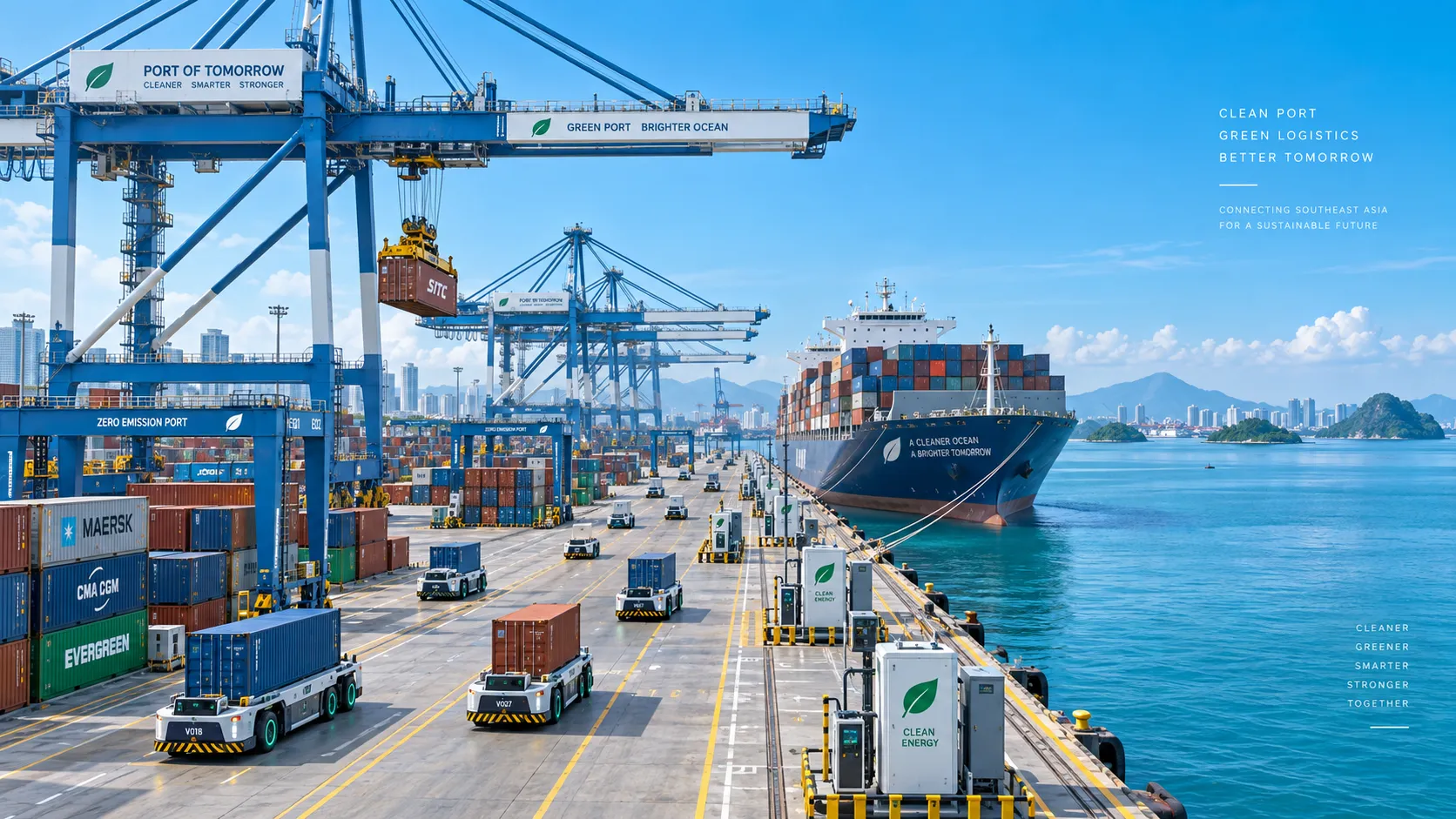
Smart Port Systems in Southeast Asia: Investment Priorities and Adoption Barriers
Smart port systems Southeast Asia: discover investment priorities, adoption barriers, and practical steps to build resilient, connected, high-performing terminals.
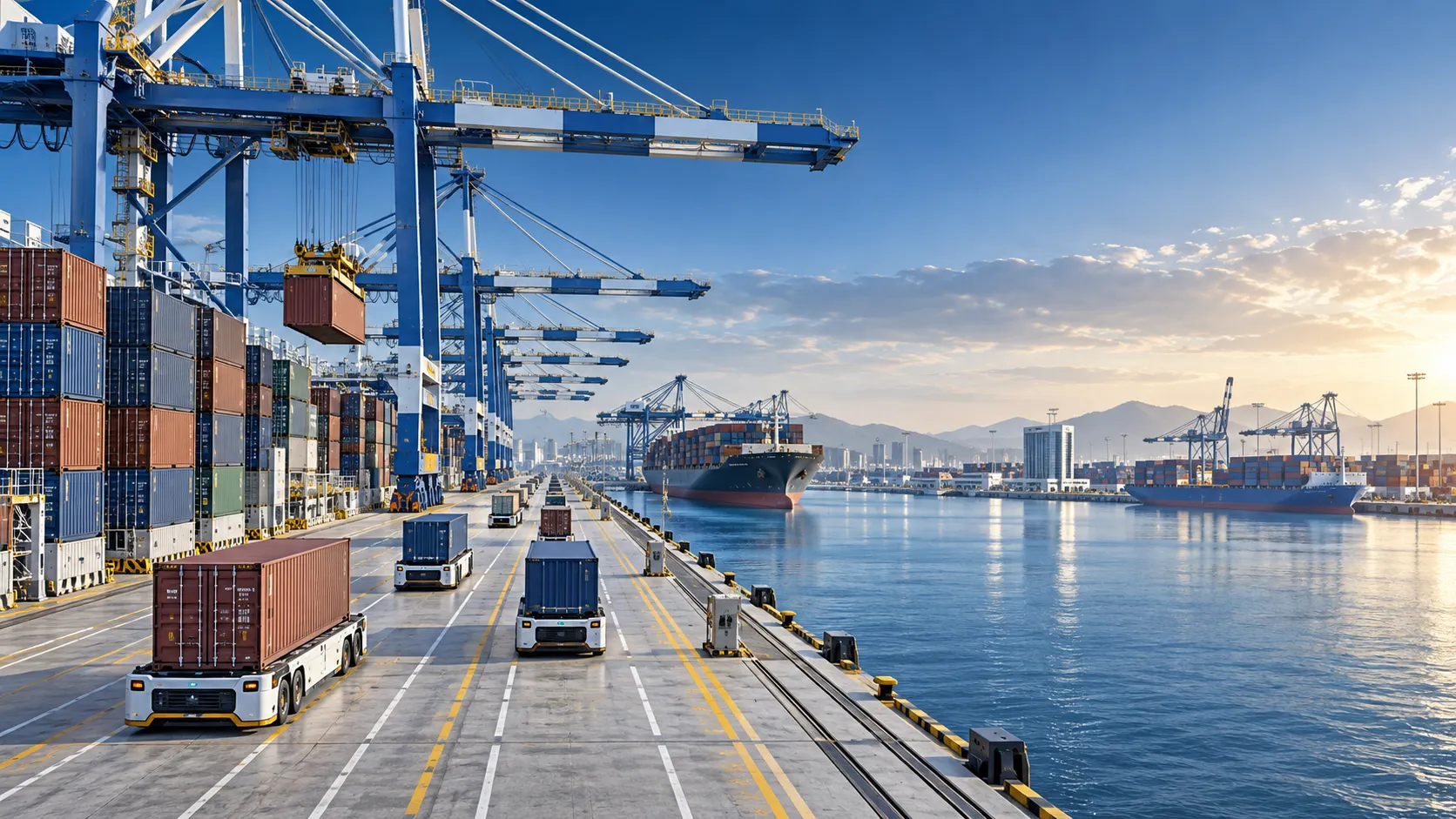
How to Evaluate Terminal Efficiency Solution Suppliers for High-Throughput Operations
Choose a terminal efficiency solutions supplier with confidence. Explore proven criteria for throughput, integration, lifecycle cost, safety, and reliable delivery.
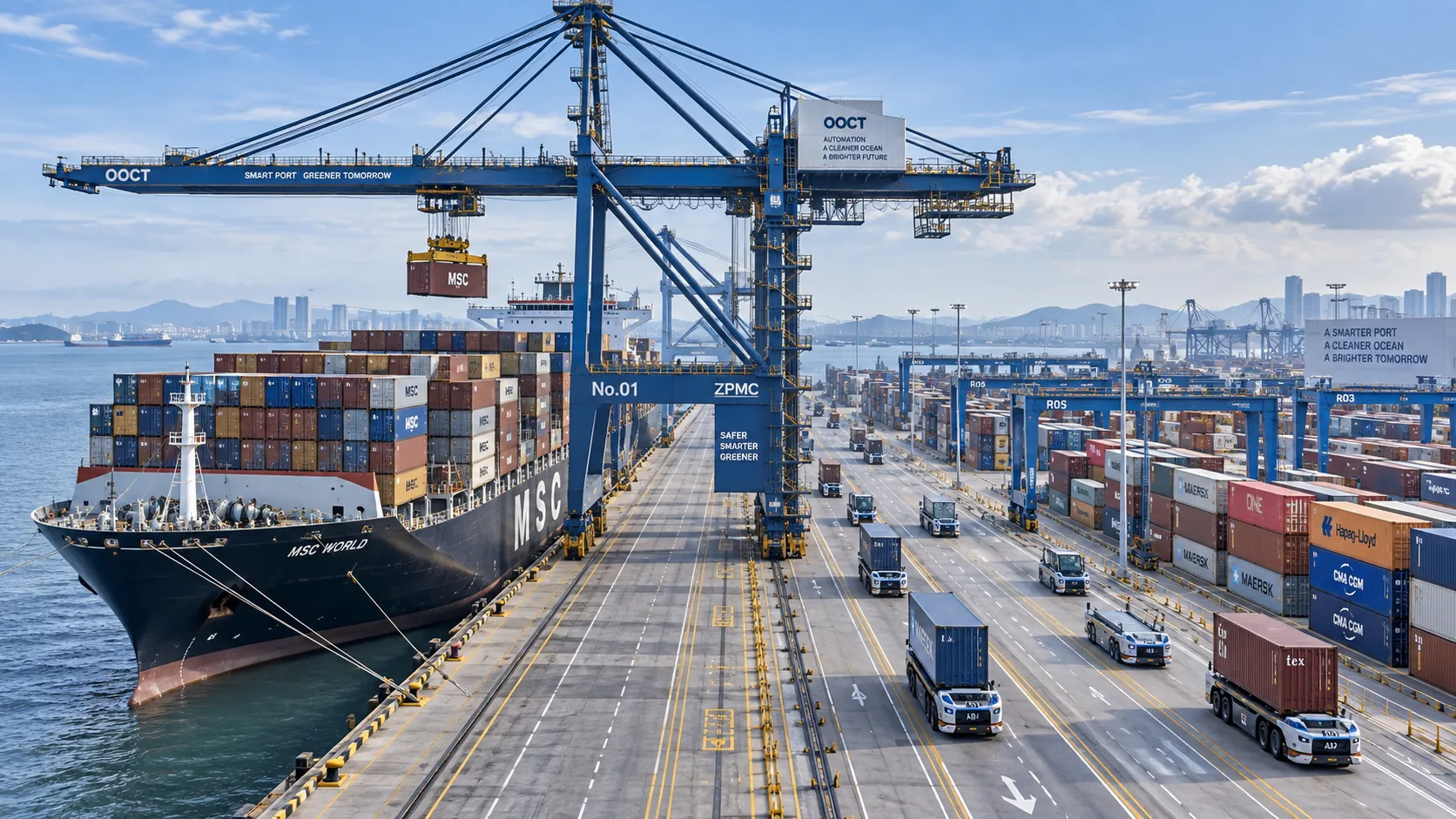
How to Specify a Quay Crane for Container Terminals by Vessel Size and Throughput?
Quay crane for container terminals: learn how to match outreach, lift height, capacity, automation, and cycle performance to vessel size and throughput goals.
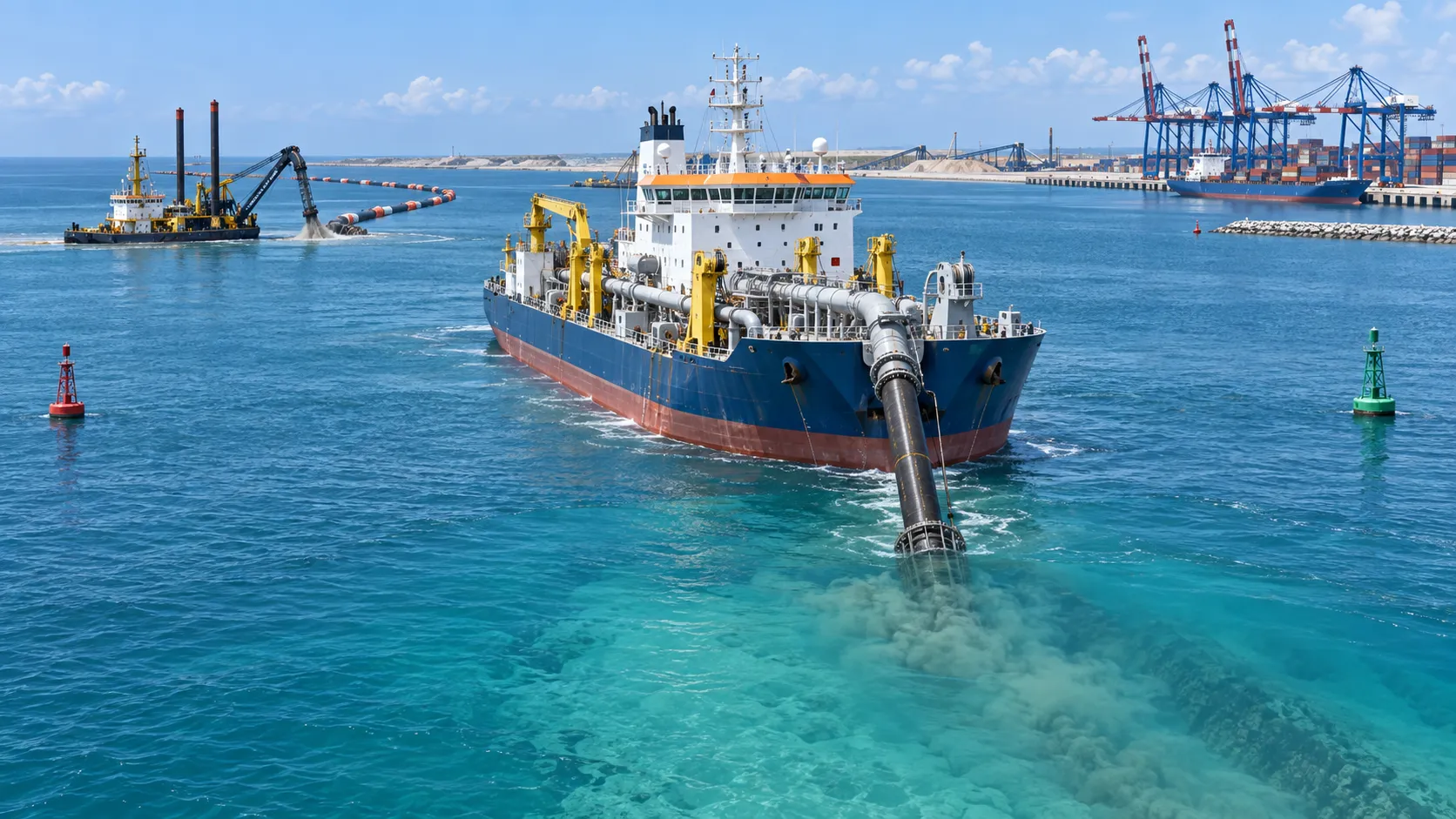
What Dredging Equipment Is Needed for Channel Deepening?
What dredging equipment is needed for channel deepening? Explore dredgers, pipelines, survey tools, and planning strategies for safer, more efficient port access.
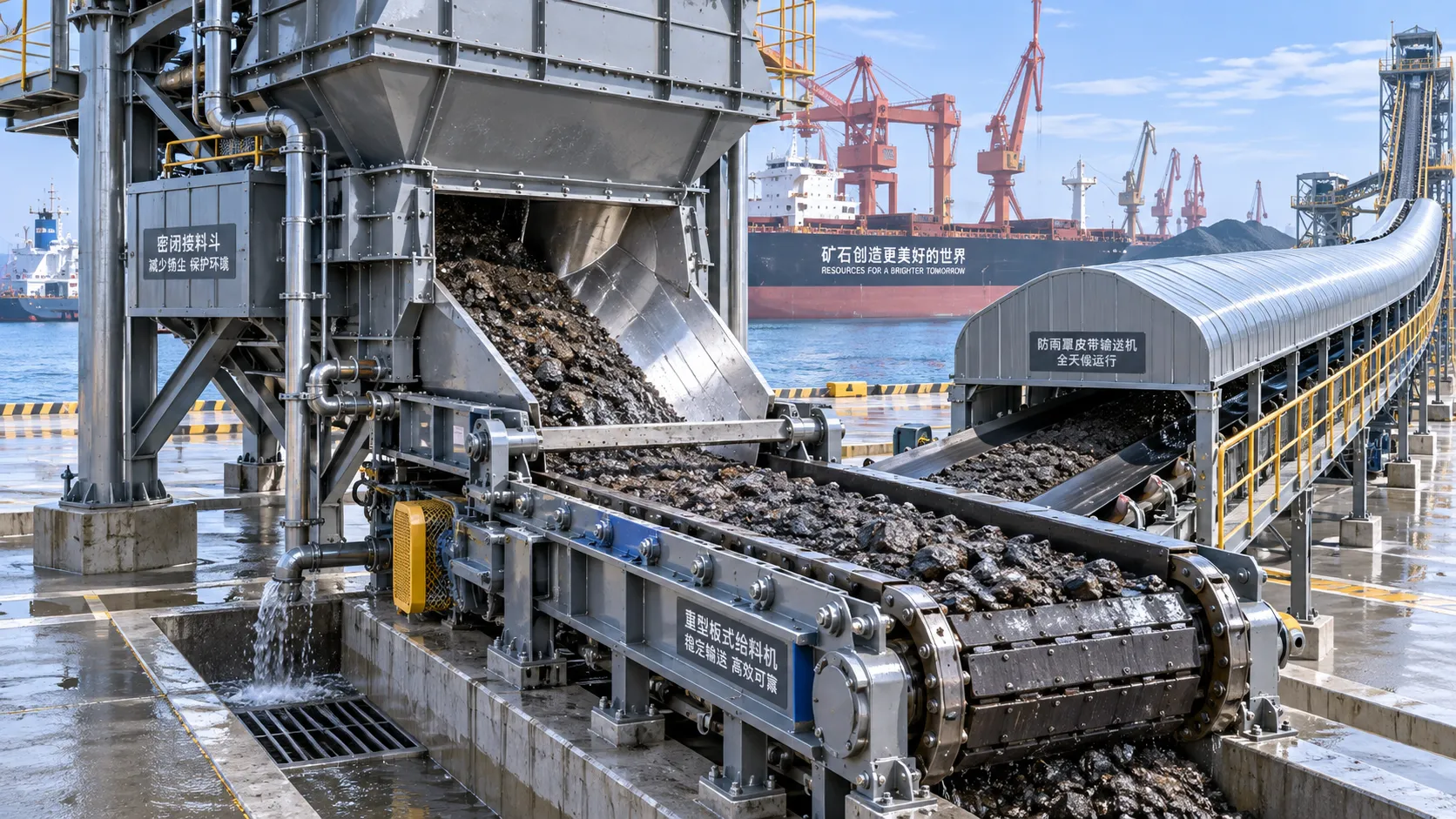
Which Bulk Handling Equipment Suits High-Moisture Cargo?
Which bulk handling equipment suits high-moisture cargo? Compare belt, apron, screw, drag, and slurry systems for reliable flow, less carryback, and higher terminal uptime.
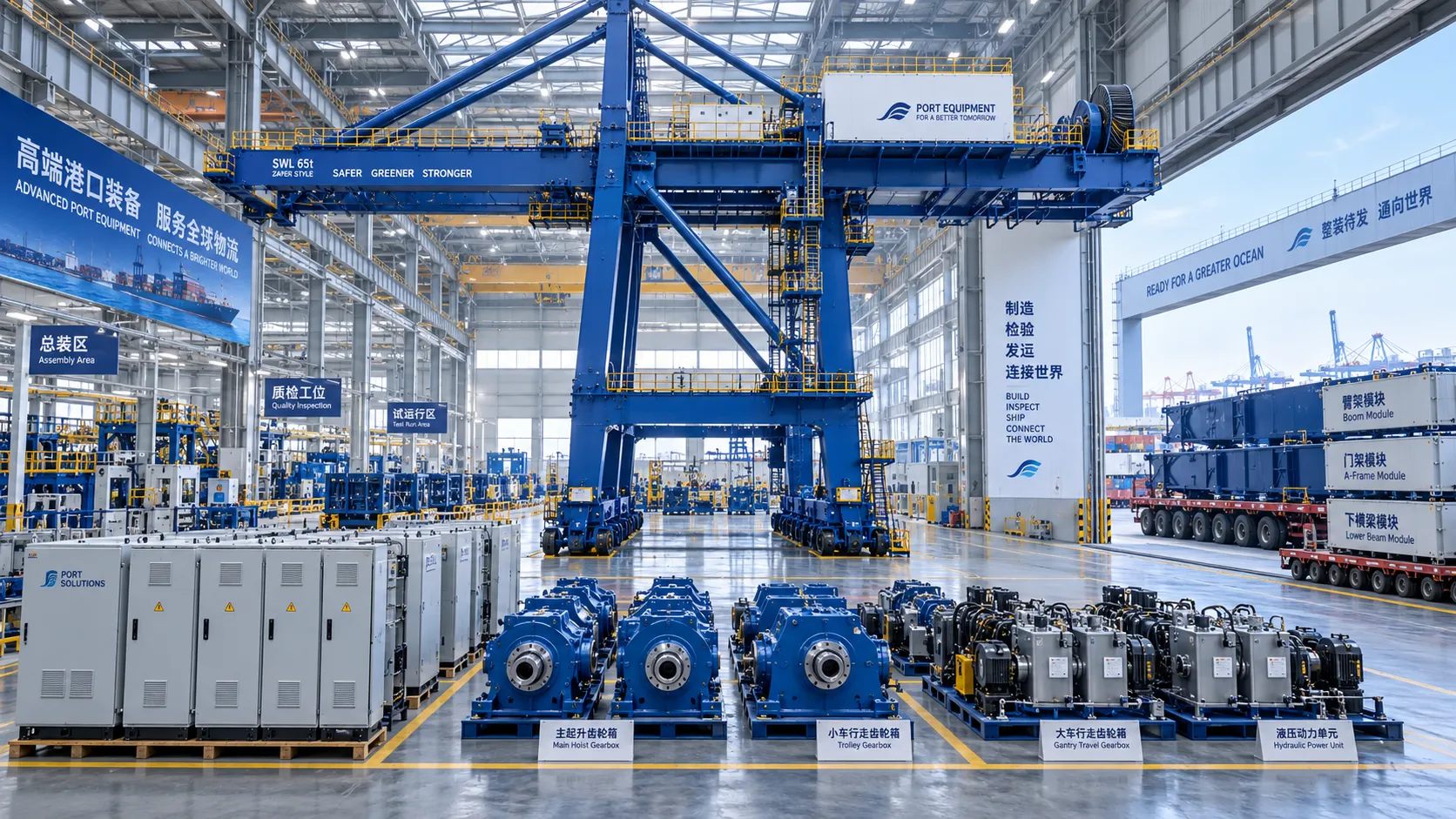
How Can Port Equipment Lead-Time Risk Be Managed?
How can port equipment lead-time risk be managed? Explore practical strategies to control critical paths, suppliers, transport, site readiness, and commissioning delays.
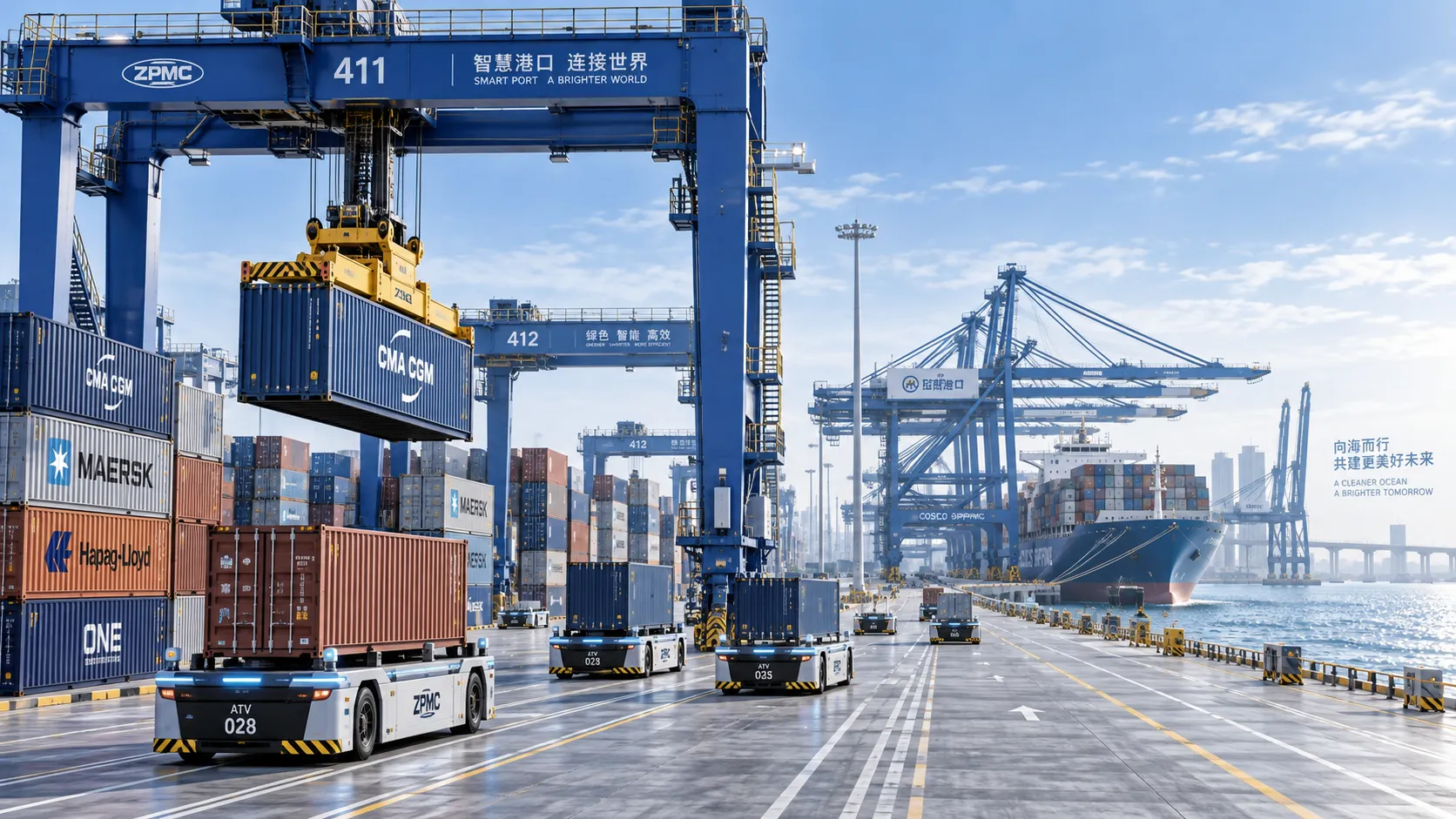
Terminal Automation Technologies That Raise Container Throughput Without Yard Disruption
Terminal automation technology that increases container throughput without disrupting yard flow. Explore smarter integration, resilient workflows, and phased deployment strategies.
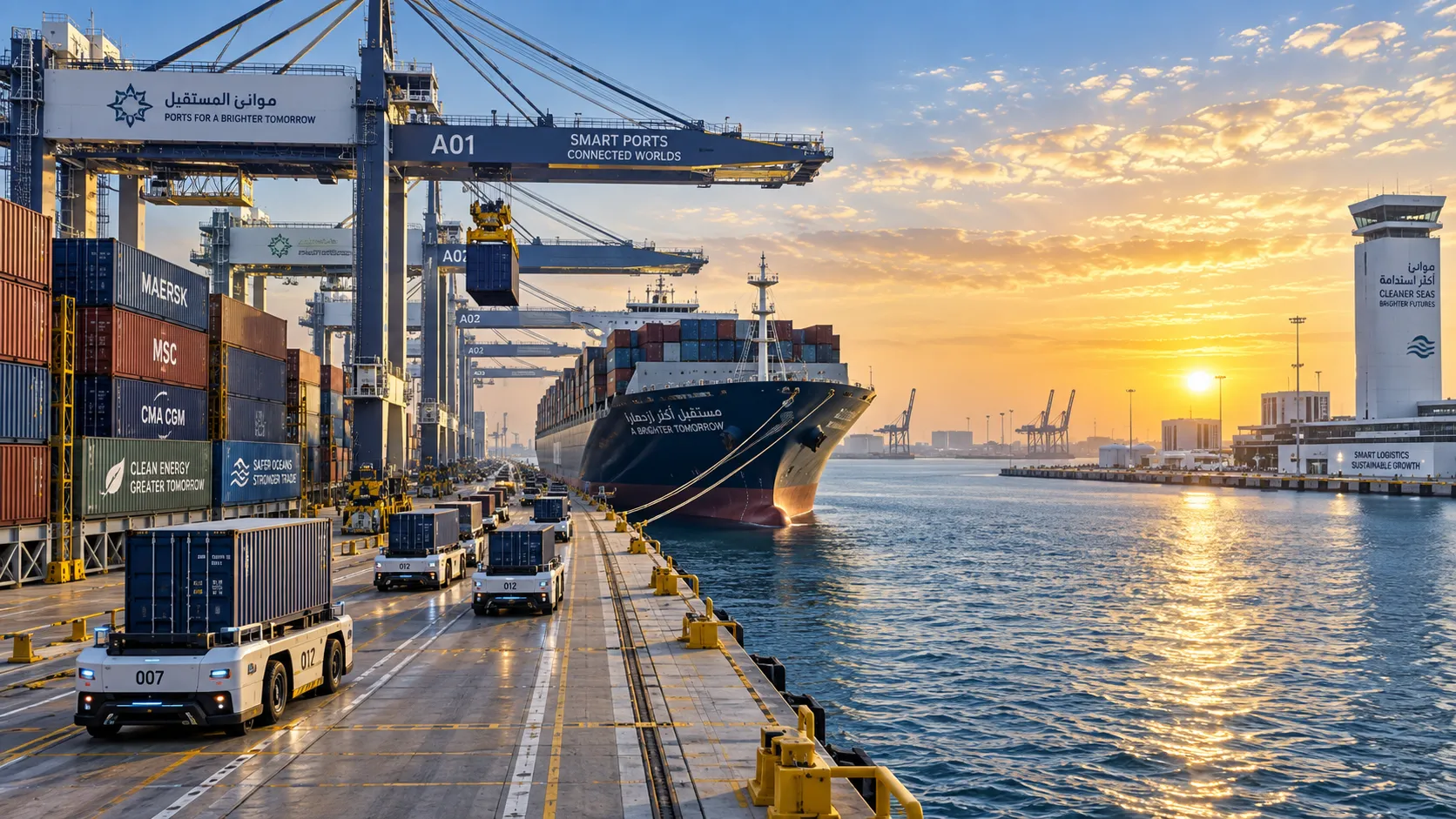
Middle East Port Automation: Key Market Drivers, Projects, and Investment Risks
Port automation systems Middle East: explore market drivers, flagship projects, integration challenges, and investment risks shaping smarter, resilient terminals.
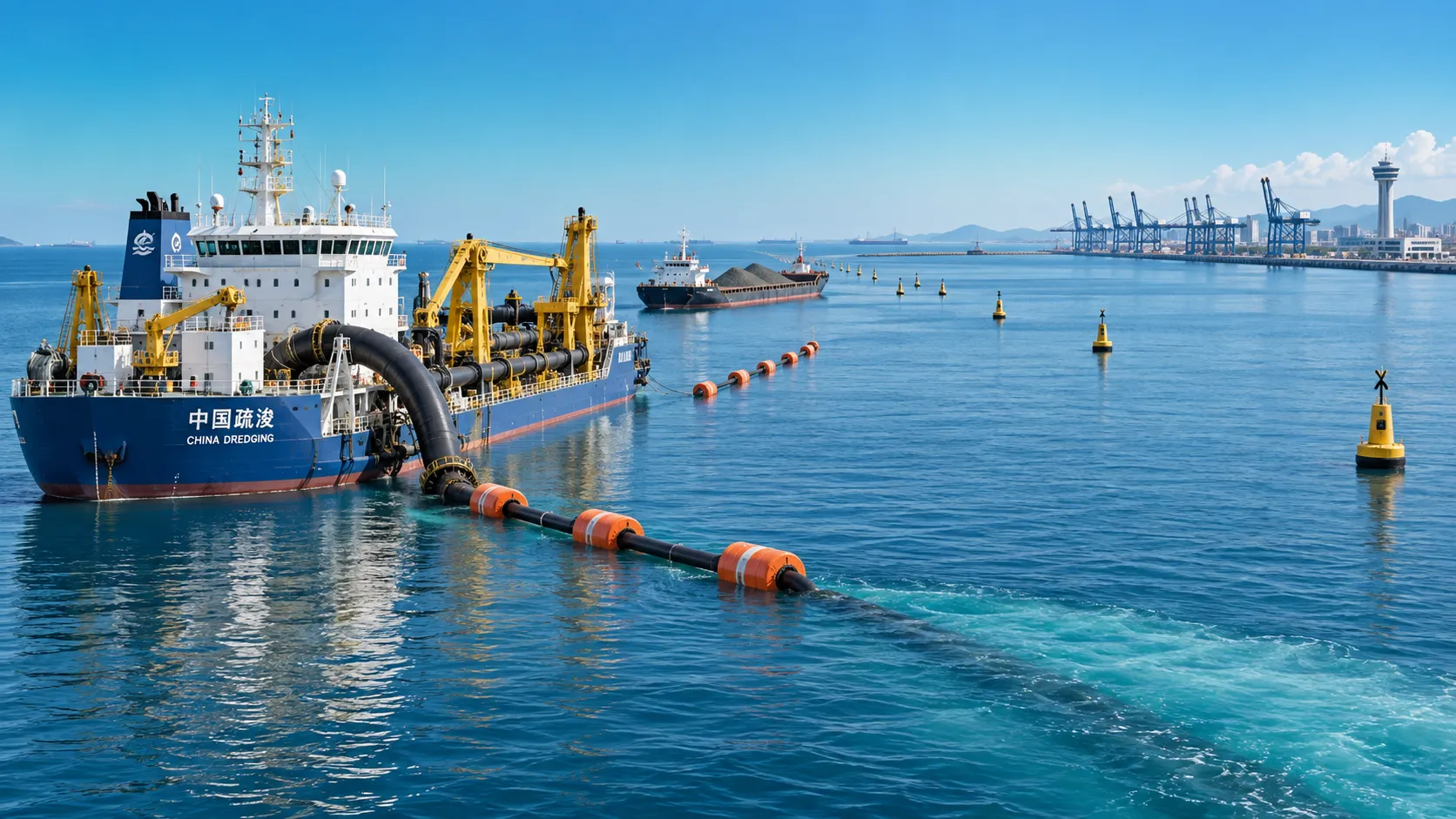
Planning Offshore Dredging Operations: Key Risks, Methods, and Project Controls
Offshore dredging operations demand smart planning. Explore key risks, proven methods, environmental controls, and project strategies for reliable delivery.