Related News
- 00
0000-00
How to Specify a Quay Crane for Container Terminals by Vessel Size and Throughput? - 00
0000-00
Which Bulk Handling Equipment Suits High-Moisture Cargo? - 00
0000-00
Terminal Automation Technologies That Raise Container Throughput Without Yard Disruption - 00
0000-00
Planning Offshore Dredging Operations: Key Risks, Methods, and Project Controls - 00
0000-00
Where Do Automated Guided Vehicles Deliver the Fastest Warehouse Gains in the Middle East?
Automated Guided Vehicles ISO Compliant: Which Standards Matter for Port Projects?
For port projects, making automated guided vehicles ISO compliant is not a formality buried in technical files. It shapes safe traffic behavior, system acceptance, maintenance discipline, and audit confidence across automated yards.
That matters even more in terminals where AGVs move beside cranes, charging systems, sensors, and control software. A weak standards strategy can leave serious gaps between equipment performance, safety claims, and actual operating conditions.
Within the PS-Nexus view of maritime logistics, AGV compliance sits at the junction of heavy machinery, scheduling logic, and terminal control. In other words, standards are not separate from productivity. They are part of how reliable automation is built.
Why ISO compliance has become a practical port issue
Container terminals are under pressure to raise throughput, reduce incident exposure, and support lower-emission operations. AGVs are central to that shift, especially in unmanned or semi-automated yard designs.
Yet AGVs do not operate in a closed laboratory setting. They interact with quay cranes, ASC blocks, gate systems, wireless networks, pavement conditions, and human intervention procedures.
Because of that, automated guided vehicles ISO compliant decisions are usually tied to broader project risk. They influence handover quality, commissioning speed, insurance review, and long-term operational consistency.
What many projects discover too late is simple: the question is not whether a vendor mentions compliance. The real question is which standards apply, how they were interpreted, and whether evidence matches the terminal scenario.
What “automated guided vehicles ISO compliant” should mean in practice
In procurement language, compliance is often reduced to a checklist. In port operations, that is too narrow. A useful compliance position should connect design, control logic, validation, and service conditions.
For AGVs, ISO compliance usually touches several layers at once:
- vehicle safety requirements;
- braking, stopping, and protective functions;
- electrical and control system integrity;
- functional safety architecture;
- integration with site-specific traffic rules.
That is why automated guided vehicles ISO compliant status should be read as a structured claim. It needs documented scope, boundary conditions, test records, and defined assumptions about the operating environment.
The standards that usually matter most
Not every ISO document carries the same weight in a port AGV project. Some shape the vehicle itself. Others govern the control system or the safety functions behind movement decisions.
ISO 3691-4 as a core reference
ISO 3691-4 is one of the most relevant references for driverless industrial trucks and their systems. It is frequently used as a baseline for AGV safety design and risk reduction measures.
For port projects, it helps frame requirements around safeguarding, obstacle detection, operating modes, speed control, manual intervention, and emergency behavior.
ISO 12100 for risk assessment logic
ISO 12100 provides the general methodology for machinery risk assessment and risk reduction. It is less about one component and more about disciplined hazard thinking.
This matters when AGVs operate near transfer points, maintenance zones, or mixed-traffic areas. If hazards are poorly defined, later compliance claims are usually weak.
ISO 13849 and functional safety expectations
Although often discussed with machinery safety more broadly, ISO 13849 is highly relevant where AGV protective functions depend on control reliability.
Safety-rated stopping, speed limitation, sensor fusion response, and emergency circuits need defined performance levels. Without that, automated guided vehicles ISO compliant statements remain incomplete.
ISO 13850 and emergency stop design
Emergency stop arrangements sound basic, but ports expose their weaknesses quickly. Button location, reset behavior, access during maintenance, and interaction with remote control all matter.
Electrical and environmental references
Depending on the system architecture, projects may also rely on related electrical safety and environmental protection standards. Salt air, rain, vibration, and charging interfaces can affect actual compliance performance.
Where port projects often get compliance wrong
One common problem is assuming factory compliance equals site compliance. It does not. Terminal layout, communication latency, lane geometry, and weather exposure can change the real risk profile.
Another issue is treating AGVs as standalone vehicles. In practice, they are part of a system that includes TOS links, fleet management software, charging logic, and crane handshake protocols.
That system view is central to PS-Nexus analysis of automated handling. Reliable performance comes from how heavy equipment and algorithmic scheduling work together under actual operational constraints.
A third mistake is overvaluing declarations and undervaluing evidence. Certificates help, but acceptance teams still need test procedures, failure mode records, and clear explanation of safety boundaries.
How to review compliance during specification and acceptance
A stronger review process starts before delivery. The earlier the standards map is defined, the fewer disputes appear during FAT, SAT, and operational ramp-up.
Useful review points usually include:
- which ISO standards are claimed, and for which subsystems;
- whether compliance is full, partial, or condition-based;
- how risk assessment reflects the actual port layout;
- what validation was completed for safety functions;
- how software updates may affect certified behavior;
- which exceptions require local procedural controls.
In actual use, the most valuable documents are rarely the glossy ones. Detailed interface descriptions, safety matrices, and incident response logic usually reveal more than a short compliance statement.
Compliance also affects reliability and operating economics
The business value of automated guided vehicles ISO compliant design is broader than injury prevention. It often supports smoother commissioning, fewer operating restrictions, and more stable handoffs between vendors.
It also improves change management. When the standards basis is clear, software revisions, route changes, and equipment additions can be reviewed against a known safety framework.
For ports pursuing net-zero and higher automation levels, this is increasingly important. Electrified fleets, smart charging, and dense yard orchestration introduce new dependencies that weak documentation cannot support.
What deserves attention next
For any terminal assessing AGV deployment, the next step is not just asking whether equipment is certified. It is building a project-specific compliance matrix around movement logic, safety functions, interfaces, and site conditions.
That review should be revisited when traffic density changes, software is updated, or yard processes are redesigned. In port automation, compliance is less a one-time stamp and more an operating discipline.
From the PS-Nexus perspective, the most resilient projects connect standards review with broader intelligence on terminal gear, control systems, and logistics evolution. That gives decision-makers a clearer basis for comparing vendors, validating risks, and planning expansion with fewer blind spots.
A useful starting point is simple: identify the exact ISO references behind each AGV claim, test those claims against the terminal scenario, and keep evidence aligned with how the port will actually run.
Related News
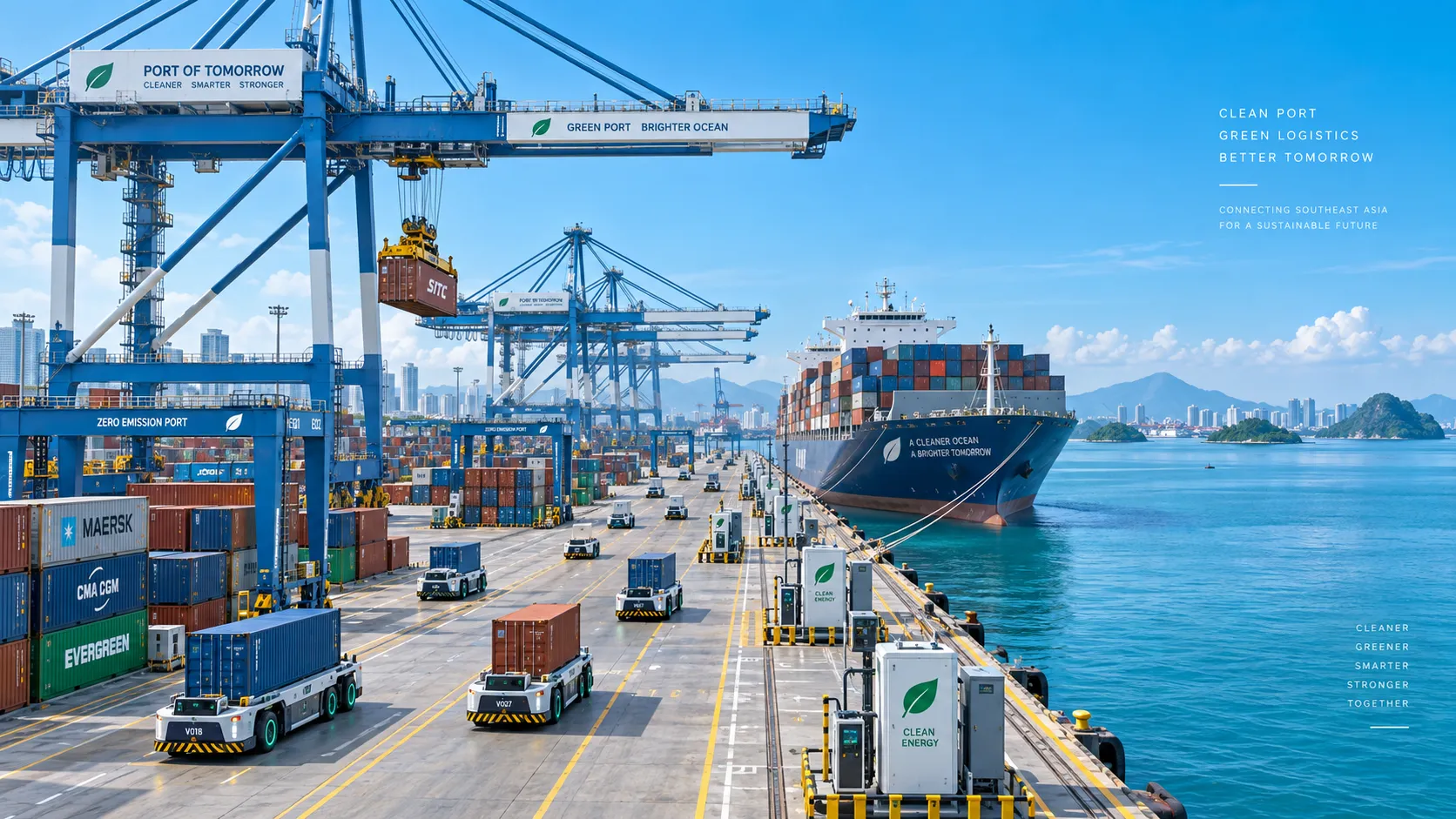
Smart Port Systems in Southeast Asia: Investment Priorities and Adoption Barriers
Smart port systems Southeast Asia: discover investment priorities, adoption barriers, and practical steps to build resilient, connected, high-performing terminals.

How to Evaluate Terminal Efficiency Solution Suppliers for High-Throughput Operations
Choose a terminal efficiency solutions supplier with confidence. Explore proven criteria for throughput, integration, lifecycle cost, safety, and reliable delivery.

How to Specify a Quay Crane for Container Terminals by Vessel Size and Throughput?
Quay crane for container terminals: learn how to match outreach, lift height, capacity, automation, and cycle performance to vessel size and throughput goals.

What Dredging Equipment Is Needed for Channel Deepening?
What dredging equipment is needed for channel deepening? Explore dredgers, pipelines, survey tools, and planning strategies for safer, more efficient port access.

Which Bulk Handling Equipment Suits High-Moisture Cargo?
Which bulk handling equipment suits high-moisture cargo? Compare belt, apron, screw, drag, and slurry systems for reliable flow, less carryback, and higher terminal uptime.
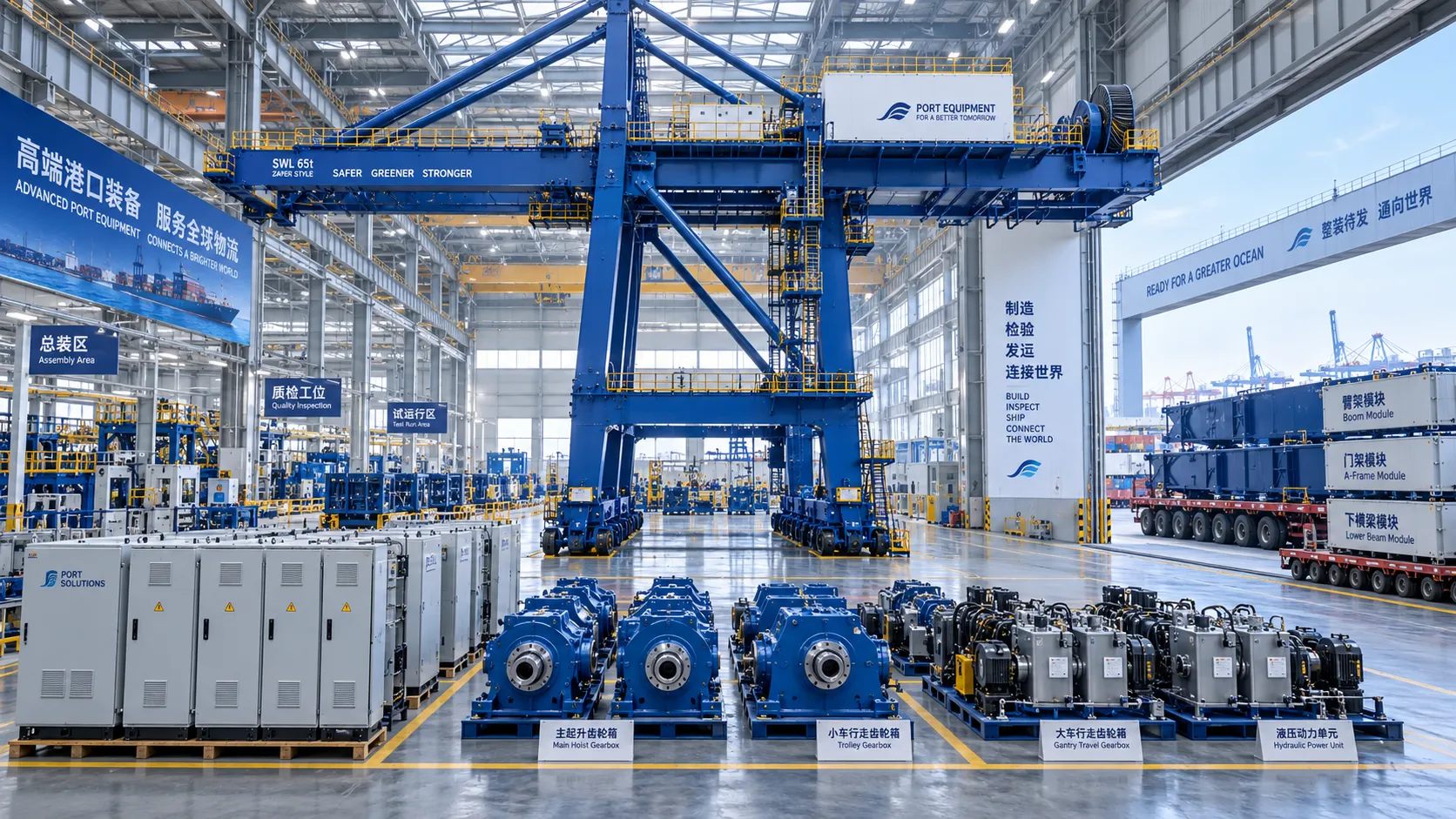
How Can Port Equipment Lead-Time Risk Be Managed?
How can port equipment lead-time risk be managed? Explore practical strategies to control critical paths, suppliers, transport, site readiness, and commissioning delays.

Terminal Automation Technologies That Raise Container Throughput Without Yard Disruption
Terminal automation technology that increases container throughput without disrupting yard flow. Explore smarter integration, resilient workflows, and phased deployment strategies.

Middle East Port Automation: Key Market Drivers, Projects, and Investment Risks
Port automation systems Middle East: explore market drivers, flagship projects, integration challenges, and investment risks shaping smarter, resilient terminals.
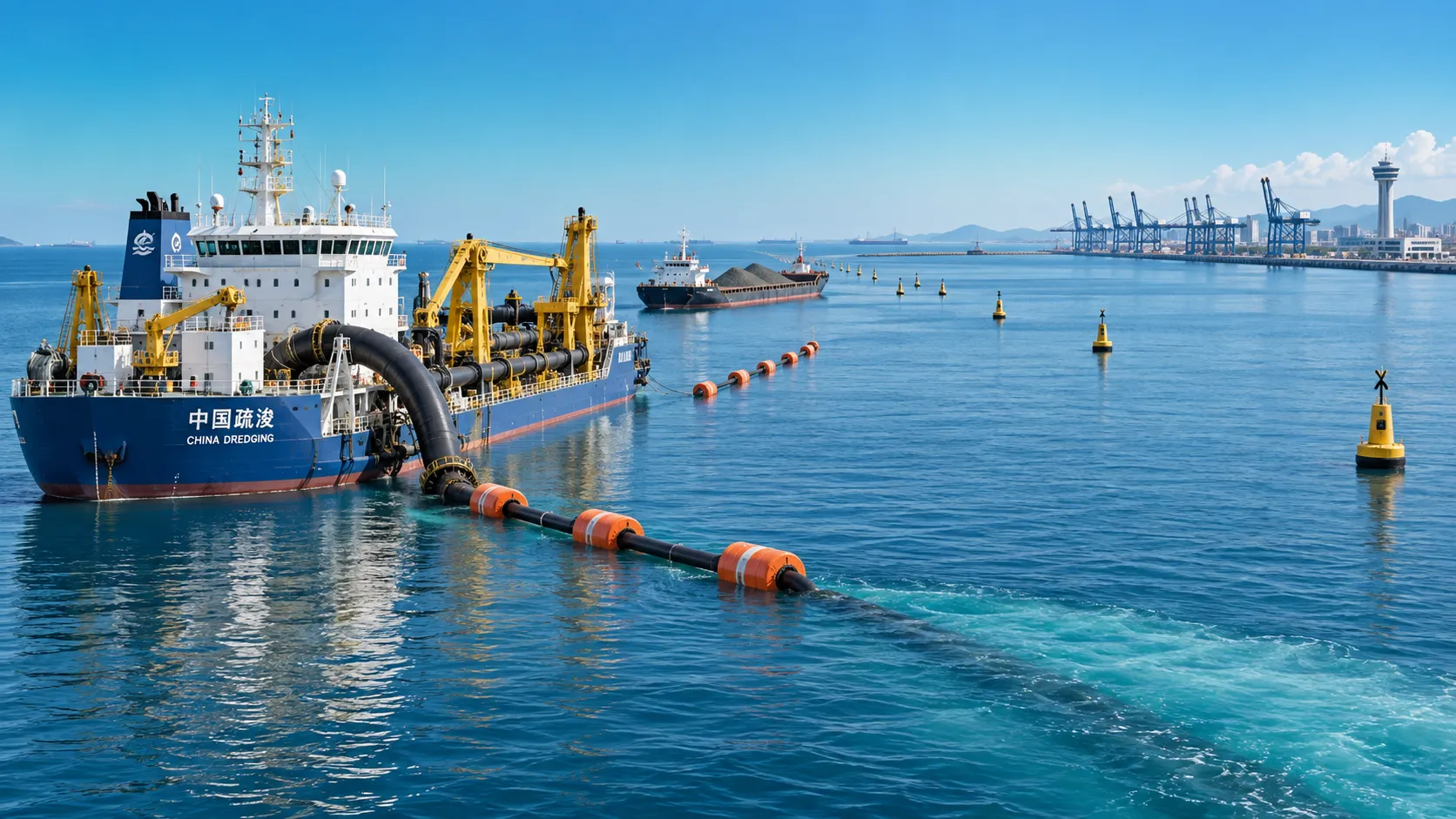
Planning Offshore Dredging Operations: Key Risks, Methods, and Project Controls
Offshore dredging operations demand smart planning. Explore key risks, proven methods, environmental controls, and project strategies for reliable delivery.