Related News
- 00
0000-00
Smart Port Systems Pricing: How to Compare Lifecycle Costs and ROI by Terminal Scale - 00
0000-00
What Drives Bulk Material Handling Pricing in Large Conveyor System Projects? - 00
0000-00
How Shipping Rate Analytics in Europe Help Importers Predict Costs and Route Risk - 00
0000-00
What Buyers Check When Reviewing Used PVC Coating Line Output and Condition - 00
0000-00
Automated Port Systems Cost Breakdown: CAPEX, Integration, and Maintenance Factors
Dust Control Bulk Cargo Handling Systems: What to Compare Before Budget Approval
Dust control bulk cargo handling systems: what should be clear before approval?
Dust control bulk cargo handling systems are often reviewed late, yet the financial impact starts much earlier.
A weak choice can trigger compliance exposure, lost throughput, extra cleanup, community complaints, and unstable maintenance spending.
A stronger choice protects cargo flow while keeping operating costs visible over the full asset life.
That matters across ports, dry bulk terminals, transfer stations, stockyards, and coastal logistics projects where handling intensity changes by season and vessel mix.
Within the PS-Nexus view of maritime logistics, dust control is not an isolated utility line.
It connects heavy terminal gear, bulk handling machinery, automation logic, and the wider economics of trade reliability.
So the real question is not whether dust control bulk cargo handling systems are necessary.
The question is what to compare before capital is committed.
Is this mainly a compliance purchase, or an operating performance decision?
It is both, and treating it as compliance-only usually leads to under-scoped budgets.
Dust emissions affect permit risk, worker conditions, housekeeping loads, and neighboring communities.
But they also affect reclaim rates, conveyor uptime, chute blockages, visibility, and wear on surrounding equipment.
In practical terms, dust control bulk cargo handling systems protect the process, not just the perimeter.
That is why budget comparison should include avoided losses, not only the purchase price.
Common value drivers include reduced washdown hours, lower spillage recovery, fewer shutdown interventions, and better loading consistency during wind exposure.
For high-volume terminals, even small dust-related interruptions can reshape annual economics.
This is especially relevant where PS-Nexus tracks large terminal gear and control systems as part of one operating chain.
Which comparison points matter more than headline equipment price?
The first filter is fit with the material and transfer points involved.
Coal, iron ore, clinker, sulfur, grain, fertilizer, and aggregates do not behave the same way.
Particle size, moisture range, drop height, enclosure quality, and wind exposure all change system performance.
The second filter is where suppression or capture happens.
Some dust control bulk cargo handling systems rely on water spray or foam at transfer points.
Others use dry fog, extraction, filtration, skirt sealing, telescopic loading arrangements, or mixed architectures.
The third filter is operational burden after commissioning.
A low bid can become expensive if nozzle clogging, filter replacement, corrosion, or pump instability creates constant interventions.
A useful comparison table should look like this.
The better budget discussions usually begin with these questions, not with brochure features.
How do you tell whether ROI is real or just modeled too aggressively?
Start by separating direct savings from protected revenue.
Direct savings can include cleanup labor, reduced water waste, lower consumables, and fewer dust-related component failures.
Protected revenue is often larger.
That covers avoided slowdowns during vessel loading, fewer transfer interruptions, and less unplanned stoppage in enclosed conveyors or hoppers.
A realistic model should use site-specific baselines.
If a proposal cannot map savings to actual tonnage, operating hours, cleanup records, or incident trends, the payback case is still weak.
Need a quick check? Focus on four tests.
- Are savings tied to measured current losses rather than broad percentages?
- Does the model include maintenance and consumable replacement?
- Is the design sized for peak throughput, not average days?
- Are shutdown and commissioning impacts priced into the total case?
This matters even more in automated terminal environments.
PS-Nexus frequently highlights how control architecture and mechanical design influence one another.
If dust events reduce sensor reliability or trigger manual intervention, the cost is larger than a maintenance line item.
What hidden costs often appear after installation?
Several hidden costs show up because the initial comparison was too narrow.
Water management is one of the most common.
Some dust control bulk cargo handling systems reduce airborne dust but create runoff, material buildup, or moisture sensitivity downstream.
Another cost appears in cold-weather or corrosive marine conditions.
Heat tracing, stainless upgrades, drain protection, and enclosure changes can shift lifecycle cost quickly.
Control complexity is another area to check.
A system that needs frequent manual tuning may conflict with smart port operating models and remote supervision targets.
More subtle costs include permit modifications, structural support, fan noise treatment, compressed air quality upgrades, and spare parts dependency on a single supplier.
In marine logistics, these secondary requirements often decide whether a project remains financially disciplined.
When comparing system types, what trade-offs are usually worth attention?
There is no universal best option because dust source conditions differ.
Still, the trade-offs are predictable enough to frame a sound approval process.
In many terminals, the strongest answer is a combination.
A source-control upgrade plus targeted suppression usually performs better than adding a single oversized unit.
That layered approach also fits the PS-Nexus emphasis on engineering systems that work as one operating network.
What should be confirmed before the budget moves forward?
Approval becomes easier when the project team can answer a short set of grounded questions.
- Which transfer points create the largest dust, cleanup, or shutdown burden today?
- What performance target matters most: emission reduction, throughput protection, or maintenance reduction?
- How will the proposed dust control bulk cargo handling systems integrate with current conveyors, PLCs, and utilities?
- What lifecycle cost is expected over five to ten years, including spares and service access?
- What assumptions depend on weather, cargo mix, or vessel scheduling staying stable?
If those answers are vague, the comparison is not ready.
If they are measurable, capital approval has a much firmer base.
For long-cycle port infrastructure, this discipline matters because dust control bulk cargo handling systems sit inside broader trade and automation strategies.
The most credible investment cases show how the system supports compliance, uptime, smart operations, and resource efficiency together.
A practical closing view
The best budget decisions rarely come from the cheapest quote or the most ambitious ROI slide.
They come from comparing dust control bulk cargo handling systems against actual cargo behavior, operating stress, utility demand, and maintenance reality.
That is the more durable way to protect port performance and avoid hidden cost drift.
As a next step, map the highest-risk transfer points, collect current loss data, and request vendor comparisons in lifecycle terms rather than equipment terms alone.
Once that structure is in place, approval decisions become less reactive and much easier to defend.
Related News
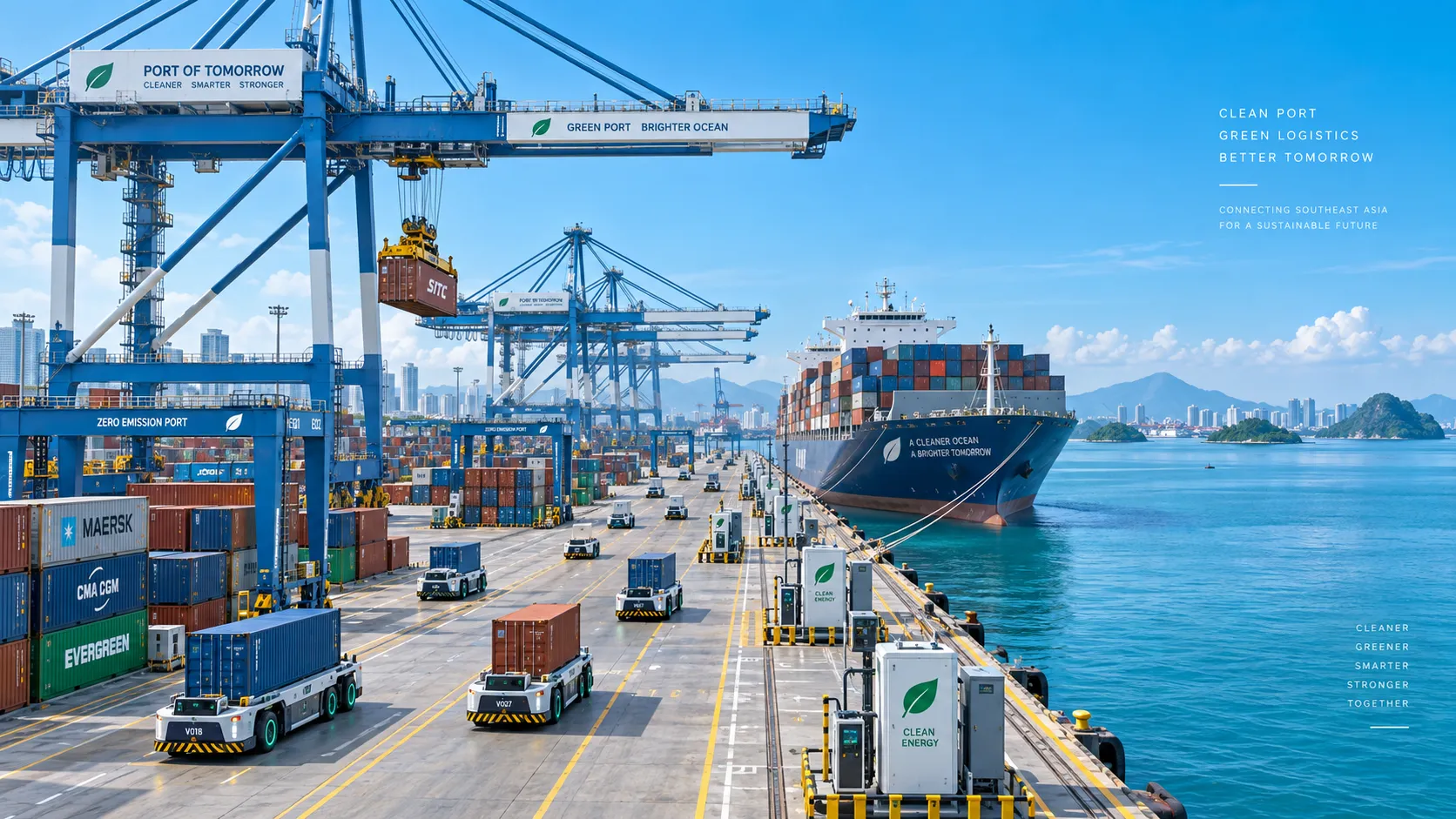
Smart Port Systems in Southeast Asia: Investment Priorities and Adoption Barriers
Smart port systems Southeast Asia: discover investment priorities, adoption barriers, and practical steps to build resilient, connected, high-performing terminals.
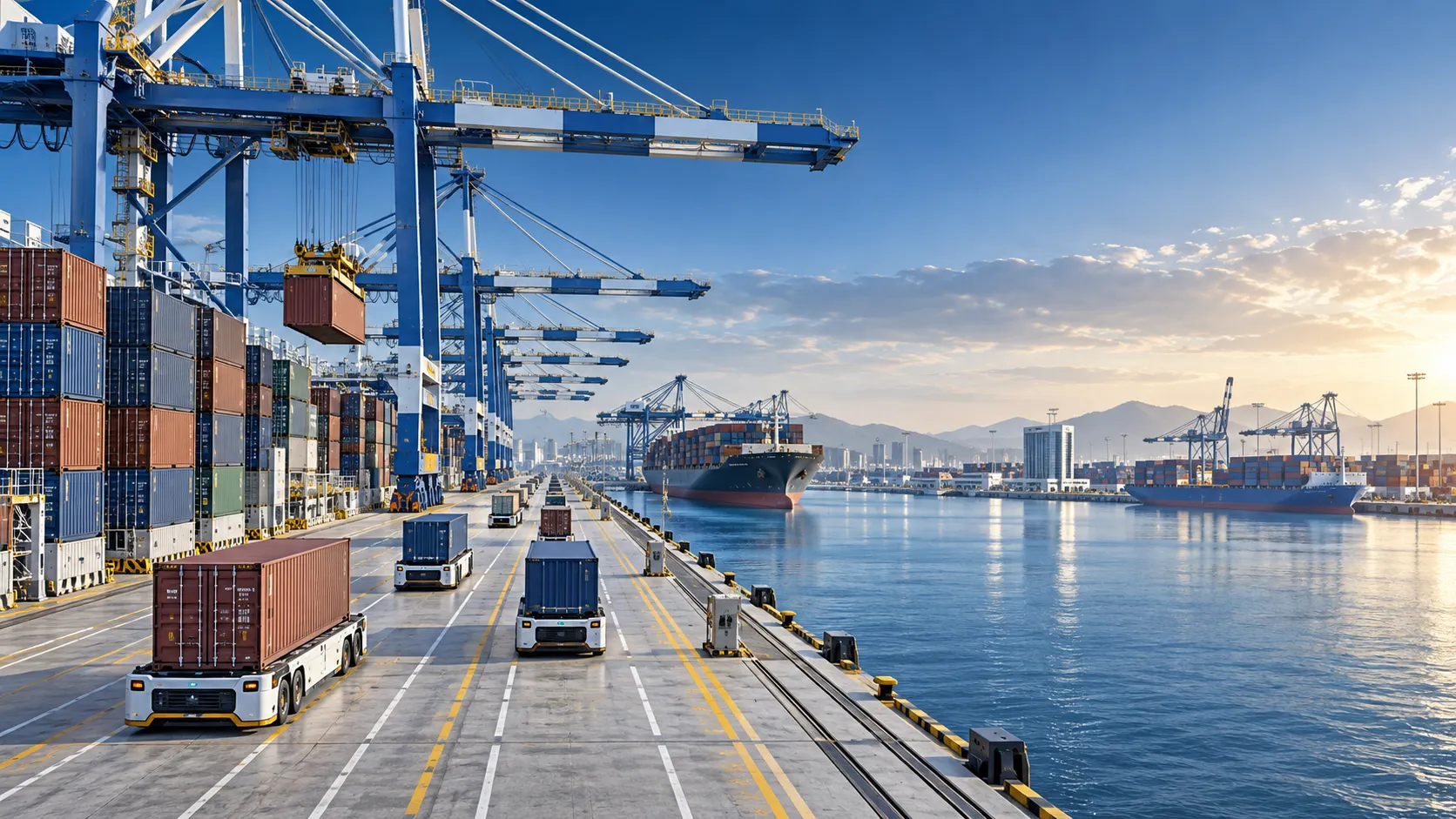
How to Evaluate Terminal Efficiency Solution Suppliers for High-Throughput Operations
Choose a terminal efficiency solutions supplier with confidence. Explore proven criteria for throughput, integration, lifecycle cost, safety, and reliable delivery.
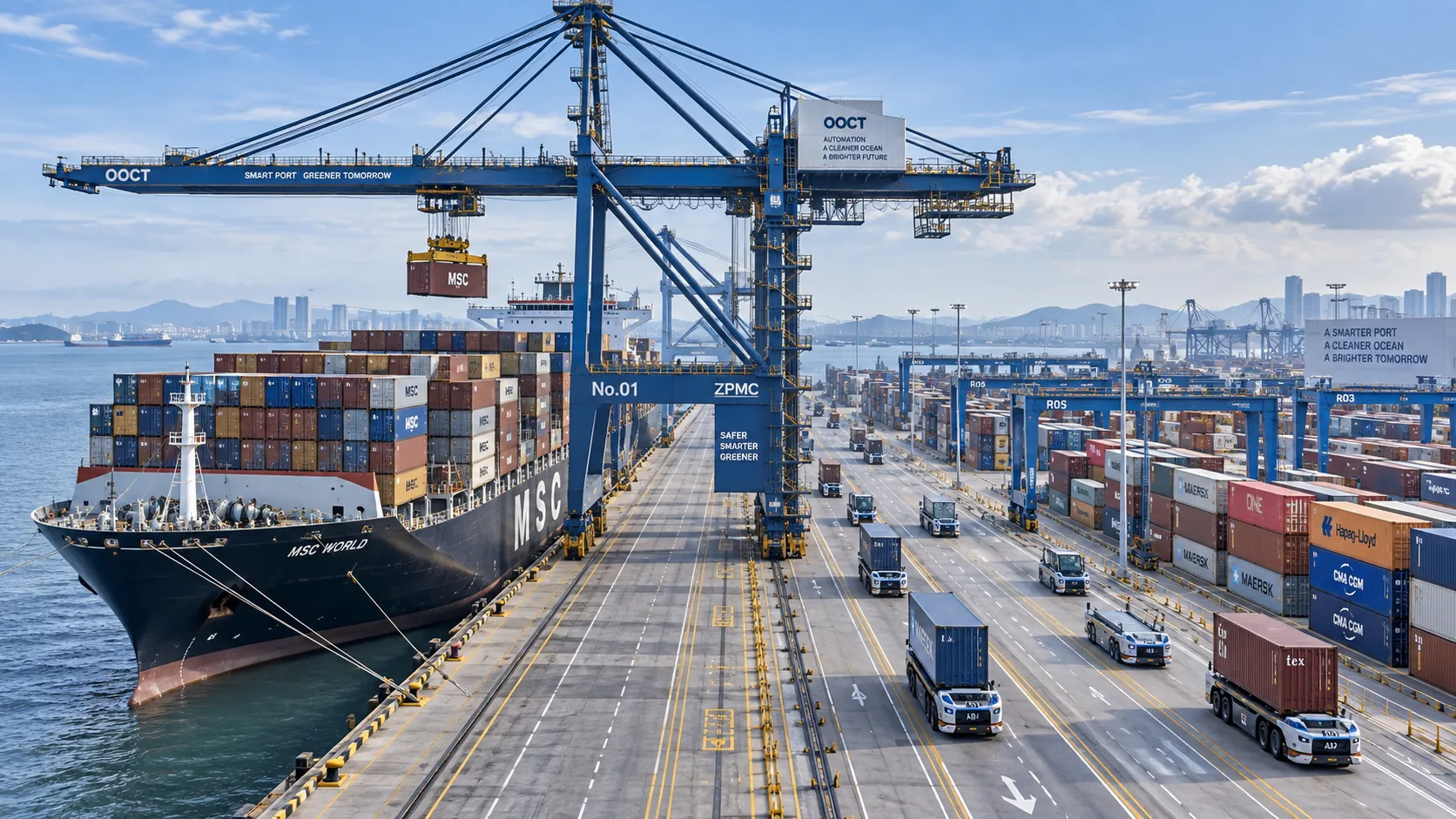
How to Specify a Quay Crane for Container Terminals by Vessel Size and Throughput?
Quay crane for container terminals: learn how to match outreach, lift height, capacity, automation, and cycle performance to vessel size and throughput goals.
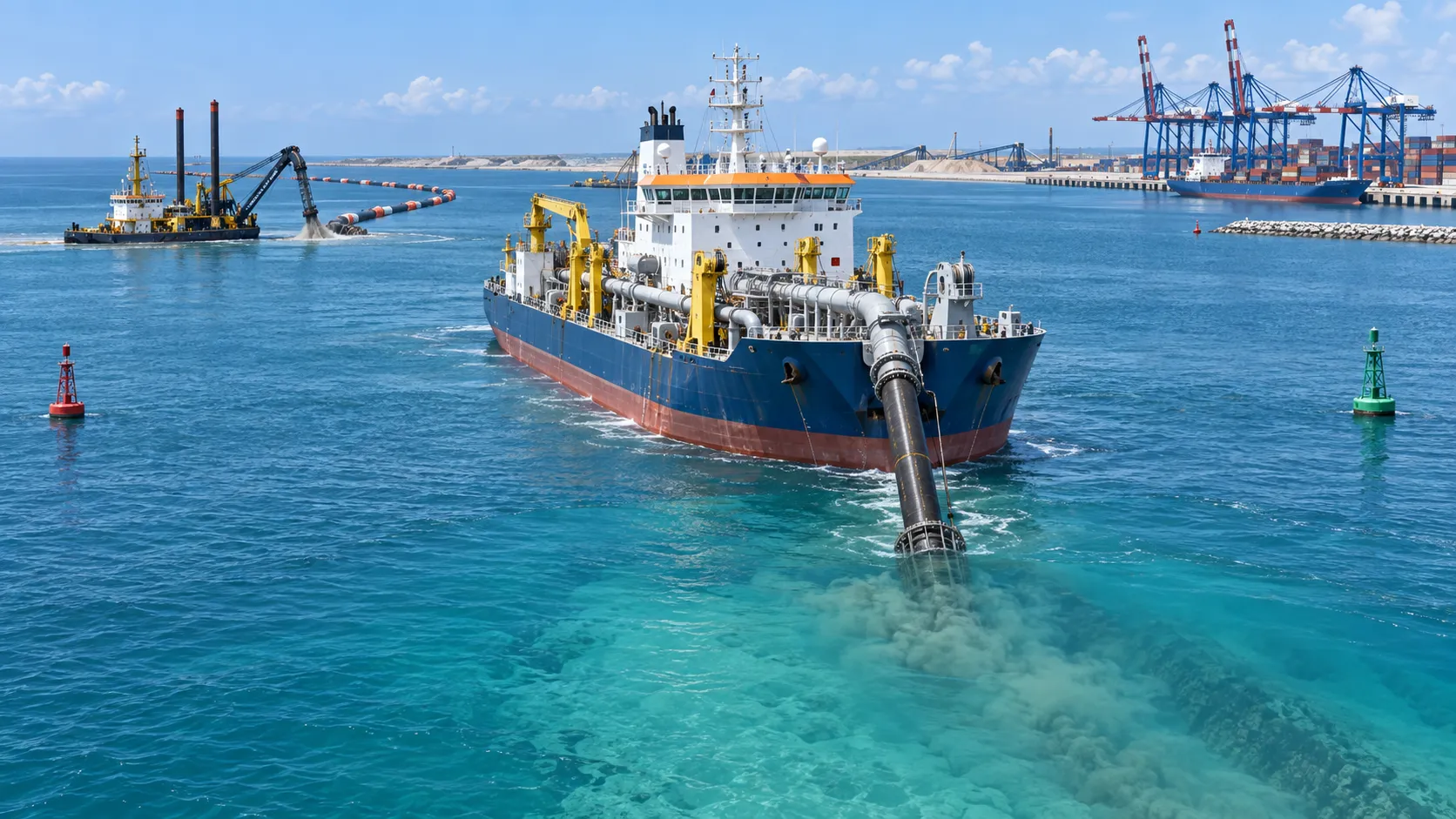
What Dredging Equipment Is Needed for Channel Deepening?
What dredging equipment is needed for channel deepening? Explore dredgers, pipelines, survey tools, and planning strategies for safer, more efficient port access.
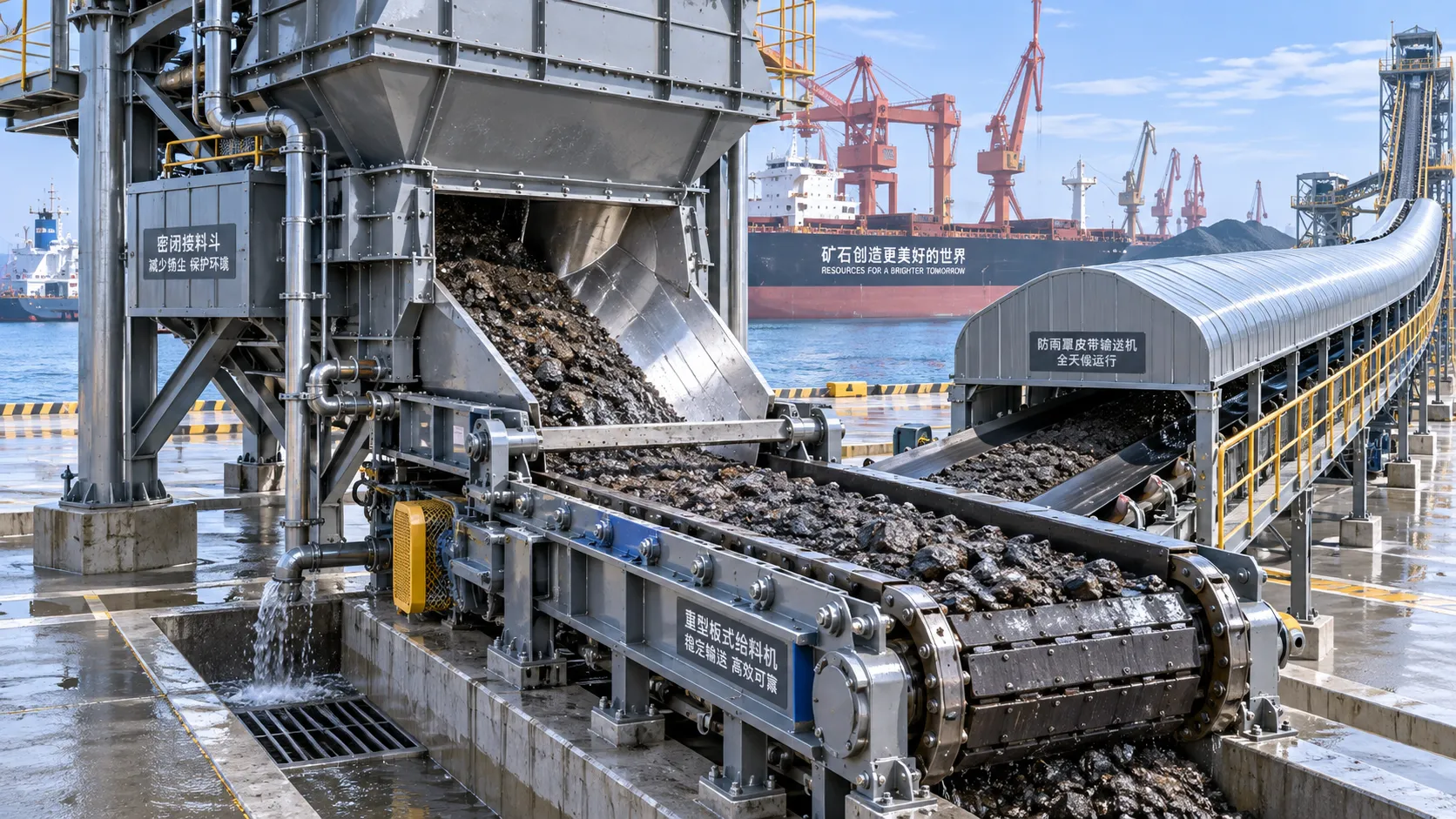
Which Bulk Handling Equipment Suits High-Moisture Cargo?
Which bulk handling equipment suits high-moisture cargo? Compare belt, apron, screw, drag, and slurry systems for reliable flow, less carryback, and higher terminal uptime.
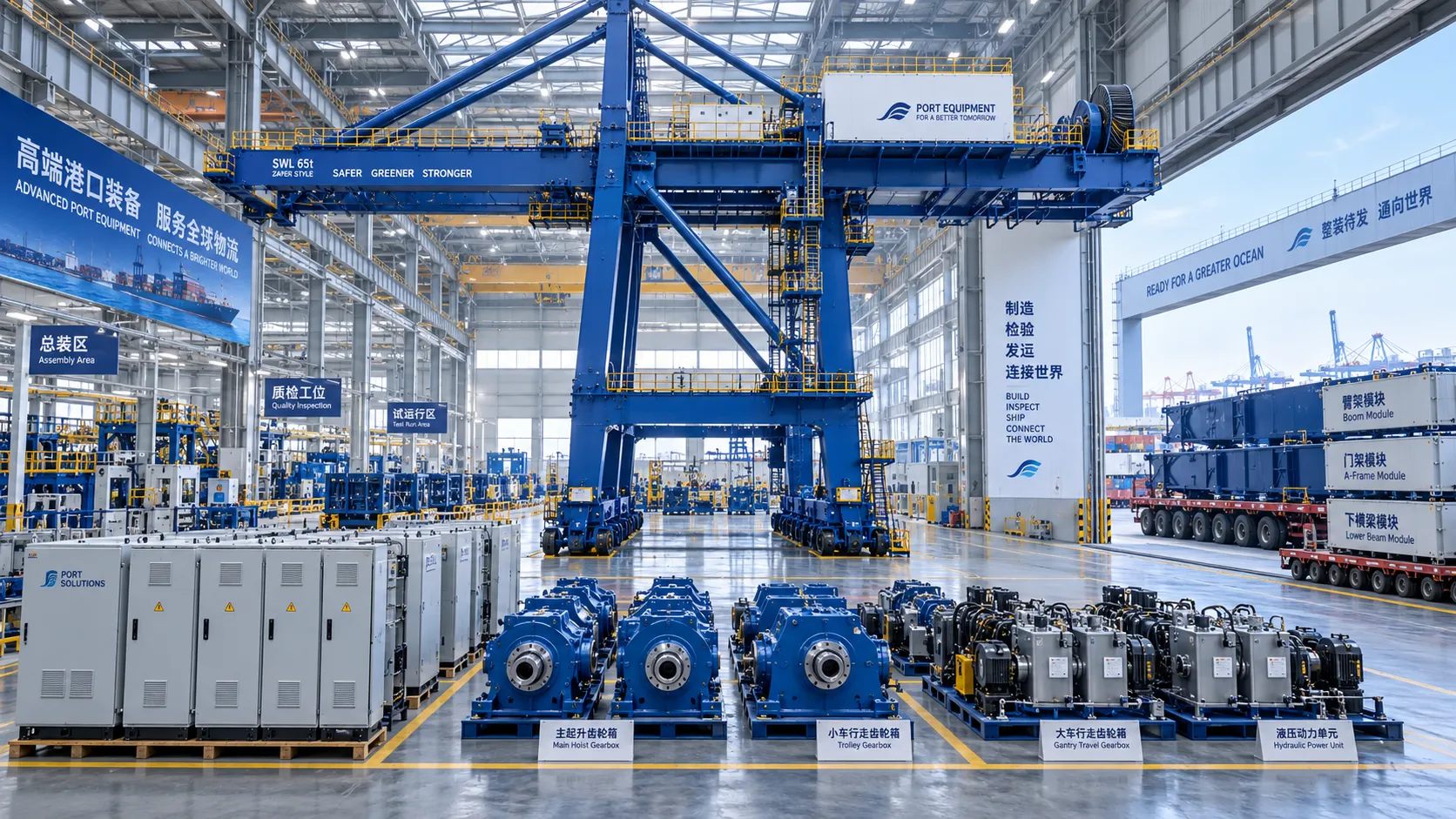
How Can Port Equipment Lead-Time Risk Be Managed?
How can port equipment lead-time risk be managed? Explore practical strategies to control critical paths, suppliers, transport, site readiness, and commissioning delays.
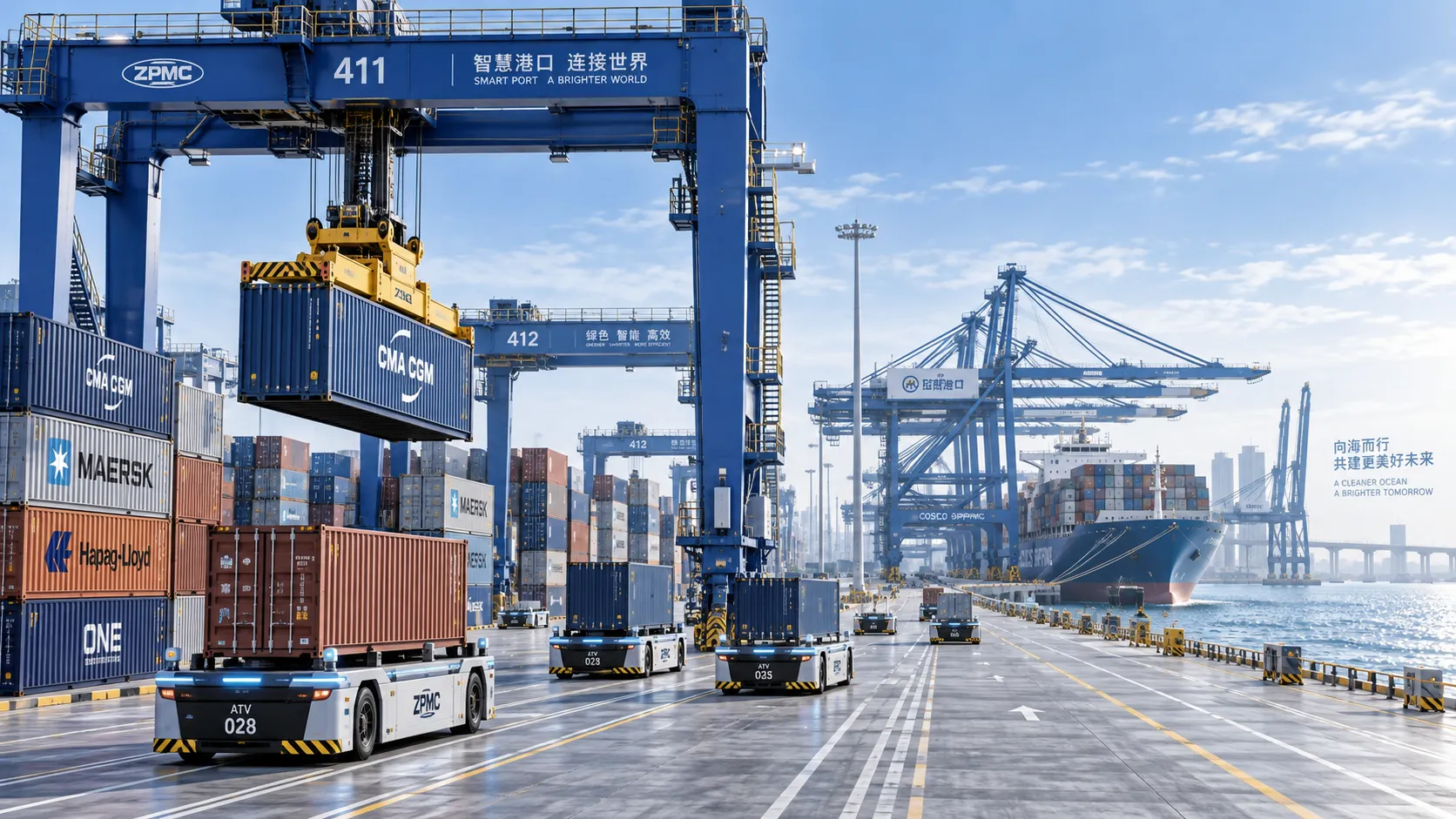
Terminal Automation Technologies That Raise Container Throughput Without Yard Disruption
Terminal automation technology that increases container throughput without disrupting yard flow. Explore smarter integration, resilient workflows, and phased deployment strategies.
Middle East Port Automation: Key Market Drivers, Projects, and Investment Risks
Port automation systems Middle East: explore market drivers, flagship projects, integration challenges, and investment risks shaping smarter, resilient terminals.
Planning Offshore Dredging Operations: Key Risks, Methods, and Project Controls
Offshore dredging operations demand smart planning. Explore key risks, proven methods, environmental controls, and project strategies for reliable delivery.