
Related News
- 00
0000-00
Smart Port Systems Pricing: How to Compare Lifecycle Costs and ROI by Terminal Scale - 00
0000-00
What Drives Bulk Material Handling Pricing in Large Conveyor System Projects? - 00
0000-00
How Shipping Rate Analytics in Europe Help Importers Predict Costs and Route Risk - 00
0000-00
What Buyers Check When Reviewing Used PVC Coating Line Output and Condition - 00
0000-00
Automated Port Systems Cost Breakdown: CAPEX, Integration, and Maintenance Factors
Automated Guided Vehicles Price Breakdown: What Drives Cost in Port Operations?
Automated Guided Vehicles Price Breakdown: What Drives Cost in Port Operations?
For port operators, the automated guided vehicles price is rarely a simple sticker number.
It reflects equipment design, software depth, battery strategy, terminal layout, and expected throughput.
That also means two AGV projects with similar fleet sizes can land at very different budget levels.
In practice, procurement teams need to look beyond unit price and assess total operating value.
The better question is not only what an AGV costs, but what cost structure best fits terminal strategy.
Why automated guided vehicles price varies so widely
The automated guided vehicles price changes because AGVs are not standardized like basic yard trucks.
Every port has different berth productivity goals, lane geometry, traffic density, and automation maturity.
A fleet serving a semi-automated terminal may need fewer digital layers than a lights-out operation.
More advanced control logic usually raises both capex and implementation risk.
From a budgeting view, this is why benchmark pricing without technical scope often leads to poor approvals.
Core price drivers at a glance
- Vehicle payload capacity and chassis design
- Navigation, sensing, and safety systems
- Battery type, charging model, and energy infrastructure
- Fleet management software and integration scope
- Civil works, commissioning, and training
- Service contracts, spare parts, and lifecycle support
Vehicle hardware is the first layer of automated guided vehicles price
The most visible part of the automated guided vehicles price is the machine itself.
Yet even here, the price range can widen quickly.
Heavier container moves require stronger frames, more durable suspension, and larger traction systems.
Ports with corrosive coastal conditions also demand stronger surface treatment and higher component protection.
Redundancy matters too.
If uptime targets are strict, duplicate controllers and fault-tolerant subsystems push hardware cost upward.
Hardware choices that influence cost
- Single container versus dual container handling capability
- Axle load rating and drive architecture
- Environmental sealing for salt, dust, and rain exposure
- Brake redundancy and emergency stop design
- Component brand selection and spare parts standardization
A lower entry quote may look attractive, but weak hardware can increase downtime and maintenance expense later.
Navigation and safety systems often reshape the real automated guided vehicles price
Navigation technology is one of the biggest hidden drivers of automated guided vehicles price.
Basic guidance methods may reduce initial spending, but they can limit flexibility as terminals expand.
More adaptive systems use lidar, cameras, GNSS, and real-time localization software.
These systems support dynamic routing, denser traffic, and fewer manual interventions.
They also require deeper validation, sensor fusion, and cybersecurity protection.
Safety architecture adds another cost layer.
Ports operating mixed traffic need stronger obstacle detection and more complex geofencing logic.
That increases both equipment price and commissioning effort.
Still, it may reduce accident exposure and business interruption cost over time.
Battery strategy and charging design can shift the cost model
Energy configuration has a direct effect on automated guided vehicles price and total cost of ownership.
Lithium battery systems usually cost more upfront than simpler alternatives.
However, they can improve charging speed, reduce idle time, and support tighter scheduling windows.
Opportunity charging may lower the required fleet size because each vehicle spends less time unavailable.
That changes the economic picture significantly.
Questions to test the energy business case
- How many operating hours are needed per day?
- Can charging occur during natural queue or handoff periods?
- What is the cost of power infrastructure at the terminal?
- How does battery replacement affect ten-year ownership cost?
- Will energy choices support future decarbonization targets?
A cheaper battery setup can become expensive if it forces overbuying vehicles to maintain throughput.
Software and integration are where many budgets move off the first estimate
Software is often underestimated in any automated guided vehicles price discussion.
In reality, fleet orchestration is what turns individual machines into productive terminal assets.
The AGV control layer must communicate with TOS platforms, quay cranes, yard cranes, and safety systems.
When these interfaces are custom, project cost rises fast.
Delays also become more likely.
This is especially relevant for terminals modernizing in phases.
Legacy equipment often lacks clean data interfaces or consistent command protocols.
That creates integration engineering, testing cycles, and fallback logic costs.
For finance teams, these costs belong in the real automated guided vehicles price, not outside it.
Common software cost elements
- Fleet scheduling and dispatch algorithms
- Traffic conflict resolution and routing rules
- API development and middleware connectors
- Simulation, digital testing, and scenario validation
- Cybersecurity hardening and remote diagnostics
Deployment costs go beyond equipment invoices
Another reason the automated guided vehicles price can surprise buyers is deployment scope.
Site preparation may include pavement upgrades, charging areas, wireless coverage, and control room adjustments.
Testing periods can be long because live terminal conditions are difficult to replicate perfectly.
Training, change management, and operational ramp-up also carry real cost.
These items may not sit in the same procurement package, but they still affect payback timing.
A practical budget structure
How to compare automated guided vehicles price without missing ROI
The lowest automated guided vehicles price is not always the best financial decision.
A better comparison uses throughput impact, utilization rate, maintenance profile, and integration readiness.
It is useful to test each vendor against the same operational scenarios.
That includes peak-hour moves, adverse weather, battery turnaround, and crane handoff delays.
Those scenarios reveal whether a lower purchase price creates hidden operating penalties.
Useful procurement checks
- Ask for a ten-year cost model, not only capex
- Separate standard features from custom engineering
- Review interface responsibility line by line
- Check guaranteed availability and response time terms
- Model ROI using real terminal productivity assumptions
Recent market shifts make this even more important.
Ports are under pressure to automate, decarbonize, and protect margins at the same time.
A smarter view of automated guided vehicles price
A sound automated guided vehicles price assessment connects purchase cost to long-term terminal performance.
The right budget framework should include hardware, software, energy, deployment, and lifecycle service together.
That gives decision-makers a clearer view of payback, risk, and operating resilience.
In real port operations, value comes from synchronized flow, not from the cheapest standalone machine.
The most effective next step is to build vendor comparisons around terminal outcomes, not brochure numbers.
When the cost model matches operational reality, AGV investment becomes easier to justify and easier to scale.
Related News
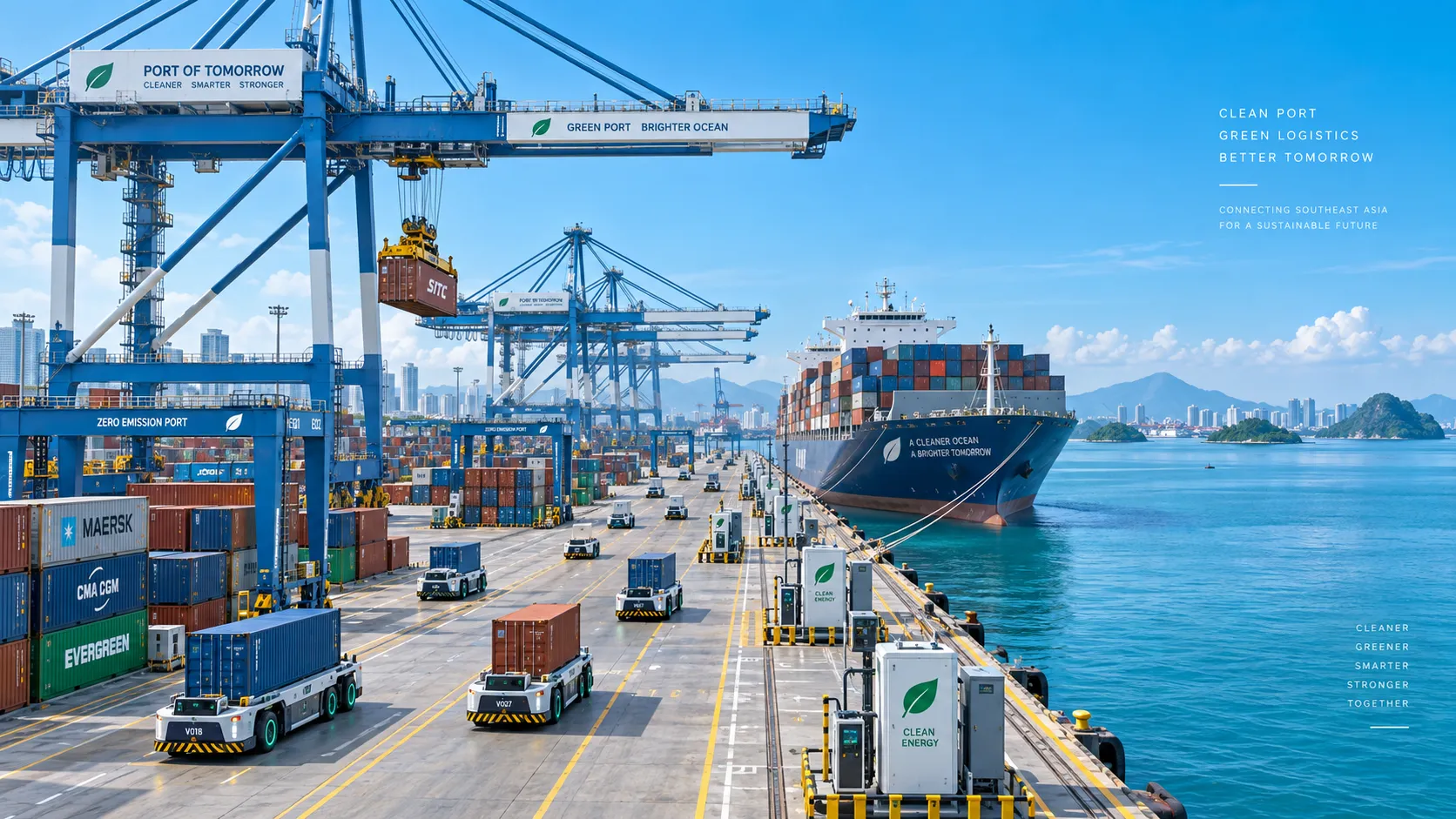
Smart Port Systems in Southeast Asia: Investment Priorities and Adoption Barriers
Smart port systems Southeast Asia: discover investment priorities, adoption barriers, and practical steps to build resilient, connected, high-performing terminals.

How to Evaluate Terminal Efficiency Solution Suppliers for High-Throughput Operations
Choose a terminal efficiency solutions supplier with confidence. Explore proven criteria for throughput, integration, lifecycle cost, safety, and reliable delivery.
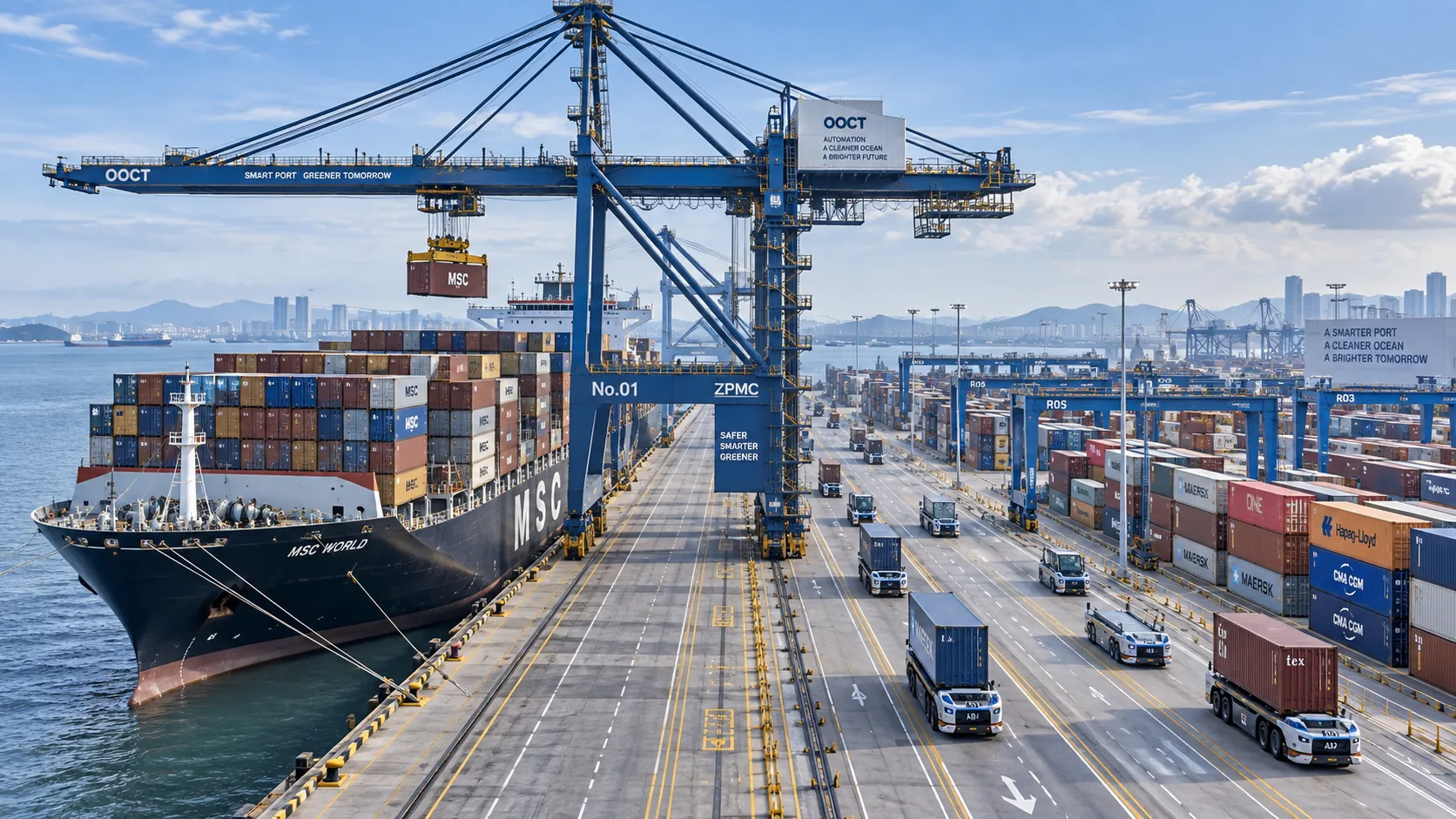
How to Specify a Quay Crane for Container Terminals by Vessel Size and Throughput?
Quay crane for container terminals: learn how to match outreach, lift height, capacity, automation, and cycle performance to vessel size and throughput goals.
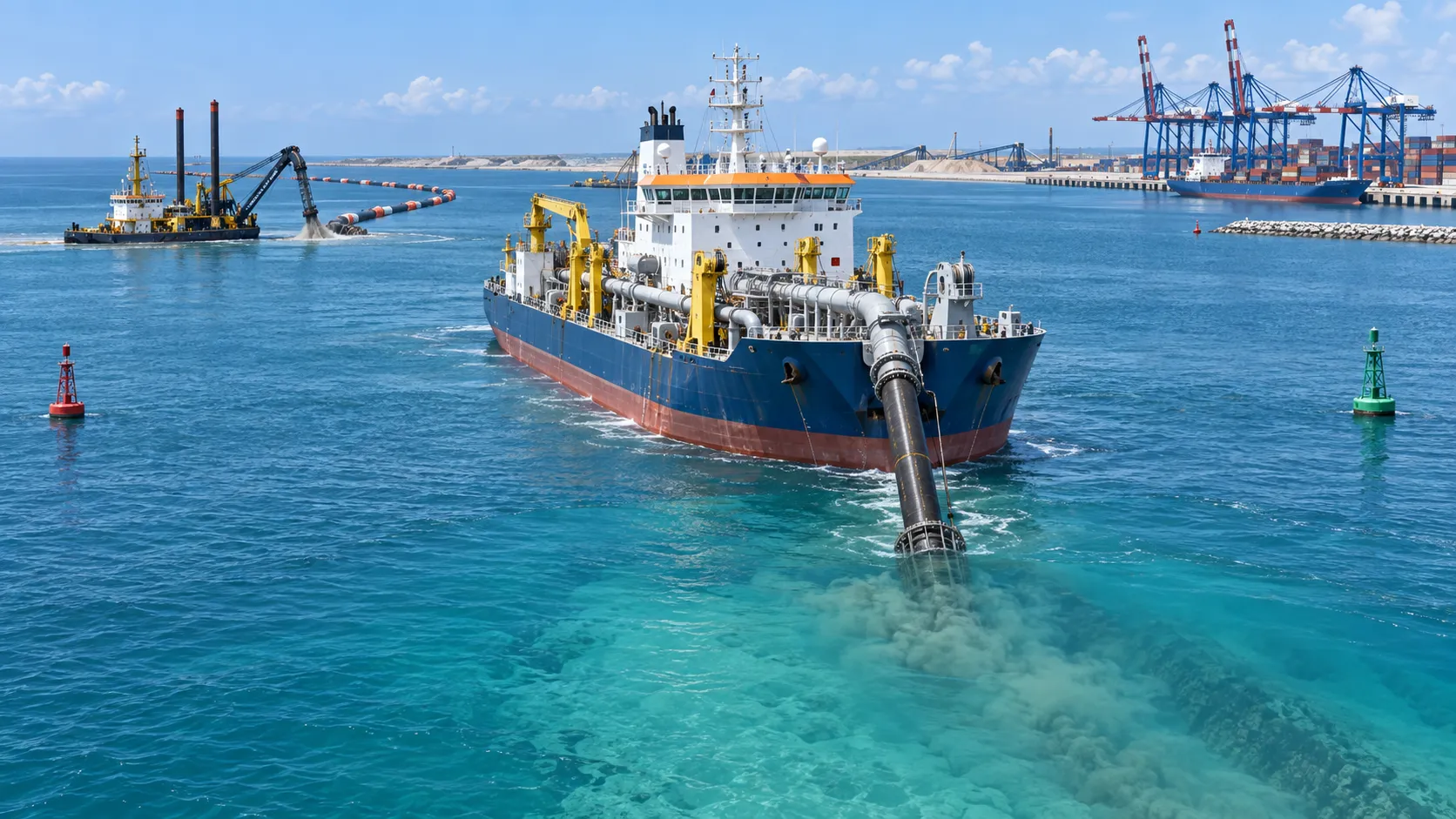
What Dredging Equipment Is Needed for Channel Deepening?
What dredging equipment is needed for channel deepening? Explore dredgers, pipelines, survey tools, and planning strategies for safer, more efficient port access.
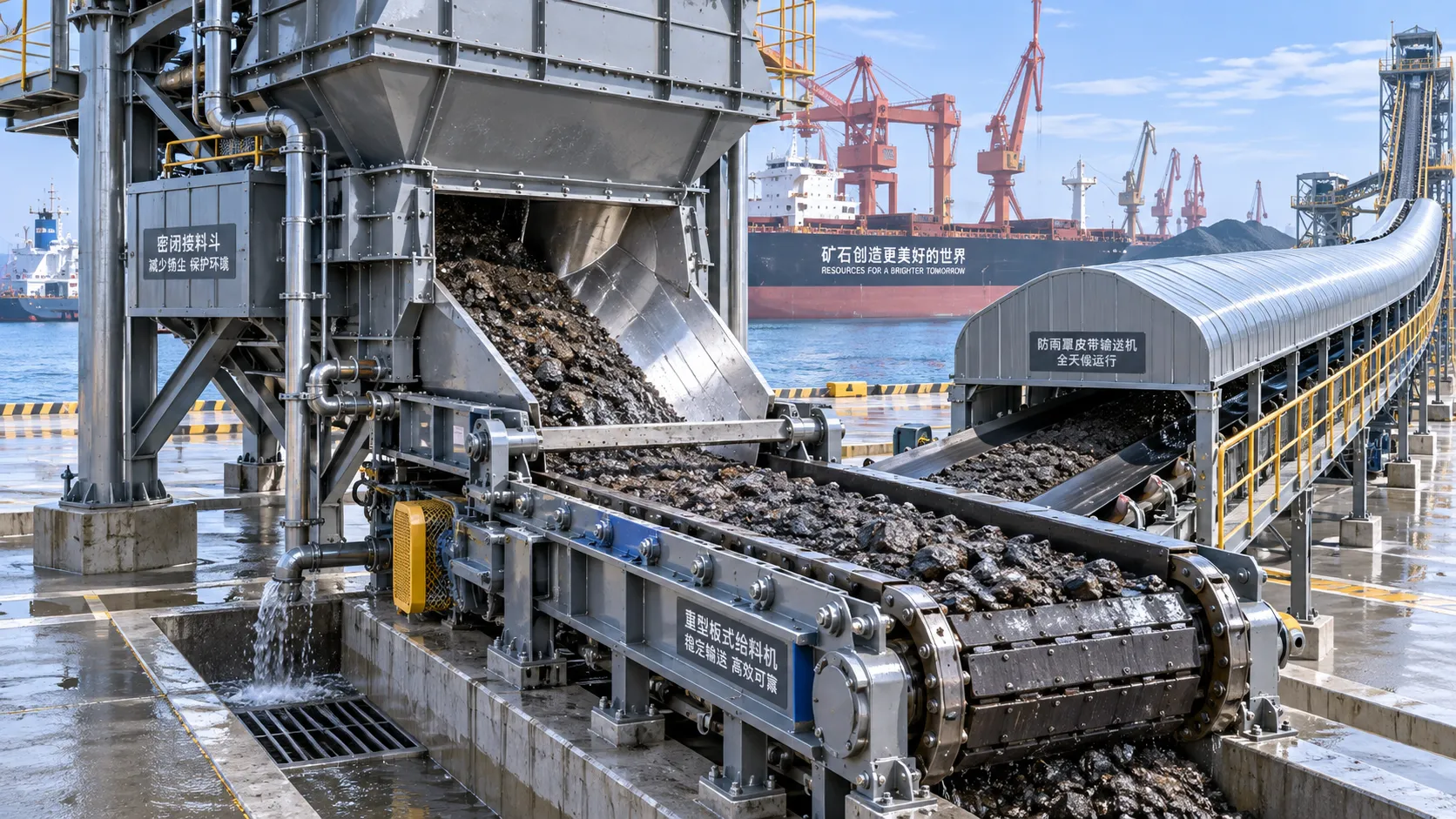
Which Bulk Handling Equipment Suits High-Moisture Cargo?
Which bulk handling equipment suits high-moisture cargo? Compare belt, apron, screw, drag, and slurry systems for reliable flow, less carryback, and higher terminal uptime.
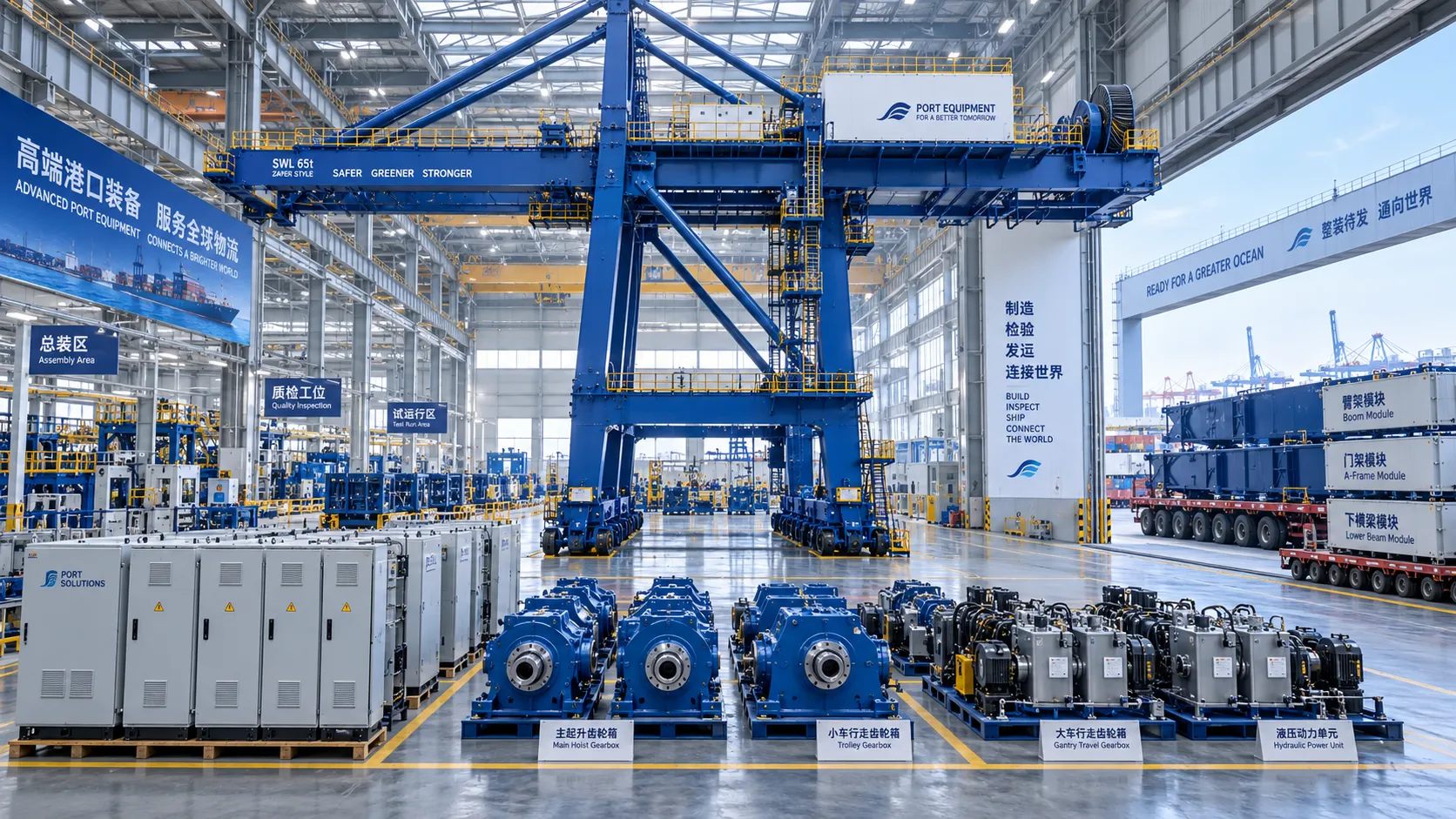
How Can Port Equipment Lead-Time Risk Be Managed?
How can port equipment lead-time risk be managed? Explore practical strategies to control critical paths, suppliers, transport, site readiness, and commissioning delays.
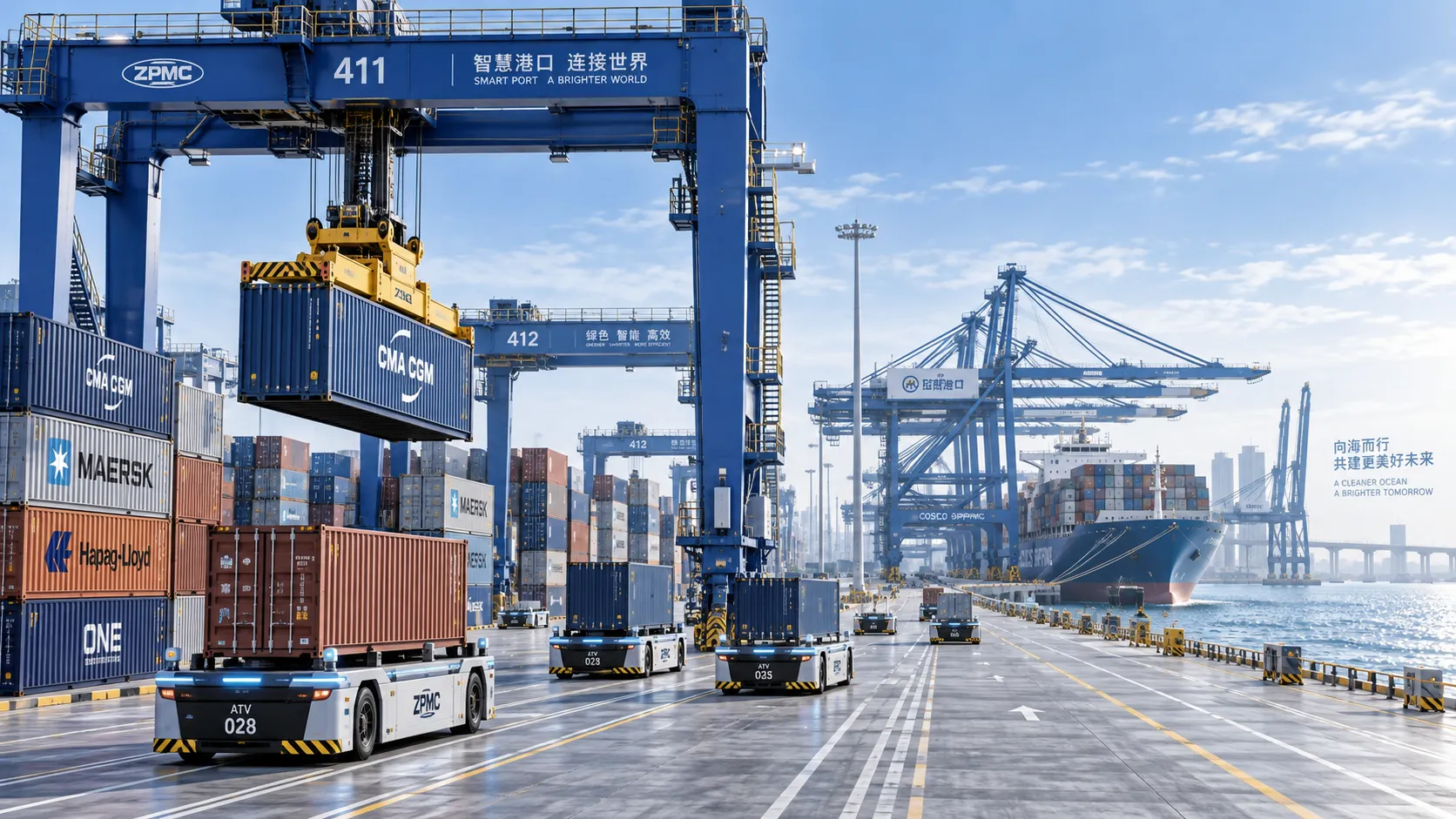
Terminal Automation Technologies That Raise Container Throughput Without Yard Disruption
Terminal automation technology that increases container throughput without disrupting yard flow. Explore smarter integration, resilient workflows, and phased deployment strategies.
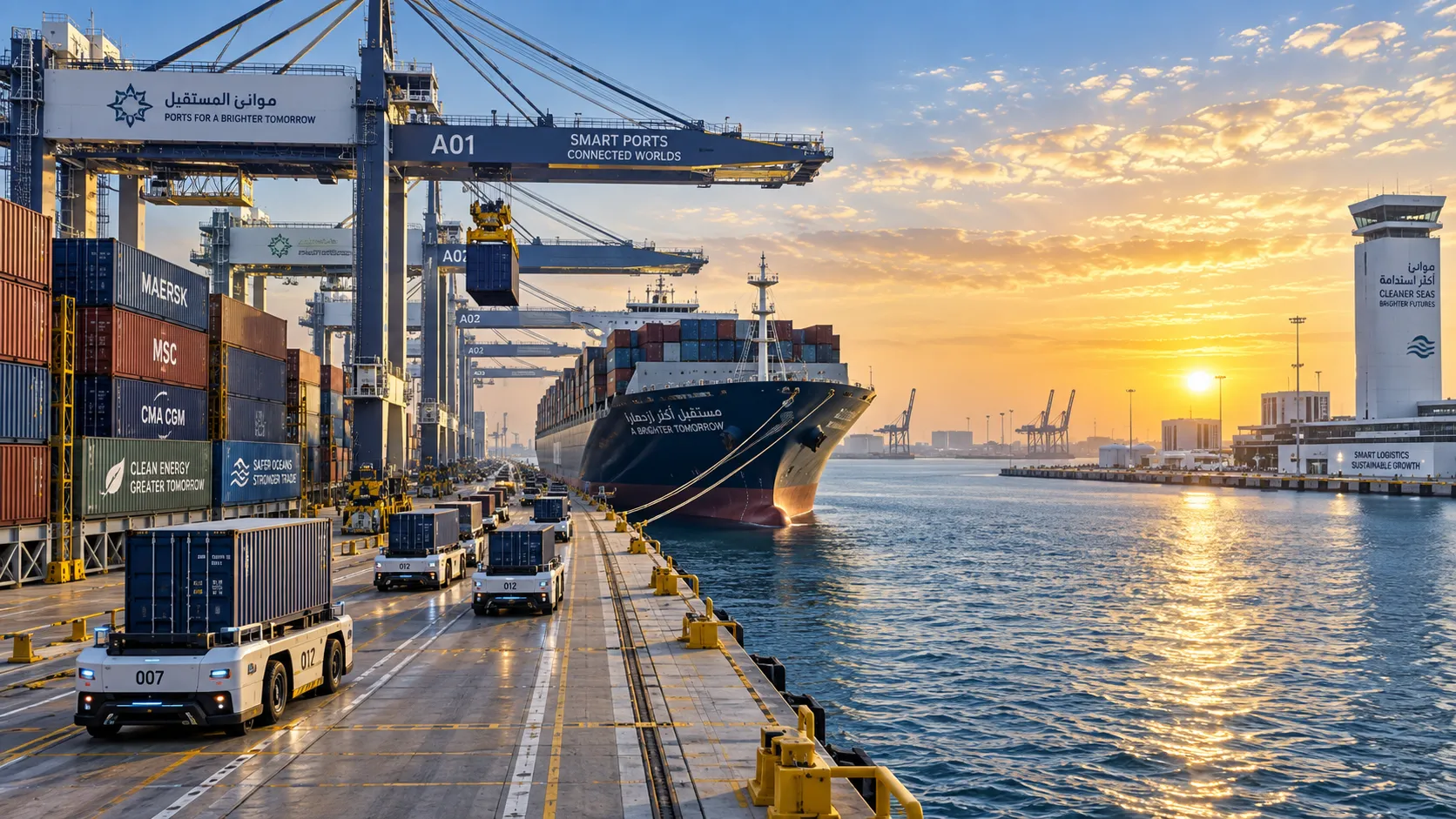
Middle East Port Automation: Key Market Drivers, Projects, and Investment Risks
Port automation systems Middle East: explore market drivers, flagship projects, integration challenges, and investment risks shaping smarter, resilient terminals.
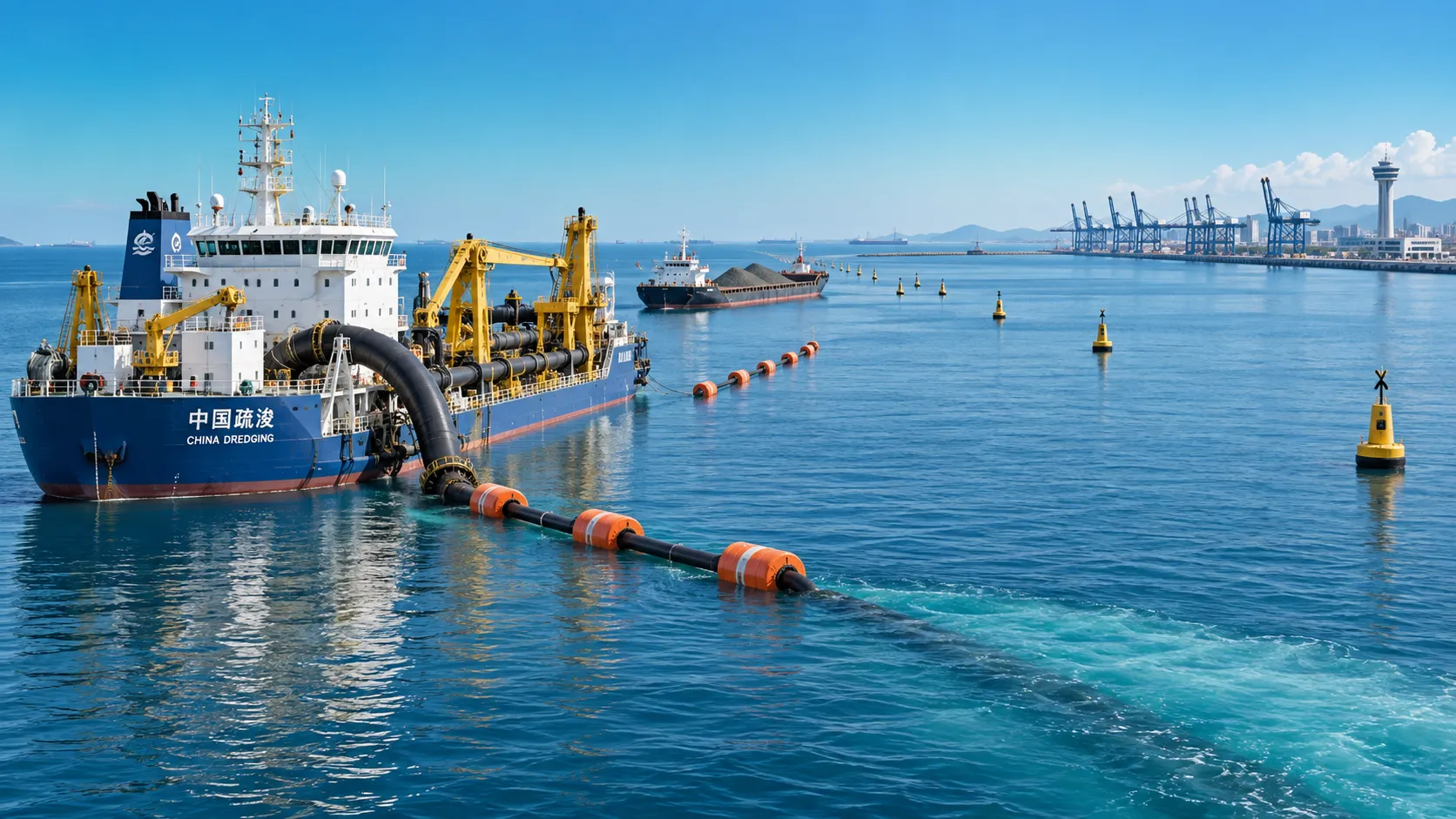
Planning Offshore Dredging Operations: Key Risks, Methods, and Project Controls
Offshore dredging operations demand smart planning. Explore key risks, proven methods, environmental controls, and project strategies for reliable delivery.