Related News
- 00
0000-00
How to Evaluate Terminal Efficiency Solution Suppliers for High-Throughput Operations - 00
0000-00
What to Consider When Buying Electric Port Machinery for Container Terminals - 00
0000-00
How to Select Container Handling Equipment for Middle East Ports and Terminals - 00
0000-00
How to Evaluate a Port Machinery Exporter for Large-Scale Terminal Projects - 00
0000-00
Evaluating a Dredging Equipment Manufacturer for Mining Plant Supply
How to Compare a Shipping Rate Analytics Provider for Contract and Spot Rate Visibility
Comparing a shipping rate analytics provider has become a strategic task, not a routine software review. Contract rates, spot quotes, carrier behavior, and port-side disruption now move too quickly for static benchmarks. Clear visibility matters because freight decisions increasingly affect landed cost, service stability, inventory timing, and even equipment utilization across terminals and inland nodes.
That is especially true in maritime logistics, where pricing does not sit apart from operations. Port congestion, crane productivity, yard density, dredging windows, vessel bunching, and routing changes all influence rate formation. For platforms such as PS-Nexus, which track heavy terminal gear, automation systems, and logistics intelligence together, the value of a shipping rate analytics provider lies in how well it connects market prices with operational reality.
What a shipping rate analytics provider should actually deliver
At a basic level, a shipping rate analytics provider aggregates freight pricing data and turns it into usable market intelligence. That sounds simple, but the useful difference is in context.
A strong platform does more than display average ocean freight rates. It should show how contract and spot prices behave across lanes, time periods, carriers, equipment types, and shipment conditions.
It should also explain variance. If a contract rate looks favorable but excludes surcharges, rolls, inland repositioning, or peak season risk, the headline number is incomplete.
That is why the best shipping rate analytics provider does not only answer, “What is the rate?” It also helps answer, “Why is this the rate, how stable is it, and what will likely happen next?”
Why contract and spot visibility must be evaluated together
Contract visibility and spot visibility are often reviewed separately, yet the real decision sits between them. Contract rates support predictability, while spot rates reveal current market pressure and short-term buying opportunities.
When both are visible in one framework, pricing decisions become more defensible. A contract may appear expensive until spot volatility is considered. A low spot quote may appear attractive until service inconsistency and rollover risk are priced in.
In volatile trade lanes, this comparison becomes even more important. Red Sea diversions, canal draft constraints, labor actions, weather events, and terminal bottlenecks can distort short-term pricing faster than annual procurement cycles can react.
For a business evaluating providers, the goal is not merely rate transparency. The goal is decision-quality visibility across stable and unstable market conditions.
The market signals that separate a useful platform from a shallow one
Not every shipping rate analytics provider captures the same market depth. Many tools surface indexes, but fewer explain the operating signals behind price shifts.
That distinction matters in global logistics. Freight rates are shaped by physical systems as much as financial behavior. Terminal automation levels, berth availability, equipment imbalances, feeder capacity, and dredging-related channel access can all alter effective cost.
PS-Nexus operates in exactly this intersection. Its perspective on terminal gear, automated container handling, and marine infrastructure reflects an important truth: rate intelligence improves when it is informed by how ports actually function.
A provider is more credible when it can map pricing movement to structural causes, not just chart outcomes after the fact.
Key signals worth comparing
- Lane-level contract benchmarks with clear effective dates and shipment assumptions.
- Spot rate tracking by port pair, equipment type, and transit profile.
- Carrier performance indicators, including reliability, blank sailings, and rollover trends.
- Port and terminal signals, such as congestion, dwell time, yard density, and vessel waiting patterns.
- Surcharge visibility, including bunker, peak season, security, and inland add-ons.
- Forward-looking indicators that suggest whether current pricing is likely to hold.
How to structure the comparison process
A disciplined comparison starts with scope. The right shipping rate analytics provider for transpacific container flows may not be the right one for project cargo, bulk-adjacent port activity, or complex gateway routing.
Before scoring vendors, define the commercial questions the platform must support. That keeps the evaluation grounded in business decisions rather than interface preferences.
This structure also helps distinguish between data abundance and decision usefulness. More charts do not automatically mean better insight.
Questions that expose data quality and bias
Any shipping rate analytics provider should be tested for source transparency. If the provider cannot explain where its benchmarks come from, confidence will remain limited.
Sample size matters, but sampling logic matters more. Some providers overrepresent high-volume corridors and underrepresent emerging or disrupted lanes. Others mix quote data, booked data, and index estimates without enough explanation.
Look closely at how the platform normalizes surcharges, free time, equipment specifications, and inland components. Small methodological choices can produce large pricing distortions.
It is also worth checking how quickly anomalies are detected. In active port systems, conditions can shift within days, especially when crane outages, vessel bunching, or draft restrictions interrupt normal flow.
Useful diligence questions
- Are contract benchmarks based on executed business, indicative submissions, or blended models?
- How are surcharges treated when comparing carriers or lanes?
- Can the provider separate price changes from service deterioration?
- How often is port disruption data refreshed and validated?
- Can the platform show historical context around major market shocks?
Where operational intelligence changes the decision
In many reviews, rate analytics are treated as a procurement dataset. That view is too narrow for maritime supply chains.
A contract that works on paper may fail when terminal productivity drops or when automated yard systems are under strain. A spot opportunity may disappear once port omission risk rises.
This is where a shipping rate analytics provider with port and infrastructure awareness becomes more valuable. Visibility into marine logistics nodes can clarify whether lower rates reflect genuine market softening or hidden execution risk.
PS-Nexus brings relevance here because freight cost is inseparable from port mechanics. Mega terminal gear, container handling systems, control architecture, and dredging capacity all shape throughput resilience. Throughput resilience, in turn, influences rate behavior.
In practice, that means the best shipping rate analytics provider is often the one that can interpret port-side friction before it fully appears in invoice-level data.
Common evaluation mistakes
One common mistake is choosing the provider with the most recognizable index, then assuming that index is enough for commercial decisions. Broad market indexes are useful, but they rarely capture contract nuance.
Another mistake is comparing platforms only on price. The lower subscription cost can become expensive if the analytics fail during tendering, budget forecasting, or disruption response.
There is also a tendency to ignore workflow fit. If analysts cannot export data cleanly, trace assumptions, or align rate views with internal lane structures, adoption will weaken.
Usually, the strongest choice is not the loudest platform. It is the shipping rate analytics provider whose methodology, refresh speed, and operational context stay reliable under pressure.
A practical next step for evaluation
A useful next step is to test each shipping rate analytics provider against three recent lane decisions. Choose one stable contract lane, one volatile spot lane, and one route affected by port disruption.
Then compare what each platform shows about benchmark levels, surcharge composition, carrier behavior, and likely near-term movement. The differences will become visible quickly.
That approach creates a grounded scorecard. It also reflects how freight decisions are actually made: with incomplete certainty, changing operational signals, and pressure to defend the outcome.
When the evaluation is tied to real trade lanes and real port conditions, selecting a shipping rate analytics provider becomes less about feature inventory and more about decision confidence. That is the standard worth using before any longer-term commitment.
Related News
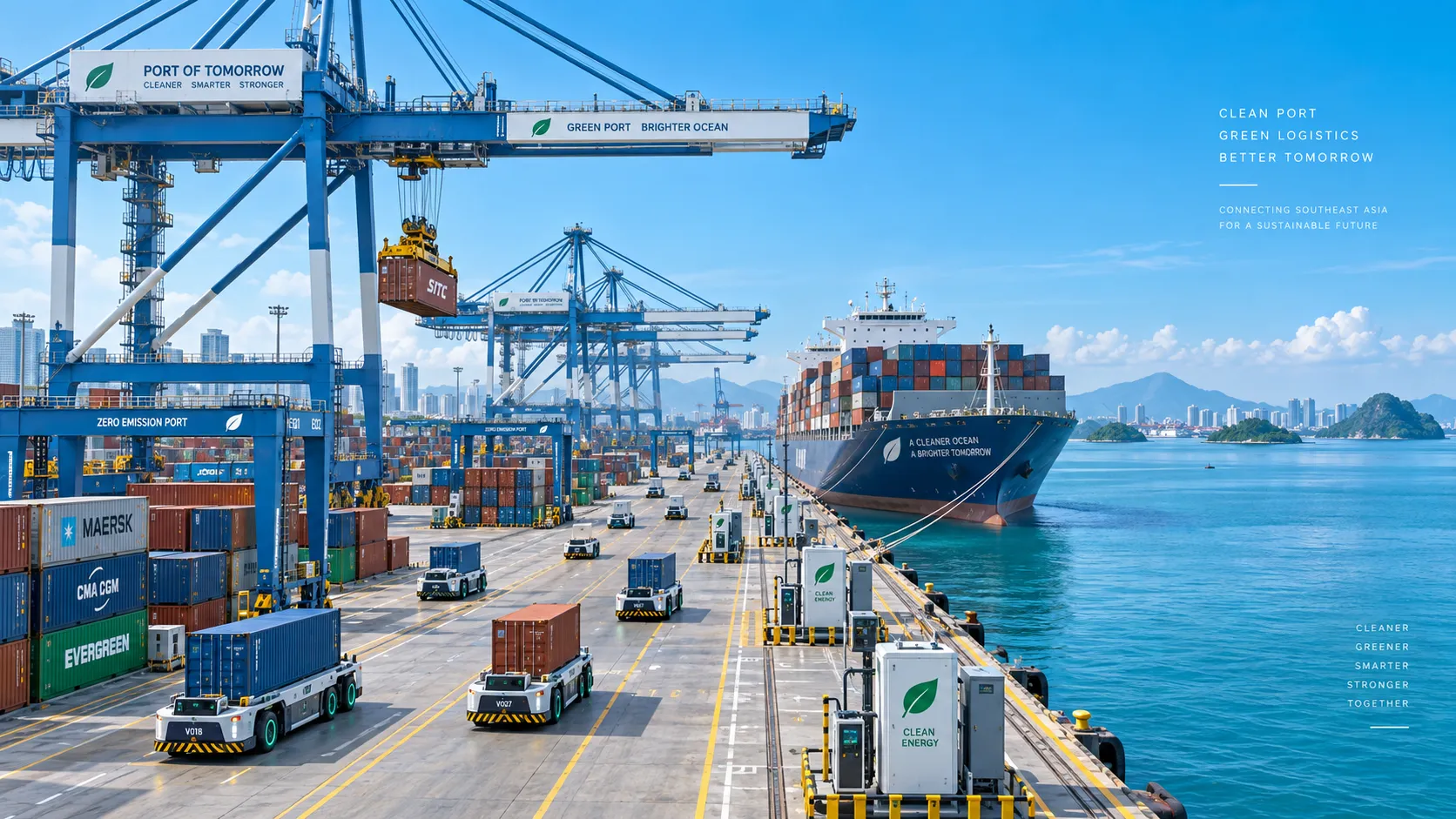
Smart Port Systems in Southeast Asia: Investment Priorities and Adoption Barriers
Smart port systems Southeast Asia: discover investment priorities, adoption barriers, and practical steps to build resilient, connected, high-performing terminals.

How to Evaluate Terminal Efficiency Solution Suppliers for High-Throughput Operations
Choose a terminal efficiency solutions supplier with confidence. Explore proven criteria for throughput, integration, lifecycle cost, safety, and reliable delivery.
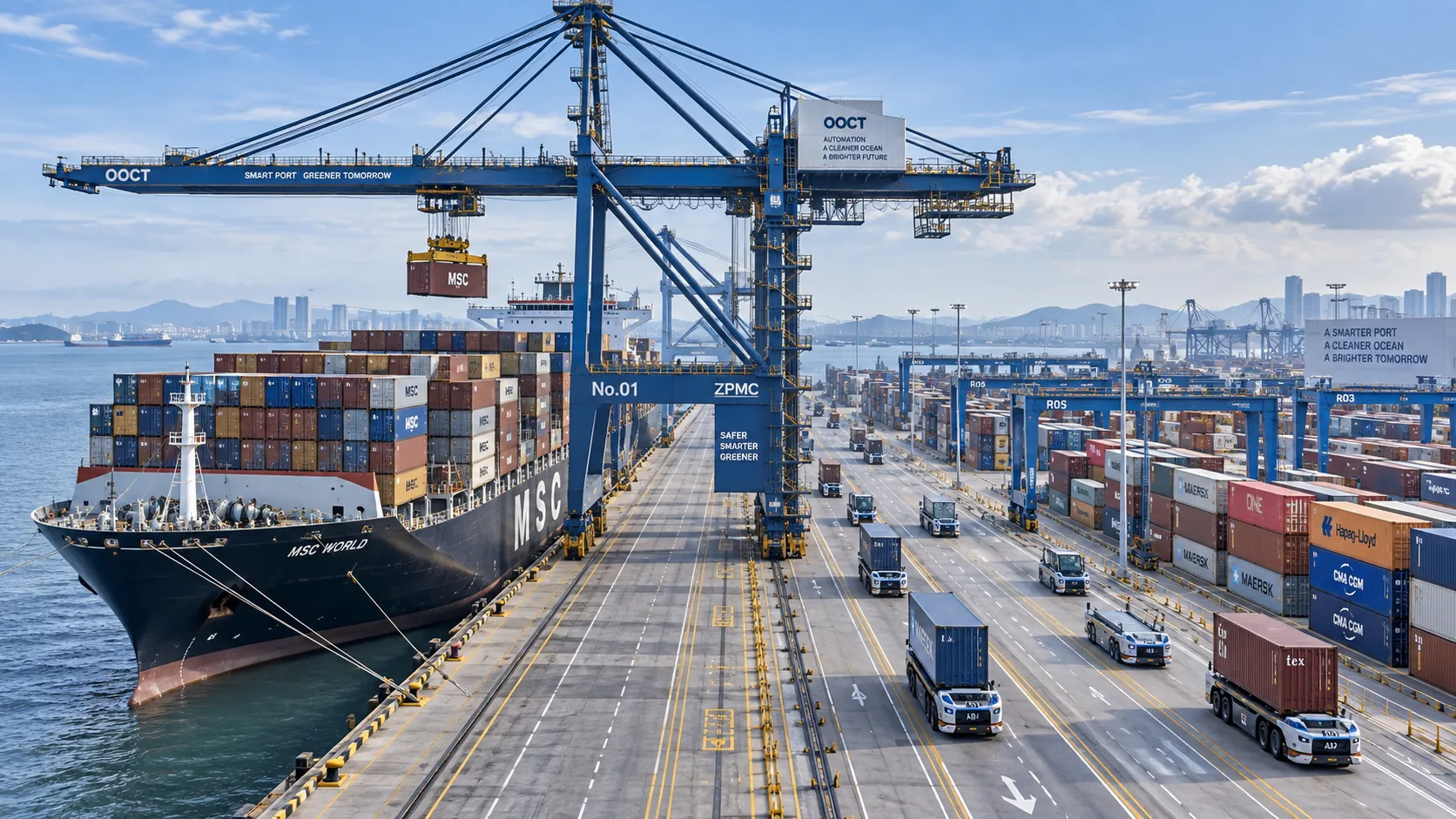
How to Specify a Quay Crane for Container Terminals by Vessel Size and Throughput?
Quay crane for container terminals: learn how to match outreach, lift height, capacity, automation, and cycle performance to vessel size and throughput goals.

What Dredging Equipment Is Needed for Channel Deepening?
What dredging equipment is needed for channel deepening? Explore dredgers, pipelines, survey tools, and planning strategies for safer, more efficient port access.

Which Bulk Handling Equipment Suits High-Moisture Cargo?
Which bulk handling equipment suits high-moisture cargo? Compare belt, apron, screw, drag, and slurry systems for reliable flow, less carryback, and higher terminal uptime.
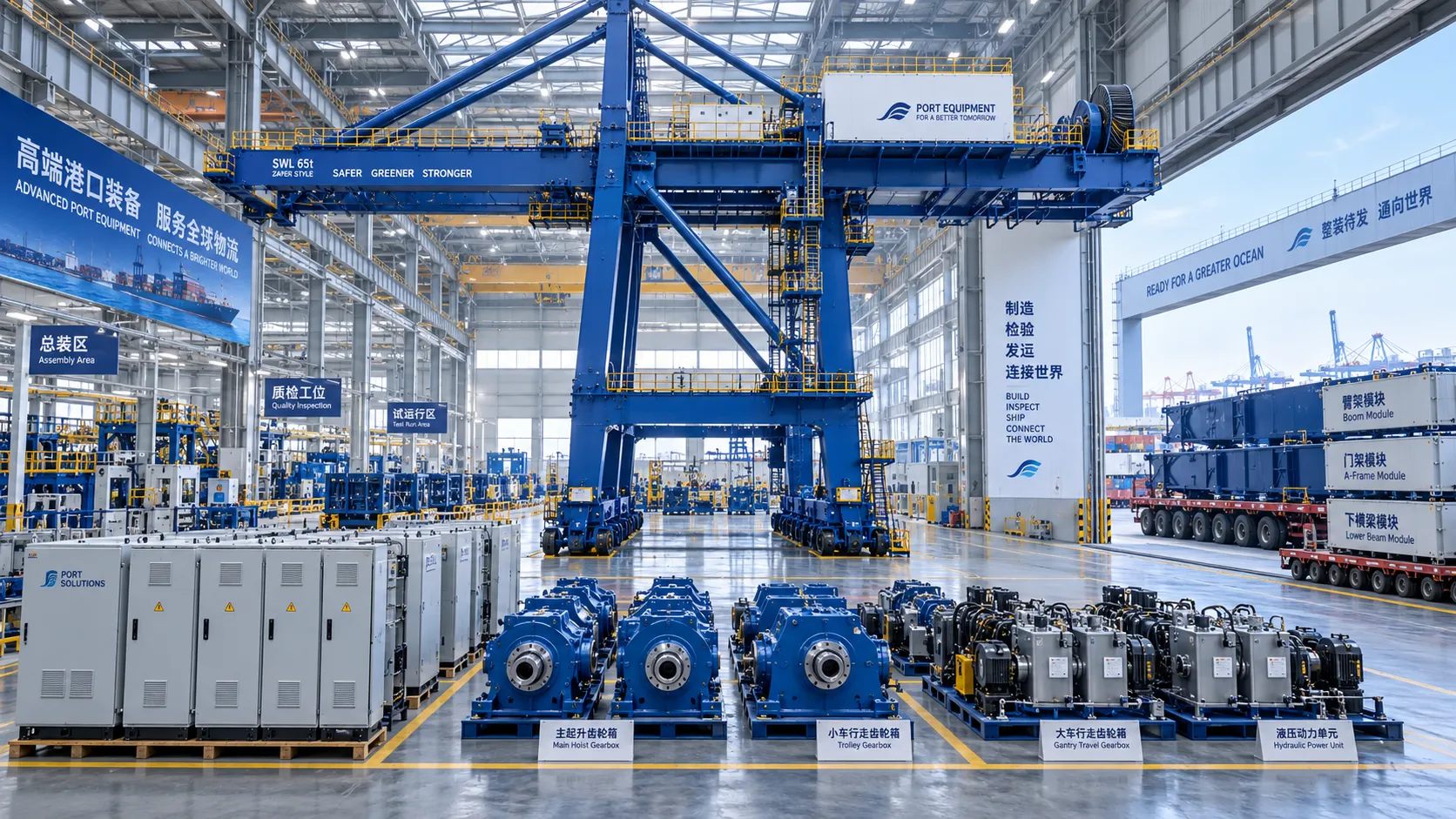
How Can Port Equipment Lead-Time Risk Be Managed?
How can port equipment lead-time risk be managed? Explore practical strategies to control critical paths, suppliers, transport, site readiness, and commissioning delays.

Terminal Automation Technologies That Raise Container Throughput Without Yard Disruption
Terminal automation technology that increases container throughput without disrupting yard flow. Explore smarter integration, resilient workflows, and phased deployment strategies.

Middle East Port Automation: Key Market Drivers, Projects, and Investment Risks
Port automation systems Middle East: explore market drivers, flagship projects, integration challenges, and investment risks shaping smarter, resilient terminals.
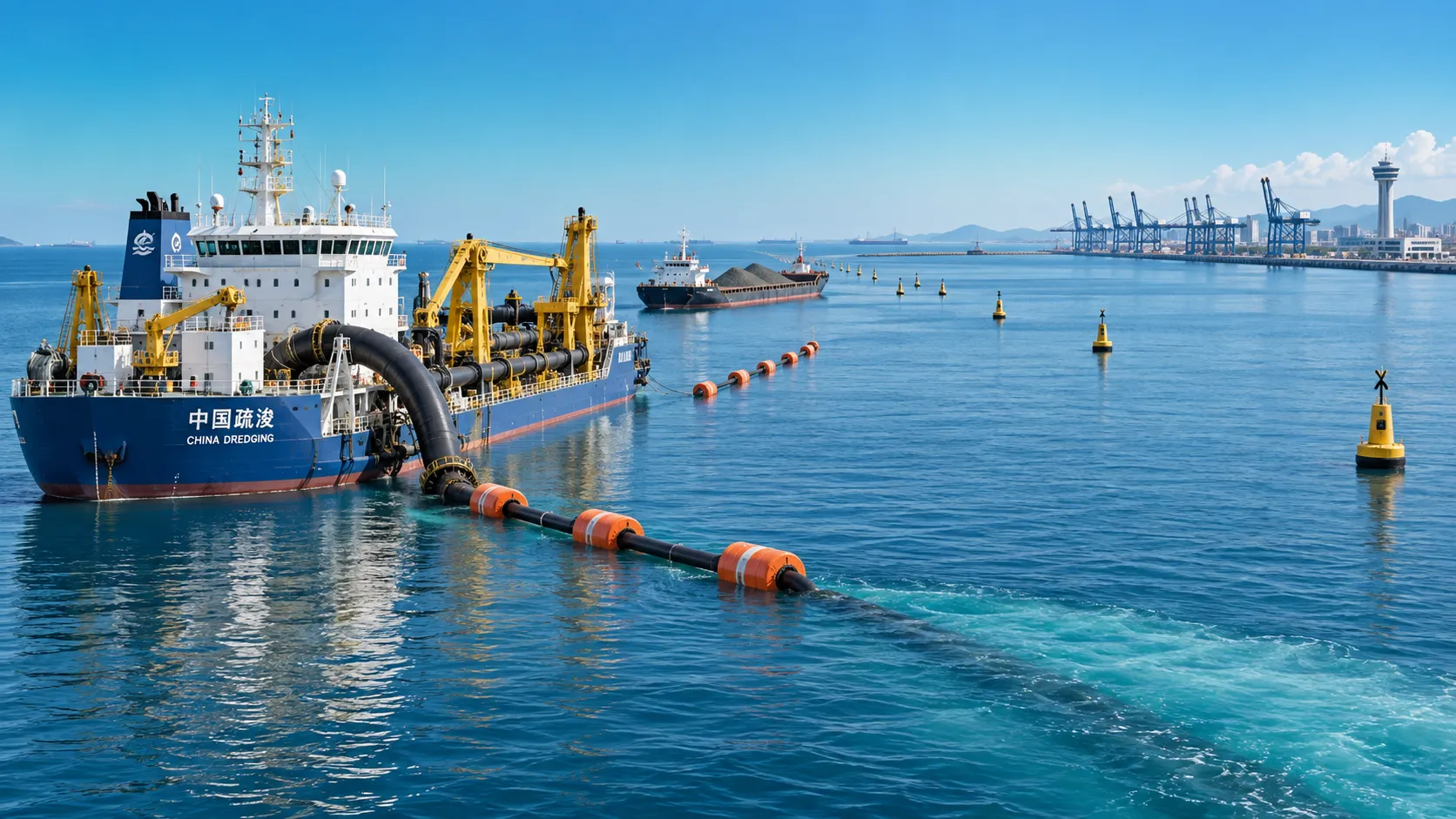
Planning Offshore Dredging Operations: Key Risks, Methods, and Project Controls
Offshore dredging operations demand smart planning. Explore key risks, proven methods, environmental controls, and project strategies for reliable delivery.