Related News
- 00
0000-00
How to Evaluate Terminal Efficiency Solution Suppliers for High-Throughput Operations - 00
0000-00
What to Consider When Buying Electric Port Machinery for Container Terminals - 00
0000-00
How to Select Container Handling Equipment for Middle East Ports and Terminals - 00
0000-00
How to Evaluate a Port Machinery Exporter for Large-Scale Terminal Projects - 00
0000-00
Evaluating a Dredging Equipment Manufacturer for Mining Plant Supply
Bulk Handling Equipment for Mining: What to Compare Before Specifying a System
Bulk handling equipment for mining sits at the intersection of extraction, inland logistics, and export infrastructure. A specification decision affects more than capital cost. It shapes plant uptime, dust control, energy use, shipping rhythm, and the reliability of raw material flow across the wider supply chain.
That is why a serious comparison of bulk handling equipment for mining starts with operating reality rather than a price sheet. Throughput targets, ore behavior, site conditions, automation strategy, maintenance access, and lifecycle economics all matter. In sectors linked to ports and commodity corridors, a weak choice upstream often becomes a bottleneck downstream.
Why specification discipline matters now
Mining projects are being pushed from several directions at once. Ore grades vary more. Environmental compliance is tighter. Power costs are less predictable. Export schedules are less forgiving. Equipment must now perform under stronger scrutiny from operations, finance, and sustainability teams.
This is especially visible in systems connected to marine terminals and transoceanic commodity trade. PS-Nexus follows this space closely because bulk machinery does not operate in isolation. Yard handling, shiploading windows, stockpile management, and digital controls increasingly depend on one another.
In practical terms, specifying bulk handling equipment for mining is no longer just a mechanical decision. It is a systems decision, with implications for mine planning, port interface, and commercial performance.
What counts as a bulk handling system
The term covers more than conveyors. A mining bulk handling system usually includes feeders, crushers interface points, transfer towers, belt conveyors, stackers, reclaimers, hoppers, chutes, dust suppression, sampling stations, and control architecture.
Some projects also include wagon loading, truck intake, stockyard automation, blending systems, and shiploading integration. The right specification therefore depends on where the system begins and ends. A mine-to-plant layout needs different priorities from a mine-to-port corridor.
A common mistake is evaluating each machine separately. In reality, bulk handling equipment for mining performs only as well as the transfer logic between components. Chute design, surge capacity, belt tracking, and control response often decide whether the headline capacity is achievable.
The first comparison point is material behavior
Material characteristics should drive the specification from the start. Density, lump size, moisture, abrasiveness, stickiness, angle of repose, and degradation tendency all affect equipment selection. A system built for dry coal will not behave the same way with wet iron ore fines or copper concentrate.
This is where many specification documents remain too generic. Stating only tonnes per hour is not enough. Bulk handling equipment for mining must be matched to the full operating envelope, including peak moisture events, blended materials, and off-design feed conditions.
- Abrasive material raises wear rates in chutes, liners, idlers, and skirt areas.
- Fine, dusty products increase the importance of enclosure and extraction systems.
- Sticky ores demand attention to buildup, blockage risk, and cleanup access.
- Fragile material may require lower drop heights and gentler transfer geometry.
Without this material profile, vendors may quote nominally similar systems that are not truly comparable.
Capacity is more than a nameplate number
Capacity comparisons often collapse into one figure: design tonnes per hour. That figure matters, but it rarely tells the whole story. A better question is how the system performs across normal, constrained, and upset conditions.
Useful comparison points include sustained throughput, surge handling, start-stop frequency, reclaim flexibility, and performance during partial loading. If a conveyor can reach target speed but transfer points choke during wet weather, the system is not delivering real capacity.
In other words, bulk handling equipment for mining should be compared on delivered flow stability, not brochure maximums.
Site conditions change the right answer
A technically sound design can still fail if site conditions were underweighted. Ambient temperature, rainfall, wind exposure, altitude, corrosive atmosphere, seismic criteria, and terrain constraints all influence equipment configuration.
Open-pit sites with long overland conveyors face different issues from enclosed processing plants or coastal export terminals. In port-linked projects, salinity and corrosion resistance become more important. In remote mines, serviceability and spare parts strategy may outweigh small efficiency gains.
The specification should also reflect civil and structural interfaces. Foundation loads, transfer tower footprints, and access platforms are not secondary details. They affect installation time, future modifications, and total project risk.
Automation and controls deserve early attention
Bulk handling equipment for mining increasingly operates within digital control environments. Variable speed drives, belt monitoring, chute blockage detection, predictive maintenance sensors, and stockyard management software are now part of the specification discussion, not add-ons for later.
This matters because control compatibility affects ramp-up speed and data visibility. If the mechanical package cannot integrate cleanly with plant control systems, the result is often unstable sequencing, higher alarm frequency, and weak fault diagnosis.
PS-Nexus tracks similar patterns across port automation and terminal equipment. The lesson transfers well to mining: intelligent assets create value only when communication logic, sensor quality, and operating procedures are aligned from the beginning.
Questions worth asking during comparison
- Which data points are native to the equipment package?
- How easily can the system connect to SCADA, DCS, or fleet platforms?
- What condition monitoring functions are included by default?
- Can the controls support future automation or remote operation upgrades?
Maintenance reality often separates strong options from weak ones
Maintenance is where lifecycle claims become measurable. Systems with similar throughput may create very different maintenance burdens. Access to idlers, chute liners, pulleys, bearings, drives, and cleaners should be assessed in detail.
Wear life assumptions should also be tested against actual material properties and operating hours. A low initial quote can become expensive when liner changes are frequent, shutdown windows are short, or proprietary parts have long lead times.
For bulk handling equipment for mining, maintainability should be reviewed together with manpower model, safety procedures, and local service support. A system that is elegant on paper but difficult to inspect or isolate will eventually erode availability.
Environmental performance is now part of core design
Dust, spillage, noise, water use, and power demand have moved closer to the center of project evaluation. These issues affect permitting, community acceptance, housekeeping effort, and operating cost.
That is why bulk handling equipment for mining should be compared for enclosure quality, transfer point sealing, suppression method, regenerative opportunities, and energy consumption across duty cycles. In some cases, a more efficient layout delivers stronger value than a larger machine.
This also aligns with the broader industry move toward net-zero operations and smarter heavy equipment use. Mechanical performance and environmental performance are no longer separate conversations.
A practical framework for final evaluation
When several suppliers remain in consideration, a structured comparison helps remove noise. The most useful approach is usually a weighted matrix built around project-specific risk, not generic scoring.
- Confirm material test data and duty assumptions.
- Separate continuous capacity from occasional peak claims.
- Review maintainability with drawings, not only narratives.
- Test automation compatibility before freezing the package.
- Compare wear parts strategy, lead times, and local support.
- Model energy, downtime, and cleanup costs over lifecycle horizons.
- Check how the mining system connects to rail, stockyard, or port flows.
That last point is often underused. Where mining output feeds export networks, the right specification is the one that supports the whole logistics chain, not just the mine fence line.
Where the next decision should focus
A good specification for bulk handling equipment for mining is built on operating context, verified assumptions, and clear commercial tradeoffs. It should explain why a system fits the material, the site, the control philosophy, and the long-term asset plan.
The next step is usually to refine the comparison criteria before vendor alignment hardens into habit. Map the material risk, define real throughput expectations, test maintainability, and connect the equipment choice to downstream logistics performance.
That approach creates a specification that is easier to defend, easier to execute, and far more likely to perform under actual mining conditions.
Related News
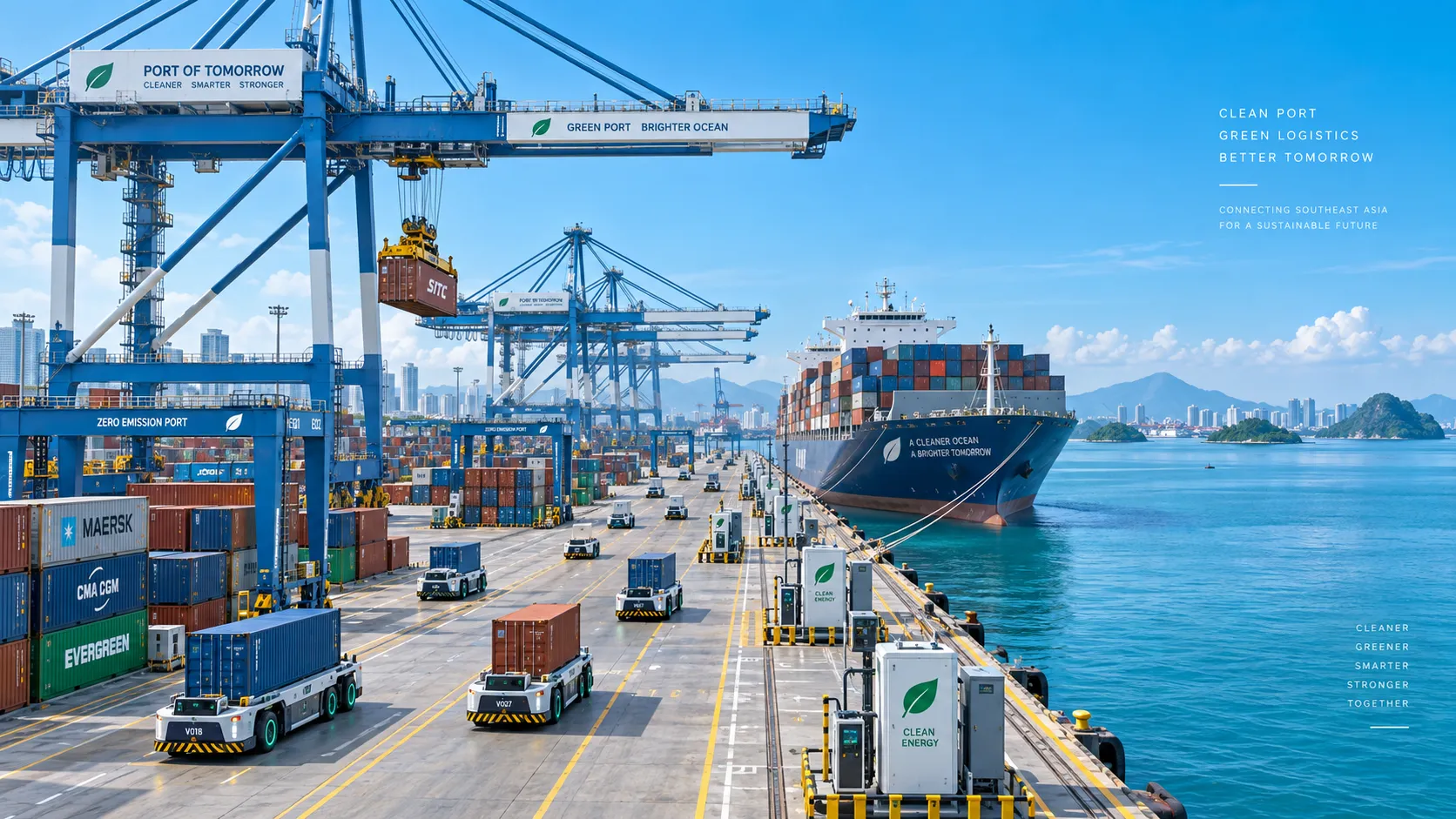
Smart Port Systems in Southeast Asia: Investment Priorities and Adoption Barriers
Smart port systems Southeast Asia: discover investment priorities, adoption barriers, and practical steps to build resilient, connected, high-performing terminals.

How to Evaluate Terminal Efficiency Solution Suppliers for High-Throughput Operations
Choose a terminal efficiency solutions supplier with confidence. Explore proven criteria for throughput, integration, lifecycle cost, safety, and reliable delivery.
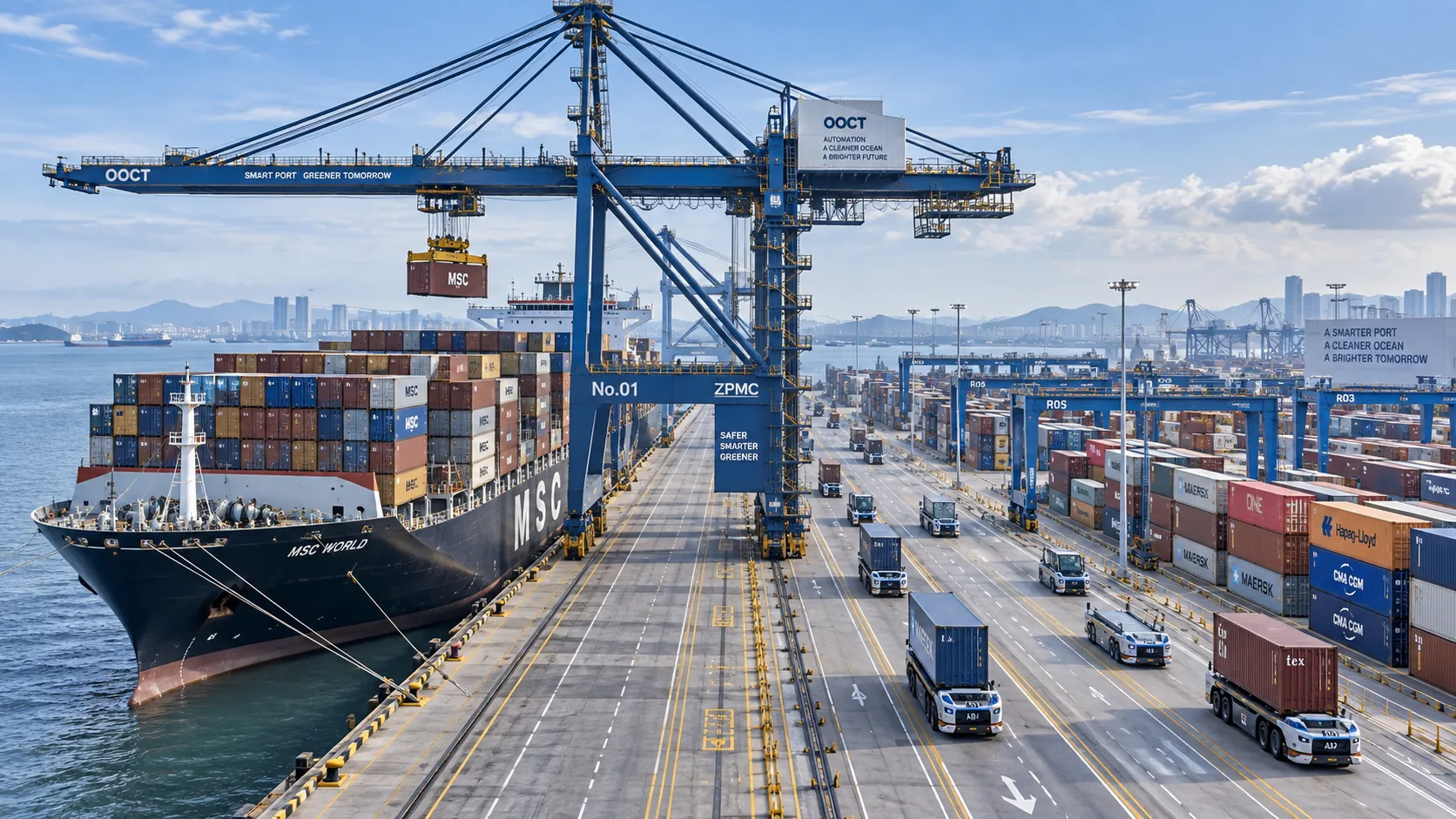
How to Specify a Quay Crane for Container Terminals by Vessel Size and Throughput?
Quay crane for container terminals: learn how to match outreach, lift height, capacity, automation, and cycle performance to vessel size and throughput goals.
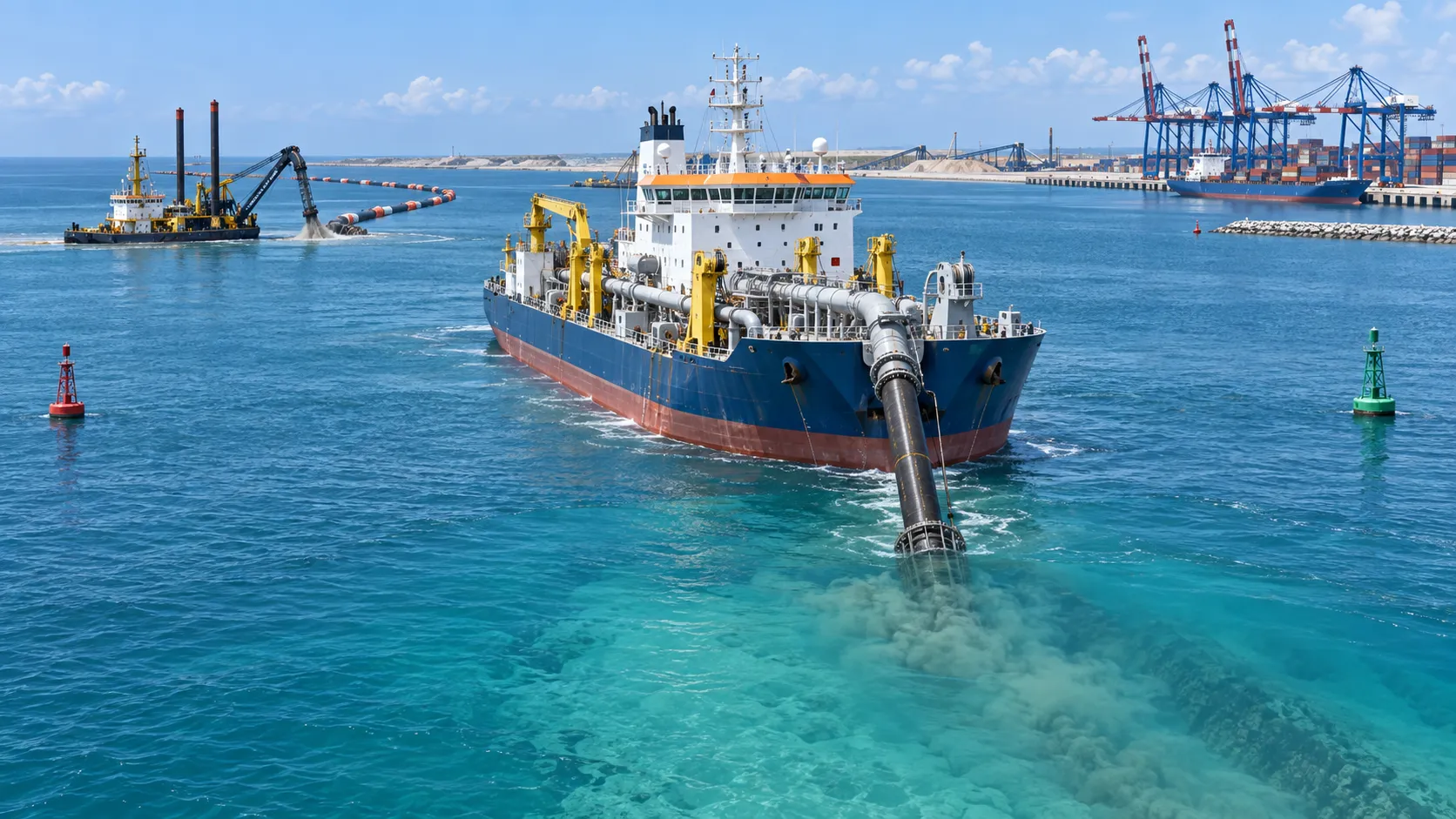
What Dredging Equipment Is Needed for Channel Deepening?
What dredging equipment is needed for channel deepening? Explore dredgers, pipelines, survey tools, and planning strategies for safer, more efficient port access.
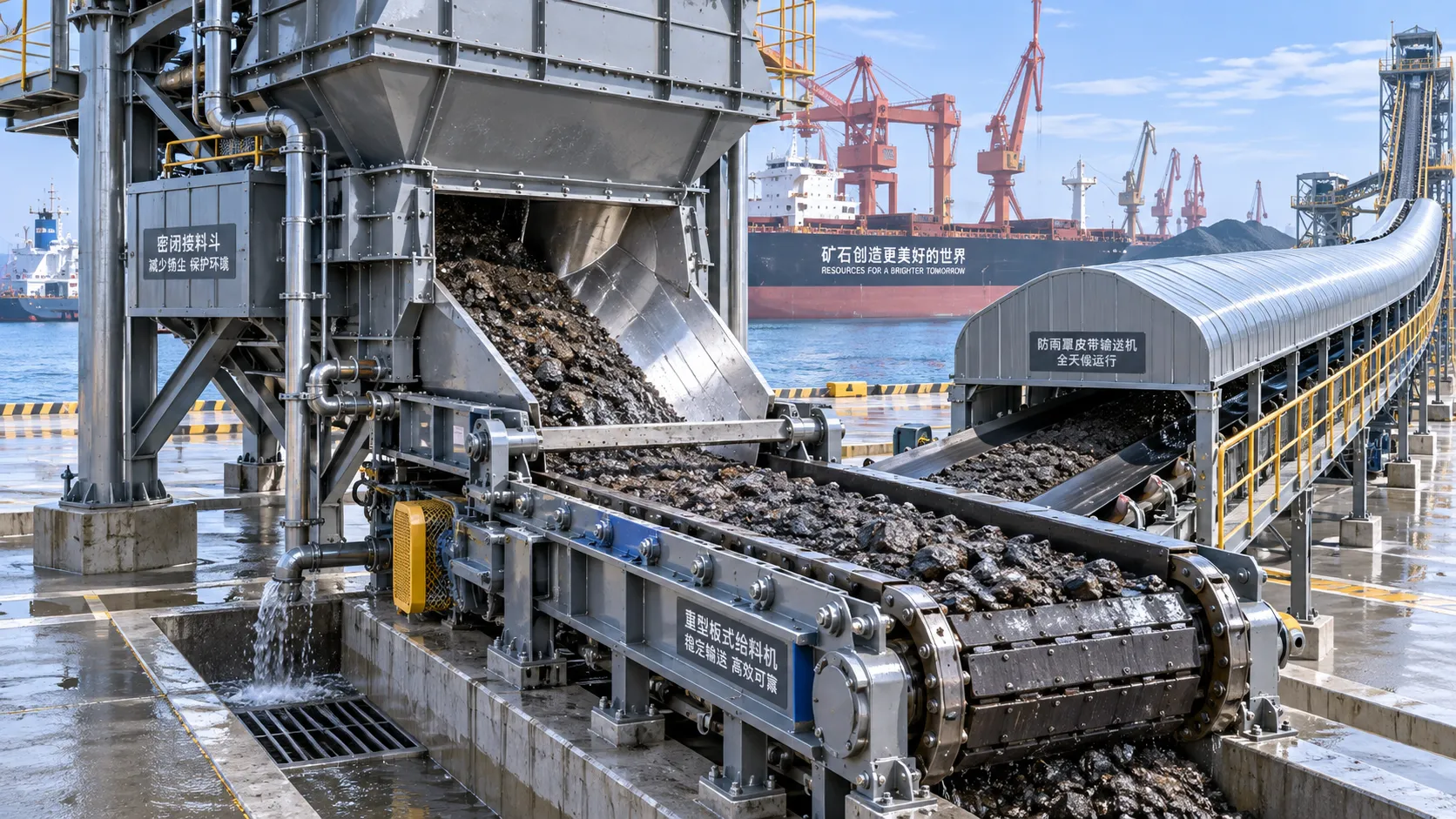
Which Bulk Handling Equipment Suits High-Moisture Cargo?
Which bulk handling equipment suits high-moisture cargo? Compare belt, apron, screw, drag, and slurry systems for reliable flow, less carryback, and higher terminal uptime.
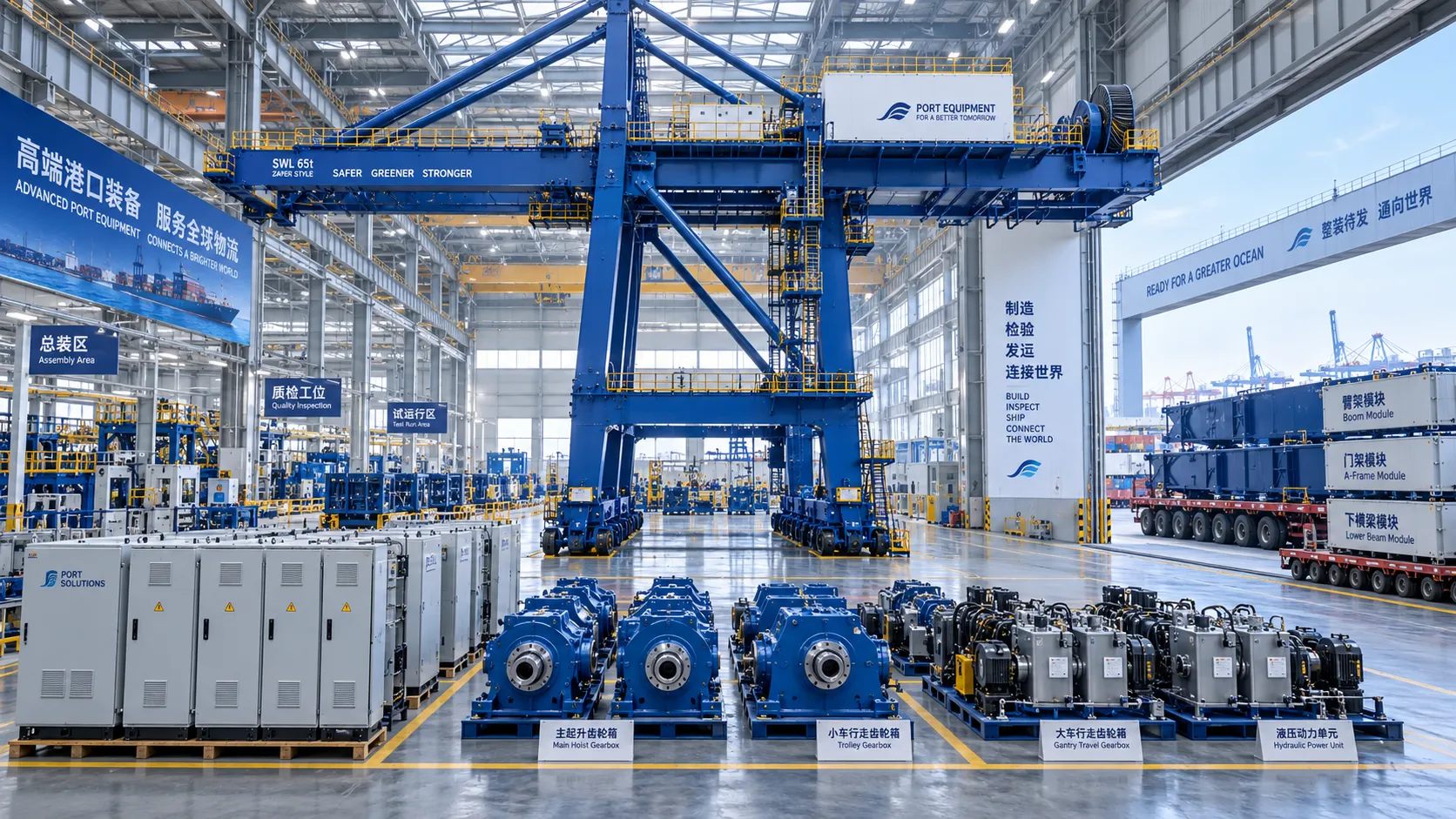
How Can Port Equipment Lead-Time Risk Be Managed?
How can port equipment lead-time risk be managed? Explore practical strategies to control critical paths, suppliers, transport, site readiness, and commissioning delays.
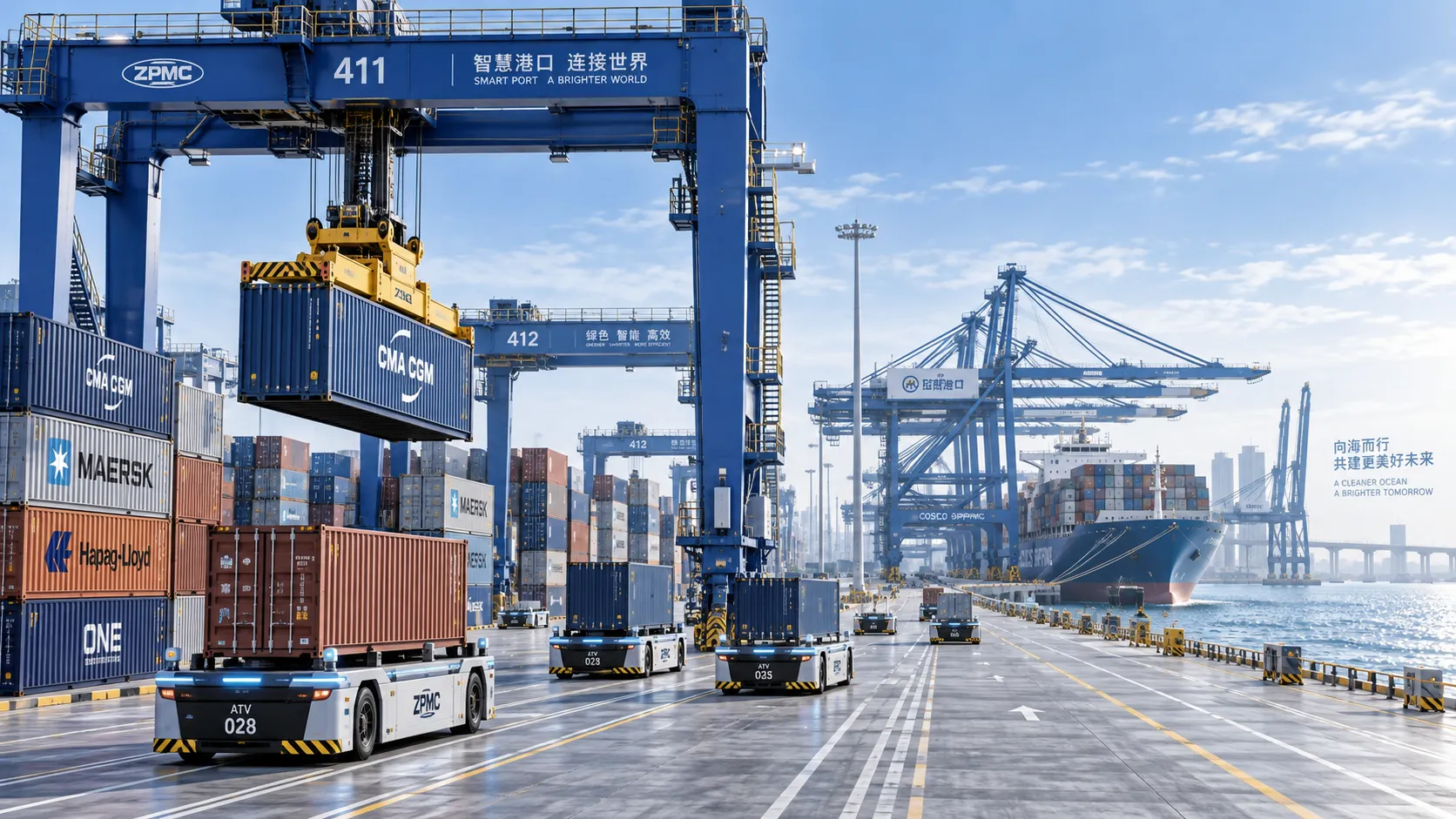
Terminal Automation Technologies That Raise Container Throughput Without Yard Disruption
Terminal automation technology that increases container throughput without disrupting yard flow. Explore smarter integration, resilient workflows, and phased deployment strategies.

Middle East Port Automation: Key Market Drivers, Projects, and Investment Risks
Port automation systems Middle East: explore market drivers, flagship projects, integration challenges, and investment risks shaping smarter, resilient terminals.
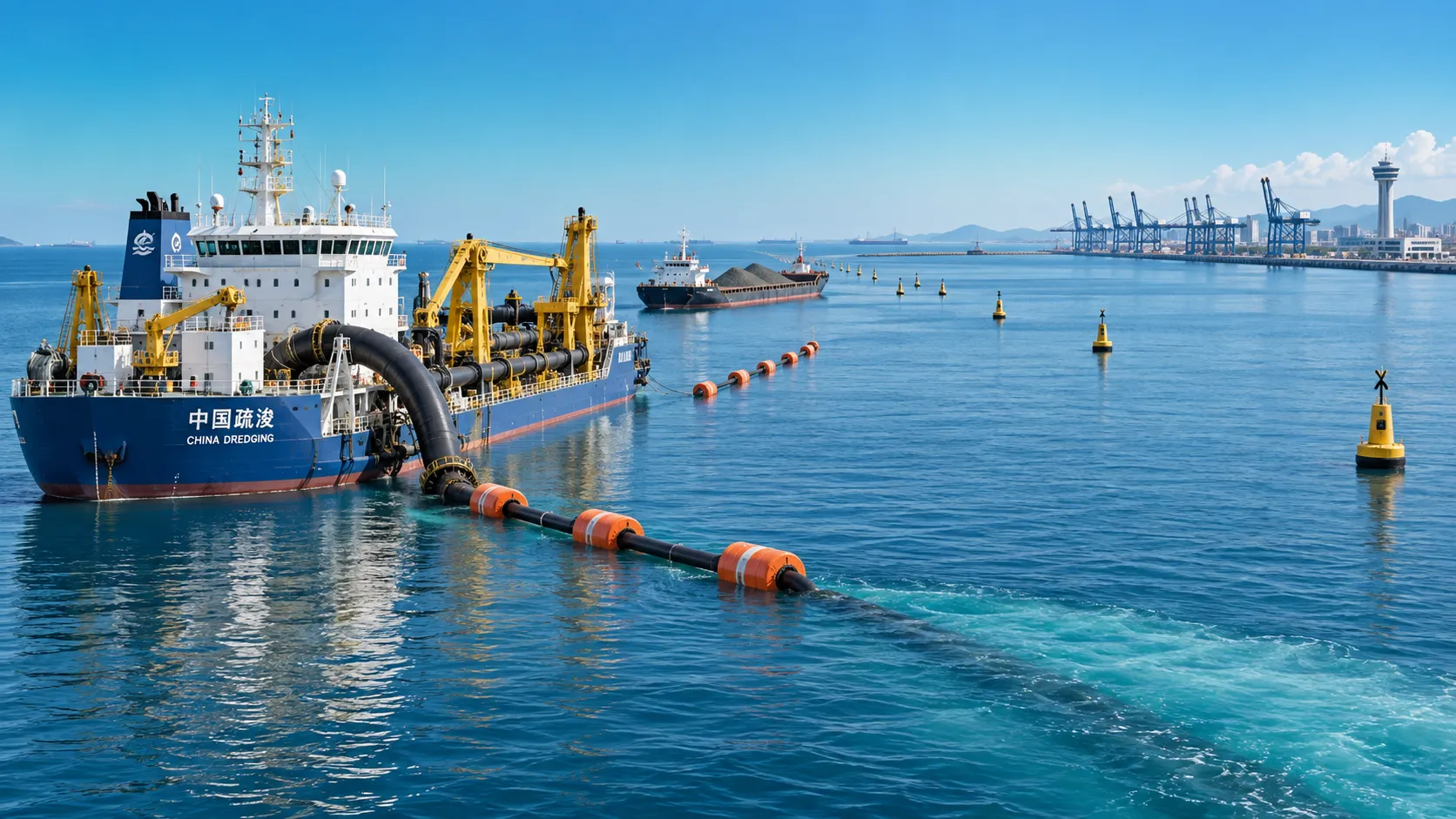
Planning Offshore Dredging Operations: Key Risks, Methods, and Project Controls
Offshore dredging operations demand smart planning. Explore key risks, proven methods, environmental controls, and project strategies for reliable delivery.