Related News
- 00
0000-00
Smart Port Systems Pricing: How to Compare Lifecycle Costs and ROI by Terminal Scale - 00
0000-00
What Drives Bulk Material Handling Pricing in Large Conveyor System Projects? - 00
0000-00
How Shipping Rate Analytics in Europe Help Importers Predict Costs and Route Risk - 00
0000-00
What Buyers Check When Reviewing Used PVC Coating Line Output and Condition - 00
0000-00
Automated Port Systems Cost Breakdown: CAPEX, Integration, and Maintenance Factors
Global Shipping Rates Procurement: What Buyers Should Track Before Signing Contracts
Global Shipping Rates Procurement: What Buyers Should Track Before Signing Contracts
In global shipping rates procurement, a low headline quote is only the starting point.
The real decision sits inside volatility, surcharge logic, and route-level operating risk.
That matters even more when budgets are tight and delivery promises are fixed.
A contract that looks competitive today can become expensive within weeks.
In practice, global shipping rates procurement requires a wider lens than freight alone.
Teams need to test how rates behave under changing bunker prices, congestion, and equipment shortages.
The goal is simple: stable capacity, clearer landed cost, and fewer surprises after signature.
Start With Rate Structure, Not Just Base Price
Many contracts look attractive because the base ocean rate appears lower than competing offers.
But global shipping rates procurement should begin with the full rate architecture.
That includes bunker adjustment factors, peak season surcharges, security fees, and emergency cost add-ons.
Ask each carrier or forwarder to separate fixed charges from variable charges.
Then compare trigger rules, revision frequency, and notice periods.
A lower quote with loose adjustment language often creates more budget exposure.
This is where many procurement decisions drift off course.
- Confirm which surcharges are capped and which remain open.
- Check whether rates are valid by week, month, or sailing window.
- Review currency clauses and exchange-rate pass-through rules.
- Ask how rolled cargo affects the quoted rate commitment.
Track Volatility Before Locking a Contract
Rate volatility is one of the most important signals in global shipping rates procurement.
A quote can be fair in a stable corridor and risky in a fast-moving one.
Look at recent spot rate movement, contract renewal trends, and blank sailing patterns.
From recent market shifts, the clearer signal is not only price direction.
It is the speed and frequency of changes across the route.
Procurement teams should map a three-part view before signing.
- Short-term movement over the last 8 to 12 weeks.
- Seasonal pressure around export peaks and holiday demand.
- Structural shifts tied to capacity withdrawals or new service loops.
This makes contract timing sharper and helps avoid fixing rates at the wrong point in the cycle.
Watch Bunker Exposure and Fuel Pass-Through
Fuel cost remains a major variable in global shipping rates procurement.
Even when freight rates soften, bunker-related charges can keep total transport cost elevated.
That is especially true on long-haul corridors and transshipment-heavy routings.
The important question is not whether a bunker surcharge exists.
It is how the surcharge is calculated and how often it resets.
Some suppliers use transparent index-linked formulas.
Others apply broader discretionary changes with limited forecast visibility.
For planning purposes, transparent formulas usually support better procurement control.
Questions Worth Asking
- Which fuel index supports the adjustment?
- How often is the bunker factor reviewed?
- Is there a floor, ceiling, or collar mechanism?
- Does the formula differ by vessel size or service string?
Measure Port Congestion and Inland Friction
Global shipping rates procurement often fails when ocean rates are reviewed in isolation.
The route may look competitive at sea while collapsing at the port gate or rail ramp.
Congestion creates hidden cost through delays, storage, demurrage, and missed production windows.
This is where market intelligence becomes practical, not theoretical.
PS-Nexus follows logistics node dynamics because terminal efficiency directly shapes landed cost reliability.
At major gateways, handling productivity and berth pressure can change routing economics fast.
When procurement teams review port congestion, they should focus on operational indicators.
Check Carrier Reliability Before Committing Volume
A strong contract is not only about price discipline.
It also depends on whether the service performs during stressed conditions.
In global shipping rates procurement, carrier reliability deserves equal weight with cost.
Review on-time arrival, booking acceptance, cargo roll history, and claims responsiveness.
A carrier with slightly higher rates may still deliver better total value.
That is especially true for time-sensitive industrial cargo or project-linked shipments.
Reliable execution protects inventory, production continuity, and customer commitments.
Minimum Reliability Checks
- Schedule reliability over the last two quarters.
- Blank sailing frequency on the target route.
- Transshipment dependency and port substitution history.
- Service recovery steps when disruptions occur.
Read the Contract for Cost Leakage Points
Contract language can quietly reshape the outcome of global shipping rates procurement.
Some of the largest cost leaks come from clauses that seem routine.
Priority goes to allocation rules, minimum quantity commitments, and rollover terms.
Pay close attention to free time, detention, and demurrage language.
These charges often rise when port operations become unstable.
Another issue is exception wording around force majeure and emergency surcharges.
Broad wording can weaken the commercial protection that the contract appears to offer.
Match Strategy to Route Risk and Cargo Profile
Not every lane needs the same contract structure.
That is why effective global shipping rates procurement is route-specific.
Stable, repetitive flows may suit annual agreements with indexed fuel treatment.
More volatile corridors may need shorter validity windows or dual-sourcing structures.
Cargo type matters too.
Heavy machinery, specialized components, and project cargo usually carry tighter execution risk.
For those flows, service assurance can be more valuable than headline savings.
This is increasingly relevant around port automation equipment and heavy terminal gear movements.
Build a Smarter Procurement Checklist
A practical checklist helps turn market noise into disciplined global shipping rates procurement.
Before any contract is signed, review the shipment flow from vessel schedule to final delivery.
- Validate the total cost stack, not only the ocean freight line.
- Compare surcharge formulas across all shortlisted suppliers.
- Review route volatility and recent capacity behavior.
- Assess port congestion and inland transfer reliability.
- Check operational performance, not just commercial promises.
- Stress-test contract language against disruption scenarios.
- Align contract length with lane stability and cargo criticality.
This approach creates better negotiating leverage and more realistic landed cost planning.
It also reduces the gap between what was quoted and what is finally paid.
For teams operating across maritime logistics networks, detail matters more than headline discounts.
That is where decision quality improves.
Global shipping rates procurement works best when market intelligence, contract discipline, and route knowledge stay connected.
In a market shaped by port efficiency, fuel exposure, and changing trade patterns, the strongest contracts are rarely the simplest quotes.
Track the right signals early, challenge weak assumptions, and sign only when the full cost picture holds together.
Related News
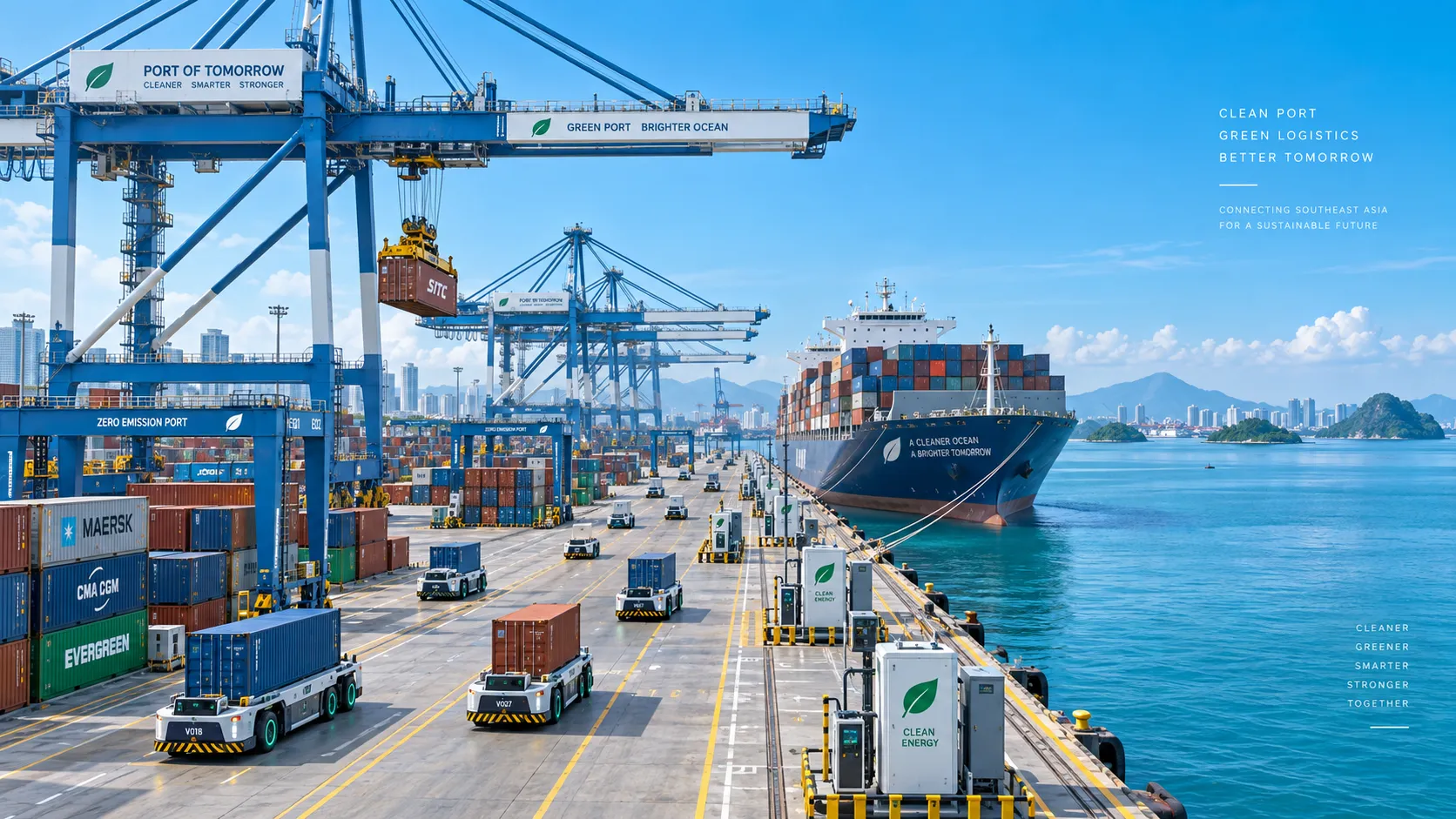
Smart Port Systems in Southeast Asia: Investment Priorities and Adoption Barriers
Smart port systems Southeast Asia: discover investment priorities, adoption barriers, and practical steps to build resilient, connected, high-performing terminals.

How to Evaluate Terminal Efficiency Solution Suppliers for High-Throughput Operations
Choose a terminal efficiency solutions supplier with confidence. Explore proven criteria for throughput, integration, lifecycle cost, safety, and reliable delivery.
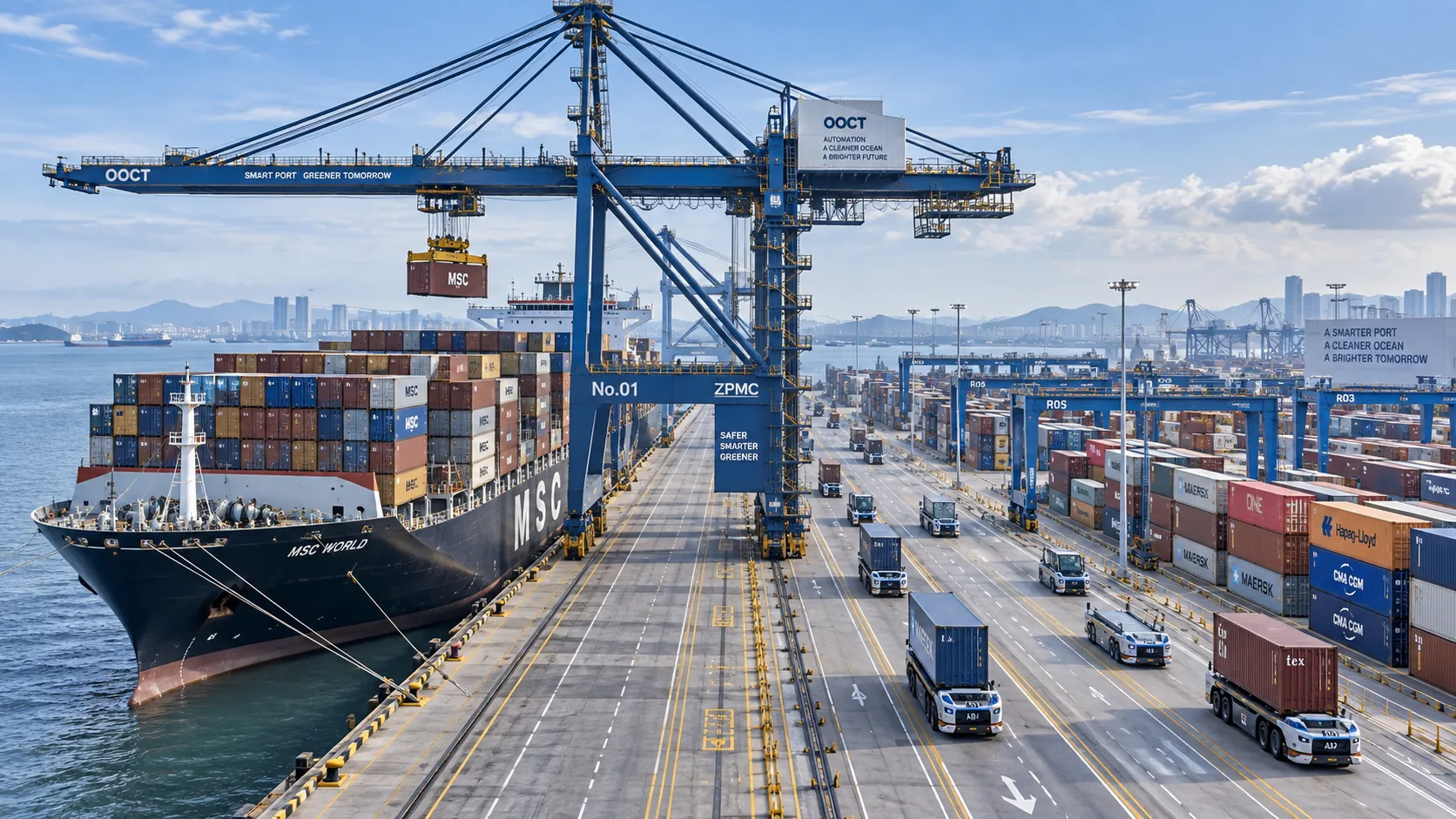
How to Specify a Quay Crane for Container Terminals by Vessel Size and Throughput?
Quay crane for container terminals: learn how to match outreach, lift height, capacity, automation, and cycle performance to vessel size and throughput goals.
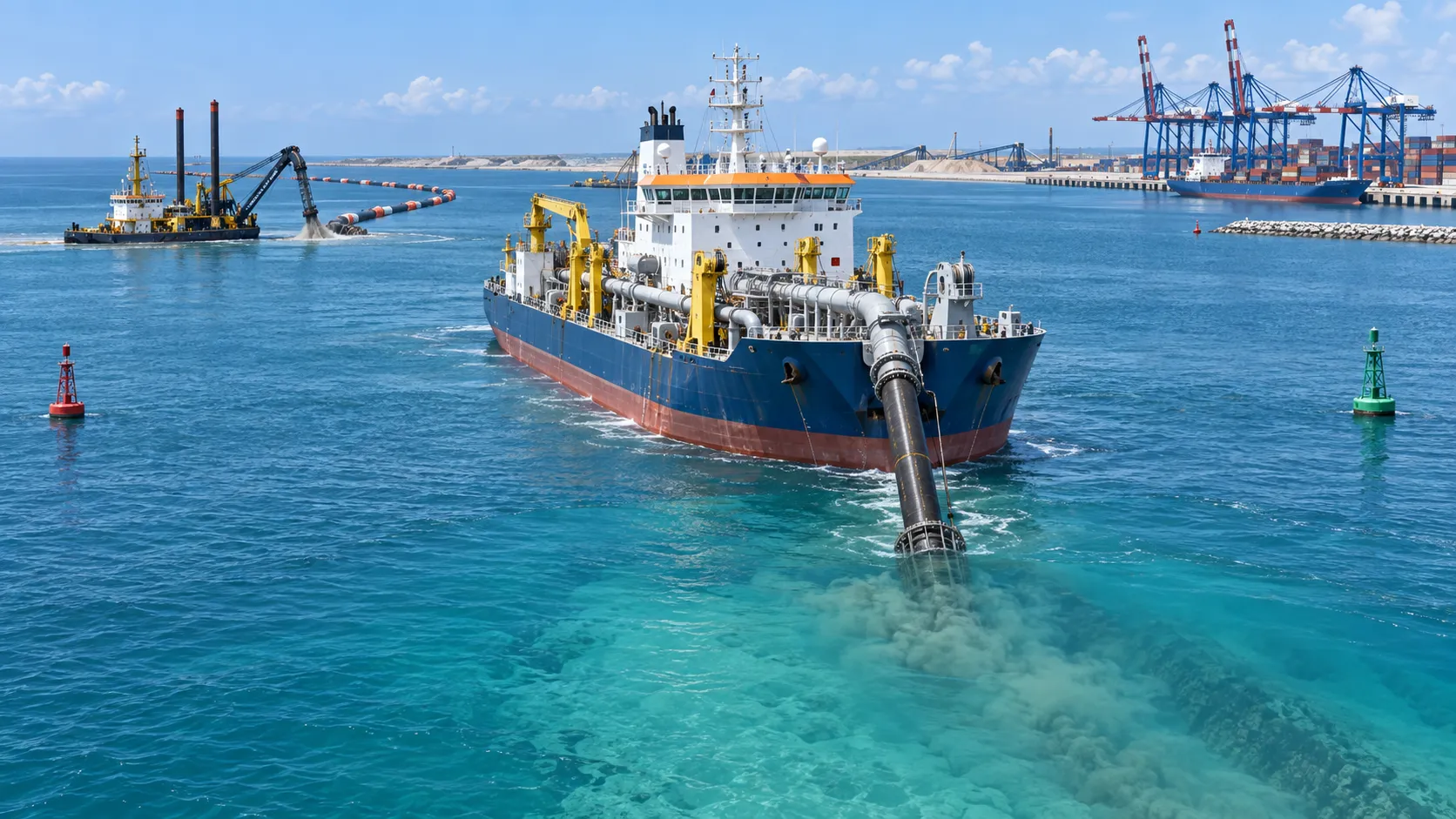
What Dredging Equipment Is Needed for Channel Deepening?
What dredging equipment is needed for channel deepening? Explore dredgers, pipelines, survey tools, and planning strategies for safer, more efficient port access.

Which Bulk Handling Equipment Suits High-Moisture Cargo?
Which bulk handling equipment suits high-moisture cargo? Compare belt, apron, screw, drag, and slurry systems for reliable flow, less carryback, and higher terminal uptime.
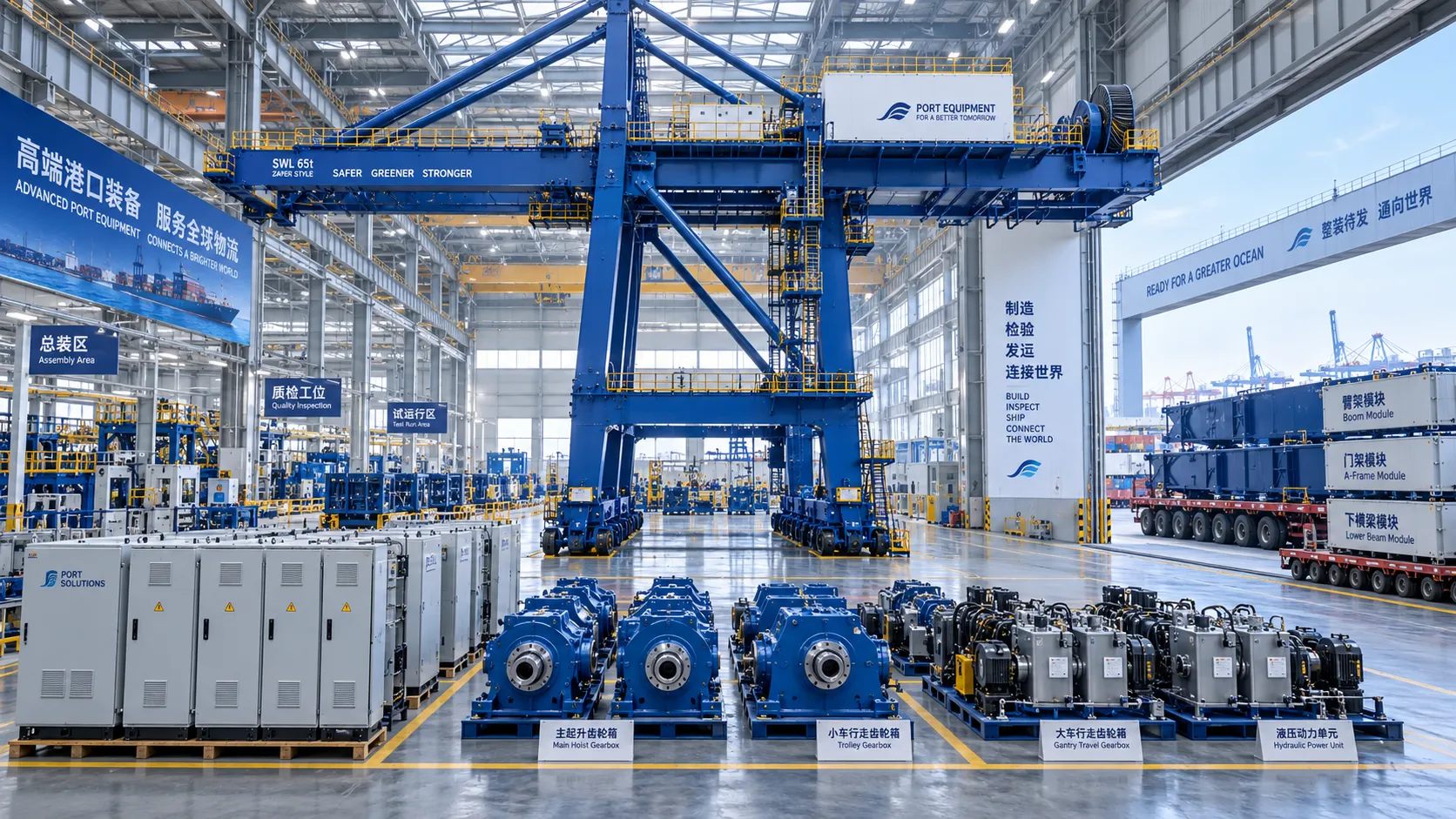
How Can Port Equipment Lead-Time Risk Be Managed?
How can port equipment lead-time risk be managed? Explore practical strategies to control critical paths, suppliers, transport, site readiness, and commissioning delays.
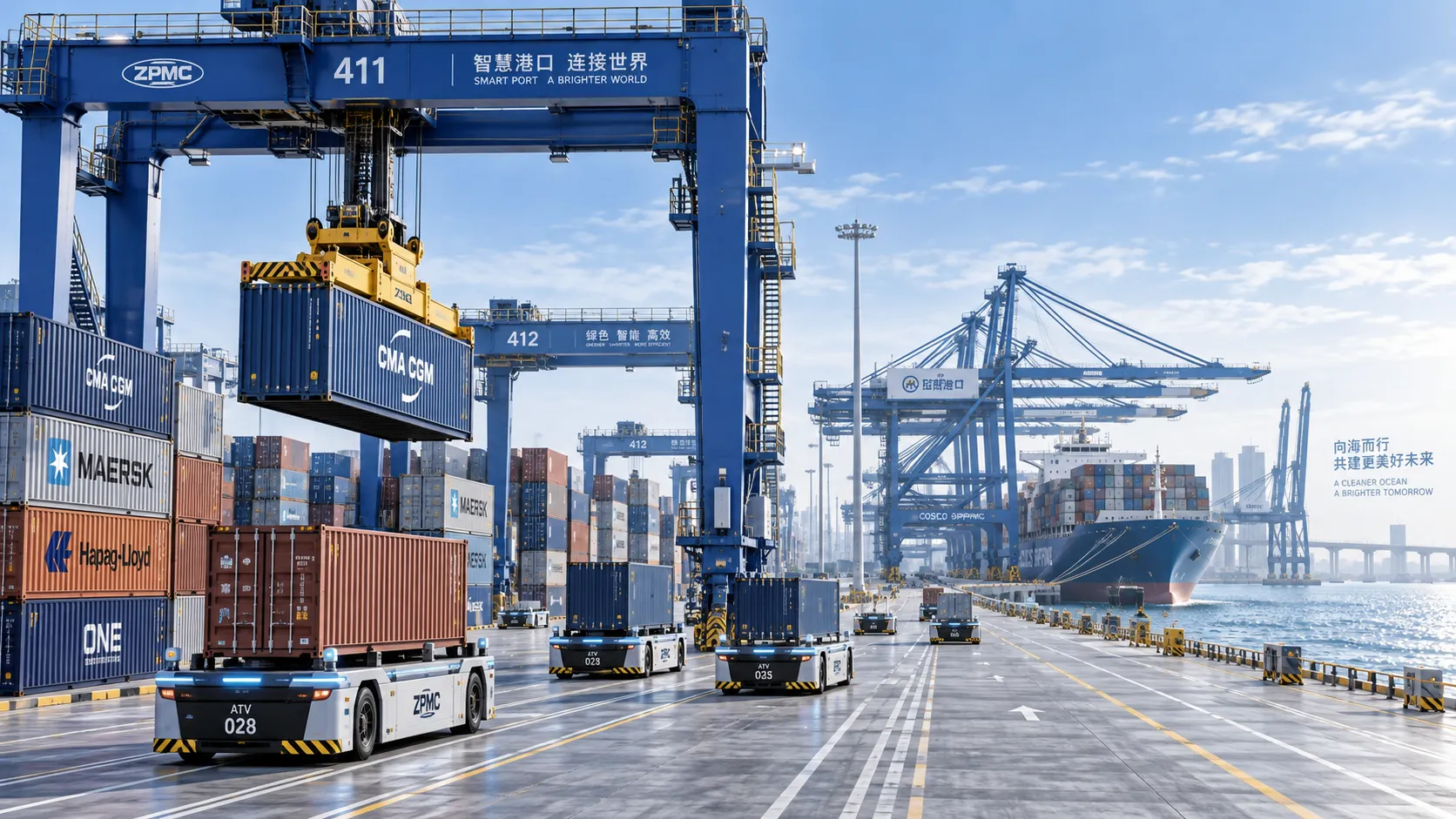
Terminal Automation Technologies That Raise Container Throughput Without Yard Disruption
Terminal automation technology that increases container throughput without disrupting yard flow. Explore smarter integration, resilient workflows, and phased deployment strategies.
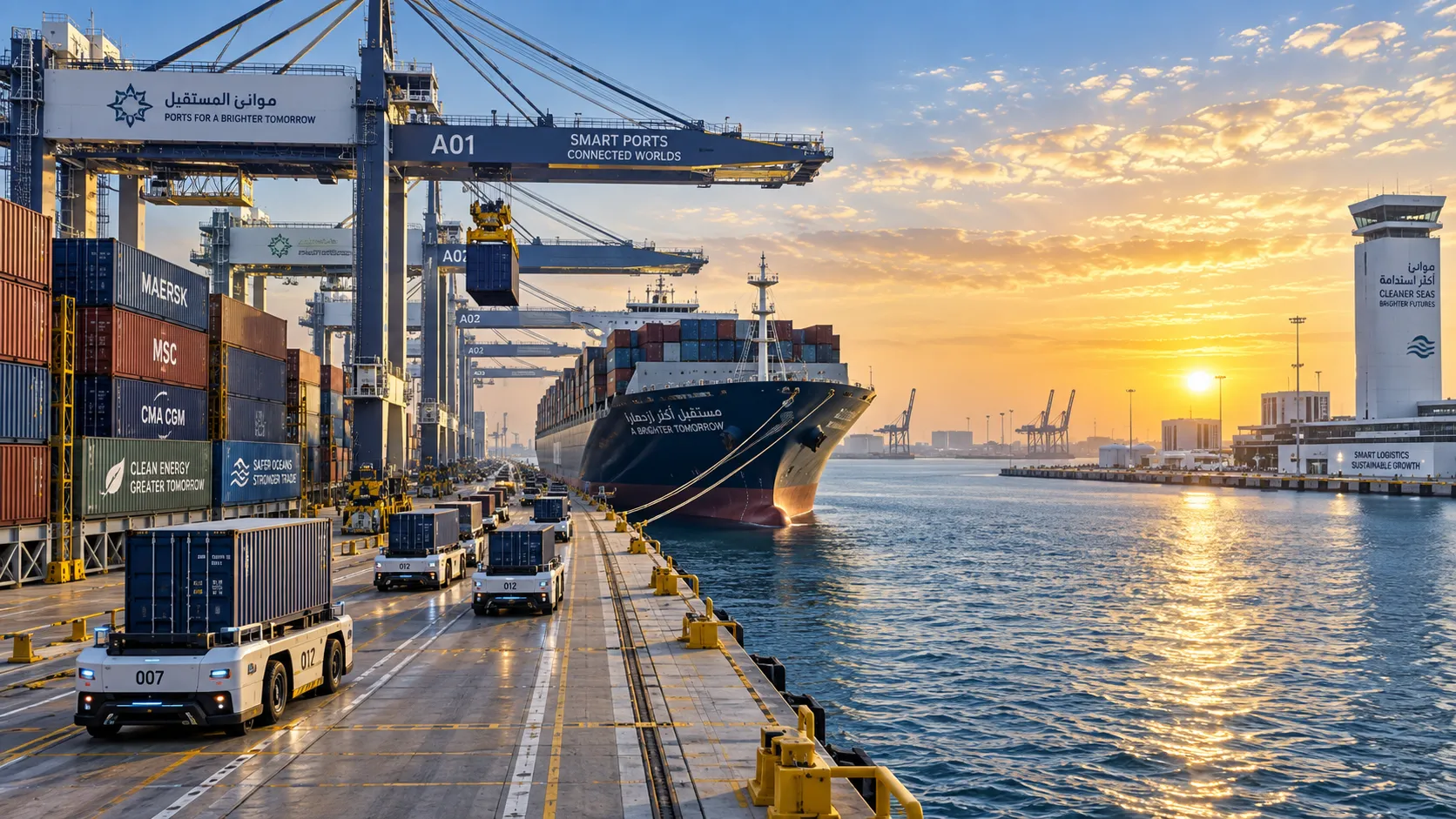
Middle East Port Automation: Key Market Drivers, Projects, and Investment Risks
Port automation systems Middle East: explore market drivers, flagship projects, integration challenges, and investment risks shaping smarter, resilient terminals.
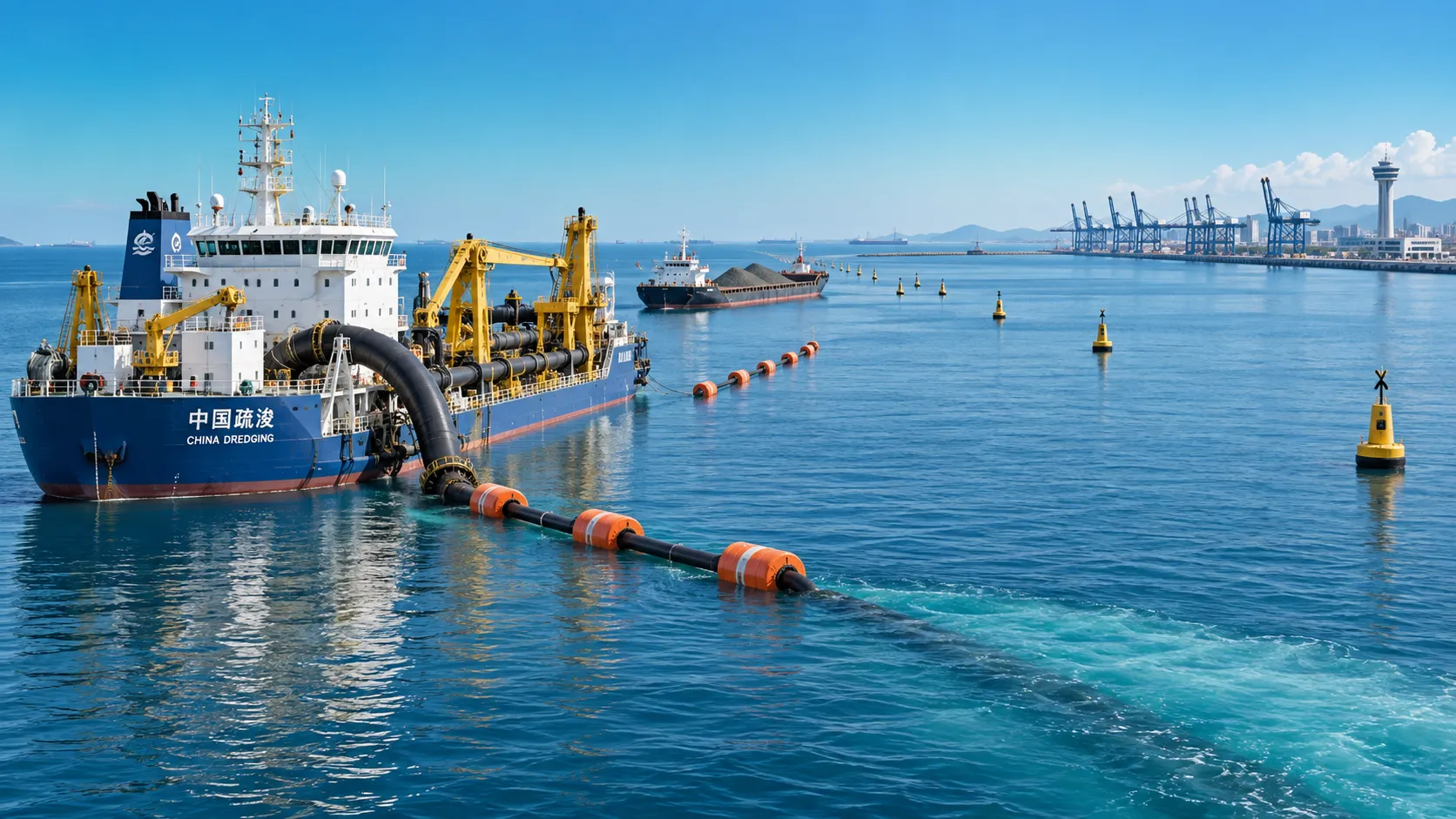
Planning Offshore Dredging Operations: Key Risks, Methods, and Project Controls
Offshore dredging operations demand smart planning. Explore key risks, proven methods, environmental controls, and project strategies for reliable delivery.