Related News
- 00
0000-00
How Can Port Equipment Lead-Time Risk Be Managed? - 00
0000-00
Maritime Logistics Operations: How Ports Can Reduce Container Dwell Time - 00
0000-00
What Does Logistics Node Monitoring Cost Across Warehouses and Transport Hubs? - 00
0000-00
How Can IoT Smart Port Solutions Improve Container Tracking and Yard Efficiency? - 00
0000-00
How Real-Time Port Logistics Intelligence Improves Container Yard Efficiency
Coastal Infrastructure for Ports: How to Plan for Erosion, Berthing Loads, and Expansion
Coastal infrastructure for ports starts with operating reality
Coastal infrastructure for ports is rarely defined by a single structure.
A quay wall may look adequate on paper, yet fail the larger terminal logic.
Erosion patterns, berthing loads, dredging cycles, and future expansion usually interact long before visible failure appears.
That is why planning decisions need to connect marine engineering with cargo flow, equipment intensity, and shifting trade lanes.
Within that wider view, coastal infrastructure for ports becomes an operational system, not just a civil works package.
PS-Nexus follows this intersection closely because terminal gear, automated handling, and dredging engineering affect structural priorities in different ways.
A bulk terminal facing seasonal surges does not evaluate shoreline protection like an automated container hub.
The first may worry about vessel impact, sediment movement, and stockyard runoff.
The second is often more sensitive to pavement settlement, utility corridors, crane rail alignment, and uninterrupted yard circulation.
The practical question is not whether investment is needed.
It is how to shape coastal infrastructure for ports so current capacity does not block future competitiveness.
Why similar waterfronts can require very different planning choices
In actual projects, similar coastlines often behave differently once terminal use intensifies.
Wave climate matters, but so do vessel size, mooring frequency, under-keel clearance, and cargo dwell time.
A port serving frequent feeder calls may face repetitive berthing energy.
A gateway handling larger ships may face fewer calls, but much higher peak loads and stricter berth availability targets.
This is where coastal infrastructure for ports must be judged against operating patterns rather than shoreline geometry alone.
Another source of difference is how marine works interact with equipment strategy.
Heavy terminal gear raises deck load demands.
Automated container handling raises tolerance demands.
Dredging programs change sediment behavior and maintenance planning around the berth pocket and access channel.
When these factors are isolated, projects often overbuild one element and underprotect another.
A quick comparison of planning priorities
Where erosion control changes from shoreline issue to terminal risk
Erosion is often treated as a perimeter problem.
In practice, it becomes a productivity problem when toe scour, bank retreat, or sediment migration disrupt berth reliability.
For coastal infrastructure for ports, the key judgment is whether erosion threatens isolated edges or the operating core.
Open-coast terminals usually focus on wave attack and revetment durability.
Estuarine locations may look calmer, yet they can face stronger sediment redistribution and unpredictable dredging burdens.
That difference changes the engineering response.
More common misjudgments happen when protection is sized for annual averages.
Ports live through storm clusters, seasonal peaks, and vessel traffic concentration.
A design that survives normal conditions may still create expensive interruptions after a short period of abnormal loading.
A stronger approach is to review erosion control beside dredging schedules, shoreline monitoring, and berth occupation data.
That creates a clearer picture of when local erosion starts affecting navigation, crane access, or maintenance windows.
Berthing loads are not only structural numbers
Berthing loads are usually discussed through vessel mass, approach speed, and fender performance.
Those inputs matter, but coastal infrastructure for ports also depends on how often those loads repeat and where they concentrate.
A berth handling mega container ships needs more than high-capacity fenders.
It needs structural resilience across crane beams, anchor systems, apron slabs, and services buried behind the face line.
For bulk terminals, the challenge often shifts toward eccentric loading from shiploaders, conveyors, and reclaim interfaces.
That can make the apron and backland interaction as important as the marine wall itself.
This matters even more when modernization is planned in stages.
A berth designed for current ships may physically remain serviceable, yet still constrain larger cranes or tighter operating windows.
PS-Nexus regularly tracks how equipment scale and control systems reshape these thresholds.
As terminals automate, tolerances become less forgiving, and load effects become more visible across the entire waterfront system.
Useful checks before locking berth design
- Confirm vessel mix over the next expansion cycle, not only current calls.
- Test fender and mooring assumptions against local wind, current, and tug availability.
- Review crane rail, utilities, and pavement performance under repeated peak loading.
- Check whether dredging changes berth geometry or ship approach behavior.
Expansion planning works best when the next phase is designed early
Expansion is where many coastal infrastructure for ports decisions become expensive to correct.
The usual mistake is treating phase one as a standalone solution.
That can lock future dredging alignments, utility corridors, turning basin geometry, and traffic loops into inefficient patterns.
In real operations, growth rarely arrives evenly.
Berth demand may accelerate before yard automation is ready.
Channel deepening may be approved before backland reinforcement is funded.
Because of that, phased expansion should be evaluated as a sequence of temporary operating states.
Each temporary state must still support safe navigation, maintenance access, and acceptable berth productivity.
A well-sequenced program usually preserves future tie-in points, protects dredging flexibility, and avoids placing permanent assets where later widening is likely.
That discipline is especially relevant when ports want to align civil works with low-emission equipment renewal and smarter control architecture.
Different terminal scenarios call for different adaptation rules
The best planning framework is usually comparative rather than universal.
Before setting budgets, it helps to define what each operating scenario demands from coastal infrastructure for ports.
What gets misread before construction begins
Several errors appear repeatedly in port programs.
One is judging coastal infrastructure for ports by initial capex alone.
That usually underestimates maintenance dredging, shutdown exposure, and retrofit difficulty.
Another is assuming that similar berth lengths mean similar demand.
Operational intensity, cargo system weight, and future crane class can make the same footprint behave very differently.
There is also a tendency to separate civil and digital planning.
That separation is increasingly risky.
Ports aiming for automation, low-latency controls, and data-led maintenance need civil layouts that support cable routes, sensor coverage, and reliable service zones.
When PS-Nexus analyzes terminal modernization, this integration point often explains why some expansions scale smoothly while others stall after the first phase.
A practical next step for stronger coastal infrastructure for ports
A useful next step is to frame decisions around three time horizons.
Start with today’s operating stress, then test the next cargo and vessel shift, then check the expansion state that follows.
That simple sequence usually reveals whether erosion control, berthing load capacity, and expansion geometry still work together.
It also helps separate cosmetic upgrades from structural priorities.
For coastal infrastructure for ports, the strongest plans usually come from matching local marine conditions with terminal equipment pathways, dredging behavior, and long-cycle trade logic.
Where uncertainty remains, build a comparison matrix for shoreline risk, berthing energy, future berth class, dredging burden, and implementation downtime.
That creates a more reliable basis for phasing, cost control, and resilient port growth.
Related News
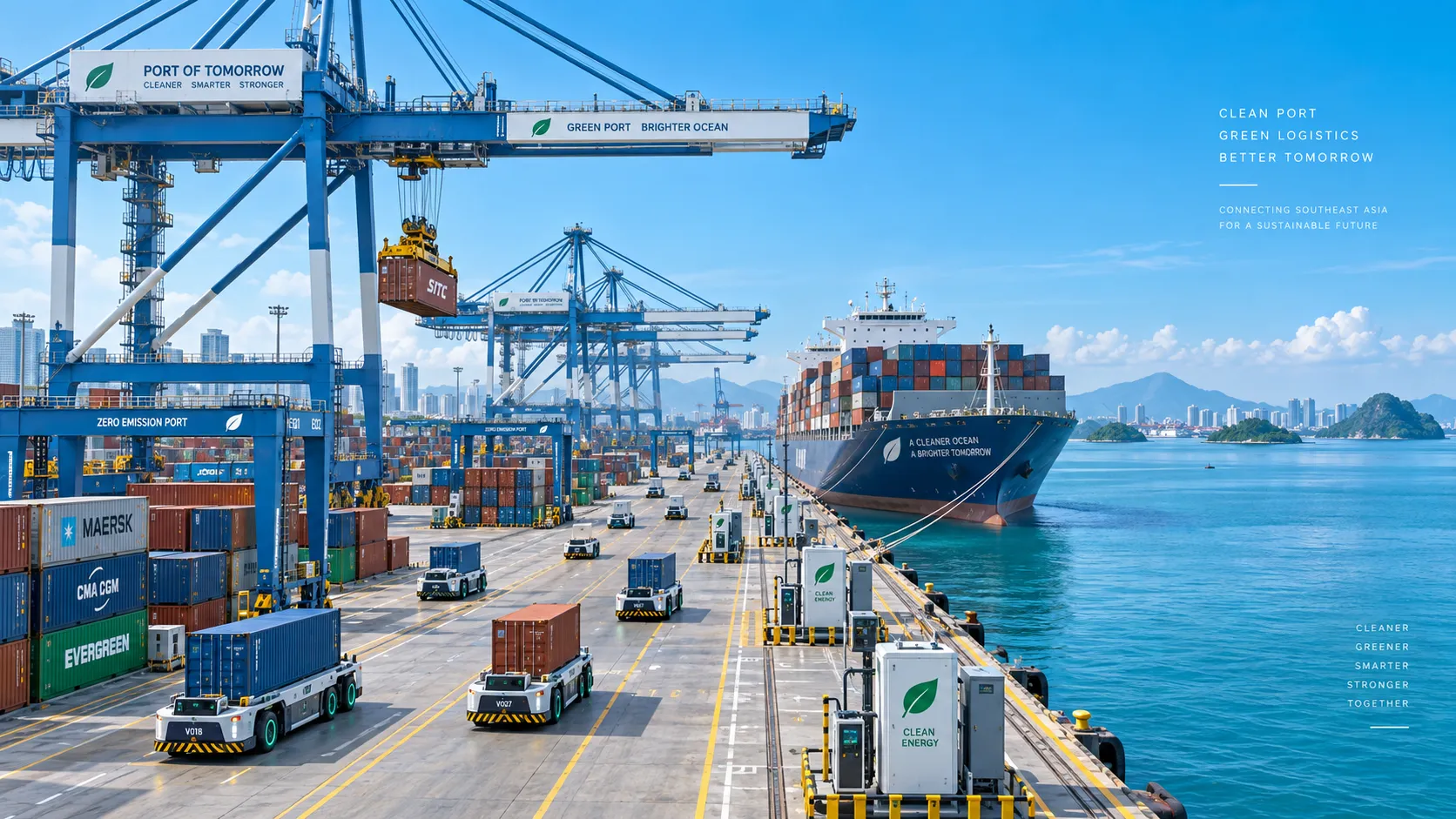
Smart Port Systems in Southeast Asia: Investment Priorities and Adoption Barriers
Smart port systems Southeast Asia: discover investment priorities, adoption barriers, and practical steps to build resilient, connected, high-performing terminals.
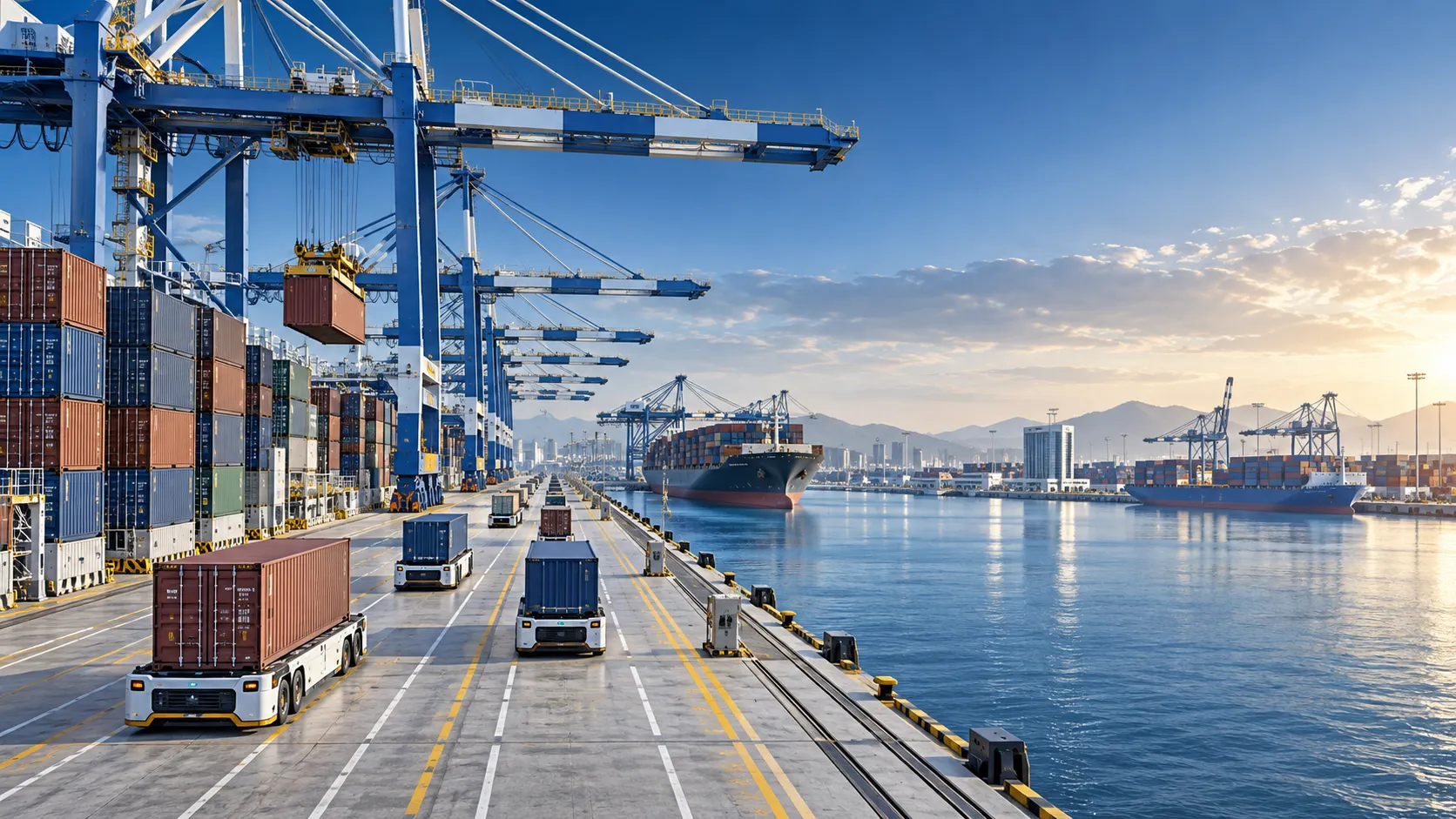
How to Evaluate Terminal Efficiency Solution Suppliers for High-Throughput Operations
Choose a terminal efficiency solutions supplier with confidence. Explore proven criteria for throughput, integration, lifecycle cost, safety, and reliable delivery.
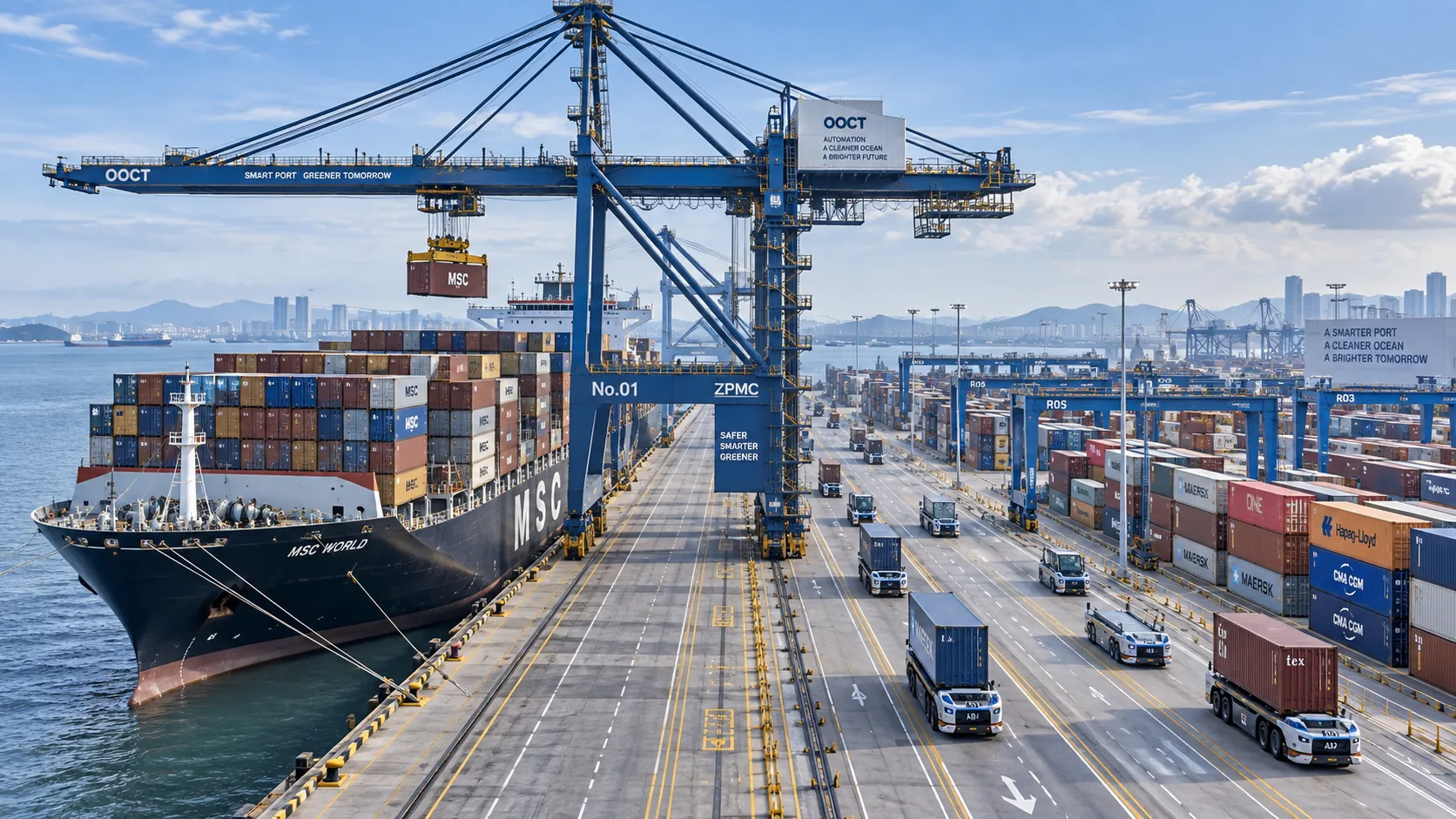
How to Specify a Quay Crane for Container Terminals by Vessel Size and Throughput?
Quay crane for container terminals: learn how to match outreach, lift height, capacity, automation, and cycle performance to vessel size and throughput goals.
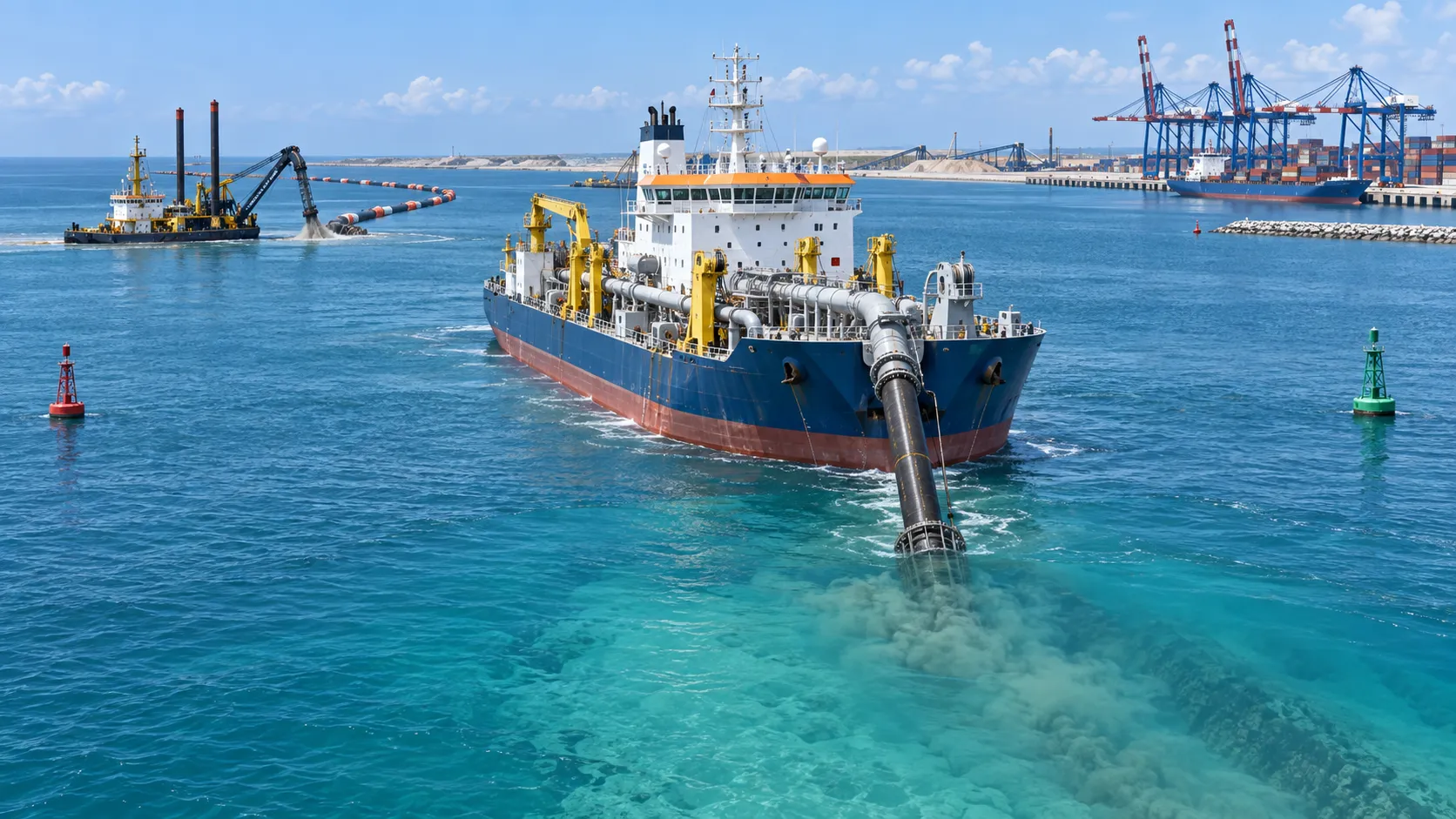
What Dredging Equipment Is Needed for Channel Deepening?
What dredging equipment is needed for channel deepening? Explore dredgers, pipelines, survey tools, and planning strategies for safer, more efficient port access.
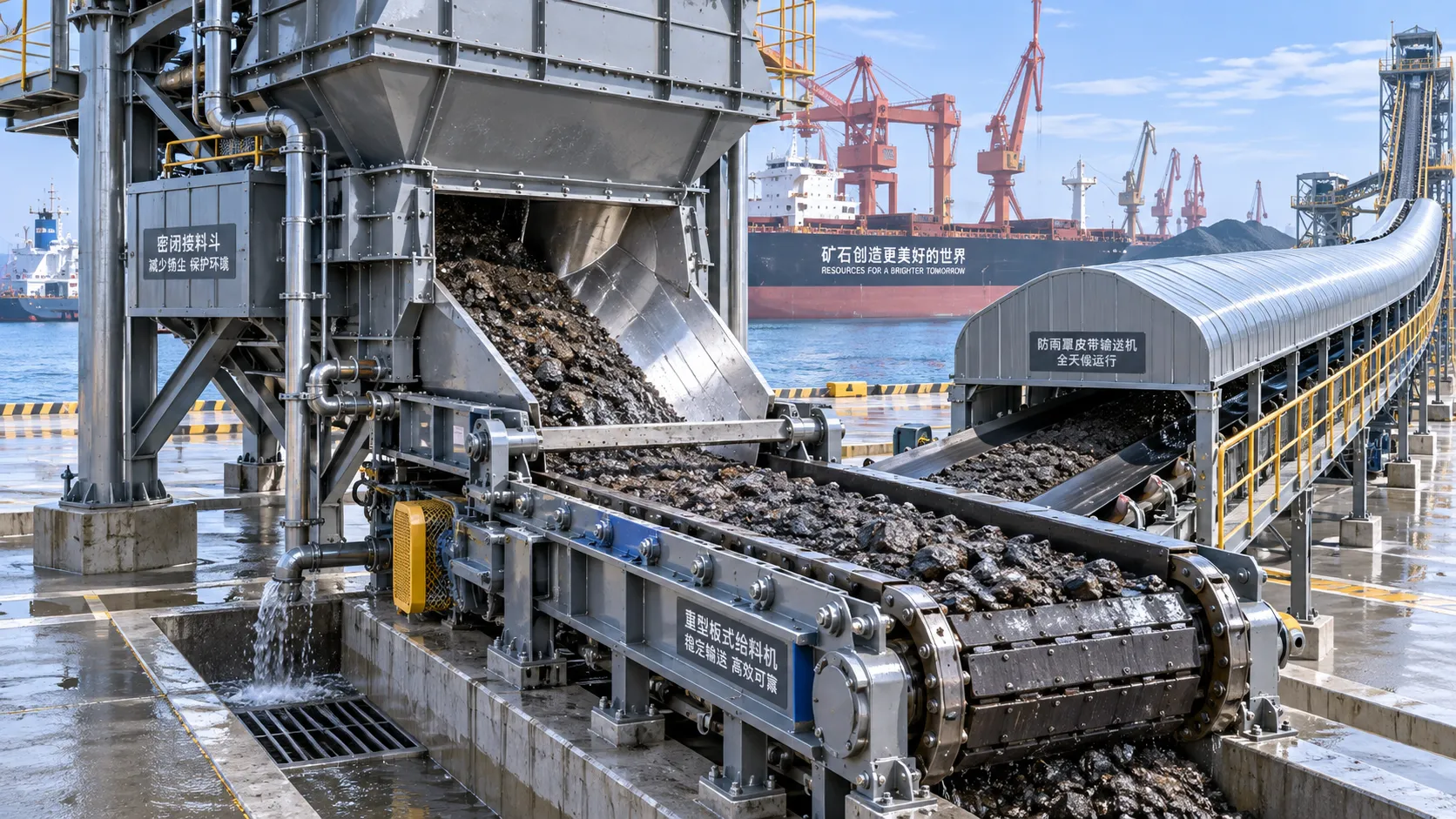
Which Bulk Handling Equipment Suits High-Moisture Cargo?
Which bulk handling equipment suits high-moisture cargo? Compare belt, apron, screw, drag, and slurry systems for reliable flow, less carryback, and higher terminal uptime.
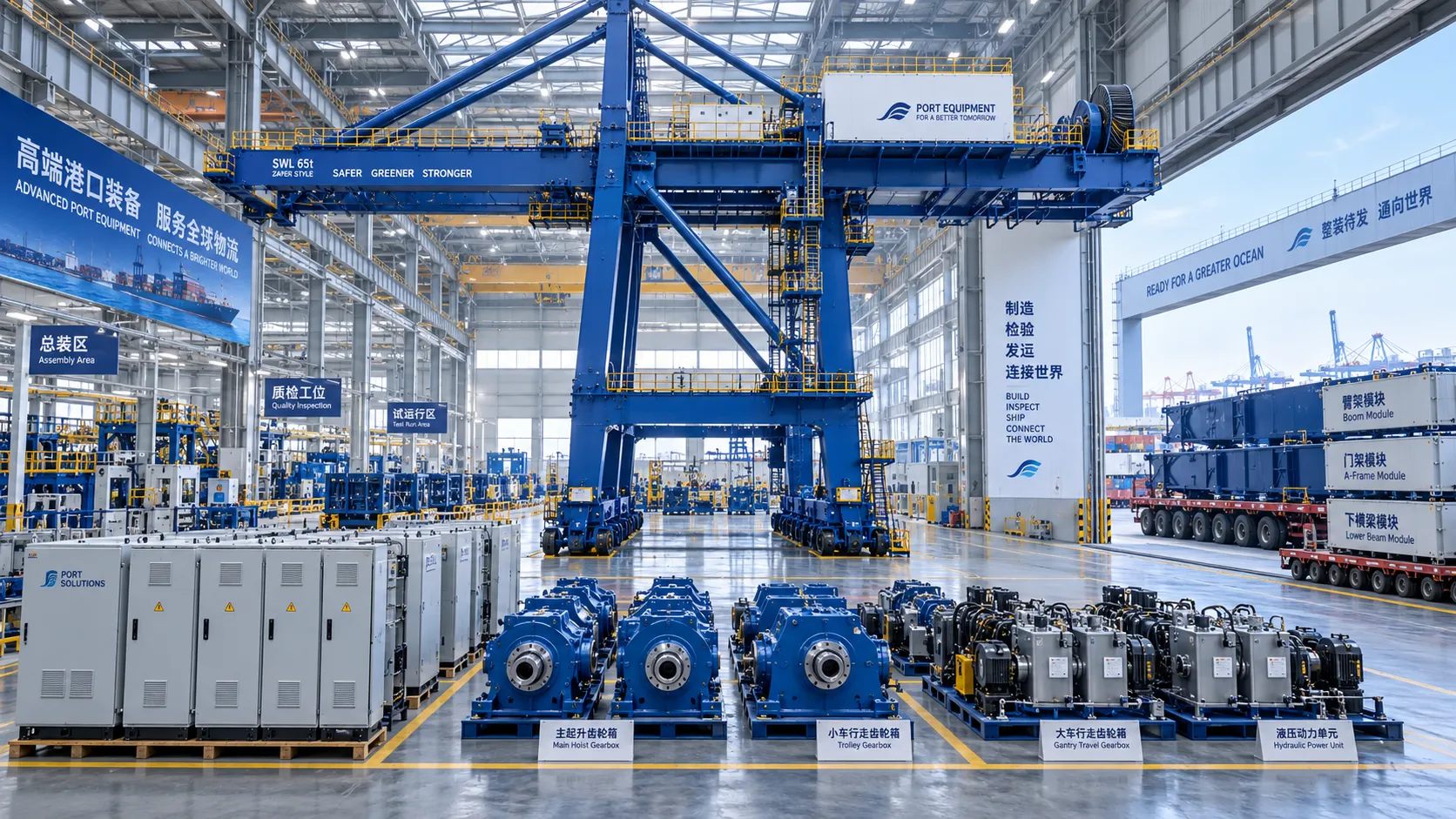
How Can Port Equipment Lead-Time Risk Be Managed?
How can port equipment lead-time risk be managed? Explore practical strategies to control critical paths, suppliers, transport, site readiness, and commissioning delays.
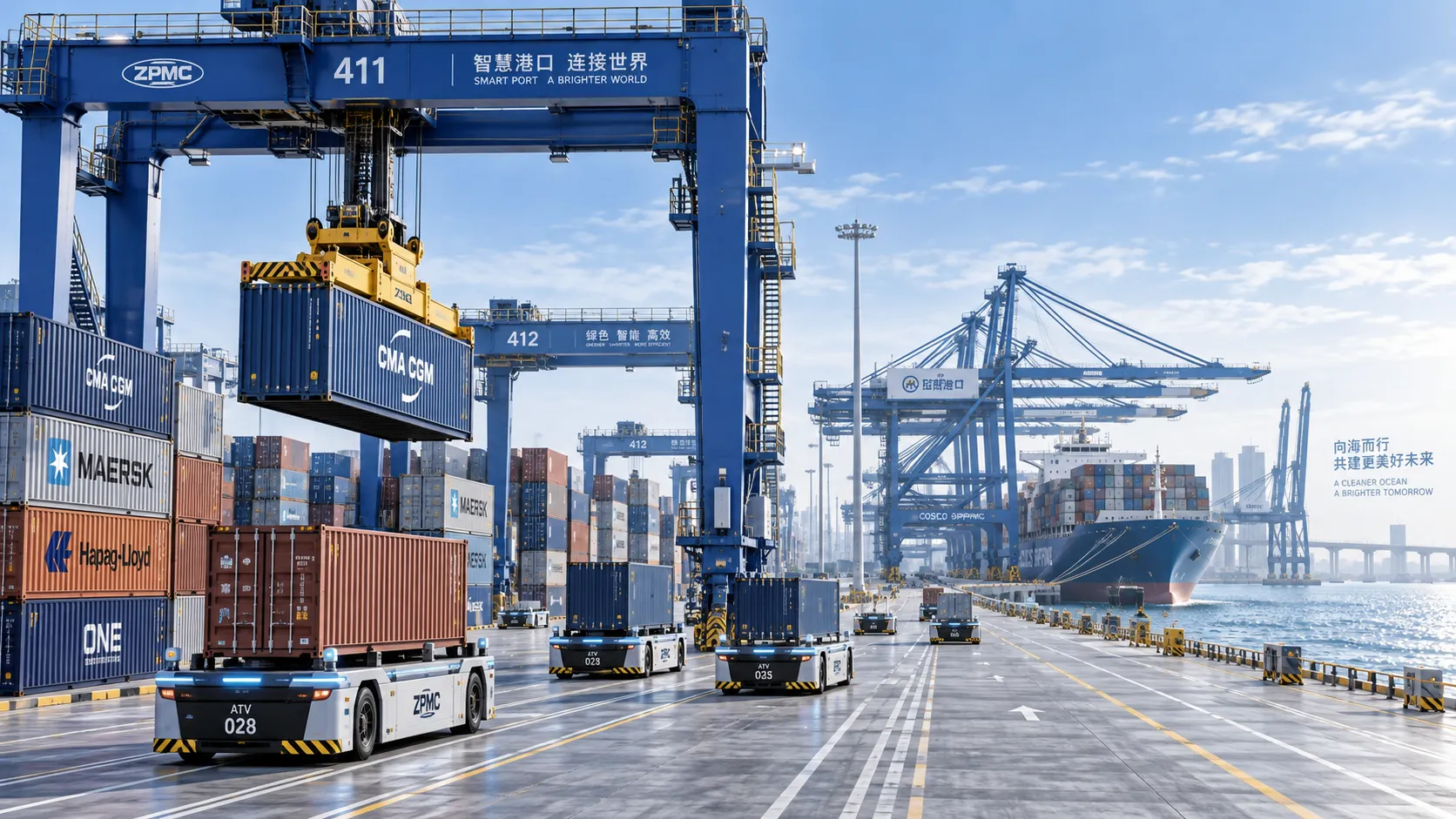
Terminal Automation Technologies That Raise Container Throughput Without Yard Disruption
Terminal automation technology that increases container throughput without disrupting yard flow. Explore smarter integration, resilient workflows, and phased deployment strategies.
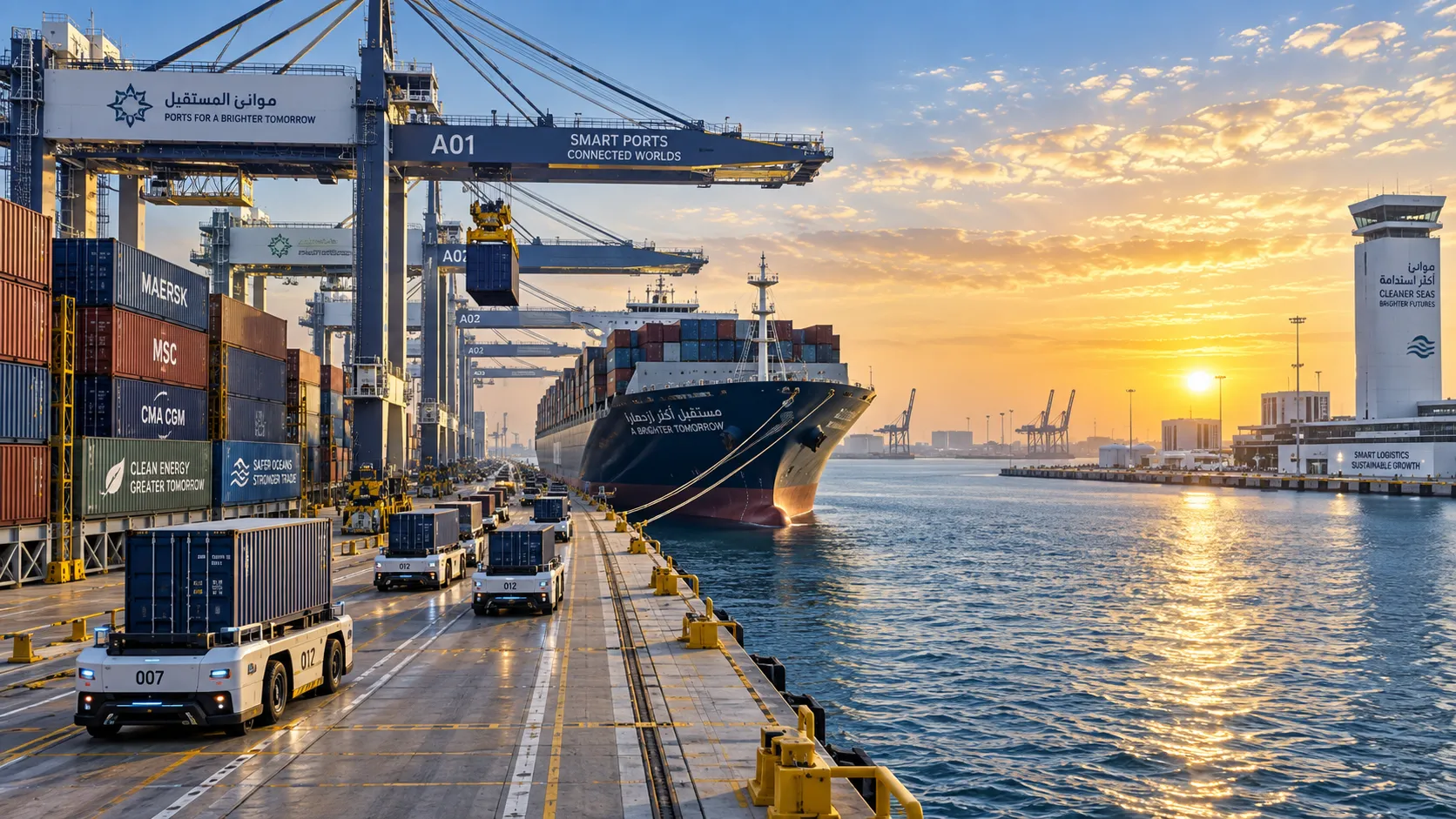
Middle East Port Automation: Key Market Drivers, Projects, and Investment Risks
Port automation systems Middle East: explore market drivers, flagship projects, integration challenges, and investment risks shaping smarter, resilient terminals.
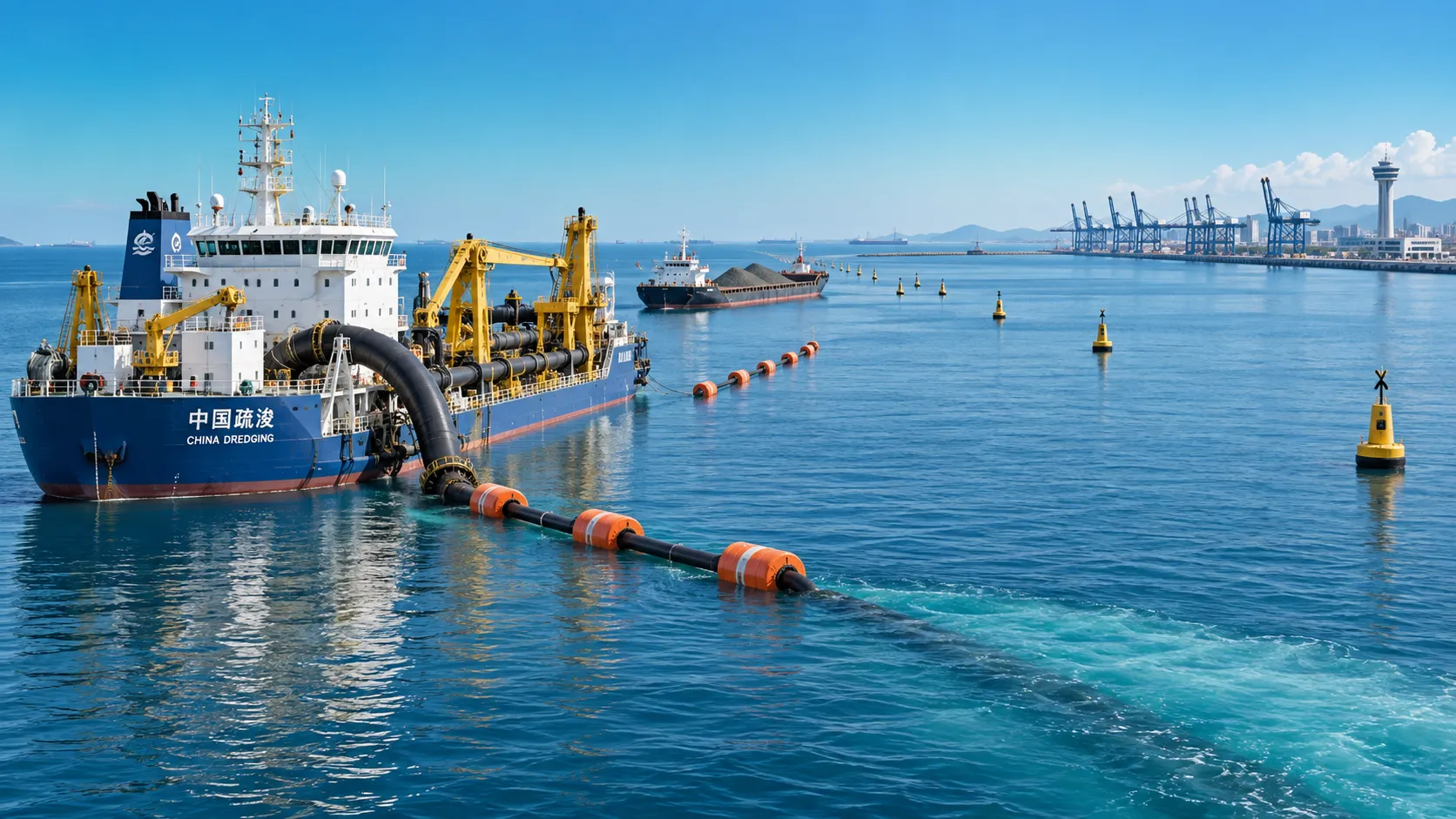
Planning Offshore Dredging Operations: Key Risks, Methods, and Project Controls
Offshore dredging operations demand smart planning. Explore key risks, proven methods, environmental controls, and project strategies for reliable delivery.