Related News
- 00
0000-00
How to Specify a Quay Crane for Container Terminals by Vessel Size and Throughput? - 00
0000-00
Which Bulk Handling Equipment Suits High-Moisture Cargo? - 00
0000-00
Terminal Automation Technologies That Raise Container Throughput Without Yard Disruption - 00
0000-00
Planning Offshore Dredging Operations: Key Risks, Methods, and Project Controls - 00
0000-00
Where Do Automated Guided Vehicles Deliver the Fastest Warehouse Gains in the Middle East?
IMO-Compliant Marine Engineering Solutions: Key Standards, Design Scope, and Risks
Why do marine engineering solutions IMO compliant matter so early in a project?
In marine projects, compliance problems rarely begin at final inspection. They usually start during concept design, equipment selection, or interface planning.
That is why marine engineering solutions IMO compliant deserve attention before procurement, fabrication, and software integration move too far.
For ports, dredging fleets, offshore support assets, and automated handling systems, IMO alignment affects safety, approvals, downtime exposure, and insurance confidence.
The practical issue is not only passing a survey. It is making sure the whole engineering package works under operational, environmental, and emergency conditions.
PS-Nexus often tracks this intersection across terminal gear, container automation, and dredging engineering, where mechanical systems and control logic must meet maritime obligations together.
When teams treat compliance as a document exercise, they miss design dependencies that later create rework, certification delays, or operating restrictions.
Which IMO standards usually define an IMO-compliant marine engineering solution?
A common question is whether one single IMO rulebook defines compliance. In practice, the answer is no.
Marine engineering solutions IMO compliant are usually built around a cluster of conventions, codes, circulars, and flag or class interpretations.
The most relevant references often include the following:
- SOLAS for fire safety, lifesaving arrangements, electrical reliability, and emergency functions.
- MARPOL for emissions, pollution prevention, fuel handling, bilge, ballast, and waste interfaces.
- ISM Code for operational safety management and documented control procedures.
- IGF Code or other specialized codes when alternative fuels or hazardous systems are involved.
- Load Line, ballast water, and stability-related rules when vessel behavior and watertight integrity are affected.
For automated terminals and dredging support assets, the challenge becomes broader. Control systems, alarms, remote monitoring, and power redundancy may also trigger class requirements.
A useful working principle is simple. IMO sets the regulatory baseline, while class societies often translate that baseline into reviewable design details.
So when evaluating marine engineering solutions IMO compliant, it is better to ask, “Compliant with which operational profile, hazard category, and approval route?”
What falls inside the real design scope, and what is often missed?
Many projects define scope too narrowly. They focus on the main machine, pump, crane interface, or propulsion unit, then overlook surrounding compliance functions.
In reality, marine engineering solutions IMO compliant usually extend beyond core equipment performance.
The scope often includes structural loads, electrical segregation, fire integrity, escape routes, fail-safe logic, ventilation, shutdown sequences, and maintenance access.
In dredging engineering, for example, pump monitoring and power distribution can influence machinery safety and emergency response expectations.
In automated port support vessels or floating transfer systems, sensor networks and low-latency control links may affect alarm reliability and fallback modes.
A quick scope check helps prevent late surprises:
This is where broad-sector intelligence becomes useful. Marine compliance is easier to manage when terminal, vessel, and dredging interfaces are reviewed as one system.
How can you tell whether a solution is genuinely IMO compliant, not just marketed that way?
Claims of compliance can sound convincing, especially when a supplier provides certificates for components. That alone is not enough.
A genuinely compliant package shows traceability from regulation to design decision, then to testing, documentation, and onboard use.
More reliable evaluation usually rests on five checks:
- The approval basis is named clearly, including IMO references, class rules, and any flag assumptions.
- Design calculations and drawings match the actual configuration being supplied.
- Factory and site test plans cover emergency, degraded, and restart conditions.
- Software-controlled functions include change management and version traceability.
- Operational manuals reflect real maintenance and fault response steps.
In practice, marine engineering solutions IMO compliant should be judged as systems, not as a collection of individually certified parts.
That distinction matters in ports using automated container handling, where remote diagnostics, interlocks, and power continuity influence the final safety case.
Where do compliance risks usually appear in ports, offshore support, and dredging projects?
The most expensive failures are rarely dramatic at first. They begin as small mismatches between engineering assumptions and operational reality.
More common risk points include interface zones, especially where vessel systems connect with shore power, terminal control, or heavy cargo machinery.
Another weak area is retrofit work. Existing structures, cable trays, fire boundaries, and legacy logic often limit what a new design can safely achieve.
For dredging equipment, environmental compliance can also shift project risk. Fuel systems, discharge operations, and monitoring records must stay aligned with MARPOL-related expectations.
The table below summarizes the warning signs that usually deserve early review.
These risks are especially relevant in large trade hubs, where equipment uptime, berth productivity, and regulatory discipline directly shape commercial performance.
What should be checked before approval, procurement, and handover?
A useful approach is to separate three moments: approval readiness, procurement readiness, and operational readiness.
Approval readiness means the basis of compliance is clear. The code path, class notes, exemptions, and test philosophy should already be visible.
Procurement readiness means technical specifications do not leave critical interpretations open. This is often where marine engineering solutions IMO compliant either hold together or begin to drift.
Operational readiness means training, spares, alarms, and maintenance routines reflect the approved design, not an idealized brochure version.
Before handover, it helps to confirm:
- Hazard reviews include realistic upset conditions.
- Certificates align with serial numbers and delivered revisions.
- Interfaces with port systems, cranes, pumps, or AGV platforms are verified.
- Crew and operators can execute emergency procedures without vendor presence.
- Open items are tracked by risk, not only by schedule pressure.
This disciplined closeout is increasingly important as ports move toward smart operations, lower emissions, and tighter digital control across marine assets.
What is the practical next step when comparing marine engineering solutions IMO compliant?
Start with the operating scenario, not the brochure claim. A dredger, harbor support vessel, and automated transfer platform do not carry the same compliance burden.
Then map each solution against its regulatory basis, interface complexity, failure modes, and documentation maturity.
The strongest marine engineering solutions IMO compliant usually show consistency across design, controls, testing, and service life support.
That is also where informed market intelligence has value. A platform such as PS-Nexus helps connect rule awareness with real equipment evolution across port machinery, automation, and dredging systems.
In practical terms, the next move is to build a comparison sheet around codes, approval route, interface risks, shutdown logic, emissions obligations, and handover evidence.
Once that framework is in place, design reviews become faster, supplier claims become easier to test, and compliance decisions become far less reactive.
Related News
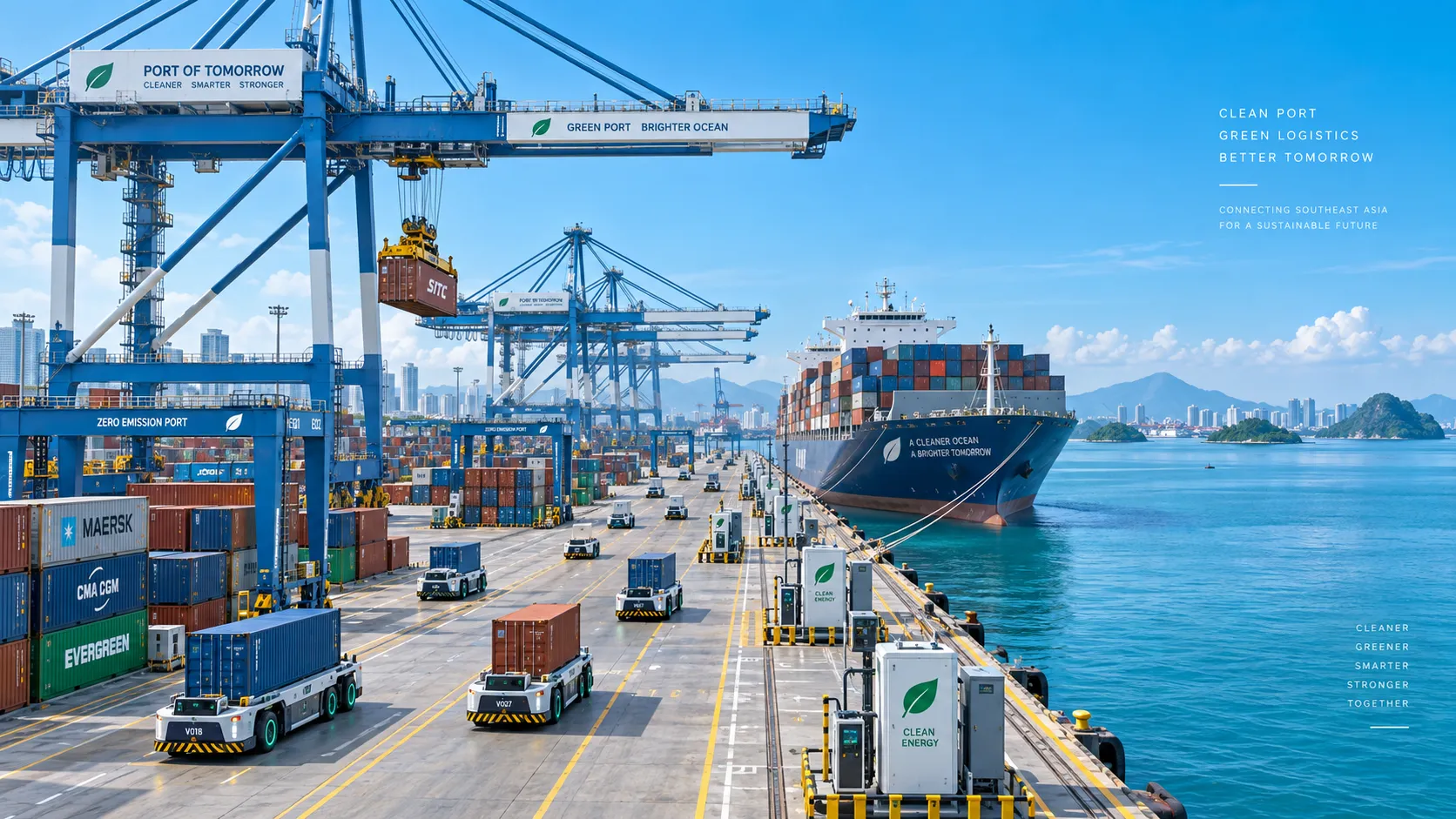
Smart Port Systems in Southeast Asia: Investment Priorities and Adoption Barriers
Smart port systems Southeast Asia: discover investment priorities, adoption barriers, and practical steps to build resilient, connected, high-performing terminals.

How to Evaluate Terminal Efficiency Solution Suppliers for High-Throughput Operations
Choose a terminal efficiency solutions supplier with confidence. Explore proven criteria for throughput, integration, lifecycle cost, safety, and reliable delivery.
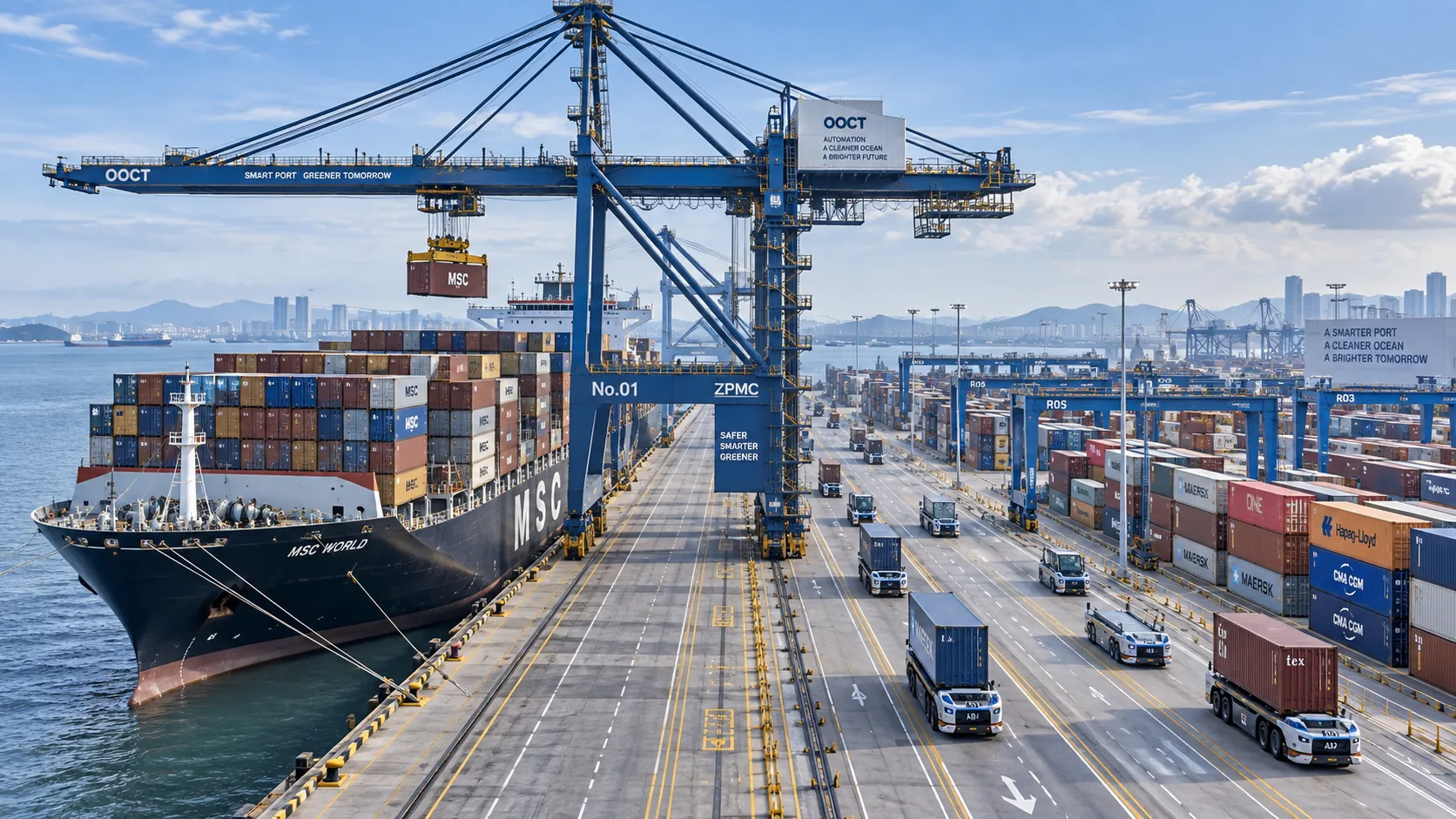
How to Specify a Quay Crane for Container Terminals by Vessel Size and Throughput?
Quay crane for container terminals: learn how to match outreach, lift height, capacity, automation, and cycle performance to vessel size and throughput goals.
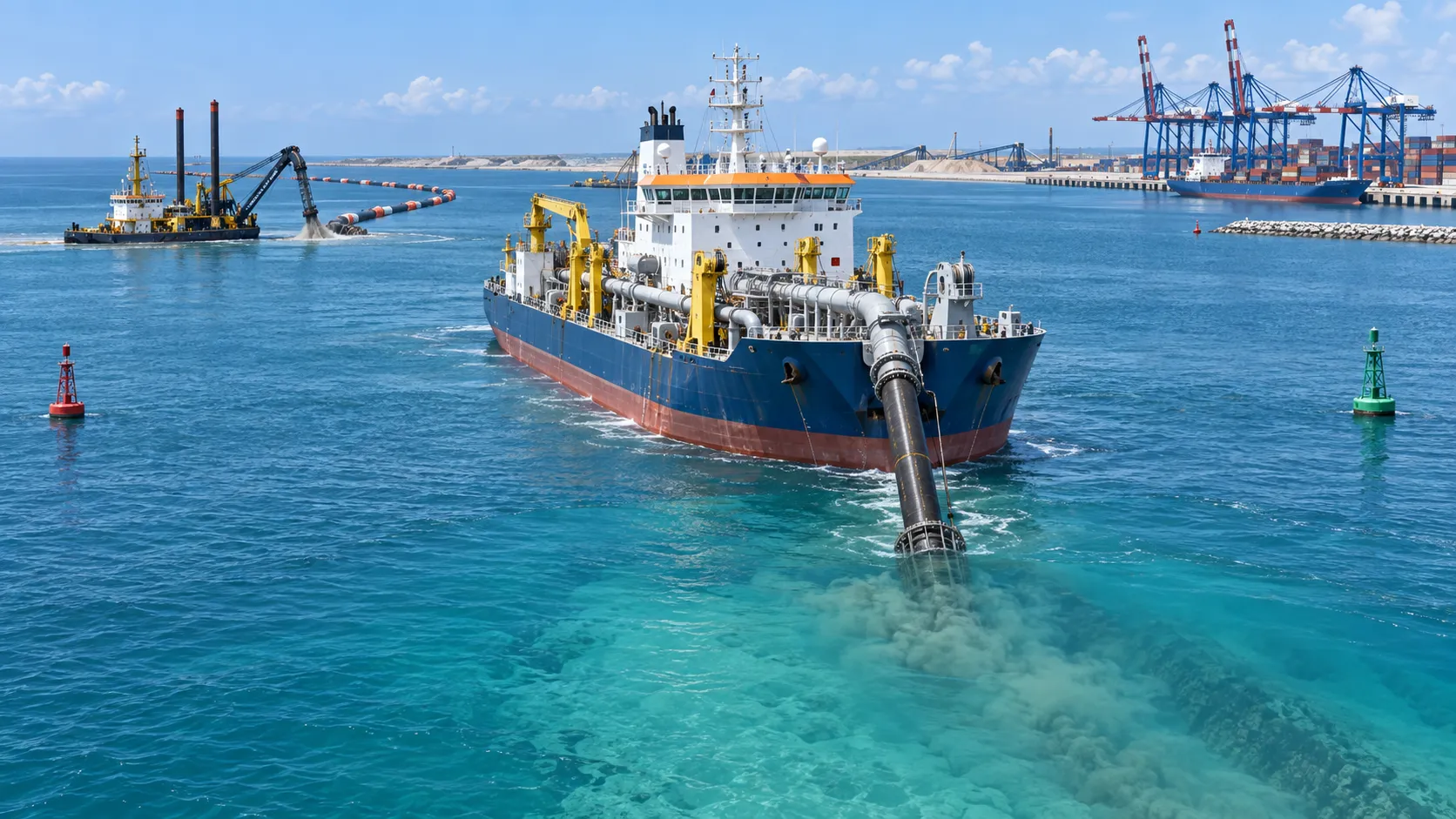
What Dredging Equipment Is Needed for Channel Deepening?
What dredging equipment is needed for channel deepening? Explore dredgers, pipelines, survey tools, and planning strategies for safer, more efficient port access.
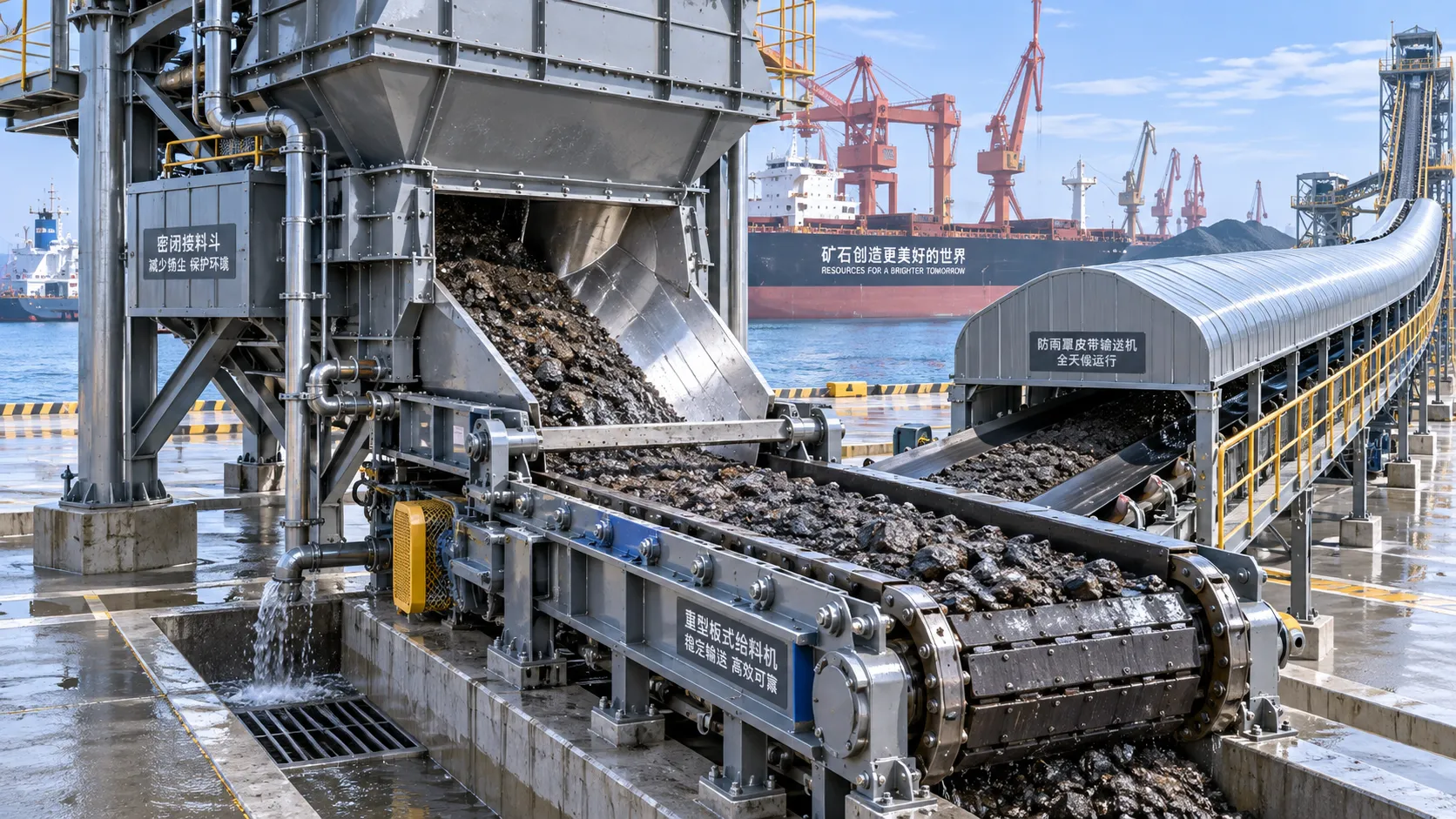
Which Bulk Handling Equipment Suits High-Moisture Cargo?
Which bulk handling equipment suits high-moisture cargo? Compare belt, apron, screw, drag, and slurry systems for reliable flow, less carryback, and higher terminal uptime.
How Can Port Equipment Lead-Time Risk Be Managed?
How can port equipment lead-time risk be managed? Explore practical strategies to control critical paths, suppliers, transport, site readiness, and commissioning delays.
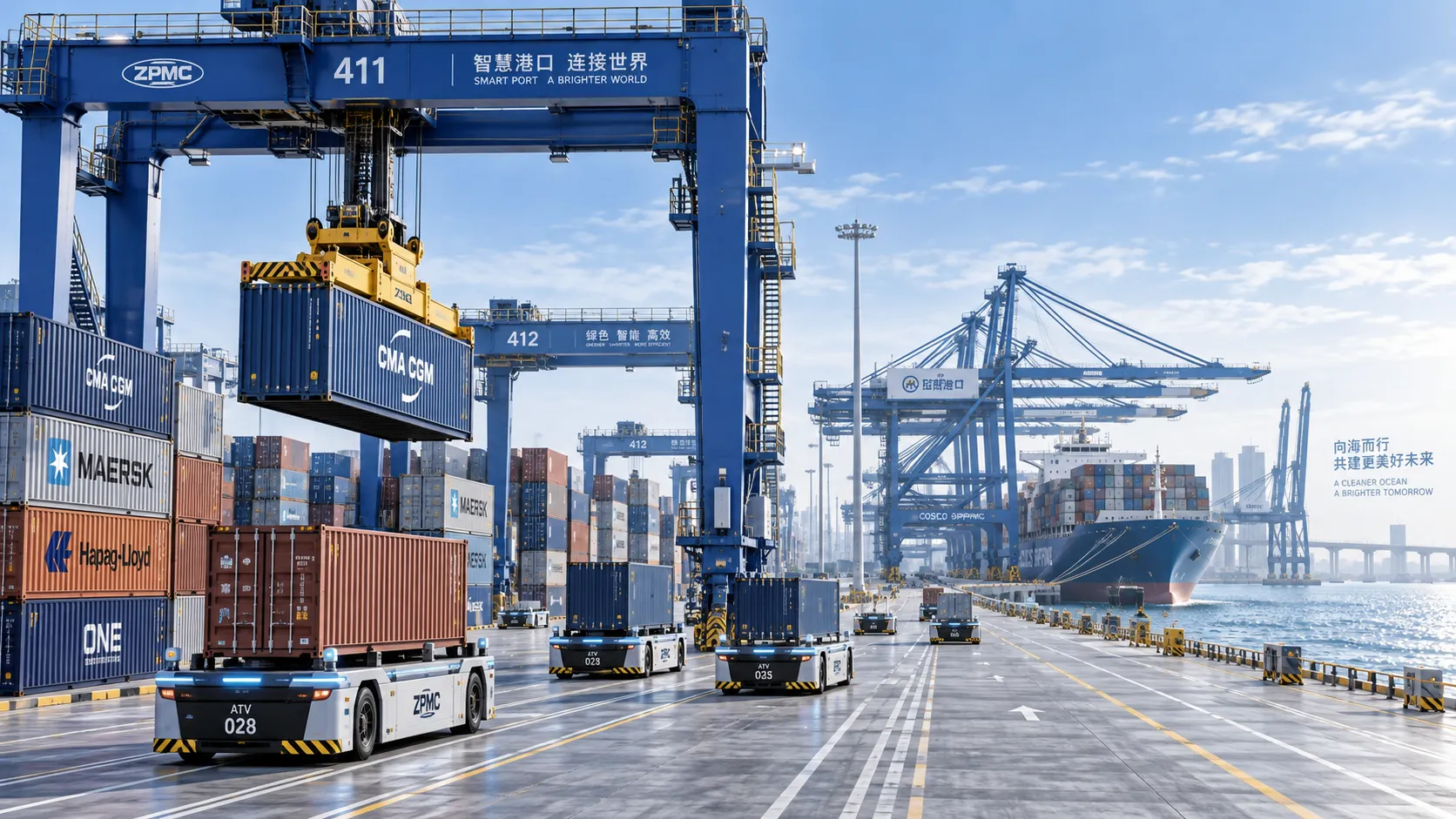
Terminal Automation Technologies That Raise Container Throughput Without Yard Disruption
Terminal automation technology that increases container throughput without disrupting yard flow. Explore smarter integration, resilient workflows, and phased deployment strategies.
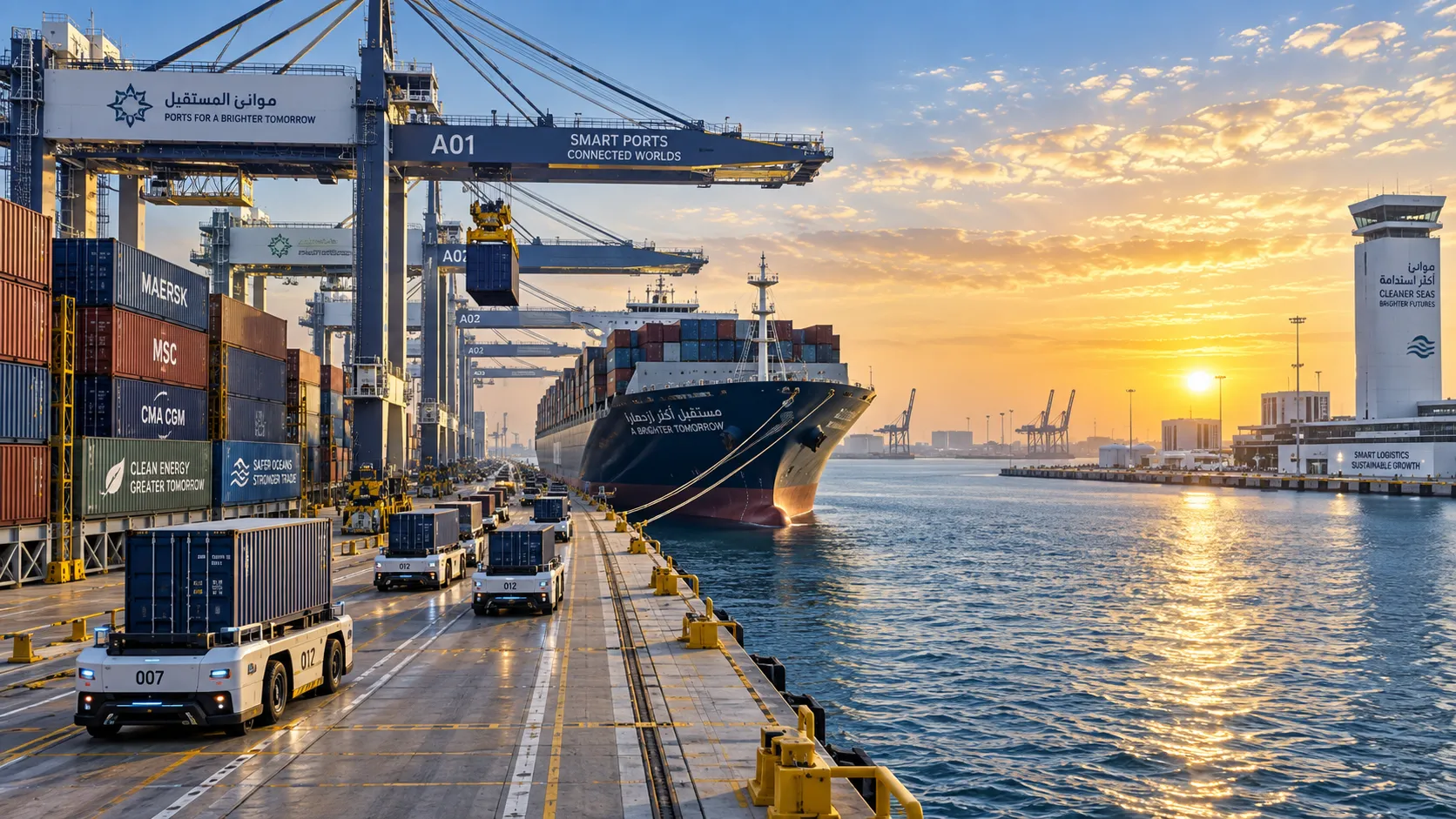
Middle East Port Automation: Key Market Drivers, Projects, and Investment Risks
Port automation systems Middle East: explore market drivers, flagship projects, integration challenges, and investment risks shaping smarter, resilient terminals.
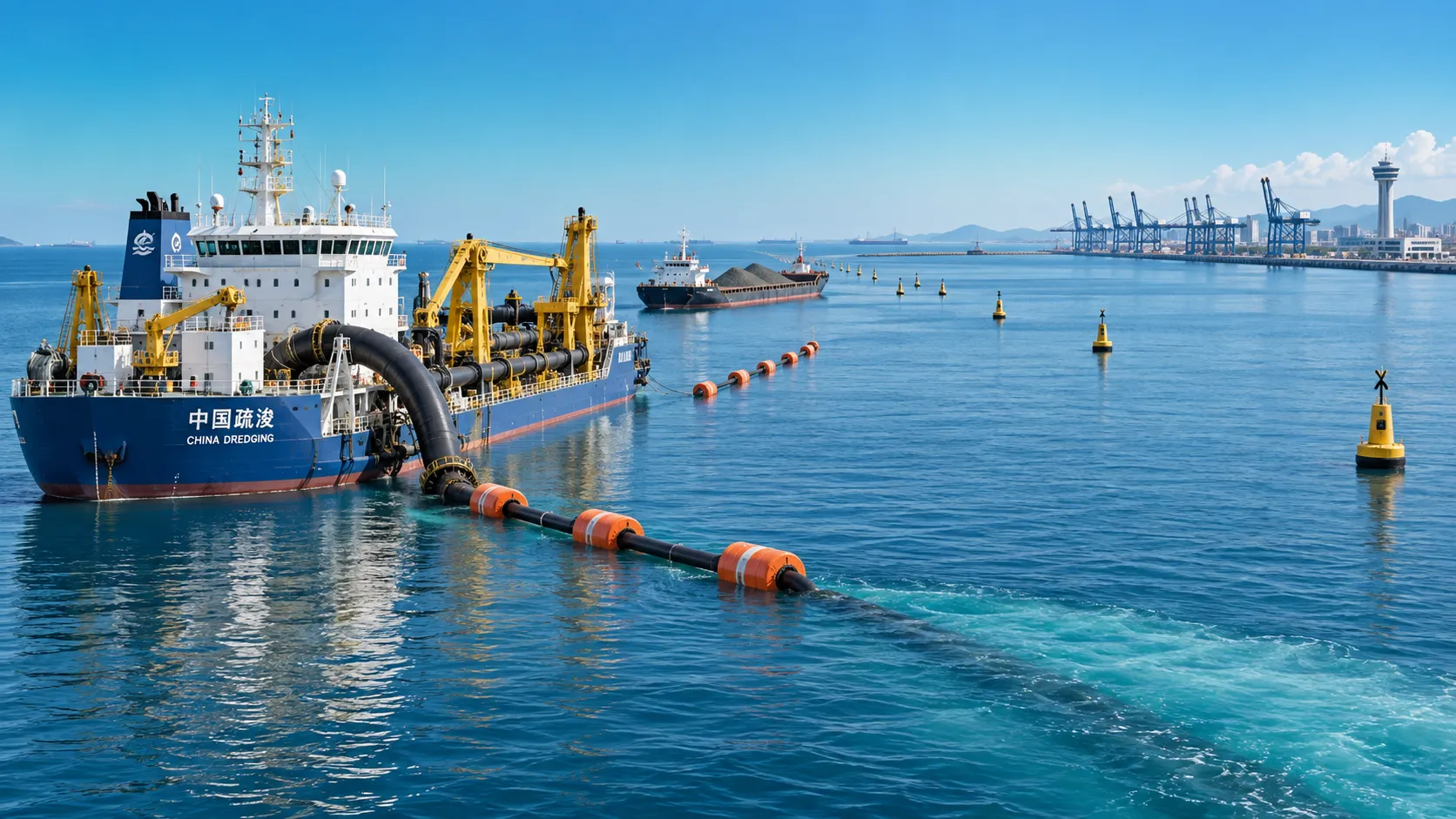
Planning Offshore Dredging Operations: Key Risks, Methods, and Project Controls
Offshore dredging operations demand smart planning. Explore key risks, proven methods, environmental controls, and project strategies for reliable delivery.