Related News
- 00
0000-00
How to Specify a Quay Crane for Container Terminals by Vessel Size and Throughput? - 00
0000-00
Which Bulk Handling Equipment Suits High-Moisture Cargo? - 00
0000-00
Terminal Automation Technologies That Raise Container Throughput Without Yard Disruption - 00
0000-00
Planning Offshore Dredging Operations: Key Risks, Methods, and Project Controls - 00
0000-00
Where Do Automated Guided Vehicles Deliver the Fastest Warehouse Gains in the Middle East?
Marine Logistics Technology Explained: Key Systems Used in Modern Port Operations
Marine logistics technology now sits at the center of port competitiveness. It shapes how terminals move containers, schedule machines, maintain channels, and respond to volatile trade flows. In practical terms, it connects heavy equipment, software logic, communications networks, and operating data into one working system. That matters because modern port operations are no longer judged only by crane size or berth length, but by how quickly the whole port can sense, decide, and execute.
What marine logistics technology really covers
The phrase sounds broad because it is broad. Marine logistics technology includes the operational tools and digital systems that support cargo transfer, yard coordination, vessel interface, bulk handling, and waterfront infrastructure management.
It is not limited to automation. A partly manual terminal can still rely heavily on marine logistics technology through terminal operating systems, machine telemetry, berth planning software, and channel monitoring platforms.
At a high level, these technologies answer five recurring questions. Where is the cargo, which asset should move next, what constraint is forming, how much capacity remains, and what risk could interrupt flow?
That is why the field spans both visible equipment and invisible control logic. A quay crane, an AGV routing algorithm, a dredger pump monitoring interface, and a low-latency wireless link all belong to the same operational chain.
Why the industry is paying closer attention
Global trade pressure has become less predictable. Ports face vessel bunching, labor constraints, decarbonization targets, deeper ships, and tighter customer expectations around dwell time and schedule reliability.
Under those conditions, spare capacity alone is not enough. Ports need better coordination between berth windows, cranes, yard blocks, trucks, rail links, and maintenance planning.
This is where marine logistics technology has gained strategic value. It reduces friction between physical movement and decision-making. The benefit is not only speed. It also improves predictability, asset utilization, and exception handling.
PS-Nexus reflects this shift well. Its focus on heavy terminal gear, automated container handling, dredging engineering, and strategic intelligence mirrors how the sector now sees ports: as integrated systems rather than isolated machines.
The core systems used in modern port operations
The most effective way to understand marine logistics technology is to look at the systems ports rely on every day. Each system solves a specific problem, but the strongest results come when they exchange clean, timely data.
Terminal operating systems and execution platforms
The terminal operating system, or TOS, is often the operational core. It manages vessel planning, yard positioning, gate flows, work orders, and container status across the terminal.
Without a capable TOS, even advanced equipment can underperform. The issue is not machine quality alone. It is whether each move is sequenced against real constraints in the yard and at the berth.
Automation control and equipment orchestration
Automated stacking cranes, remote-controlled quay cranes, and driverless horizontal transport require dedicated control layers. These systems translate planning decisions into executable machine tasks.
The key challenge is orchestration. A terminal gains little from isolated automation if traffic conflicts, queue imbalances, or handoff delays remain unresolved.
Communications and low-latency network infrastructure
Remote operations depend on stable, low-latency communications. Crane video feeds, sensor updates, safety interlocks, and machine commands cannot tolerate frequent delay or packet loss.
This is why network architecture has moved from a background utility to a frontline operational issue. In advanced marine logistics technology, connectivity becomes part of throughput design.
Telemetry, condition monitoring, and maintenance systems
Ports now monitor motors, hoists, spreaders, pumps, and hydraulic systems in near real time. These tools support predictive maintenance and reduce unplanned downtime.
The same logic applies to dredging assets. Digital pump monitoring and equipment health tracking can reveal performance drift before a channel campaign loses efficiency or misses a schedule window.
Marine access and dredging support systems
Port performance starts before cargo reaches the quay. Fairway depth, sediment behavior, and navigational access directly affect vessel size, sailing frequency, and berth planning confidence.
For that reason, dredging intelligence belongs inside the wider discussion of marine logistics technology. A terminal cannot optimize waterside flow if channel access is unstable or poorly measured.
How these systems map to real operating scenarios
Not every port uses the same technical mix. System priorities usually depend on cargo profile, channel conditions, land constraints, and the maturity of local automation strategy.
This mix matters because marine logistics technology should be read in context. A strong system in one port may be secondary in another if the bottleneck sits elsewhere.
Where value is created and where assumptions fail
The business case is often described in terms of speed, but that is only part of the picture. Better marine logistics technology also supports safer workflows, more reliable service windows, and clearer capacity planning.
Still, one common mistake is treating new software as a shortcut to operational maturity. If process rules are inconsistent, data fields are unreliable, or machine handoffs are poorly defined, digital tools simply expose the disorder faster.
Another weak assumption is that automation always means labor removal. In many ports, the first meaningful gain comes from better control visibility, remote assistance, and tighter maintenance logic rather than full autonomy.
PS-Nexus has relevance here because it frames equipment, scheduling logic, and commercial intelligence as one decision environment. That view is more useful than reading cranes, software, and dredging as separate sectors.
What to examine before comparing systems
A useful evaluation starts with the operating constraint, not the product brochure. When reviewing marine logistics technology, several checkpoints deserve early attention.
- Identify the true bottleneck: berth productivity, yard congestion, gate flow, channel access, or maintenance downtime.
- Check whether the system improves decision timing, not only data display.
- Review interface quality between equipment suppliers, control layers, and the TOS.
- Measure communication resilience for remote or automated operations.
- Confirm how exceptions are handled, especially weather, vessel delay, sensor failure, or mixed manual-automatic traffic.
- Look at maintainability, including spare parts, software support cycles, and operator retraining needs.
- Include emissions and energy use, since net-zero planning increasingly affects asset decisions.
These checks help separate impressive demos from systems that can survive daily port complexity.
A practical way to move the analysis forward
The next step is usually to build a structured view of the port as a connected flow system. Map vessel arrival, berth assignment, crane sequence, yard transfer, storage dwell, inland dispatch, and marine access constraints on one timeline.
From there, marine logistics technology can be assessed against actual dependencies instead of abstract promises. Some cases justify automation upgrades. Others call for network improvement, cleaner telemetry, or better dredging visibility first.
For ongoing monitoring, sources that combine equipment intelligence, control-system analysis, and broader trade context are especially useful. That is the value of following platforms such as PS-Nexus, where machinery performance, algorithmic scheduling, and coastal economics are interpreted together.
In the end, marine logistics technology is less about isolated innovation and more about operational fit. The strongest decisions come from matching each system to the port’s real movement pattern, risk profile, and long-term infrastructure direction.
Related News
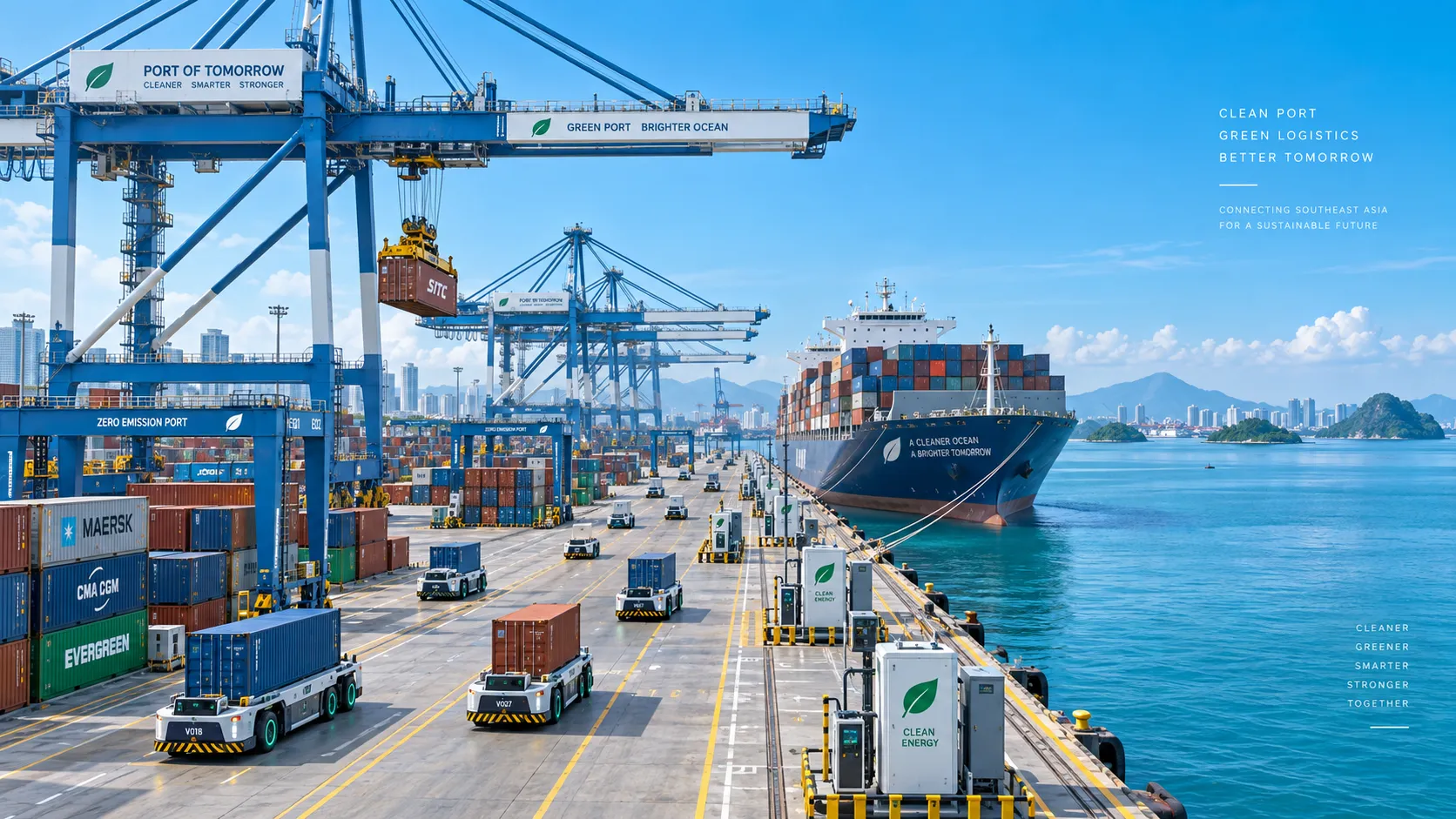
Smart Port Systems in Southeast Asia: Investment Priorities and Adoption Barriers
Smart port systems Southeast Asia: discover investment priorities, adoption barriers, and practical steps to build resilient, connected, high-performing terminals.
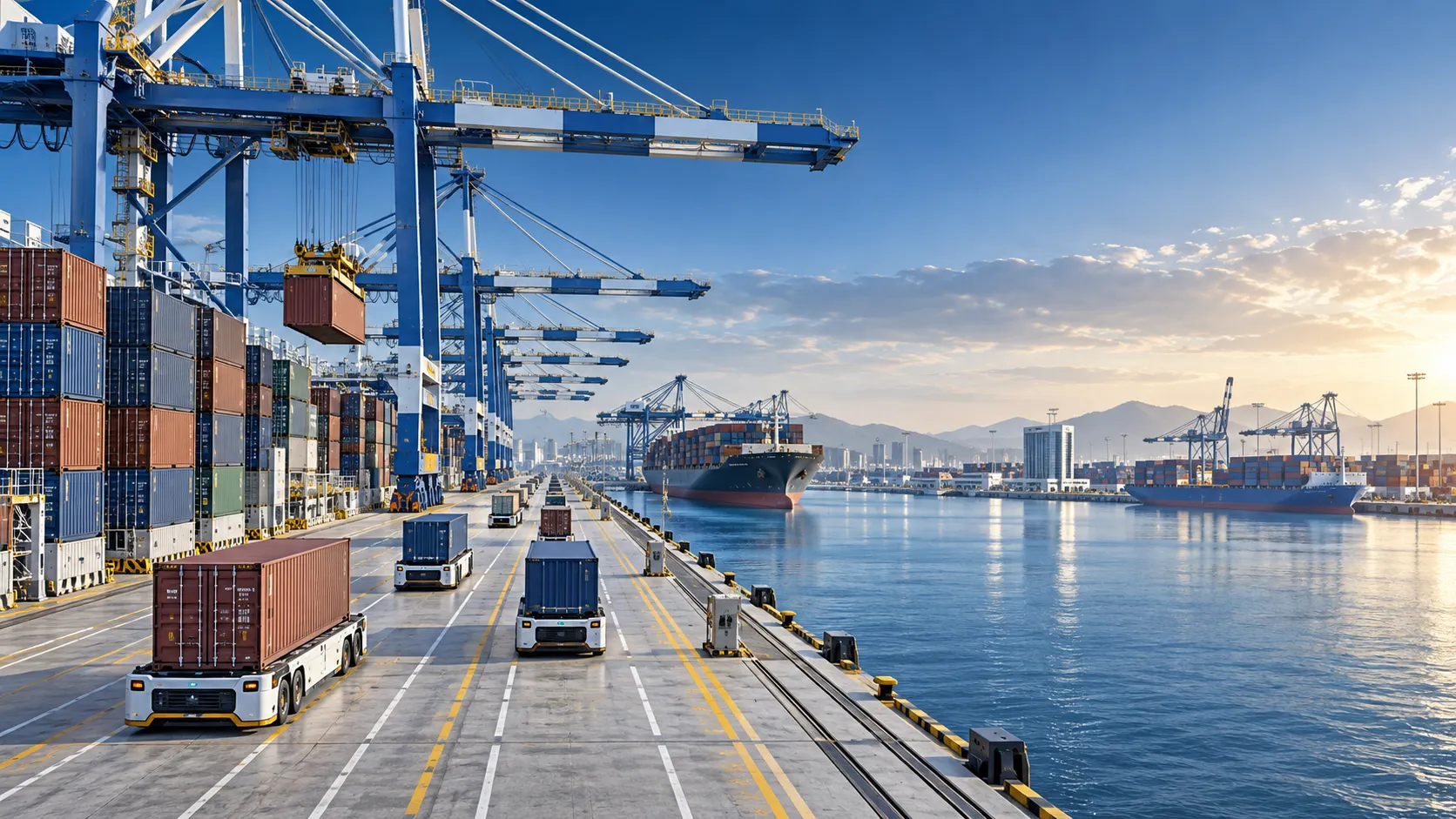
How to Evaluate Terminal Efficiency Solution Suppliers for High-Throughput Operations
Choose a terminal efficiency solutions supplier with confidence. Explore proven criteria for throughput, integration, lifecycle cost, safety, and reliable delivery.
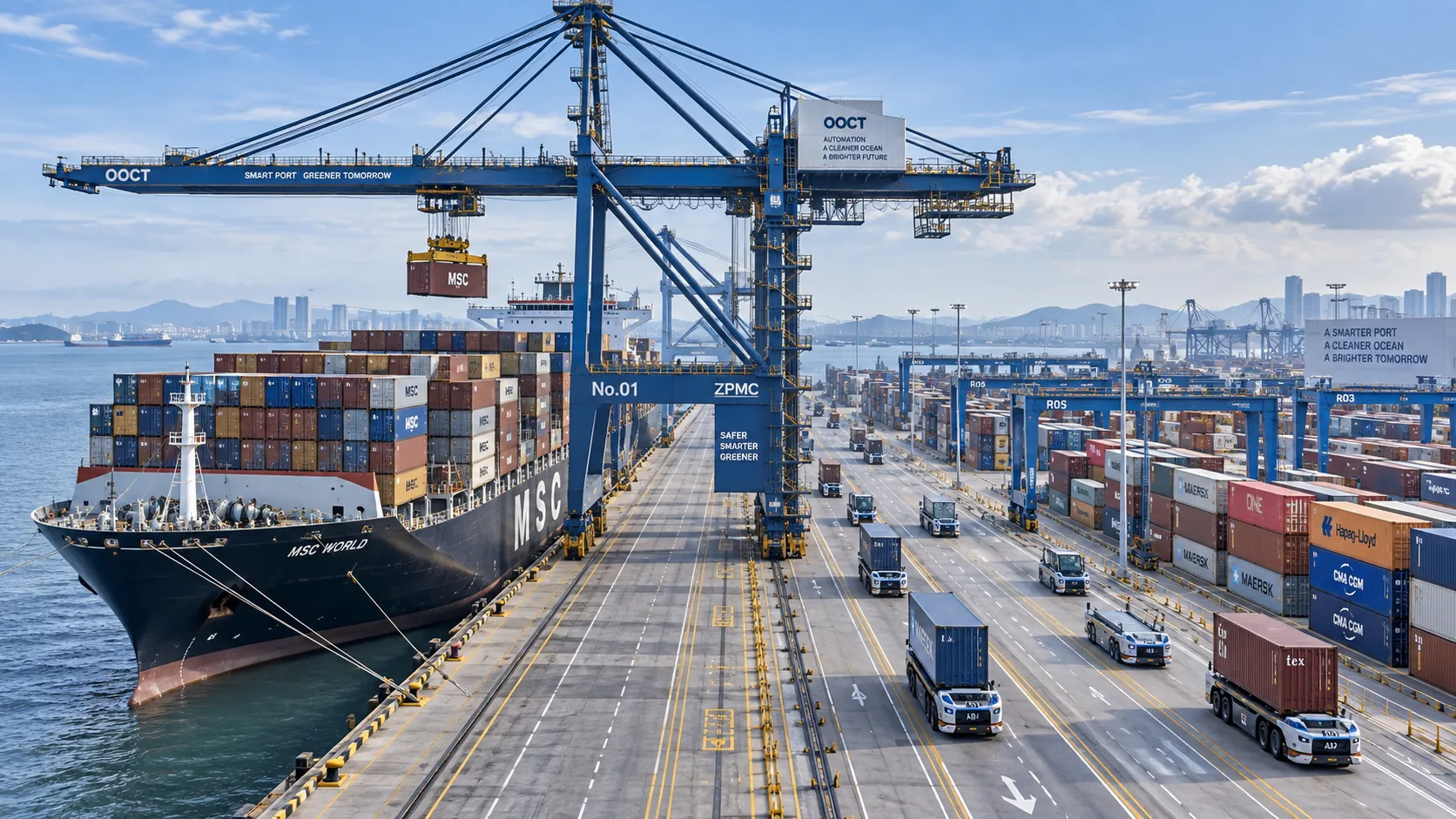
How to Specify a Quay Crane for Container Terminals by Vessel Size and Throughput?
Quay crane for container terminals: learn how to match outreach, lift height, capacity, automation, and cycle performance to vessel size and throughput goals.
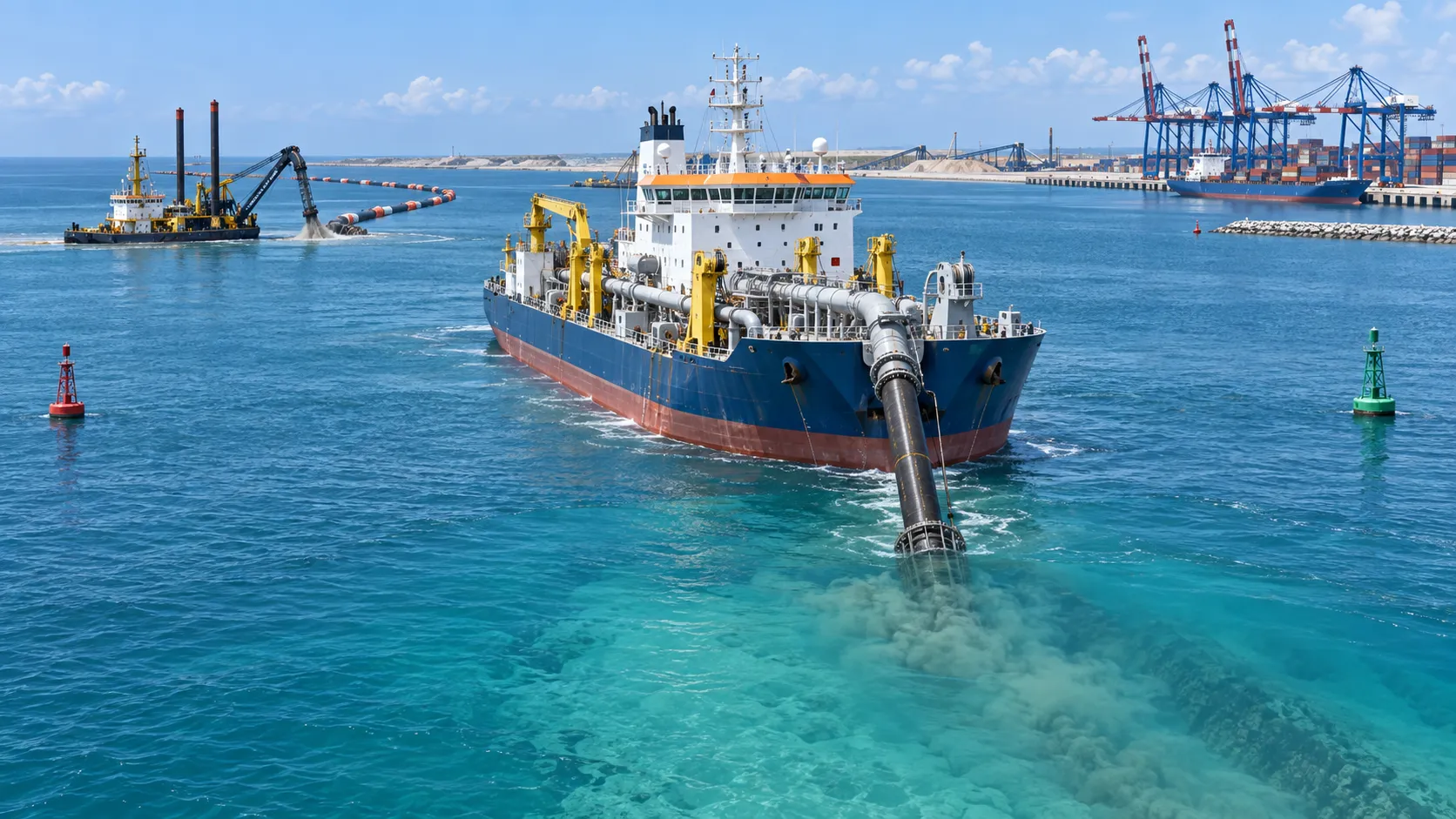
What Dredging Equipment Is Needed for Channel Deepening?
What dredging equipment is needed for channel deepening? Explore dredgers, pipelines, survey tools, and planning strategies for safer, more efficient port access.
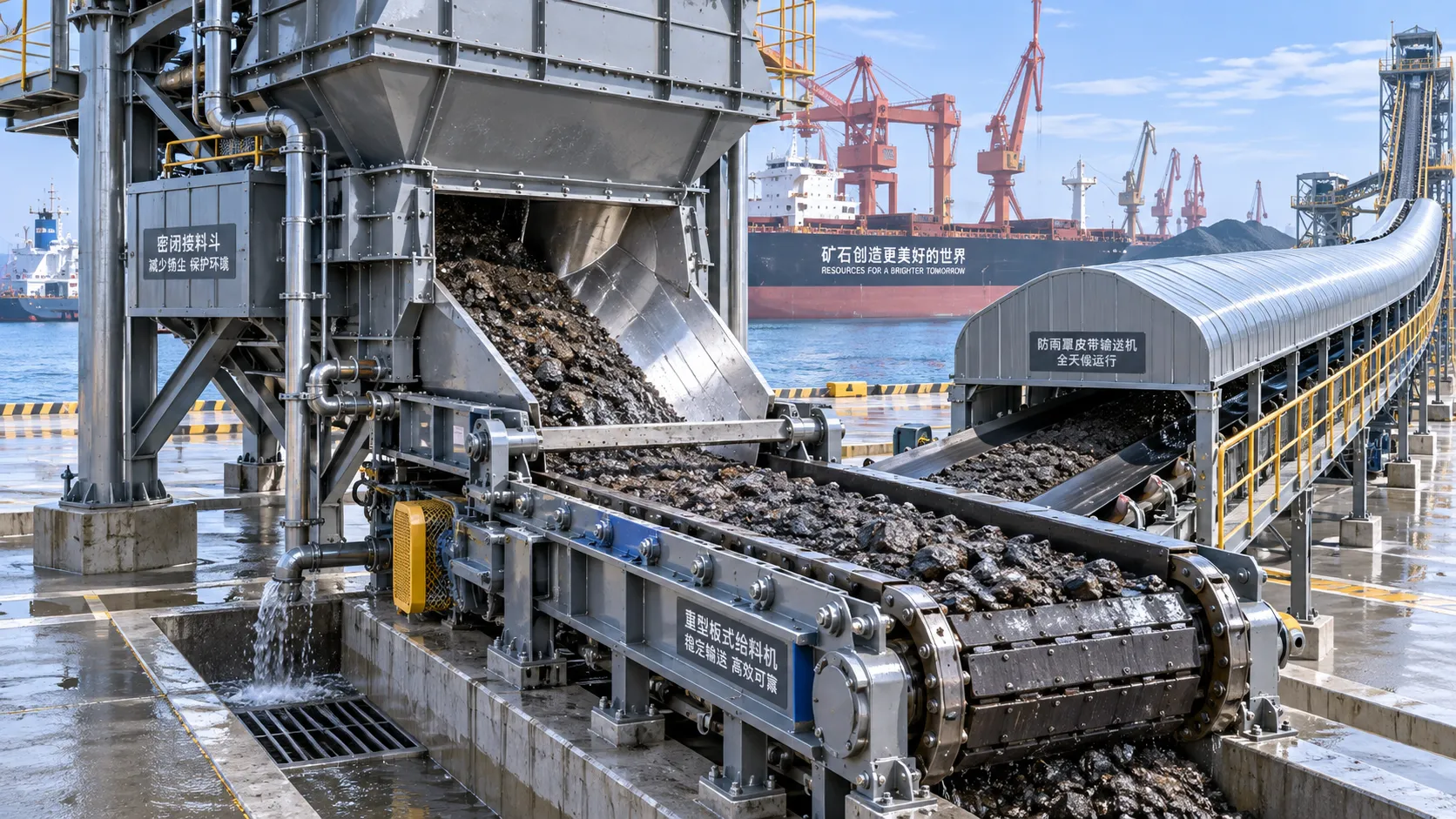
Which Bulk Handling Equipment Suits High-Moisture Cargo?
Which bulk handling equipment suits high-moisture cargo? Compare belt, apron, screw, drag, and slurry systems for reliable flow, less carryback, and higher terminal uptime.
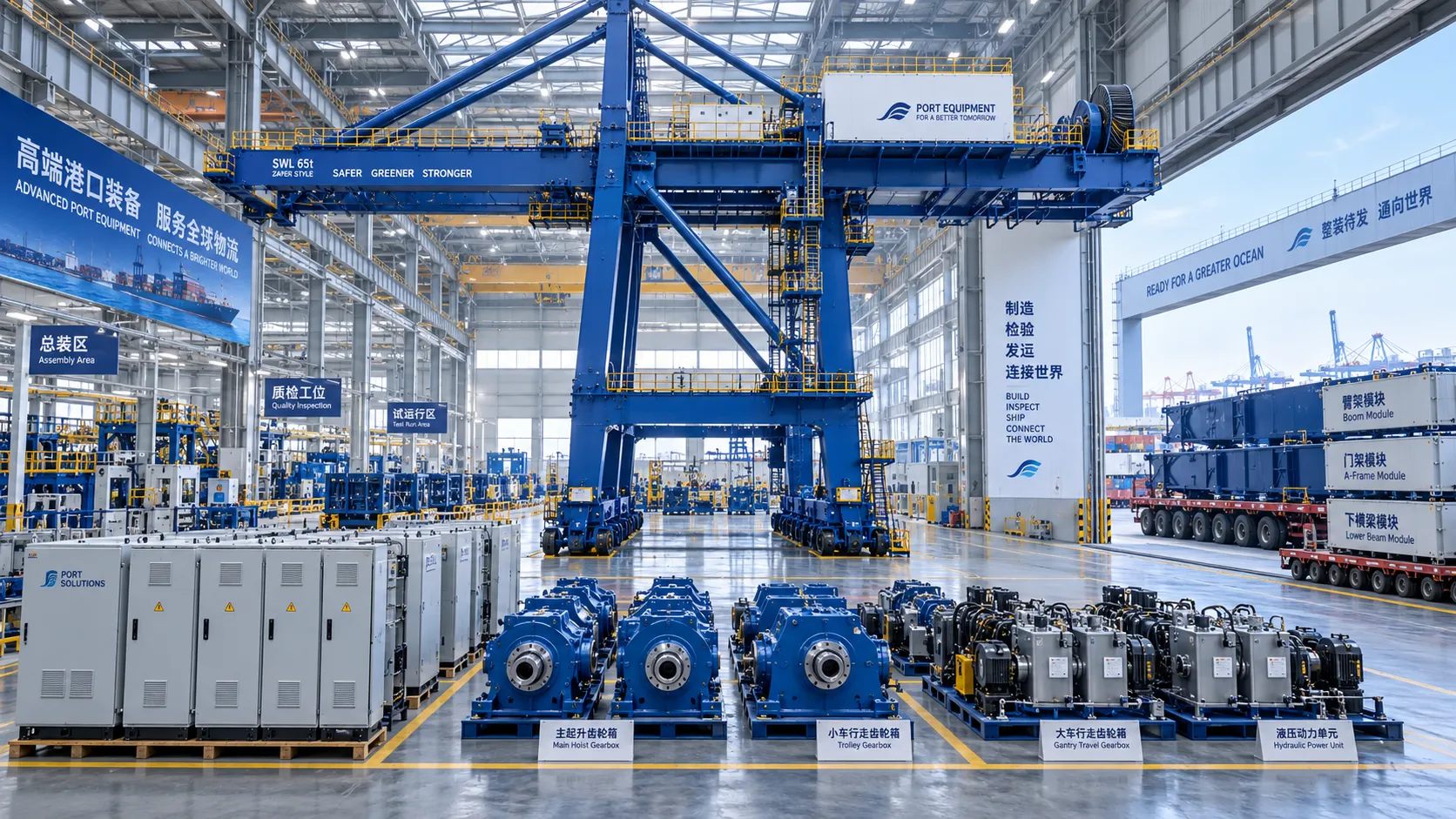
How Can Port Equipment Lead-Time Risk Be Managed?
How can port equipment lead-time risk be managed? Explore practical strategies to control critical paths, suppliers, transport, site readiness, and commissioning delays.
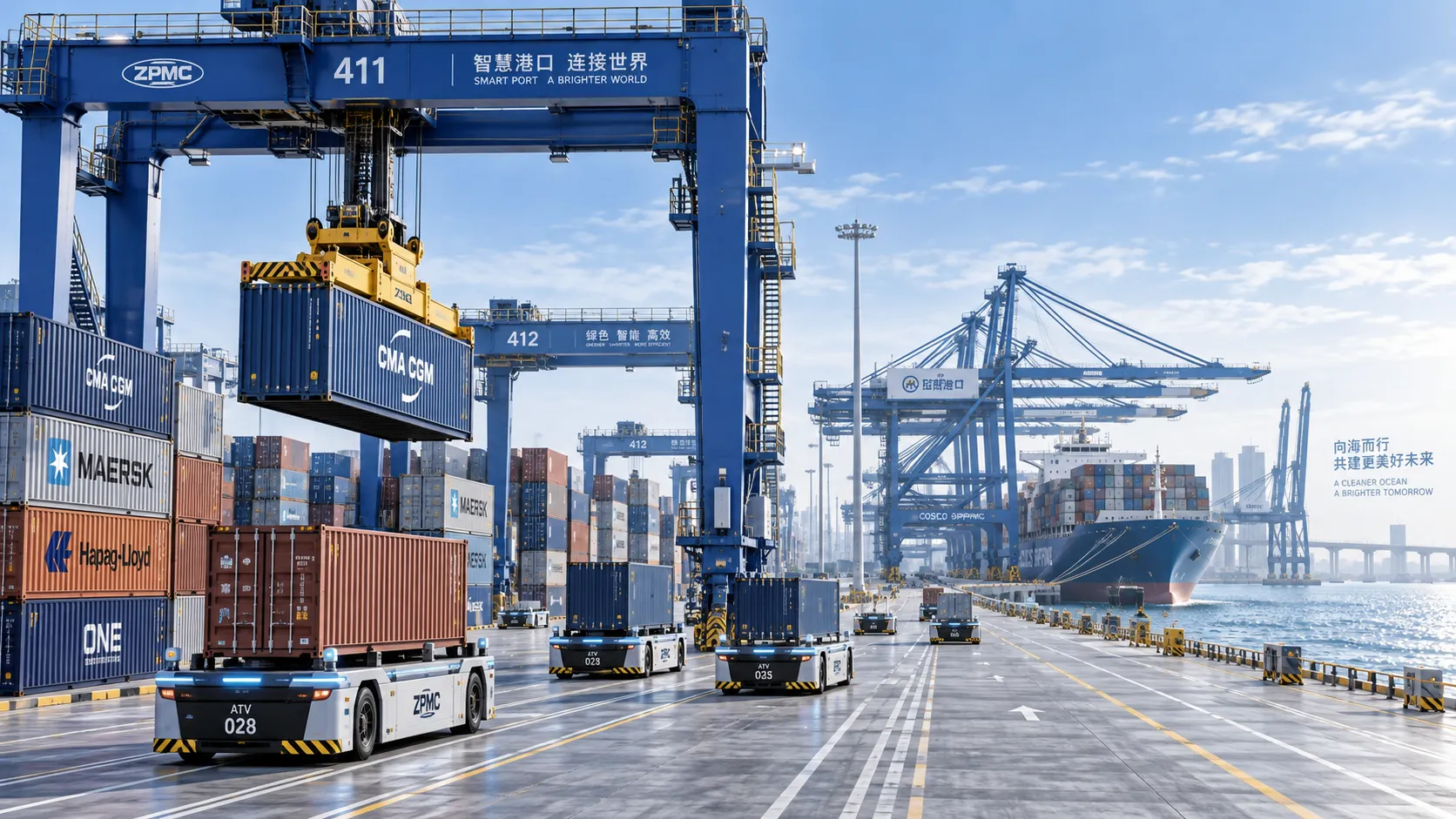
Terminal Automation Technologies That Raise Container Throughput Without Yard Disruption
Terminal automation technology that increases container throughput without disrupting yard flow. Explore smarter integration, resilient workflows, and phased deployment strategies.
Middle East Port Automation: Key Market Drivers, Projects, and Investment Risks
Port automation systems Middle East: explore market drivers, flagship projects, integration challenges, and investment risks shaping smarter, resilient terminals.
Planning Offshore Dredging Operations: Key Risks, Methods, and Project Controls
Offshore dredging operations demand smart planning. Explore key risks, proven methods, environmental controls, and project strategies for reliable delivery.