Related News
- 00
0000-00
How to Specify a Quay Crane for Container Terminals by Vessel Size and Throughput? - 00
0000-00
Which Bulk Handling Equipment Suits High-Moisture Cargo? - 00
0000-00
Terminal Automation Technologies That Raise Container Throughput Without Yard Disruption - 00
0000-00
Planning Offshore Dredging Operations: Key Risks, Methods, and Project Controls - 00
0000-00
Where Do Automated Guided Vehicles Deliver the Fastest Warehouse Gains in the Middle East?
How to Evaluate Terminal Operating Systems Solutions for Multi-Terminal Port Operations
Choosing terminal operating systems solutions for a multi-terminal port is rarely a software-only decision. It affects crane cycles, yard density, gate velocity, berth planning, inland coordination, and the quality of cross-terminal decisions. In a market shaped by automation, trade volatility, and tighter emissions targets, the right platform must connect physical assets, operating logic, and management visibility without creating new fragmentation.
That is why evaluation needs a systems view. A port group may run container terminals, bulk interfaces, rail links, and dredging-dependent access channels under one operational umbrella. In that environment, terminal operating systems solutions must support synchronized execution across different facilities, while still respecting the local constraints of each terminal.
Why multi-terminal evaluation is different
A single terminal can optimize around its own gate, yard, and vessel plan. A multi-terminal network has a harder problem. It must coordinate labor, equipment, data flows, customer commitments, and disruption recovery across locations.
This changes how terminal operating systems solutions should be assessed. A platform that performs well at one site may struggle when several terminals share feeder services, truck appointments, maintenance resources, or inland transport windows.
From the perspective of PS-Nexus, this challenge sits at the center of maritime logistics. Heavy terminal gear, automated container handling, and control systems only deliver full value when intelligence moves as reliably as cargo.
What terminal operating systems solutions should actually do
At a basic level, terminal operating systems solutions manage planning, execution, and visibility for marine terminal activity. That includes vessel scheduling, yard moves, gate processing, inventory control, equipment assignment, and exceptions.
For multi-terminal operations, the definition expands. The system should not only control tasks inside each terminal. It should also support network-level visibility, common operating rules, shared data standards, and comparable performance metrics.
In practical terms, the evaluation should test whether the platform can answer three questions quickly:
- What is happening now across all terminals?
- What should happen next when conditions change?
- How easily can the system adapt without major reconfiguration?
The industry signals that matter right now
Current port investment is moving toward higher automation, stronger data governance, and better resilience. Evaluation criteria should reflect that shift rather than legacy checklists built around manual workflows.
Remote-controlled cranes, AGV fleets, OCR gates, digital twins, and low-latency control networks are changing what a terminal platform must support. A system that cannot absorb these interfaces may become a bottleneck even if core planning functions appear solid.
Another signal is environmental pressure. Net-zero strategies are pushing operators to reduce idle time, unnecessary rehandles, and diesel-intensive movements. Terminal operating systems solutions now influence sustainability outcomes because planning quality shapes energy use.
There is also a broader commercial issue. Shipping lines and cargo owners increasingly expect consistent service across networks, not isolated terminal excellence. That raises the value of common process logic and shared visibility layers.
Core evaluation dimensions
Interoperability beyond standard claims
Integration quality is often overstated in vendor discussions. The real question is whether terminal operating systems solutions can exchange structured, usable data with equipment control systems, ERP platforms, PCS environments, customs interfaces, and analytics tools.
Look for open APIs, event-driven architecture, message traceability, and proven connectors. Ask how the platform handles mixed fleets, third-party crane systems, and uneven digital maturity between terminals.
Real-time visibility with operational depth
Dashboards alone are not enough. The platform should show berth status, container location confidence, equipment utilization, congestion patterns, and exception escalation in near real time.
More importantly, visibility must remain consistent across terminals. If one site defines dwell, moves, or resource status differently, network-level reporting loses credibility.
Automation readiness
Many ports are not fully automated today, yet they still need terminal operating systems solutions that can support phased automation. The platform should work with manual, semi-automated, and automated operating modes without forcing a system replacement later.
This matters for remote crane control, AGV dispatching, yard orchestration, and exception handoff between algorithms and human supervisors.
Scalability and configuration discipline
Scalability is not only about transaction volume. It also covers the ability to onboard new terminals, replicate proven workflows, and separate local configuration from shared governance.
A good platform allows standardization where it helps, and flexibility where operations genuinely differ.
Cybersecurity and operational continuity
Terminal systems now sit close to critical infrastructure. Evaluation should include identity control, network segmentation support, audit logs, patch management, backup design, and recovery procedures.
The useful test is simple: if one terminal suffers a cyber incident, can the rest of the network continue operating in a controlled way?
A practical comparison framework
A structured comparison helps expose differences that marketing language tends to hide. The table below focuses on issues that affect real operations.
Where evaluation often goes wrong
One common mistake is treating all terminals as if they were operationally identical. In reality, a transshipment-heavy site, a gateway terminal, and a bulk-adjacent container facility may need different optimization logic.
Another mistake is overvaluing feature breadth while underweighting execution quality. Terminal operating systems solutions are judged in live operations, not in demonstration environments.
A third issue is ignoring adjacent systems. Berth windows depend on channel conditions, dredging schedules, equipment maintenance, and gate connectivity. In other words, a terminal platform should be reviewed as part of a larger maritime operating stack.
This wider view aligns with the PS-Nexus perspective. Port automation, heavy handling assets, and coastal infrastructure should not be evaluated in isolation because performance dependencies are tightly linked.
How to make the shortlist more reliable
Useful evaluations combine technical review with scenario testing. Ask vendors to walk through realistic disruptions, not ideal workflows.
- A berth change that affects two terminals at once
- Yard congestion after an equipment outage
- A truck surge that collides with rail loading windows
- Partial automation at one terminal and manual fallback at another
- Data synchronization after a communication interruption
It also helps to score platforms against future-state requirements, not only today’s volume. That includes automation growth, carbon reporting, inland integration, and regional expansion.
What the next step should look like
A solid evaluation begins with an operating model map, not a vendor brochure. Define where decisions are centralized, where terminals need autonomy, which interfaces are critical, and which disruptions cause the most commercial damage.
From there, compare terminal operating systems solutions against measurable criteria: integration effort, response latency, rule flexibility, automation pathway, recovery design, and reporting consistency across the network.
Ports that take this approach usually get a clearer outcome. They do not just buy software. They build a control layer that fits equipment realities, supports synchronized trade flows, and leaves room for the next phase of digital port development.
For ongoing assessment, it is worth tracking intelligence sources that connect terminal systems with broader changes in maritime logistics, coastal infrastructure, and automation architecture. That wider context often reveals which platform decisions will hold value over the long cycle.
Related News
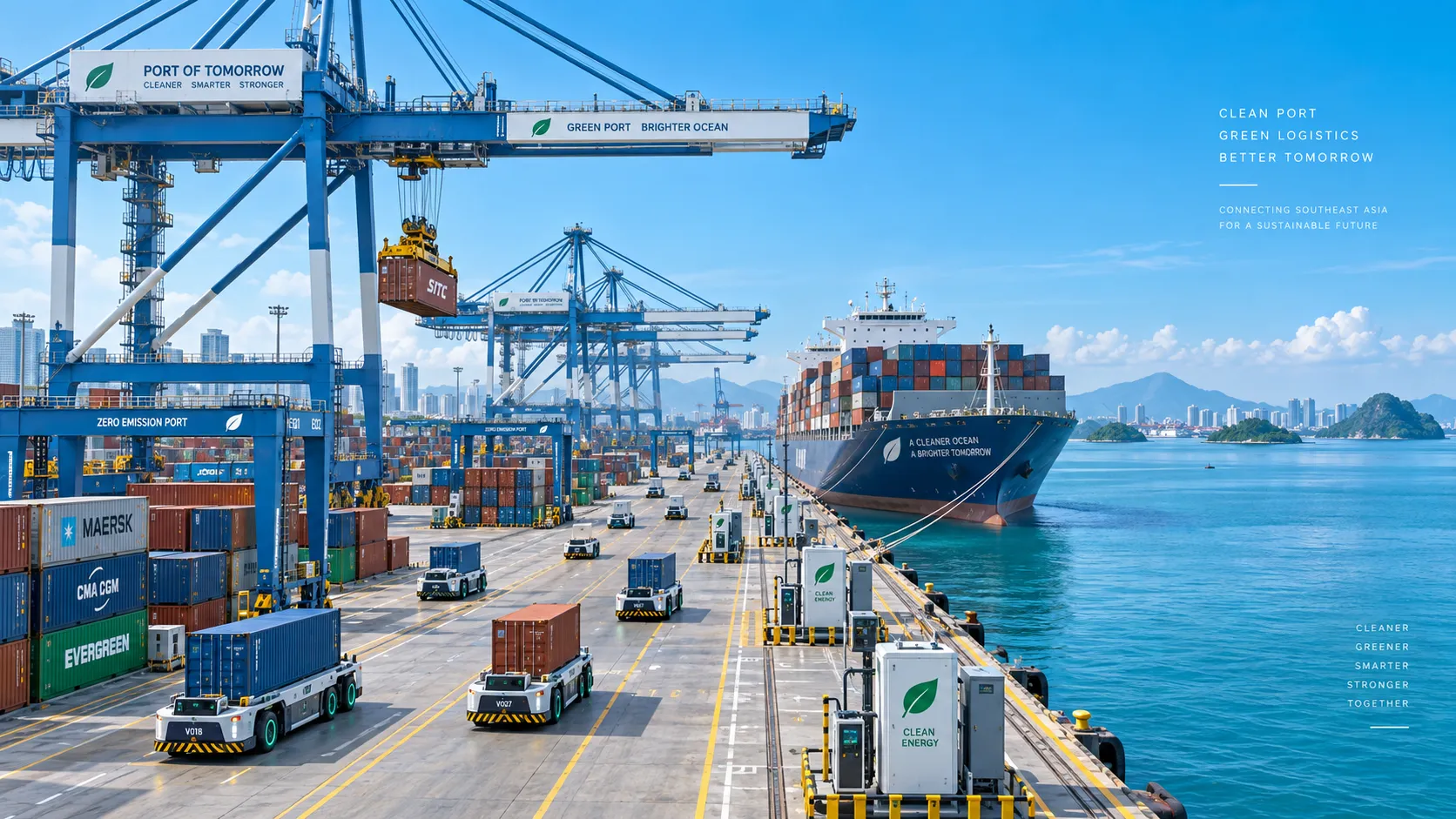
Smart Port Systems in Southeast Asia: Investment Priorities and Adoption Barriers
Smart port systems Southeast Asia: discover investment priorities, adoption barriers, and practical steps to build resilient, connected, high-performing terminals.
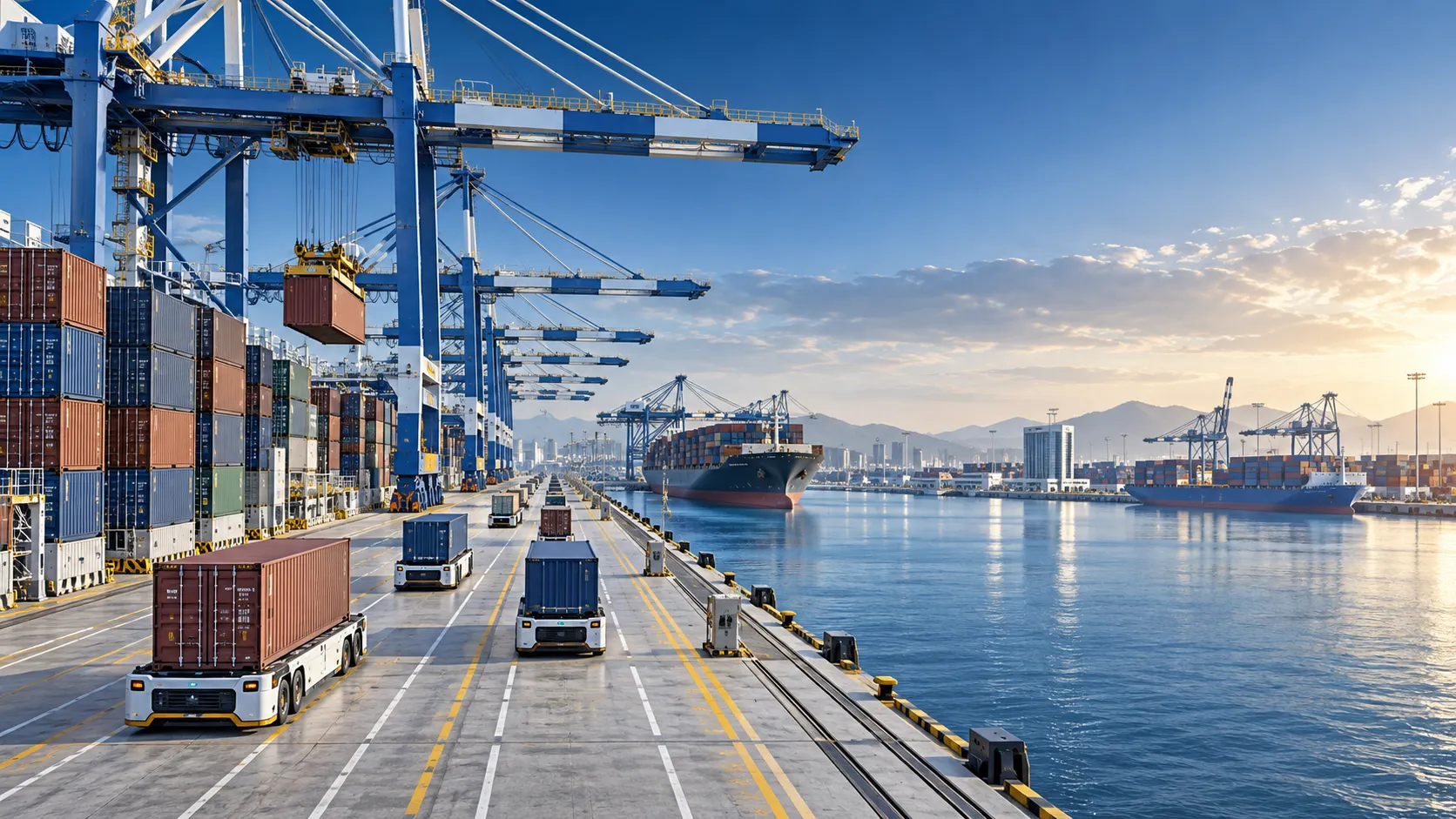
How to Evaluate Terminal Efficiency Solution Suppliers for High-Throughput Operations
Choose a terminal efficiency solutions supplier with confidence. Explore proven criteria for throughput, integration, lifecycle cost, safety, and reliable delivery.
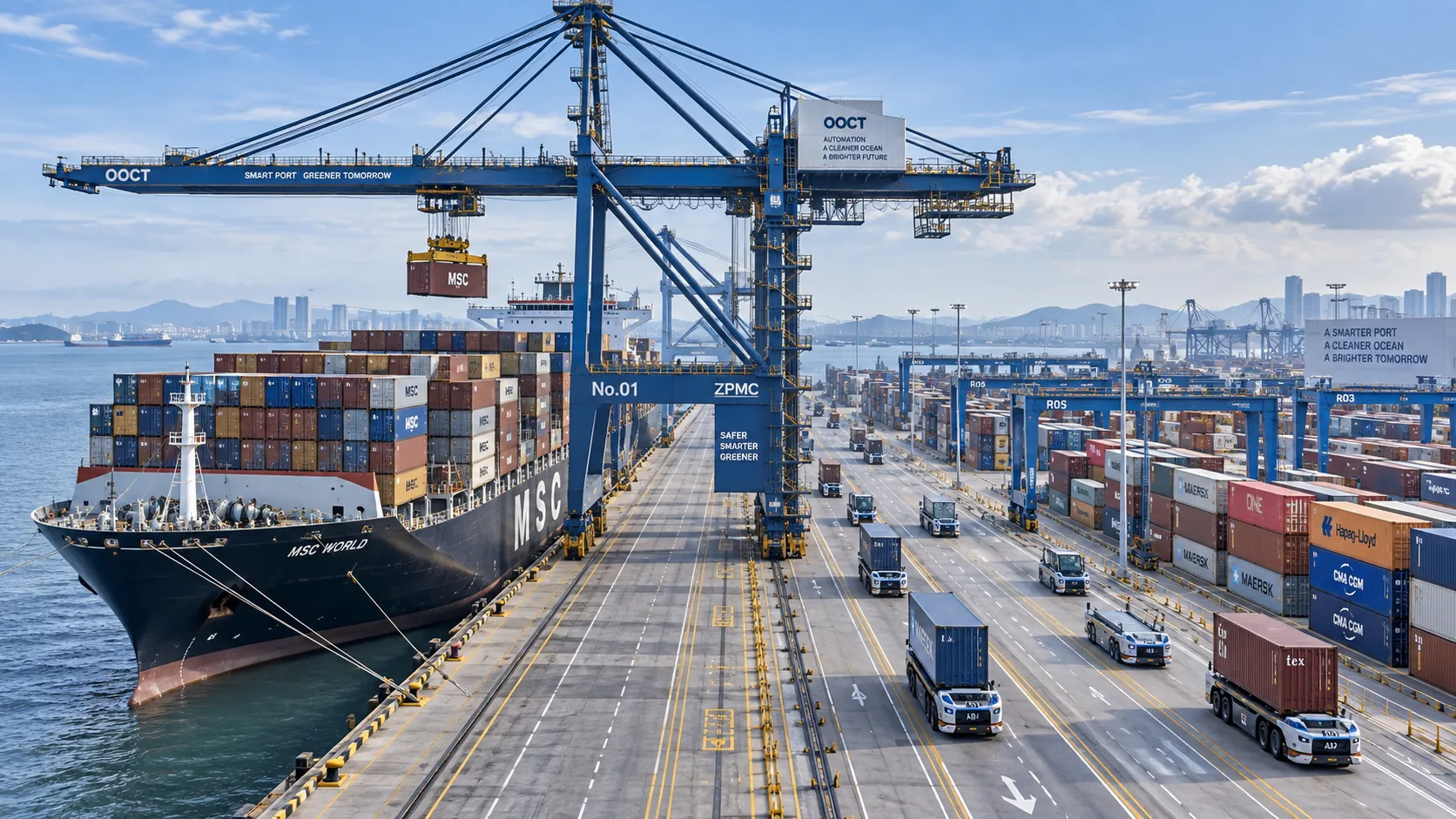
How to Specify a Quay Crane for Container Terminals by Vessel Size and Throughput?
Quay crane for container terminals: learn how to match outreach, lift height, capacity, automation, and cycle performance to vessel size and throughput goals.
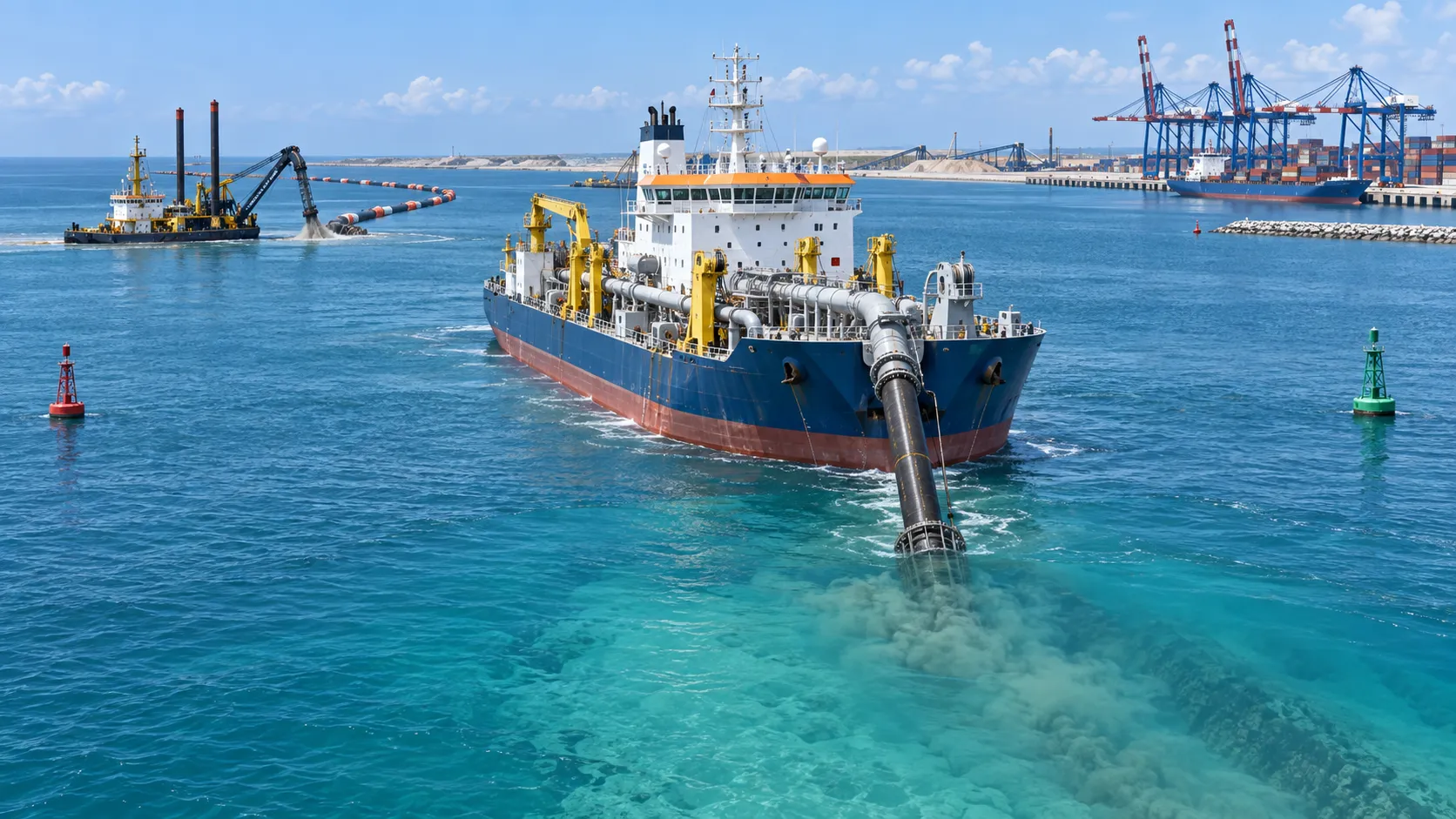
What Dredging Equipment Is Needed for Channel Deepening?
What dredging equipment is needed for channel deepening? Explore dredgers, pipelines, survey tools, and planning strategies for safer, more efficient port access.
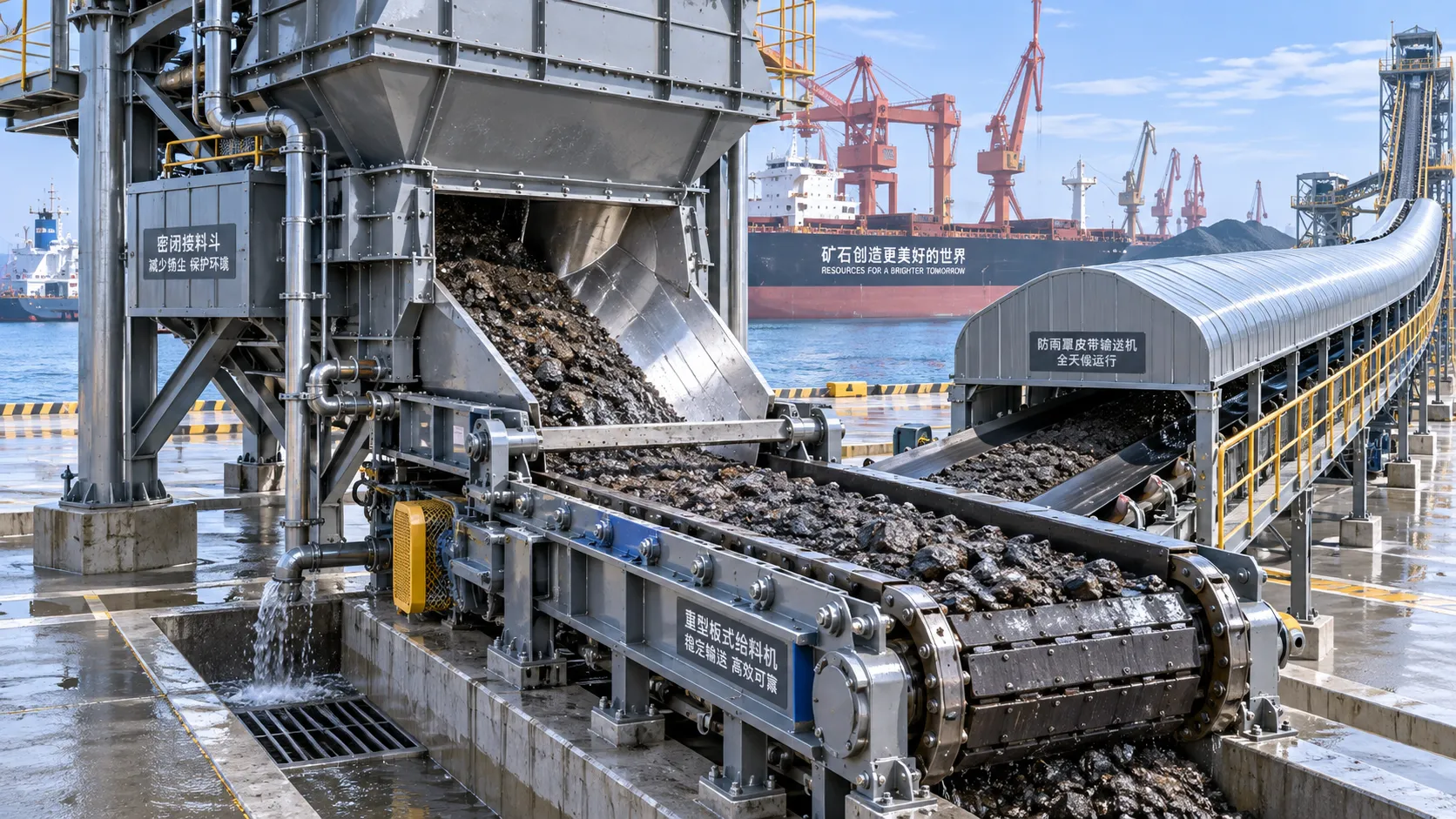
Which Bulk Handling Equipment Suits High-Moisture Cargo?
Which bulk handling equipment suits high-moisture cargo? Compare belt, apron, screw, drag, and slurry systems for reliable flow, less carryback, and higher terminal uptime.
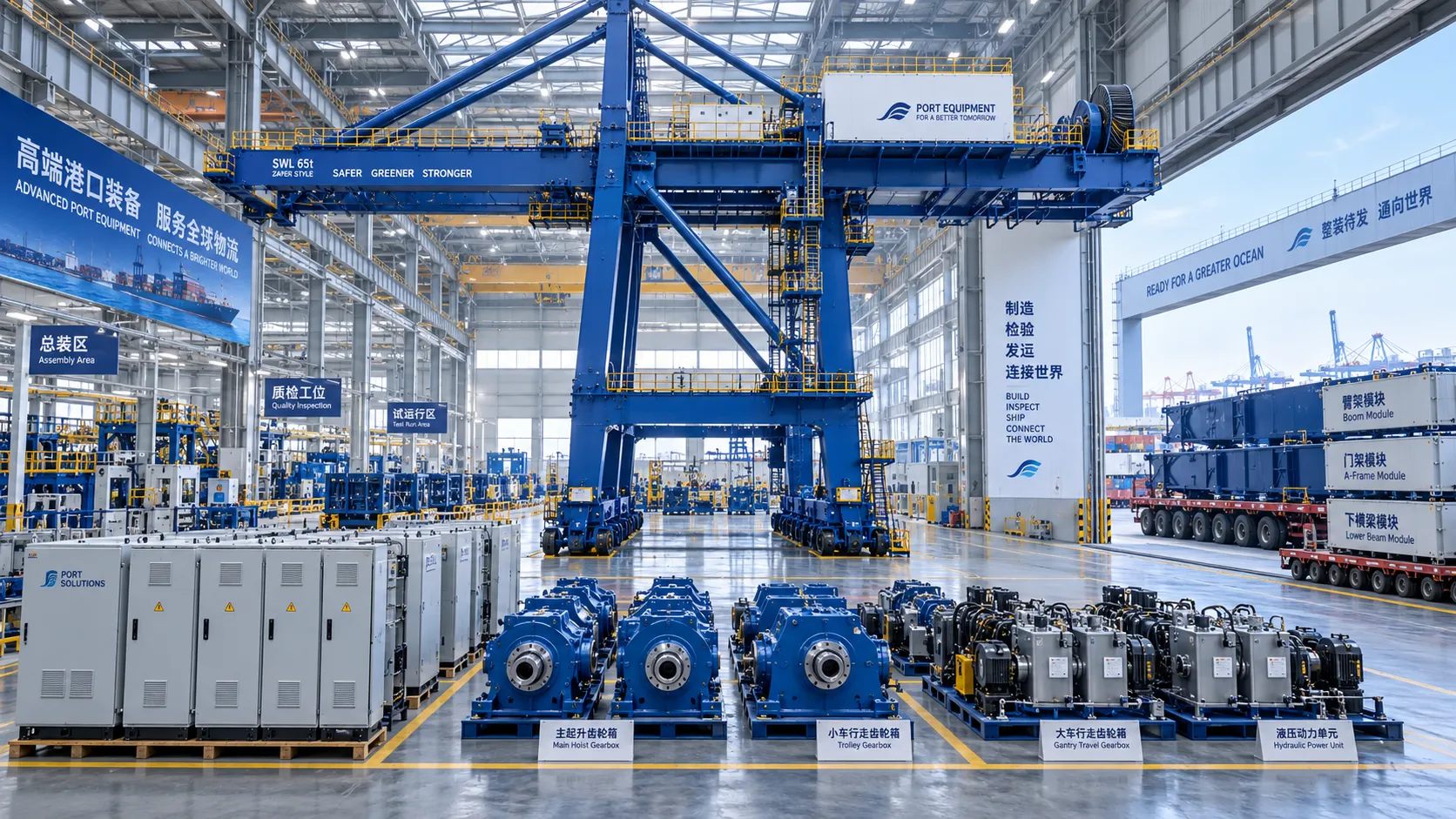
How Can Port Equipment Lead-Time Risk Be Managed?
How can port equipment lead-time risk be managed? Explore practical strategies to control critical paths, suppliers, transport, site readiness, and commissioning delays.
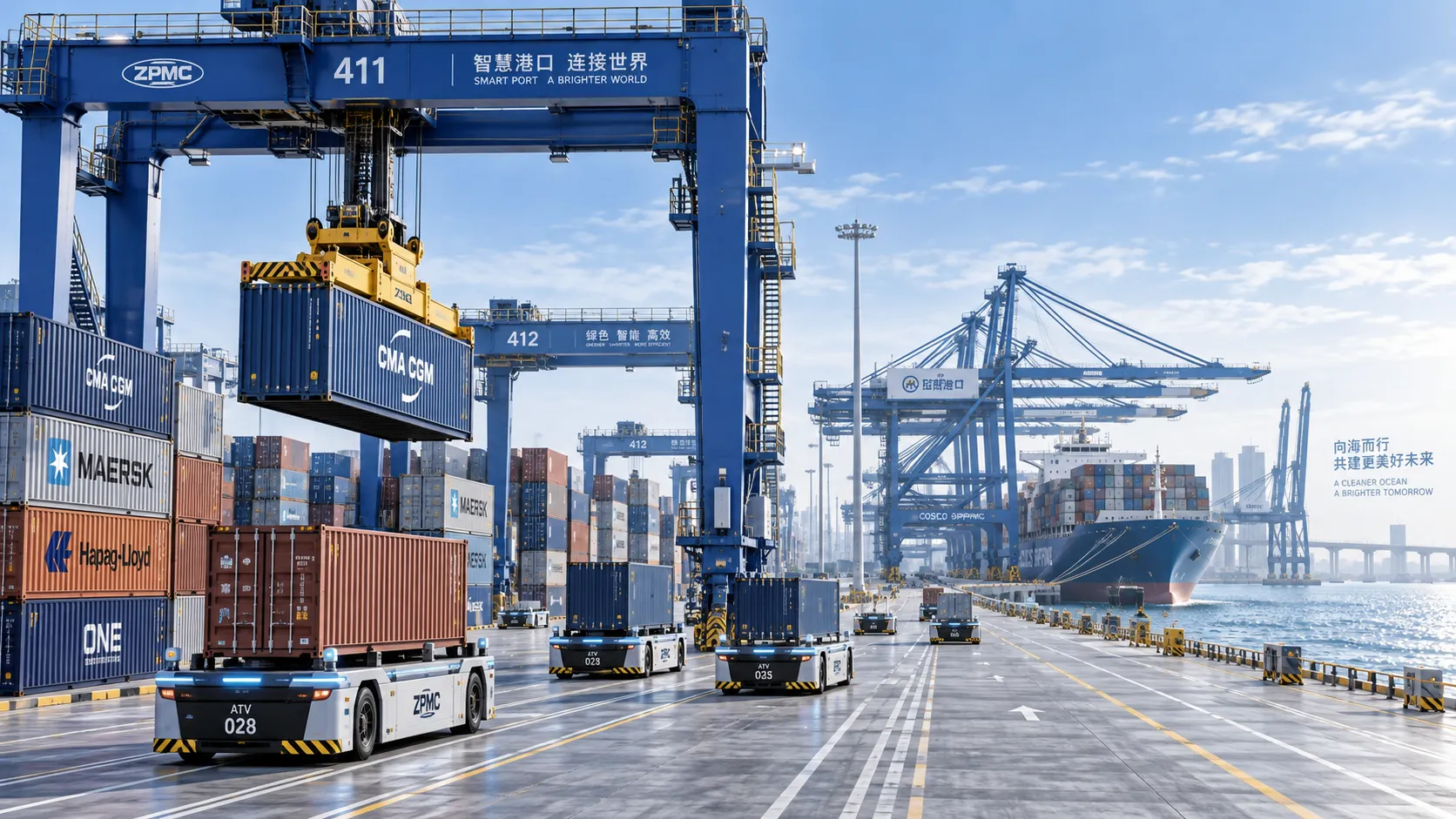
Terminal Automation Technologies That Raise Container Throughput Without Yard Disruption
Terminal automation technology that increases container throughput without disrupting yard flow. Explore smarter integration, resilient workflows, and phased deployment strategies.
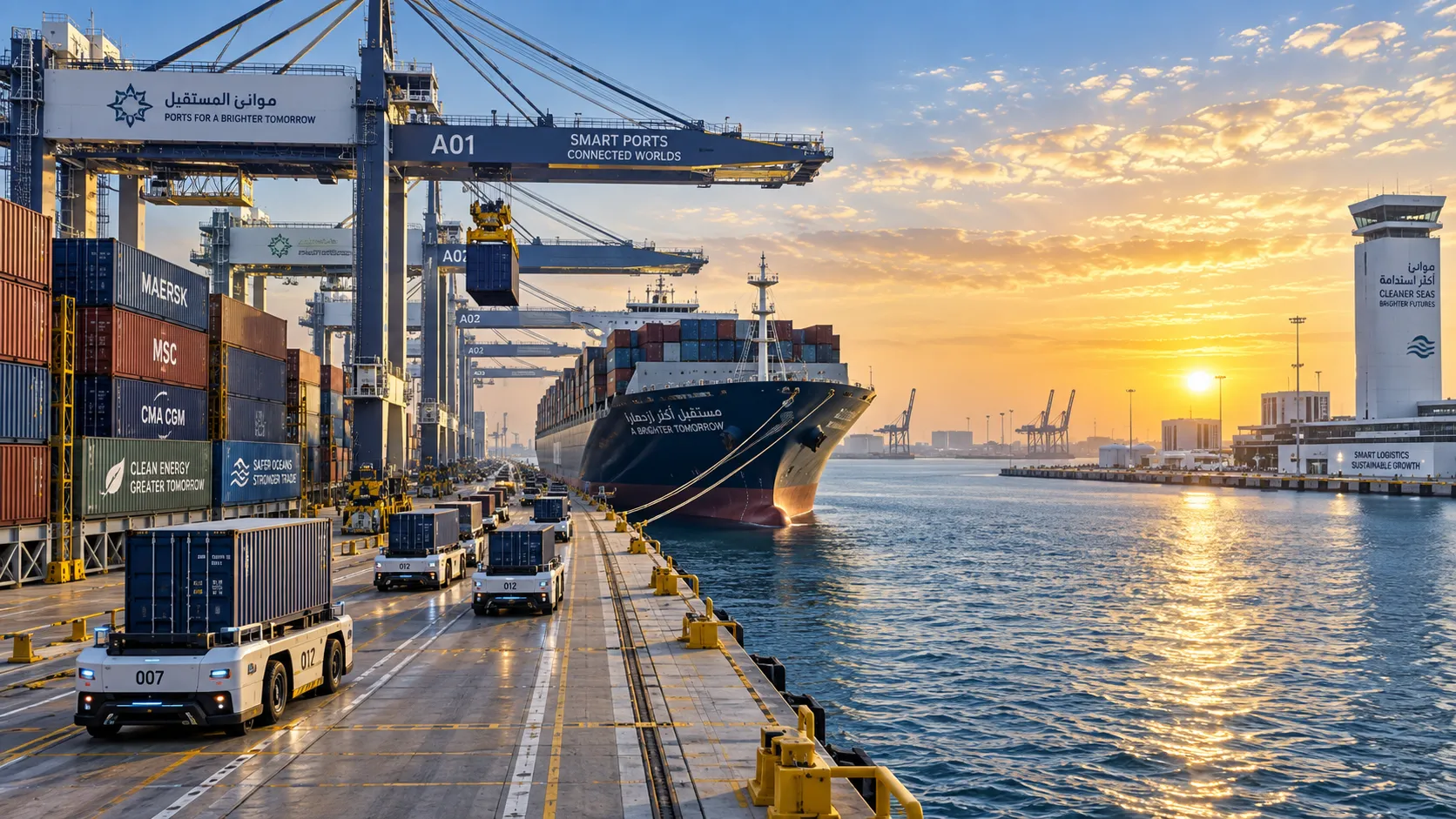
Middle East Port Automation: Key Market Drivers, Projects, and Investment Risks
Port automation systems Middle East: explore market drivers, flagship projects, integration challenges, and investment risks shaping smarter, resilient terminals.
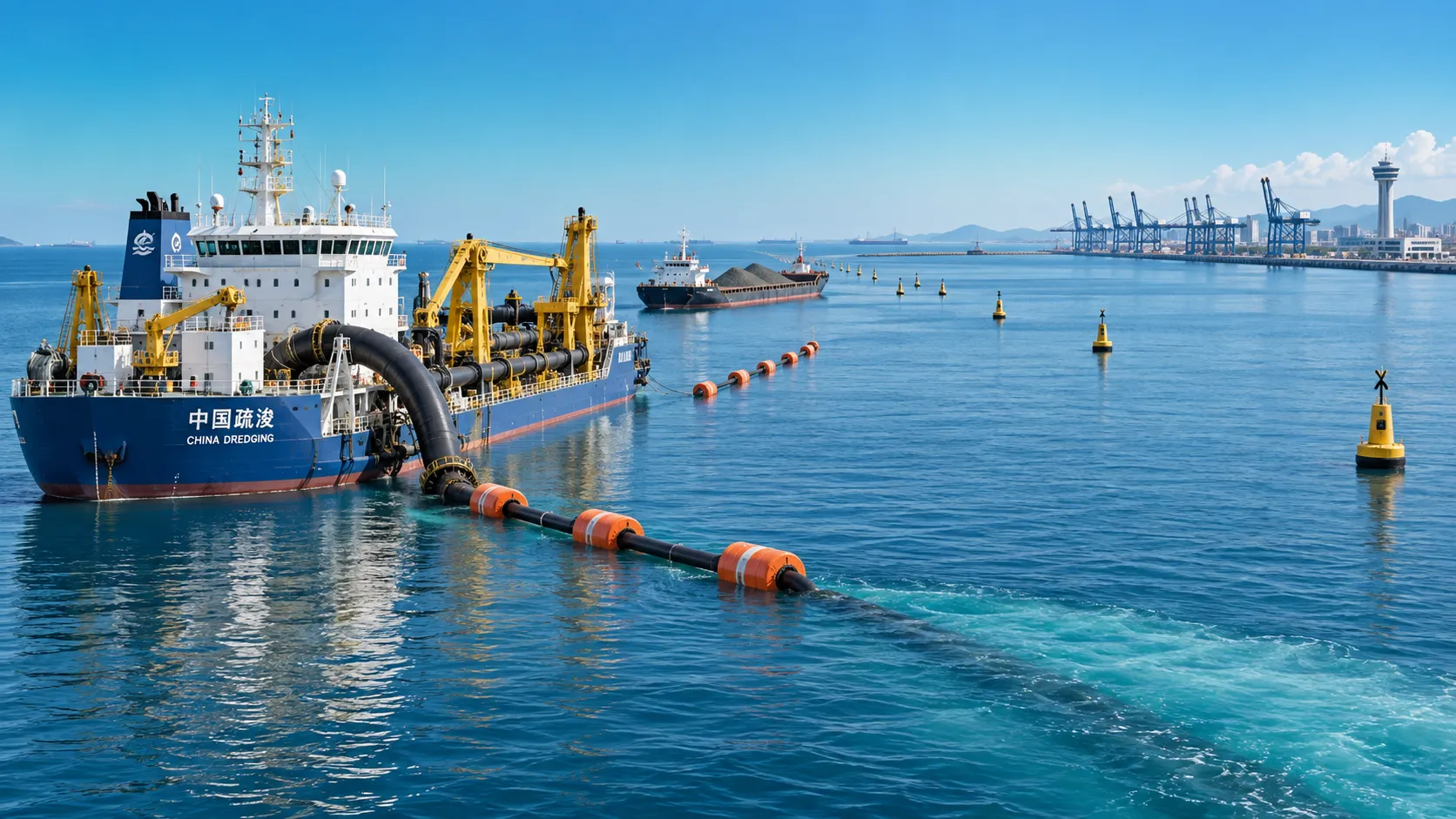
Planning Offshore Dredging Operations: Key Risks, Methods, and Project Controls
Offshore dredging operations demand smart planning. Explore key risks, proven methods, environmental controls, and project strategies for reliable delivery.