Related News
- 00
0000-00
How Can Port Equipment Lead-Time Risk Be Managed? - 00
0000-00
Maritime Logistics Operations: How Ports Can Reduce Container Dwell Time - 00
0000-00
What Does Logistics Node Monitoring Cost Across Warehouses and Transport Hubs? - 00
0000-00
How Can IoT Smart Port Solutions Improve Container Tracking and Yard Efficiency? - 00
0000-00
How Real-Time Port Logistics Intelligence Improves Container Yard Efficiency
How Yard Mobility Solutions Improve Trailer Flow and Reduce Terminal Congestion
Why trailer flow becomes the first bottleneck
In terminal operations, congestion rarely starts at the quay. It often builds inside the yard, where trailers wait, reposition, queue, and compete for narrow movement windows.
That is where yard mobility solutions matter most. They improve trailer flow by aligning vehicle movement, handoff timing, and lane availability with real operating demand.
At PS-Nexus, this issue sits between heavy terminal gear and control systems. Yard movement is not only a transport task. It is also a scheduling problem.
A small trailer delay can hold a yard crane, slow container transfer, and create downstream berth pressure. In busy windows, that chain reaction is expensive.
The practical value of yard mobility solutions is not a generic efficiency claim. It is the ability to keep trailer circulation predictable under uneven traffic, changing priorities, and tight space.
Actual operating conditions change the demand profile
Not every terminal needs the same yard mobility solutions. Similar trailer volumes can still produce very different congestion patterns.
A dense container yard with automated stacking blocks usually struggles with route coordination and interface timing. A mixed cargo terminal may face more variability in trailer type and load handling.
Some sites run around stable vessel schedules. Others absorb weather disruption, late gate arrivals, or fluctuating inland connections. In those settings, trailer flow depends on recovery speed, not only baseline capacity.
This is why yard mobility solutions should be judged by application fit. The right question is not whether a system is advanced, but whether it matches local traffic logic.
What usually changes from one yard to another
- Trailer trip length between transfer points
- Lane width, turning radius, and crossing density
- Interaction with AGVs, RTGs, straddle carriers, or terminal tractors
- Dispatch rules for export, import, transshipment, and empty repositioning
- Tolerance for idle equipment during shift peaks
Where yard mobility solutions deliver the clearest gains
When transshipment blocks create repeated short moves
In transshipment-heavy yards, the problem is not always distance. It is frequency. Trailers make many short moves, and small dispatch errors quickly accumulate.
Here, yard mobility solutions should prioritize dynamic assignment, live queue balancing, and fast confirmation at handoff points. Route optimization alone is not enough.
A common mistake is assuming that more tractors solve the issue. In practice, excessive fleet size can worsen congestion if staging logic stays weak.
When gate surges disrupt yard rhythm
Import pickup peaks and late truck arrivals often create a different pattern. The yard becomes unstable because trailer demand shifts faster than planned crane sequences.
In this scenario, yard mobility solutions need strong exception handling. Operators need to resequence moves, redirect trailers, and protect high-priority lanes without freezing the whole block.
The more useful systems connect movement data with slot allocation and gate timing. That reduces stop-and-wait behavior across the terminal.
When automation adds precision but reduces flexibility
Automated terminals often look smooth on paper, yet trailer flow can still suffer. Fixed control logic works well under normal conditions, but disturbances expose weak coordination between machines.
In those yards, yard mobility solutions should integrate with terminal operating systems, equipment control systems, and path-planning layers. Timing consistency matters more than raw travel speed.
PS-Nexus often tracks this crossover point. Heavy mechanical power only performs well when scheduling latency stays low and data handoff remains reliable.
Different scenarios need different decision criteria
The same phrase, yard mobility solutions, covers several operational needs. Comparing them side by side helps clarify what to evaluate before deployment.
The table also shows why a single KPI can mislead. Faster average speed does not always mean better trailer flow if waiting time remains high at transfer points.
What to confirm before choosing a deployment path
In actual use, the more useful judgment starts with movement structure. Count how many trailer trips are repetitive, how many are exception-driven, and where deadhead travel appears.
Then check whether congestion comes from insufficient vehicles, poor route governance, or slow task release. Yard mobility solutions only work well when the root cause is clear.
Several adaptation questions deserve early attention:
- Can the system read live equipment status from cranes, tractors, and yard blocks?
- Does the site need human-driven mobility, semi-automated dispatch, or full autonomous trailer coordination?
- How often do layout changes, dredging works, or temporary lane closures affect travel paths?
- Are communication links stable enough for low-latency control decisions?
- Will maintenance teams support sensors, positioning hardware, and software updates without creating new downtime?
These checks matter in large port ecosystems, especially where expansion, automation upgrades, or net-zero planning change equipment use over time.
Misjudgments that keep congestion in place
One frequent error is focusing on peak capacity while ignoring shift transitions. Many yards look acceptable by hourly throughput, yet trailer flow collapses during handover periods.
Another error is treating similar blocks as identical. Yard mobility solutions often need different rules for reefer areas, empty depots, export stacks, and high-turnover transshipment rows.
Some sites also underestimate implementation cost outside hardware. Interface mapping, training, lane marking, data cleanup, and fallback procedures often decide whether the project works.
A final blind spot is resilience. Trailer flow should be tested during equipment outage, weather delay, and vessel bunching, not only under balanced planning assumptions.
A practical route to better fit and smoother flow
The best results usually come from staged adoption. Start with movement mapping, waiting-time measurement, and lane conflict analysis before changing the whole yard logic.
Next, compare yard mobility solutions against the real sources of congestion. Some terminals need stronger dispatch intelligence. Others need cleaner equipment coordination or better route discipline.
For complex maritime logistics networks, PS-Nexus points to one consistent lesson: trailer flow improves when mechanical assets, control systems, and local operating rules are evaluated together.
A practical next step is to define scenario-based benchmarks. Measure queue time, empty travel, handoff delay, recovery speed, and maintenance burden under more than one traffic condition.
That approach makes yard mobility solutions easier to compare, easier to adapt, and far more likely to reduce terminal congestion in day-to-day operations.
Related News
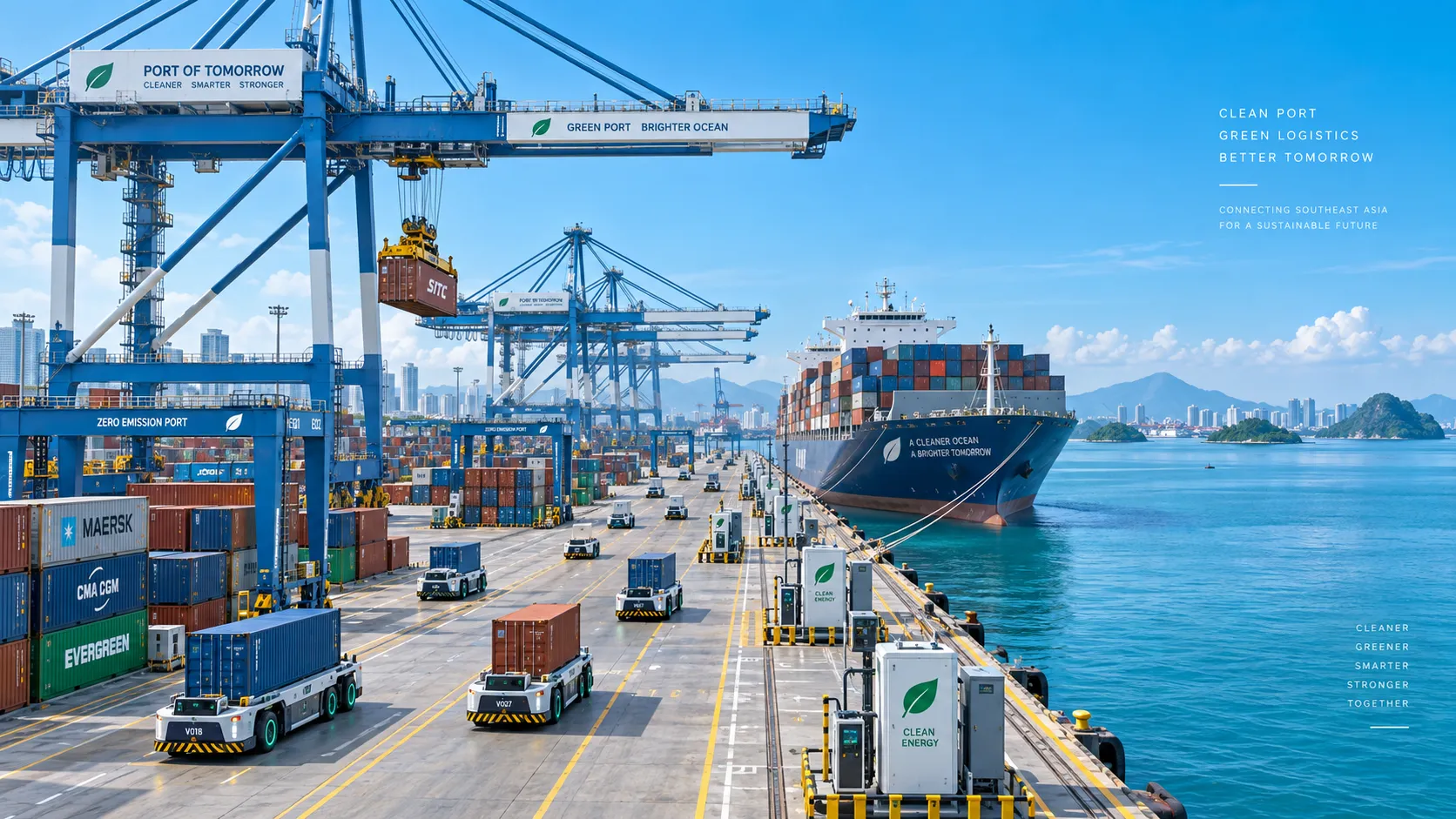
Smart Port Systems in Southeast Asia: Investment Priorities and Adoption Barriers
Smart port systems Southeast Asia: discover investment priorities, adoption barriers, and practical steps to build resilient, connected, high-performing terminals.
How to Evaluate Terminal Efficiency Solution Suppliers for High-Throughput Operations
Choose a terminal efficiency solutions supplier with confidence. Explore proven criteria for throughput, integration, lifecycle cost, safety, and reliable delivery.
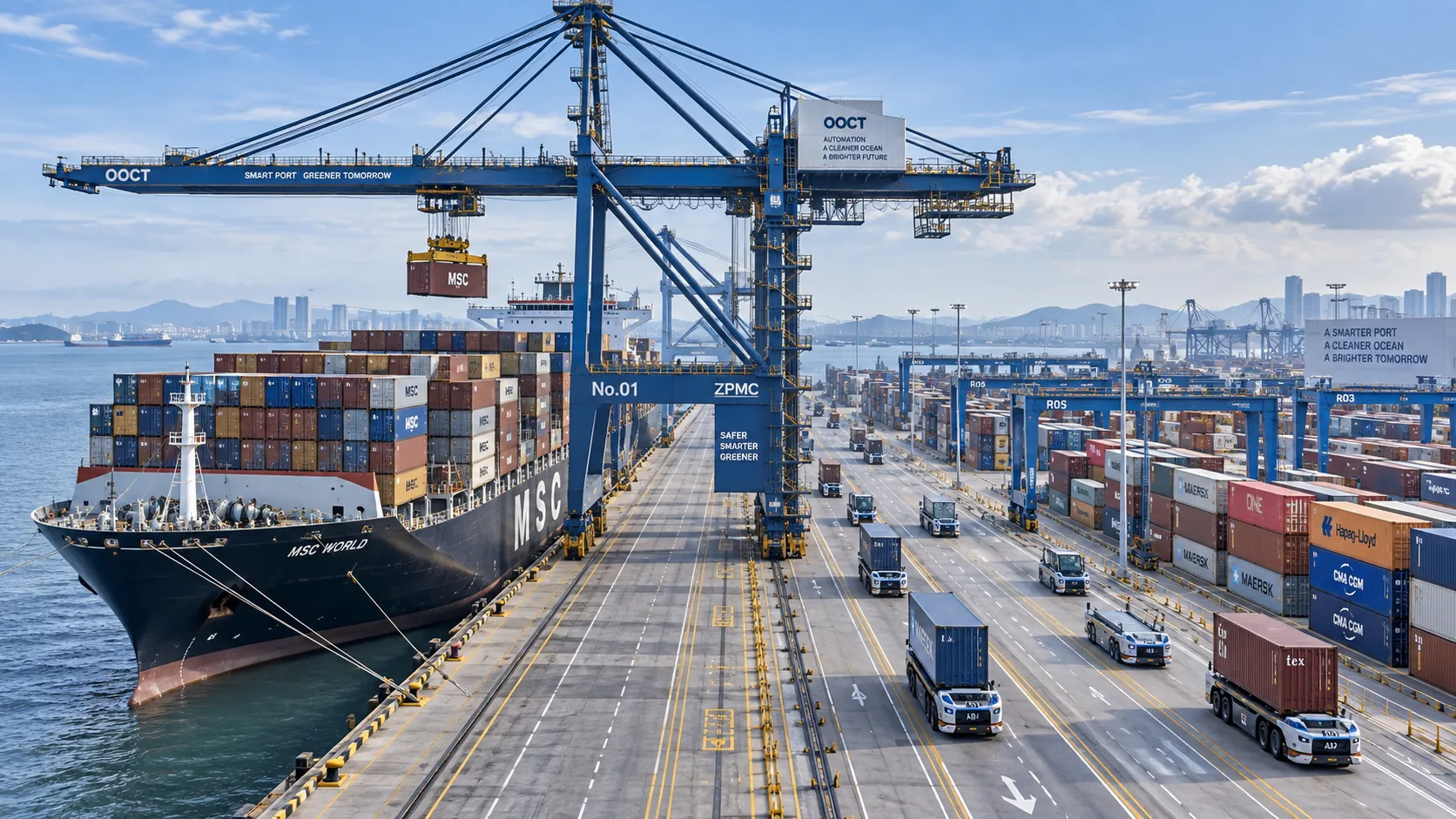
How to Specify a Quay Crane for Container Terminals by Vessel Size and Throughput?
Quay crane for container terminals: learn how to match outreach, lift height, capacity, automation, and cycle performance to vessel size and throughput goals.
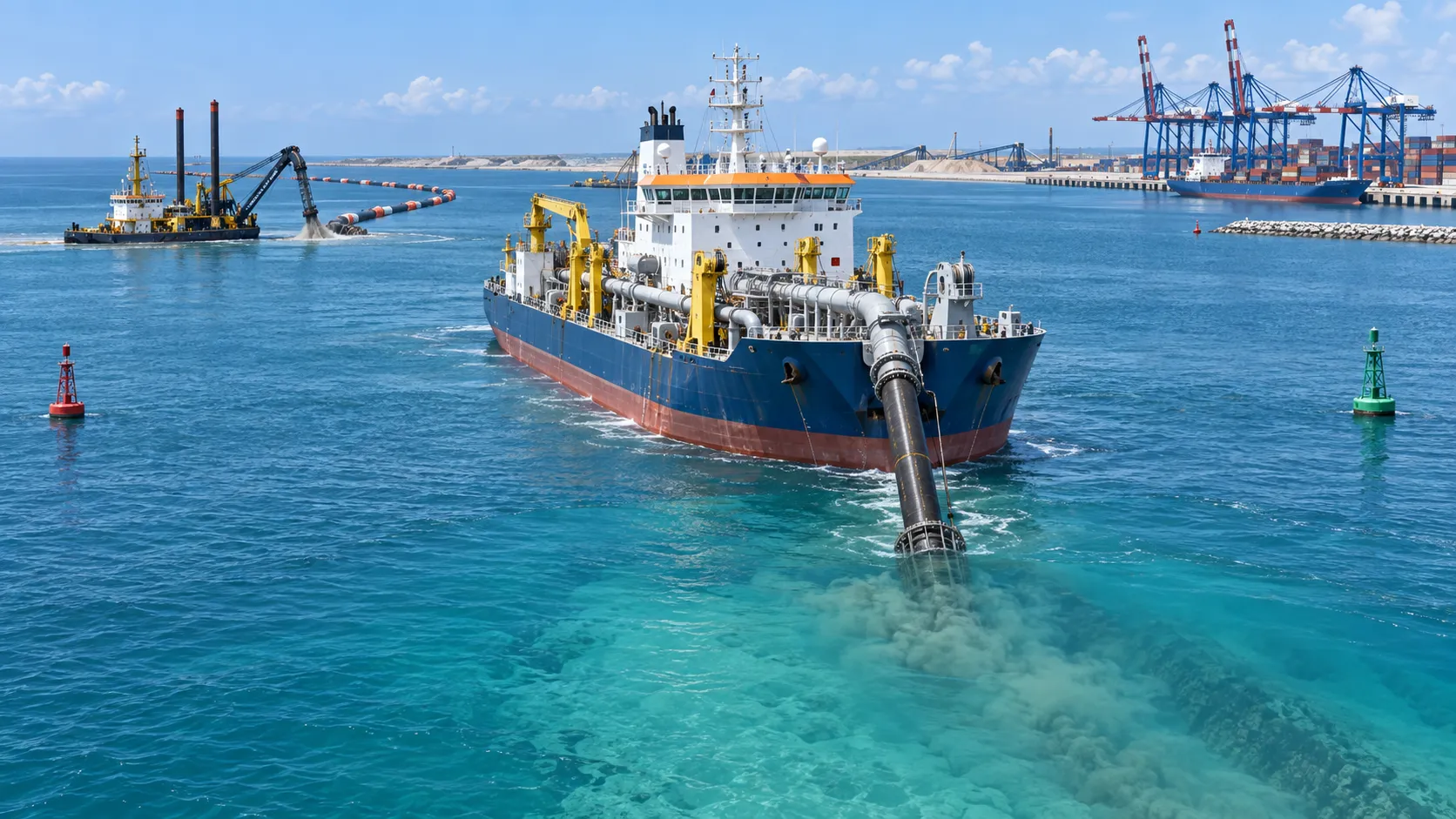
What Dredging Equipment Is Needed for Channel Deepening?
What dredging equipment is needed for channel deepening? Explore dredgers, pipelines, survey tools, and planning strategies for safer, more efficient port access.
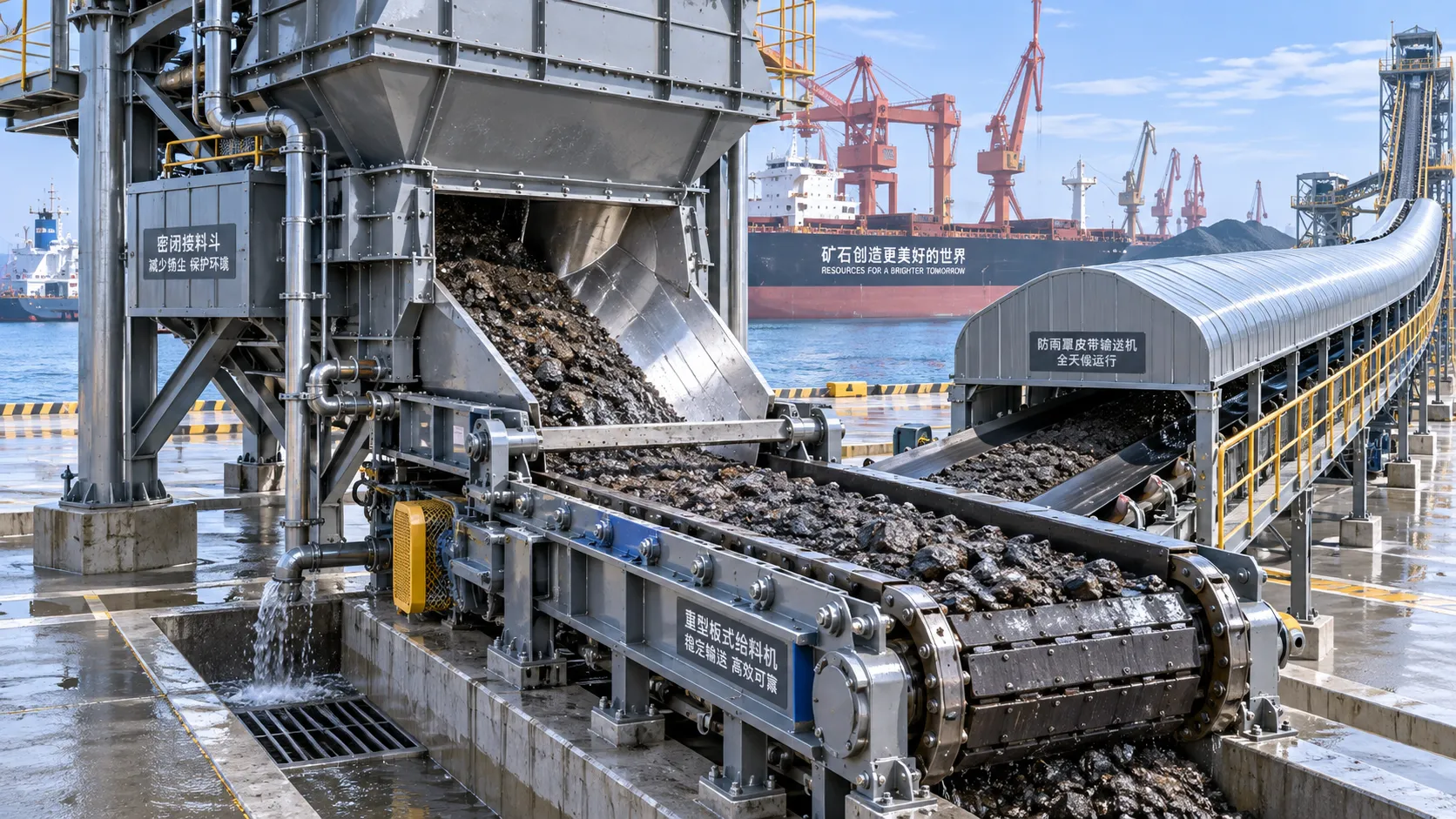
Which Bulk Handling Equipment Suits High-Moisture Cargo?
Which bulk handling equipment suits high-moisture cargo? Compare belt, apron, screw, drag, and slurry systems for reliable flow, less carryback, and higher terminal uptime.
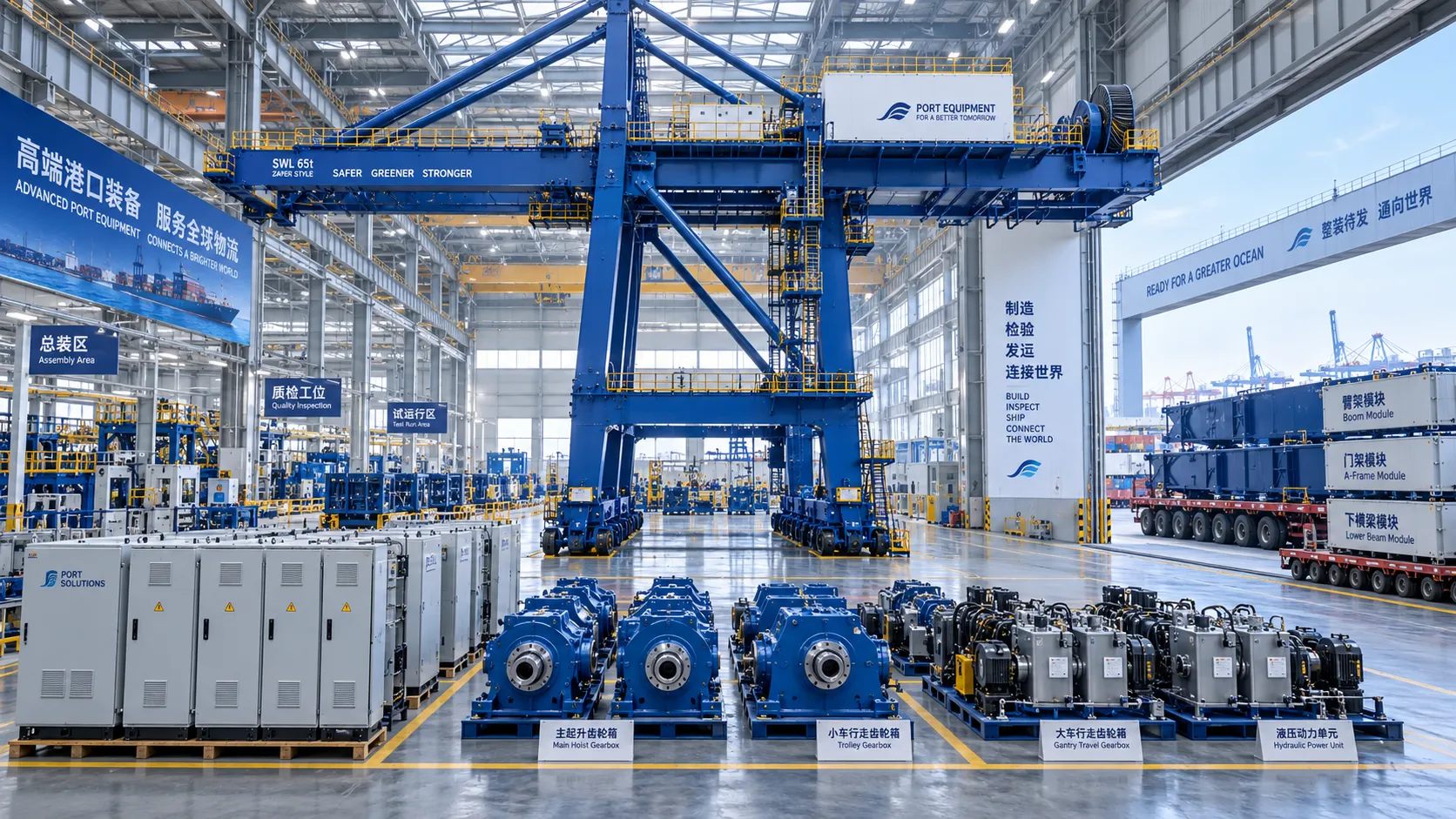
How Can Port Equipment Lead-Time Risk Be Managed?
How can port equipment lead-time risk be managed? Explore practical strategies to control critical paths, suppliers, transport, site readiness, and commissioning delays.
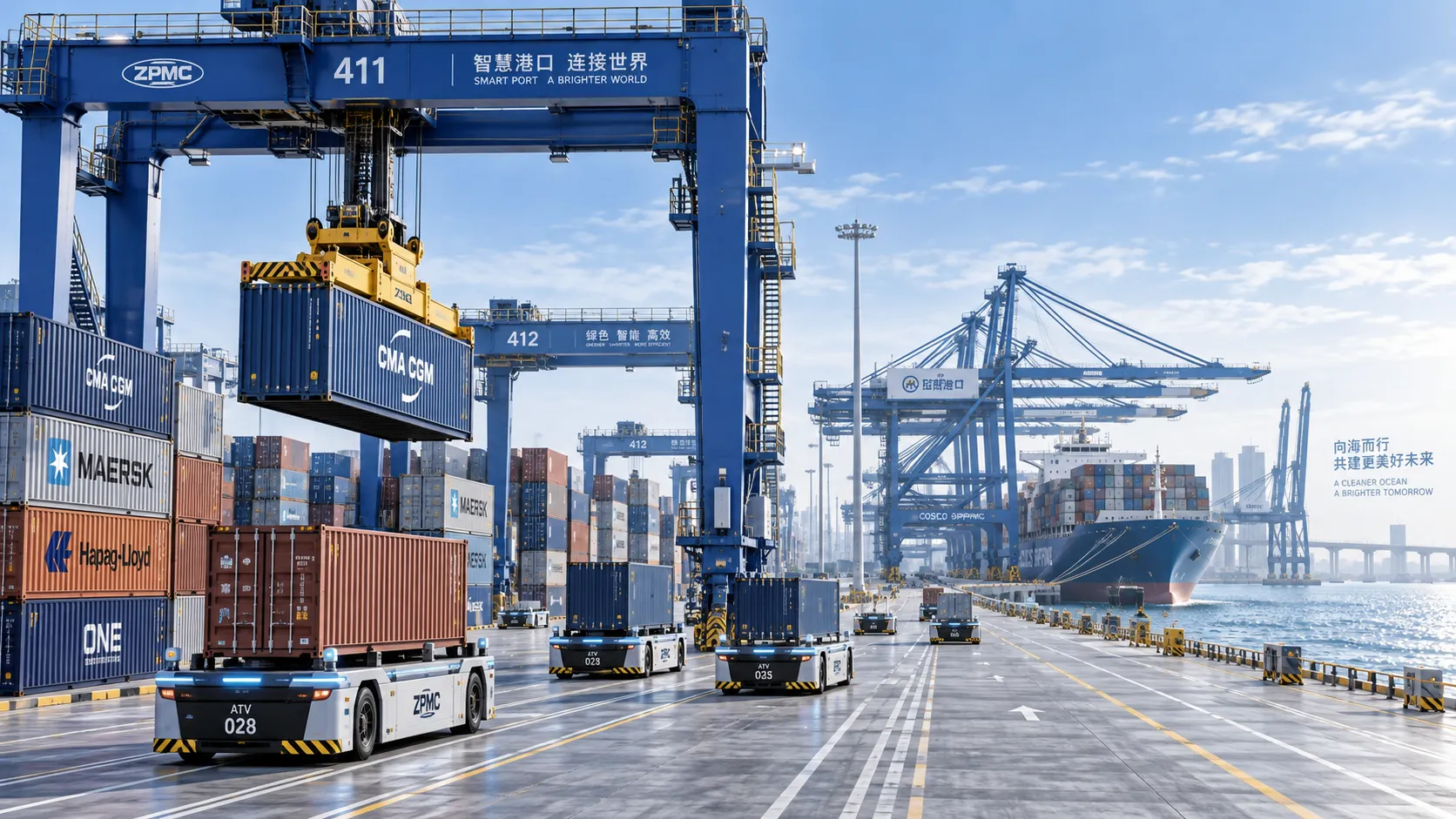
Terminal Automation Technologies That Raise Container Throughput Without Yard Disruption
Terminal automation technology that increases container throughput without disrupting yard flow. Explore smarter integration, resilient workflows, and phased deployment strategies.
Middle East Port Automation: Key Market Drivers, Projects, and Investment Risks
Port automation systems Middle East: explore market drivers, flagship projects, integration challenges, and investment risks shaping smarter, resilient terminals.
Planning Offshore Dredging Operations: Key Risks, Methods, and Project Controls
Offshore dredging operations demand smart planning. Explore key risks, proven methods, environmental controls, and project strategies for reliable delivery.