Related News
- 00
0000-00
How to Evaluate Terminal Efficiency Solution Suppliers for High-Throughput Operations - 00
0000-00
What to Consider When Buying Electric Port Machinery for Container Terminals - 00
0000-00
How to Select Container Handling Equipment for Middle East Ports and Terminals - 00
0000-00
How to Evaluate a Port Machinery Exporter for Large-Scale Terminal Projects - 00
0000-00
Evaluating a Dredging Equipment Manufacturer for Mining Plant Supply
What to Compare When Choosing an Automated Gear Manufacturer for OEM Production
Why does the choice of automated gear manufacturer matter so much in OEM production?
An automated gear manufacturer affects more than unit price. It shapes uptime, software fit, spare parts access, and the speed of commissioning.
In port equipment, bulk handling systems, and dredging support machinery, automation failures rarely stay isolated. One unstable drive train can slow an entire transfer sequence.
That is why comparisons should begin with operating context. A supplier for warehouse conveyors may not suit terminal cranes, AGV interfaces, or harsh marine duty cycles.
PS-Nexus often tracks this through a wider lens. Mechanical performance, control logic, and logistics pressure move together, especially where port throughput and remote scheduling are tightly linked.
A reliable automated gear manufacturer should therefore support both hardware durability and system behavior. That includes sensors, drive accuracy, control response, and data visibility over time.
What should you compare first: price, engineering depth, or automation compatibility?
Price usually gets attention first, but it should not lead the shortlist alone. The better starting point is engineering match with the OEM application.
Ask whether the automated gear manufacturer has delivered similar systems before. Similar means duty cycle, load profile, environmental exposure, and automation architecture, not just comparable dimensions.
In real projects, automation compatibility becomes a major divider. A gear unit that performs well mechanically can still create integration delays if encoder output, communication protocol, or control tolerances do not align.
For terminal and marine applications, useful checks include:
- Interface support for PLC, SCADA, and motion control systems
- Tolerance for shock loads, variable speeds, and stop-start cycles
- Protection against salt air, dust, vibration, and humidity
- Readiness for remote monitoring and predictive maintenance signals
A lower quote loses value quickly if it needs redesign work, custom adapters, or repeated software revisions. Those costs are often hidden until factory acceptance testing.
A practical comparison table
The table below helps structure discussions with each automated gear manufacturer before RFQ decisions move too far.
How can you tell whether a manufacturer really understands automated applications?
Look for evidence beyond brochures. A strong automated gear manufacturer can explain how the gear system behaves inside a larger control sequence.
That means discussing acceleration profiles, backlash control, thermal behavior, and feedback accuracy in relation to the final machine.
For example, container handling equipment may demand repeatable positioning under changing loads. Dredging support systems may prioritize continuous operation and condition monitoring over peak speed.
A capable supplier will usually ask detailed questions early. They may request load spectra, operating windows, emergency stop frequency, ambient conditions, and communication requirements.
That kind of questioning is a good sign. It shows the automated gear manufacturer is sizing for actual behavior, not just quoting from a standard catalog.
PS-Nexus follows similar patterns in its intelligence work. In automated terminal environments, the real constraint is often the interaction between mechanical endurance and scheduling logic, not one isolated component.
Where do quality control and delivery risk usually show up?
Quality problems often appear long before field failure. They show up as inconsistent tolerances, repeated adjustments during assembly, or unstable test results between batches.
That is why audit questions should move past certificates alone. ISO compliance matters, but process discipline matters more in day-to-day production.
Useful checkpoints include incoming material inspection, gear machining consistency, heat treatment control, test bench coverage, and final traceable records.
Delivery risk also deserves close review. A technically strong automated gear manufacturer can still become a weak partner if sourcing concentration, export delays, or overloaded capacity disrupt supply.
In global trade infrastructure, this risk is not theoretical. Shipping volatility, energy price swings, and regional policy changes can affect lead times for castings, motors, bearings, and electronic modules.
More careful evaluations usually ask for:
- Standard lead time and actual historical variance
- Critical sub-supplier dependency
- Buffer stock strategy for long-cycle projects
- Contingency planning for control components
Is the cheapest automated gear manufacturer ever the better choice?
Sometimes, but only when the specification is simple, the operating duty is moderate, and integration requirements are already proven.
In higher-risk OEM projects, the cheaper option can become the expensive one. Extra adaptation work, slower commissioning, or early replacement usually erodes the initial savings.
A better comparison uses lifecycle cost. That includes acquisition price, engineering hours, software integration time, spare parts planning, service response, and expected operating life.
Need attention to hidden cost areas:
- Custom mounting or couplings not included in the base quote
- Additional validation tests required by the OEM
- Longer startup support due to poor documentation
- Downtime exposure if local spare parts are unavailable
For heavy terminal gear and smart port assets, long-term reliability usually beats short-term price compression. That is especially true where assets operate continuously and labor intervention is limited.
What mistakes are common when comparing automated gear manufacturers?
One common mistake is comparing quotations that are not technically aligned. Different lubrication systems, sensor scopes, testing standards, or protection grades can distort the result.
Another mistake is treating automation as an accessory. In many port and coastal logistics systems, controls and mechanics are inseparable from final performance.
There is also a tendency to overvalue reference names without checking relevance. A respected automated gear manufacturer in mining, for example, may still be weak in marine corrosion resistance or unmanned control integration.
A short decision checklist can keep evaluation grounded:
How should you move from comparison to a confident sourcing decision?
Start by turning the application into a decision matrix. Separate must-have requirements from negotiable features, then score each automated gear manufacturer against the same structure.
Keep the matrix practical. Include mechanical fit, automation compatibility, documentation quality, delivery confidence, service capability, and total cost over the equipment life.
Where possible, ask for evidence, not promises. Test reports, reference projects, interface lists, inspection procedures, and spare parts commitments tell more than polished presentations.
For projects tied to port automation, container transfer efficiency, or dredging support assets, it also helps to monitor wider industry signals. PS-Nexus regularly shows how scheduling logic, infrastructure demand, and equipment design pressures are converging.
That broader view matters because an automated gear manufacturer is not just a component source. It is part of the operating resilience of a larger logistics system.
The most dependable next step is simple: define the duty profile clearly, align comparison criteria early, and validate each supplier against real operating conditions. That approach usually leads to fewer surprises and stronger OEM results.
Related News
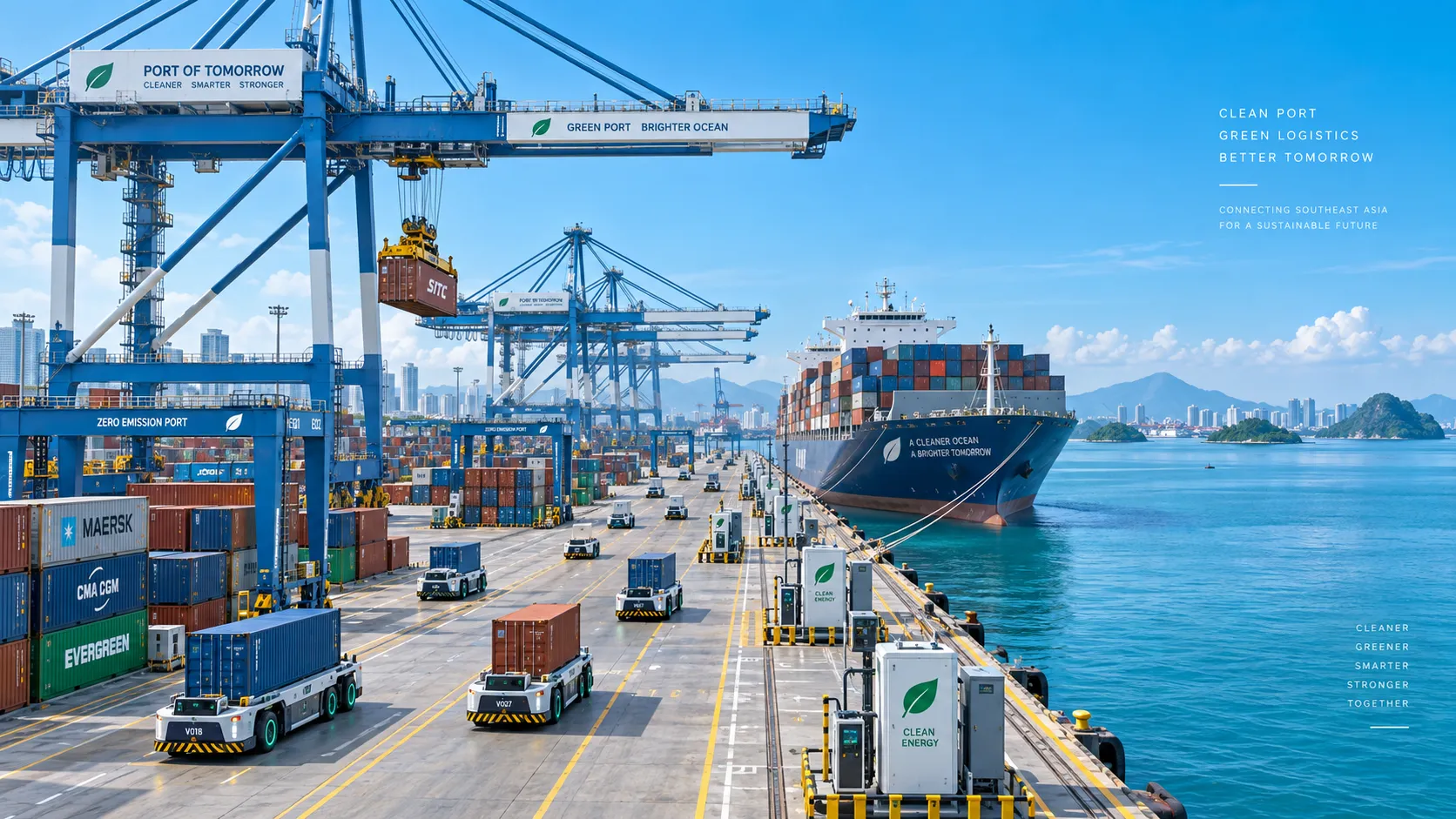
Smart Port Systems in Southeast Asia: Investment Priorities and Adoption Barriers
Smart port systems Southeast Asia: discover investment priorities, adoption barriers, and practical steps to build resilient, connected, high-performing terminals.

How to Evaluate Terminal Efficiency Solution Suppliers for High-Throughput Operations
Choose a terminal efficiency solutions supplier with confidence. Explore proven criteria for throughput, integration, lifecycle cost, safety, and reliable delivery.
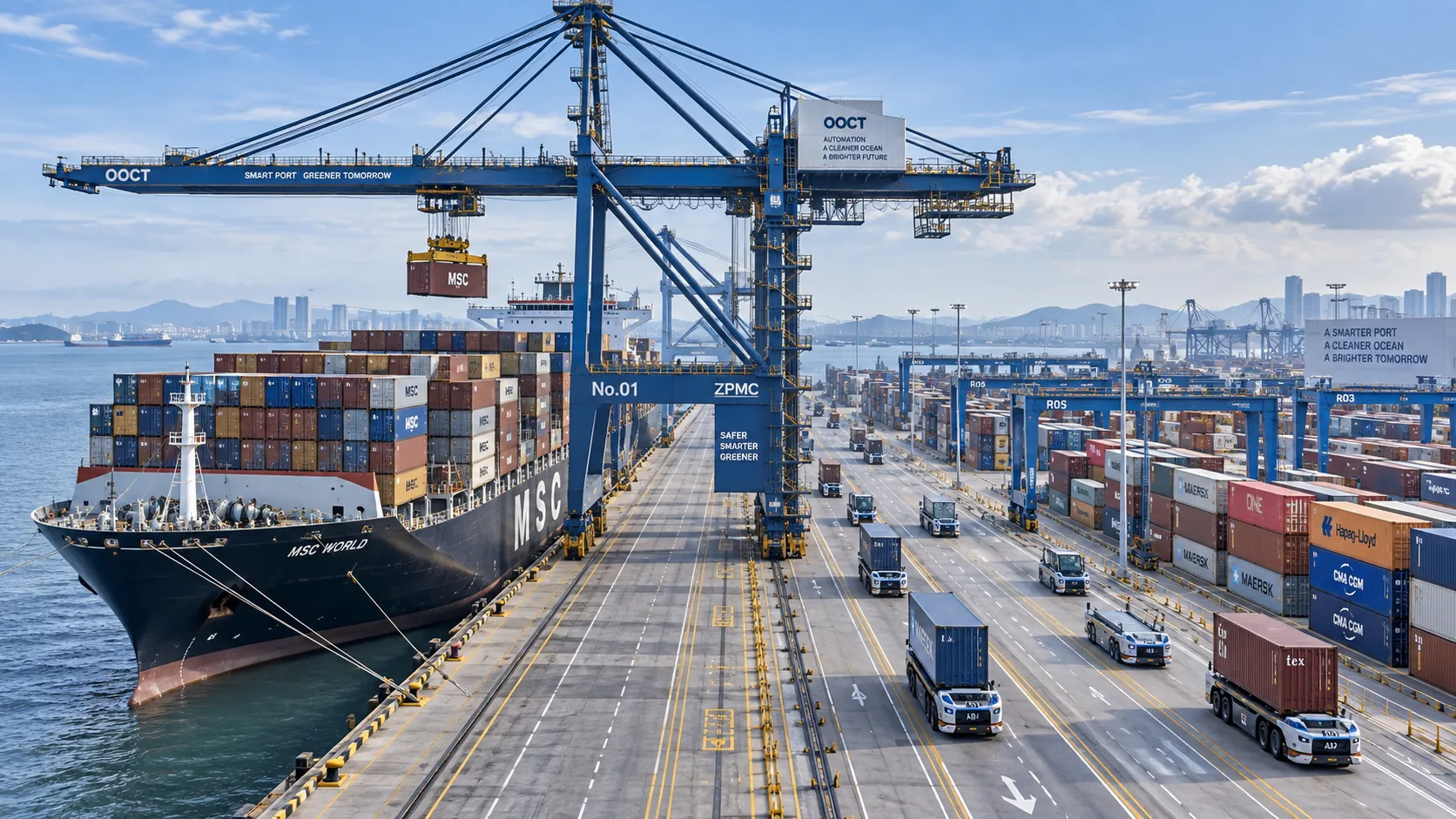
How to Specify a Quay Crane for Container Terminals by Vessel Size and Throughput?
Quay crane for container terminals: learn how to match outreach, lift height, capacity, automation, and cycle performance to vessel size and throughput goals.
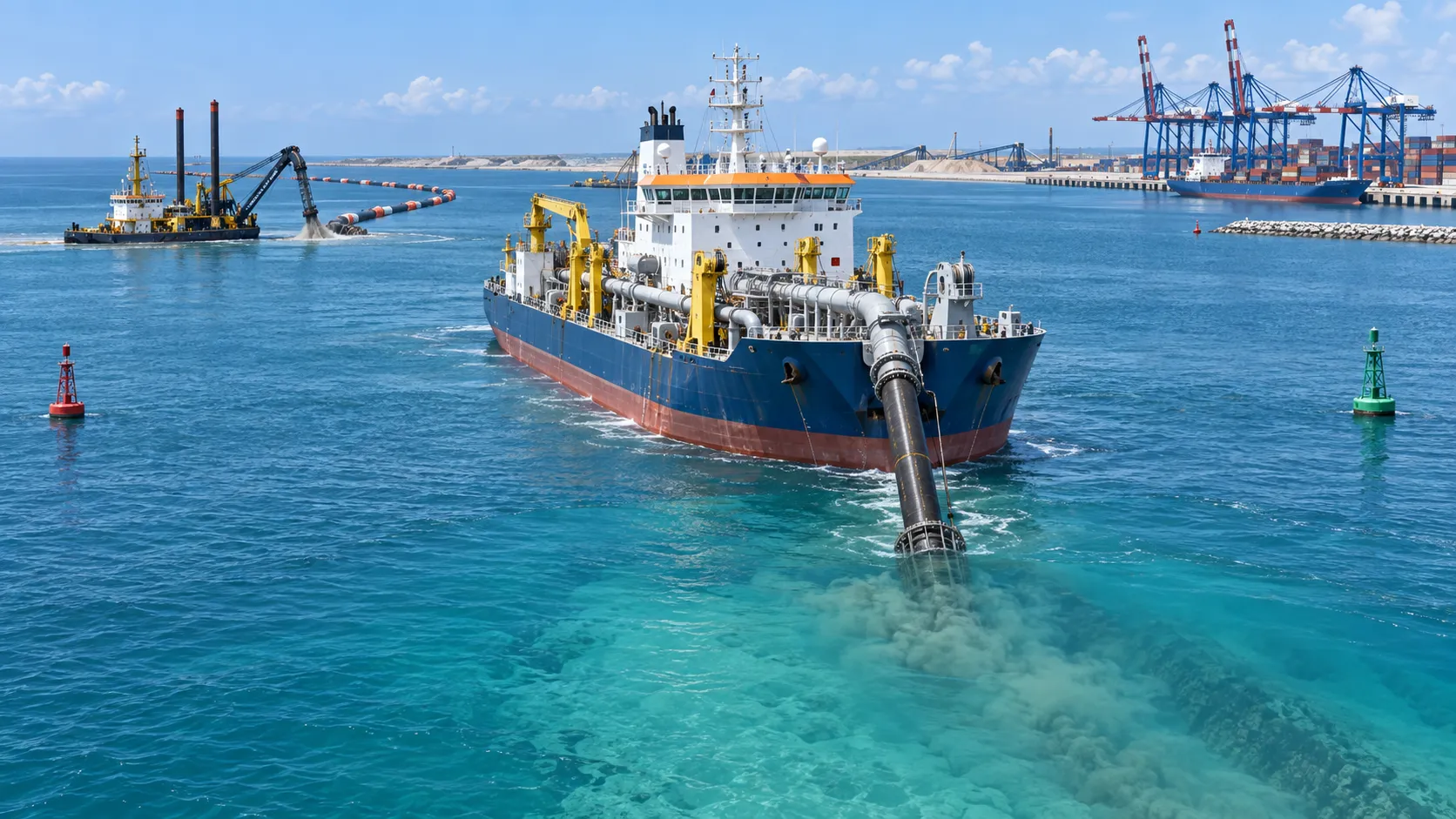
What Dredging Equipment Is Needed for Channel Deepening?
What dredging equipment is needed for channel deepening? Explore dredgers, pipelines, survey tools, and planning strategies for safer, more efficient port access.
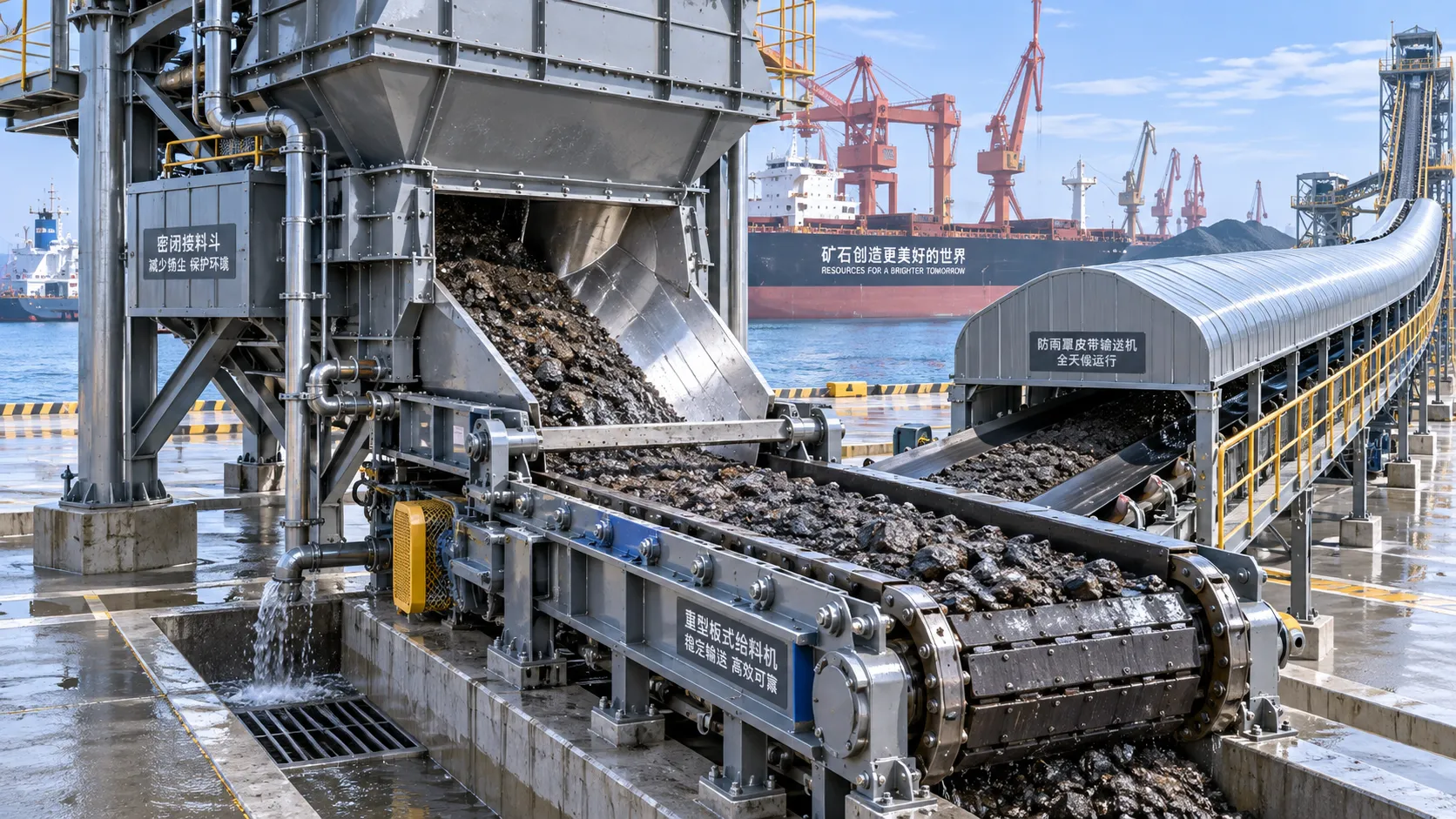
Which Bulk Handling Equipment Suits High-Moisture Cargo?
Which bulk handling equipment suits high-moisture cargo? Compare belt, apron, screw, drag, and slurry systems for reliable flow, less carryback, and higher terminal uptime.
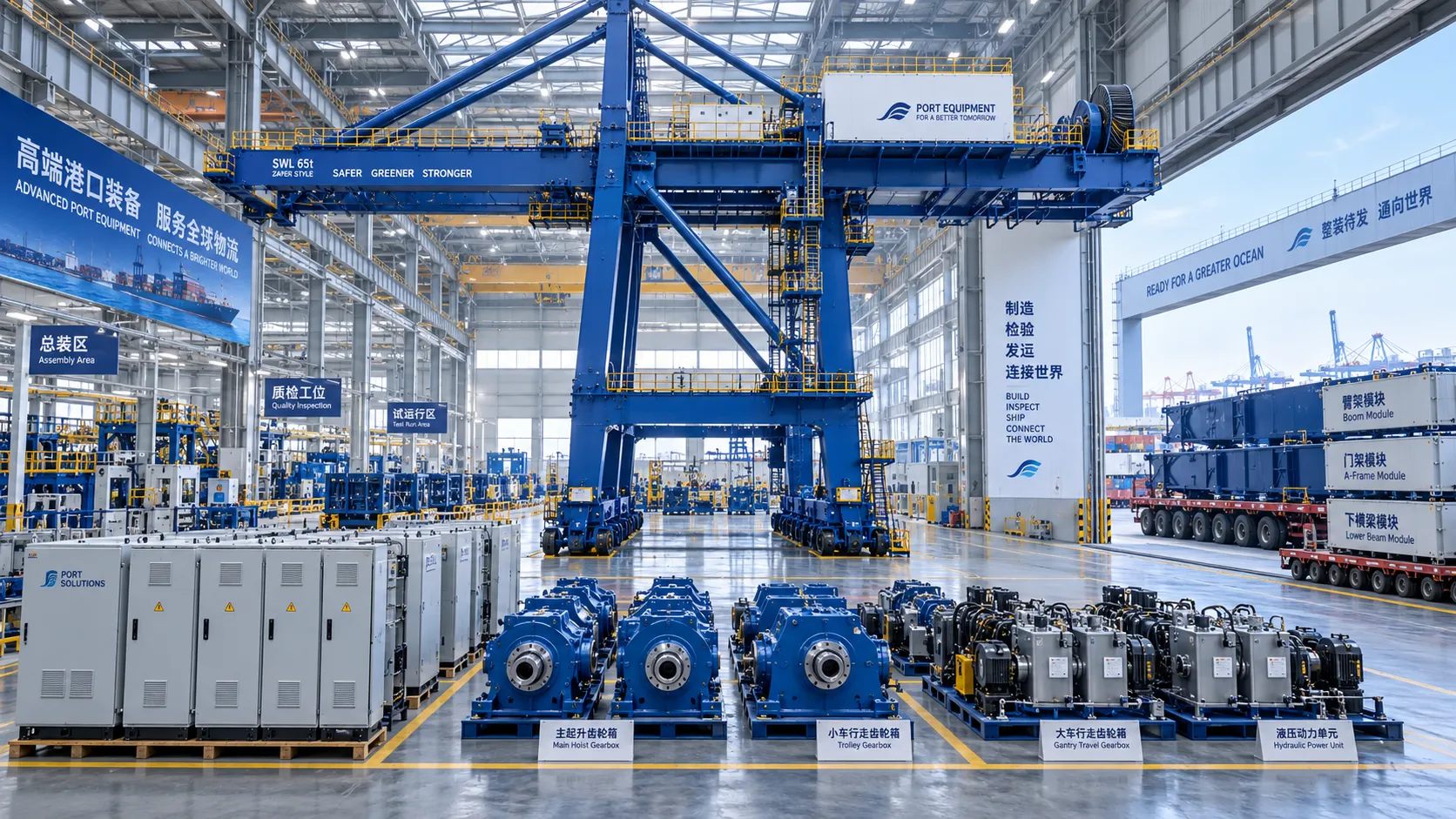
How Can Port Equipment Lead-Time Risk Be Managed?
How can port equipment lead-time risk be managed? Explore practical strategies to control critical paths, suppliers, transport, site readiness, and commissioning delays.
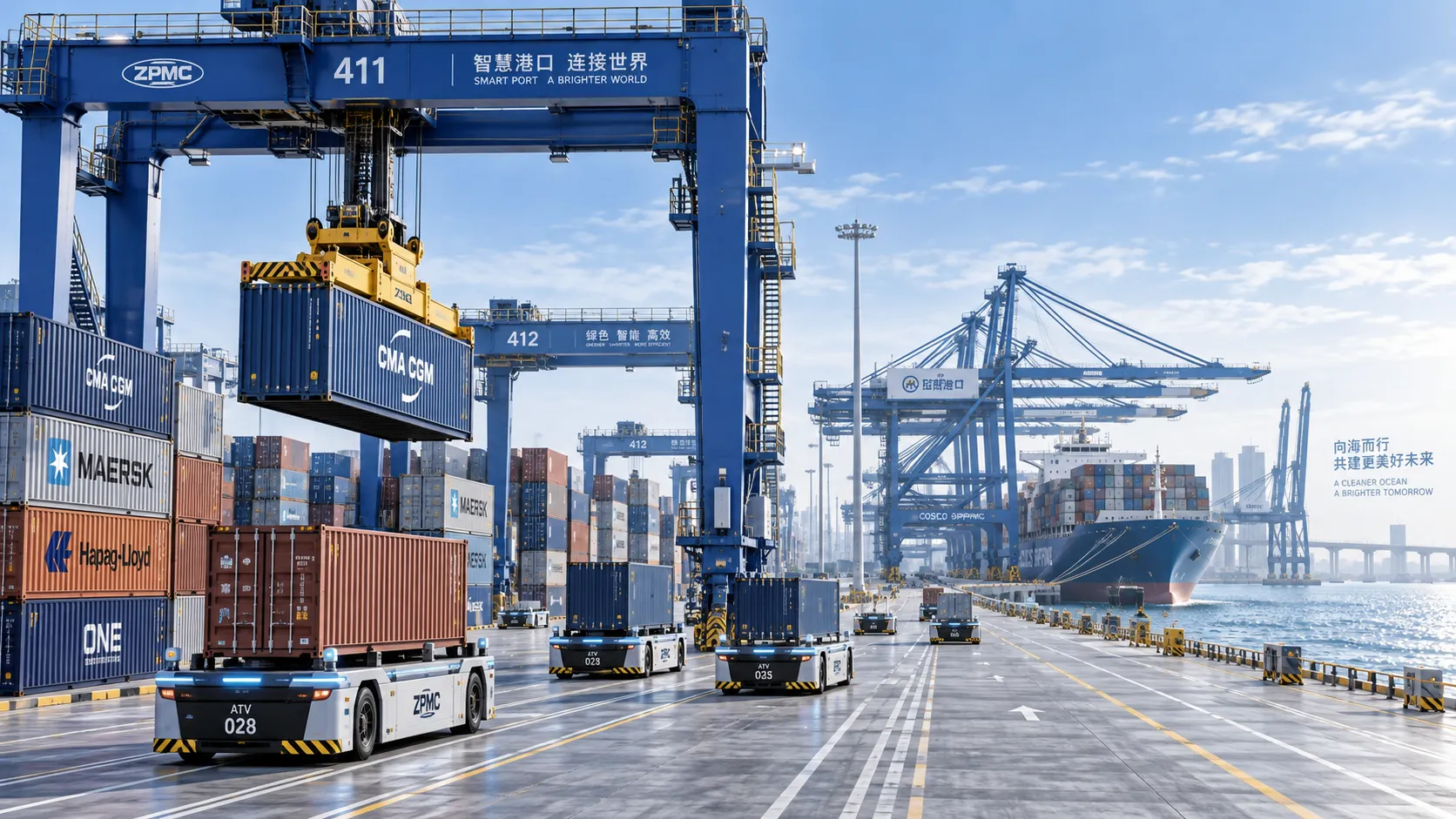
Terminal Automation Technologies That Raise Container Throughput Without Yard Disruption
Terminal automation technology that increases container throughput without disrupting yard flow. Explore smarter integration, resilient workflows, and phased deployment strategies.
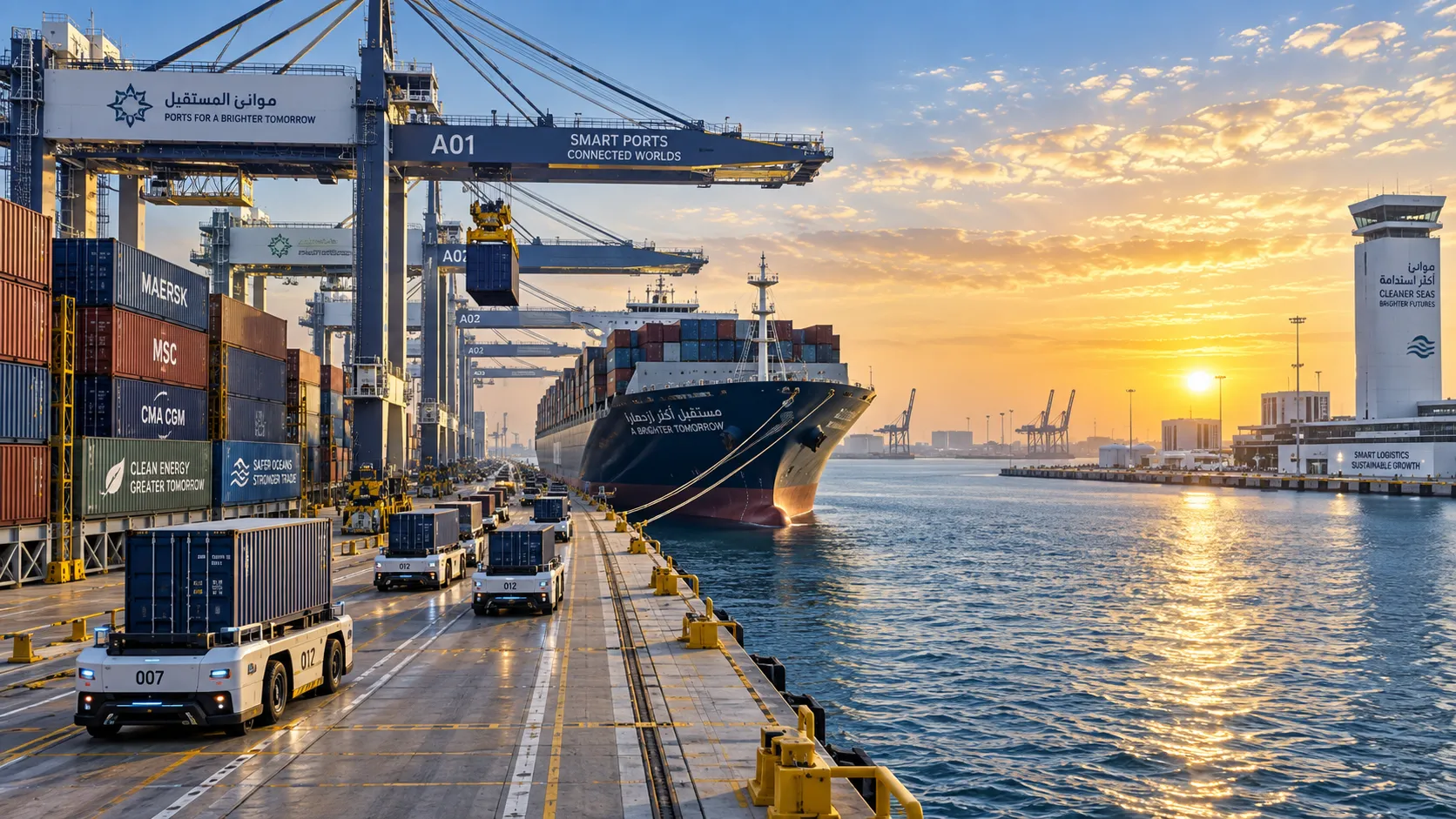
Middle East Port Automation: Key Market Drivers, Projects, and Investment Risks
Port automation systems Middle East: explore market drivers, flagship projects, integration challenges, and investment risks shaping smarter, resilient terminals.
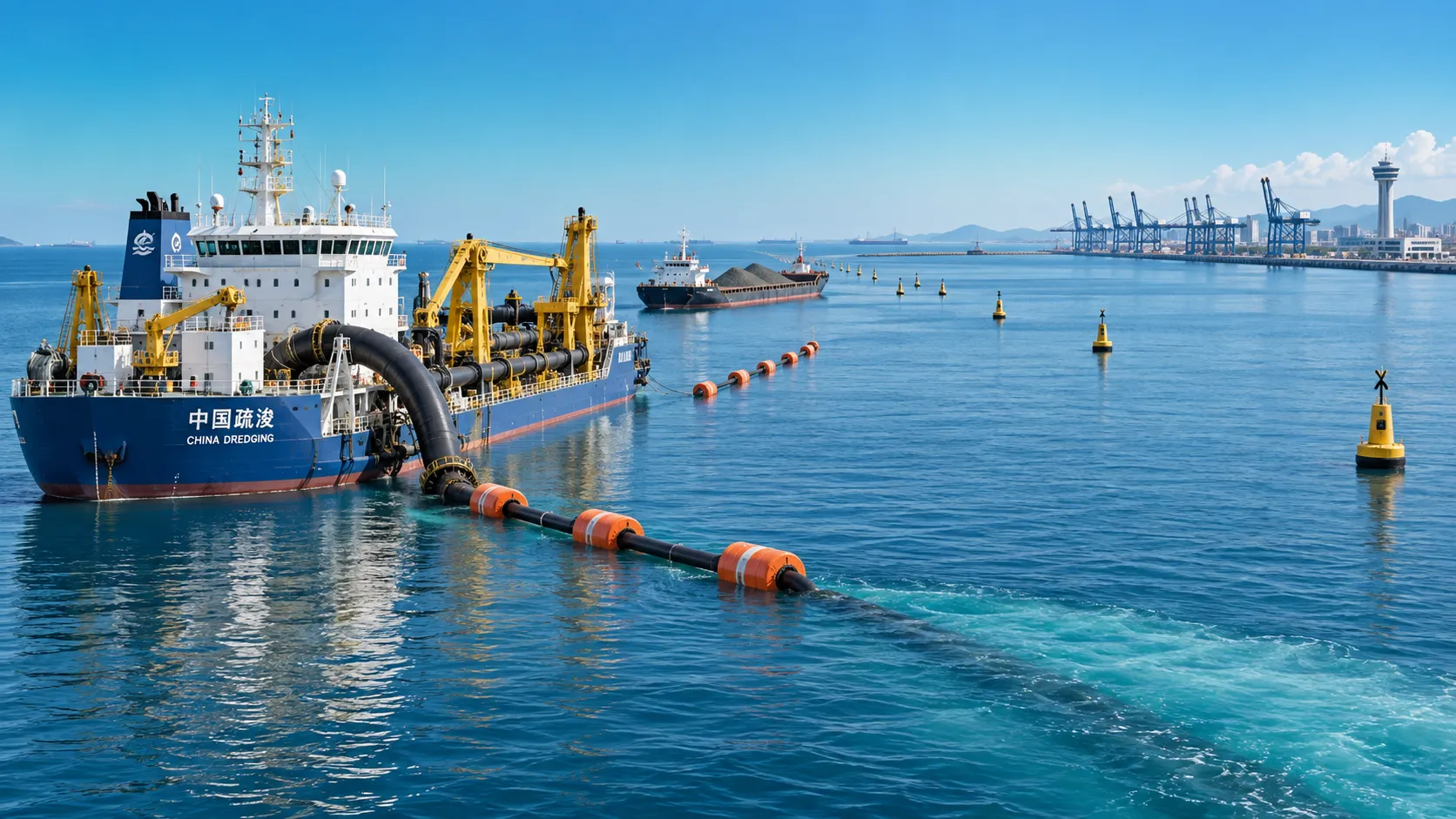
Planning Offshore Dredging Operations: Key Risks, Methods, and Project Controls
Offshore dredging operations demand smart planning. Explore key risks, proven methods, environmental controls, and project strategies for reliable delivery.