
Related News
- 00
0000-00
How to Evaluate Terminal Efficiency Solution Suppliers for High-Throughput Operations - 00
0000-00
What to Consider When Buying Electric Port Machinery for Container Terminals - 00
0000-00
How to Select Container Handling Equipment for Middle East Ports and Terminals - 00
0000-00
How to Evaluate a Port Machinery Exporter for Large-Scale Terminal Projects - 00
0000-00
Evaluating a Dredging Equipment Manufacturer for Mining Plant Supply
What Does a Port Infrastructure Supplier Provide in New Terminal Projects?
A new terminal is never defined by civil works alone. The real operating outcome depends on how quay equipment, yard systems, data links, safety logic, and future expansion are built into the project from the start. That is why a port infrastructure supplier matters early, not only at delivery. In practice, the role reaches from equipment scope and interface design to automation readiness, commissioning discipline, and lifecycle performance across the terminal.
Why this role has become more strategic
Terminal projects now face tighter margins, larger vessels, stricter emissions targets, and higher expectations for turnaround reliability.
At the same time, greenfield developments are expected to support phased growth, digital visibility, and more automated cargo movement.
Under these conditions, a port infrastructure supplier is not simply a source of machines. It becomes a systems partner that helps translate berth strategy into working throughput.
This is especially visible in sectors tracked by PS-Nexus, where terminal gear, specialized handling, automation controls, and dredging engineering are increasingly connected.
A crane may be the most visible asset, but terminal productivity often depends on less visible decisions around power, software logic, traffic flow, and marine interface conditions.
What a port infrastructure supplier typically provides
The scope varies by terminal type, but several contribution areas appear repeatedly in new projects.
Core equipment and handling systems
A port infrastructure supplier may provide ship-to-shore cranes, rubber-tired gantries, rail-mounted gantries, straddle carriers, reach stackers, bulk conveyors, hoppers, or transfer systems.
In container terminals, this often extends to automated stacking cranes, AGV interfaces, charging systems, and traffic control equipment.
In bulk terminals, the package may include reclaimers, stackers, feeders, dust control, and material flow balancing tools.
Engineering integration
The stronger suppliers do more than match a specification sheet. They review rail gauge, wheel loads, quay strength, tie-down points, utility routing, and operating envelopes.
Those details reduce the risk of late redesign, civil conflicts, and interface claims between contractors.
Automation and control architecture
For modern terminals, a port infrastructure supplier may also provide PLC logic, equipment control systems, remote operator stations, sensor networks, and links to TOS or yard management platforms.
This is where equipment performance meets scheduling logic. Low-latency communication, path planning, and fault visibility can shape daily output as much as mechanical capacity.
Commissioning, training, and lifecycle support
Supply scope often includes factory testing, site installation support, commissioning procedures, operator training, spare parts planning, and maintenance diagnostics.
Without this layer, installed assets may exist on paper yet still struggle to reach stable commercial performance.
Beyond machinery: the interfaces that determine terminal performance
Many new terminal delays do not come from a missing machine. They come from poor alignment between machines, infrastructure, and operating assumptions.
A capable port infrastructure supplier helps define these interfaces before they become expensive problems.
This wider view explains why intelligence-led platforms such as PS-Nexus place equal weight on terminal gear, automation systems, and dredging conditions.
A terminal only performs as planned when those layers are synchronized.
How supply scope changes by terminal scenario
The phrase port infrastructure supplier can describe very different roles depending on the cargo model and operating ambition.
Container terminal projects
Here the focus usually falls on berth productivity, yard density, automation logic, truck interfaces, and equipment interoperability.
Remote-controlled cranes, AGV traffic design, and TOS integration often sit near the center of the package.
Bulk and energy terminals
In these projects, the same port infrastructure supplier may focus more on continuous flow equipment, dust and spill control, storage transfer efficiency, and reliability under heavy duty cycles.
Expansion or phased developments
Not every project starts at full scale. Some terminals open with partial yard automation or reduced berth equipment, then add capacity later.
In this case, a port infrastructure supplier should design interfaces that avoid costly replacement when the second phase arrives.
What deserves closer scrutiny during evaluation
Selection decisions should go beyond equipment price and nominal capacity.
- Check whether performance data reflects actual duty cycles, not only ideal test conditions.
- Review software openness, protocol compatibility, and cyber resilience for future integration.
- Confirm spare parts philosophy, remote diagnostics capability, and response time commitments.
- Examine how the port infrastructure supplier handles civil, electrical, and marine interfaces in writing.
- Assess energy strategy, especially for electrified fleets, regenerative systems, and net-zero alignment.
- Ask for phased expansion logic, not only the day-one configuration.
These points matter because terminal underperformance often begins with assumptions that looked minor during procurement.
Why data and intelligence are part of the supply conversation
The market now expects more than installed machinery. Investors and operators want predictability, visibility, and evidence that assets fit regional trade patterns.
That is where intelligence ecosystems such as PS-Nexus become useful. They connect equipment decisions with logistics node dynamics, automation evolution, and dredging requirements.
For example, a terminal pursuing unmanned yard operations must think about communications latency, path-planning reliability, and fault monitoring long before handover.
A port infrastructure supplier that understands those signals can contribute more realistic design assumptions and a more resilient operating model.
A practical way to frame the next decision
A useful starting point is to map the terminal around five connected questions: what cargo profile is expected, what throughput is required, how much automation is viable, what marine constraints apply, and how expansion will occur.
From there, compare each port infrastructure supplier against interface clarity, control-system maturity, commissioning depth, and lifecycle support rather than headline equipment counts.
That approach usually produces a stronger project outcome than treating supply packages as isolated purchases.
In new terminal projects, the best supplier is rarely the one that offers the longest equipment list. It is the one that helps the terminal open with fewer blind spots and scale with fewer disruptions.
Before the next design review, it is worth testing every package against real cargo flow, control architecture, berth conditions, and future expansion logic. That is often where the true value of a port infrastructure supplier becomes visible.
Related News
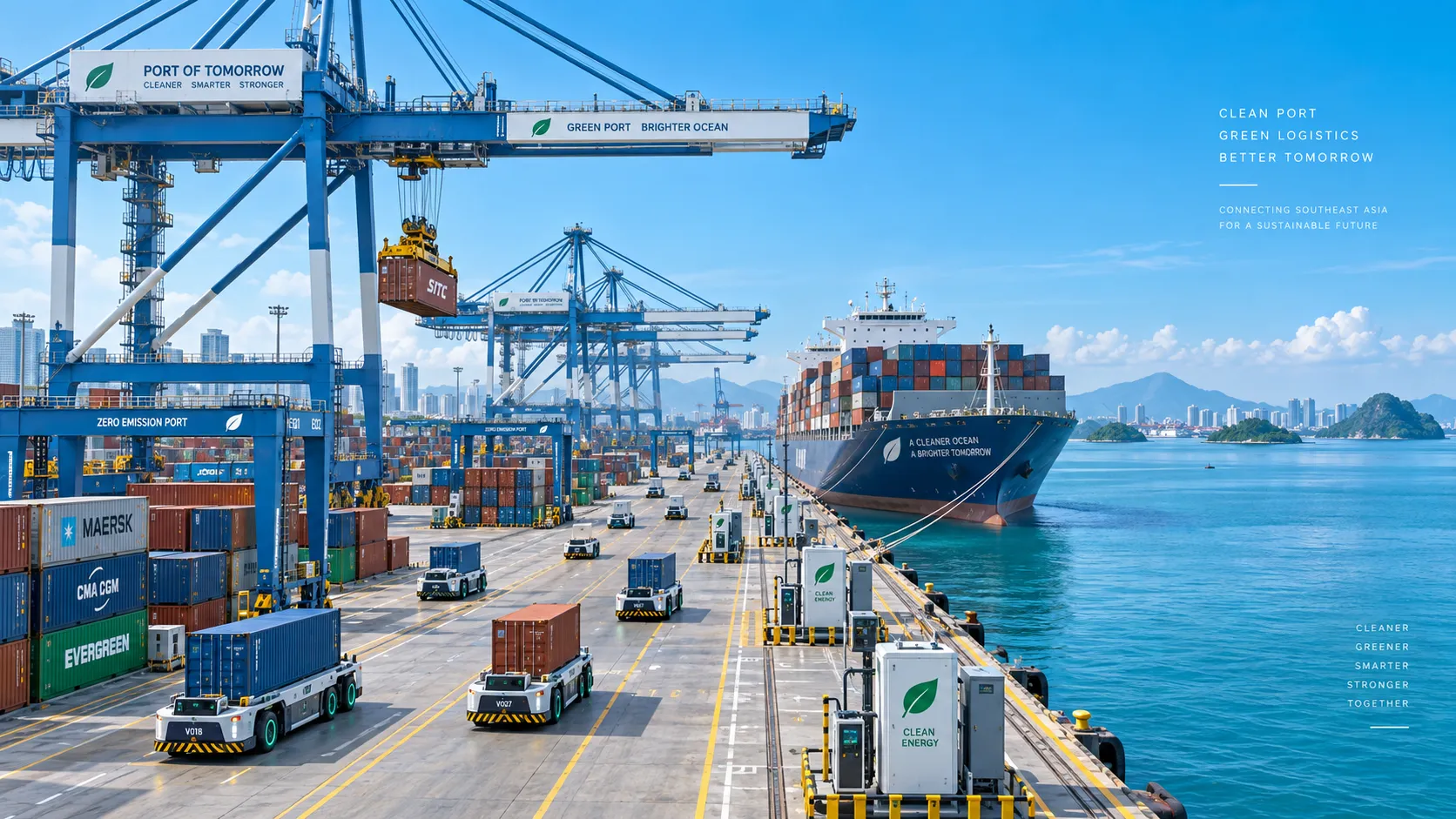
Smart Port Systems in Southeast Asia: Investment Priorities and Adoption Barriers
Smart port systems Southeast Asia: discover investment priorities, adoption barriers, and practical steps to build resilient, connected, high-performing terminals.
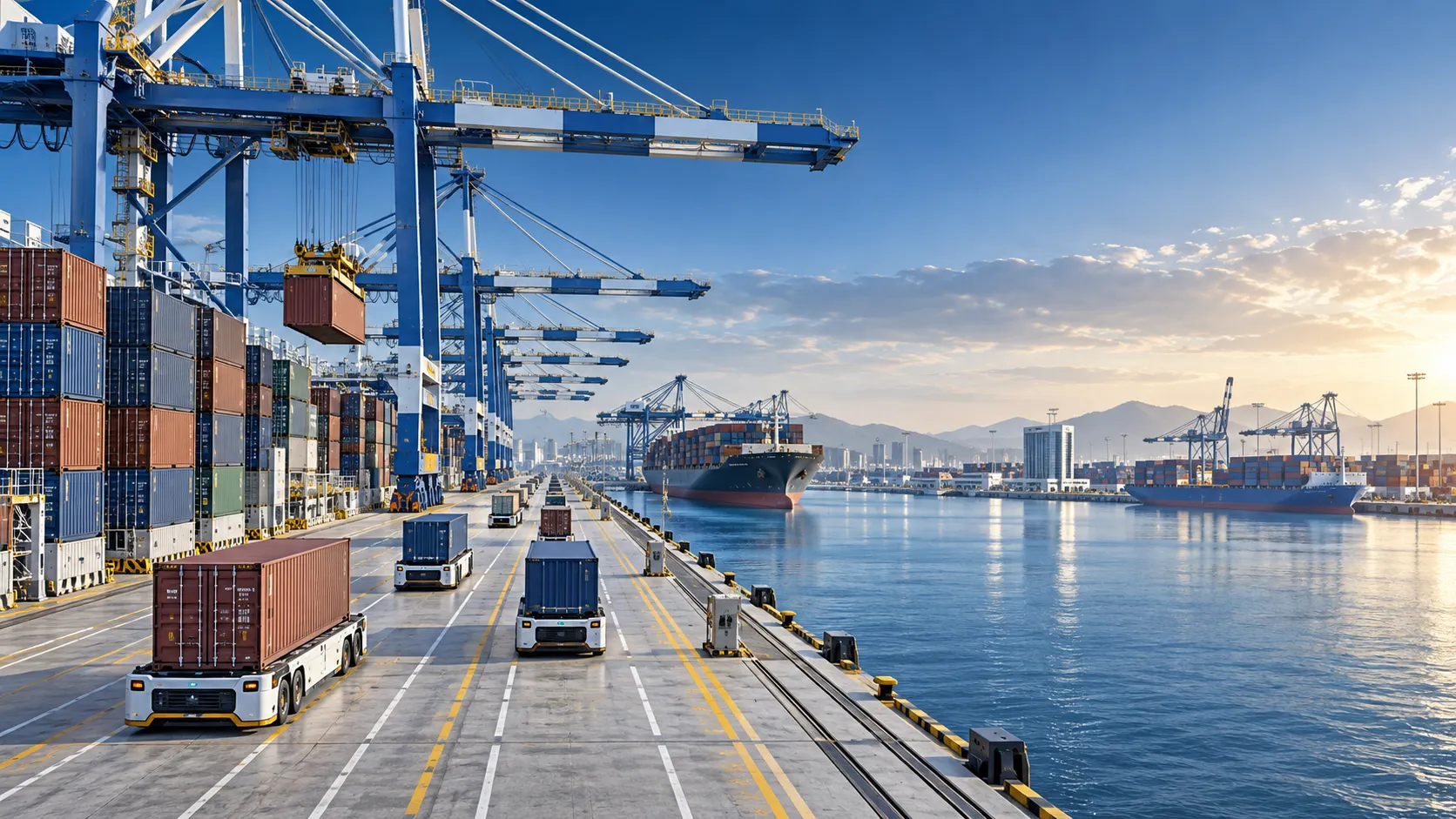
How to Evaluate Terminal Efficiency Solution Suppliers for High-Throughput Operations
Choose a terminal efficiency solutions supplier with confidence. Explore proven criteria for throughput, integration, lifecycle cost, safety, and reliable delivery.
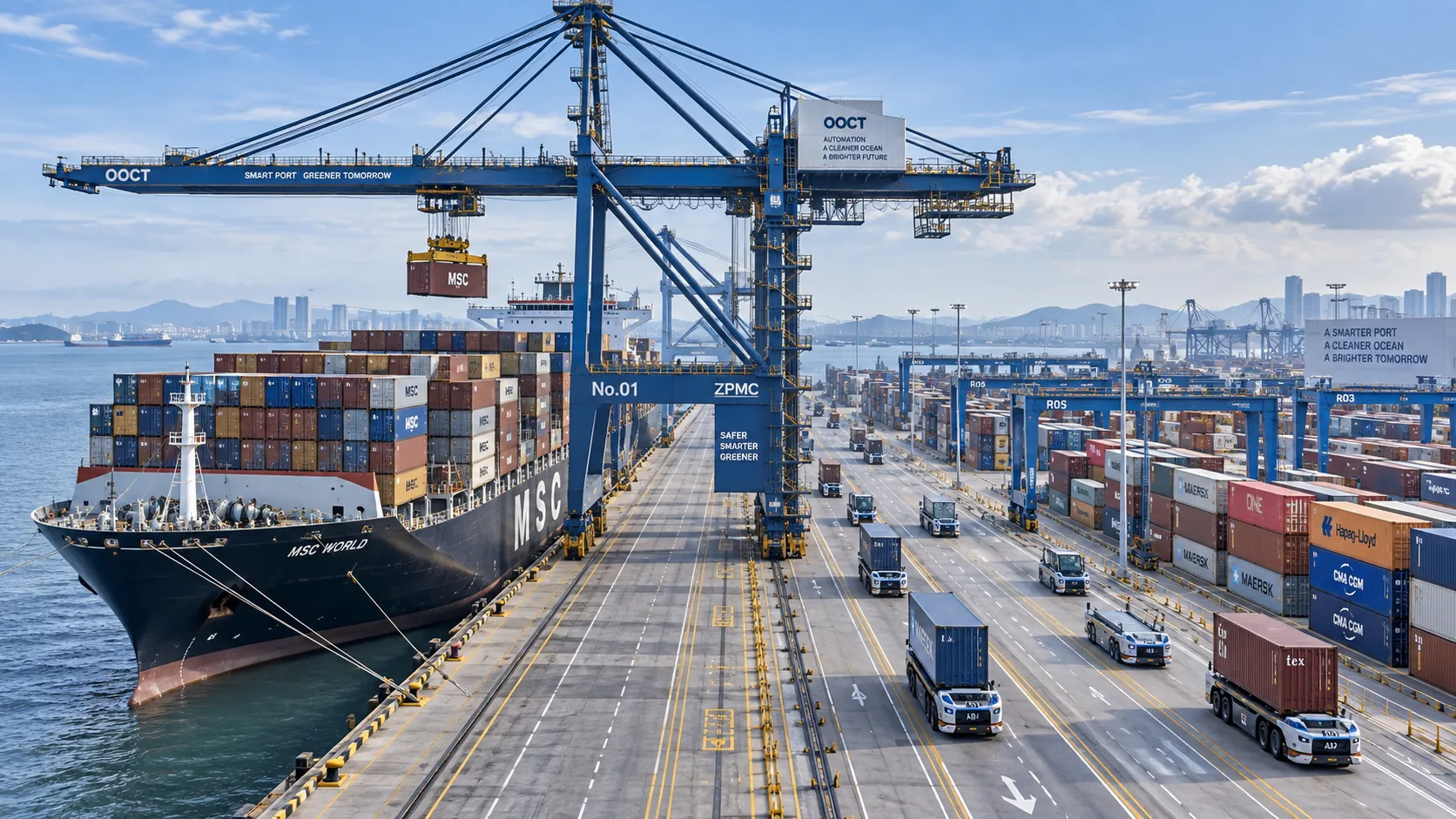
How to Specify a Quay Crane for Container Terminals by Vessel Size and Throughput?
Quay crane for container terminals: learn how to match outreach, lift height, capacity, automation, and cycle performance to vessel size and throughput goals.
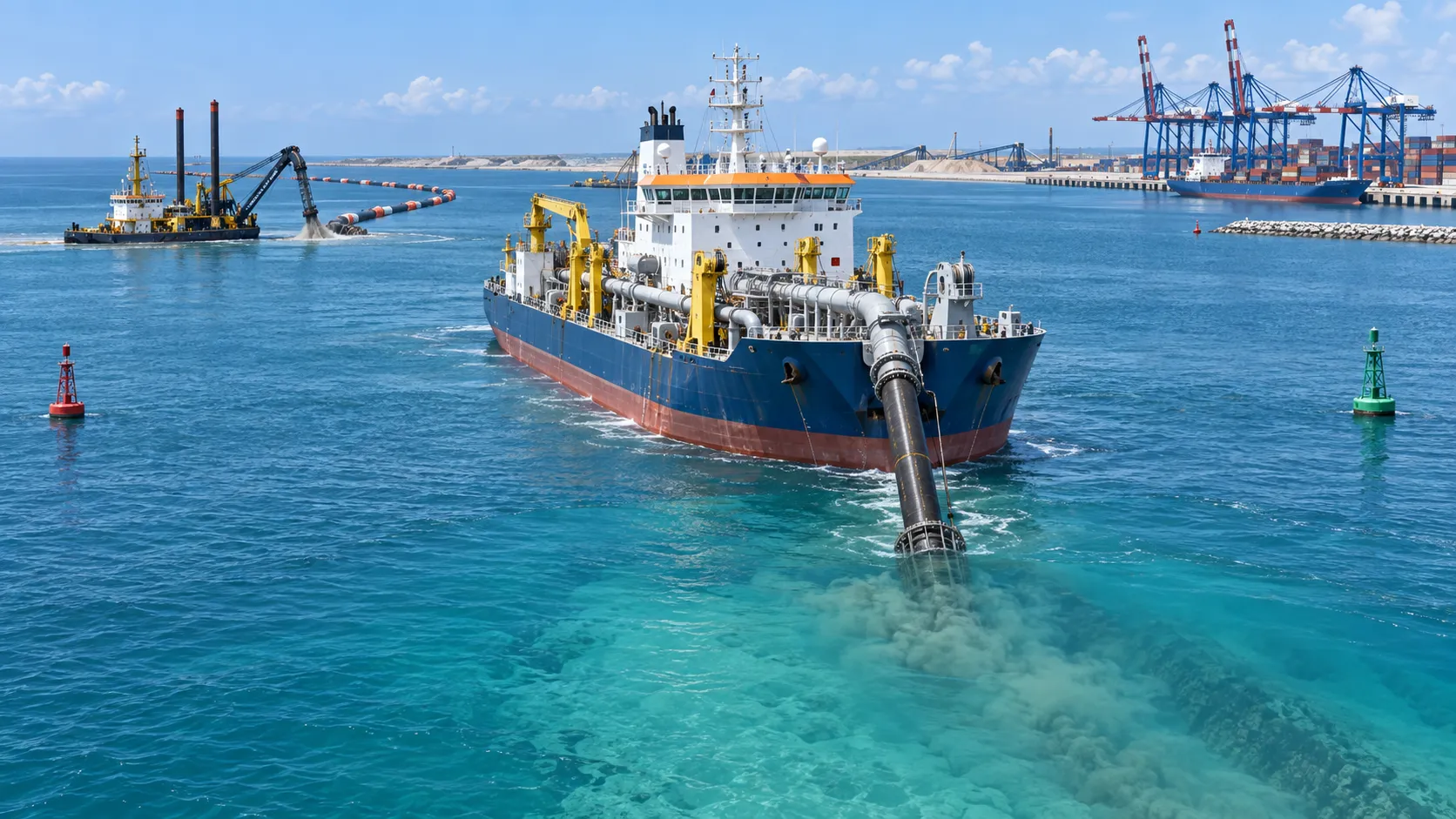
What Dredging Equipment Is Needed for Channel Deepening?
What dredging equipment is needed for channel deepening? Explore dredgers, pipelines, survey tools, and planning strategies for safer, more efficient port access.
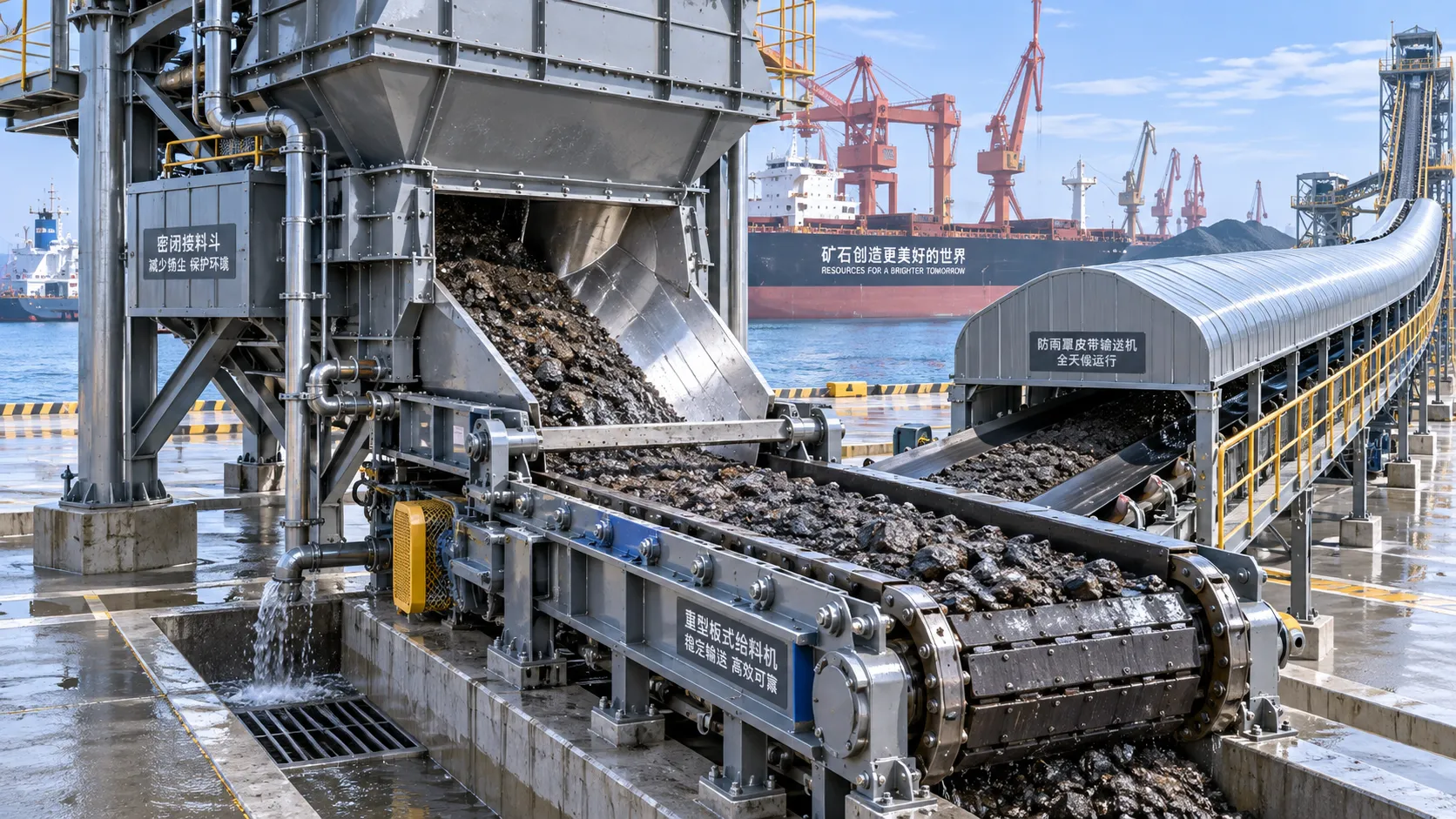
Which Bulk Handling Equipment Suits High-Moisture Cargo?
Which bulk handling equipment suits high-moisture cargo? Compare belt, apron, screw, drag, and slurry systems for reliable flow, less carryback, and higher terminal uptime.
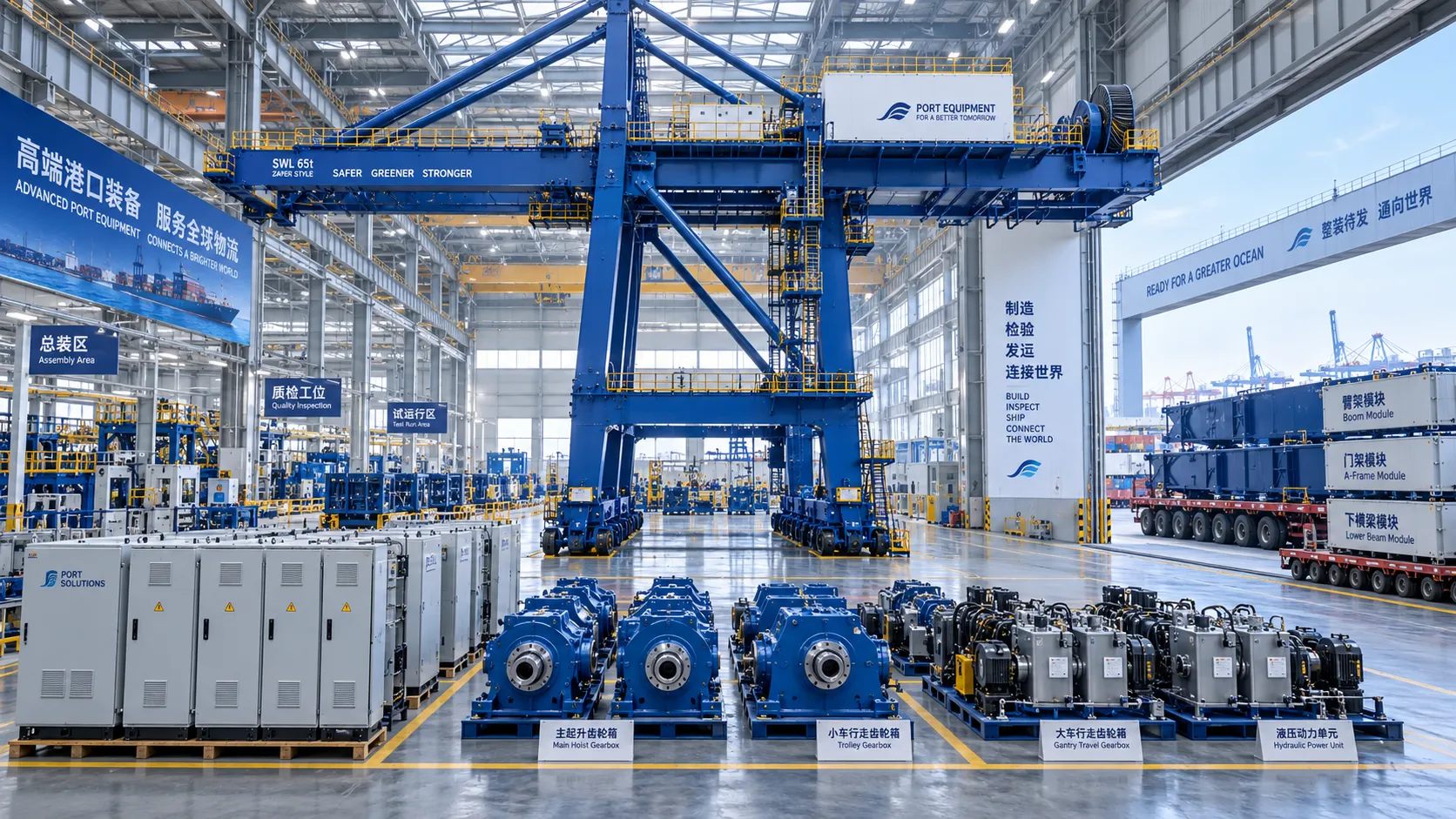
How Can Port Equipment Lead-Time Risk Be Managed?
How can port equipment lead-time risk be managed? Explore practical strategies to control critical paths, suppliers, transport, site readiness, and commissioning delays.
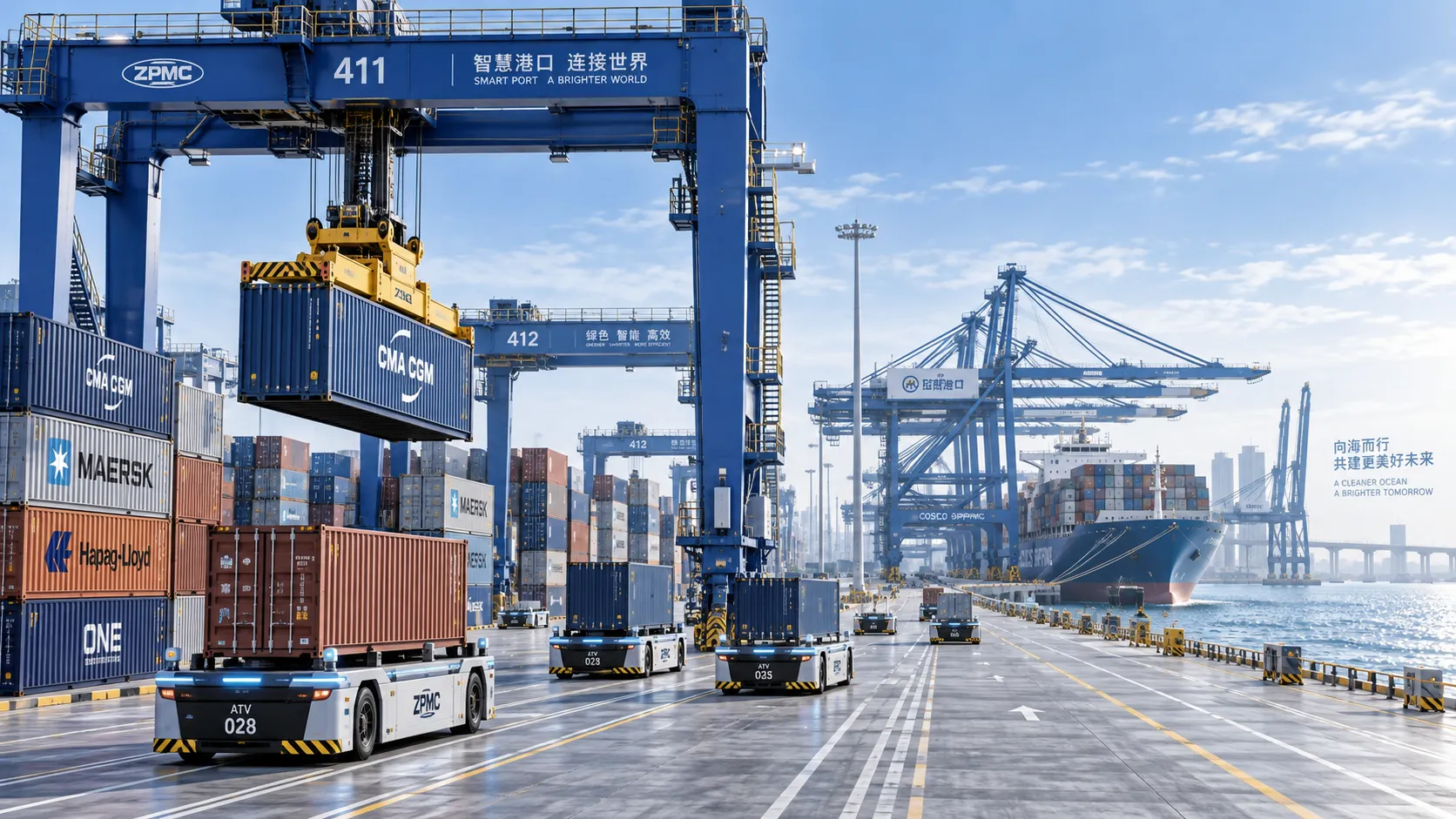
Terminal Automation Technologies That Raise Container Throughput Without Yard Disruption
Terminal automation technology that increases container throughput without disrupting yard flow. Explore smarter integration, resilient workflows, and phased deployment strategies.
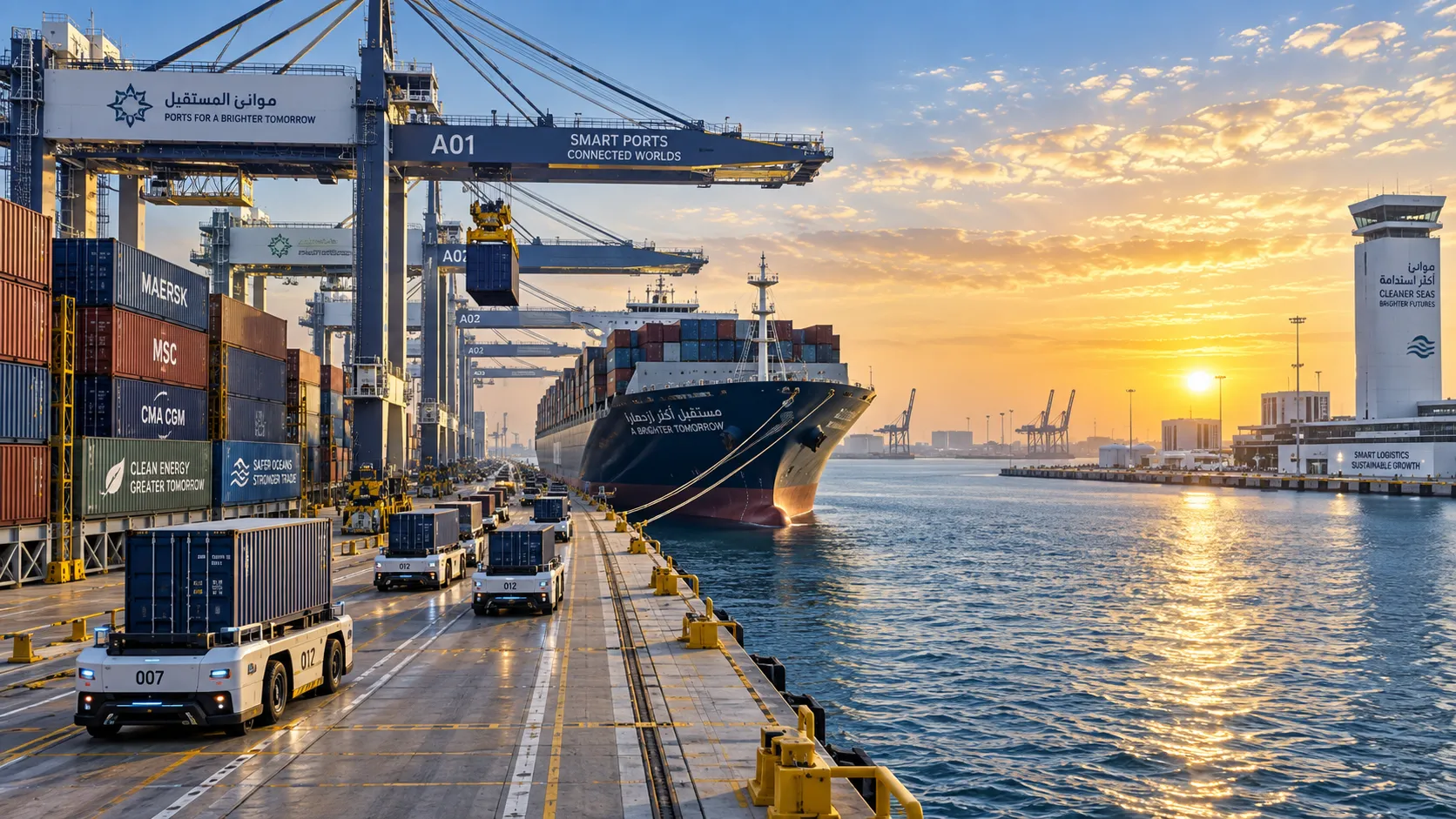
Middle East Port Automation: Key Market Drivers, Projects, and Investment Risks
Port automation systems Middle East: explore market drivers, flagship projects, integration challenges, and investment risks shaping smarter, resilient terminals.
Planning Offshore Dredging Operations: Key Risks, Methods, and Project Controls
Offshore dredging operations demand smart planning. Explore key risks, proven methods, environmental controls, and project strategies for reliable delivery.