Related News
- 00
0000-00
How to Specify a Quay Crane for Container Terminals by Vessel Size and Throughput? - 00
0000-00
Which Bulk Handling Equipment Suits High-Moisture Cargo? - 00
0000-00
Terminal Automation Technologies That Raise Container Throughput Without Yard Disruption - 00
0000-00
Planning Offshore Dredging Operations: Key Risks, Methods, and Project Controls - 00
0000-00
Where Do Automated Guided Vehicles Deliver the Fastest Warehouse Gains in the Middle East?
Bulk Handling Machinery Types: How to Match Equipment to Material Flow and Dust Control
Bulk handling machinery sits at the center of steady material movement in ports, power plants, mines, cement terminals, and storage yards. The real challenge is not choosing the biggest unit. It is choosing equipment that matches material flow, particle behavior, transfer points, and dust control expectations. When that match is wrong, spillage rises, cleanup expands, and throughput becomes less predictable.
That is why this topic now draws more attention across maritime logistics and inland bulk operations. PS-Nexus tracks heavy terminal gear, automation trends, and coastal trade systems, and the same pattern appears repeatedly: reliable bulk handling machinery depends on how well mechanical design, site layout, and environmental control work together. Cleaner transfer is no longer a side issue. It shapes safety, uptime, compliance, and operating cost.
Why equipment matching matters more than nominal capacity
Many bulk systems look adequate on paper. Rated tons per hour may appear sufficient, and motor power may seem generous. In practice, flow quality matters just as much as peak output.
Material can be free-flowing, sticky, abrasive, wet, fragile, dusty, or prone to compaction. A conveyor that performs well with dry grain may struggle with moist coal. A feeder sized for crushed ore may damage fertilizer granules.
Bulk handling machinery should therefore be judged by the total transfer path. That includes receiving, feeding, conveying, stockpiling, reclaiming, loading, unloading, and dust capture around each transition.
Core machinery types and where they fit
Different machinery types solve different flow problems. The best systems usually combine several units rather than relying on one machine to solve every issue.
Conveyors for continuous transfer
Belt conveyors remain the backbone of bulk handling machinery in terminals and plants. They support continuous flow over distance and adapt well to high-volume transport.
They are commonly selected for coal, ore, aggregates, grain, and clinker. Enclosed or covered designs help reduce wind loss and airborne dust, especially in exposed coastal locations.
Feeders for controlled discharge
Apron feeders, belt feeders, screw feeders, and vibrating feeders regulate how material leaves hoppers or bins. Their main role is flow stability.
This choice affects surge control, downstream loading, and belt tracking. Sticky or large lump material often needs heavier feeder designs with better resistance to impact and bridging.
Stackers and reclaimers for yard management
In storage yards, stackers shape stockpiles and reclaimers recover material at planned rates. These machines matter when operations need blending, first-in-first-out control, or stable vessel loading.
The wrong reclaiming method can create flow interruptions and uneven feed. This is especially relevant in export terminals handling mixed grades or moisture-sensitive cargo.
Loaders, unloaders, and transfer chutes
Ship loaders, grab unloaders, wagon loaders, and telescopic chutes handle the final transfer stage. Here, dust generation often peaks because drop height, impact velocity, and open exposure increase.
Well-designed chutes are an overlooked part of bulk handling machinery. Good chute geometry improves direction, lowers material degradation, and supports cleaner transfer into holds, trucks, or railcars.
How material behavior changes the equipment decision
Material data should drive machinery selection before layout is frozen. Bulk density matters, but it is only one part of the picture.
In actual use, two materials with similar hourly volume may require very different bulk handling machinery. A low-density biomass stream and a dense iron ore stream do not stress the system in the same way.
Dust control is part of the machinery decision
Dust control should not be treated as an accessory added after installation. It is part of how bulk handling machinery performs from day one.
The highest-risk points are usually hopper discharge, belt transfer, screening, stockpile discharge, and vessel or truck loading. Each point combines turbulence, air displacement, and exposed falling material.
A cleaner system often depends on several smaller decisions working together, not one large dust collector alone.
- Reduce drop height where possible.
- Use enclosed conveyors and covered transfer points.
- Seal skirts correctly to contain fugitive dust.
- Match belt speed to material stability.
- Install extraction or suppression only where airflow analysis supports it.
This approach aligns with wider industry movement toward smarter, lower-emission operations. PS-Nexus often highlights that environmental performance and operational efficiency are increasingly linked, especially in modern port infrastructure.
Typical operating scenarios
The same bulk handling machinery category can behave differently depending on the site. Context matters as much as machine type.
Marine terminals
Coastal wind, corrosive air, tide-linked scheduling, and high vessel turnaround pressure all shape equipment choice. Covered conveyors, corrosion-resistant components, and accurate loading chutes become more important.
Industrial plants
Plants handling cement, minerals, or fuel often value compact layout and continuous feed. Here, bulk handling machinery must integrate tightly with process equipment and maintenance access routes.
Open stockyards
Stockyards face wind loss, runoff, and variable moisture. Stacking geometry, reclaim method, and surface sealing around transfer zones have strong influence on both recovery rate and cleanliness.
What to check before locking in a solution
A sound decision usually starts with a few operational questions rather than a catalog search. These checks help narrow the right bulk handling machinery setup.
- What is the real average flow, not just peak flow?
- Does the material cake, segregate, or absorb moisture?
- Where are the major transfer points and cleanup hotspots?
- How often must the system start, stop, or reverse?
- What level of enclosure or emission control is required?
- How easy is liner replacement, belt access, and feeder inspection?
It is also useful to compare design assumptions with actual site history. Repeated blockage, skirt wear, belt mistracking, or dust escape usually indicate a mismatch between material behavior and equipment configuration.
The growing role of data and coordinated control
Bulk handling machinery is becoming easier to monitor in real time. Sensors now track belt load, motor condition, chute blockage, bearing temperature, and dust extraction performance.
This matters because stable flow is not only mechanical. It is also procedural and digital. In larger terminals, control logic can coordinate reclaim rate, conveyor speed, and loading sequence to reduce surges and idle time.
That broader systems view fits the PS-Nexus perspective on logistics intelligence. Efficient movement across the port value chain increasingly depends on connecting machine behavior with scheduling, maintenance insight, and environmental targets.
A practical way forward
The best bulk handling machinery choice usually comes from mapping the full route of the material, then testing each transfer against flow risk and dust risk. Capacity remains important, but it should be confirmed alongside wear life, cleanup burden, and control quality.
A useful next step is to build a short comparison sheet for each handling stage: material condition, expected throughput, transfer geometry, exposure to wind, and required containment. That process makes equipment differences clearer and prevents costly overgeneralization.
Where the handling path supports maritime trade, plant supply, or yard turnover, a well-matched bulk handling machinery system does more than move tonnage. It supports cleaner operation, steadier output, and better decisions over the life of the site.
Related News
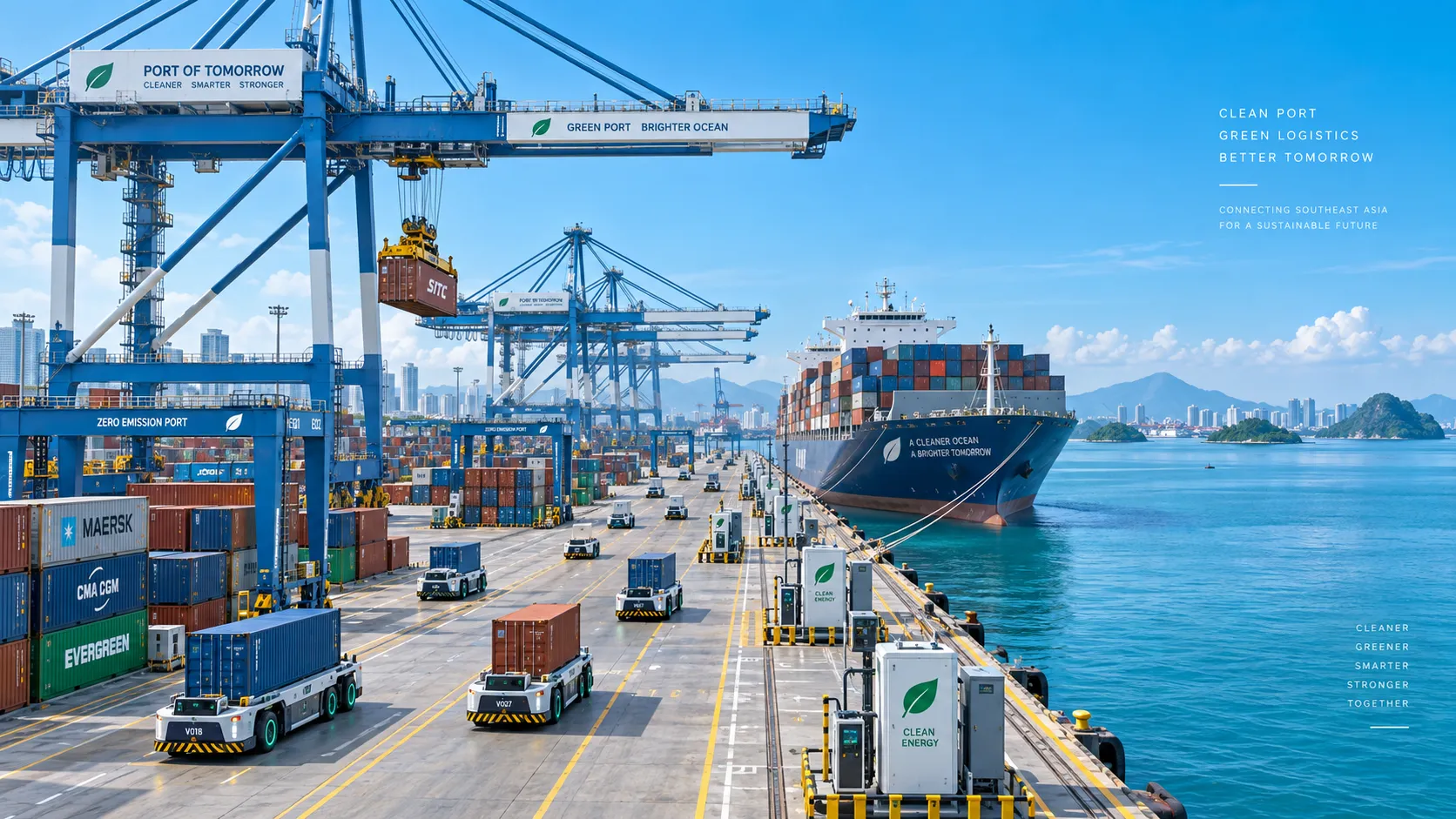
Smart Port Systems in Southeast Asia: Investment Priorities and Adoption Barriers
Smart port systems Southeast Asia: discover investment priorities, adoption barriers, and practical steps to build resilient, connected, high-performing terminals.
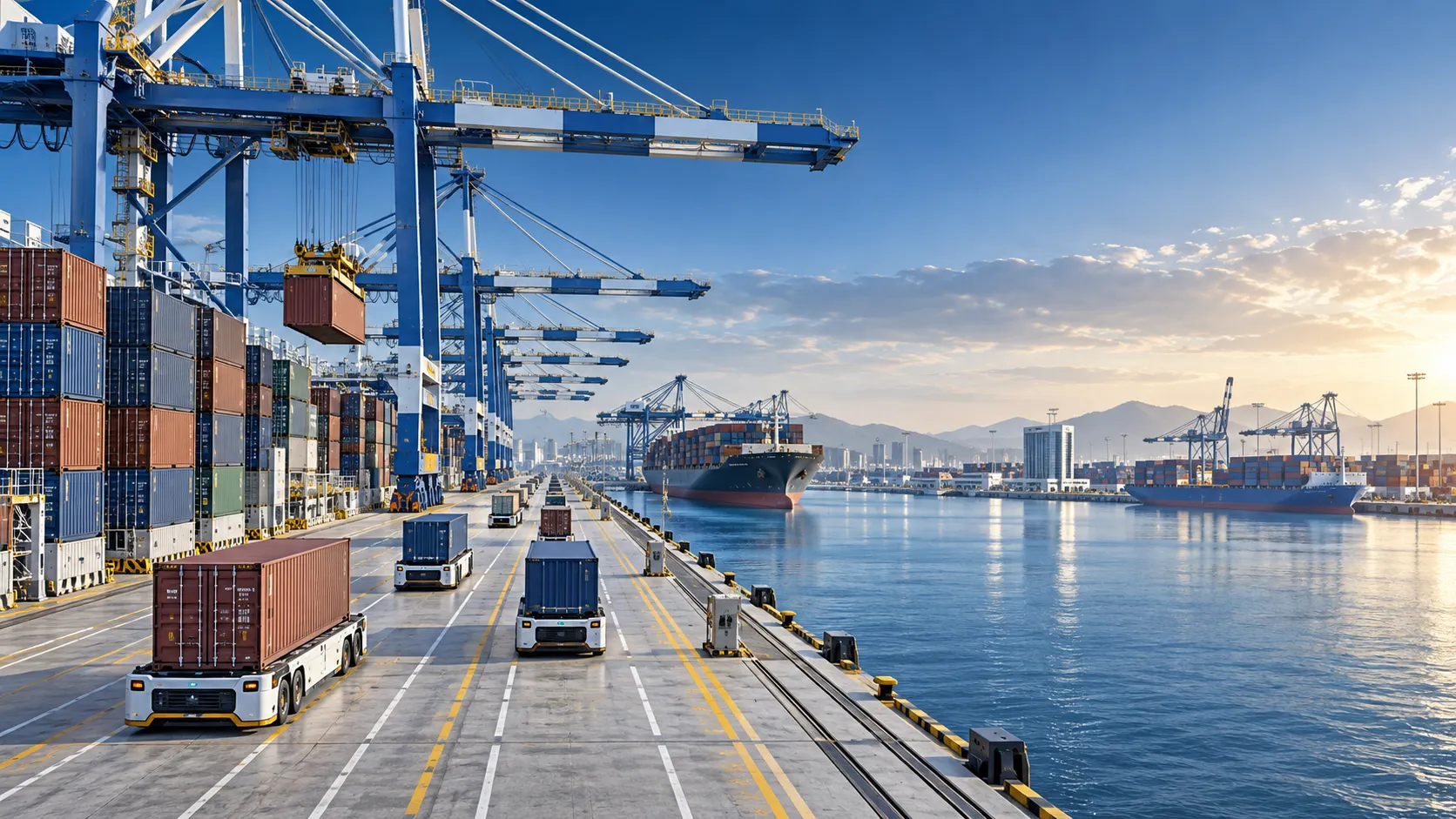
How to Evaluate Terminal Efficiency Solution Suppliers for High-Throughput Operations
Choose a terminal efficiency solutions supplier with confidence. Explore proven criteria for throughput, integration, lifecycle cost, safety, and reliable delivery.
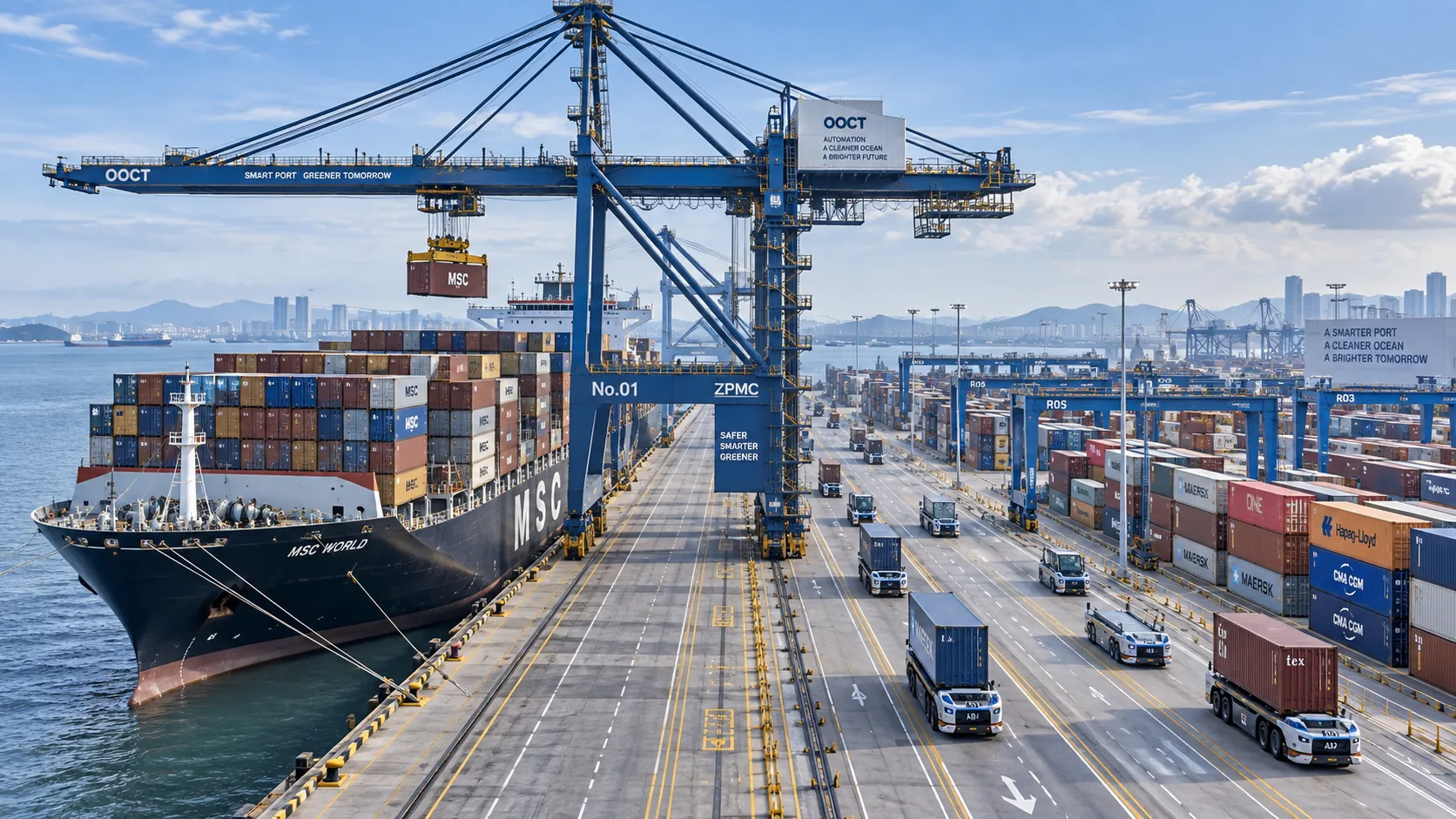
How to Specify a Quay Crane for Container Terminals by Vessel Size and Throughput?
Quay crane for container terminals: learn how to match outreach, lift height, capacity, automation, and cycle performance to vessel size and throughput goals.
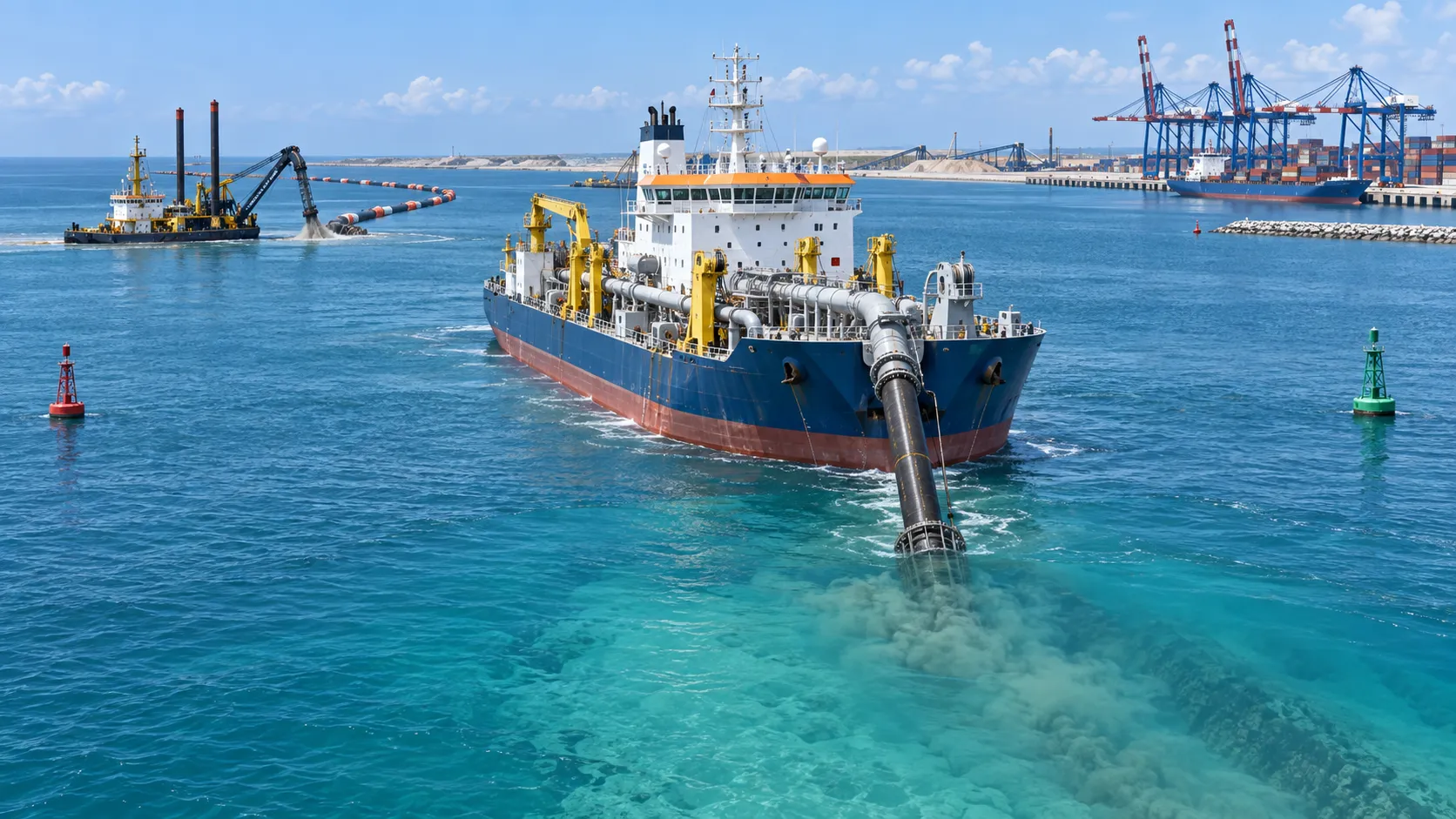
What Dredging Equipment Is Needed for Channel Deepening?
What dredging equipment is needed for channel deepening? Explore dredgers, pipelines, survey tools, and planning strategies for safer, more efficient port access.
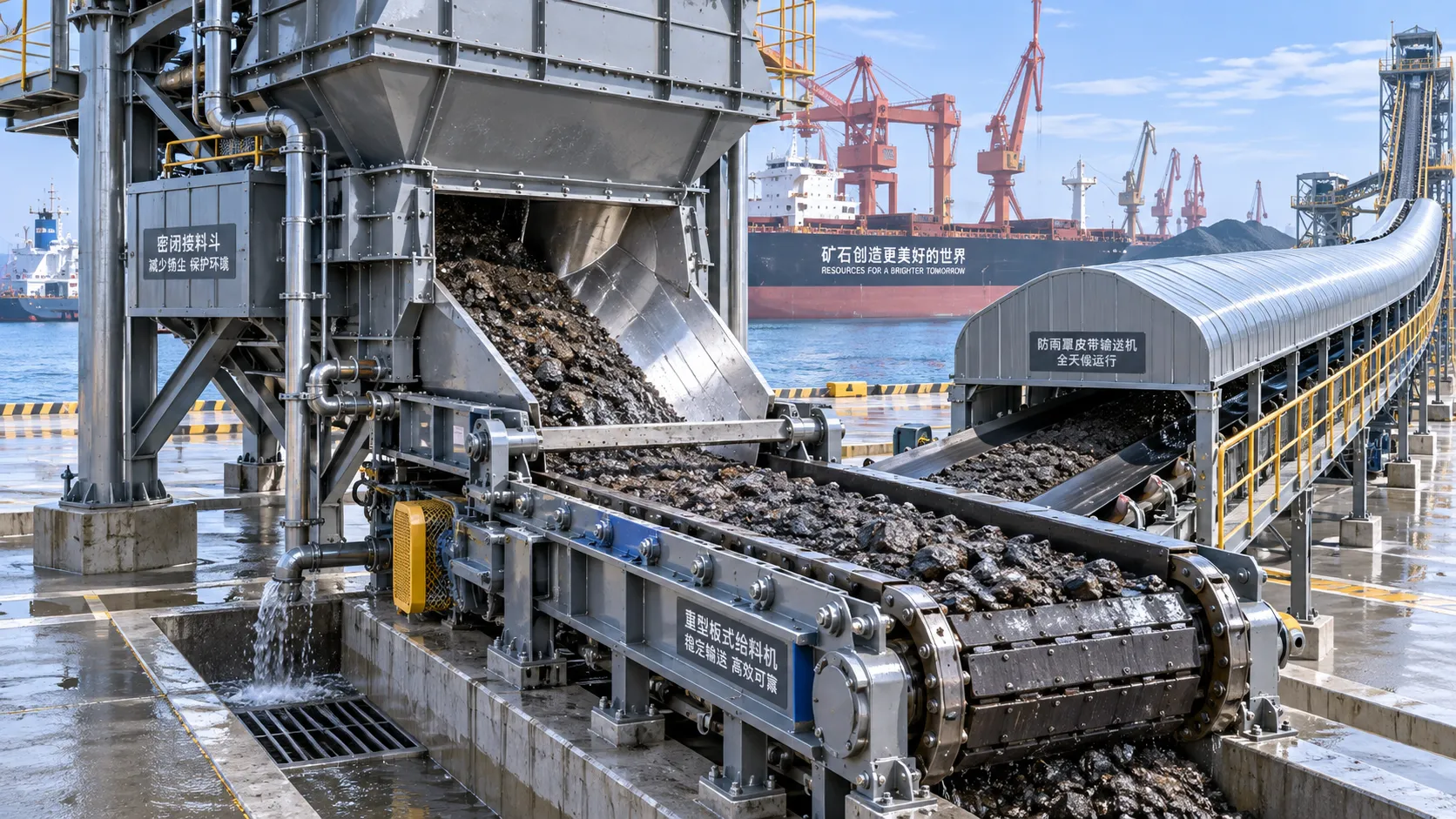
Which Bulk Handling Equipment Suits High-Moisture Cargo?
Which bulk handling equipment suits high-moisture cargo? Compare belt, apron, screw, drag, and slurry systems for reliable flow, less carryback, and higher terminal uptime.
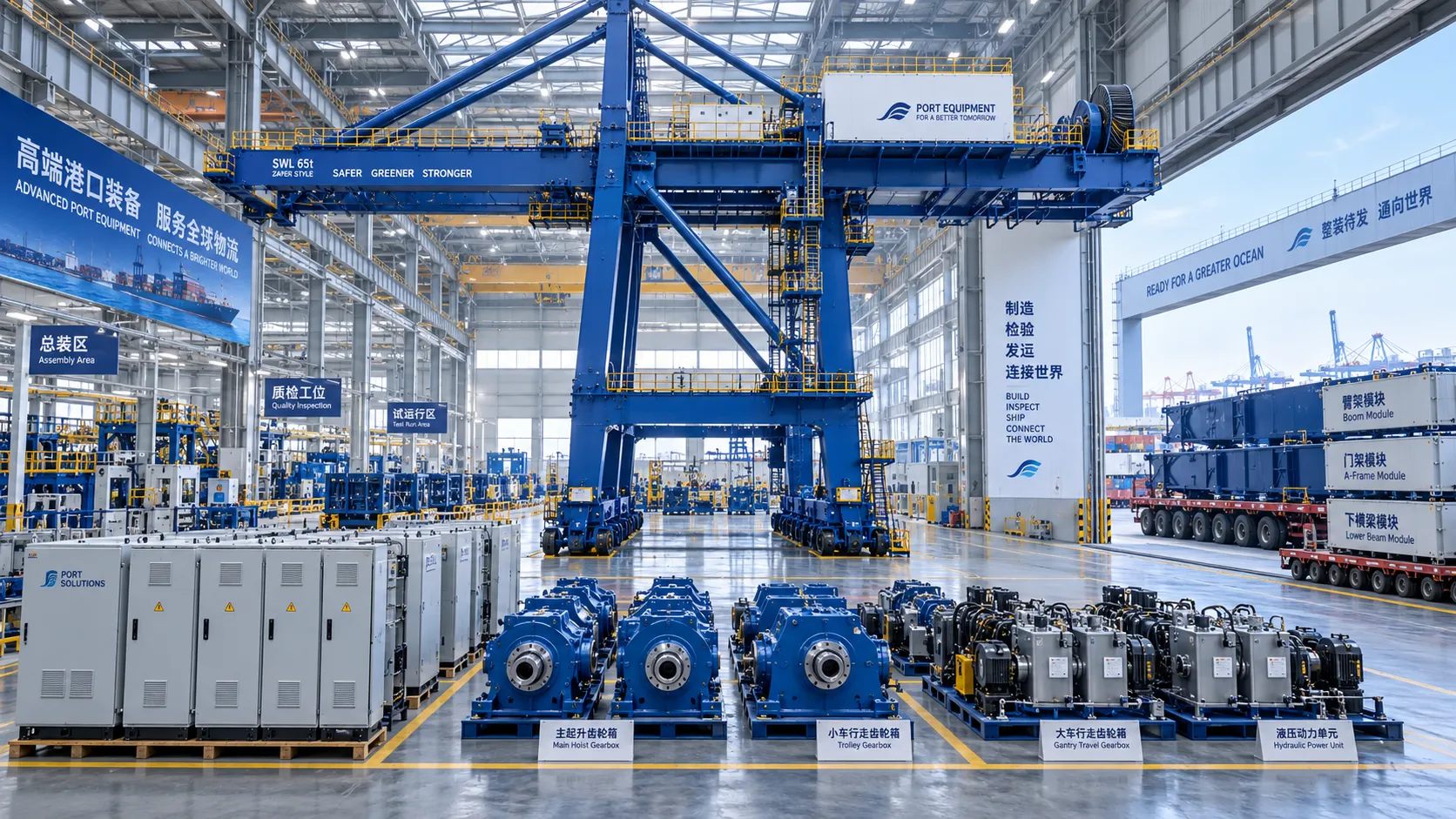
How Can Port Equipment Lead-Time Risk Be Managed?
How can port equipment lead-time risk be managed? Explore practical strategies to control critical paths, suppliers, transport, site readiness, and commissioning delays.
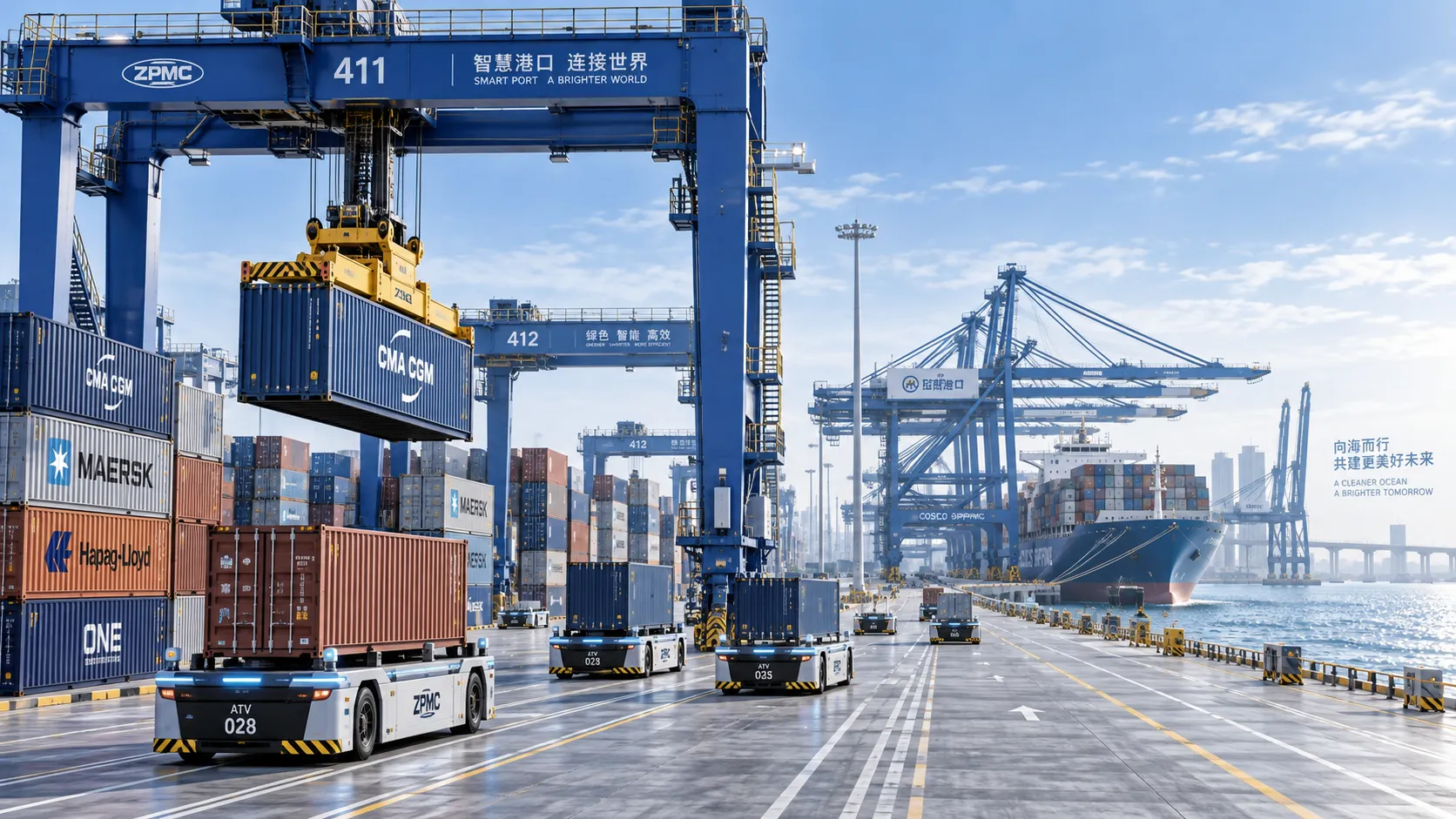
Terminal Automation Technologies That Raise Container Throughput Without Yard Disruption
Terminal automation technology that increases container throughput without disrupting yard flow. Explore smarter integration, resilient workflows, and phased deployment strategies.
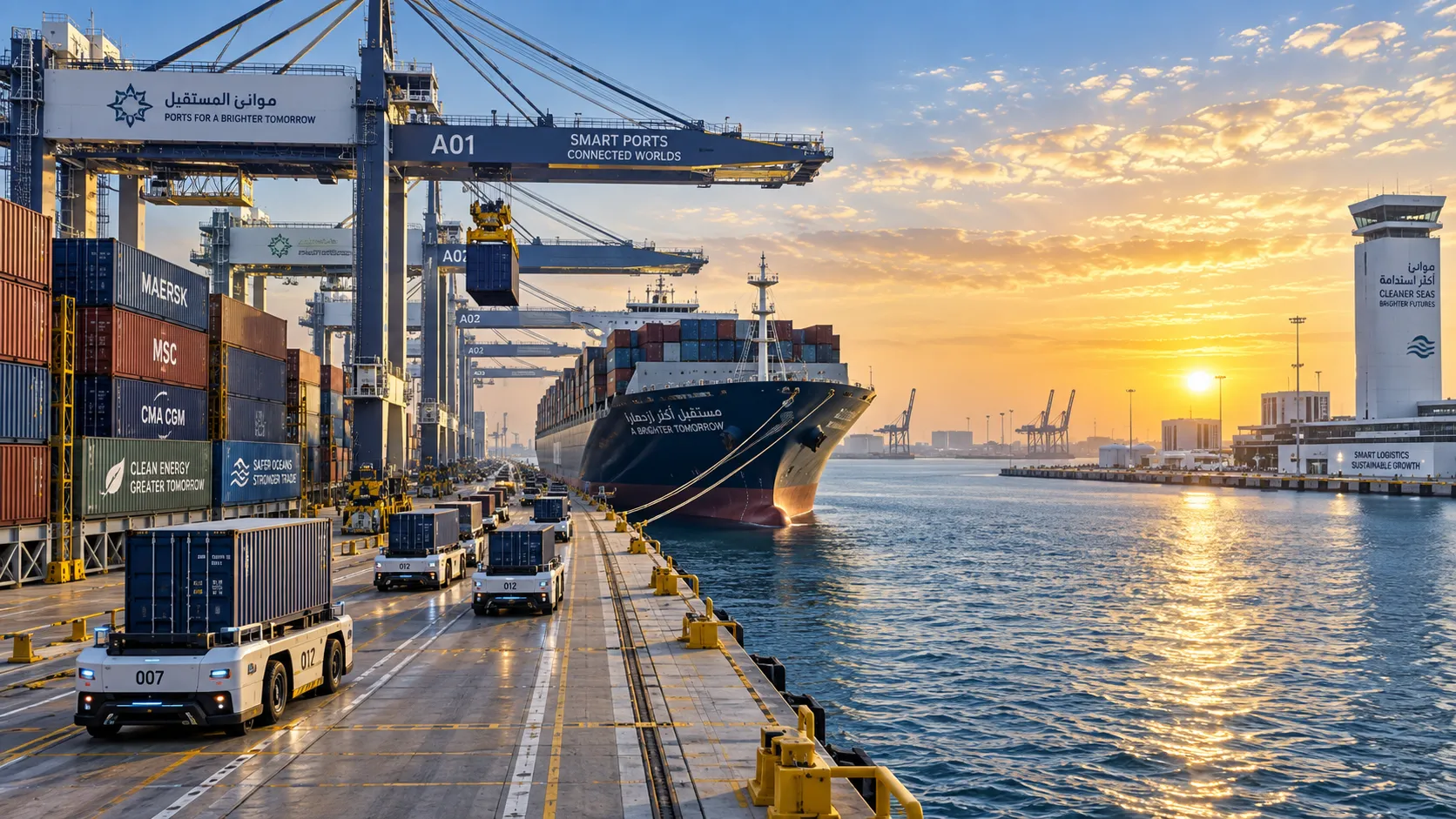
Middle East Port Automation: Key Market Drivers, Projects, and Investment Risks
Port automation systems Middle East: explore market drivers, flagship projects, integration challenges, and investment risks shaping smarter, resilient terminals.
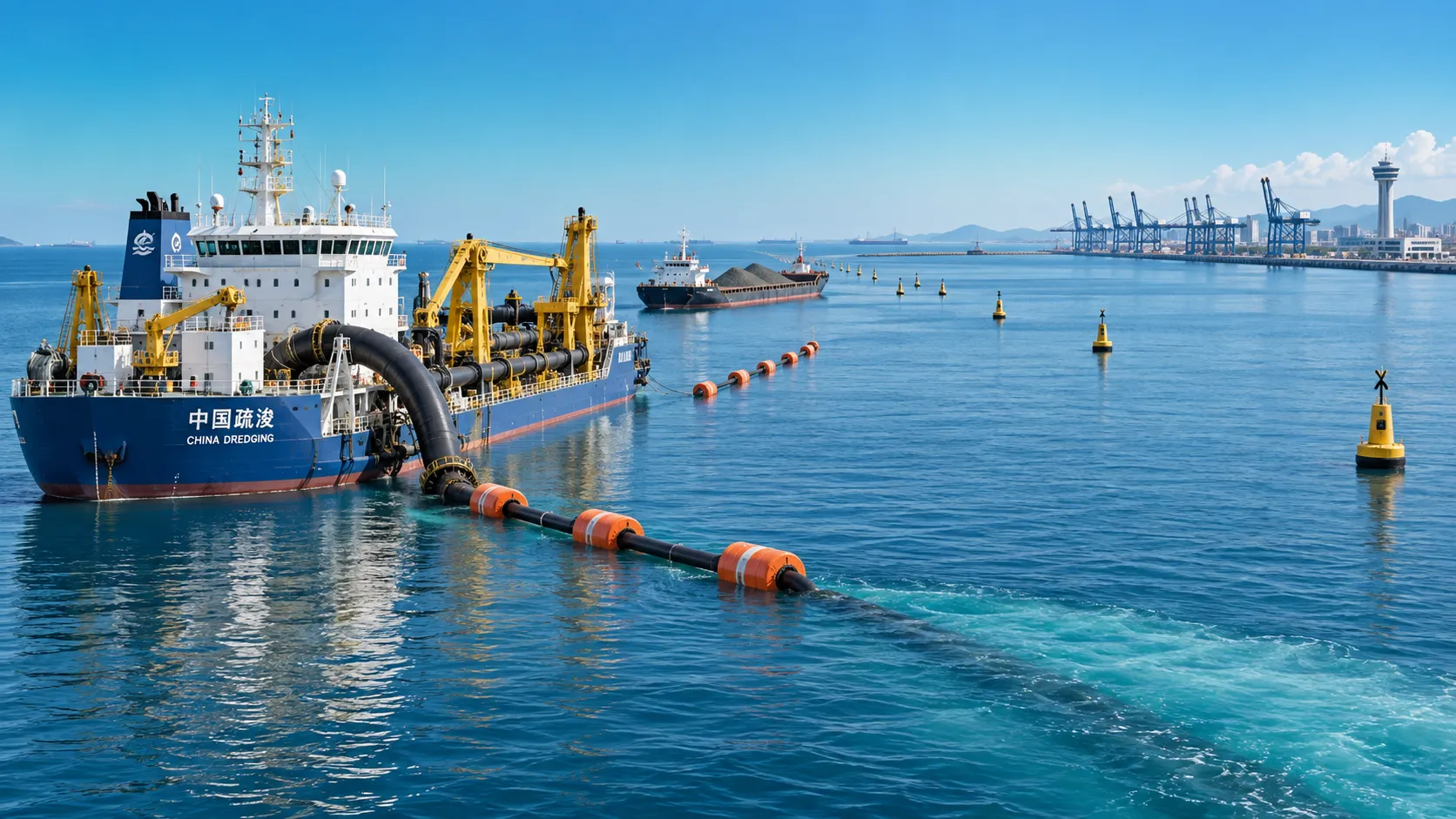
Planning Offshore Dredging Operations: Key Risks, Methods, and Project Controls
Offshore dredging operations demand smart planning. Explore key risks, proven methods, environmental controls, and project strategies for reliable delivery.