Related News
- 00
0000-00
How to Specify a Quay Crane for Container Terminals by Vessel Size and Throughput? - 00
0000-00
Which Bulk Handling Equipment Suits High-Moisture Cargo? - 00
0000-00
Terminal Automation Technologies That Raise Container Throughput Without Yard Disruption - 00
0000-00
Planning Offshore Dredging Operations: Key Risks, Methods, and Project Controls - 00
0000-00
Where Do Automated Guided Vehicles Deliver the Fastest Warehouse Gains in the Middle East?
Coastal Infrastructure Planning: Key Design Risks for Cargo and Marine Projects
Why does coastal infrastructure planning fail even before construction starts?
Coastal infrastructure planning often fails at the assumption stage, not at the drawing stage.
Many cargo and marine projects look sound on paper, yet hide weak ground models, unrealistic vessel loads, or incomplete hydrodynamic data.
That matters because ports are not isolated structures. They sit inside a moving system of tides, sediment, equipment cycles, and trade pressure.
In practical coastal infrastructure work, the earliest design risks usually shape the biggest lifecycle consequences.
A berth wall sized for today's cargo mix may struggle once crane outreach, yard transfer frequency, or dredging windows change.
The same issue appears in marine access channels, revetments, and automated terminal zones.
A more reliable approach is to test coastal infrastructure assumptions against operations, maintenance, and expansion logic at the same time.
This is where intelligence-led review becomes useful.
Platforms such as PS-Nexus track the interaction between heavy terminal gear, automated container handling, dredging engineering, and global logistics shifts.
That broader view helps separate a technically feasible concept from one that remains resilient under changing throughput and marine conditions.
Which design risks deserve attention first in coastal infrastructure projects?
The short answer is this: start with the risks that are hard to reverse later.
Foundation errors, underestimated environmental exposure, and incompatible equipment loading usually create the costliest corrections.
For coastal infrastructure planning, five risk groups usually need early review.
- Geotechnical uncertainty, including soft strata, settlement behavior, and liquefaction sensitivity.
- Hydrodynamic loading from waves, currents, storm surge, vessel wash, and long-term sea level movement.
- Corrosion and material degradation in splash zones, submerged steel, concrete cover, and utility interfaces.
- Operational load mismatch between quay structures, cranes, AGV paths, bulk equipment, and storage turnover.
- Dredging and sedimentation risk, especially where channel depth and berth productivity depend on repeated intervention.
These risks rarely stay separate.
For example, a dredging plan can alter current patterns, which then affect scour, fender demand, and berth toe stability.
Likewise, a heavier crane fleet can increase rail beam stress while also changing maintenance access and power routing.
A useful screening table can keep early reviews grounded in evidence rather than assumptions.
How do site conditions change the right coastal infrastructure design choice?
There is no universal template, because site conditions decide what “efficient” really means.
A piled quay, gravity wall, reclamation edge, or breakwater extension may each be sensible under different ground and marine scenarios.
What tends to mislead teams is copying a proven design from another port without testing the local drivers.
In coastal infrastructure planning, the critical local drivers usually include seabed strength, siltation tendency, tidal range, vessel size growth, and required automation density.
Where dredging is continuous, the best design may be the one that simplifies maintenance access rather than minimizing initial concrete volume.
Where AGVs and remote cranes are central, pavement performance, cable routing, latency resilience, and control-room visibility also become design factors.
This is one reason coastal infrastructure is no longer just a civil problem.
It is a systems problem involving structures, marine geotechnics, terminal mechanics, and digital control logic.
PS-Nexus reflects that reality by connecting intelligence from harbor structures, heavy equipment, automation protocols, and dredging monitoring.
That kind of cross-domain view helps reveal when a locally cheap solution becomes operationally expensive later.
What are the most common mistakes when cargo loads and marine conditions are evaluated separately?
This split review is more common than it should be.
Structural teams may size for peak loads, while operations teams plan equipment rotations that create very different fatigue patterns.
Marine teams may model navigation and wave climate correctly, yet not account for how berth occupancy shifts mooring behavior.
The result is a coastal infrastructure concept that passes isolated checks but struggles in daily operation.
Several warning signs appear early.
- Crane and pavement design use nominal loads, not real traffic frequency.
- Mooring studies ignore future vessel beam and loading patterns.
- Bulk handling or container transfer routes cross maintenance corridors.
- Dredging access is planned after the berth layout is fixed.
- Power, fiber, and control systems are added as secondary packages.
A better habit is to evaluate the port as a sequence of connected movements.
How does cargo arrive, transfer, queue, discharge, store, and leave?
Once that map is clear, coastal infrastructure design decisions become easier to test.
This is especially important for automated terminals, where algorithmic scheduling can shift load concentration in ways traditional layouts never experienced.
In other words, physical design and digital operations now shape the same risk profile.
How should corrosion, durability, and lifecycle cost be judged without oversimplifying the decision?
The cheapest protective system is rarely the lowest-cost coastal infrastructure choice over twenty or thirty years.
Marine exposure is uneven, and deterioration rarely happens at one uniform rate.
Splash zones, tidal interfaces, anchor points, crane rails, and buried utilities can age very differently.
That is why lifecycle review should compare intervention timing, shutdown impact, and inspection access, not only coating cost or concrete class.
A practical judgment framework usually asks four things.
- How severe is the local chloride and wet-dry cycling environment?
- Can degraded components be repaired without disrupting vessel service?
- Does the monitoring plan detect hidden corrosion before capacity is reduced?
- Will future equipment upgrades increase vibration, stray current, or local stress?
This is where digital monitoring has become more relevant.
The same intelligence environment that tracks remote crane communication or dredging pump behavior can also support condition-led maintenance decisions.
For coastal infrastructure, durability now sits closer to data quality than many teams expect.
When is automation integration a design risk rather than a pure efficiency upgrade?
Automation becomes a design risk when it is treated as an overlay instead of a core project parameter.
In marine cargo facilities, automated cranes, AGVs, control rooms, and low-latency networks alter space, power, redundancy, and maintenance requirements.
If those needs enter too late, coastal infrastructure planning becomes reactive.
That usually shows up as undersized duct banks, poor sightline geometry, weak equipment isolation, or constrained emergency access.
More importantly, automation changes how resilience should be defined.
A terminal can remain structurally intact and still lose performance because sensor paths, communication nodes, or dispatch logic fail under marine exposure.
For that reason, coastal infrastructure review should include both civil and digital failure modes.
PS-Nexus follows this convergence closely, especially where path-planning algorithms, remote-controlled cranes, and smart equipment maintenance influence long-cycle port investment choices.
The key question is not whether automation is advanced.
The better question is whether the structure, utilities, and operating logic were designed to support it from day one.
What should be checked before finalizing a coastal infrastructure decision?
Before design freeze, it helps to run one last integrated check across the project logic.
Not every uncertainty can be removed, but the major ones should be visible and ranked.
A concise review list usually improves decision quality.
- Confirm that geotechnical data supports the actual footprint and future expansion zones.
- Recheck design loads against real equipment fleets, cargo patterns, and berth occupancy scenarios.
- Test corrosion strategy against maintenance access, downtime tolerance, and inspection frequency.
- Verify dredging assumptions with sediment behavior, disposal constraints, and operational windows.
- Review automation needs as infrastructure requirements, not post-design add-ons.
- Compare initial capital savings against whole-life performance and resilience.
Good coastal infrastructure planning is rarely about choosing the biggest or newest option.
It is about choosing a design that stays reliable as marine forces, cargo systems, and trade patterns evolve.
If the next step is unclear, begin by mapping the highest-impact assumptions.
Then compare them against operational evidence, durability demands, and future automation plans.
That process usually reveals where coastal infrastructure risk is manageable, and where it is only being deferred.
Related News
Smart Port Systems in Southeast Asia: Investment Priorities and Adoption Barriers
Smart port systems Southeast Asia: discover investment priorities, adoption barriers, and practical steps to build resilient, connected, high-performing terminals.
How to Evaluate Terminal Efficiency Solution Suppliers for High-Throughput Operations
Choose a terminal efficiency solutions supplier with confidence. Explore proven criteria for throughput, integration, lifecycle cost, safety, and reliable delivery.
How to Specify a Quay Crane for Container Terminals by Vessel Size and Throughput?
Quay crane for container terminals: learn how to match outreach, lift height, capacity, automation, and cycle performance to vessel size and throughput goals.
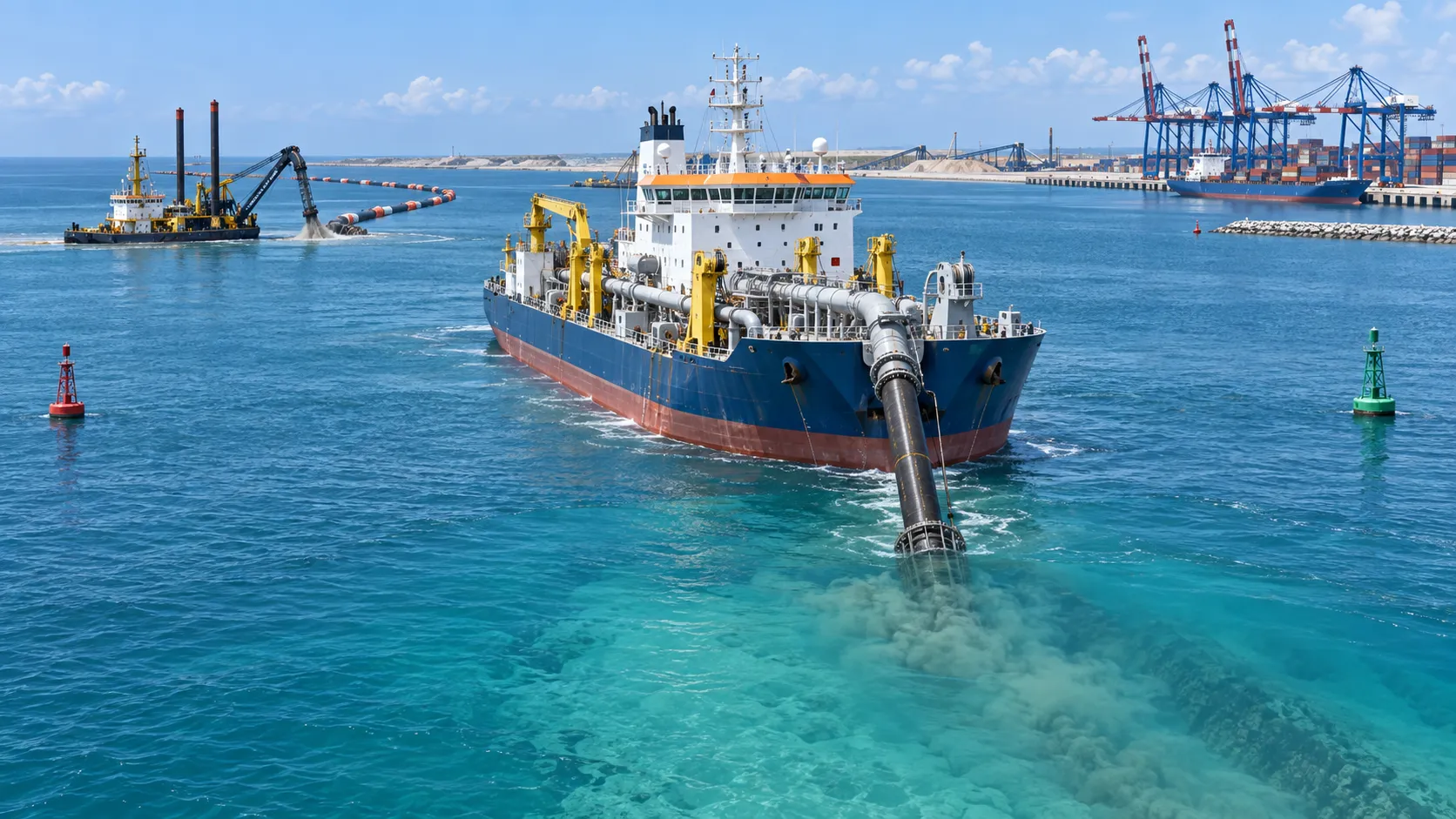
What Dredging Equipment Is Needed for Channel Deepening?
What dredging equipment is needed for channel deepening? Explore dredgers, pipelines, survey tools, and planning strategies for safer, more efficient port access.
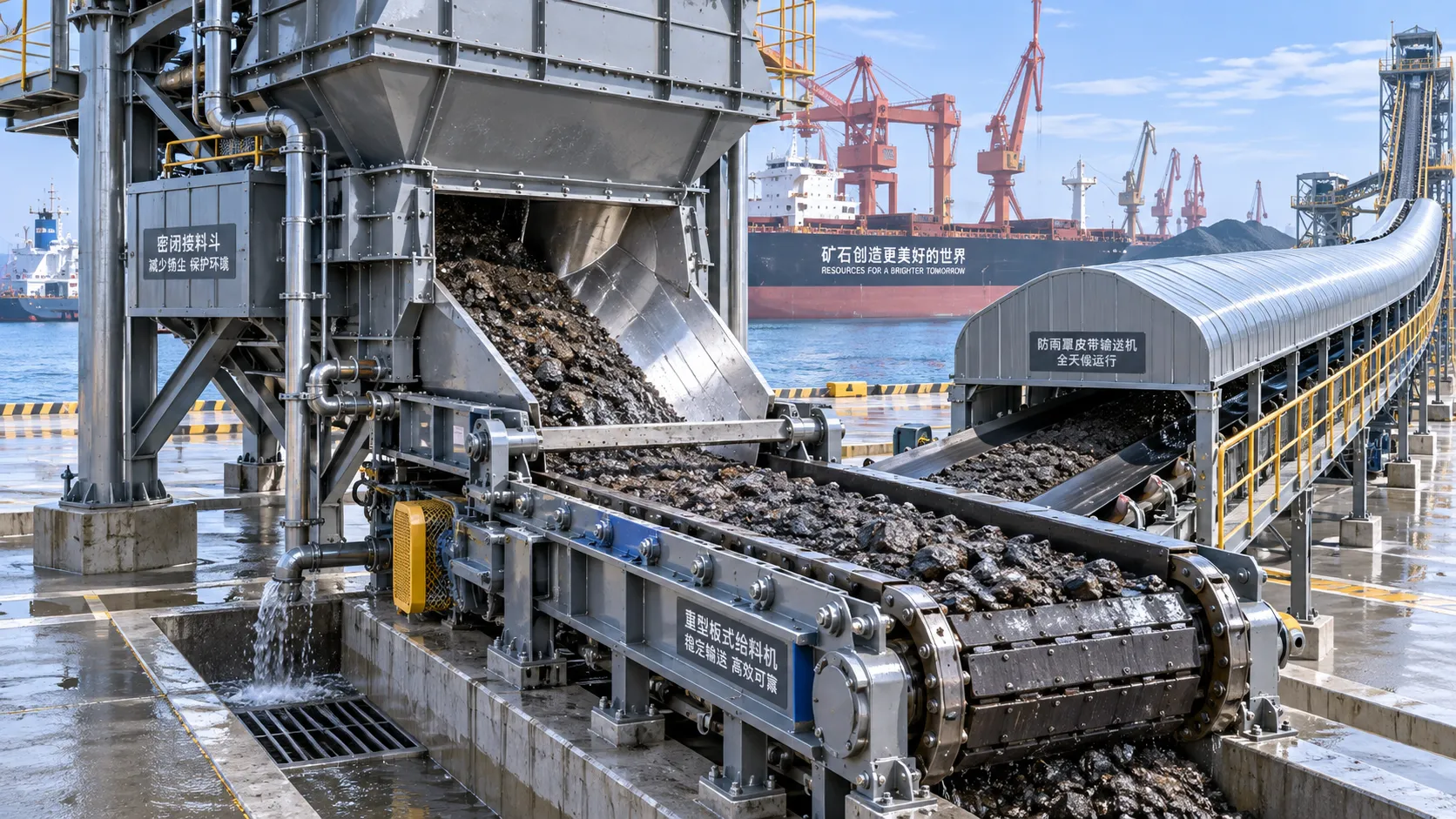
Which Bulk Handling Equipment Suits High-Moisture Cargo?
Which bulk handling equipment suits high-moisture cargo? Compare belt, apron, screw, drag, and slurry systems for reliable flow, less carryback, and higher terminal uptime.
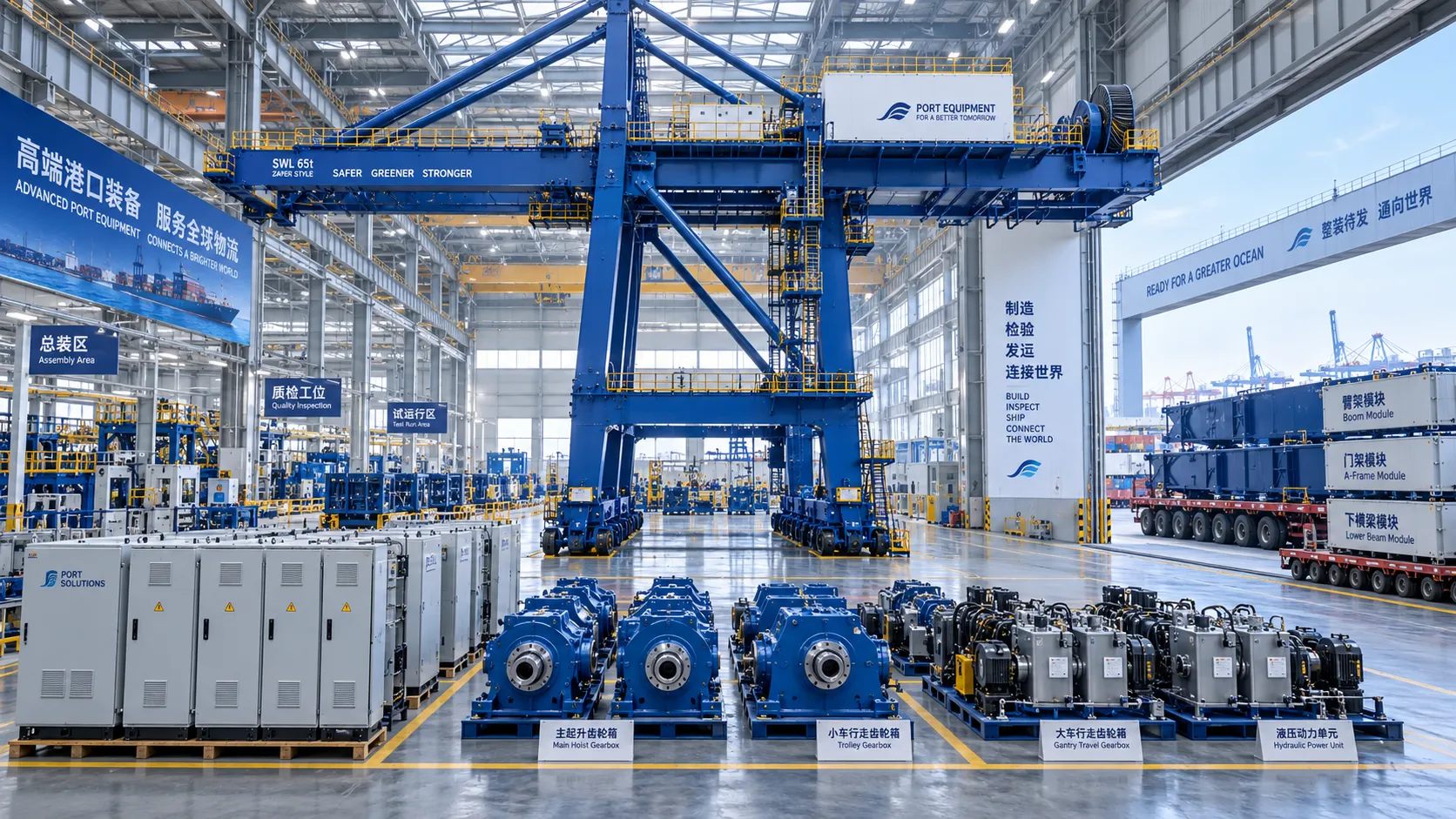
How Can Port Equipment Lead-Time Risk Be Managed?
How can port equipment lead-time risk be managed? Explore practical strategies to control critical paths, suppliers, transport, site readiness, and commissioning delays.
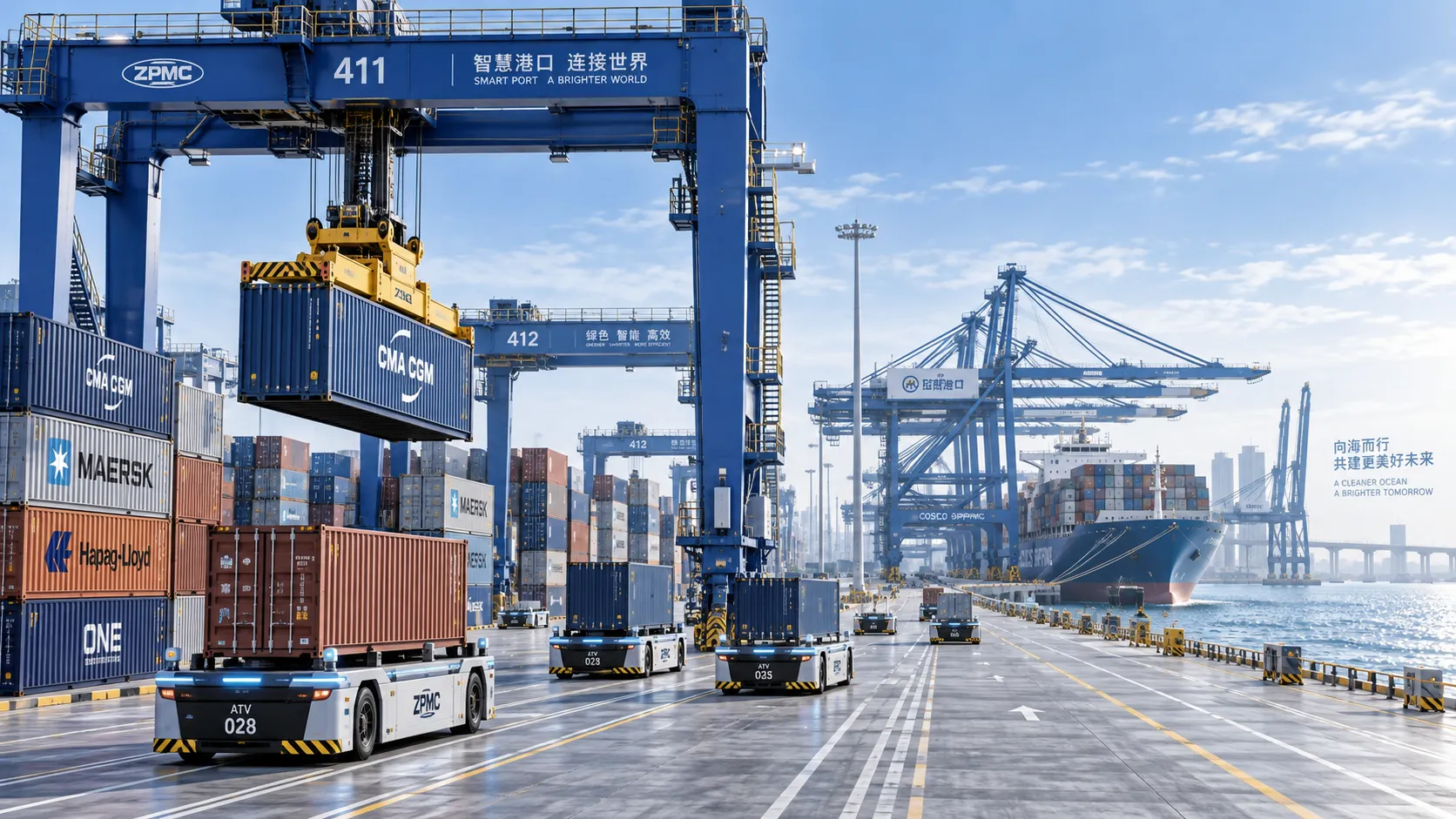
Terminal Automation Technologies That Raise Container Throughput Without Yard Disruption
Terminal automation technology that increases container throughput without disrupting yard flow. Explore smarter integration, resilient workflows, and phased deployment strategies.
Middle East Port Automation: Key Market Drivers, Projects, and Investment Risks
Port automation systems Middle East: explore market drivers, flagship projects, integration challenges, and investment risks shaping smarter, resilient terminals.
Planning Offshore Dredging Operations: Key Risks, Methods, and Project Controls
Offshore dredging operations demand smart planning. Explore key risks, proven methods, environmental controls, and project strategies for reliable delivery.