Related News
- 00
0000-00
How to Specify a Quay Crane for Container Terminals by Vessel Size and Throughput? - 00
0000-00
Which Bulk Handling Equipment Suits High-Moisture Cargo? - 00
0000-00
Terminal Automation Technologies That Raise Container Throughput Without Yard Disruption - 00
0000-00
Planning Offshore Dredging Operations: Key Risks, Methods, and Project Controls - 00
0000-00
Where Do Automated Guided Vehicles Deliver the Fastest Warehouse Gains in the Middle East?
Marine Dredging Engineering Explained: Methods, Soil Conditions, and Project Risks
Marine dredging engineering sits at the intersection of port expansion, coastal resilience, and trade efficiency. It is not simply a matter of removing sediment. Every project depends on excavation method, seabed behavior, disposal strategy, environmental limits, and the ability to keep schedule risk under control.
That complexity matters more now because channels are being deepened for larger vessels, terminals are automating faster, and coastal assets face tighter regulatory scrutiny. In practical terms, marine dredging engineering shapes vessel access, berth productivity, land reclamation potential, and the long-term economics of maritime infrastructure.
Why marine dredging engineering has become a strategic issue
Ports no longer compete only on quay length or crane count. They compete on depth reliability, turnaround speed, and the ability to support integrated logistics systems. If the channel cannot maintain design depth, the rest of the terminal network loses value.
This is where marine dredging engineering connects with broader industrial decisions. Deepened access supports larger ships. Stable basins support safer maneuvering. Reclaimed land can unlock storage yards, energy terminals, and future automation footprints.
From the perspective of PS-Nexus, dredging should be read alongside heavy terminal gear, automated handling, and control systems. A dredger changes the physical seabed, but its real business effect appears in cargo flow, scheduling logic, and asset utilization across the port ecosystem.
What the discipline actually covers
Marine dredging engineering includes capital dredging, maintenance dredging, trenching, land reclamation support, and beach or shoreline nourishment. Each scope has different productivity targets, tolerances, and regulatory expectations.
Capital dredging usually serves new channels, berth pockets, turning basins, or expansion works. Maintenance dredging focuses on restoring navigable depth after siltation. Trenching supports pipelines, cables, or outfall systems. Reclamation projects combine dredging with fill placement and ground preparation.
The technical challenge is rarely isolated excavation. The project must also answer where the material goes, how accurately it is placed, what turbidity is allowed, and how production data is verified.
Method selection starts with the seabed, not the equipment brochure
One of the most common planning mistakes is choosing equipment before understanding soil conditions. In marine dredging engineering, the seabed defines resistance, cycle time, wear rate, and even whether the specified production target is realistic.
Broadly, the main methods include mechanical dredging and hydraulic dredging. Mechanical systems rely on excavators, grabs, or backhoes. Hydraulic systems use suction, pumps, and pipelines to transport slurry.
Common methods and where they fit
In practice, hybrid strategies are common. A project may use a hopper dredger for loose overburden, then switch to a backhoe or cutter system in dense layers. Method selection should therefore follow geotechnical evidence, not habit.
Soil conditions that change cost, productivity, and risk
Soil is the hidden driver of marine dredging engineering performance. Grain size, plasticity, density, cementation, and the presence of boulders or obstructions all influence cycle efficiency and tool wear.
Loose sand may appear straightforward, yet it can create high turbidity, slope instability, or reclamation settlement issues. Soft clay can be easy to excavate, but difficult to dewater and place. Dense sand or weathered rock may sharply reduce penetration rates.
Contaminated sediment adds another layer. The excavation method may need tighter controls, enclosed handling, separate transport routes, and more complex disposal approvals. That changes both procurement logic and construction sequencing.
Ground information worth validating early
- Bathymetry quality and how recent the survey is
- Borehole spacing relative to dredge footprint
- Laboratory data for shear strength and grain distribution
- Likelihood of buried debris, rock outcrops, or existing utilities
- Material suitability for beneficial reuse or reclamation fill
When those inputs are weak, production estimates become fragile. Small errors in soil interpretation can cascade into major changes in pump power, cutter head choice, barge logistics, and disposal planning.
Where project risk usually builds up
Many dredging risks are visible only after mobilization. By then, changes become expensive. The highest exposure often sits at the boundary between technical design and project controls.
Weather windows are an obvious factor, but not the only one. Vessel traffic restrictions, permit conditions, underwater obstructions, and disposal site availability can disrupt otherwise sound excavation plans.
Environmental compliance is another critical area. Turbidity exceedances, noise limits, habitat protection periods, and overflow restrictions can reduce daily output. A method that looks efficient on paper may underperform once those controls are active.
Typical risk categories in marine dredging engineering
- Geotechnical mismatch between design assumptions and actual strata
- Underestimated production loss from tides, waves, or current
- Pipeline, pump, or cutter wear beyond forecast levels
- Disposal bottlenecks or changing permit conditions
- Survey control errors affecting payment quantities
Commercial risk also deserves attention. Unit-rate contracts, lump-sum structures, and remeasurement clauses allocate uncertainty differently. The same seabed may be manageable under one contract form and problematic under another.
Why digital monitoring is becoming part of execution, not just reporting
Modern marine dredging engineering increasingly depends on data streams. Positioning systems, draft sensors, pump monitoring, flow meters, and production dashboards help teams see whether actual conditions match planned performance.
That matters because dredging is linked to larger logistics systems. A delayed berth deepening can affect crane deployment, yard density, vessel windows, and landside flow. In that sense, dredging is not an isolated marine task. It is part of infrastructure synchronization.
This broader view aligns with the PS-Nexus approach. Intelligence around heavy machinery, terminal automation, and dredging equipment becomes more valuable when it is connected. Productivity on water and productivity on shore increasingly depend on each other.
Practical ways to judge a dredging plan before execution
A reliable dredging plan usually shows discipline in a few specific areas. It links geotechnical data, equipment capability, environmental limits, and quantity verification into one workable sequence.
If one of those elements is vague, the project may still start, but it will probably consume contingency faster than expected. Early clarity is usually cheaper than late correction.
What deserves closer attention next
For any upcoming marine dredging engineering program, the most useful next step is to build a decision frame before tender or mobilization. Start with seabed certainty, then test whether the proposed method still works under permit limits, traffic constraints, and disposal realities.
It also helps to evaluate dredging in the wider infrastructure context. Channel depth, terminal equipment, automation plans, and commercial throughput targets should be reviewed together, not as separate workstreams.
That kind of integrated reading makes marine dredging engineering easier to judge on real business terms: access, reliability, timing, compliance, and long-term asset value. When those factors are aligned early, execution tends to become far more predictable.
Related News
Smart Port Systems in Southeast Asia: Investment Priorities and Adoption Barriers
Smart port systems Southeast Asia: discover investment priorities, adoption barriers, and practical steps to build resilient, connected, high-performing terminals.
How to Evaluate Terminal Efficiency Solution Suppliers for High-Throughput Operations
Choose a terminal efficiency solutions supplier with confidence. Explore proven criteria for throughput, integration, lifecycle cost, safety, and reliable delivery.
How to Specify a Quay Crane for Container Terminals by Vessel Size and Throughput?
Quay crane for container terminals: learn how to match outreach, lift height, capacity, automation, and cycle performance to vessel size and throughput goals.
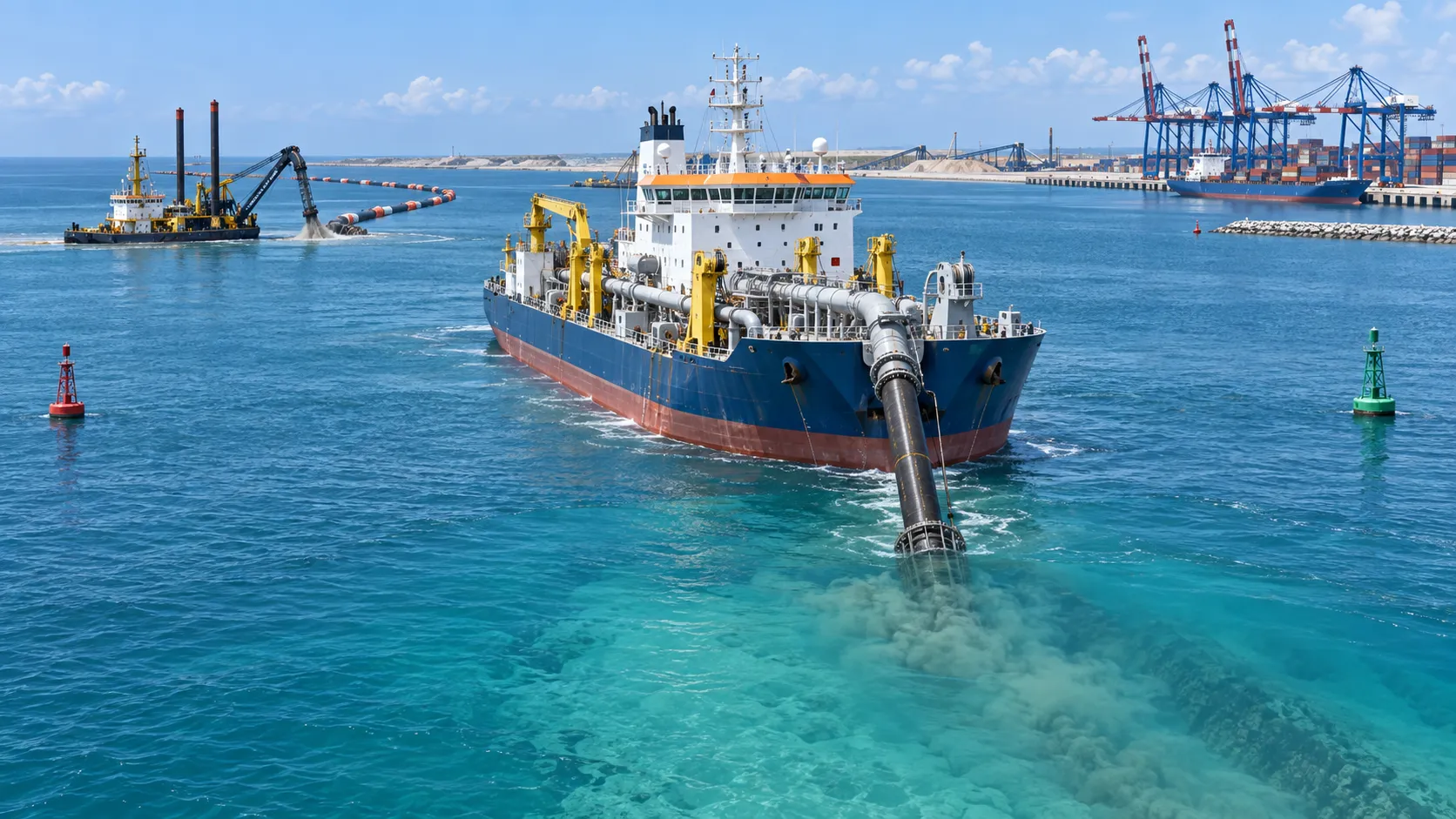
What Dredging Equipment Is Needed for Channel Deepening?
What dredging equipment is needed for channel deepening? Explore dredgers, pipelines, survey tools, and planning strategies for safer, more efficient port access.
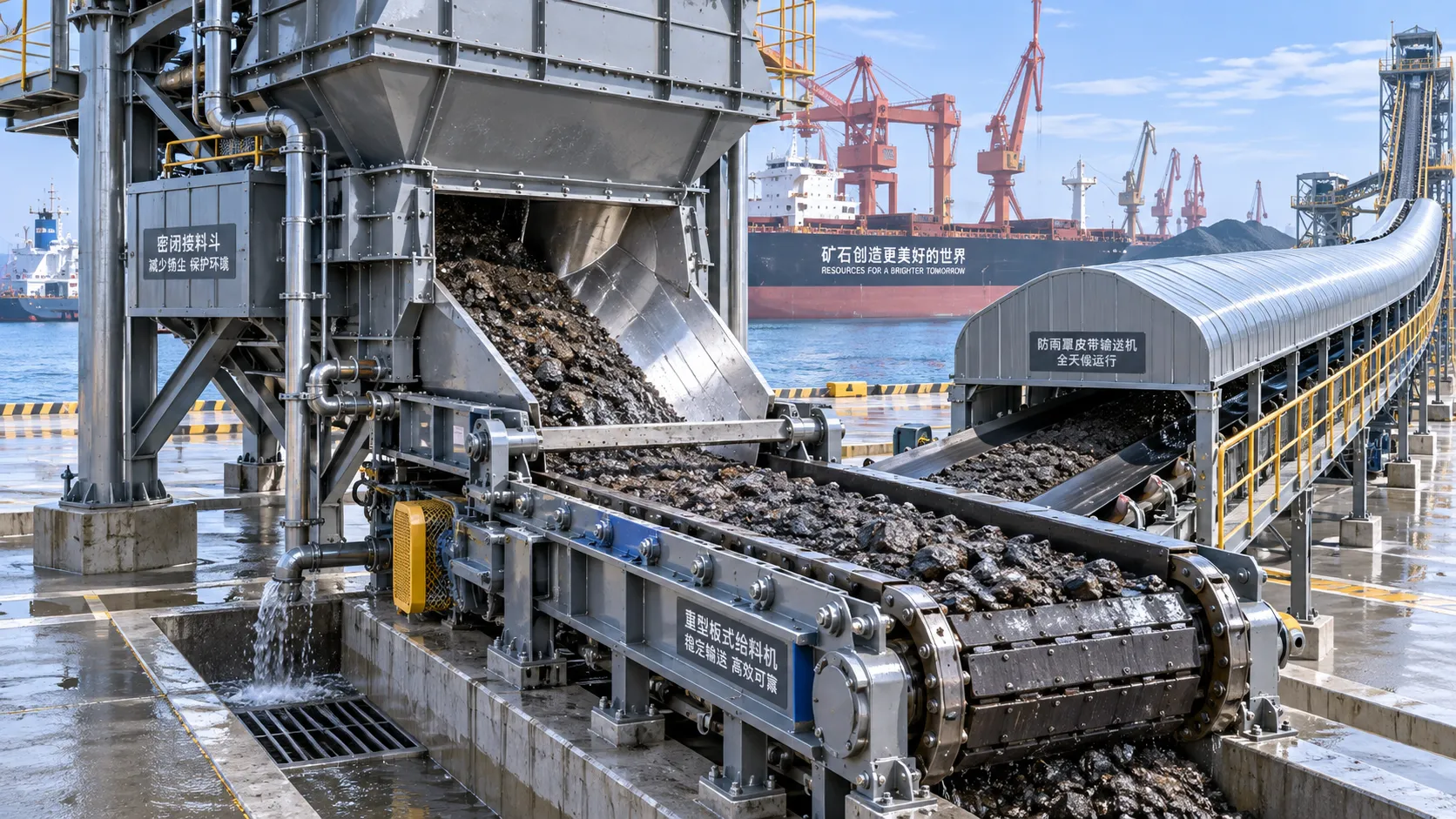
Which Bulk Handling Equipment Suits High-Moisture Cargo?
Which bulk handling equipment suits high-moisture cargo? Compare belt, apron, screw, drag, and slurry systems for reliable flow, less carryback, and higher terminal uptime.
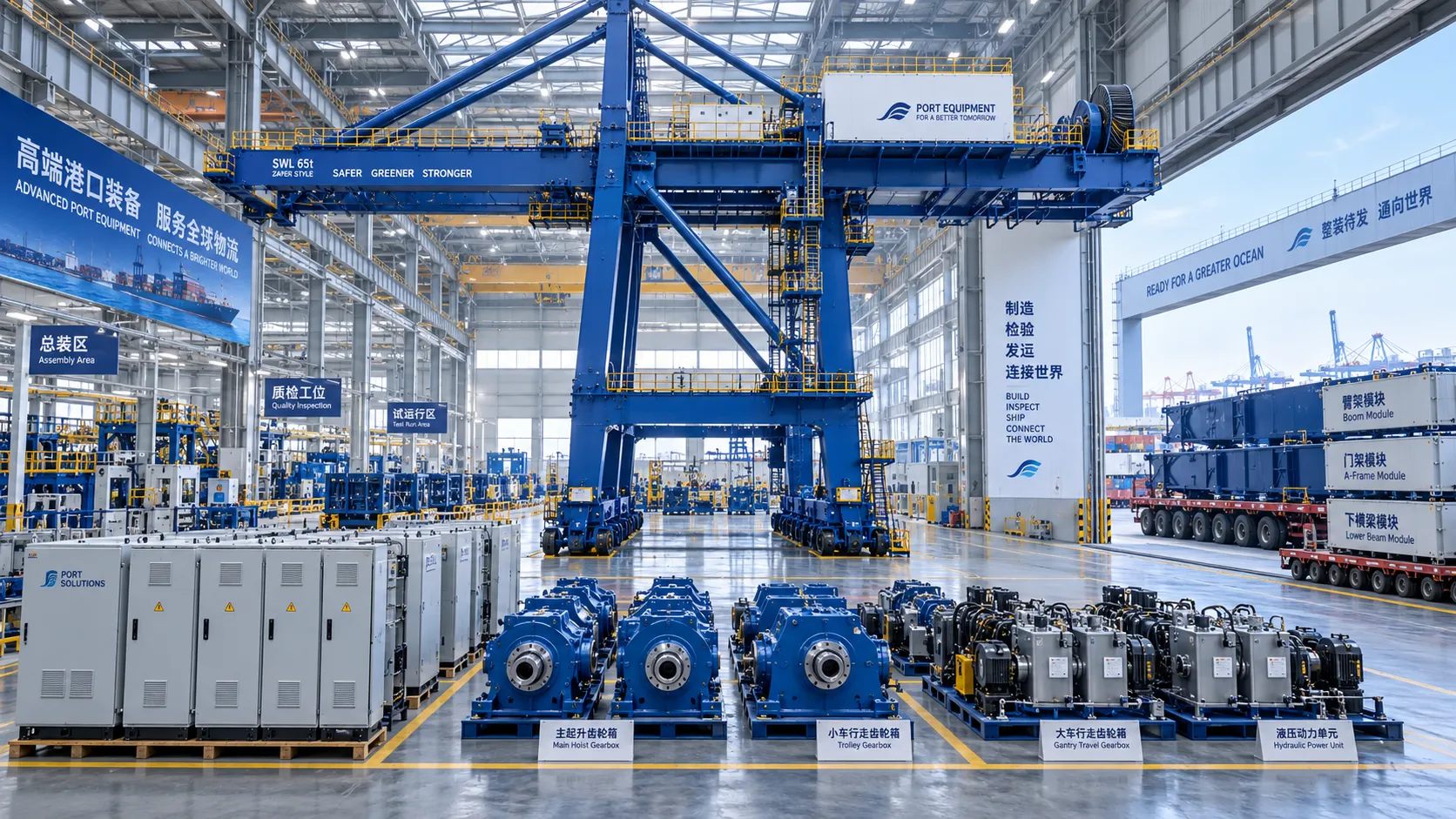
How Can Port Equipment Lead-Time Risk Be Managed?
How can port equipment lead-time risk be managed? Explore practical strategies to control critical paths, suppliers, transport, site readiness, and commissioning delays.
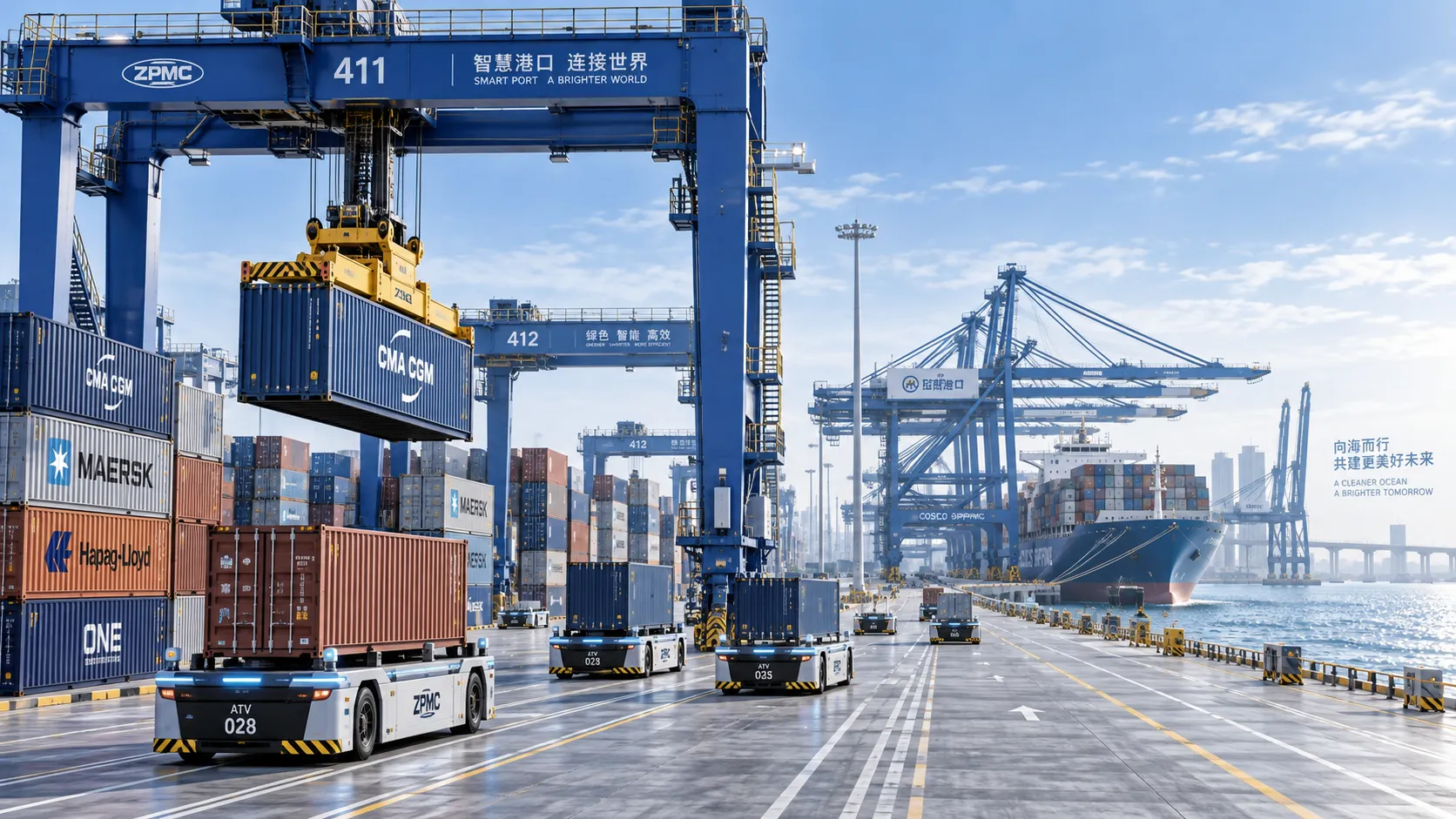
Terminal Automation Technologies That Raise Container Throughput Without Yard Disruption
Terminal automation technology that increases container throughput without disrupting yard flow. Explore smarter integration, resilient workflows, and phased deployment strategies.
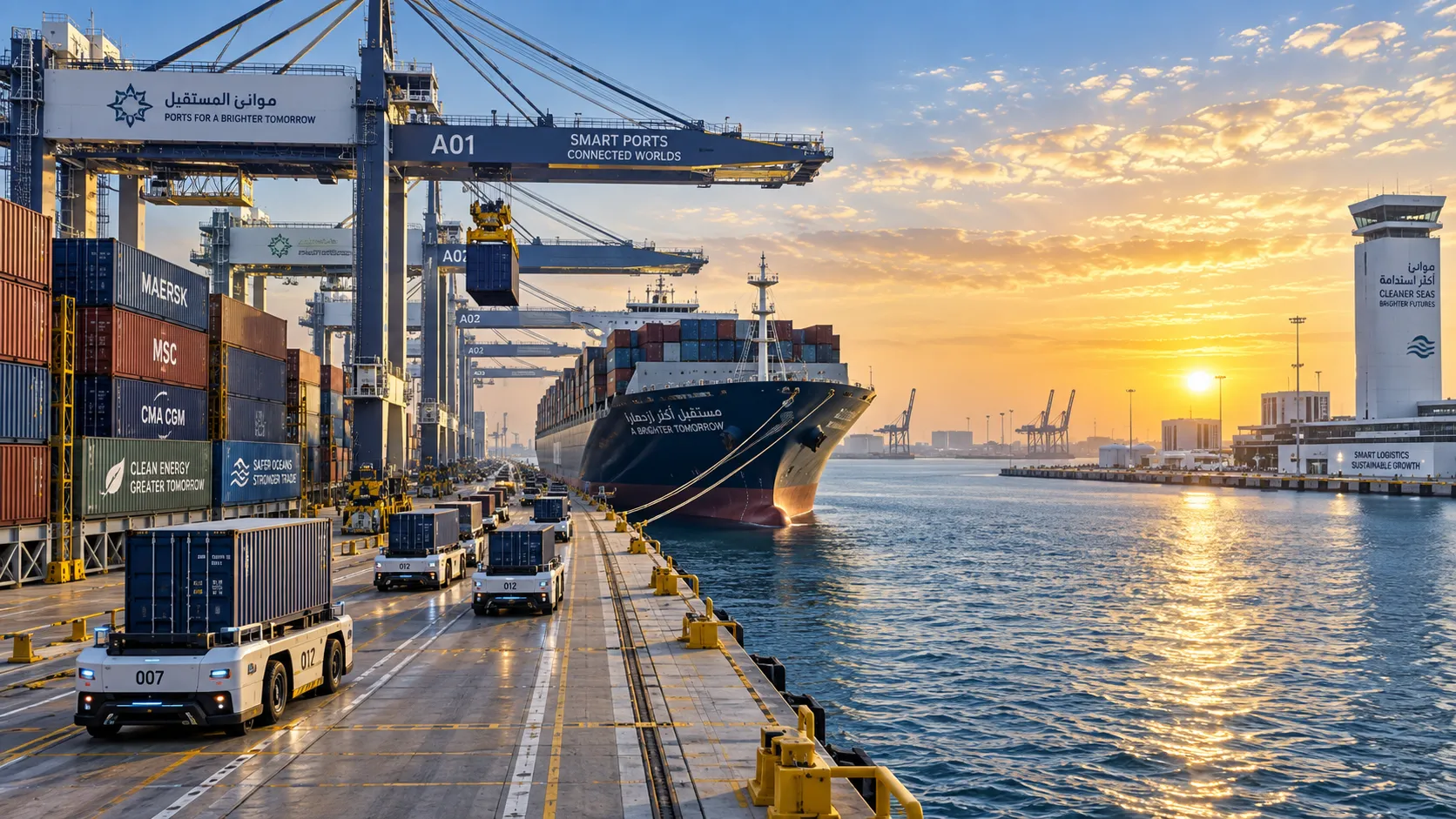
Middle East Port Automation: Key Market Drivers, Projects, and Investment Risks
Port automation systems Middle East: explore market drivers, flagship projects, integration challenges, and investment risks shaping smarter, resilient terminals.
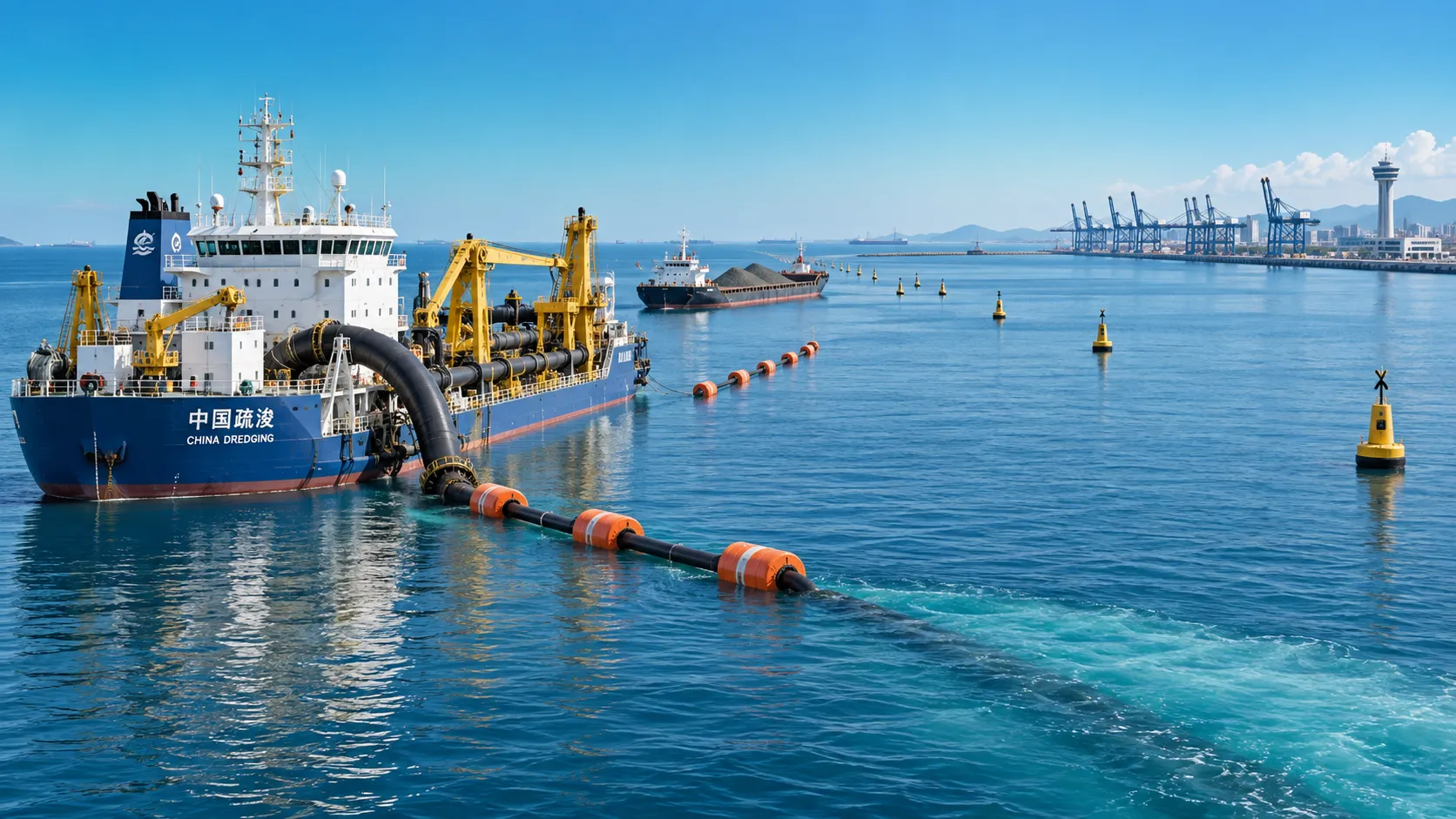
Planning Offshore Dredging Operations: Key Risks, Methods, and Project Controls
Offshore dredging operations demand smart planning. Explore key risks, proven methods, environmental controls, and project strategies for reliable delivery.