Related News
- 00
0000-00
How to Specify a Quay Crane for Container Terminals by Vessel Size and Throughput? - 00
0000-00
Which Bulk Handling Equipment Suits High-Moisture Cargo? - 00
0000-00
Terminal Automation Technologies That Raise Container Throughput Without Yard Disruption - 00
0000-00
Planning Offshore Dredging Operations: Key Risks, Methods, and Project Controls - 00
0000-00
Where Do Automated Guided Vehicles Deliver the Fastest Warehouse Gains in the Middle East?
Smart Oceans in Practice: Sensors, Data Platforms, and Use Cases for Port Operations
Smart Oceans in Practice: Sensors, Data Platforms, and Use Cases for Port Operations
Smart oceans are no longer a distant vision for ports. They are becoming the operating layer behind safer moves, cleaner decisions, and faster response across marine logistics.
In practical terms, smart oceans connect berth activity, terminal equipment, water conditions, vessel traffic, and energy use into one visible system.
That matters because port teams now face tighter schedules, denser yards, stricter emissions targets, and greater pressure to avoid unplanned downtime.
For operators tracking automation returns, the value of smart oceans is simple. Better data supports better timing, better maintenance, and better use of expensive assets.
For PS-Nexus, this shift sits at the center of modern maritime logistics, where heavy terminal gear, scheduling logic, and coastal intelligence now work as one system.
Why Smart Oceans Matter in Daily Port Operations
A port does not fail because of one missing signal. It slows down when many small blind spots build up across quayside, yard lanes, channels, and control rooms.
Smart oceans reduce those blind spots by combining marine sensing, equipment telemetry, and operational software into a shared decision environment.
From recent changes in global trade, the stronger signal is not only automation. It is the demand for coordinated awareness across sea access, terminal flow, and asset health.
This also means digital investment should not start with dashboards alone. It should start with the operating questions that cause cost, delay, or safety exposure.
- Which cranes lose productive hours because of wind, vibration, or maintenance uncertainty?
- Which berths suffer avoidable vessel waiting due to poor channel, tide, or pilot data timing?
- Which yard zones create AGV congestion because traffic and slotting data are disconnected?
- Which dredging or pumping assets run inefficiently because condition data arrives too late?
When these questions guide deployment, smart oceans become an operational solution, not a technology slogan.
The Sensor Layer: Where Smart Oceans Begin
Every smart oceans program starts with trustworthy field data. In port operations, that usually means building a layered sensing approach rather than relying on one device family.
Core marine and terminal sensors
- Weather stations for wind speed, gusts, humidity, rainfall, and visibility near quay cranes.
- Tide, wave, and current sensors for berth planning, dredging support, and vessel approach decisions.
- AIS and radar inputs for vessel movement tracking and traffic coordination.
- Vibration, temperature, motor current, and hydraulic pressure sensors on cranes and handling machinery.
- GNSS, lidar, and camera systems for AGV routing, yard positioning, and conflict detection.
- Energy meters for monitoring power consumption, idle losses, and electrification performance.
In actual operations, sensor quality matters more than sensor volume. Ports often struggle not from too little data, but from poor calibration, inconsistent timestamps, or missing maintenance routines.
That is why smart oceans projects should define data ownership, refresh rates, alarm thresholds, and failure handling before scaling hardware rollout.
What to prioritize first
- Install sensors on high-value bottlenecks, not everywhere at once.
- Standardize naming, units, and timestamps across devices.
- Link condition data to work orders and shift logs.
- Define who acts when a threshold is crossed.
The Data Platform: Turning Signals into Operational Decisions
Sensors alone do not create smart oceans. The real shift happens when data platforms unify marine conditions, equipment status, and port workflows in near real time.
A practical platform should sit between field systems and business decisions. It needs to collect, clean, contextualize, and distribute signals to the teams that can act.
What a workable platform usually includes
- Edge connectivity for cranes, substations, dredgers, gates, and marine stations.
- Data normalization across OEM equipment and legacy control systems.
- Rules engines for alerts, exceptions, and maintenance triggers.
- Visualization for berth occupancy, weather windows, queue status, and asset health.
- Integration with TOS, CMMS, ERP, and energy management systems.
- Analytics models for delay prediction, route optimization, and condition-based maintenance.
For engineering-led deployments, the best platform design is rarely the most complex one. It is the one that supports fast decisions during live operations.
More importantly, smart oceans platforms should preserve operational context. A vibration spike means little unless the system also knows load state, wind conditions, and maintenance history.
This is where PS-Nexus sees the strongest value. Intelligence becomes useful when heavy machinery data and scheduling logic are stitched into one decision layer.
Smart Oceans Use Cases That Deliver Measurable Value
The most effective smart oceans programs solve visible port problems first. That creates internal trust and makes later automation phases easier to justify.
1. Quay crane safety and uptime
Wind, structural vibration, hoist load behavior, and brake temperature can be monitored continuously. Operators gain earlier warning before performance drops or safety margins shrink.
In a smart oceans model, alarms are not isolated events. They are linked to weather windows, crane assignments, and maintenance planning.
2. Berth and channel optimization
Combining tide, current, under-keel clearance, and vessel queue data helps reduce waiting time and improve berth allocation quality.
This is especially useful for ports handling larger vessels, variable drafts, or weather-sensitive arrival patterns.
3. AGV and yard traffic coordination
Smart oceans data can improve land-side flow too. When route engines receive live berth, crane, and yard information, traffic conflicts become easier to prevent.
That means fewer idle movements, less battery waste, and stronger slot discipline across busy terminal blocks.
4. Dredging and waterway maintenance
For ports dealing with sedimentation, smart oceans support better dredging timing, pump monitoring, spoil planning, and channel reliability.
This becomes a direct business issue when draft limits affect vessel calls, cargo loading levels, or insurance exposure.
5. Energy and emissions control
Ports pursuing net-zero goals need more than annual reporting. They need live insight into power peaks, idle loads, and equipment efficiency under real operating conditions.
Here, smart oceans help align electrified equipment, scheduling policy, and emissions strategy without guessing where losses actually occur.
Common Risks and How to Avoid Them
Smart oceans projects often underperform for familiar reasons. The issue is usually not the concept. It is the gap between technical deployment and operating reality.
A smarter path is phased delivery. Start with a clear pain point, prove measurable benefit, then expand across related processes.
A Practical Roadmap for Implementation
A useful smart oceans roadmap should be grounded in operations, not presentation slides. The strongest programs move from visibility to optimization in controlled stages.
- Define the business case around delay, downtime, energy, safety, or channel reliability.
- Select one operational area with high asset value and clear data access.
- Deploy a minimum sensor set with strong data governance.
- Connect platform outputs to live planning, maintenance, or dispatch workflows.
- Measure gains through cycle time, availability, queue reduction, and energy intensity.
- Scale only after teams trust the signals and use them consistently.
In many ports, the first win comes from combining marine data and equipment condition data. That creates fast operational value without waiting for full autonomy.
The next layer usually adds predictive models, remote support, and tighter scheduling logic for cranes, AGVs, and waterside access.
Over time, smart oceans become the decision fabric that supports terminal growth, resilience, and lower-emission performance.
Where Smart Oceans Create Long-Term Advantage
The long-term value of smart oceans is not limited to one sensor project or one software upgrade. It comes from building a port that can sense, decide, and adapt faster.
That advantage is especially important in terminals balancing larger ships, tighter turnaround promises, labor constraints, and energy transition pressures.
For organizations following maritime logistics closely, smart oceans now shape how equipment is specified, how control systems are integrated, and how port expansion is justified.
PS-Nexus views this as a strategic convergence. Heavy terminal gear, automation architecture, and marine intelligence are no longer separate investment tracks.
They are part of one operating model designed to keep global trade hubs productive, resilient, and aligned with smarter coastal economics.
If the goal is practical improvement, start where decisions are currently weakest. Build the sensor layer carefully, connect the data platform to daily actions, and let smart oceans prove value through measurable operating results.
Related News
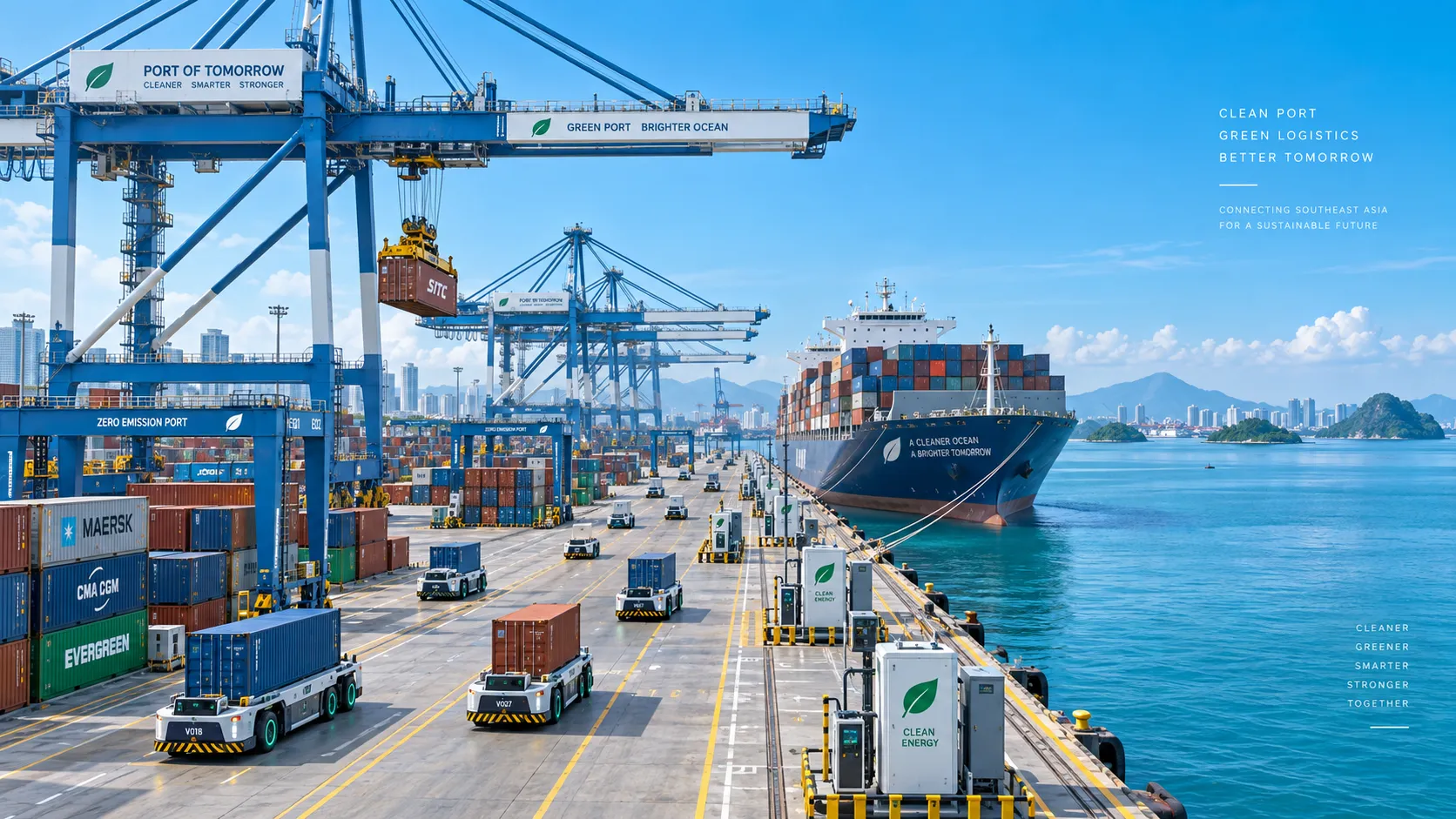
Smart Port Systems in Southeast Asia: Investment Priorities and Adoption Barriers
Smart port systems Southeast Asia: discover investment priorities, adoption barriers, and practical steps to build resilient, connected, high-performing terminals.
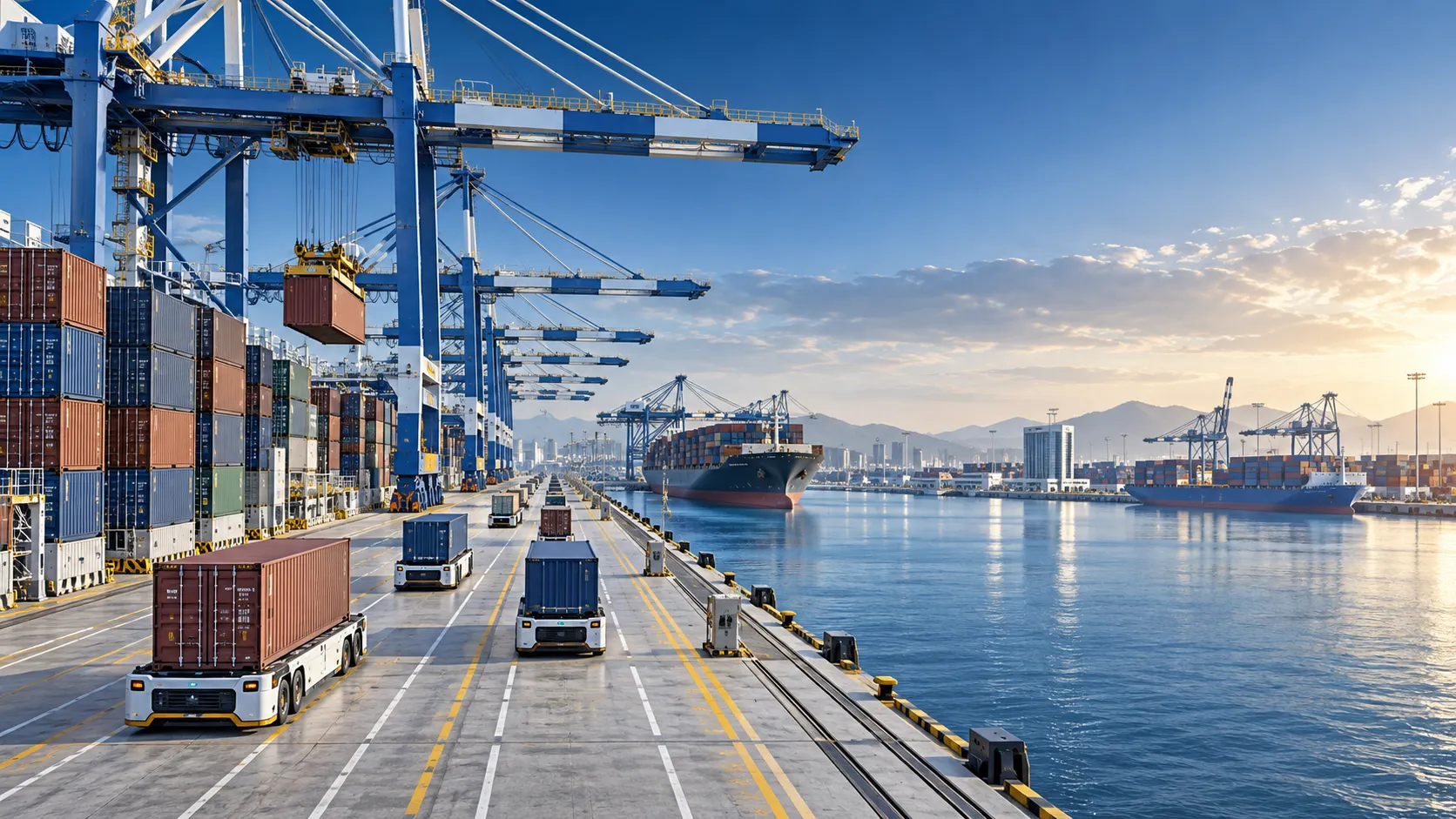
How to Evaluate Terminal Efficiency Solution Suppliers for High-Throughput Operations
Choose a terminal efficiency solutions supplier with confidence. Explore proven criteria for throughput, integration, lifecycle cost, safety, and reliable delivery.
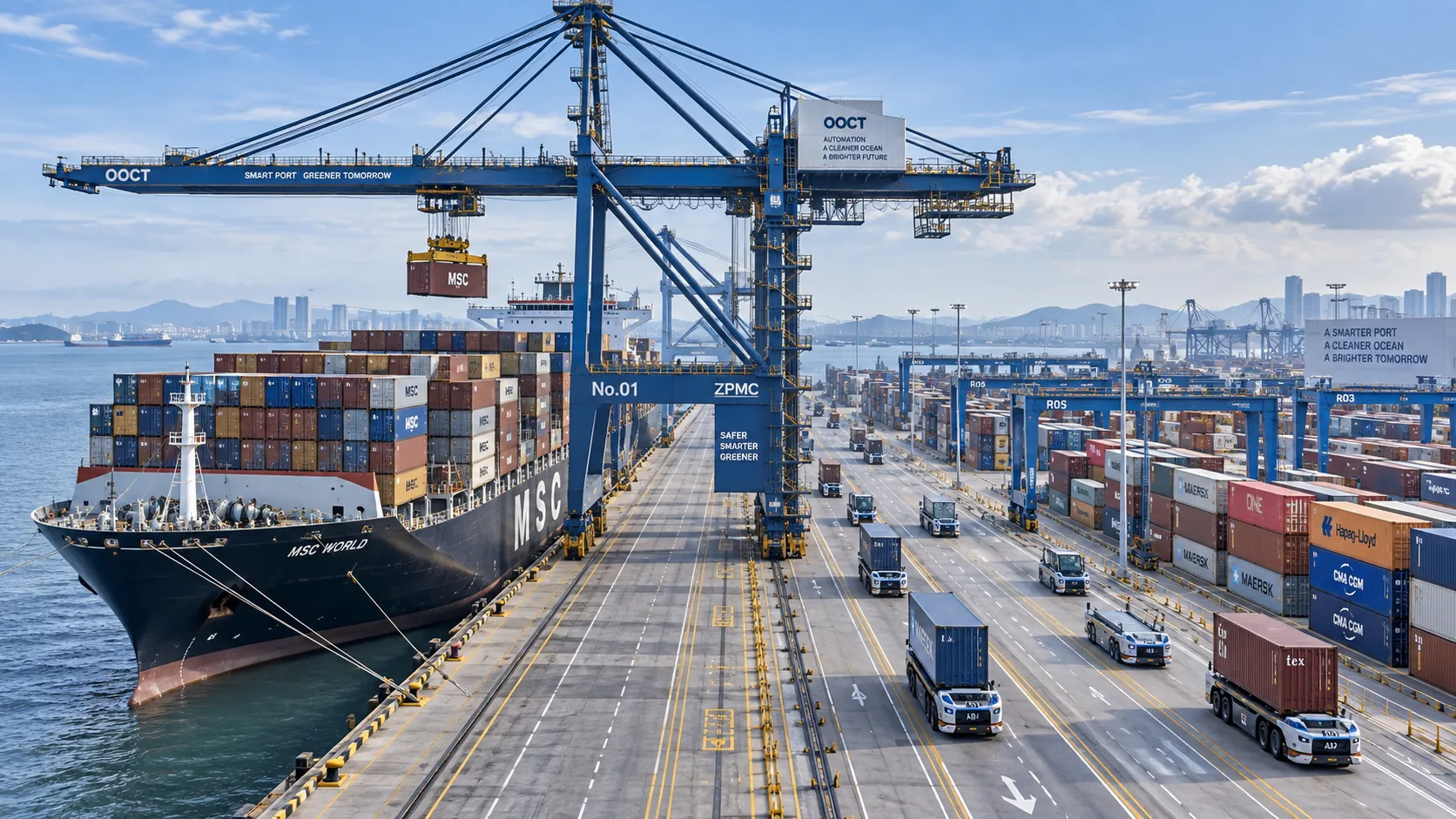
How to Specify a Quay Crane for Container Terminals by Vessel Size and Throughput?
Quay crane for container terminals: learn how to match outreach, lift height, capacity, automation, and cycle performance to vessel size and throughput goals.
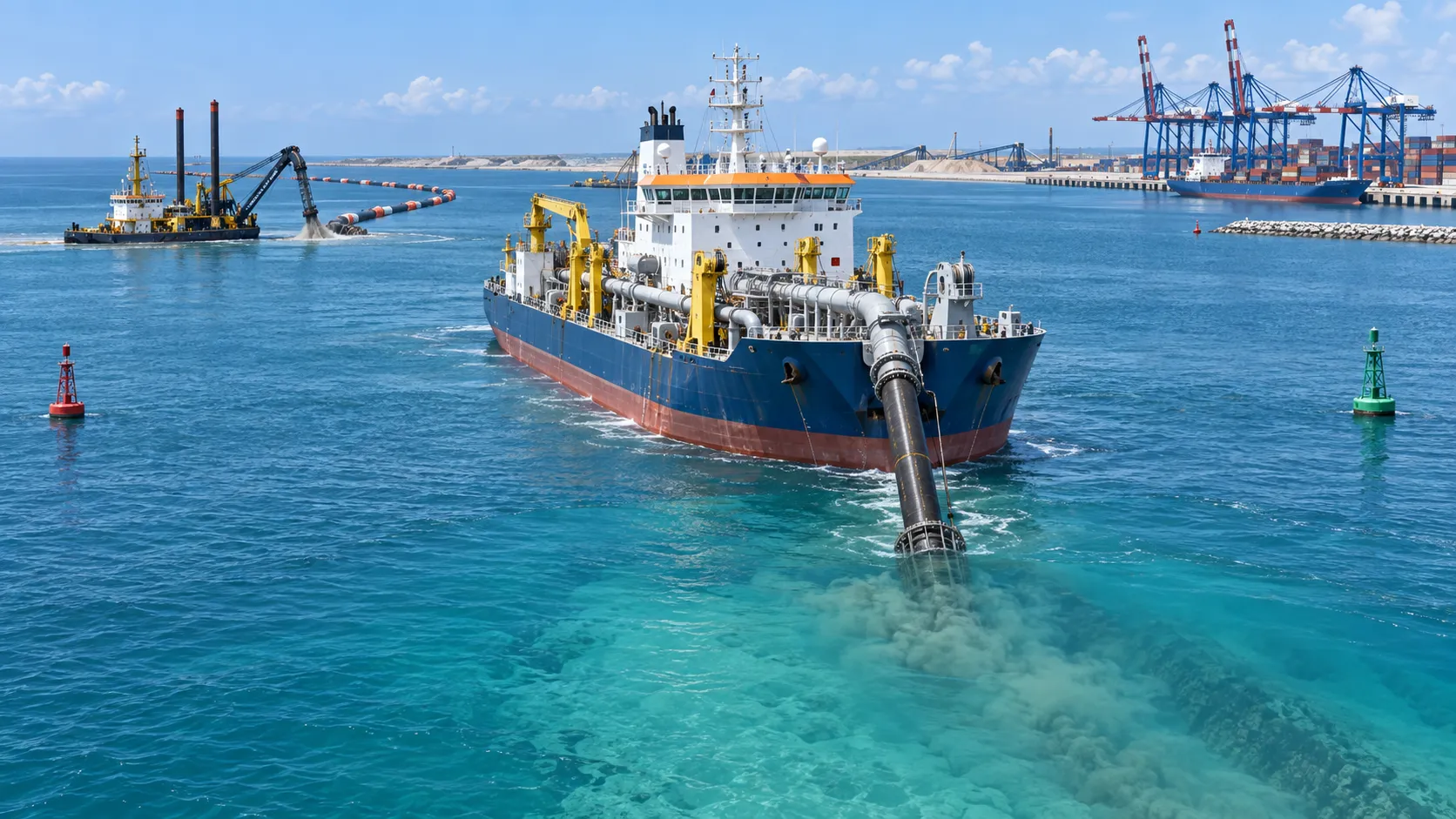
What Dredging Equipment Is Needed for Channel Deepening?
What dredging equipment is needed for channel deepening? Explore dredgers, pipelines, survey tools, and planning strategies for safer, more efficient port access.
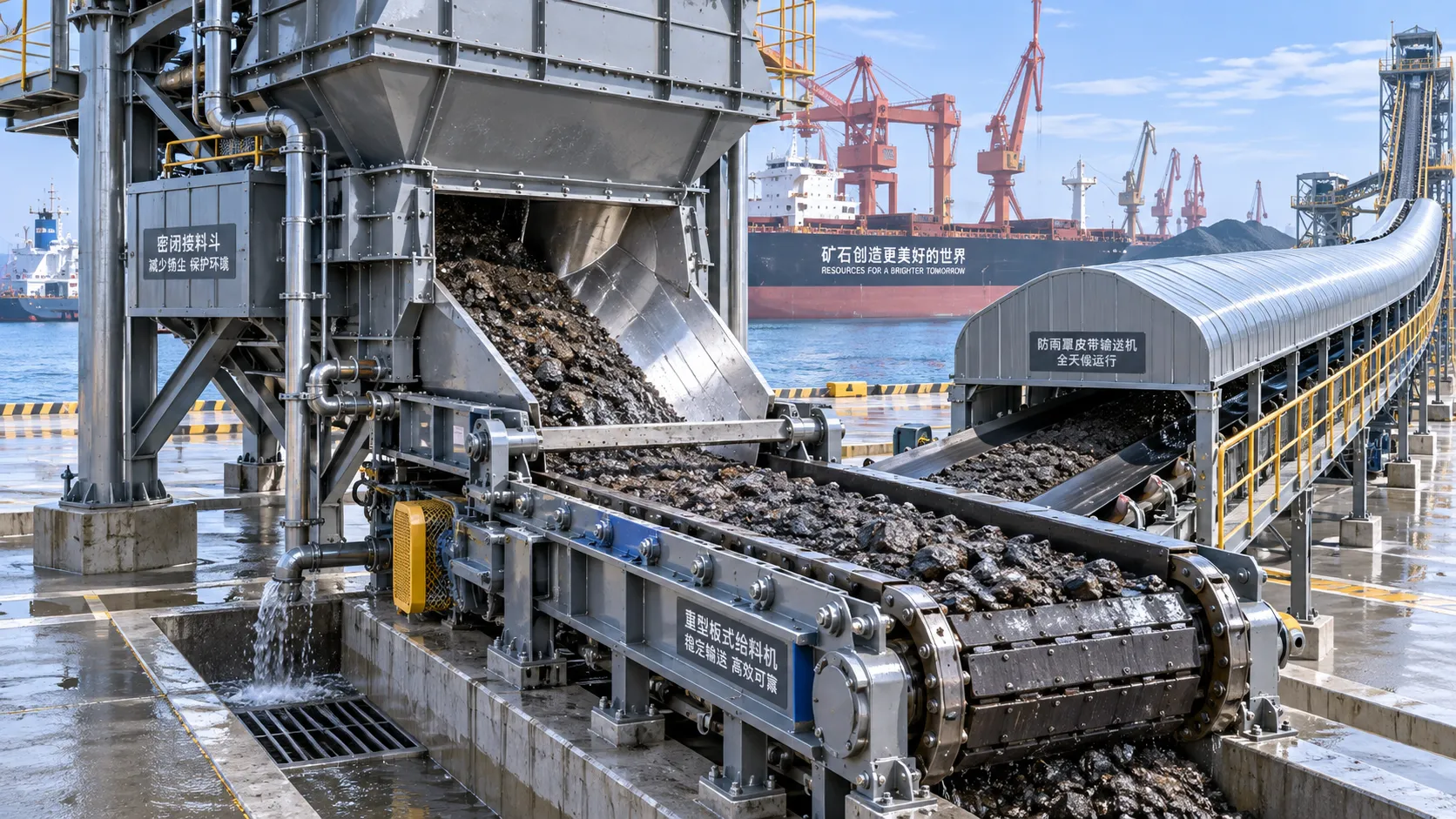
Which Bulk Handling Equipment Suits High-Moisture Cargo?
Which bulk handling equipment suits high-moisture cargo? Compare belt, apron, screw, drag, and slurry systems for reliable flow, less carryback, and higher terminal uptime.
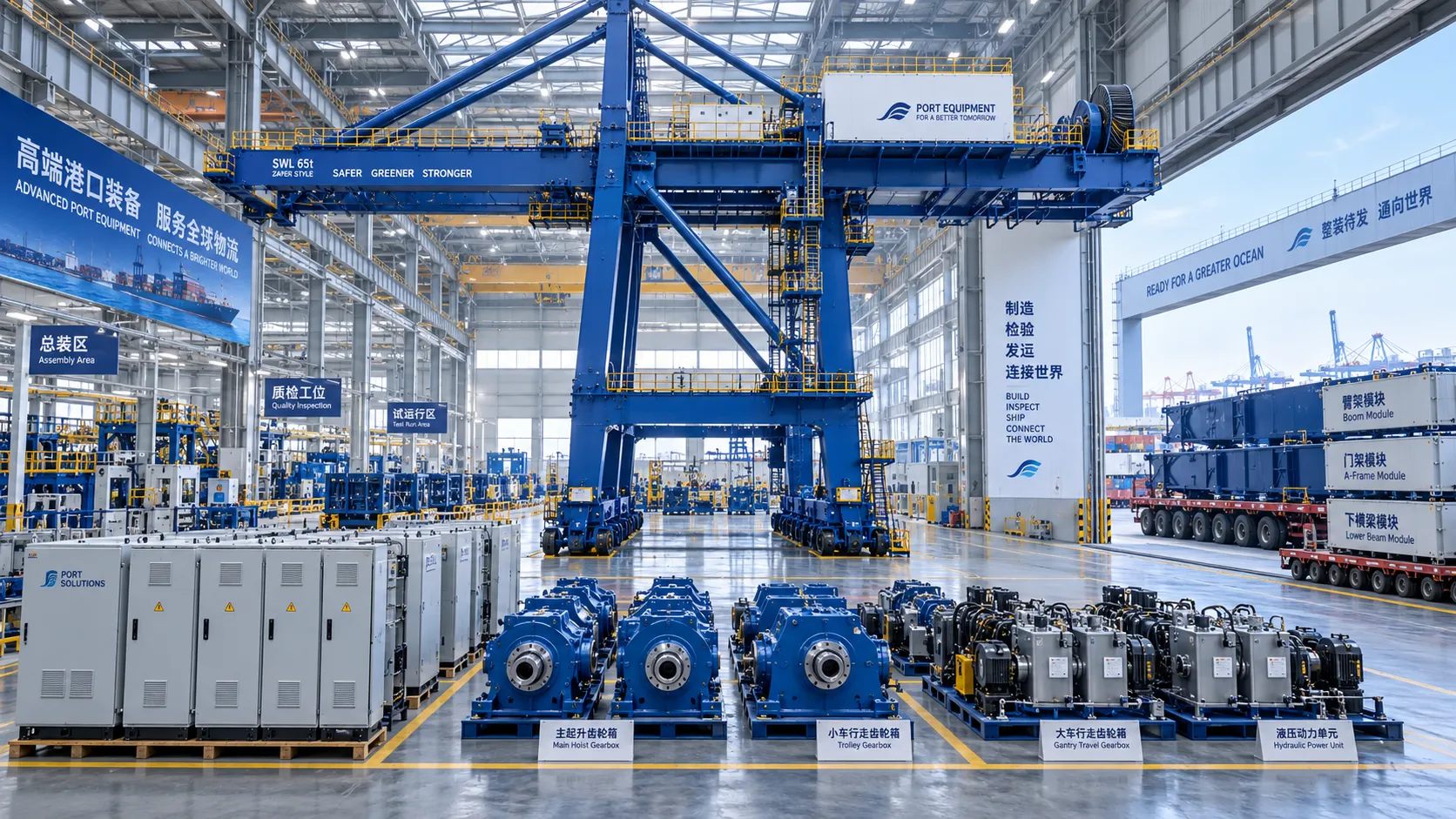
How Can Port Equipment Lead-Time Risk Be Managed?
How can port equipment lead-time risk be managed? Explore practical strategies to control critical paths, suppliers, transport, site readiness, and commissioning delays.
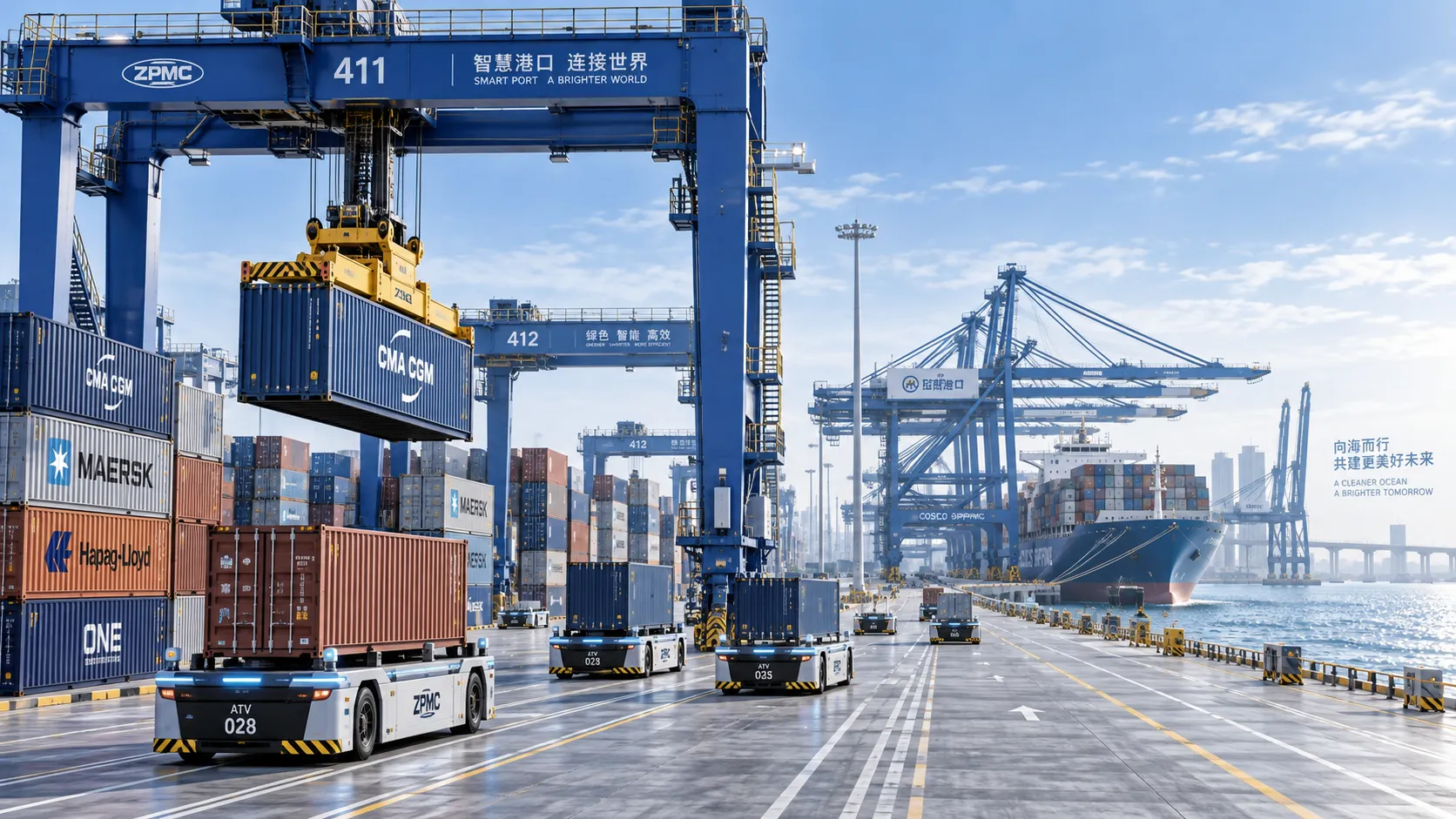
Terminal Automation Technologies That Raise Container Throughput Without Yard Disruption
Terminal automation technology that increases container throughput without disrupting yard flow. Explore smarter integration, resilient workflows, and phased deployment strategies.
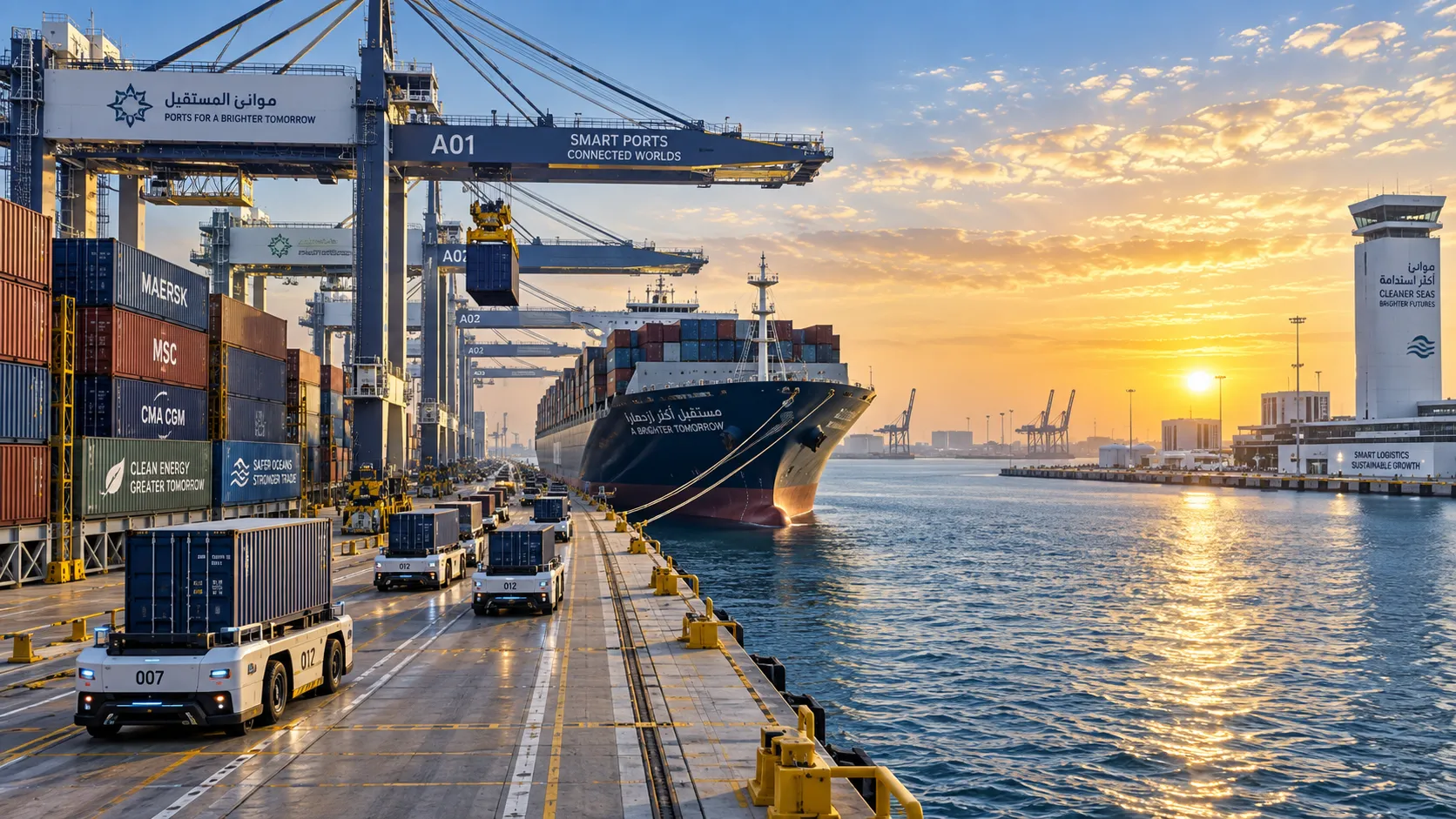
Middle East Port Automation: Key Market Drivers, Projects, and Investment Risks
Port automation systems Middle East: explore market drivers, flagship projects, integration challenges, and investment risks shaping smarter, resilient terminals.
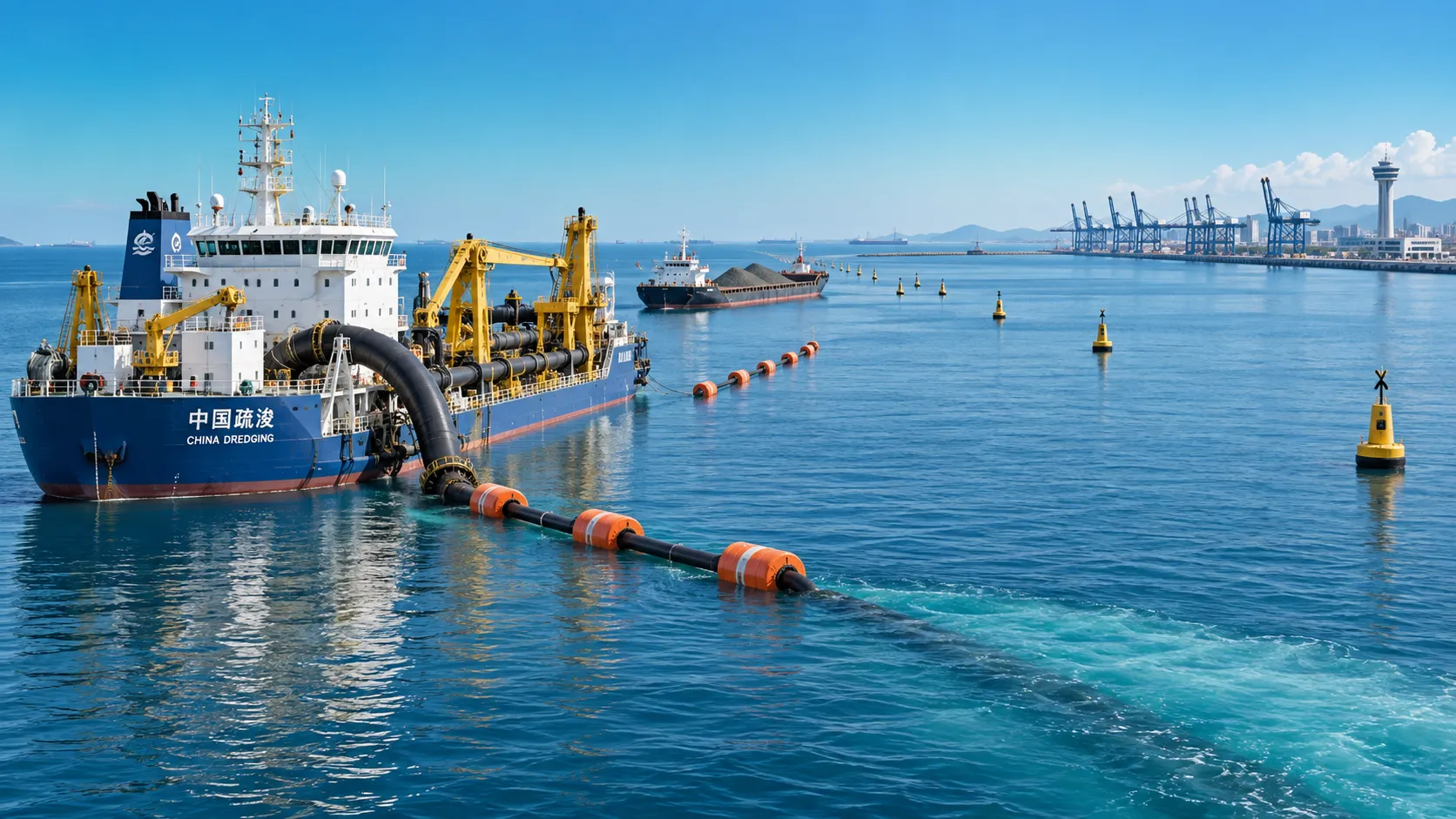
Planning Offshore Dredging Operations: Key Risks, Methods, and Project Controls
Offshore dredging operations demand smart planning. Explore key risks, proven methods, environmental controls, and project strategies for reliable delivery.