Related News
- 00
0000-00
How Can Port Equipment Lead-Time Risk Be Managed? - 00
0000-00
Maritime Logistics Operations: How Ports Can Reduce Container Dwell Time - 00
0000-00
What Does Logistics Node Monitoring Cost Across Warehouses and Transport Hubs? - 00
0000-00
How Can IoT Smart Port Solutions Improve Container Tracking and Yard Efficiency? - 00
0000-00
How Real-Time Port Logistics Intelligence Improves Container Yard Efficiency
Maritime Logistics in North America: Key Trends Reshaping Ports and Supply Chains
Maritime Logistics in North America: Key Trends Reshaping Ports and Supply Chains
Maritime logistics North America is no longer just about vessel arrivals, berth windows, and inland handoffs. That older view is too narrow for what ports have become. Today, the real question is how well a port system can absorb disruption, keep cargo moving across multiple transport modes, and translate physical capacity into predictable commercial performance. In practice, that means terminal equipment, yard logic, labor availability, dredging depth, digital control systems, customs processing, rail connectivity, and emissions compliance now sit inside the same operating conversation.
This matters because North American ports are under pressure from several directions at once. Cargo owners want schedule reliability after years of visible congestion. Port authorities are being pushed to expand capacity without assuming that every volume spike is permanent. Terminal operators are investing in automation and electrification, but they are doing so in a region where labor relations, permitting, and legacy infrastructure can slow deployment. Business evaluators looking at the sector need to read these pressures together. Throughput alone is an incomplete metric; the more useful lens is whether a port can convert capital spending into resilience, velocity, and controllable operating cost.
Port capacity is being redefined by time, not just acreage
A common misunderstanding is that port expansion is mainly a land problem. In North America, it is often a time problem. How long a container stays in the yard, how quickly an import box clears rail transfer, how accurately cranes are sequenced, and how consistently trucks can cycle through the gate often matter more than simply adding more pavement. That is why conversations around berth extension and new terminal acreage increasingly sit alongside discussions about terminal operating systems, appointment systems, remote equipment monitoring, and yard-density strategies.
The implication is straightforward: not all capacity projects produce the same economic outcome. A dredged channel or larger quay may unlock vessel access, but if stack management and gate operations remain unstable, the added marine-side capacity can simply move the bottleneck inland. For decision-makers, this is one of the first tests when evaluating maritime logistics North America: does an investment increase genuine cargo fluidity, or does it only enlarge one segment of the chain?
Automation is moving from headline project to operating discipline
Port automation in North America is still uneven, but the direction is clear. The discussion has matured beyond whether automation is desirable in theory. Operators are now asking narrower, harder questions: which functions should be automated first, where does automation reduce variability rather than simply labor hours, and how much digital maturity is required before automated equipment actually performs as intended?
That distinction matters. Automated stacking cranes, remote-controlled ship-to-shore cranes, and AGV-style container movement systems can change yard productivity and safety profiles, but only if the control architecture, wireless reliability, maintenance support, and exception-handling logic are robust. In other words, automation is not a single procurement decision. It is a systems integration project with operating consequences. Ports that treat it as equipment replacement often underestimate the work needed in software, training, maintenance planning, and data governance.
For an intelligence platform such as PS-Nexus, this is where heavy terminal gear and algorithmic scheduling genuinely intersect. The value is not in the machine alone. It is in how crane moves, yard slots, truck arrivals, and berth priorities are synchronized with minimal latency and limited manual intervention. That is why the strongest automation signals are often found not in promotional language, but in quieter indicators: reduced rehandles, tighter berth productivity bands, more stable truck turn times, and fewer unplanned stoppages linked to control-system conflicts.
Supply chain resilience now includes route optionality
The pandemic-era disruption exposed a structural issue that remains relevant: North American maritime logistics depends on routing flexibility more than many companies previously admitted. Cargo can shift between West Coast, East Coast, and Gulf gateways; it can move through Canadian and U.S. ports under different inland cost assumptions; and it can be redirected when labor risk, weather events, water-level constraints, or carrier network changes alter the economics. This does not mean all ports are interchangeable. They are not. But route optionality has become a strategic feature rather than an emergency response.
Business evaluators should be careful here. Diversification of port calls or inland routing can improve resilience, yet it also introduces complexity in drayage coordination, chassis availability, rail contracts, and inventory planning. The practical question is whether a logistics network has enough interoperability to switch paths without creating new delays elsewhere. A port may look attractive on a map and still underperform if hinterland connectivity is weak or if terminal processes are not aligned with the cargo owner’s timing requirements.
Dredging and navigational depth remain strategic, even in digital discussions
It is easy to over-focus on software and overlook the physical constraints that still govern port competitiveness. Channel depth, sediment management, berth design, and turning-basin adequacy remain fundamental. Larger vessels, heavier cargo concentration, and tighter service patterns increase the cost of any navigational limitation. A port may have sophisticated scheduling tools, but if draft restrictions narrow the window for vessel access, the downstream efficiency gains are capped.
This is where dredging engineering deserves more attention in market analysis. Dredging is not just a maintenance function; in many corridors it is a prerequisite for preserving trade relevance. It also introduces a long planning horizon, environmental review complexity, and recurring operational expenditure. Analysts assessing port infrastructure should therefore separate short-cycle operational fixes from deeper marine-access constraints. The former can improve performance quickly. The latter often determine whether a gateway can participate in future vessel deployment patterns at all.
Sustainability is shifting from branding language into equipment decisions
In North American ports, decarbonization has become tangible when it reaches the equipment list. Shore power, electrified handling fleets, hybrid yard machinery, cleaner harbor craft, and energy-monitoring systems are more meaningful indicators than general commitments. The reason is simple: port emissions strategy is operationally difficult. It touches grid capacity, charging infrastructure, duty cycles, maintenance skills, and total cost of ownership. There is no serious pathway that avoids those details.
This is another area where evaluators should resist broad claims. Electrification may be compelling in one terminal configuration and far less straightforward in another, particularly where heavy-duty utilization is continuous or where grid upgrades lag equipment plans. Some projects will move first through selective electrification and digital energy management rather than full fleet conversion. That is not a sign of weak commitment; it may simply reflect the engineering sequence required to keep cargo moving while emissions intensity declines.
Data visibility is becoming a commercial differentiator
One of the quieter changes in maritime logistics North America is the rising value of decision-grade data. Market participants increasingly want more than shipment status updates. They want visibility into dwell patterns, berth congestion risk, equipment health, yard utilization, and exception triggers that can alter inventory or transport planning. In that environment, a port community system or terminal data platform is not just an IT layer. It becomes part of the service proposition.
For cargo owners and investors alike, visibility reduces a specific kind of risk: the risk of learning too late that an apparently manageable issue has become an operational bottleneck. The best digital systems do not eliminate disruption. They shorten the response cycle and improve the quality of intervention. That matters in a region where weather exposure, labor negotiations, network imbalances, and infrastructure constraints can all change conditions quickly.
Labor and automation are not separate market themes
Another oversimplification is to frame labor and automation as opposing trends with a single outcome. In reality, North American ports are dealing with a more complex operating equation. Labor availability, training depth, safety requirements, remote-control adoption, and maintenance specialization all influence whether new technology strengthens terminal performance or creates transition friction. Even where automation expands, ports still need skilled technical personnel to supervise systems, troubleshoot faults, maintain assets, and manage exceptions.
For evaluators, the relevant question is not whether labor intensity will fall in absolute terms across the board. It is whether the labor model becomes more predictable, technically specialized, and less exposed to certain kinds of throughput volatility. A terminal with advanced equipment but weak workforce transition planning can face operational instability that is not obvious in project announcements.
How to read the market without getting distracted by single metrics
A port can report strong volume and still be strategically vulnerable. Another can appear capacity-constrained yet be commercially attractive because its cargo mix, inland links, and equipment modernization support higher-quality throughput. That is why market evaluation works better when several dimensions are read together:
- Marine access: channel depth, berth suitability, weather exposure, and dredging dependency.
- Terminal execution: crane productivity, yard logic, gate consistency, and equipment uptime.
- Inland integration: rail reliability, truck interface, chassis conditions, and warehouse proximity.
- Digital maturity: data visibility, scheduling quality, remote operations capability, and maintenance intelligence.
- Transition risk: labor dynamics, permitting exposure, and the realism of decarbonization roadmaps.
Read in isolation, each of these can be misleading. Read together, they show whether a gateway is building durable logistics value or merely reacting to near-term pressure.
What this means for business evaluation
The most important shift is conceptual. Maritime logistics in North America should not be treated as a background transport function that passively serves trade flows. It is now an active competitive variable shaped by engineering depth, software architecture, infrastructure sequencing, environmental compliance, and network design. That changes how investments should be judged. The better opportunities are often where physical assets and digital control are being aligned with realistic throughput goals, not where expansion rhetoric is loudest.
For firms tracking ports, terminal machinery, automation systems, or dredging capacity, the useful discipline is to ask where the actual constraint sits today and where it is likely to move next. In one location, the bottleneck may be quay equipment. In another, it may be yard orchestration, channel maintenance, labor transition, or inland evacuation. That is the practical reading of current market trends. The ports that matter over the next cycle are not simply the biggest or busiest. They are the ones converting infrastructure, intelligence, and operating discipline into repeatable cargo flow under less predictable trade conditions.
Related News
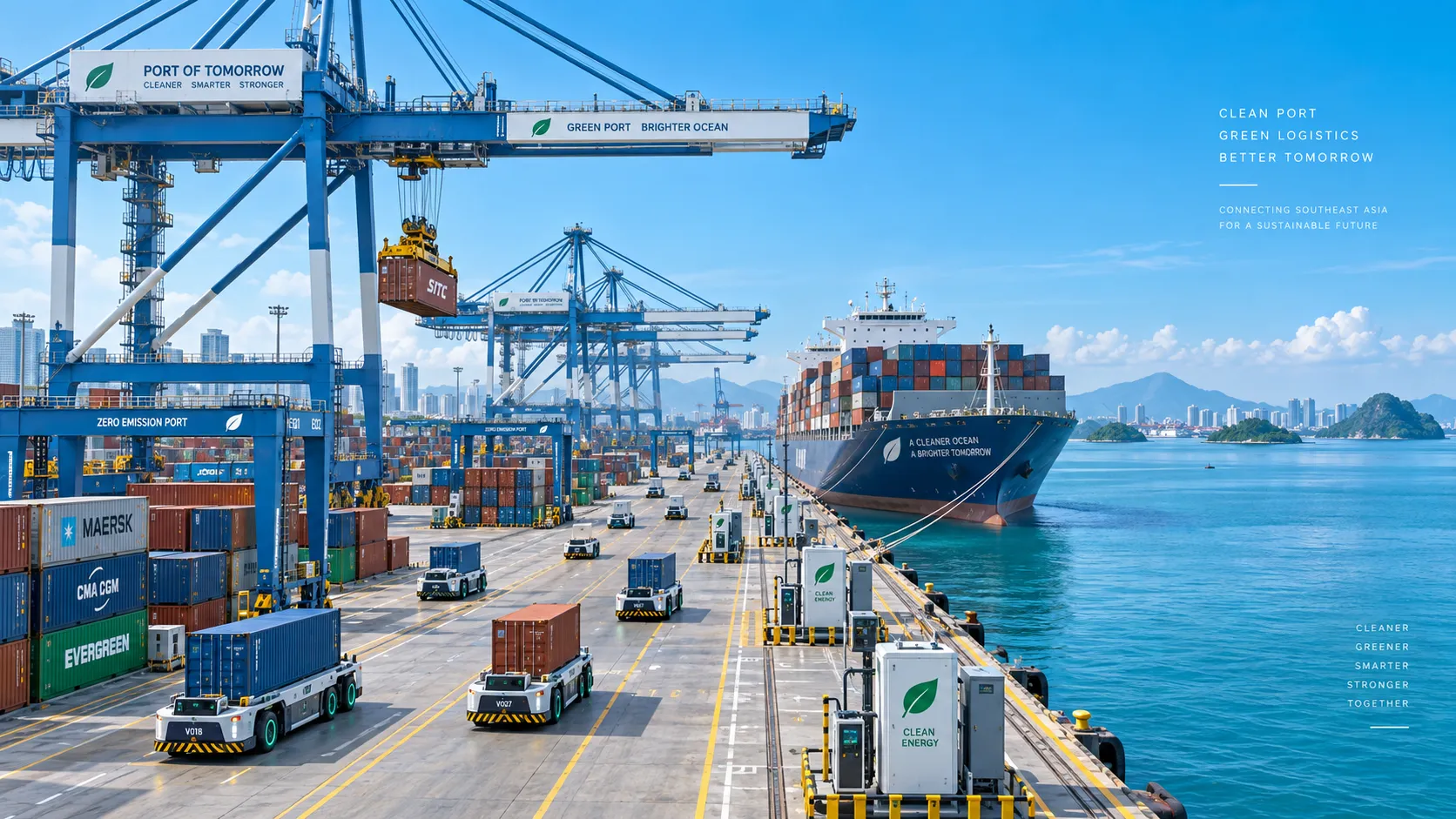
Smart Port Systems in Southeast Asia: Investment Priorities and Adoption Barriers
Smart port systems Southeast Asia: discover investment priorities, adoption barriers, and practical steps to build resilient, connected, high-performing terminals.
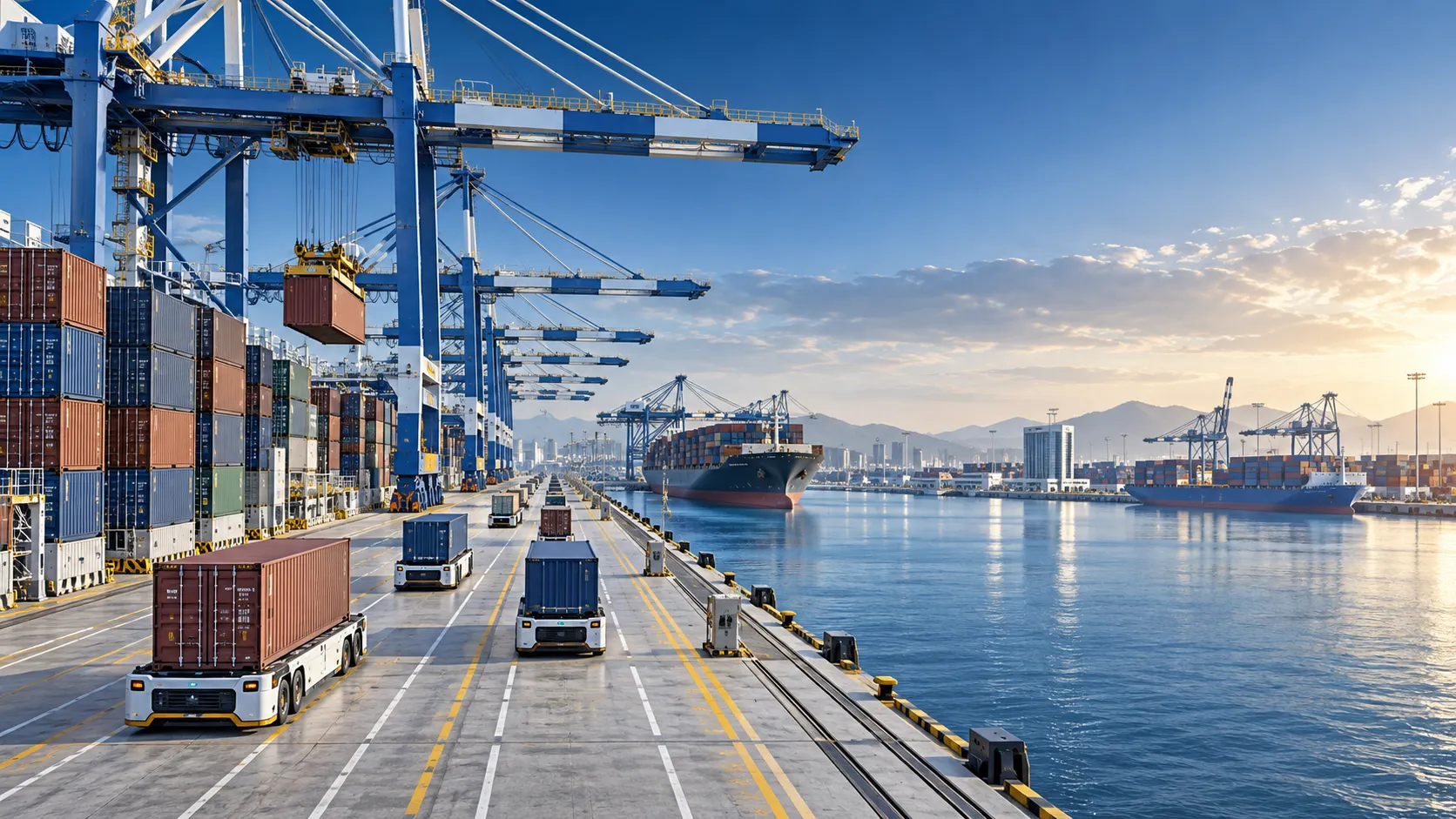
How to Evaluate Terminal Efficiency Solution Suppliers for High-Throughput Operations
Choose a terminal efficiency solutions supplier with confidence. Explore proven criteria for throughput, integration, lifecycle cost, safety, and reliable delivery.
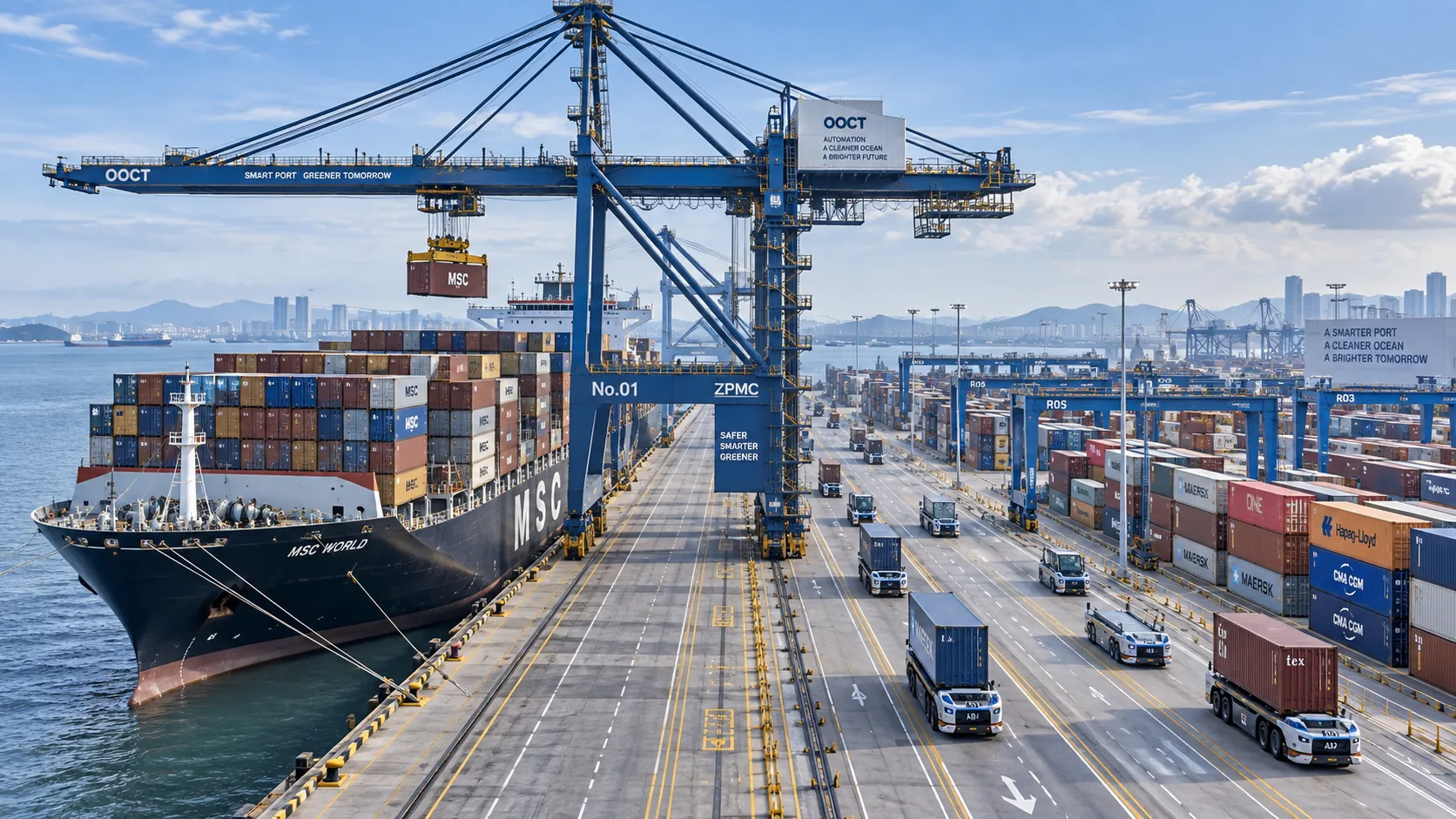
How to Specify a Quay Crane for Container Terminals by Vessel Size and Throughput?
Quay crane for container terminals: learn how to match outreach, lift height, capacity, automation, and cycle performance to vessel size and throughput goals.
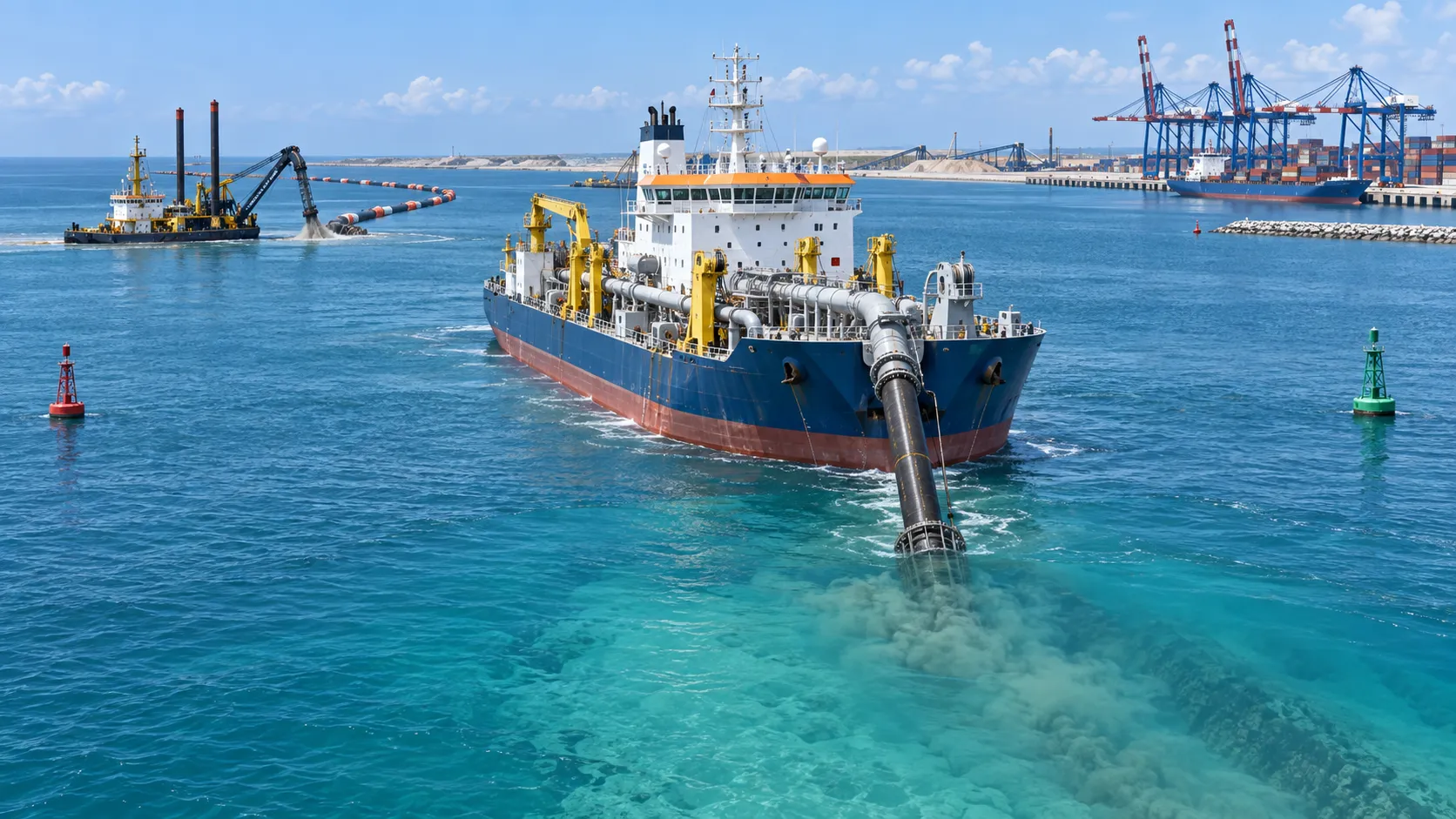
What Dredging Equipment Is Needed for Channel Deepening?
What dredging equipment is needed for channel deepening? Explore dredgers, pipelines, survey tools, and planning strategies for safer, more efficient port access.
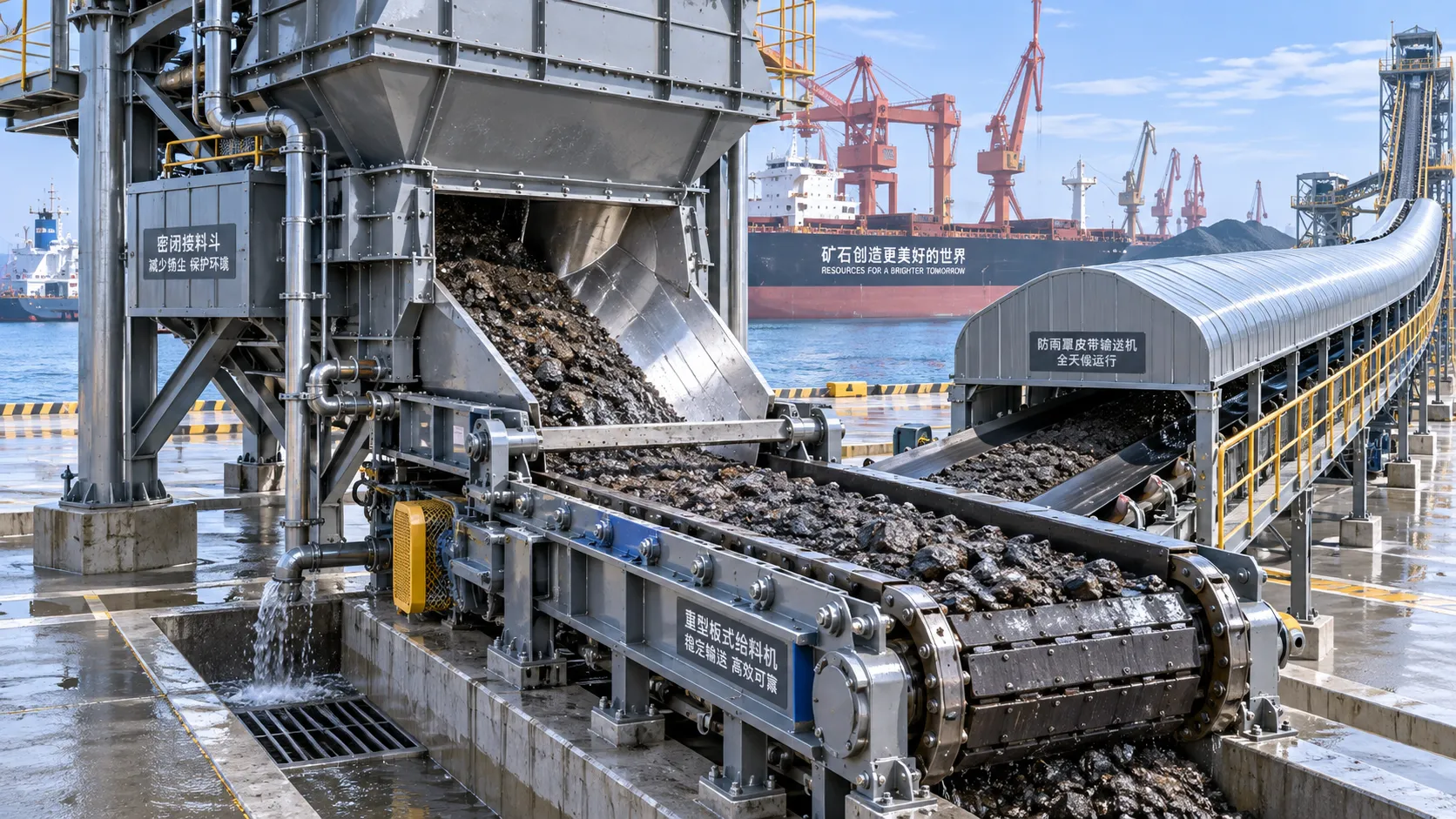
Which Bulk Handling Equipment Suits High-Moisture Cargo?
Which bulk handling equipment suits high-moisture cargo? Compare belt, apron, screw, drag, and slurry systems for reliable flow, less carryback, and higher terminal uptime.
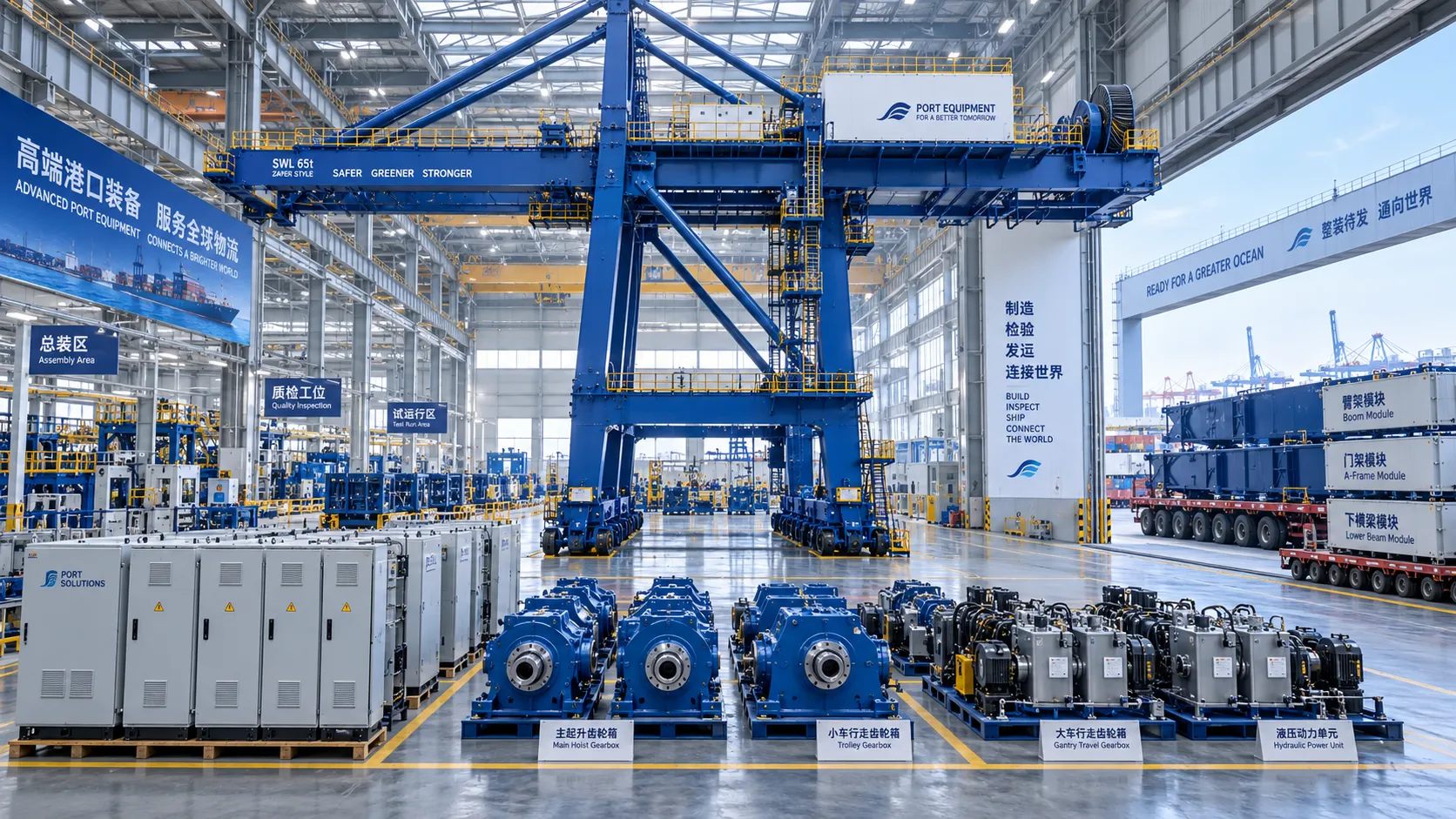
How Can Port Equipment Lead-Time Risk Be Managed?
How can port equipment lead-time risk be managed? Explore practical strategies to control critical paths, suppliers, transport, site readiness, and commissioning delays.
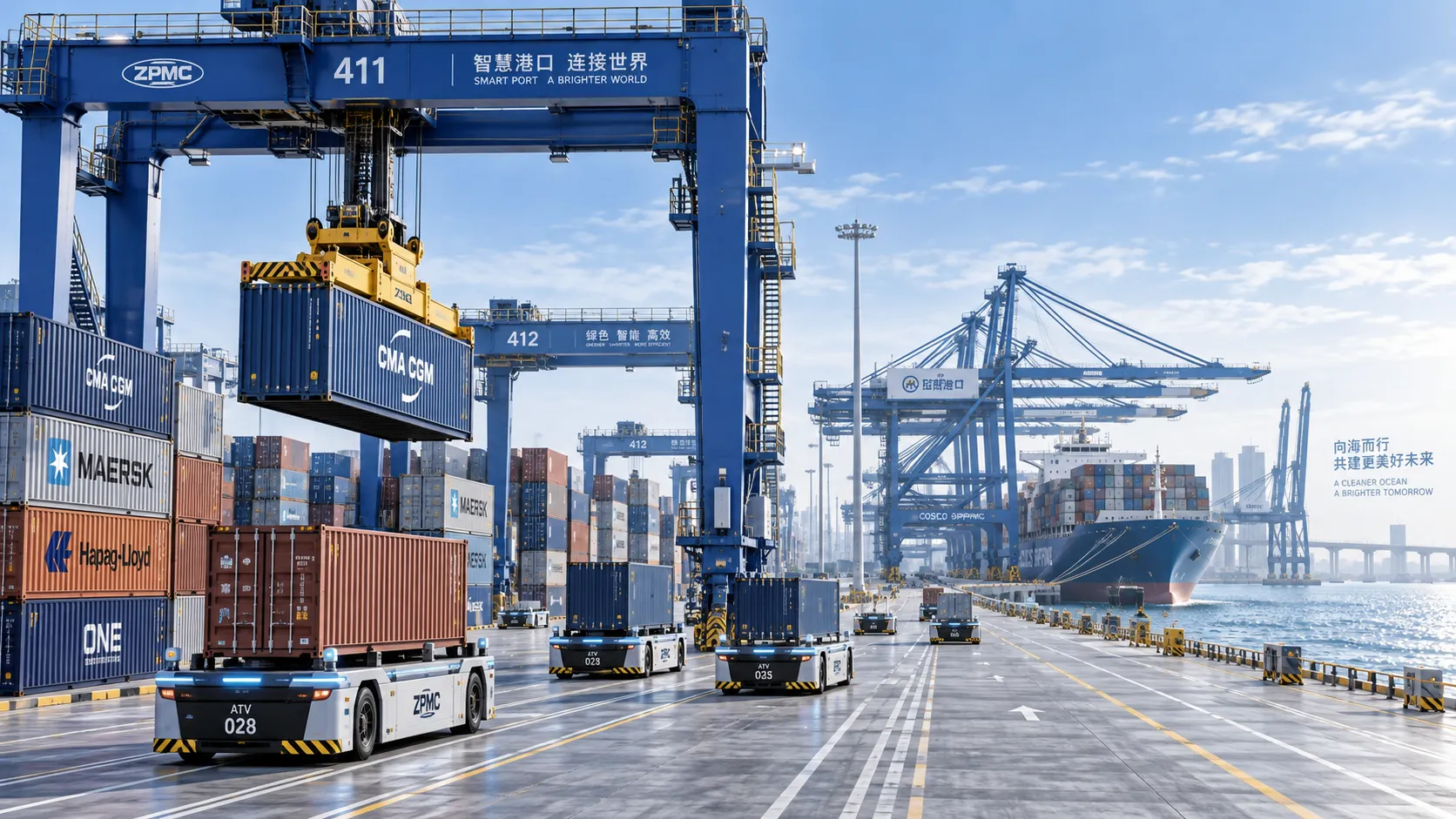
Terminal Automation Technologies That Raise Container Throughput Without Yard Disruption
Terminal automation technology that increases container throughput without disrupting yard flow. Explore smarter integration, resilient workflows, and phased deployment strategies.
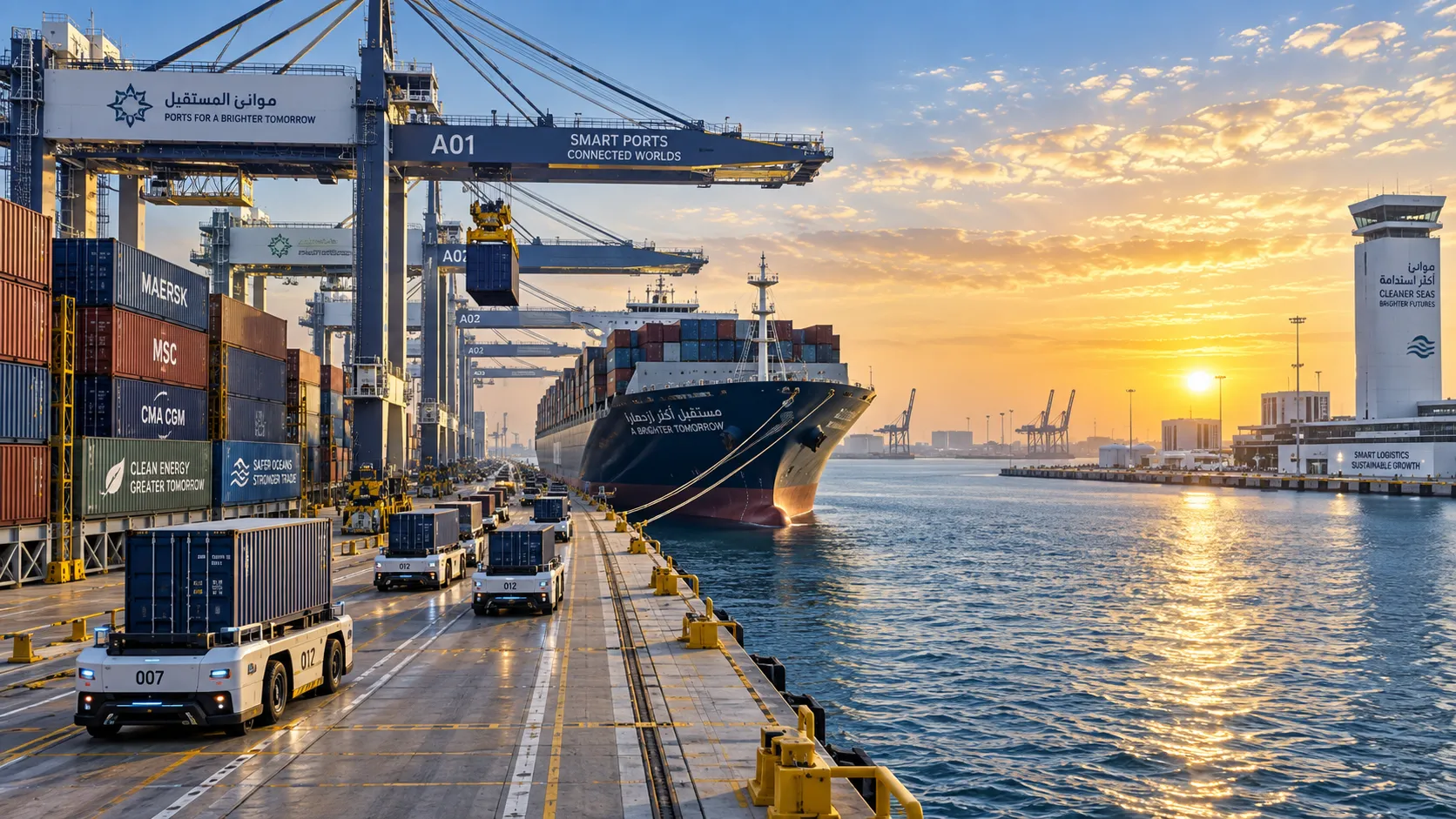
Middle East Port Automation: Key Market Drivers, Projects, and Investment Risks
Port automation systems Middle East: explore market drivers, flagship projects, integration challenges, and investment risks shaping smarter, resilient terminals.
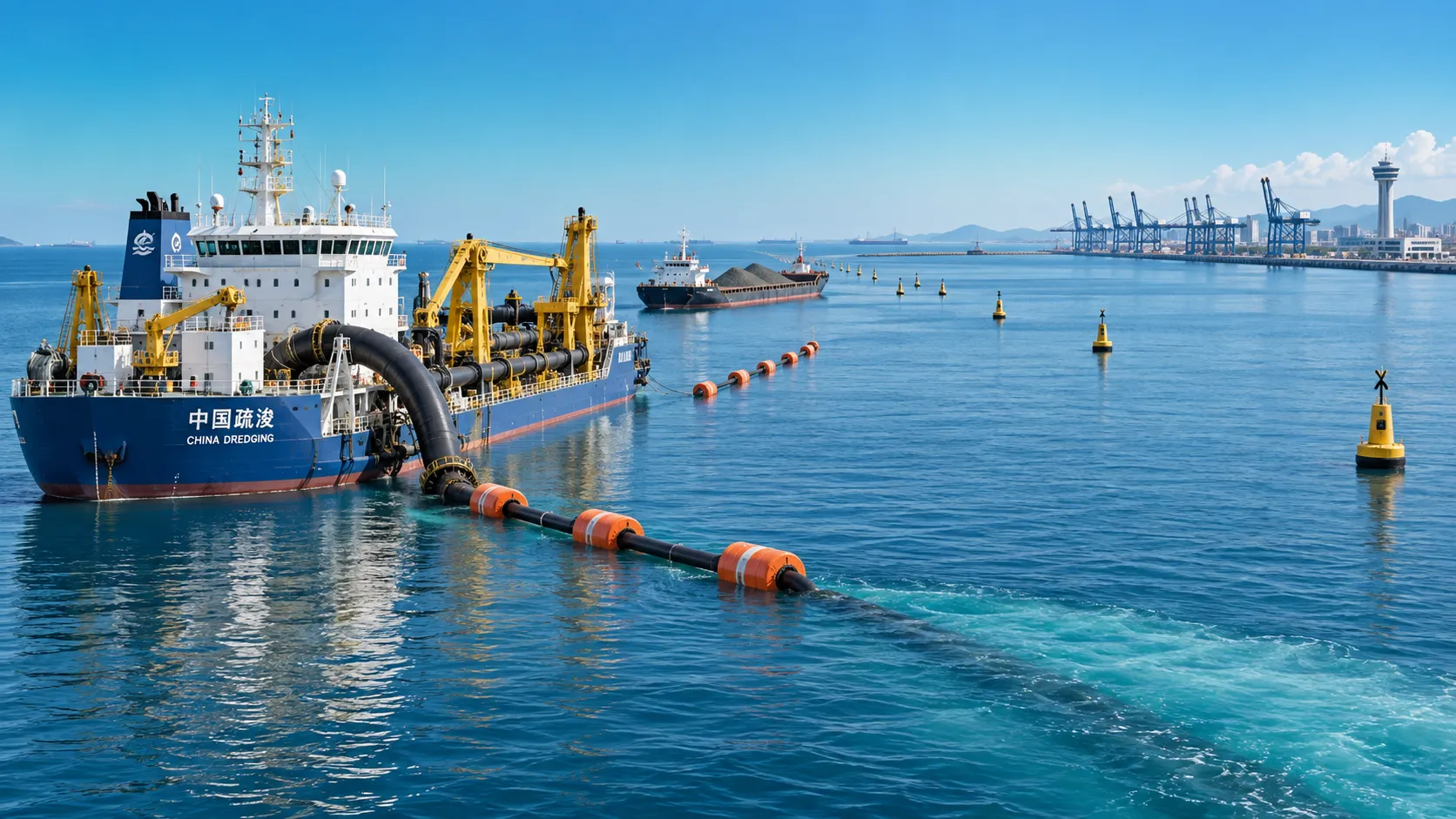
Planning Offshore Dredging Operations: Key Risks, Methods, and Project Controls
Offshore dredging operations demand smart planning. Explore key risks, proven methods, environmental controls, and project strategies for reliable delivery.