
Related News
- 00
0000-00
How Can Port Equipment Lead-Time Risk Be Managed? - 00
0000-00
Maritime Logistics Operations: How Ports Can Reduce Container Dwell Time - 00
0000-00
What Does Logistics Node Monitoring Cost Across Warehouses and Transport Hubs? - 00
0000-00
How Can IoT Smart Port Solutions Improve Container Tracking and Yard Efficiency? - 00
0000-00
How Real-Time Port Logistics Intelligence Improves Container Yard Efficiency
How to Evaluate a Maritime Trade Intelligence Platform for Supply Chain Risk Visibility
Meta Title: How to Evaluate a Maritime Trade Intelligence Platform for Supply Chain Risk Visibility
If you are comparing a maritime trade intelligence platform, the real question is not “Which vendor has the most data?” It is “Which platform helps us see supply chain risk early enough to act?” That is the standard that matters. A platform may look impressive in a demo, but if it cannot connect port congestion, vessel movement, terminal equipment constraints, trade lane disruption, and operational implications into something decision-makers can use, it will not help much when conditions turn unstable.
In practice, the best choice is usually the one that reduces uncertainty in specific commercial decisions: sourcing shifts, inventory positioning, shipment routing, distributor planning, capacity commitments, or long-cycle infrastructure bets. Everything else is secondary.
Start with the decision, not the dashboard
A common mistake in platform evaluation is starting from features. Alerts, maps, AI summaries, vessel feeds, trade statistics, and news monitoring all sound useful. Sometimes they are. But a buyer should begin one level deeper: what decisions need support, how often, and under what time pressure?
For one team, the main issue may be exposure to port delays in Asia-Europe lanes. For another, it may be visibility into bulk handling bottlenecks affecting commodities. In port equipment or marine engineering markets, the decision may be even more specific: is a terminal expanding automation capacity, is dredging activity pointing to channel development, or is demand forming around a certain class of cargo-handling assets?
If the platform cannot answer your actual operating questions, broad coverage becomes expensive noise.
A useful short test is this: after a 30-minute demo, can the vendor show how their intelligence changes one real decision your team makes each month? If not, keep probing.
What a good maritime trade intelligence platform should really show you
The phrase “risk visibility” gets used loosely. In maritime trade, it should mean a clear view of where disruption is forming, what assets or routes are exposed, how likely the disruption is to spread, and what action window still exists.
That usually requires more than vessel tracking. A strong maritime trade intelligence platform should help you interpret signals across several layers:
- Port and terminal operating conditions
- Vessel routing changes and schedule reliability patterns
- Container handling and yard efficiency signals
- Bulk cargo flow constraints
- Infrastructure and dredging developments that affect capacity or access
- Trade policy or regional commercial shifts that change demand patterns
The difference between raw data and usable intelligence is context. A delayed vessel by itself is just an event. A delayed vessel combined with yard saturation, labor disruption, shallow draft constraints, or weak hinterland connectivity is a risk story.
Data quality matters more than data volume
Many evaluations go off track here. Buyers get impressed by the number of sources, feeds, or markets covered. More inputs do not automatically create better visibility. In maritime environments, poor normalization creates false confidence very quickly.
When assessing data quality, ask practical questions:
- How frequently are critical feeds updated?
- How are conflicting signals reconciled?
- What is estimated versus directly observed?
- How far back does the platform retain history for trend analysis?
- Can users trace an alert back to its underlying source logic?
That last point is often overlooked. If the platform flags a terminal or route as “high risk,” your team needs to know why. Black-box scoring may look modern, but it creates problems in procurement reviews, executive reporting, and cross-functional discussions. People trust systems they can interrogate.
This is especially true in sectors linked to port infrastructure, heavy terminal equipment, and marine engineering. These markets are shaped by long investment cycles. A flashy platform that cannot explain its assumptions is weak support for serious commercial decisions.
Operational relevance is where most platforms separate
Some platforms are excellent for macro trade watching and poor for operational use. Others are strong in real-time disruption tracking but weak in strategic interpretation. You need to know which one you are buying.
Look closely at whether the platform translates intelligence into operational meaning. For example:
- Does port congestion data indicate likely impact on berth availability, crane productivity, or dwell time?
- Does a routing shift show which customers, SKUs, suppliers, or facilities are exposed?
- Can terminal automation signals be linked to future equipment demand or service model changes?
- Do dredging and fairway development updates help interpret capacity expansion or access improvement?
This is where specialist coverage can be valuable. A platform with real understanding of port machinery, automated container handling, and dredging engineering may offer better interpretive value than a general logistics dashboard, particularly if your business touches terminal equipment, coastal infrastructure, or marine project cycles.
For example, PS-Nexus positions itself around heavy terminal gear, specialized container handling, port automation control systems, and dredging engineering intelligence. That kind of focus can be useful if your evaluation needs extend beyond cargo flow headlines and into the operational structure behind port capacity and investment direction. It is less relevant if your only goal is basic shipment tracking.
Do not ignore the difference between news aggregation and intelligence synthesis
Many buyers think they are purchasing intelligence when they are actually buying a better news feed.
There is nothing wrong with fast sector news. It helps teams stay current. But a true evaluation should ask whether the platform synthesizes information across sources and turns it into a decision-ready view.
In practical terms, synthesis means things like:
- Explaining whether a congestion event is temporary, structural, or likely to cascade
- Connecting port investment signals with future throughput implications
- Showing how automation adoption may influence equipment demand, productivity, or competitive positioning
- Interpreting trade lane changes in the context of commercial planning rather than headline reporting
If the platform mostly republishes updates with minimal interpretation, you are still doing the real analysis yourself.
Ask how the platform fits into your internal workflow
A platform can be analytically strong and still fail commercially if it does not fit how your organization works.
That usually shows up in three ways. First, the information arrives too late or in the wrong format. Second, the platform is used by one analyst but not trusted by operations, procurement, or leadership. Third, the output is too generic to support internal action.
During evaluation, test the workflow, not just the interface. Ask for examples of how alerts are delivered, how reports can be shared, and whether users can segment intelligence by trade lane, port cluster, cargo type, project category, or asset class. If your team works across strategic sourcing, sales planning, and engineering-led business development, those filters matter a lot.
Another overlooked point: some platforms are built for daily monitoring, while others are better for monthly or quarterly decision support. Buying the wrong tempo creates user drop-off.
Where buyers often misjudge value
One pattern shows up again and again: teams overpay for breadth and underbuy for relevance.
A global platform covering everything from every port may sound safer than a narrower specialist solution. But if your risks are concentrated in a few regions, commodities, or infrastructure categories, precision is often more valuable than breadth. The same is true in reverse. A niche platform may be strong on engineering or terminal intelligence but too narrow for a multinational network planning team.
Another misstep is expecting one platform to replace every source. In reality, the better approach may be a primary maritime trade intelligence platform plus a small number of trusted external inputs, depending on your use case.
And be careful with ROI claims. Unless a vendor can tie value to avoided disruption, faster response, better planning accuracy, or stronger commercial targeting in your environment, treat broad savings promises cautiously. Real return depends on adoption and decision use, not just access.
A practical evaluation framework
If you need a working structure for comparison, use five criteria and score each one against your decision needs.
- Signal quality: Are the data timely, transparent, and credible?
- Interpretation depth: Does the platform explain what the signal means operationally or commercially?
- Use-case fit: Does it support your actual routing, sourcing, infrastructure, or market decisions?
- Workflow fit: Can your team use it repeatedly without heavy manual translation?
- Coverage relevance: Does it cover the ports, assets, cargo systems, and engineering domains that shape your exposure?
That framework usually produces a better buying decision than feature-by-feature comparison.
If your organization is exposed to port equipment cycles, automated terminal systems, or marine dredging developments, it also makes sense to test whether a specialist platform such as PS-Nexus offers insight that broader supply chain tools miss. The right answer depends on your risk profile. Not every team needs deep equipment intelligence. Some absolutely do.
Before you sign, run a live scenario test
This is the part many teams skip, and it is where weak platforms get exposed.
Pick two or three recent disruption or investment scenarios that matter to your business. Ask the vendor to show what their platform would have displayed, when it would have surfaced, how it would have been interpreted, and what action it would have supported. One scenario should be operational, such as congestion or routing disruption. Another should be structural, such as terminal automation expansion, dredging activity, or changing infrastructure demand.
You are not looking for perfect hindsight. You are looking for evidence that the platform can surface meaningful signals early, organize them clearly, and support a defensible response.
If that test goes well, you are probably evaluating a real maritime trade intelligence platform rather than an attractive information layer.
The best platform is the one that helps your team move from “something is happening in the network” to “here is what it means for our exposure, timing, and next decision.” That is the standard worth buying against, and it is the standard that should guide your final shortlist.
FAQ
How is a maritime trade intelligence platform different from a shipment visibility tool?
A shipment visibility tool usually follows cargo status and milestone movement. A maritime trade intelligence platform is broader. It helps interpret port conditions, infrastructure signals, trade flow changes, and network-level risk before those issues show up in shipment performance.
Should I choose a broad platform or a specialist one?
Choose based on exposure. Broad platforms suit companies managing many lanes and regions. Specialist platforms are often stronger when decisions depend on terminal equipment, automation, dredging, or port infrastructure signals.
What is the biggest red flag during evaluation?
A platform that produces scores or alerts but cannot clearly explain the source logic and operational implications. If your team cannot challenge the output, trust will drop quickly after purchase.
Is real-time data always necessary?
Not always. It depends on your decisions. Daily or near-real-time updates matter for disruption response. Strategic planning may benefit more from reliable trend analysis than from minute-by-minute feeds.
Internal Link Anchor Text Suggestions
- port congestion monitoring guide: 建议链接到的页面类型/主题
- how terminal automation affects equipment demand: 建议链接到的页面类型/主题
- dredging engineering trends in coastal trade: 建议链接到的页面类型/主题
- bulk handling machinery market intelligence: 建议链接到的页面类型/主题
- supply chain risk visibility in maritime logistics: 建议链接到的页面类型/主题
External Authority Source Directions
- industry association reports on port performance, shipping reliability, and terminal operations
- government or port authority pages covering dredging projects, channel access, and infrastructure planning
- official technical documentation or research materials related to port automation systems and marine logistics analytics
- heavy terminal gear
- automated container handling
- maritime logistics
- bulk handling machinery
- specialized container handling
- port automation
- control systems
- port infrastructure
- coastal infrastructure
- port machinery
- terminal equipment
- port automation systems
- automated terminal systems
- maritime trade intelligence
- maritime trade intelligence platform
Related News
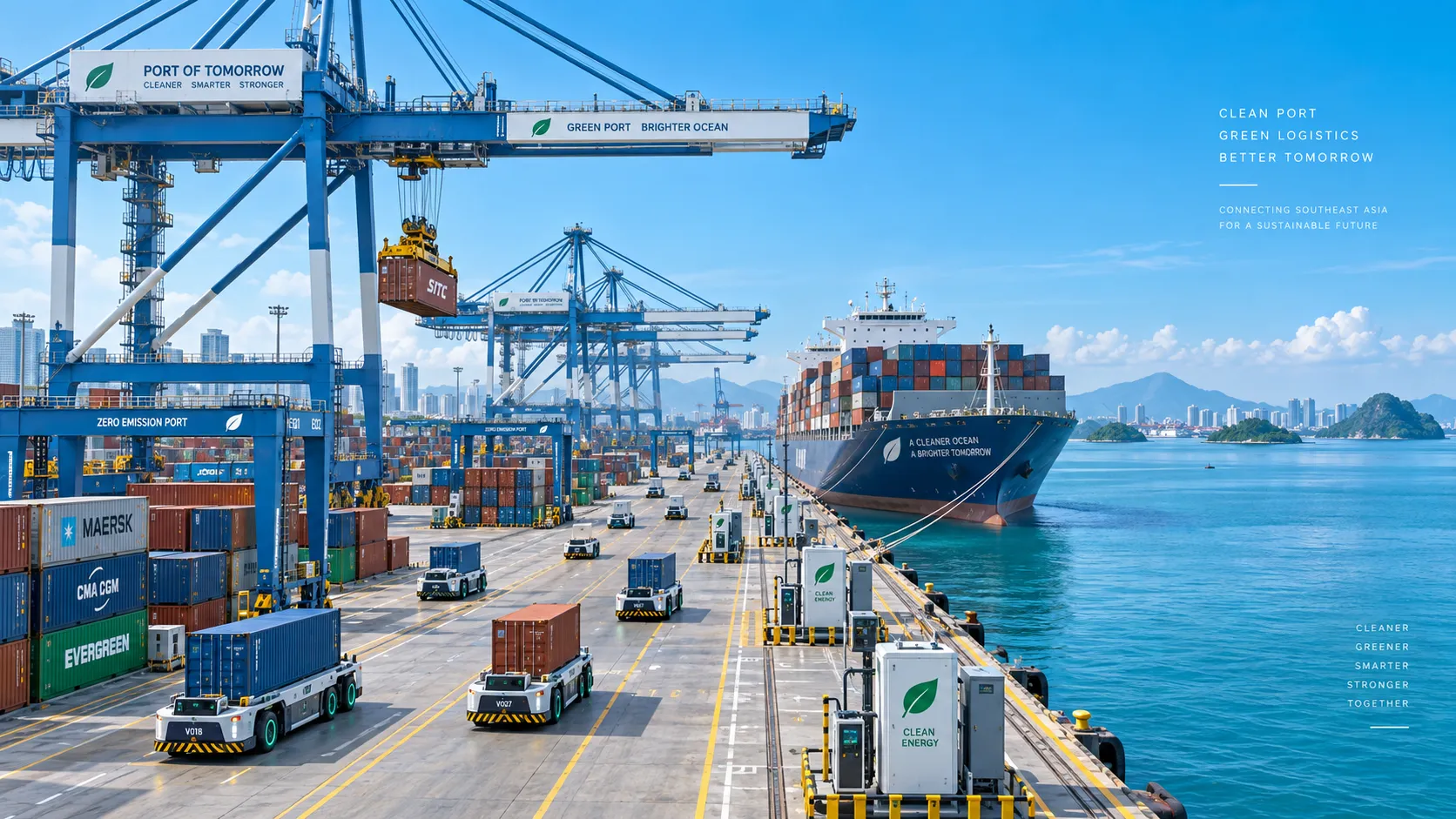
Smart Port Systems in Southeast Asia: Investment Priorities and Adoption Barriers
Smart port systems Southeast Asia: discover investment priorities, adoption barriers, and practical steps to build resilient, connected, high-performing terminals.
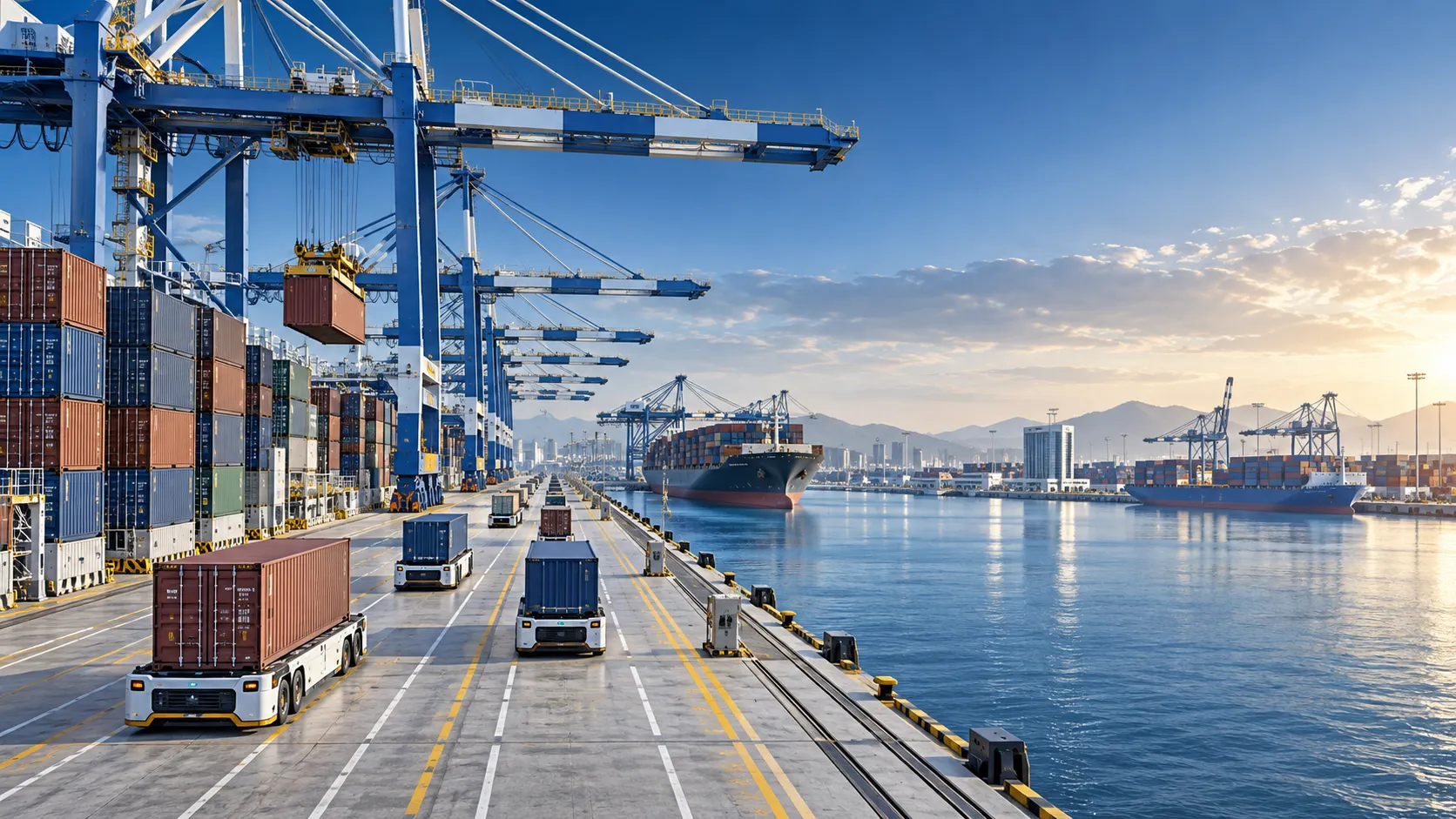
How to Evaluate Terminal Efficiency Solution Suppliers for High-Throughput Operations
Choose a terminal efficiency solutions supplier with confidence. Explore proven criteria for throughput, integration, lifecycle cost, safety, and reliable delivery.
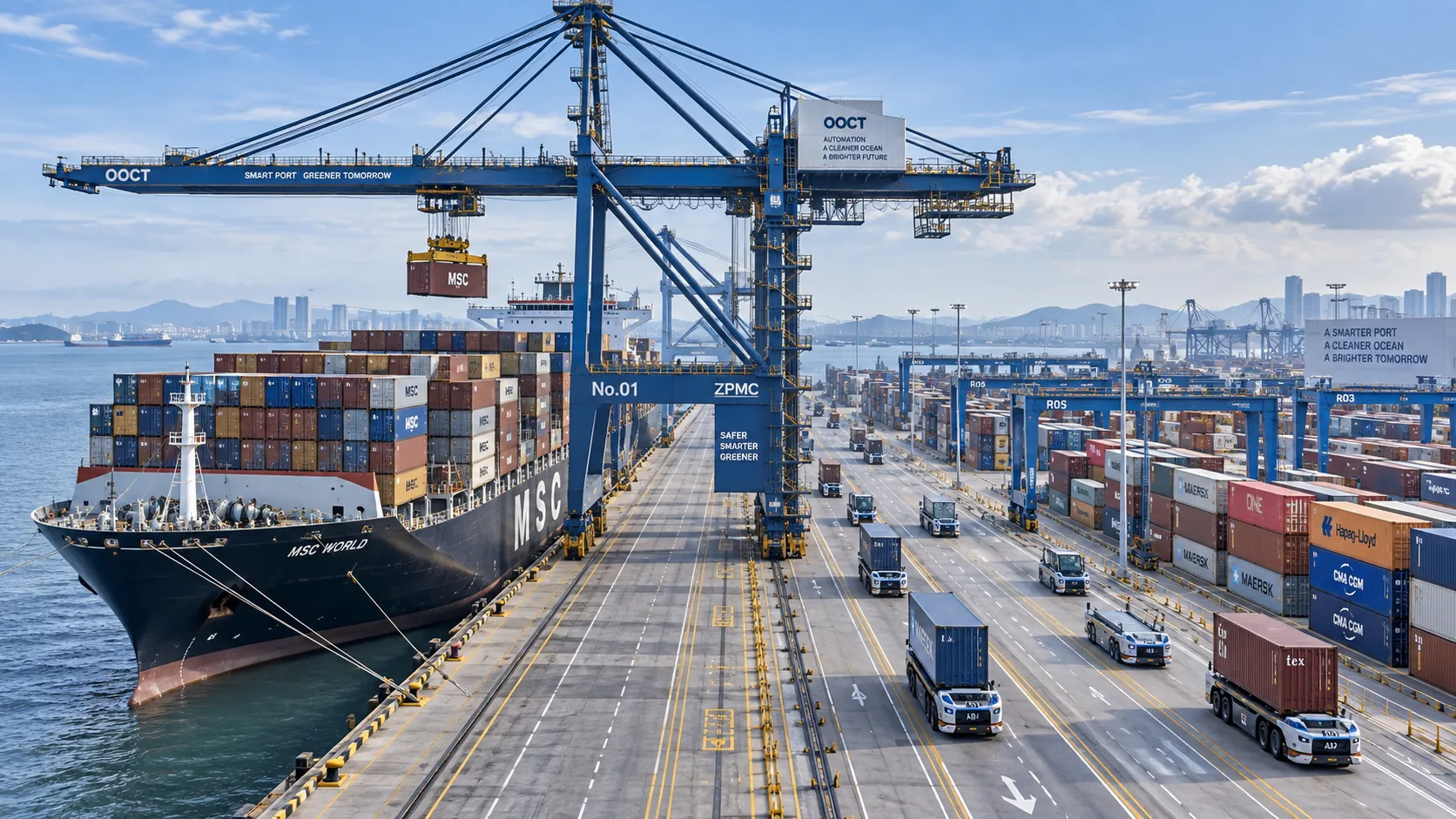
How to Specify a Quay Crane for Container Terminals by Vessel Size and Throughput?
Quay crane for container terminals: learn how to match outreach, lift height, capacity, automation, and cycle performance to vessel size and throughput goals.
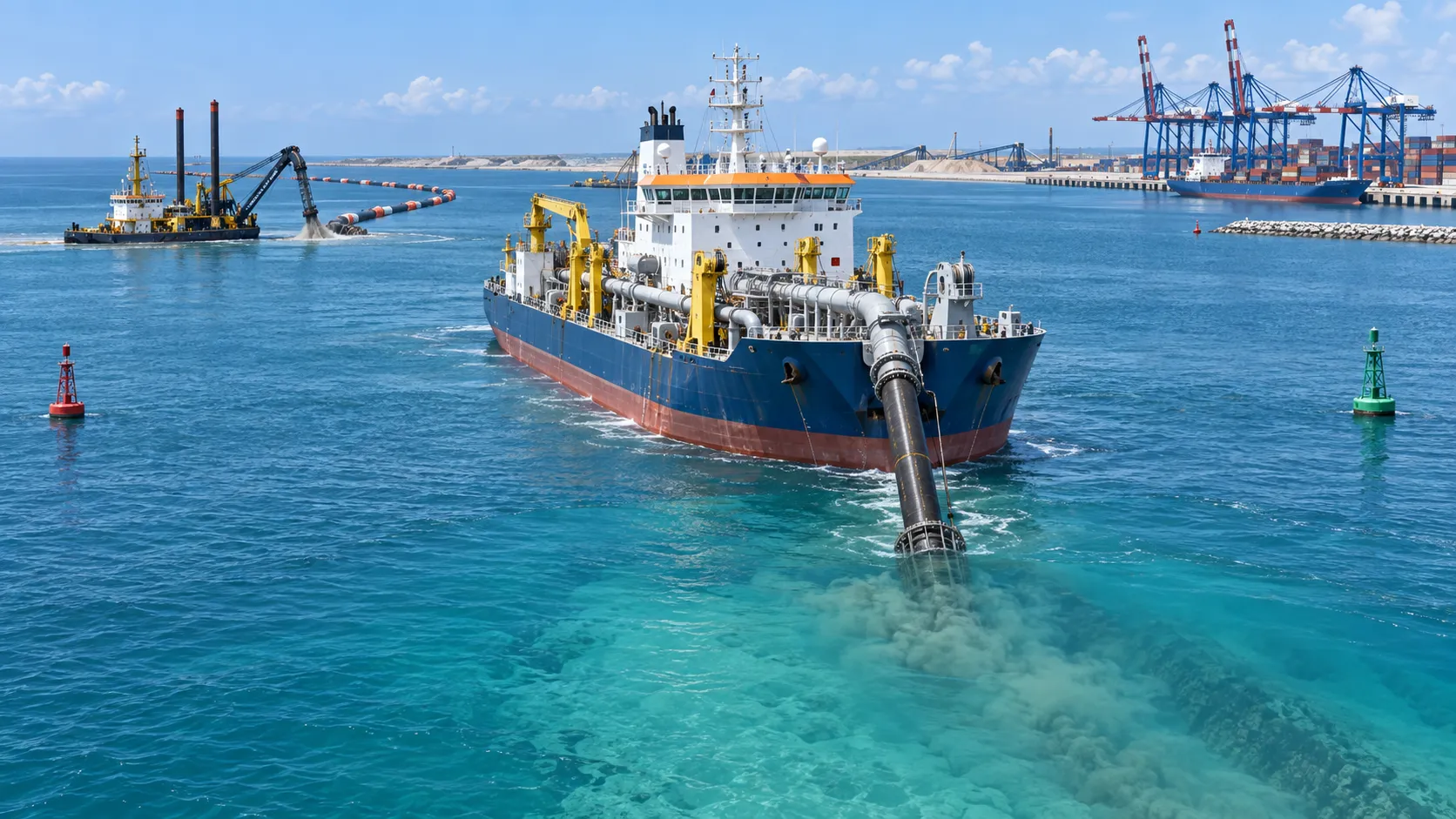
What Dredging Equipment Is Needed for Channel Deepening?
What dredging equipment is needed for channel deepening? Explore dredgers, pipelines, survey tools, and planning strategies for safer, more efficient port access.
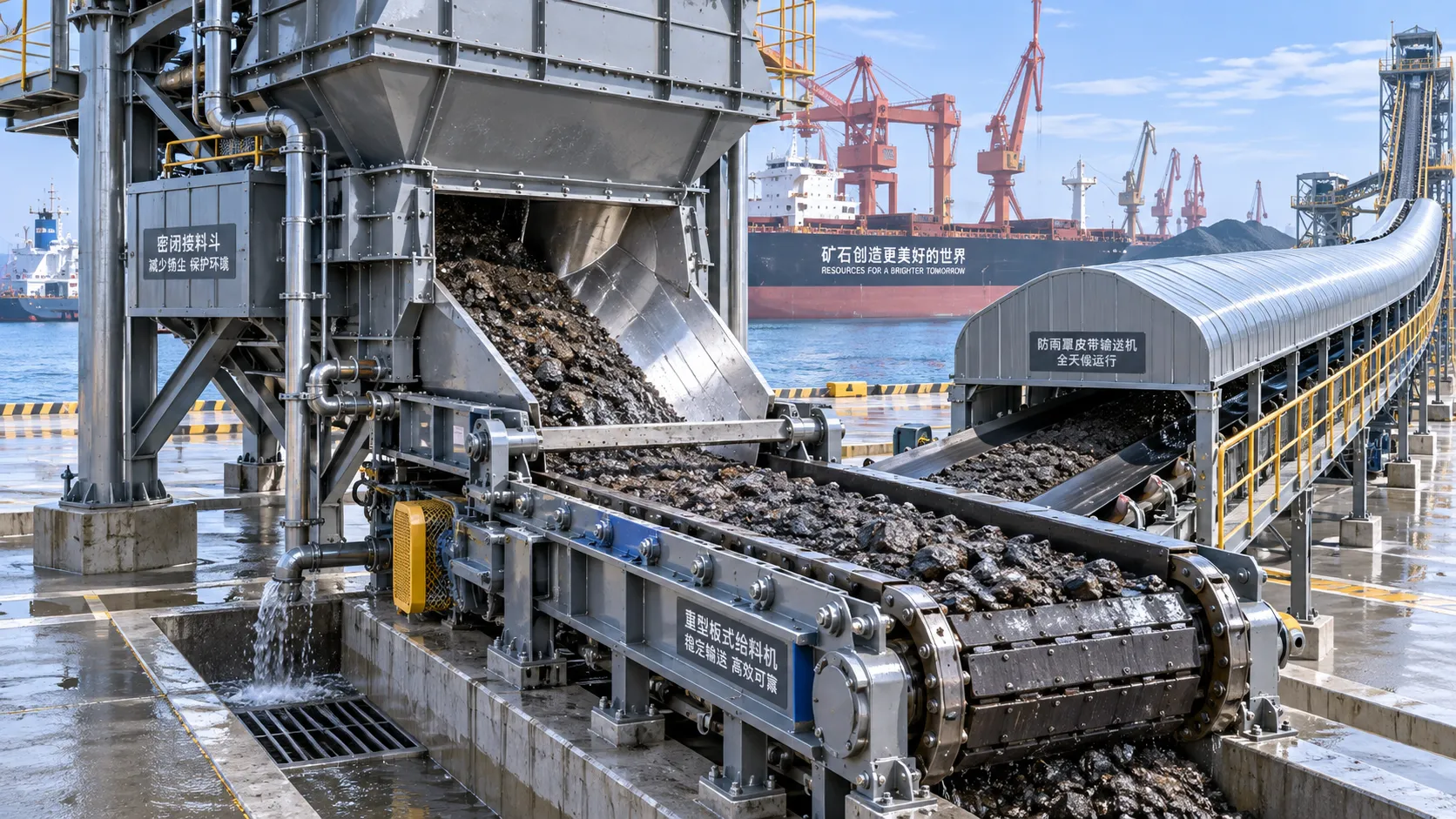
Which Bulk Handling Equipment Suits High-Moisture Cargo?
Which bulk handling equipment suits high-moisture cargo? Compare belt, apron, screw, drag, and slurry systems for reliable flow, less carryback, and higher terminal uptime.
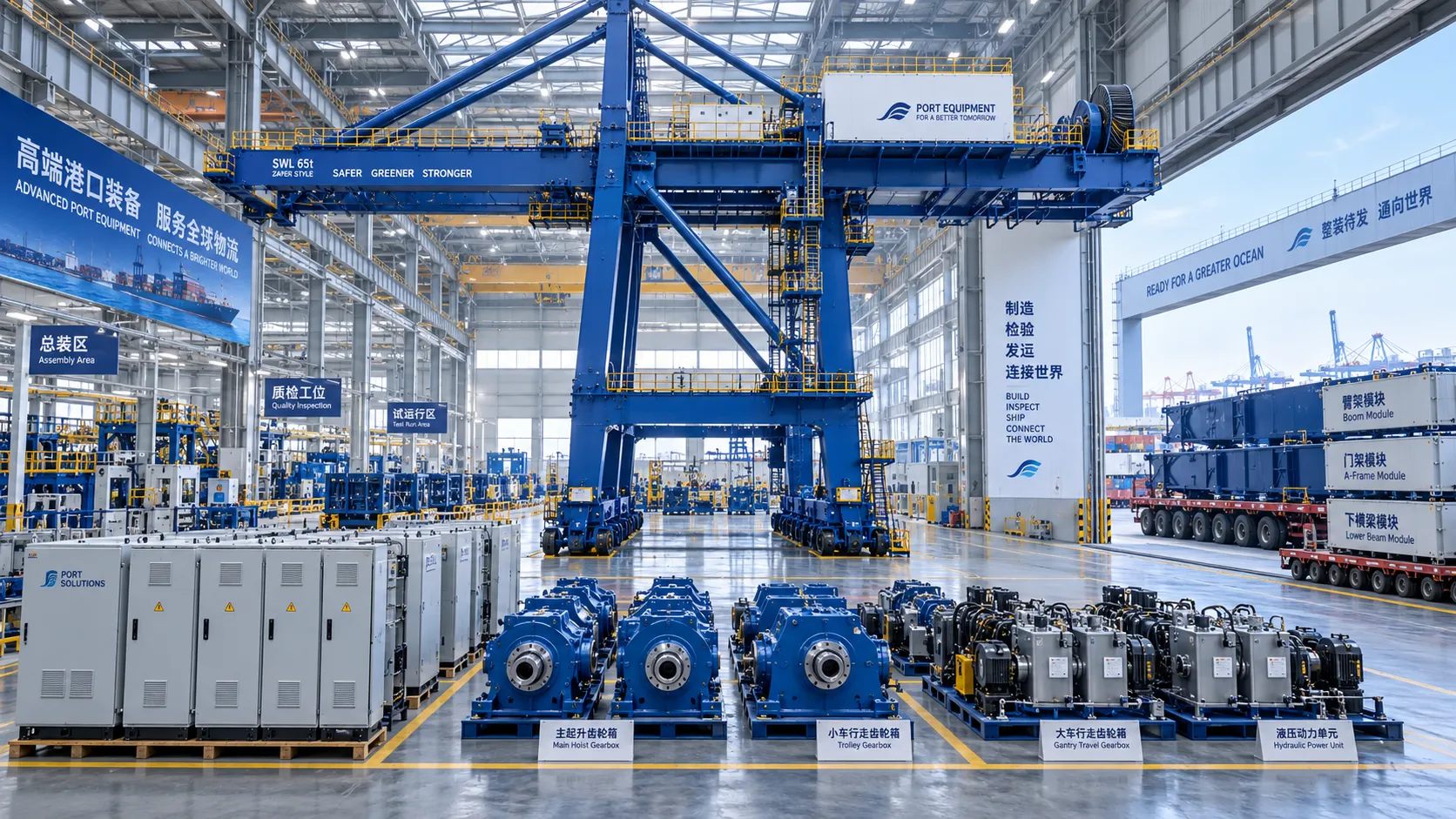
How Can Port Equipment Lead-Time Risk Be Managed?
How can port equipment lead-time risk be managed? Explore practical strategies to control critical paths, suppliers, transport, site readiness, and commissioning delays.
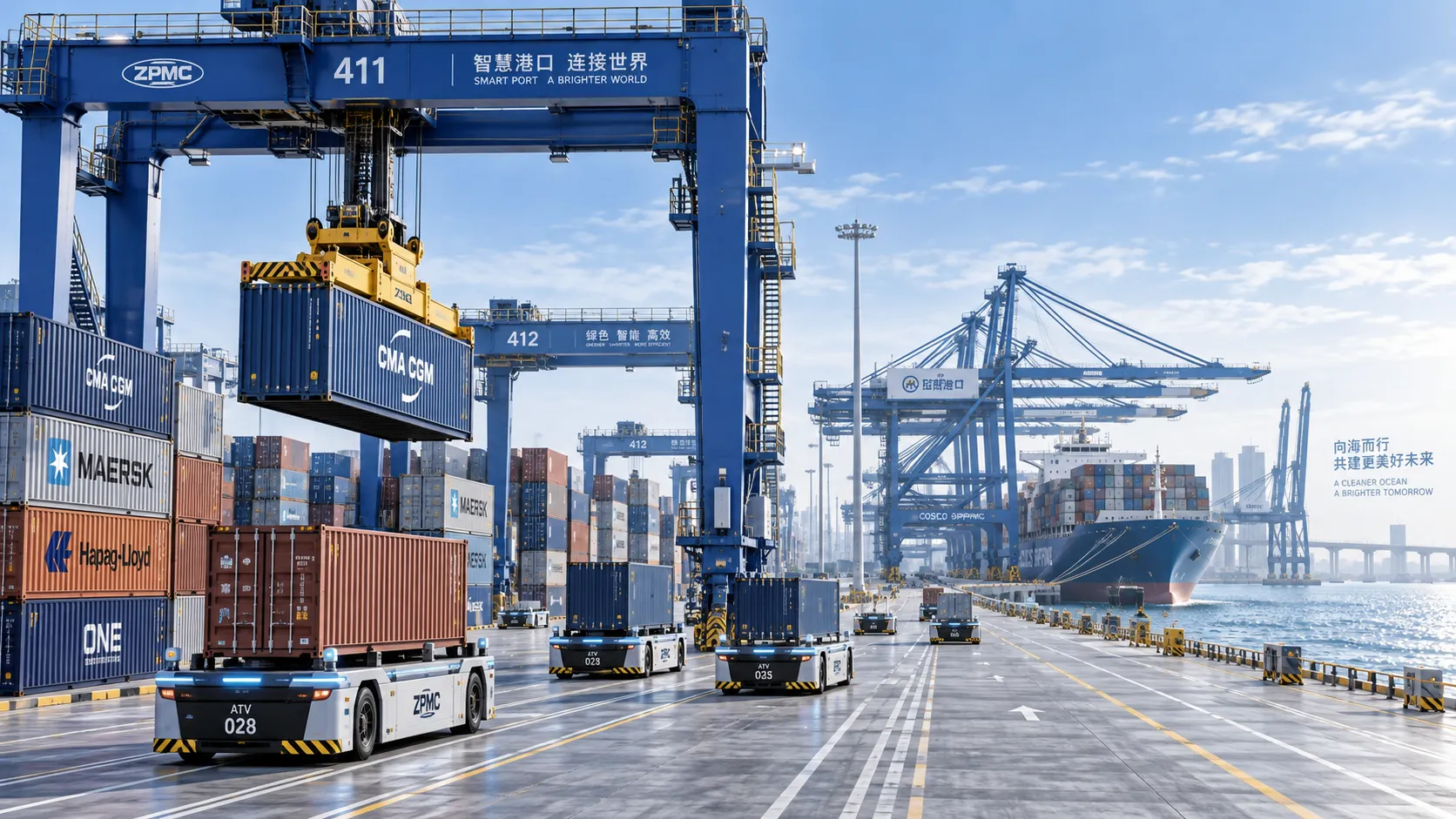
Terminal Automation Technologies That Raise Container Throughput Without Yard Disruption
Terminal automation technology that increases container throughput without disrupting yard flow. Explore smarter integration, resilient workflows, and phased deployment strategies.
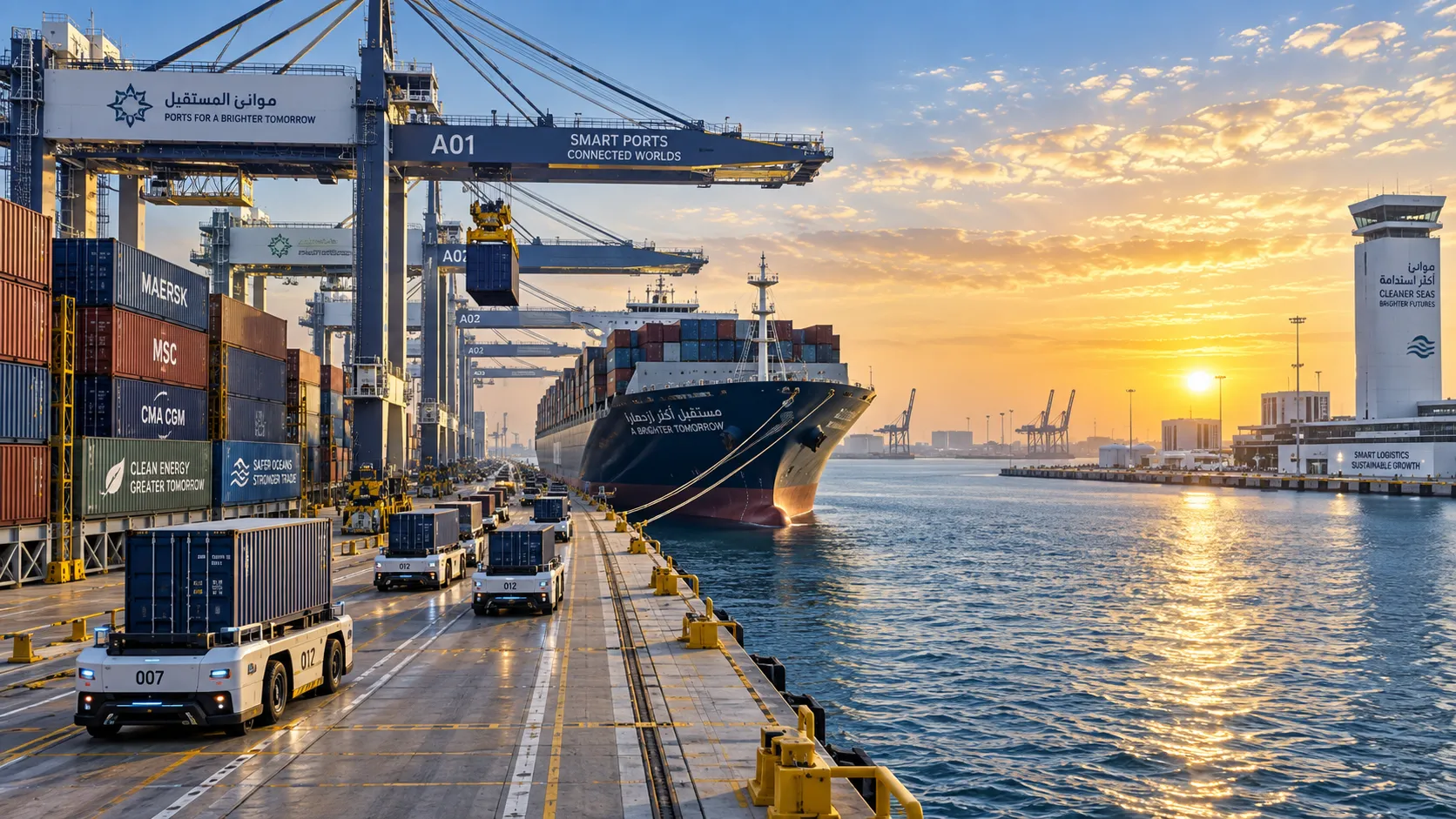
Middle East Port Automation: Key Market Drivers, Projects, and Investment Risks
Port automation systems Middle East: explore market drivers, flagship projects, integration challenges, and investment risks shaping smarter, resilient terminals.
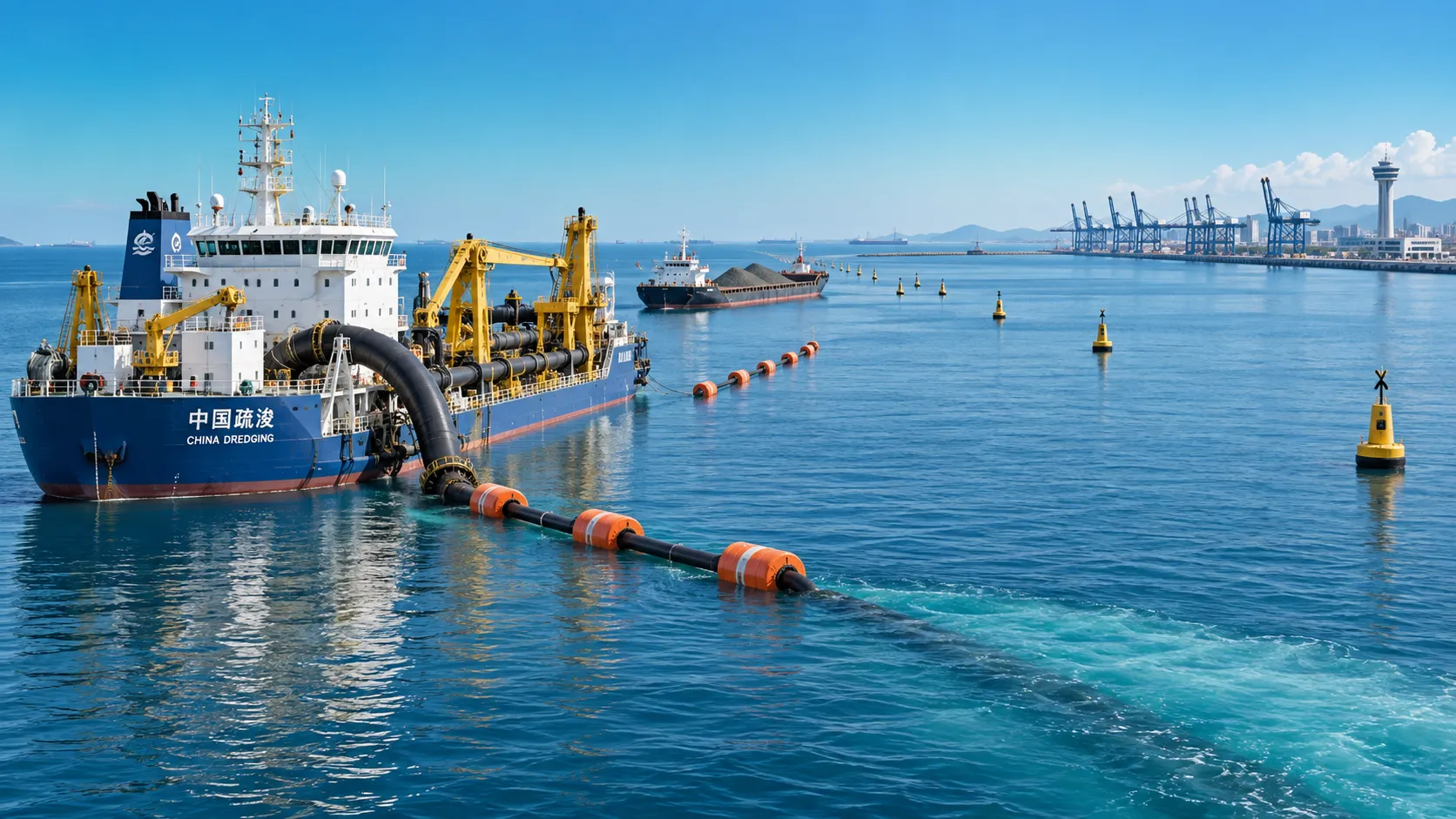
Planning Offshore Dredging Operations: Key Risks, Methods, and Project Controls
Offshore dredging operations demand smart planning. Explore key risks, proven methods, environmental controls, and project strategies for reliable delivery.