Related News
- 00
0000-00
How Can Port Equipment Lead-Time Risk Be Managed? - 00
0000-00
Maritime Logistics Operations: How Ports Can Reduce Container Dwell Time - 00
0000-00
What Does Logistics Node Monitoring Cost Across Warehouses and Transport Hubs? - 00
0000-00
How Can IoT Smart Port Solutions Improve Container Tracking and Yard Efficiency? - 00
0000-00
How Real-Time Port Logistics Intelligence Improves Container Yard Efficiency
How to Choose a Marine Logistics Solutions Supplier for Port and Offshore Operations
How to Choose a Marine Logistics Solutions Supplier for Port and Offshore Operations
Choosing the right marine logistics solutions supplier can directly affect port efficiency, offshore safety, and long-term operating costs. For procurement teams buying terminal equipment, automation systems, dredging support, or related services, the real challenge is not finding a vendor with a broad brochure. It is finding a partner that can handle complex interfaces, keep delivery risk under control, and stay useful after commissioning.
That is where many sourcing decisions go wrong. A supplier may be strong in one layer of the chain and weak in another. They may know the hardware but not the control logic, or understand crane specification but not marine site constraints, or promise quick delivery without a realistic plan for installation, integration, and maintenance. In port and offshore operations, those gaps show up later as downtime, change orders, and avoidable cost.
Start with the operating environment, not the catalog
Before comparing suppliers, define the job the equipment or solution must actually do. A quay crane for a high-throughput container terminal has very different priorities from bulk handling machinery, specialized container transfer systems, or dredging equipment used to maintain fairways. Offshore operations add another layer: weather windows, vessel access, remote monitoring, corrosion exposure, and strict maintenance timing often matter more than headline throughput.
This is also where PS-Nexus-style market intelligence becomes useful. A good procurement team does not just look at price sheets. It watches how global shipping rates, logistics node pressure, automation trends, and dredging demand shift over time. That context helps you understand whether you are buying for a stable operating pattern, a growth phase, or a structural upgrade toward automation and net-zero operations. The supplier you choose should be able to discuss that context, not just quote a SKU.
Look for technical depth across the full system
In marine logistics, “technical capability” is broader than machine design. For port terminal gear, it includes structural design, lifting performance, power systems, controls, and maintainability. For automated container handling, it also includes scheduling logic, low-latency communication, AGV path planning, and interface stability with the terminal operating system. For dredging engineering equipment, it can involve pump monitoring, geotechnical conditions, suction performance, and the practical limits of local seabed conditions.
Procurement teams should ask a simple question: can this supplier explain the entire operating chain, or only one piece of it? A strong marine logistics solutions supplier usually understands where mechanical power ends and control logic begins, and where local site constraints change the design. If the answer is vague, the project risk is usually bigger than it looks on paper.
A useful test during evaluation
- Ask how they handle system integration with existing terminal assets.
- Ask what data they need before confirming the solution.
- Ask which parts are standard and which must be customized.
- Ask how service access works after installation.
If a supplier answers only in generalities, that is usually a warning sign. In port projects, unclear boundaries become expensive very quickly.
Service capability matters as much as equipment quality
Procurement often focuses on initial purchase, but the operating team lives with the after-sales reality. For port and offshore assets, uptime depends on spare parts, remote support, field technicians, troubleshooting speed, and the supplier’s ability to coordinate with local contractors. A low bid can become a high-cost choice if service response is slow or parts are hard to source.
This is especially true for automation systems and control platforms. If a crane, AGV fleet, or monitoring system cannot be diagnosed quickly, the issue is rarely isolated. One fault can interrupt yard planning, vessel schedules, and labor deployment. Buyers should therefore review service scope in detail: response windows, escalation path, software update policy, documentation quality, and whether remote diagnostics are actually available in the regions where the assets operate.
Evaluate delivery risk, not just promised lead time
Marine logistics projects are sensitive to schedule slippage. That is true for equipment manufacturing, but also for transport coordination, port access, installation permits, commissioning, and handover. A supplier may quote an attractive delivery date without showing how they manage the real dependencies behind it.
A better partner will be able to explain sourcing bottlenecks, long-lead components, FAT and SAT planning, and what happens if the site is delayed by weather or civil works. For offshore operations, that conversation becomes even more important because vessel timing and environmental conditions can narrow the usable installation window. If the supplier has no contingency logic, the project schedule is fragile from day one.
Check whether the supplier understands local standards and project constraints
Marine projects rarely fail because a supplier lacks a product. They fail because the product is not aligned with the site. Harbor depth, berth geometry, wind exposure, corrosion class, power supply, emissions goals, and local safety rules can all change the final solution. For offshore work, marine environment exposure and maintenance access can be just as important as nominal capacity.
You do not need a supplier that claims to solve every scenario. You need one that knows where the limits are and says so early. If certification, class requirements, or local compliance issues are involved, those points should be confirmed against the specific project standard rather than assumed. In practice, the best suppliers are careful at this stage. They ask more questions than the sales team expected.
Price should be compared against lifecycle cost, not only capex
It is tempting to rank suppliers by upfront cost alone, especially in a procurement cycle with pressure on budget. But in marine logistics, the cheapest offer can be the most expensive over time if energy consumption is high, spare parts are proprietary, maintenance access is poor, or automation stability is weak. Total cost of ownership matters because many of these assets stay in service for years and are hard to replace once embedded into the terminal workflow.
That does not mean the highest-priced supplier is best. It means the pricing model should be read together with service terms, downtime exposure, training support, and the likelihood of rework. Procurement teams usually get a clearer picture when they compare not only the purchase price, but also expected maintenance burden and integration effort.
A practical way to narrow the shortlist
By the time you reach a shortlist, the decision should shift from “who sounds capable” to “who fits this specific operating model.” A marine logistics solutions supplier for a high-automation container terminal may not be the right choice for a bulk-handling project or a dredging support package. The key is matching domain strength with the real workload.
PS-Nexus approaches the sector from that same angle: not as isolated equipment lines, but as connected layers of port performance, automation logic, and coastal economics. That perspective is useful for buyers because it mirrors how terminals actually operate. Quay cranes, yard systems, control architecture, and dredging support are not separate conversations when the vessel is waiting and the window is closing.
A sound sourcing decision usually comes down to four things: technical fit, delivery realism, service depth, and lifecycle economics. If a supplier is strong in only one of those areas, keep looking. If they can explain the full picture clearly and without exaggeration, you are probably dealing with someone worth a deeper project review.
For procurement teams, the next step is simple: confirm the operating scenario, define the interfaces, and verify the support model before price negotiation starts. In marine logistics, those details decide whether a solution becomes an asset or a recurring problem.
Related News
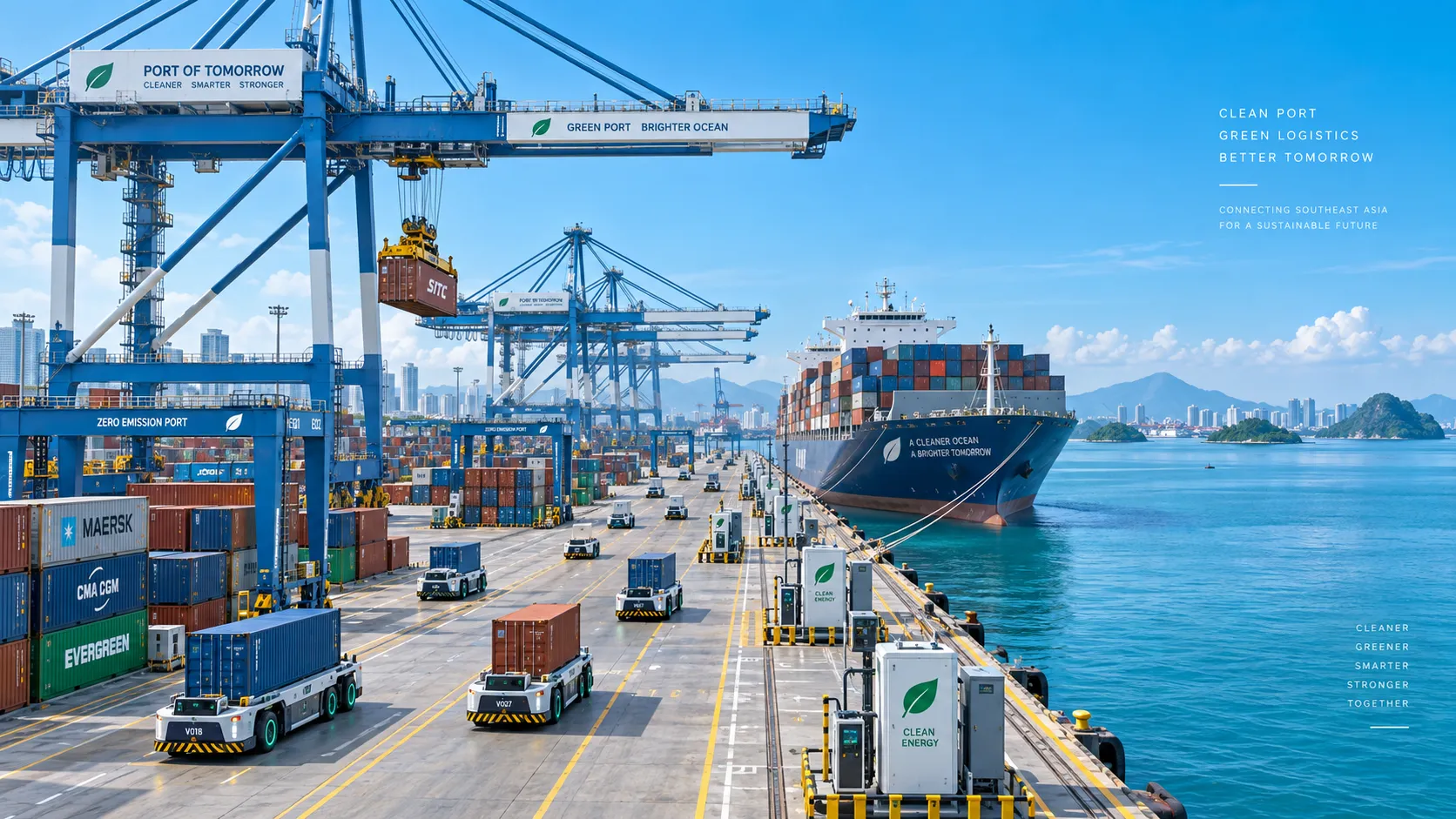
Smart Port Systems in Southeast Asia: Investment Priorities and Adoption Barriers
Smart port systems Southeast Asia: discover investment priorities, adoption barriers, and practical steps to build resilient, connected, high-performing terminals.
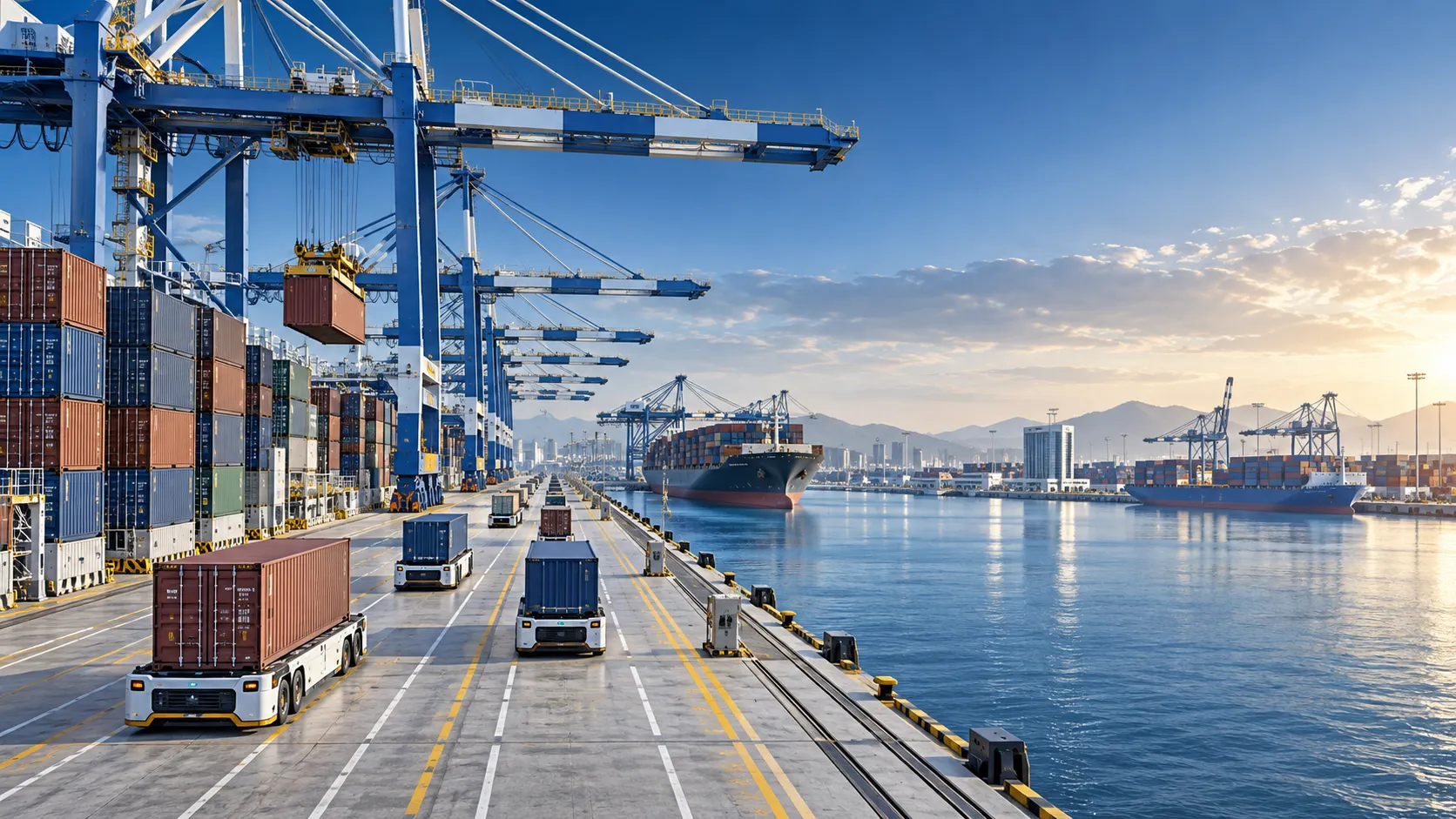
How to Evaluate Terminal Efficiency Solution Suppliers for High-Throughput Operations
Choose a terminal efficiency solutions supplier with confidence. Explore proven criteria for throughput, integration, lifecycle cost, safety, and reliable delivery.
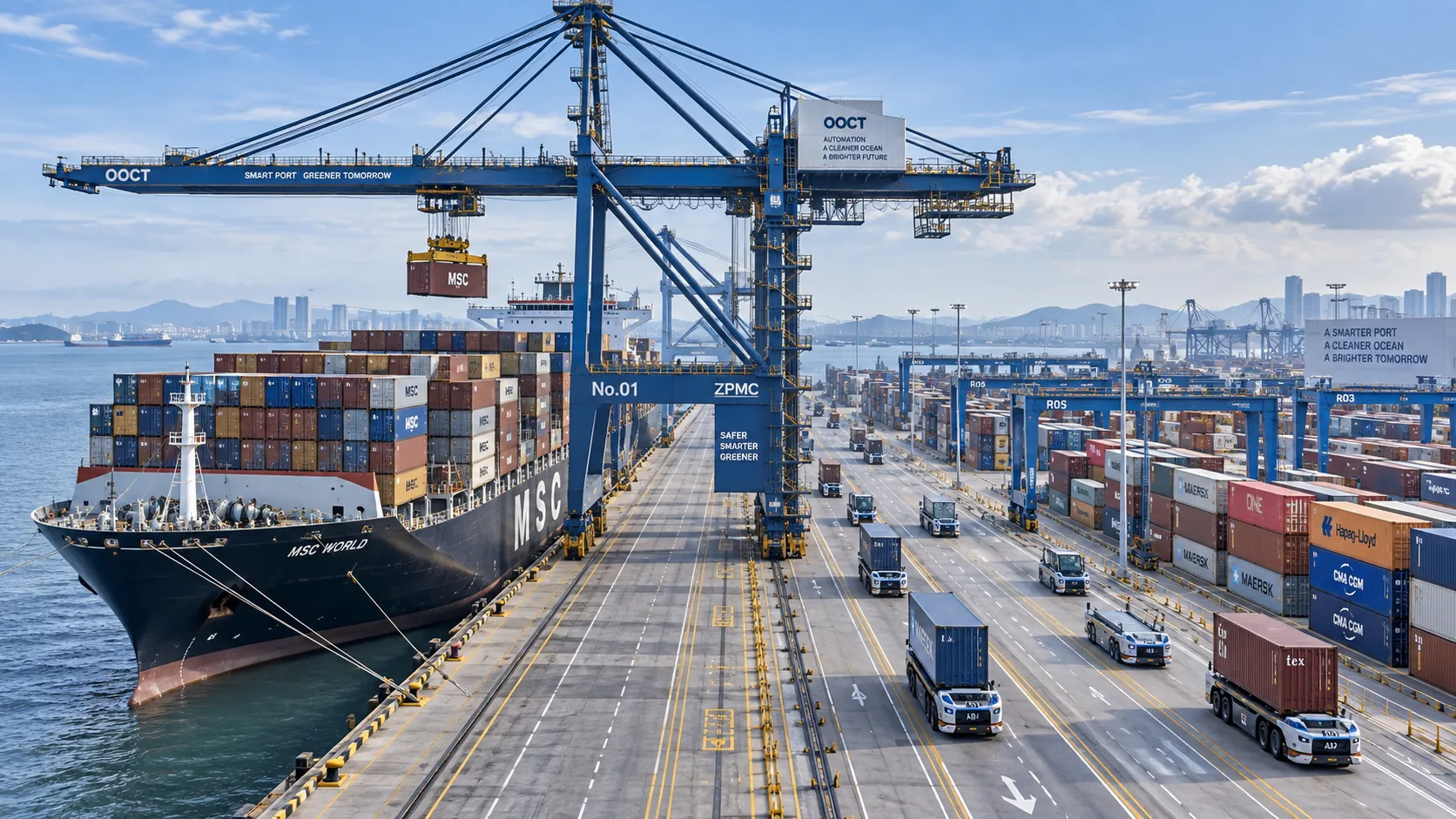
How to Specify a Quay Crane for Container Terminals by Vessel Size and Throughput?
Quay crane for container terminals: learn how to match outreach, lift height, capacity, automation, and cycle performance to vessel size and throughput goals.
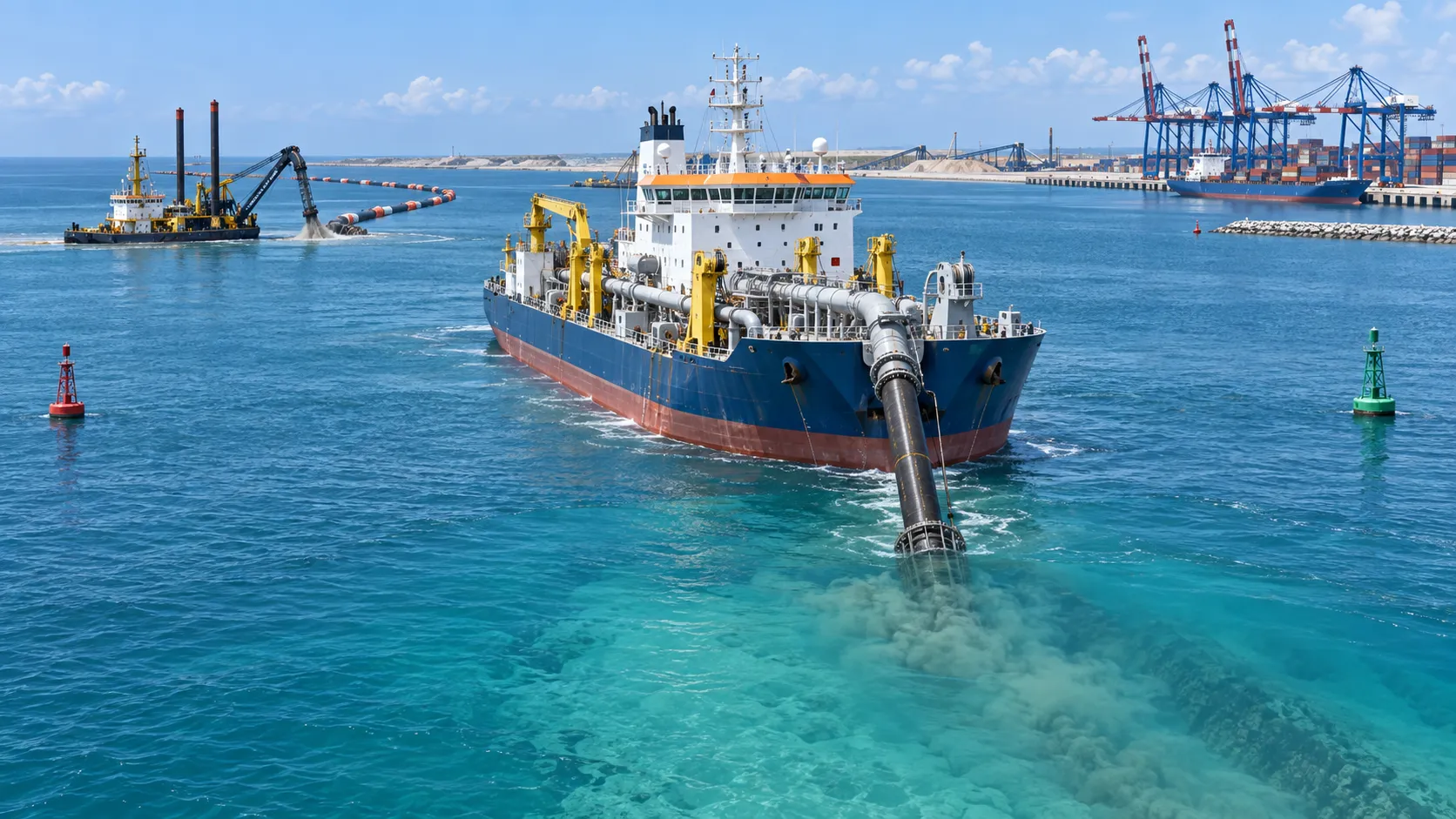
What Dredging Equipment Is Needed for Channel Deepening?
What dredging equipment is needed for channel deepening? Explore dredgers, pipelines, survey tools, and planning strategies for safer, more efficient port access.
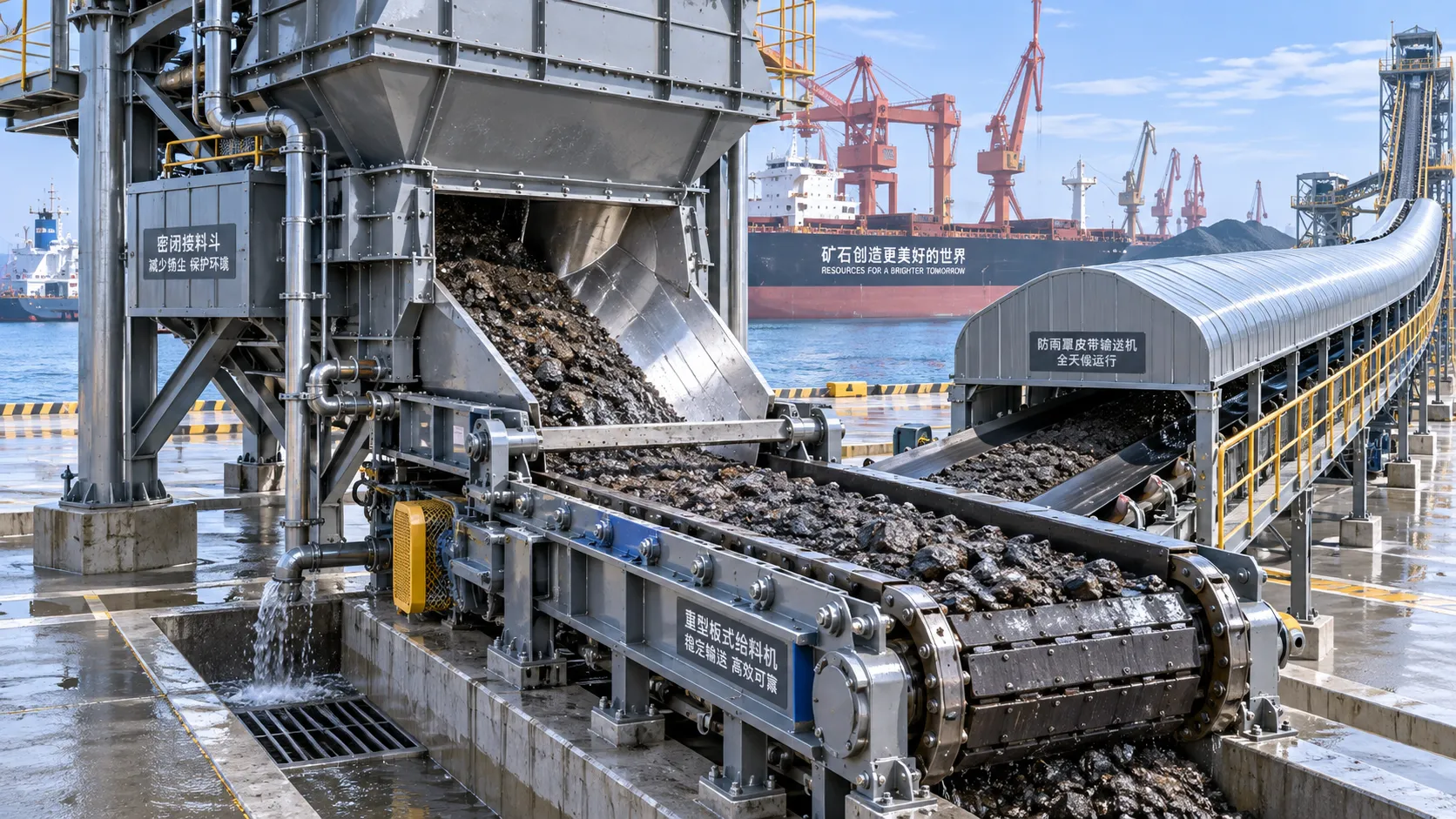
Which Bulk Handling Equipment Suits High-Moisture Cargo?
Which bulk handling equipment suits high-moisture cargo? Compare belt, apron, screw, drag, and slurry systems for reliable flow, less carryback, and higher terminal uptime.
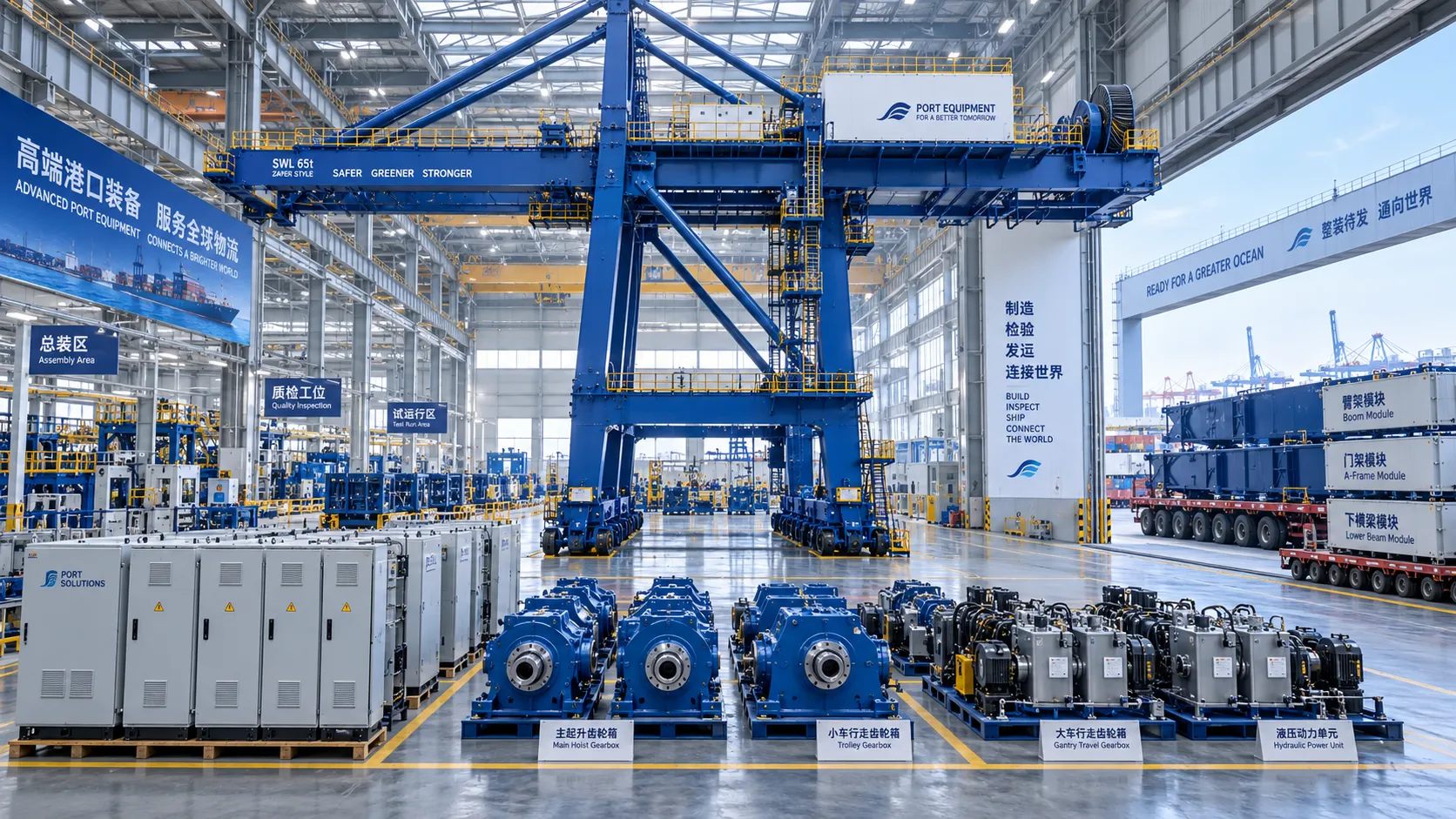
How Can Port Equipment Lead-Time Risk Be Managed?
How can port equipment lead-time risk be managed? Explore practical strategies to control critical paths, suppliers, transport, site readiness, and commissioning delays.
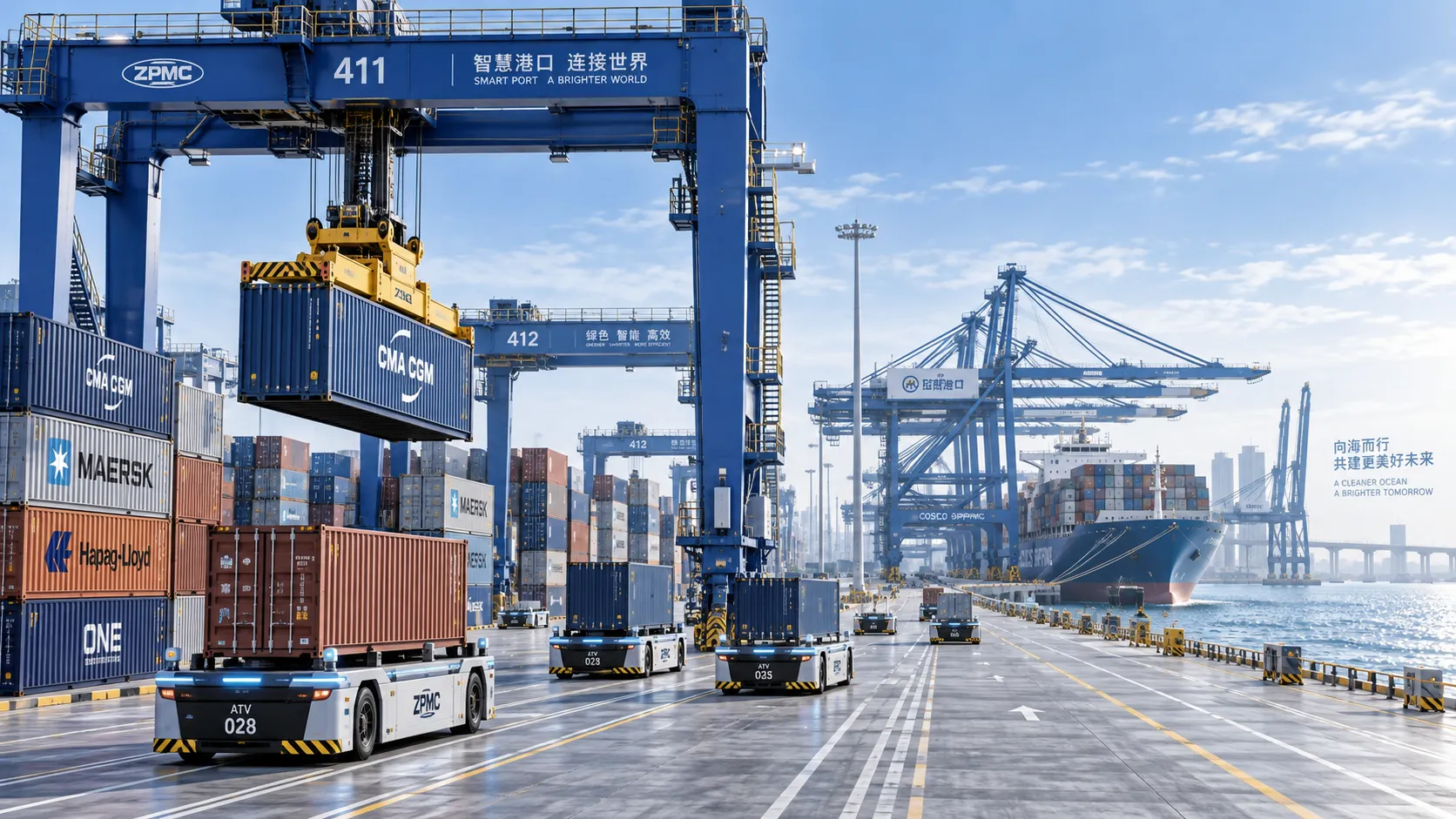
Terminal Automation Technologies That Raise Container Throughput Without Yard Disruption
Terminal automation technology that increases container throughput without disrupting yard flow. Explore smarter integration, resilient workflows, and phased deployment strategies.
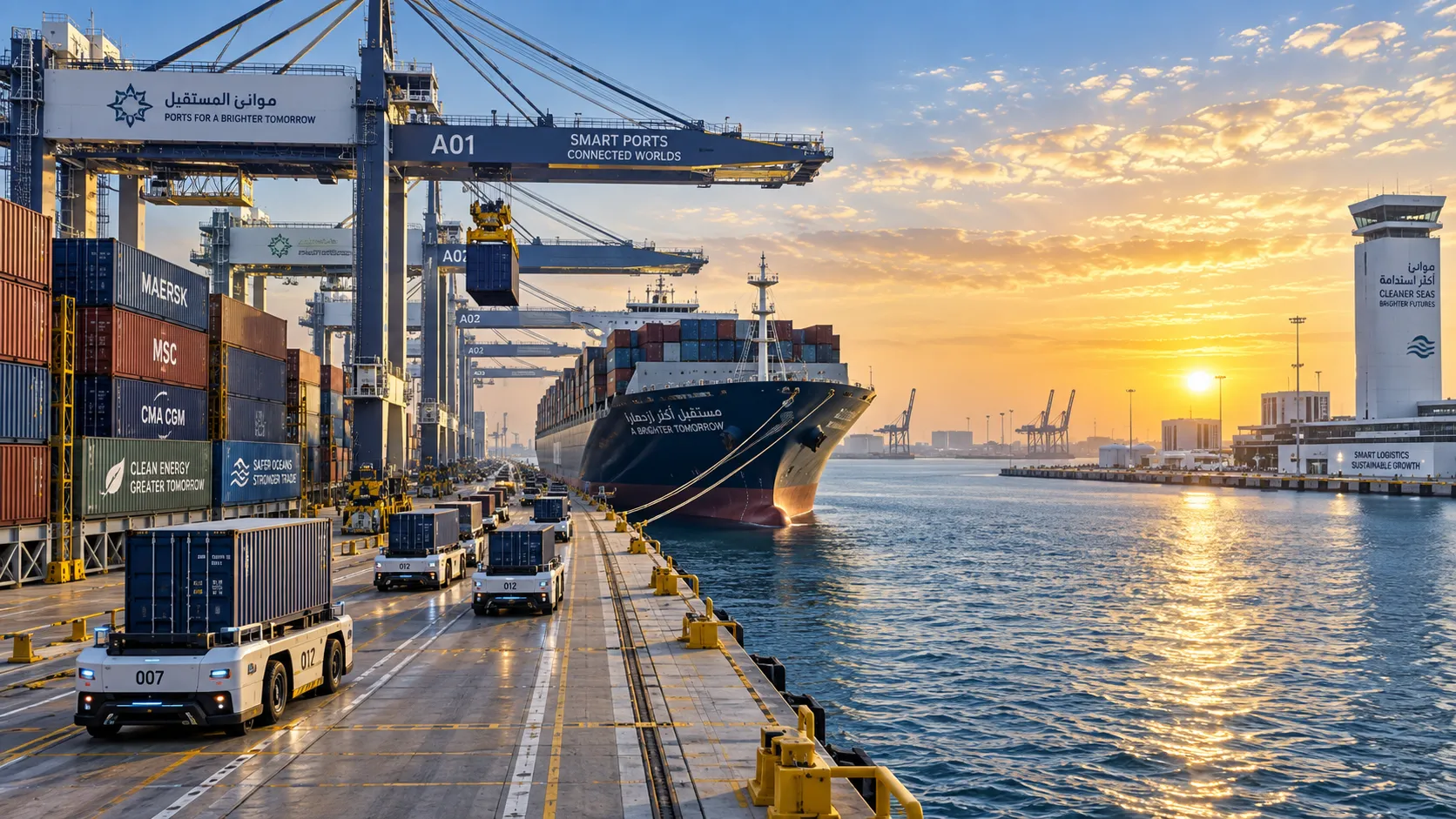
Middle East Port Automation: Key Market Drivers, Projects, and Investment Risks
Port automation systems Middle East: explore market drivers, flagship projects, integration challenges, and investment risks shaping smarter, resilient terminals.
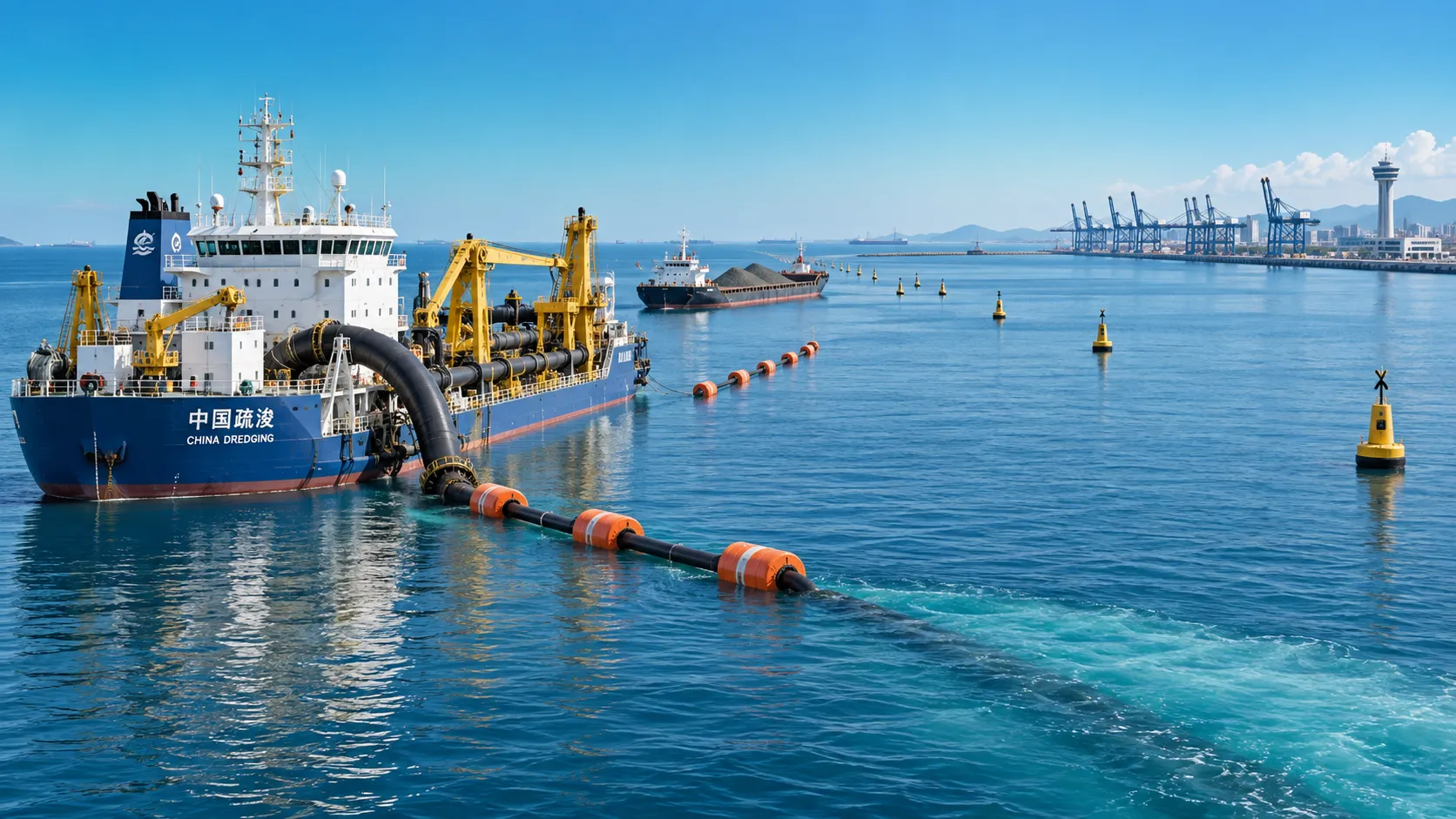
Planning Offshore Dredging Operations: Key Risks, Methods, and Project Controls
Offshore dredging operations demand smart planning. Explore key risks, proven methods, environmental controls, and project strategies for reliable delivery.