Related News
- 00
0000-00
How Can Port Equipment Lead-Time Risk Be Managed? - 00
0000-00
Maritime Logistics Operations: How Ports Can Reduce Container Dwell Time - 00
0000-00
What Does Logistics Node Monitoring Cost Across Warehouses and Transport Hubs? - 00
0000-00
How Can IoT Smart Port Solutions Improve Container Tracking and Yard Efficiency? - 00
0000-00
How Real-Time Port Logistics Intelligence Improves Container Yard Efficiency
How Smart Port Systems Improve Yard Management Efficiency and Container Visibility
In busy terminals, yard space is never just “space.” It is a live operating system where every container move affects gate flow, vessel turnaround, truck waiting times, and equipment utilization. That is why smart port systems for yard management are attracting so much attention from enterprise decision-makers. They do not merely digitize existing routines; they change how the yard thinks, reacts, and prioritizes work in real time.
For ports under pressure to handle more volume with less congestion, the question is no longer whether to modernize. It is how to make yard operations more predictable without losing flexibility. A smart port system gives operators a clearer operational picture, from container location and stack status to equipment dispatch and exception handling. The result is a terminal that can move faster without becoming harder to control.
Why yard management has become a visibility problem, not just a space problem
In many terminals, the yard looks efficient on paper until a wave of delayed arrivals, reshuffles, and unexpected gate surges begins to expose the weak points. Containers get stacked in ways that seem efficient in the moment but create future rehandling. Equipment crews rely on partial information. Supervisors spend too much time confirming where a box is, who moved it, and what should happen next.
This is where visibility becomes more than a reporting function. A smart port system for yard management connects planning and execution so the terminal is not operating from yesterday’s status. Instead, it uses live data from gates, cranes, yard equipment, and terminal operating systems to keep the container picture current. That means fewer blind spots, fewer manual calls, and fewer costly surprises when priorities change.
For decision-makers, this shift matters because the financial cost of poor visibility is rarely isolated. It shows up as missed truck appointments, delayed vessel operations, excessive yard rehandles, and underused assets. Over time, those inefficiencies shape service levels, customer trust, and even how much growth a terminal can absorb without expanding physical space.
What smart port systems for yard management actually change
The strongest value of these systems is not one single function, but the way they connect several operational layers into one decision loop. Yard planning, container placement, equipment assignment, and status updates no longer live in separate silos. The system helps align them.
For example, when a container is expected to leave soon, the system can recommend a stack position that reduces future reshuffles. When a vessel schedule shifts, it can adjust yard priorities to protect loading sequence. When truck arrivals fluctuate, the terminal can rebalance work across lanes or blocks instead of reacting one disruption at a time. This is the kind of operational coordination that turns a yard from reactive to anticipatory.
Real-time container visibility also improves confidence at the supervisory level. Teams can see where bottlenecks are forming before they become gridlock. They can identify unproductive moves, monitor dwell time patterns, and make better use of equipment that would otherwise sit idle during handoffs or miscommunication.
Where the efficiency gains usually appear first
Many terminals expect the biggest win to be space optimization, and that is important. But in practice, the earliest gains often come from smoother workflow control. Once yard teams have more reliable information, they spend less time searching, confirming, and correcting. That alone can change daily throughput.
Another early benefit is better stacking logic. Smart port systems can support rules that reflect actual operating priorities: vessel cut-off times, cargo type, destination grouping, dwell-time risk, or equipment constraints. Instead of stacking only by habit or availability, the yard begins to reflect business logic. That lowers unnecessary moves and makes retrieval more efficient.
Equipment scheduling is also easier to manage when the system can see demand patterns across the yard. Automated container handling equipment, AGVs, reach stackers, and cranes perform better when dispatch is based on synchronized demand rather than isolated requests. In a port environment where minutes matter, reducing idle travel and wasted assignments can be just as valuable as adding new hardware.
Container visibility is not only about location
Many people hear “container visibility” and think of a GPS-style dot on a screen. In terminal operations, the concept is broader. A useful smart port system should tell operators not only where a container is, but also what state it is in, how long it has been there, which task it is waiting for, and whether its current position still makes sense under today’s plan.
This deeper visibility helps ports manage exceptions more intelligently. A container held for inspection, a delayed transshipment unit, or a box reassigned due to vessel changes can all be tracked in context. That reduces the risk of misplacement and makes it easier to resolve disruptions without triggering a chain of manual corrections.
For enterprise leaders, this is the difference between data and operational intelligence. Data tells you that a container exists. Intelligence tells you whether that container is helping or hurting the flow of the yard.
What to look for when evaluating a smart yard management approach
Not every system will fit every terminal. The best choice depends on how complex the yard is, how much automation is already in place, and how tightly the port needs to coordinate with vessel, gate, and rail operations. A decision-maker should look beyond interface design and ask a more practical question: can the system support the way the terminal really works?
That means checking whether it can integrate with existing terminal operating systems, support live data exchange, and adapt to changing operating rules. It also means asking how exceptions are handled. A strong platform should not only optimize the ideal plan; it should also support the messy reality of weather changes, late arrivals, equipment outages, and priority cargo.
Interoperability is especially important in ports moving toward broader automation. Yard management cannot function as a standalone island. It needs to sync with port automation and control systems, crane logic, and equipment monitoring tools. When these layers are aligned, the terminal can move toward a more stable operating rhythm instead of relying on constant human intervention.
The strategic value goes beyond the yard fence
Smart yard management is often discussed as an operational upgrade, but its effects reach further. Better visibility helps protect customer commitments. More efficient stacking improves asset use. Cleaner workflows support energy reduction by lowering unnecessary moves and idle time. In a broader sense, this supports the port’s ability to grow without expanding its physical footprint at the same pace.
That is especially relevant in today’s logistics environment, where ports are being asked to do more with less disruption, tighter sustainability expectations, and more volatile trade flows. A yard that can absorb change without collapsing into congestion becomes a strategic asset, not just a back-end function.
For PS-Nexus readers focused on heavy terminal gear, automated container handling, and port automation, the message is straightforward: yard management is now a core intelligence layer in the blue economy. When smart port systems for yard management are designed well, they help terminals turn complexity into coordination, and coordination into throughput.
In the end, the value is not simply that operators can see more. It is that they can decide better, faster, and with greater confidence. That is what modern terminals need most: not just motion, but controlled motion.
Related News
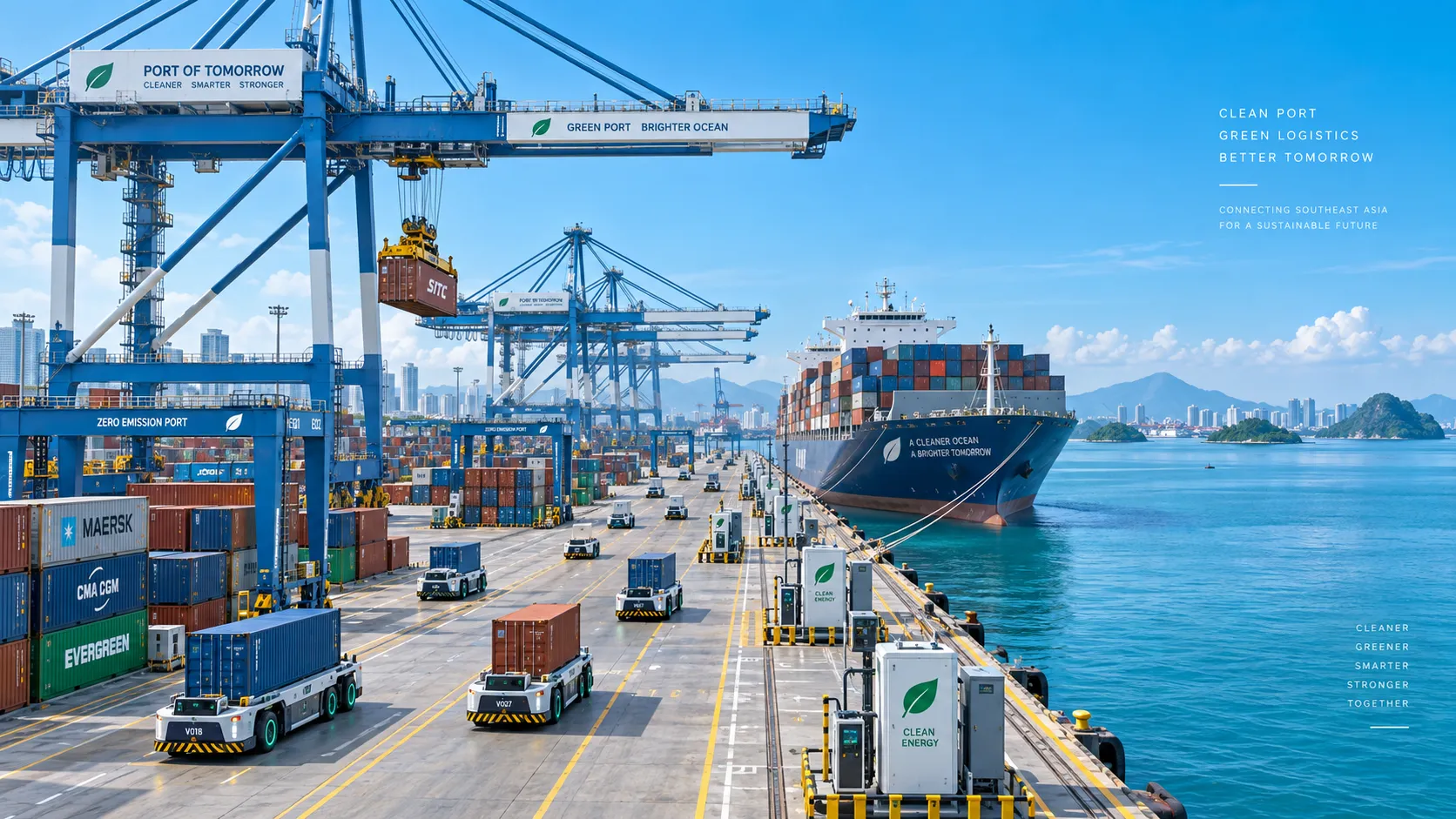
Smart Port Systems in Southeast Asia: Investment Priorities and Adoption Barriers
Smart port systems Southeast Asia: discover investment priorities, adoption barriers, and practical steps to build resilient, connected, high-performing terminals.
How to Evaluate Terminal Efficiency Solution Suppliers for High-Throughput Operations
Choose a terminal efficiency solutions supplier with confidence. Explore proven criteria for throughput, integration, lifecycle cost, safety, and reliable delivery.
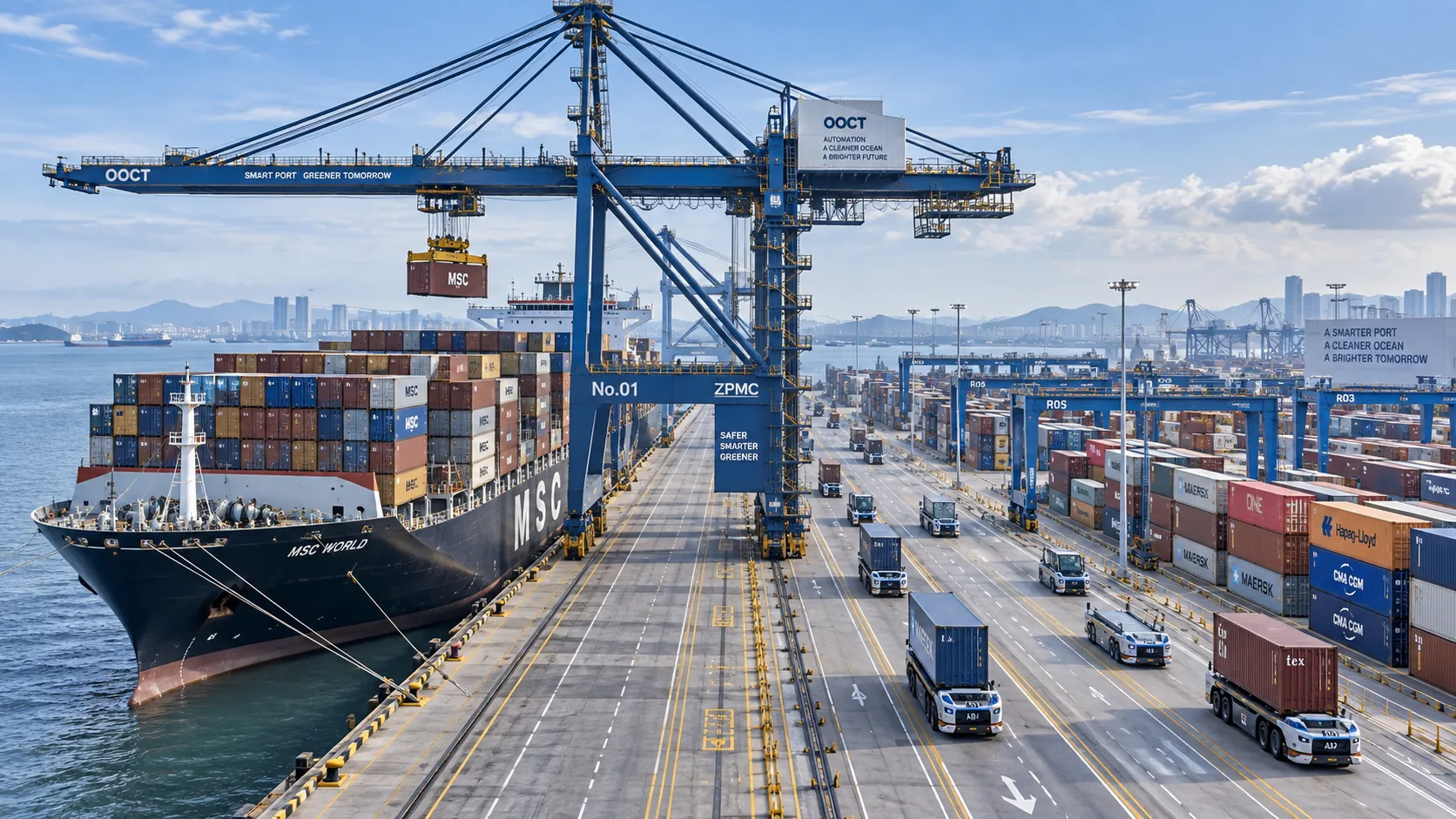
How to Specify a Quay Crane for Container Terminals by Vessel Size and Throughput?
Quay crane for container terminals: learn how to match outreach, lift height, capacity, automation, and cycle performance to vessel size and throughput goals.
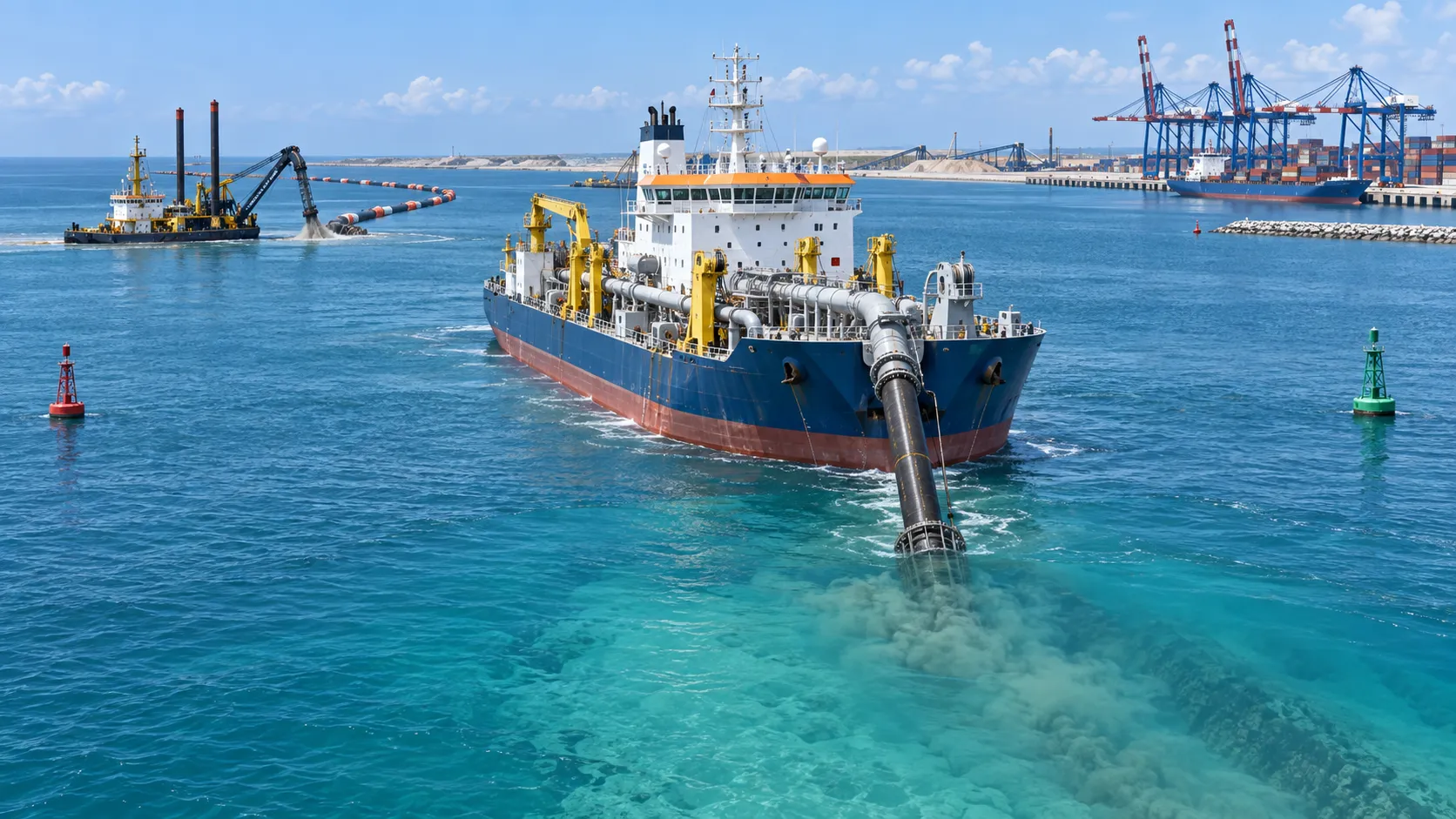
What Dredging Equipment Is Needed for Channel Deepening?
What dredging equipment is needed for channel deepening? Explore dredgers, pipelines, survey tools, and planning strategies for safer, more efficient port access.
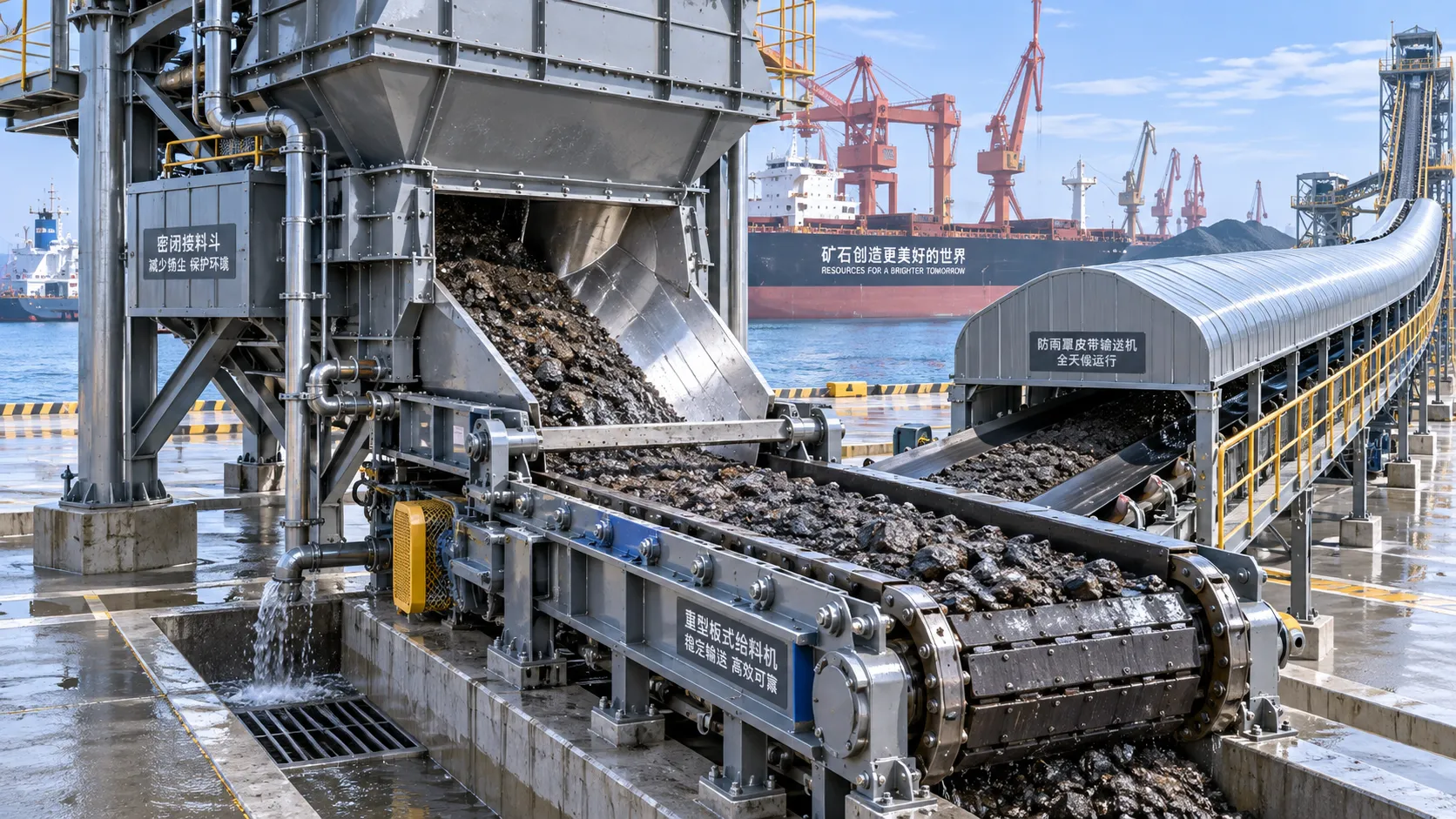
Which Bulk Handling Equipment Suits High-Moisture Cargo?
Which bulk handling equipment suits high-moisture cargo? Compare belt, apron, screw, drag, and slurry systems for reliable flow, less carryback, and higher terminal uptime.
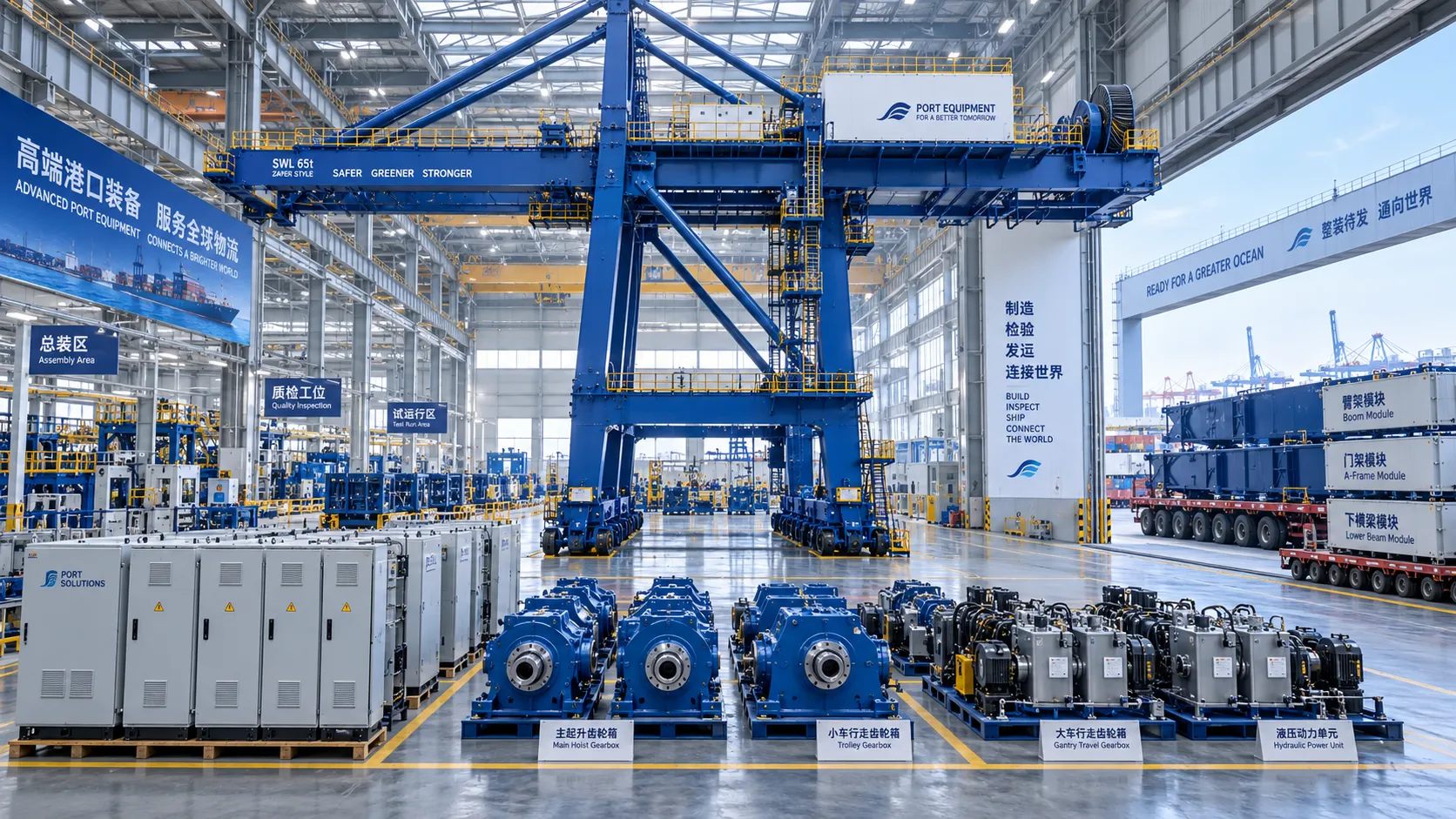
How Can Port Equipment Lead-Time Risk Be Managed?
How can port equipment lead-time risk be managed? Explore practical strategies to control critical paths, suppliers, transport, site readiness, and commissioning delays.
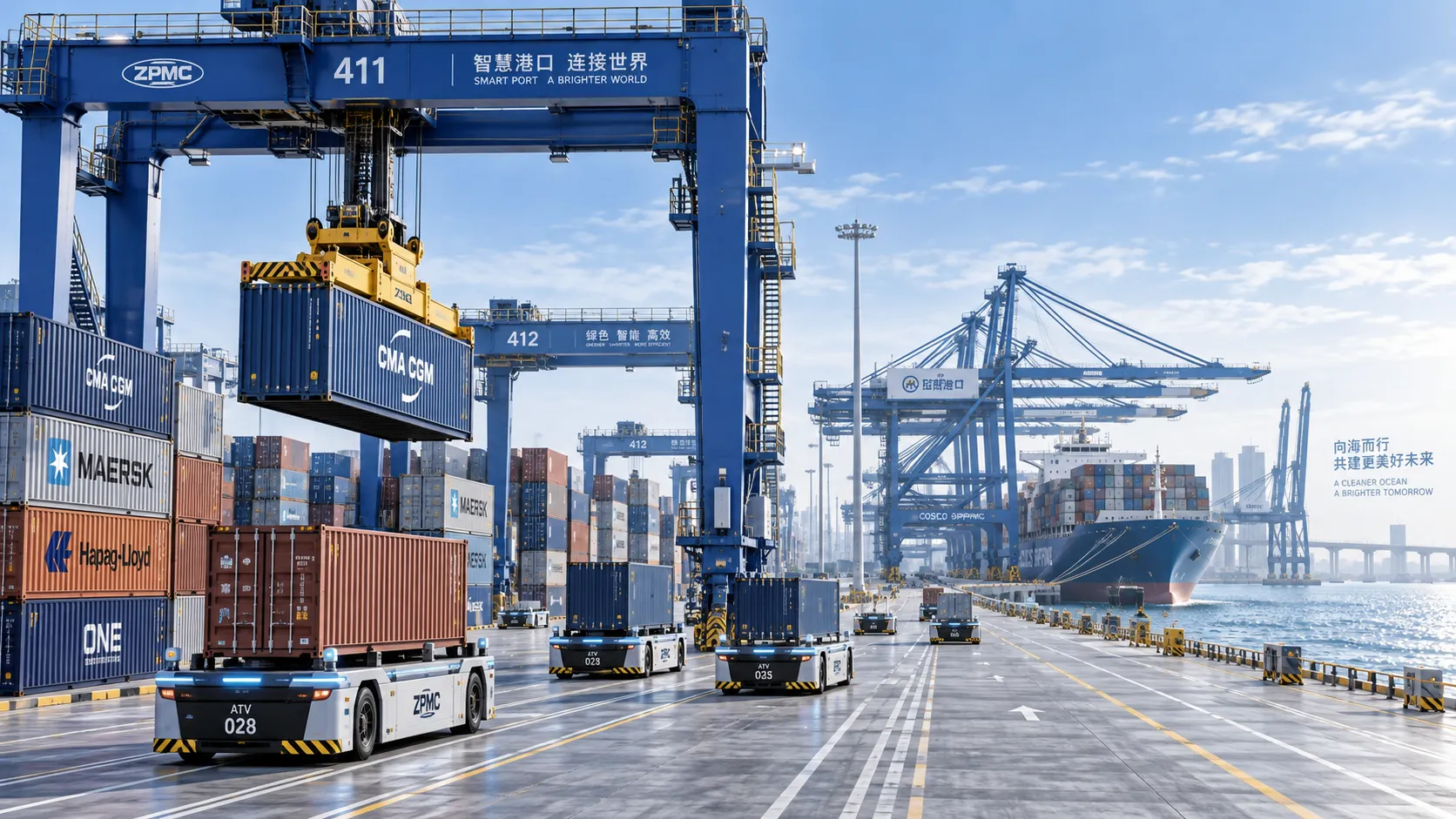
Terminal Automation Technologies That Raise Container Throughput Without Yard Disruption
Terminal automation technology that increases container throughput without disrupting yard flow. Explore smarter integration, resilient workflows, and phased deployment strategies.
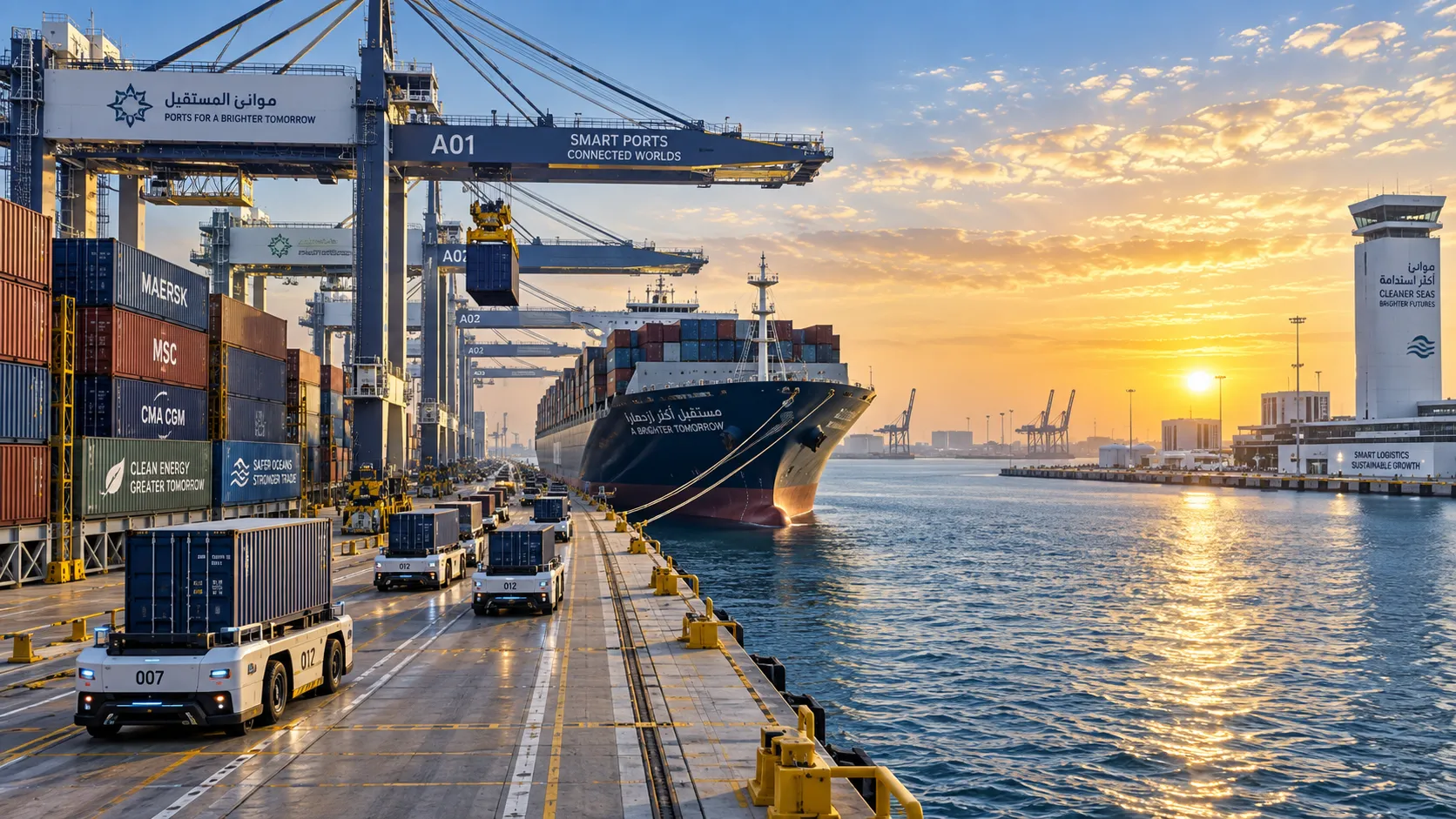
Middle East Port Automation: Key Market Drivers, Projects, and Investment Risks
Port automation systems Middle East: explore market drivers, flagship projects, integration challenges, and investment risks shaping smarter, resilient terminals.
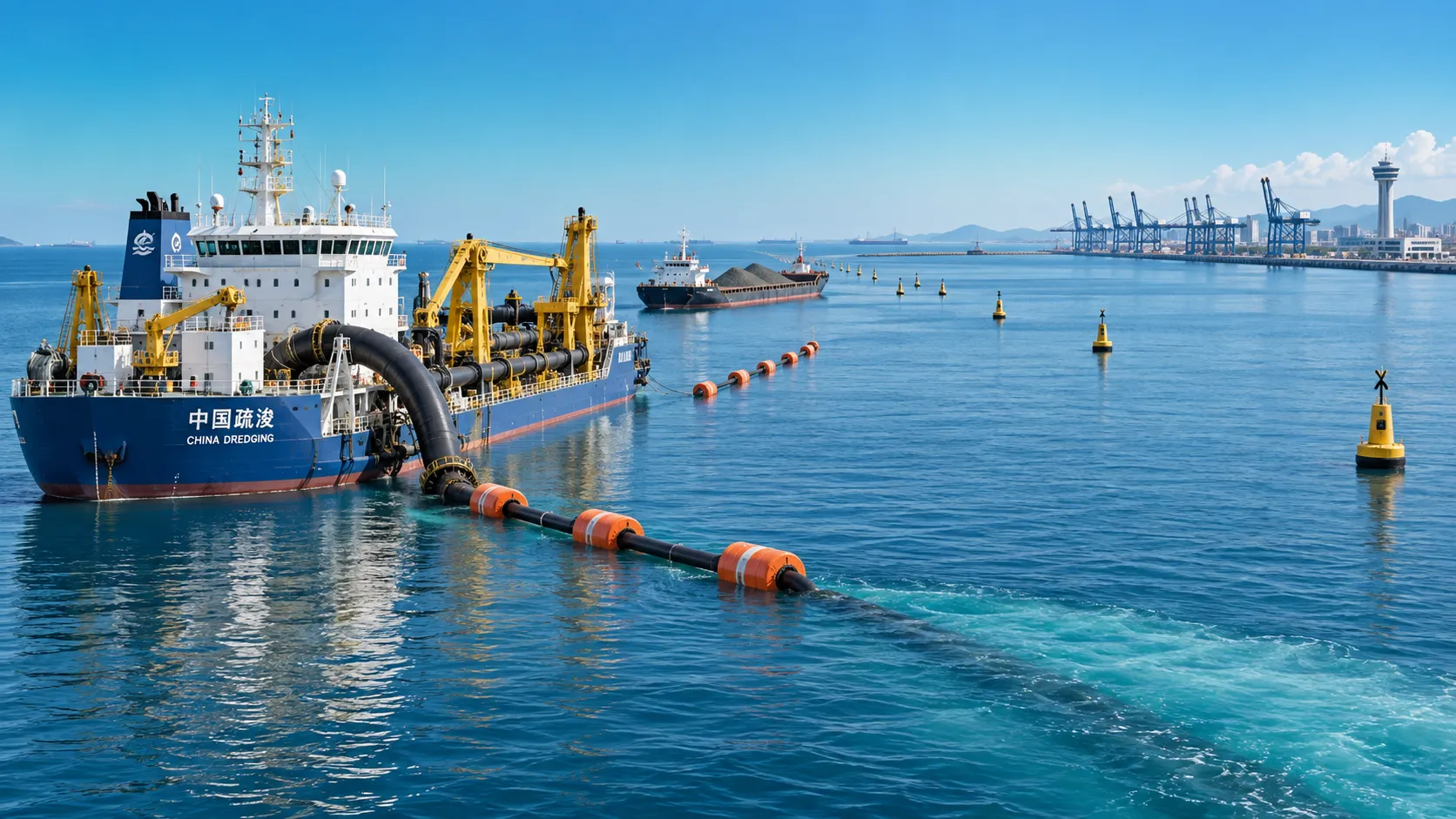
Planning Offshore Dredging Operations: Key Risks, Methods, and Project Controls
Offshore dredging operations demand smart planning. Explore key risks, proven methods, environmental controls, and project strategies for reliable delivery.